A Windjammer Moored In Falmouth Harbour — History & Analysis
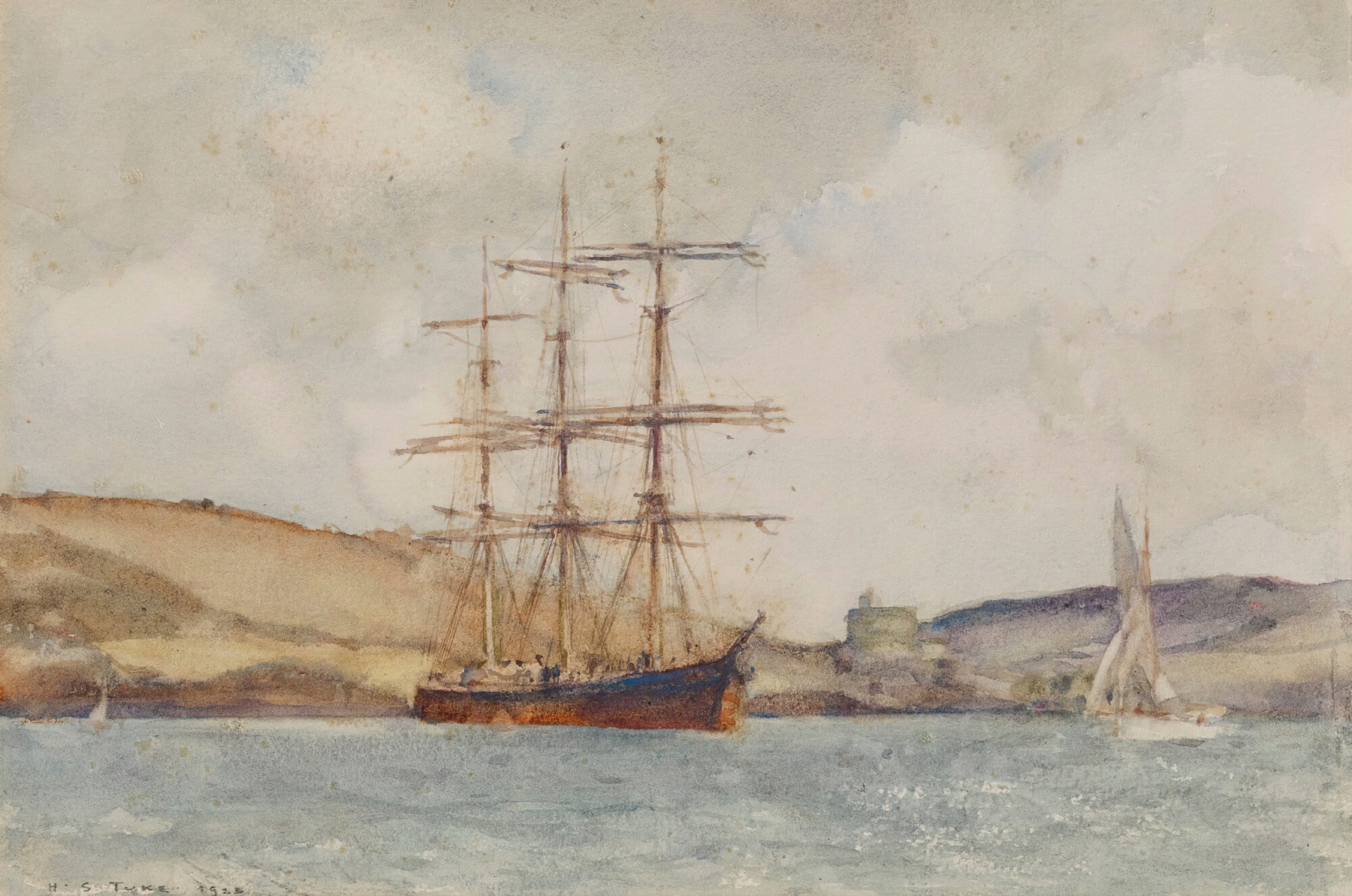
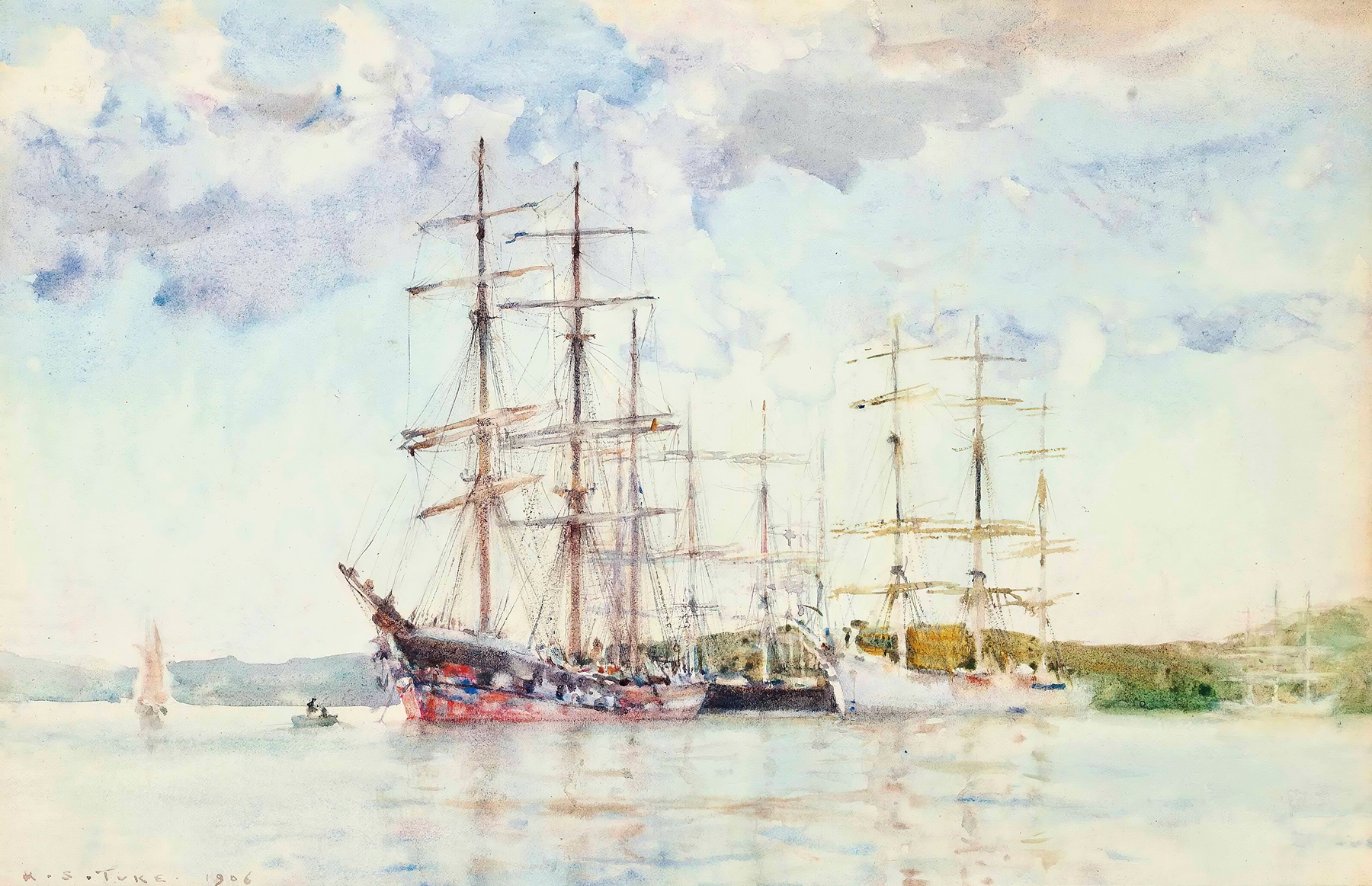
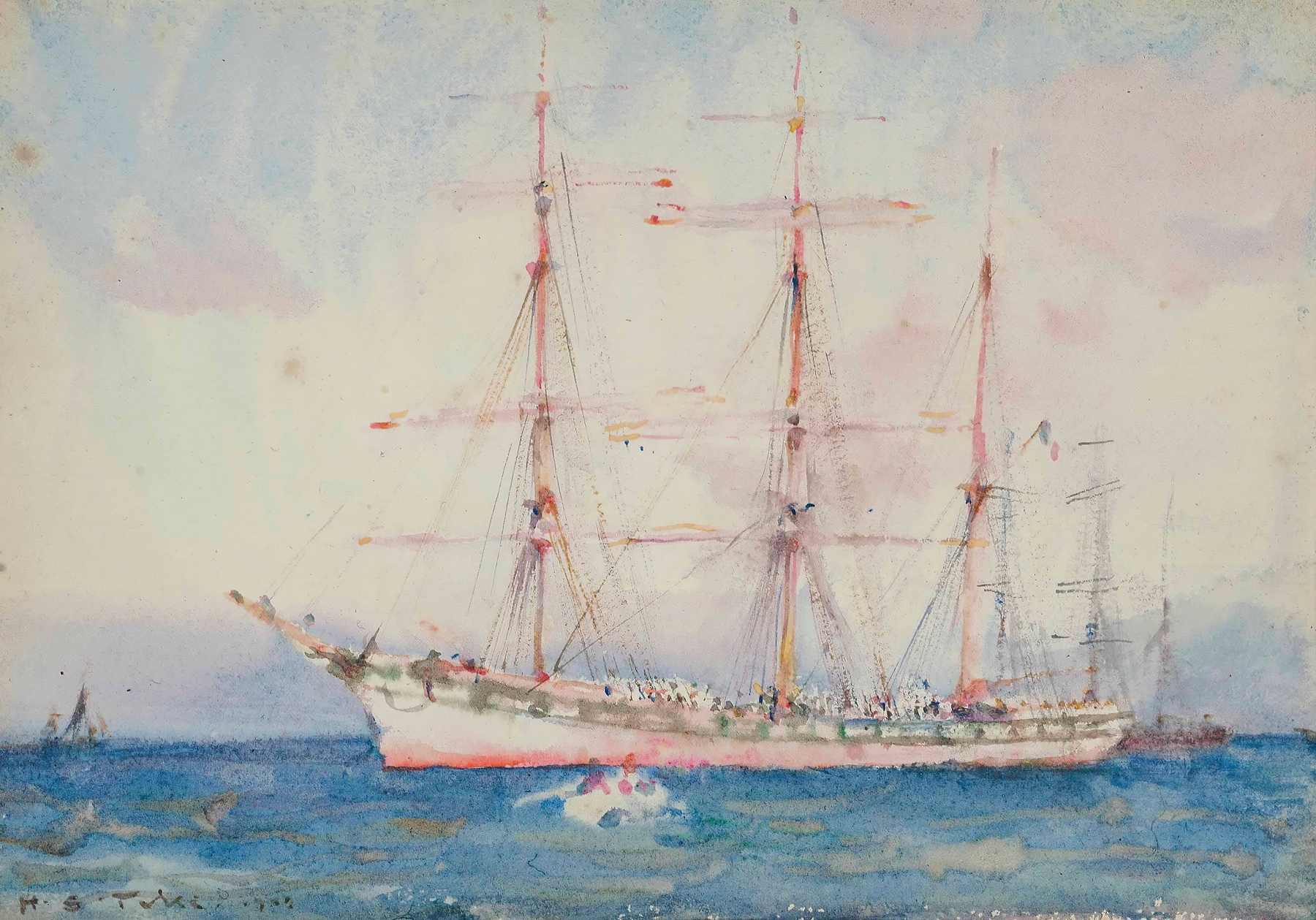
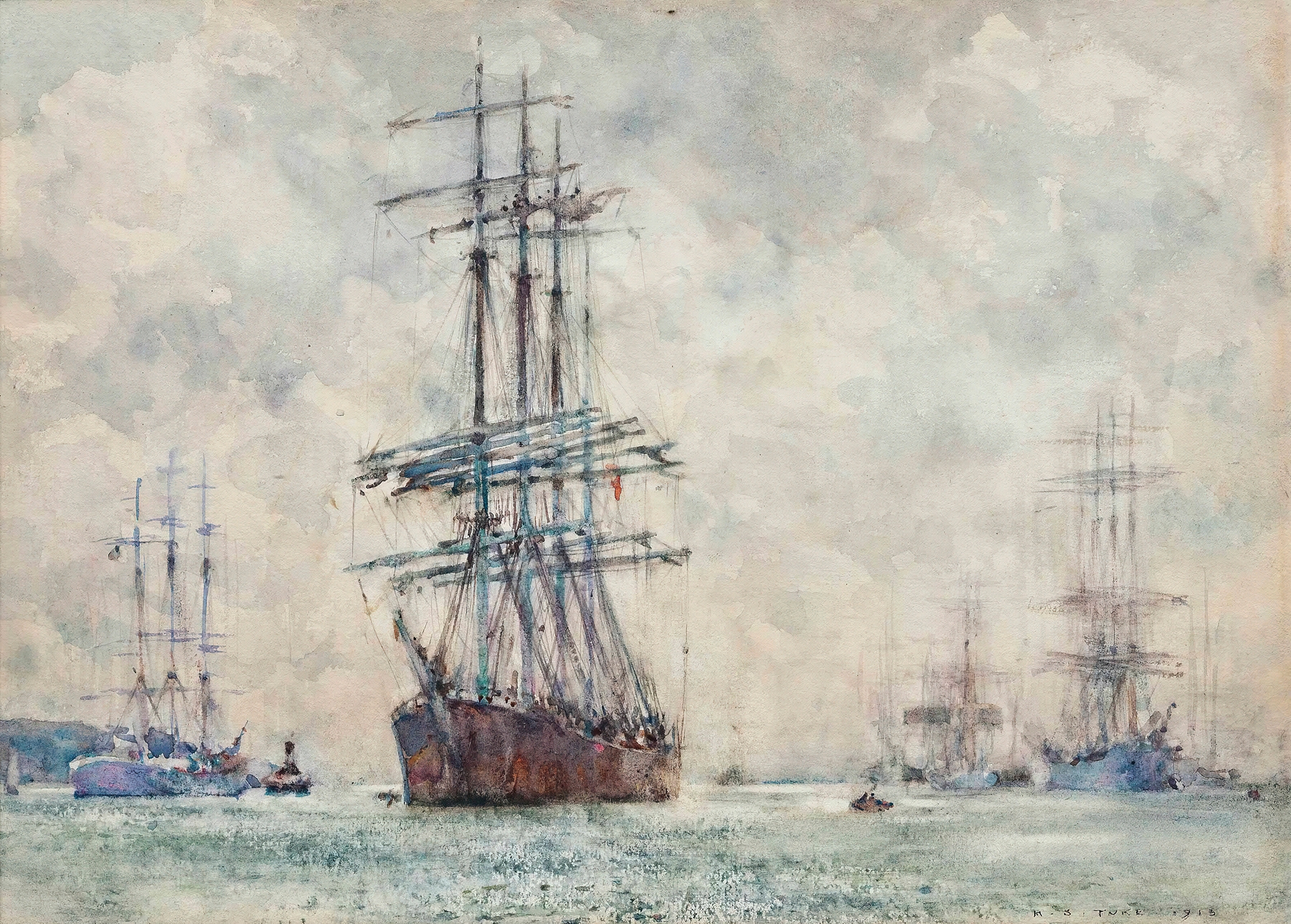
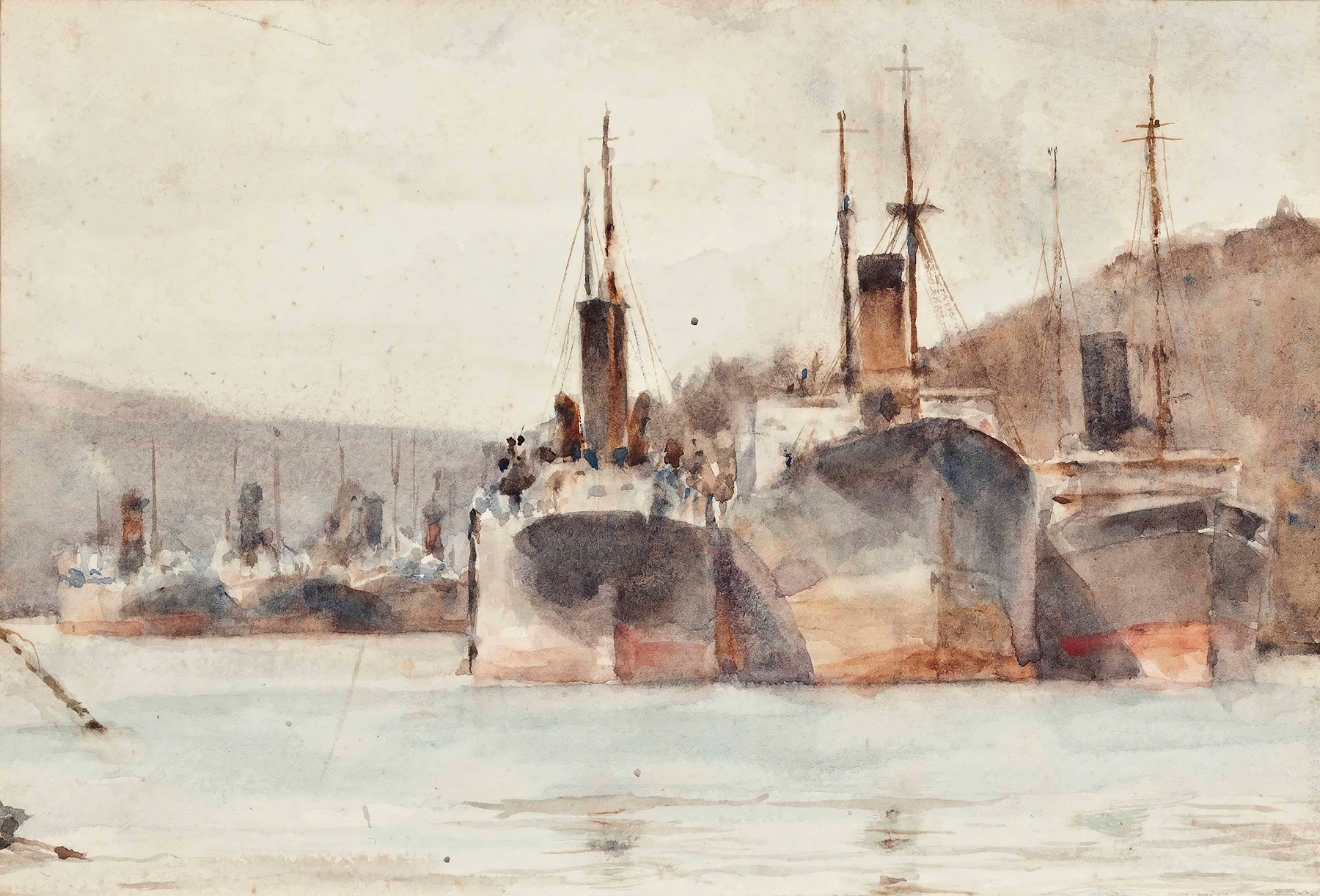
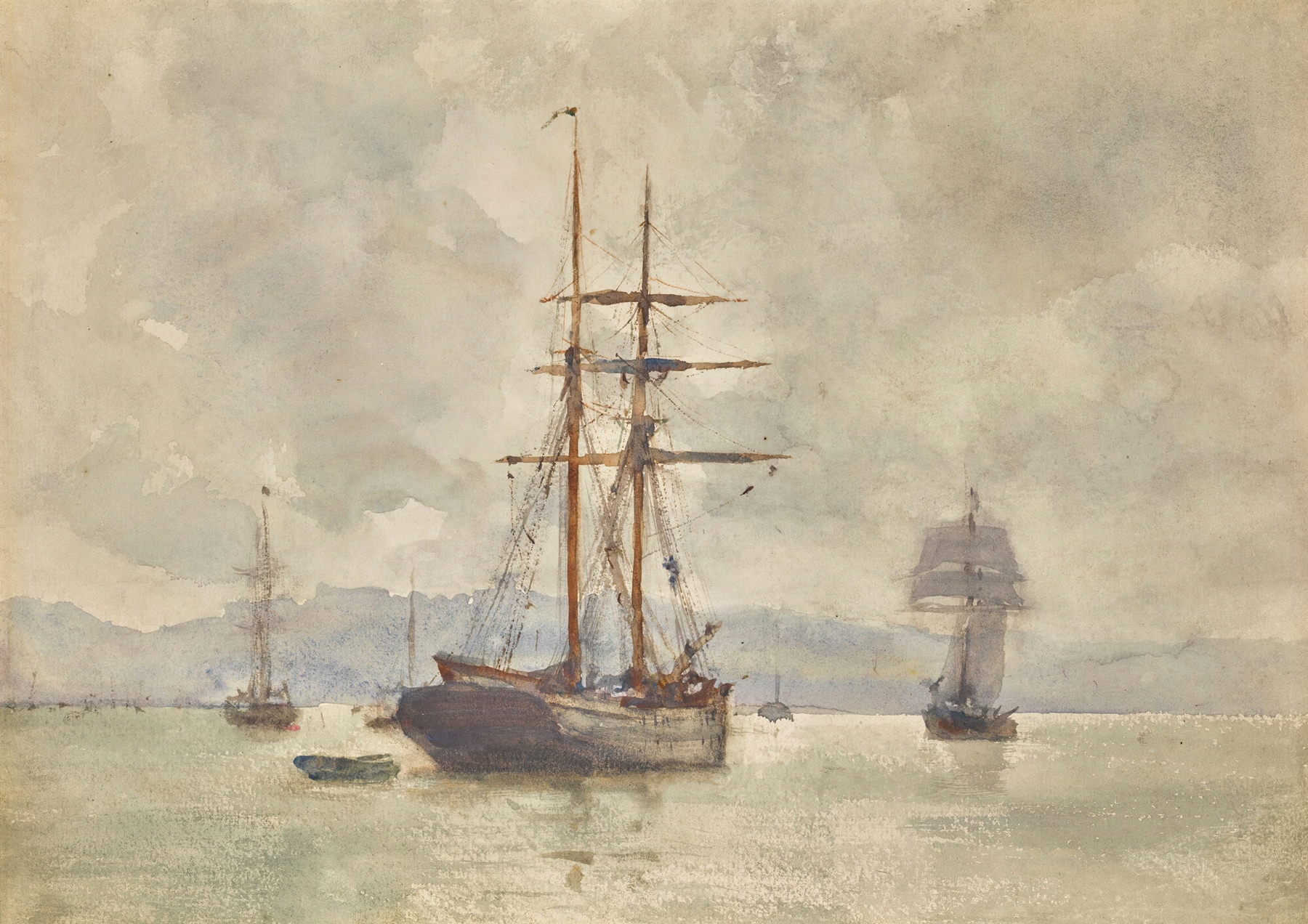
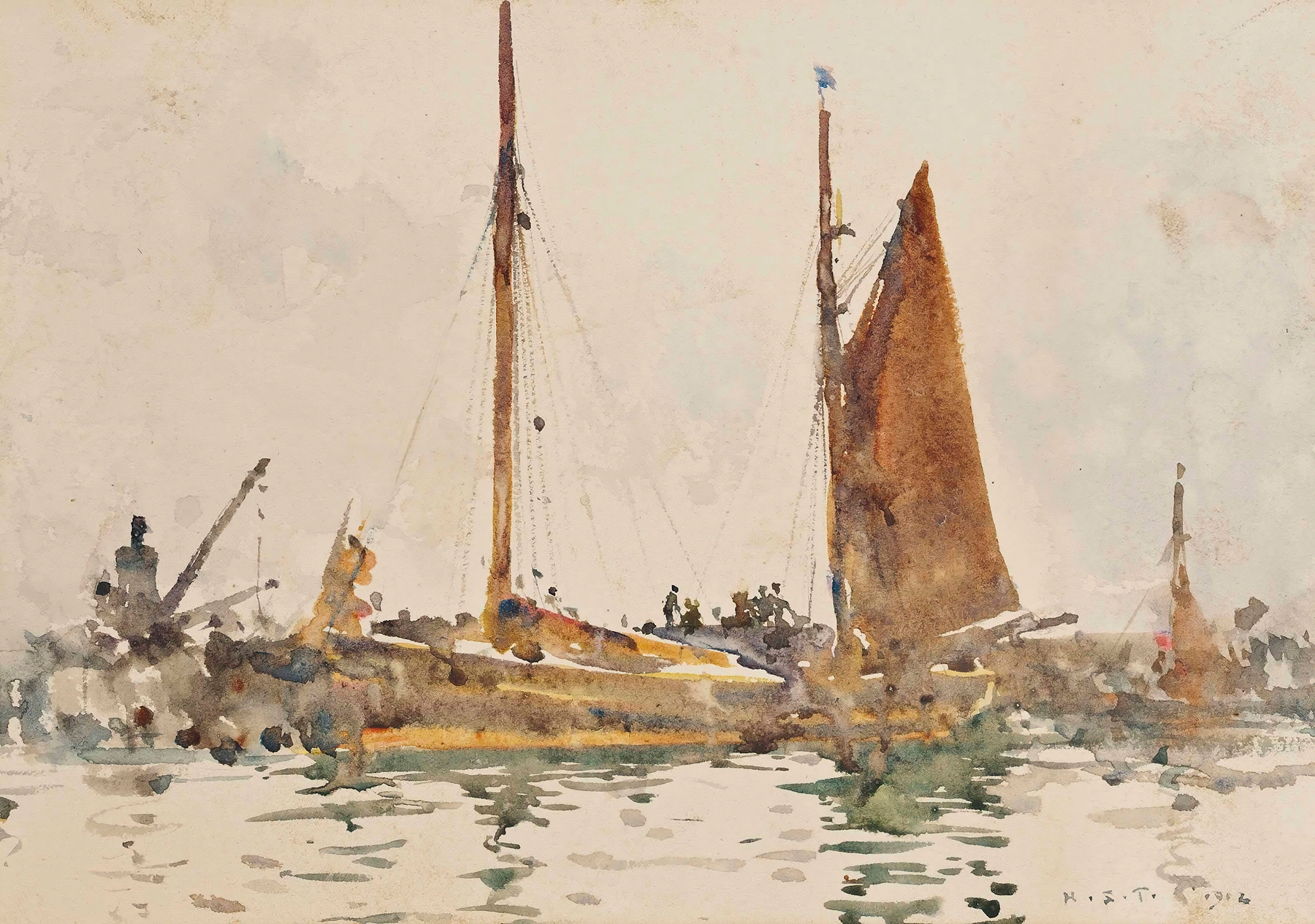
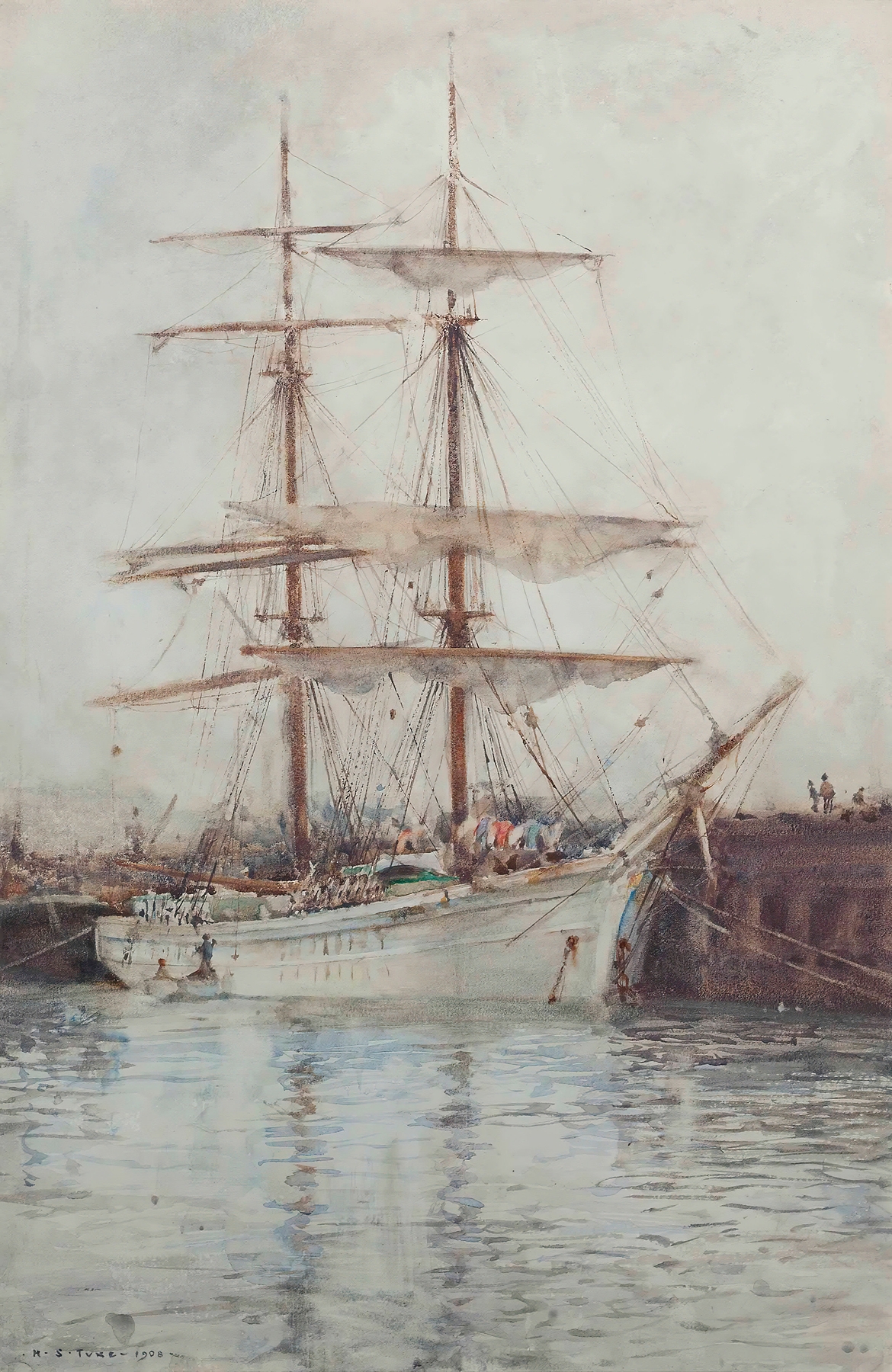
What if silence could speak through light? In A Windjammer Moored In Falmouth Harbour, the delicate interplay of hues and shadows tells a story of decay and beauty, revealing the transience of life amid the stillness of water and sky. Focus on the vibrant greens and blues that dominate the canvas, drawing your gaze first to the majestic windjammer anchored in the harbor. The ship's weathered sails, taut yet frayed, catch the gentle sunlight, while the reflections ripple across the still surface of the water. Notice how the artist captures the subtle nuances of light, illuminating the rustic textures of the wooden hull, hinting at the stories of journeys long past.
Each brushstroke seems to whisper forgotten tales of adventure and nostalgia. Yet, beneath this serene facade lies an emotional tension. The juxtaposition of the ship's imposing presence against the fragile beauty of the harbor hints at the inevitable decay that time brings. The distant hills, softened by a veil of mist, evoke a sense of longing and the passage of time, contrasting the vibrant life of the present with the shadows of what once was.
There’s an underlying awareness of the impermanence of maritime glory, where every element holds a fleeting essence, reminding us of the inevitable shift from vitality to quiet decay. In 1908, Tuke painted this piece in Falmouth, a prominent shipbuilding town in Cornwall, England. At this time, he was immersed in the Newlyn School of painters, who focused on capturing the coastal life and light of the region. Tuke’s work reflects a pivotal moment in his career, where he began to explore themes of nostalgia and transience, melding the beauty of nature with a profound awareness of time’s passage.