Aan de Ganges bij Benares — History & Analysis
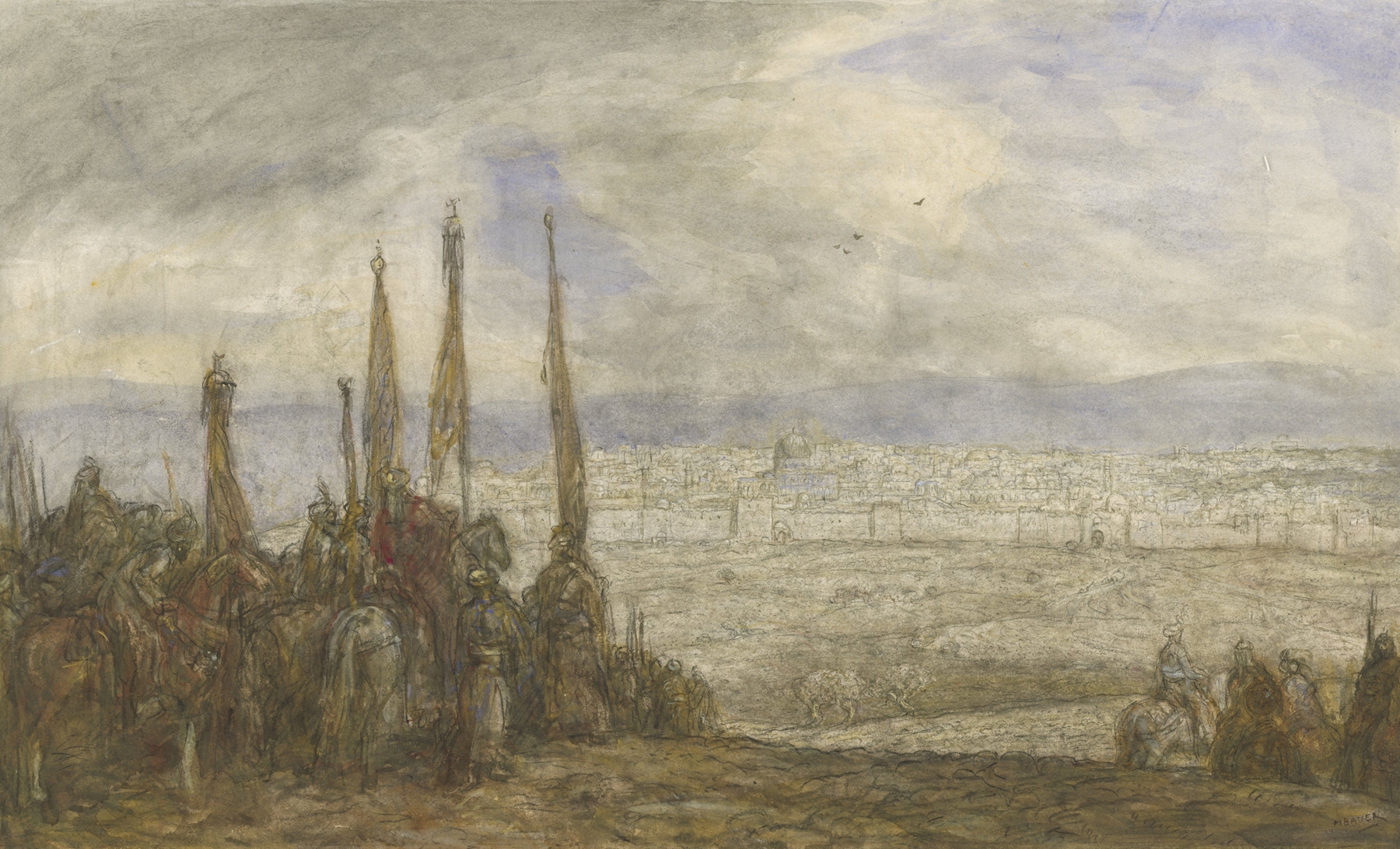
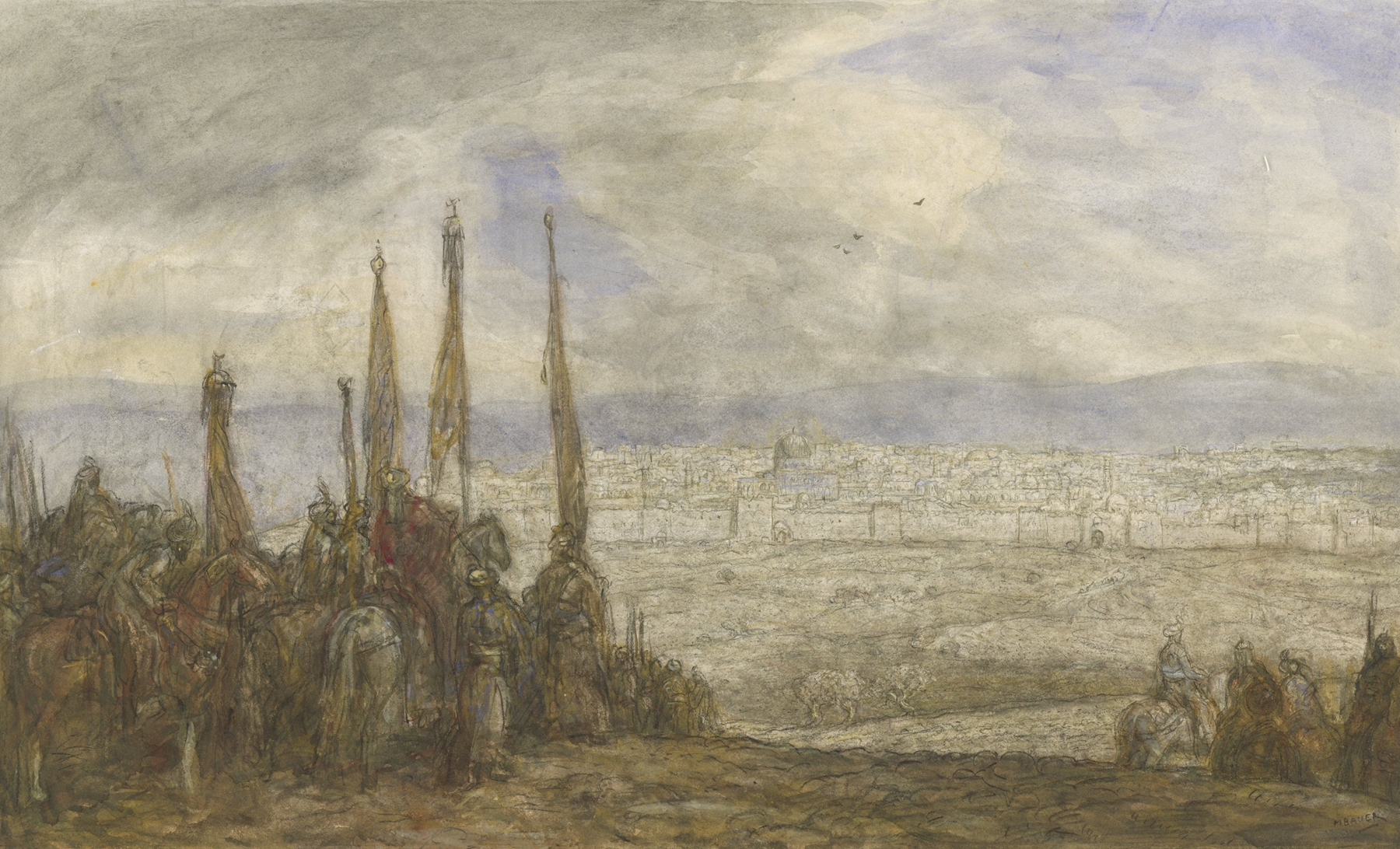
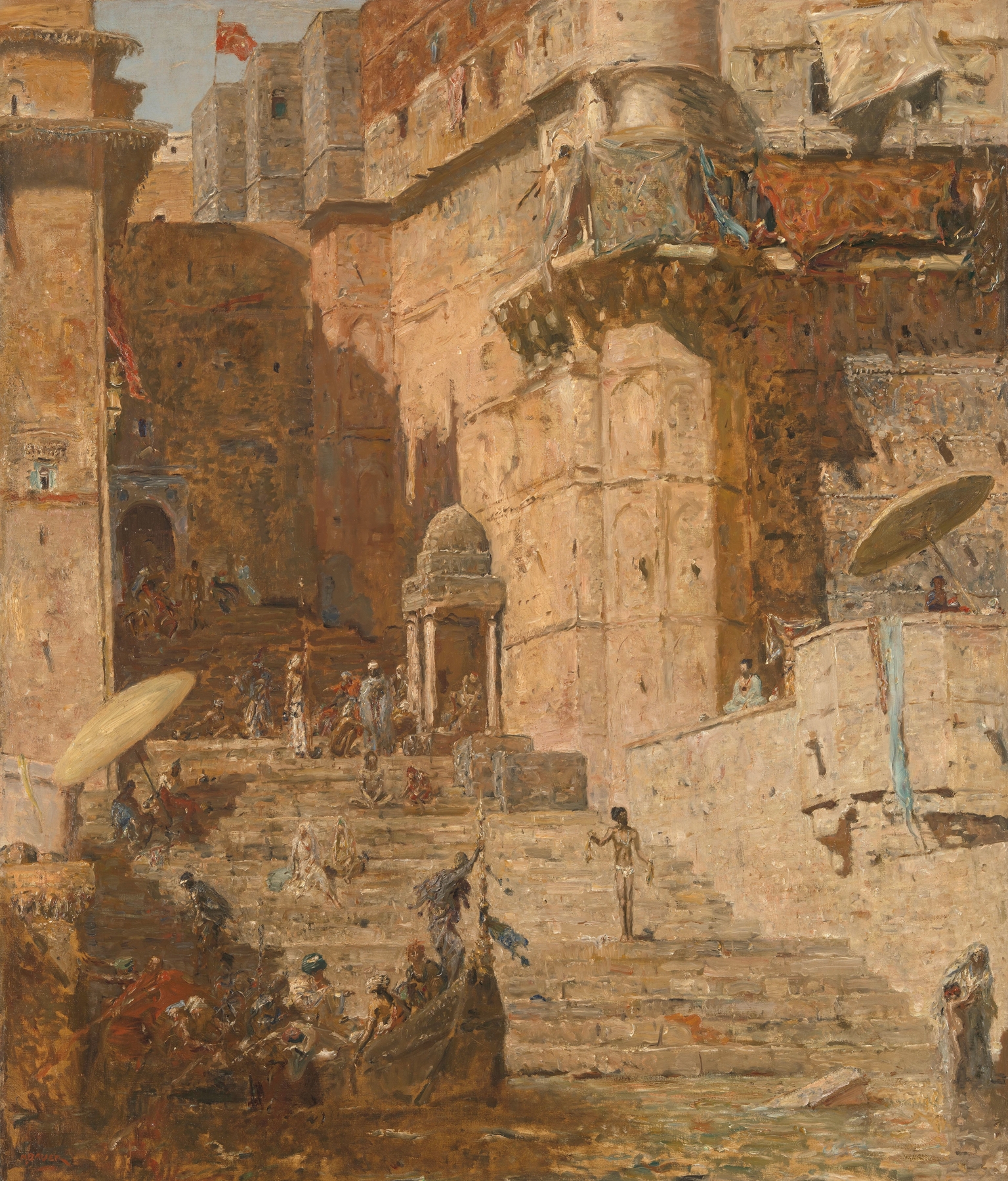
“The canvas doesn’t lie — it simply waits.” In that silence, creation breathes, longing to be expressed. Every brushstroke tells a story, each hue a whisper of existence. Focus on the tranquil waters of the Ganges, where the light dances like shimmering silk across the canvas. The vivid oranges and blues blend seamlessly, drawing your eye to the horizon where the sky kisses the river.
Notice the intricate details of the boats, their forms gently rocking, and the figures who seem to pause in reverence of nature’s embrace. Each element is painted with a precision that captures the serenity of the moment, inviting you to step closer. As you delve deeper, consider the contrast between the stillness of the water and the bustling life depicted in the background. The tension between nature and humanity plays out vividly; the calm river represents eternal flow, while the distant silhouettes remind us of the transient nature of existence.
This juxtaposition reflects a delicate balance, prompting reflections on our place within the cycles of life. Marius Bauer painted this scene during a period marked by personal exploration and artistic evolution in the late 19th and early 20th centuries. Working primarily in The Netherlands and frequently traveling, he sought to capture the essence of the East, a fascination that mirrored the broader Western interest in exotic locales. This piece emerges during a time when artists began to merge realistic observations with emotive expressions, solidifying Bauer’s place in the movement that sought to bridge those worlds.