Taj Mahal bij maanlicht — History & Analysis
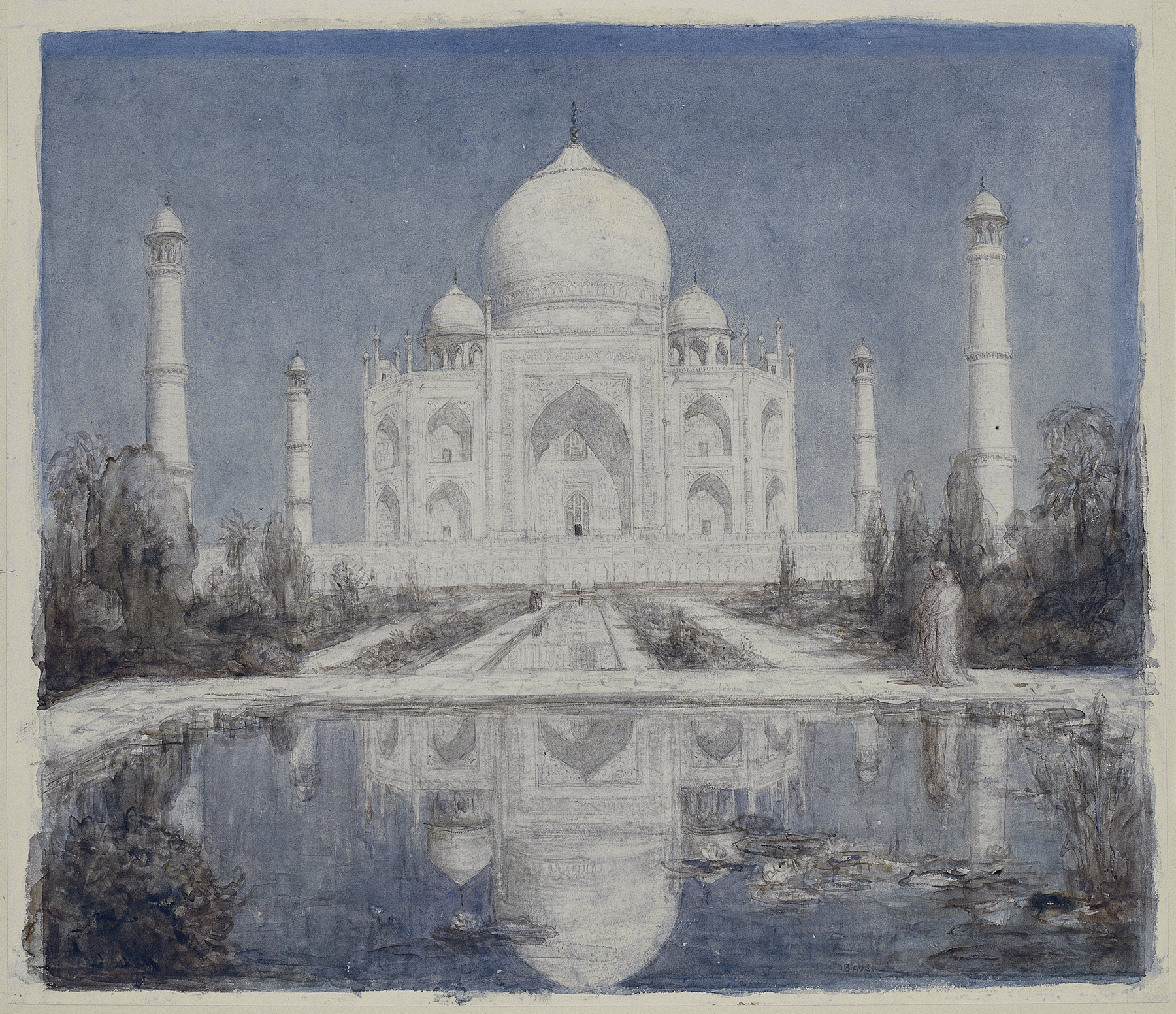
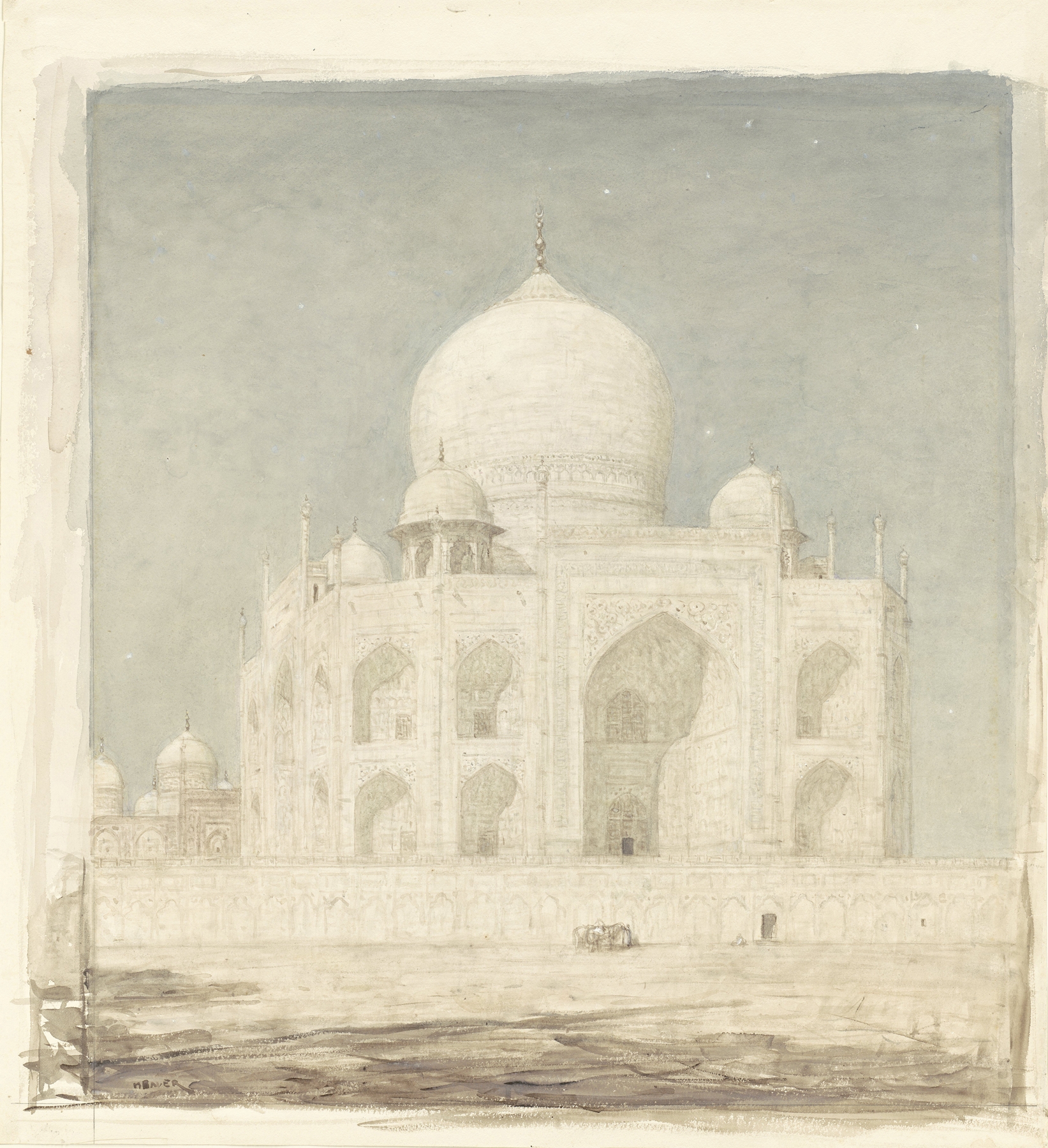
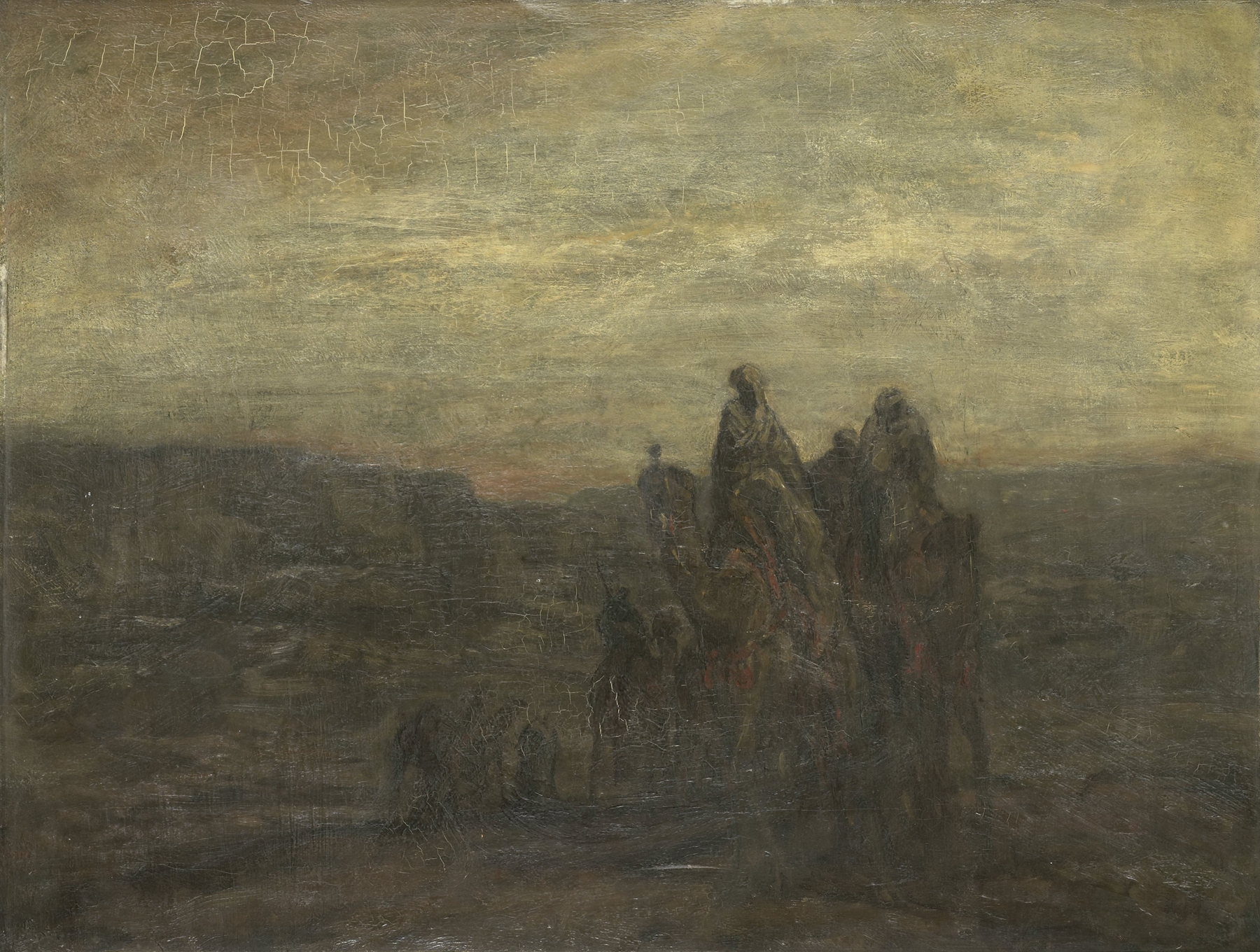
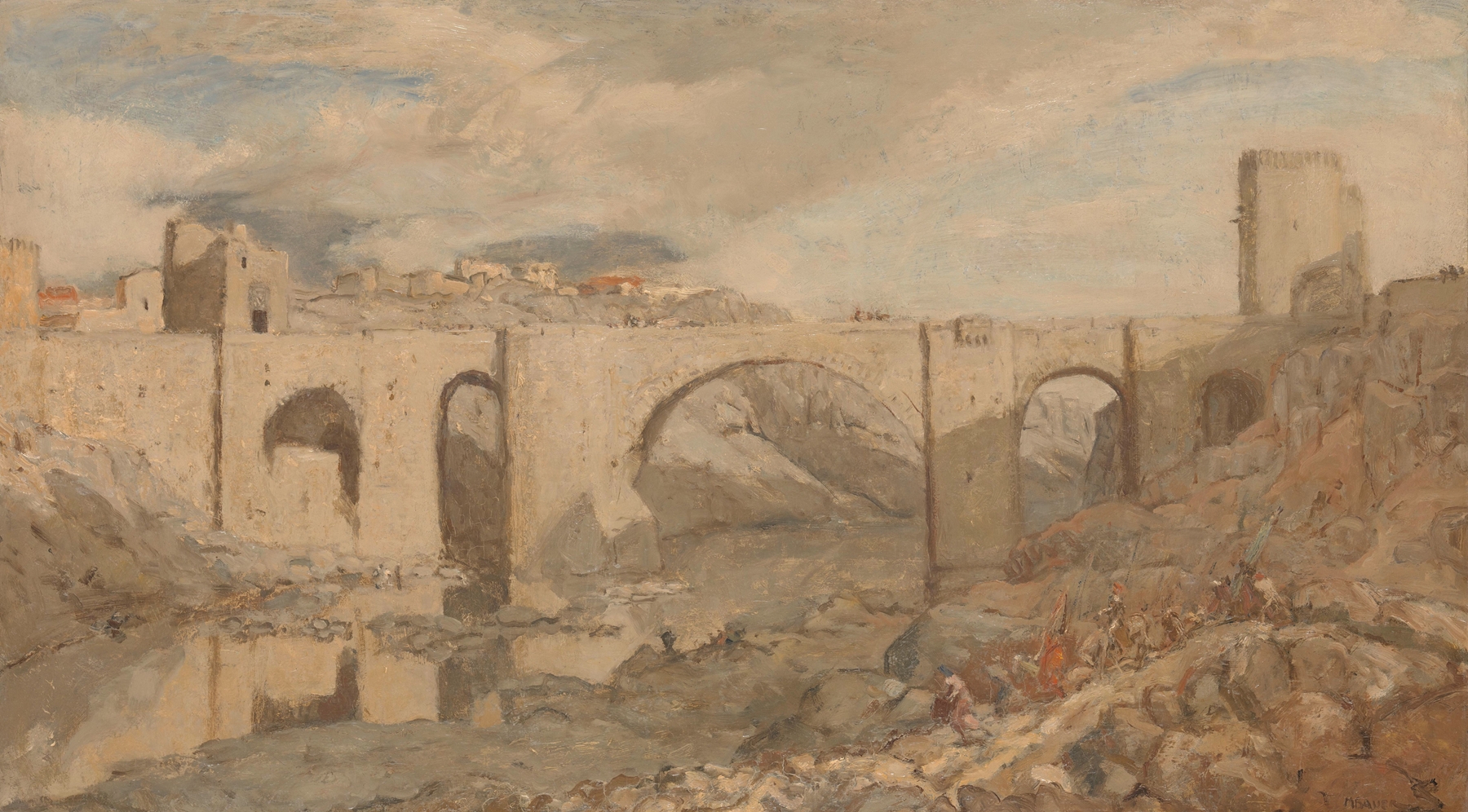
What if silence could speak through light? In Taj Mahal bij maanlicht, the moon bathes the iconic mausoleum in a serene glow, whispering of rebirth and eternal beauty. Look to the center, where the ethereal white marble rises majestically against the deep blue night. Notice how the moonlight dances upon its surface, highlighting the intricate patterns and delicate carvings that tell stories of love and loss.
The surrounding darkened landscape creates a striking contrast, allowing the Taj Mahal to emerge as an otherworldly beacon, its reflective pool amplifying the sense of tranquility and solitude. Within this tranquil scene lies a profound emotional tension between permanence and transience. The monument, a tribute to enduring love, stands resolutely in the moonlight, yet its softened edges suggest an ephemeral quality, as though it might dissolve into the night at any moment. The interplay of light and shadow evokes the cycle of life, hinting at the rebirth that follows even the most profound loss, encapsulating a moment where time stands still.
Created during the early 20th century, Marius Bauer painted this piece between 1877 and 1932, a period marked by his profound fascination with the East. As Europe grappled with changes brought by industrialization and global conflicts, Bauer's work served as an escape, drawing inspiration from the beauty and mystique of distant lands. In Taj Mahal bij maanlicht, he captures not only an architectural marvel but also a moment of stillness, reflecting the artist's exploration of culture and spirituality during an era of transformation.