Benares, 1913 — History & Analysis
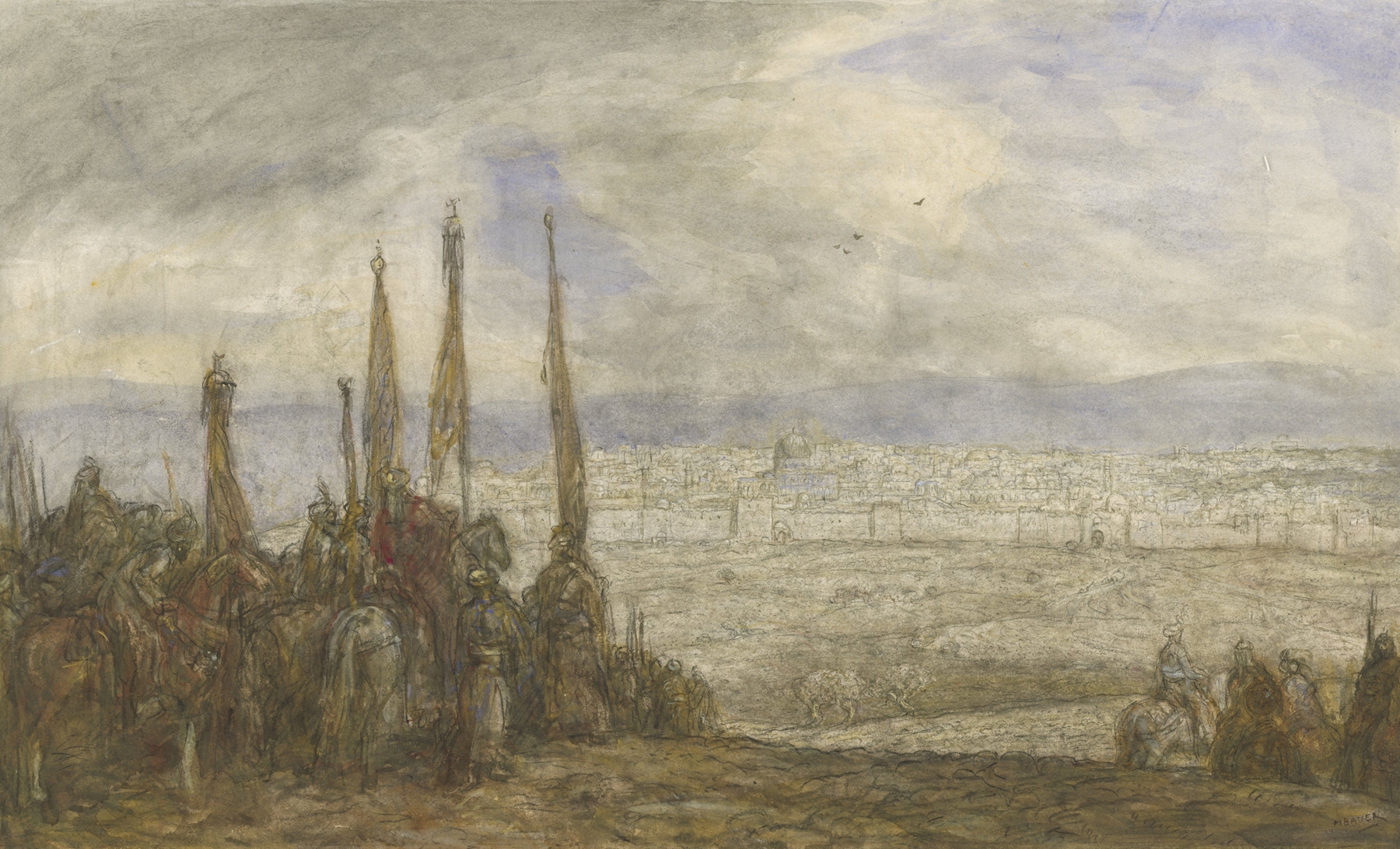
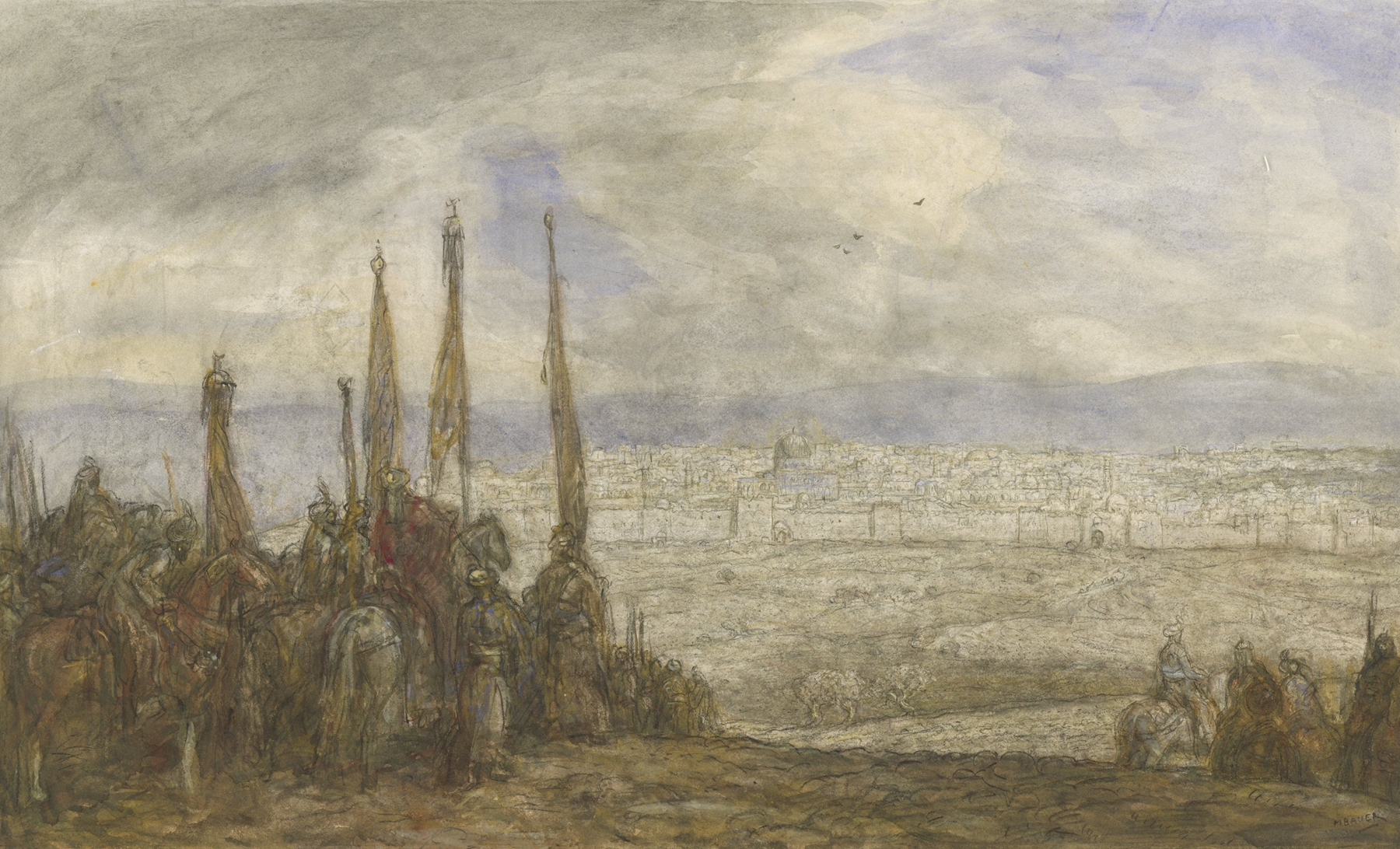
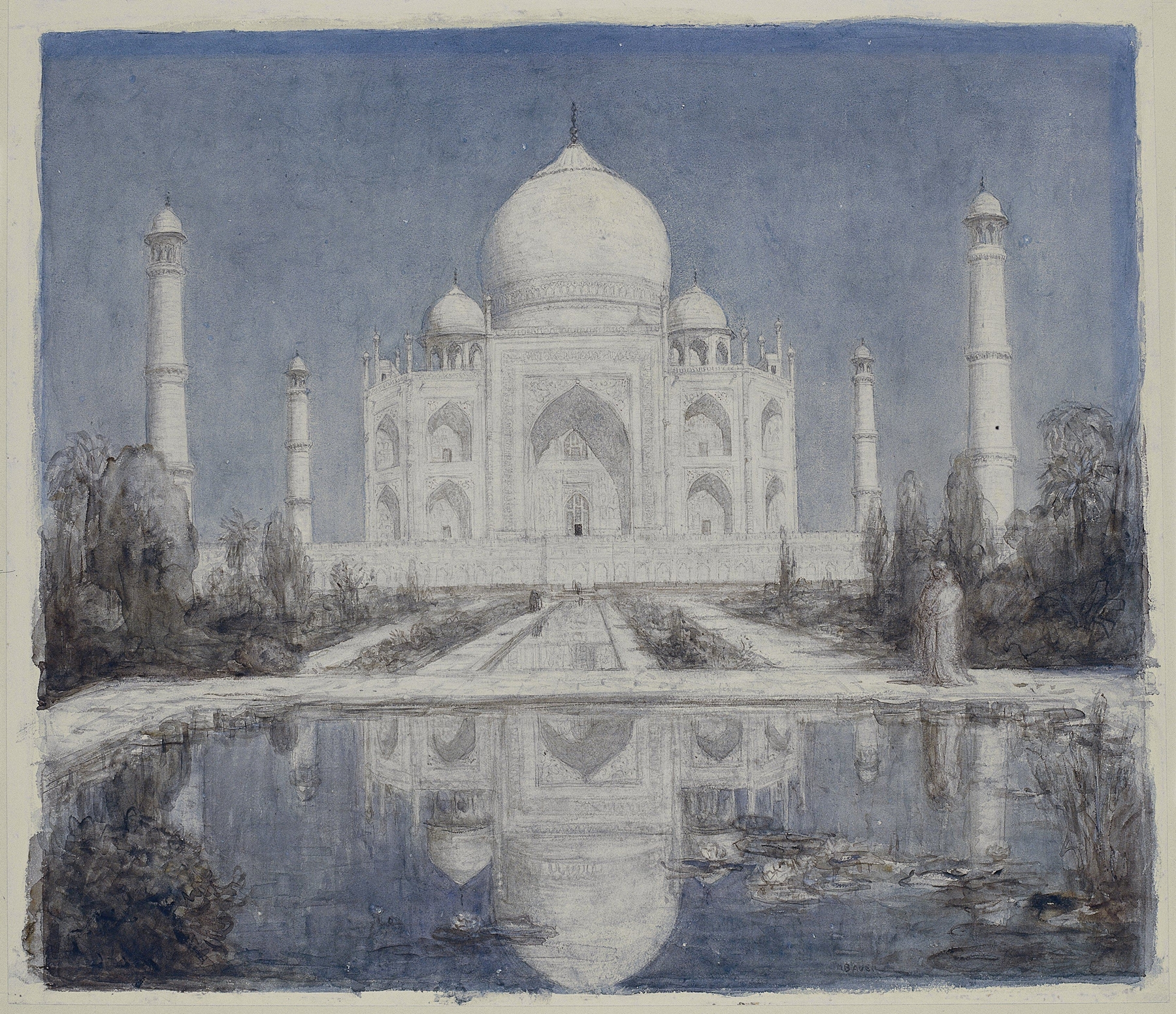
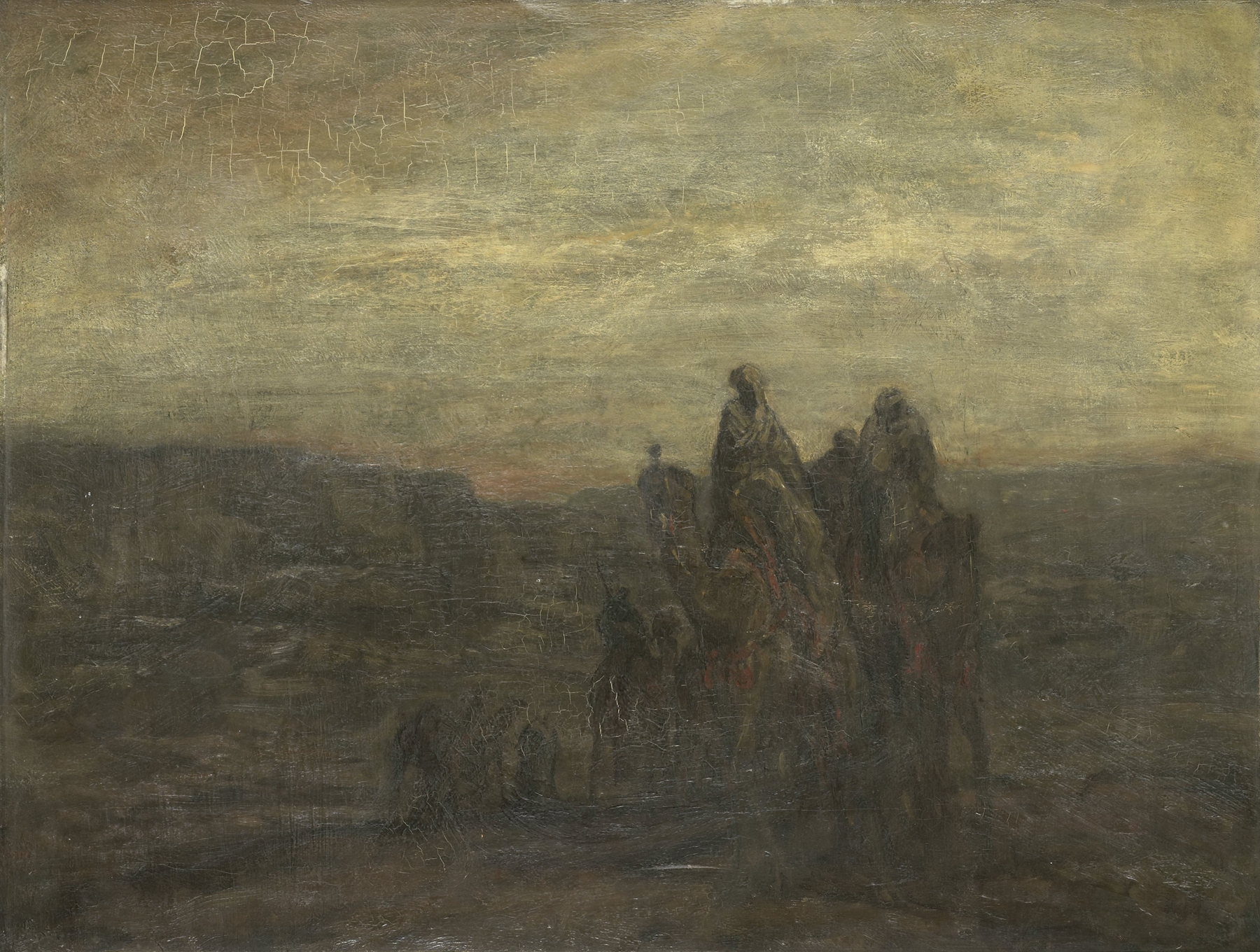
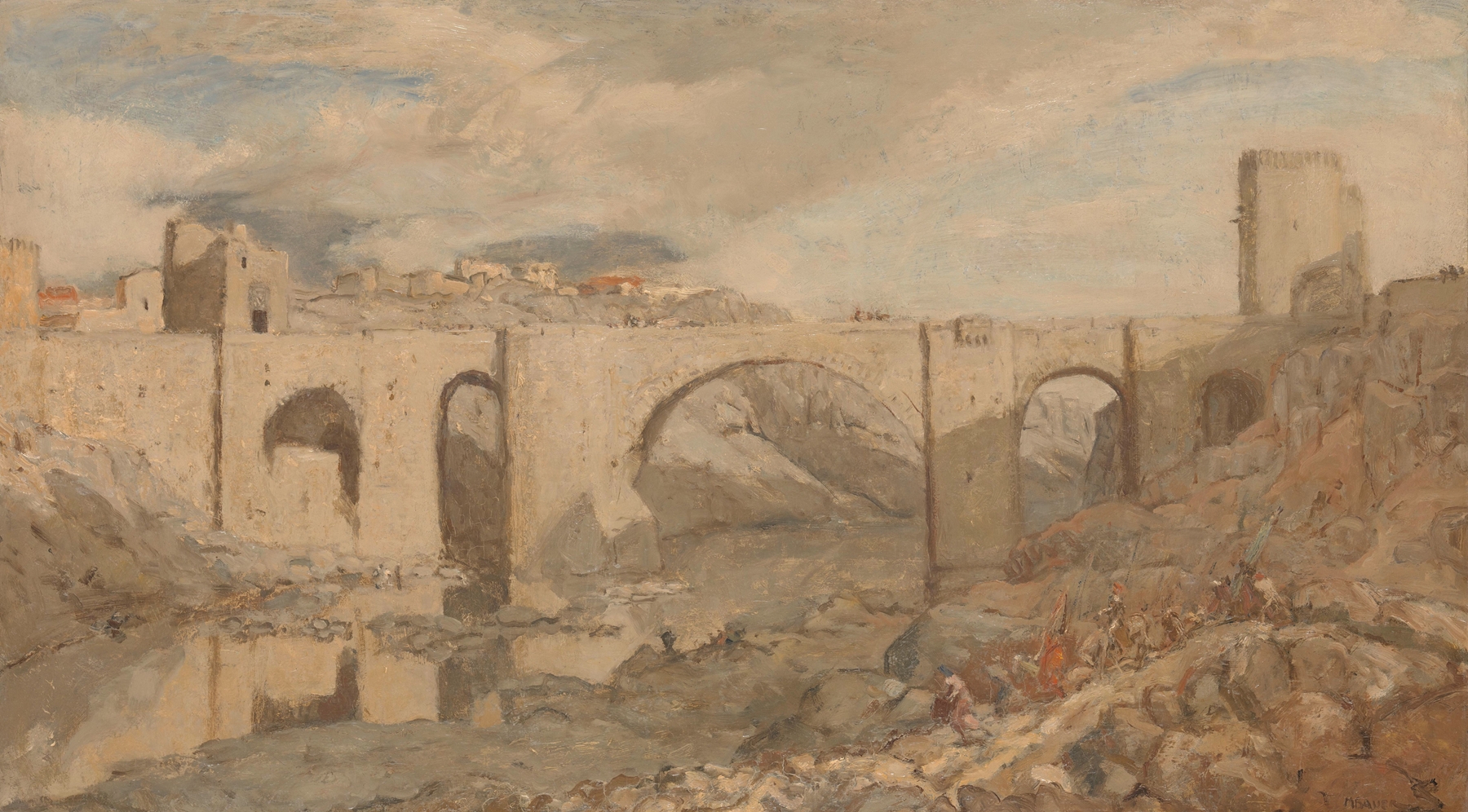
Can paint confess what words never could? The essence of divinity permeates the canvas, inviting a dialogue that speaks to the soul. Focus first on the luminous blues and golds that dominate the composition, drawing your eye to the intricate patterns that seem to pulse with energy. Notice how the artist layers the colors, allowing them to intertwine and dance across the surface, creating a sense of depth that beckons you closer.
The delicate brushwork captures the ethereal quality of light in Benares, suggesting a sacred atmosphere enveloping the scene. Hidden within the vibrant hues are contrasts that evoke a sense of struggle and transcendence. The juxtaposition of dark shadows with brilliant highlights hints at a duality of human experience—suffering and enlightenment intertwined. It's as if the artist captures a moment in time where the divine touches the everyday, urging viewers to contemplate their own spiritual journeys and the complexities of existence.
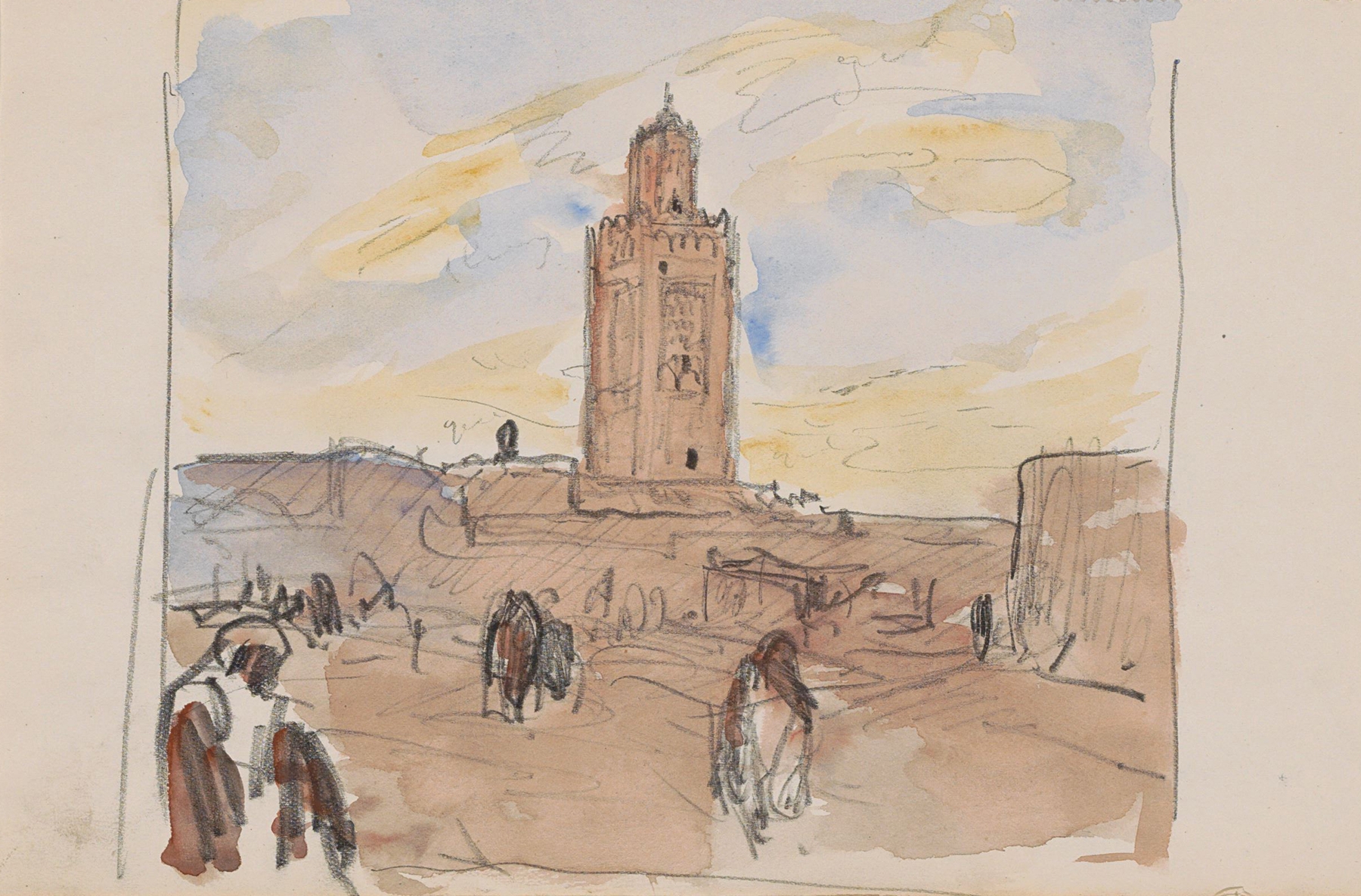
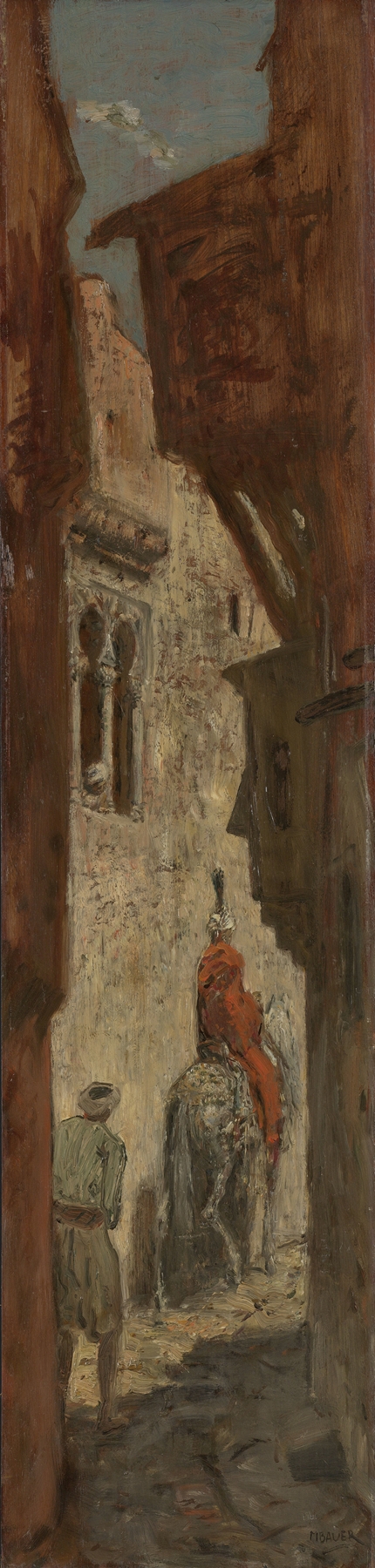
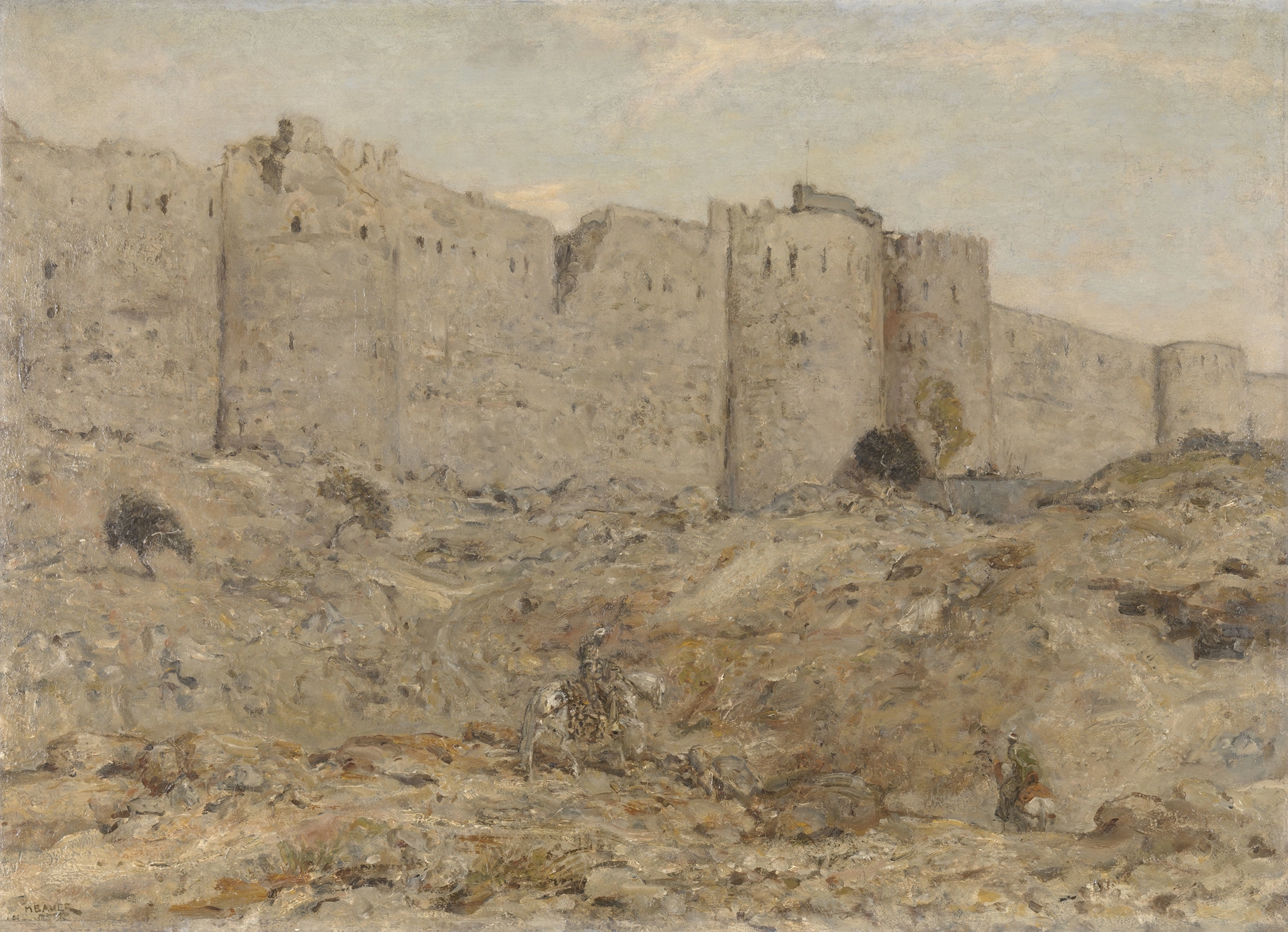
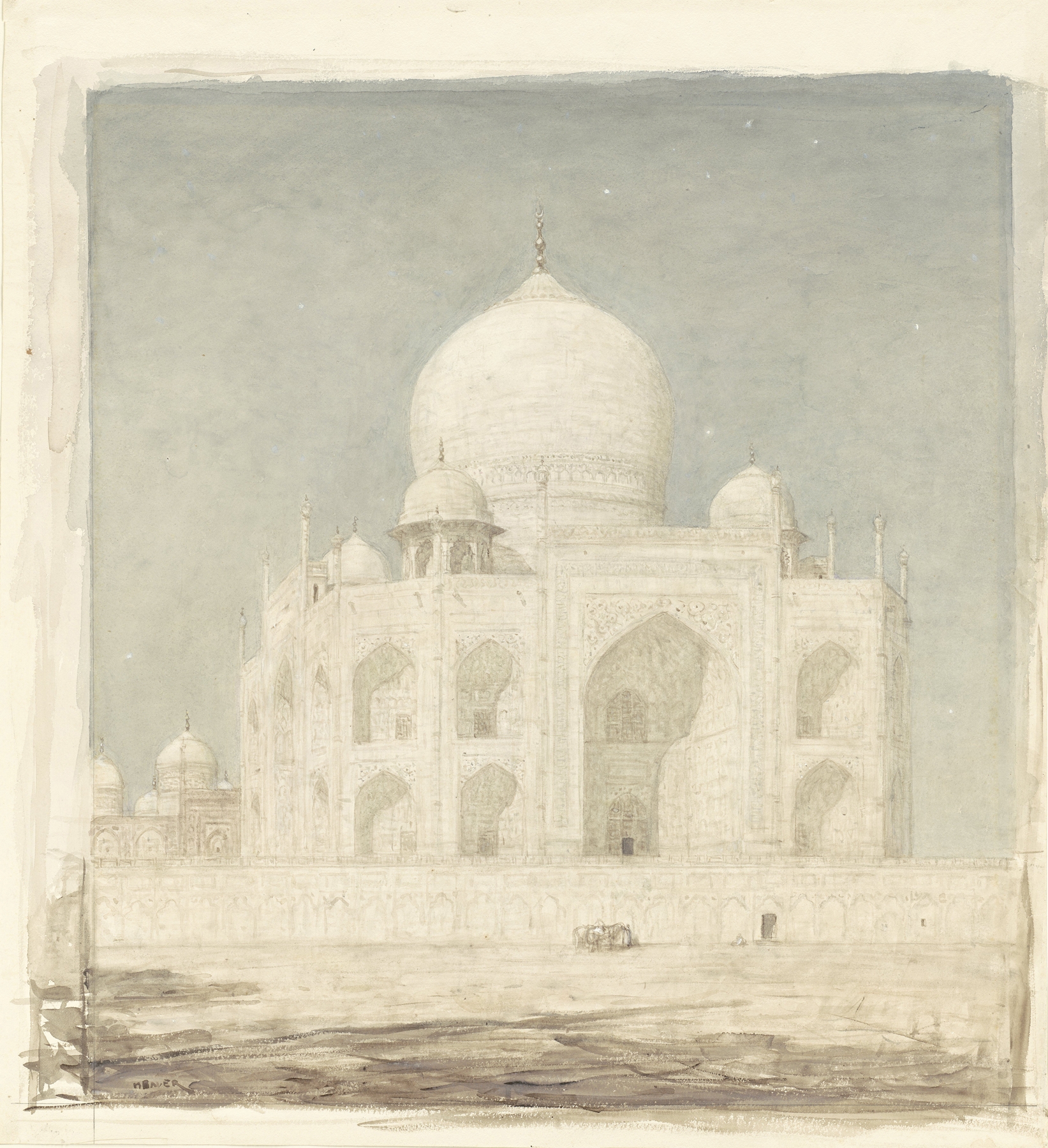
In 1913, Marius Bauer painted this work during a period of deep exploration into Eastern cultures. Having traveled to India, he was profoundly influenced by its spirituality and vibrant life, reflecting both his artistic ambitions and the broader fascination with Orientalism in the early 20th century. As Europe grappled with modernity, Bauer’s painting stands as a testament to his quest for something greater, encapsulating the allure and mystery of a world steeped in tradition and belief.