Koutoubia Moskee in Marrakech — History & Analysis
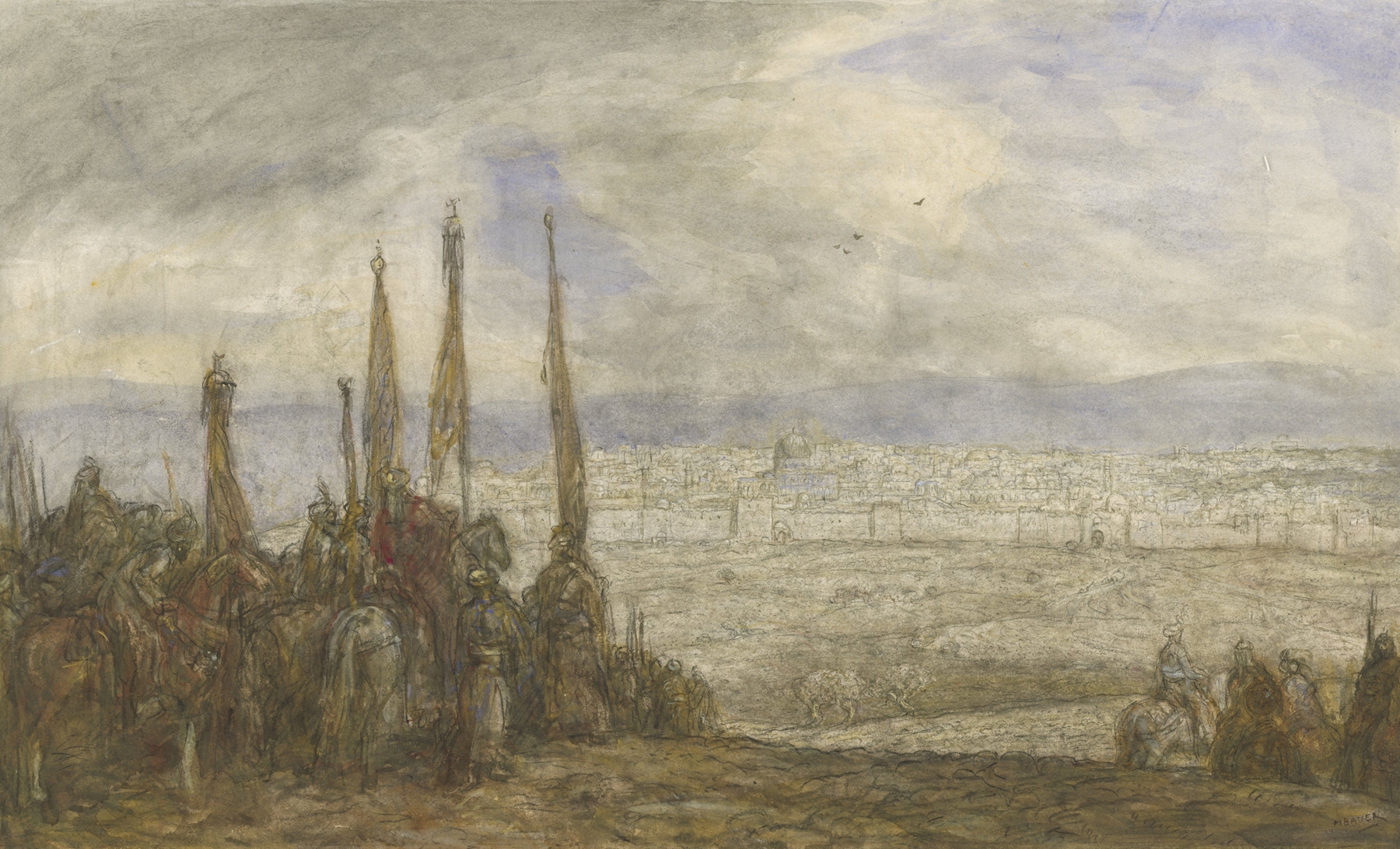
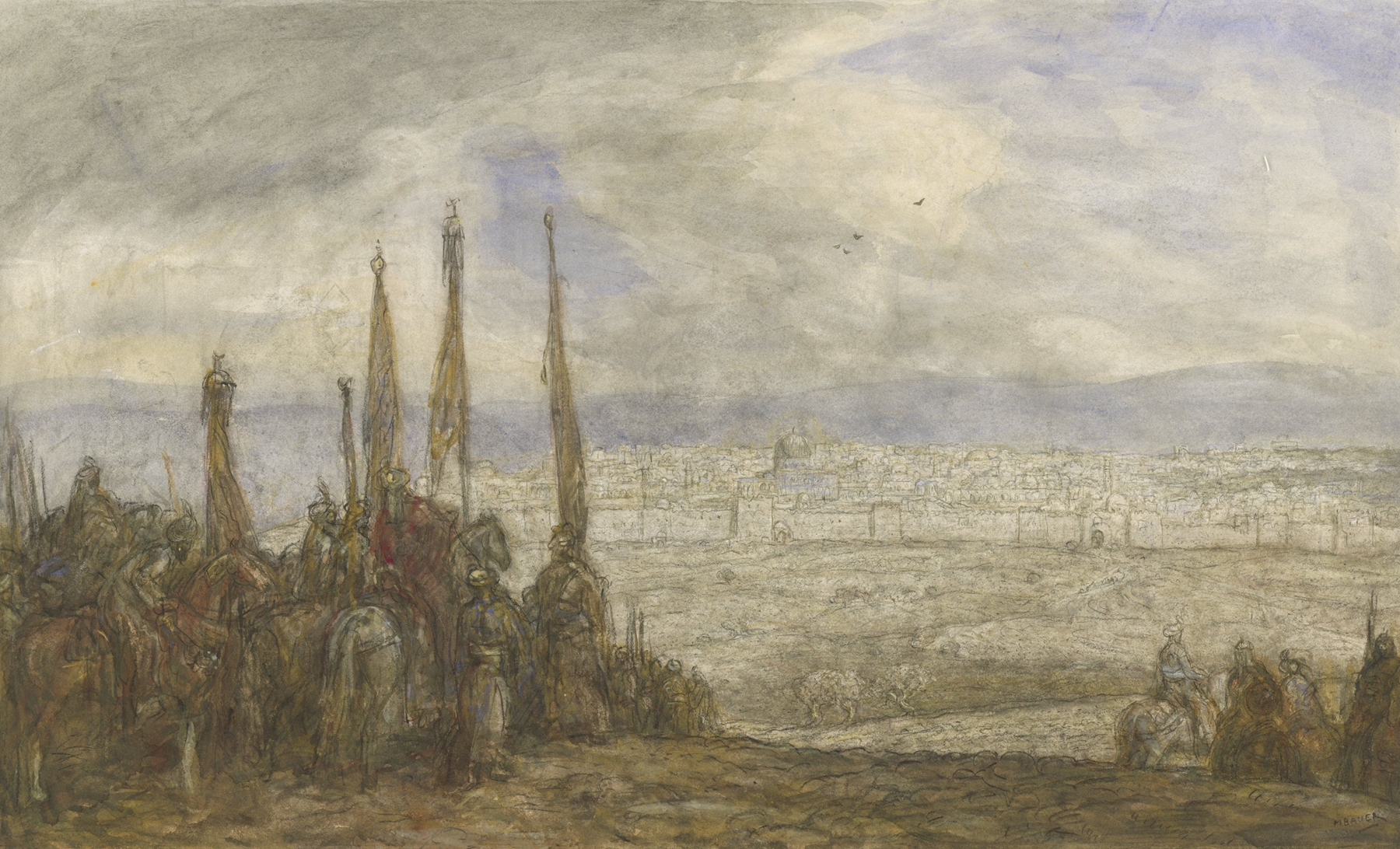
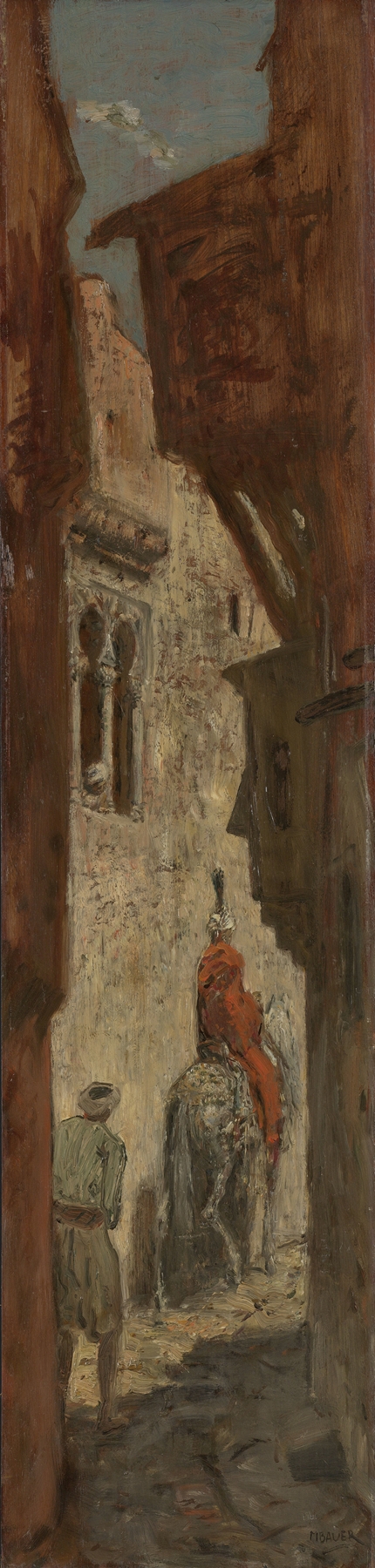
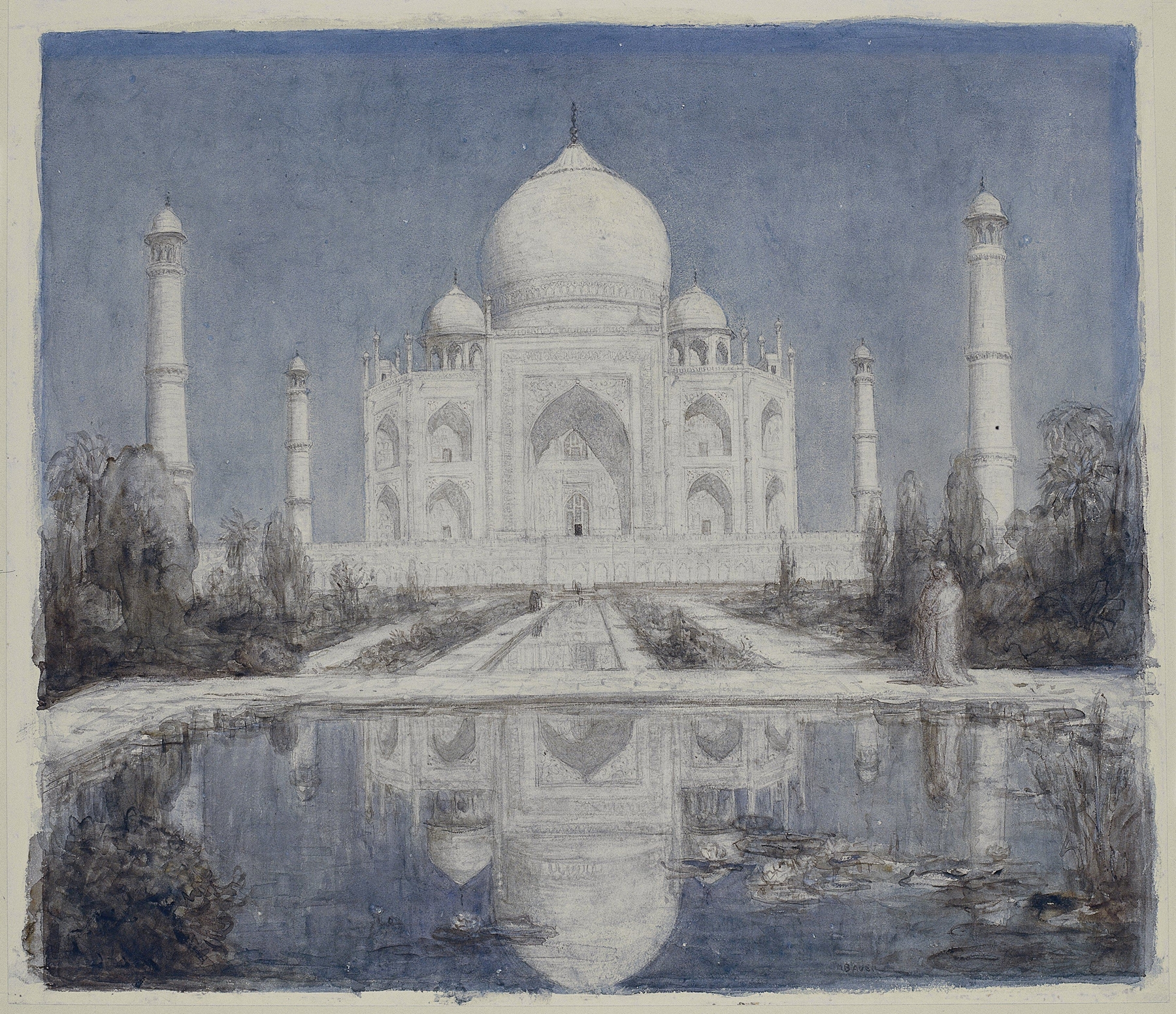
What if silence could speak through light? In the quiet corners of the world, it often does — illuminating the beauty of creation and the essence of existence. Look to the left of the canvas, where warm ochres and soft golds blend harmoniously, capturing the sun-drenched ambiance of Marrakech. The towering minaret of the Koutoubia Mosque rises majestically against an azure sky, its intricate details rendered with precision.
Notice how the artist skillfully plays with shadows, creating a dance between light and shade that invites your gaze to wander through the bustling scene below, where figures are softened into silhouettes, hinting at the life that thrives within this sacred space. The contrast between the vibrant hues of the mosque and the muted tones of the surrounding landscape speaks to the dichotomy of spirituality and everyday life. Each brushstroke reflects a moment of stillness amidst the chaos, suggesting that even in busy surroundings, there is a reverence imbued in the air. The focal point draws the eye upward, symbolizing an aspiration toward the divine while grounding the viewer in the reality of human experience — a dialogue between the material and the spiritual.
In 1923, during a time when the art world was embracing modernism, Koutoubia Moskee in Marrakech emerged from the hands of Marius Bauer, who sought to bridge traditional themes with contemporary sensibilities. Living in the Netherlands, he had recently traveled to Morocco, captivated by its rich culture and history. This painting reflects not only his personal journey but also the broader fascination with Orientalism that swept through Europe, as artists sought to capture the allure and mystique of distant lands.