Caravan — History & Analysis
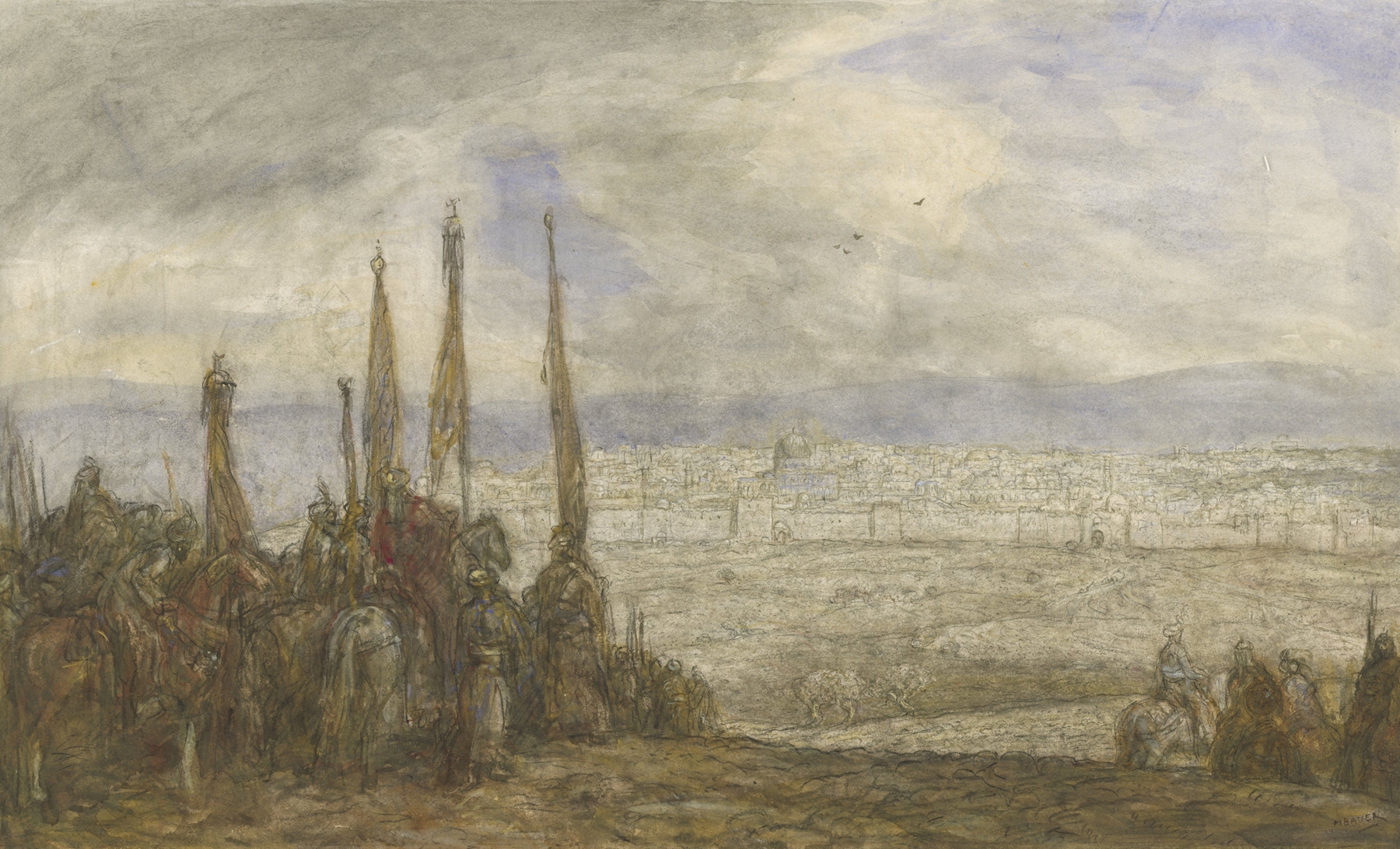
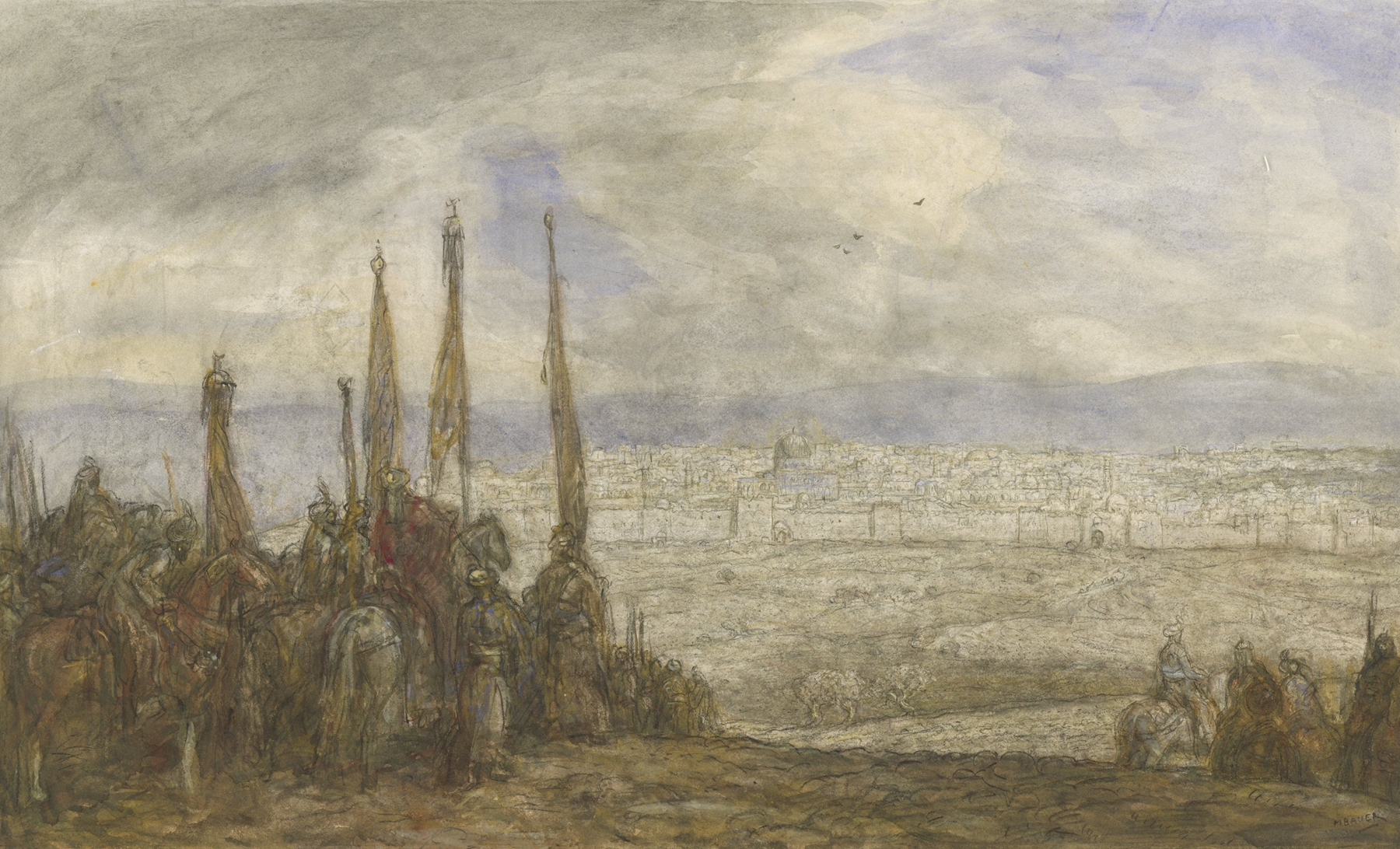
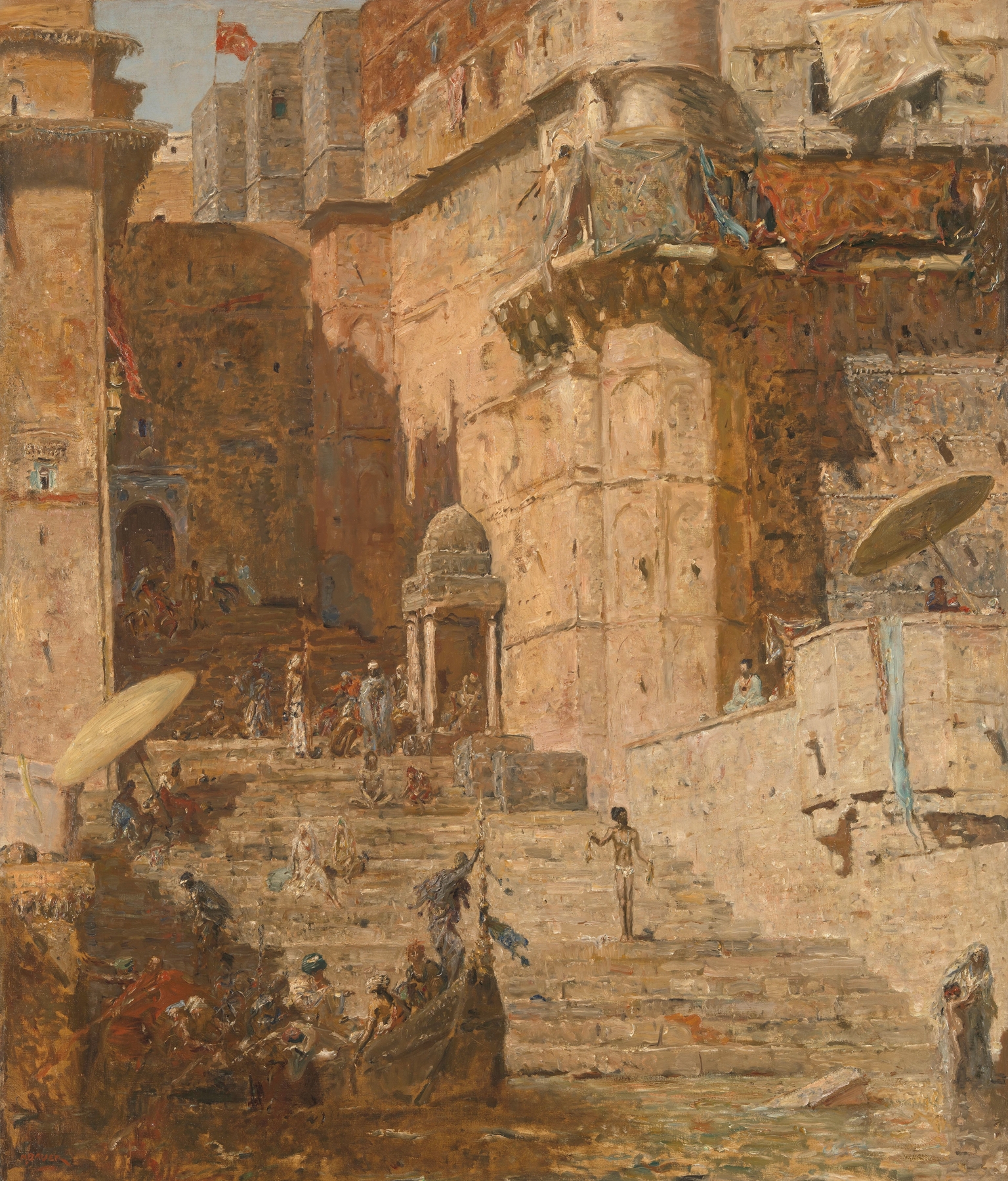
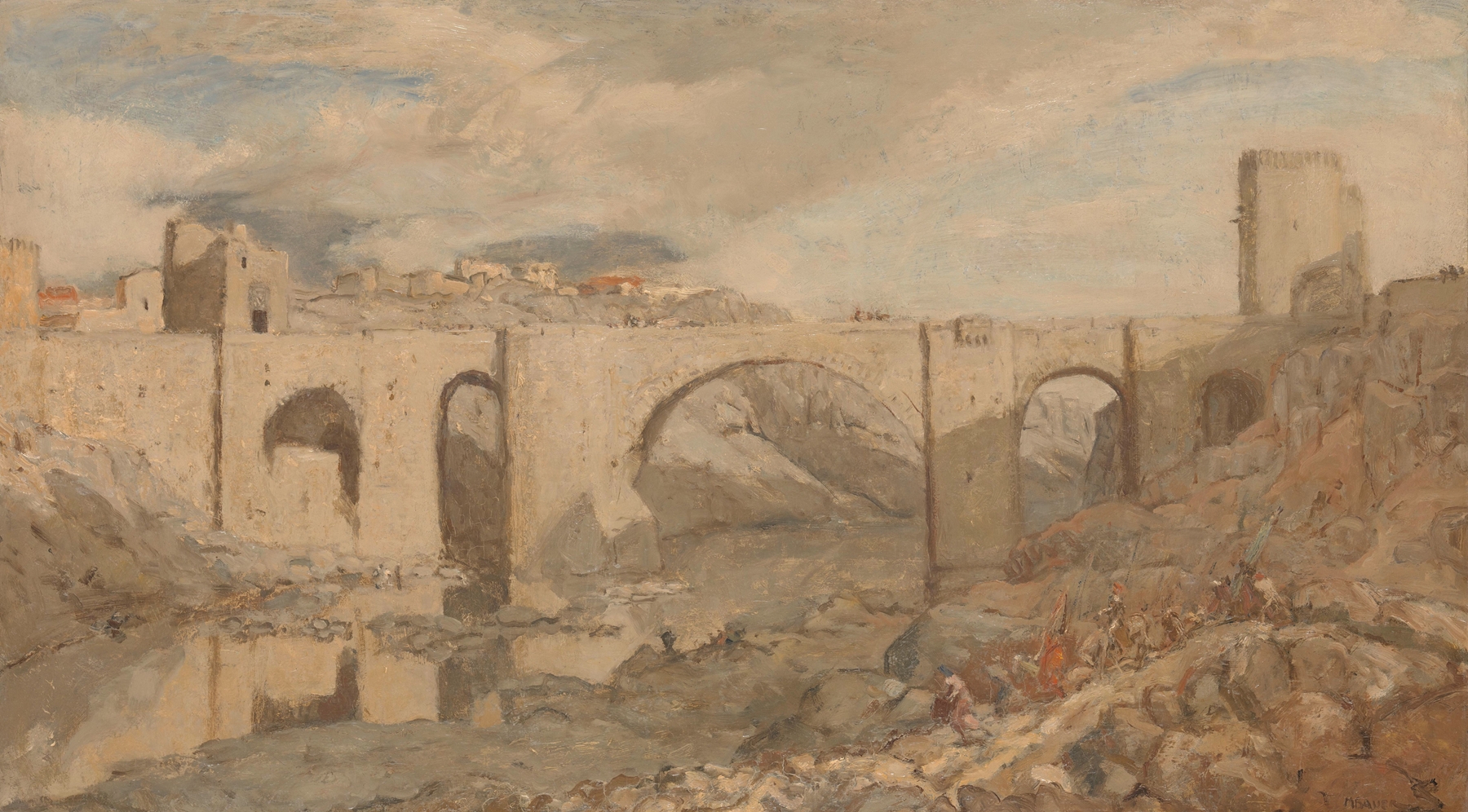
What if beauty was never meant to be finished? The notion lingers, inviting contemplation of the intricate dance between motion and stillness, life and art. Look closely at the central figures in Caravan, where Marius Bauer captures a group of travelers nestled against a backdrop of ethereal desert sands. Notice how each figure is draped in vibrant textiles, their colors harmonizing with the warm hues of sunset.
The soft brushstrokes evoke a sense of movement, almost as if the scene breathes. The faint shimmer of light on the fabric draws your gaze, inviting you to appreciate the nuanced textures and contrasts that reveal the artist's skill. The emotional tension within the painting lies in the juxtaposition of the calm serenity of the travelers against the vast, unyielding landscape that surrounds them. Each detail—the gentle curve of their postures, the way shadows stretch and intertwine—whispers hints of their journey, both physical and metaphorical.
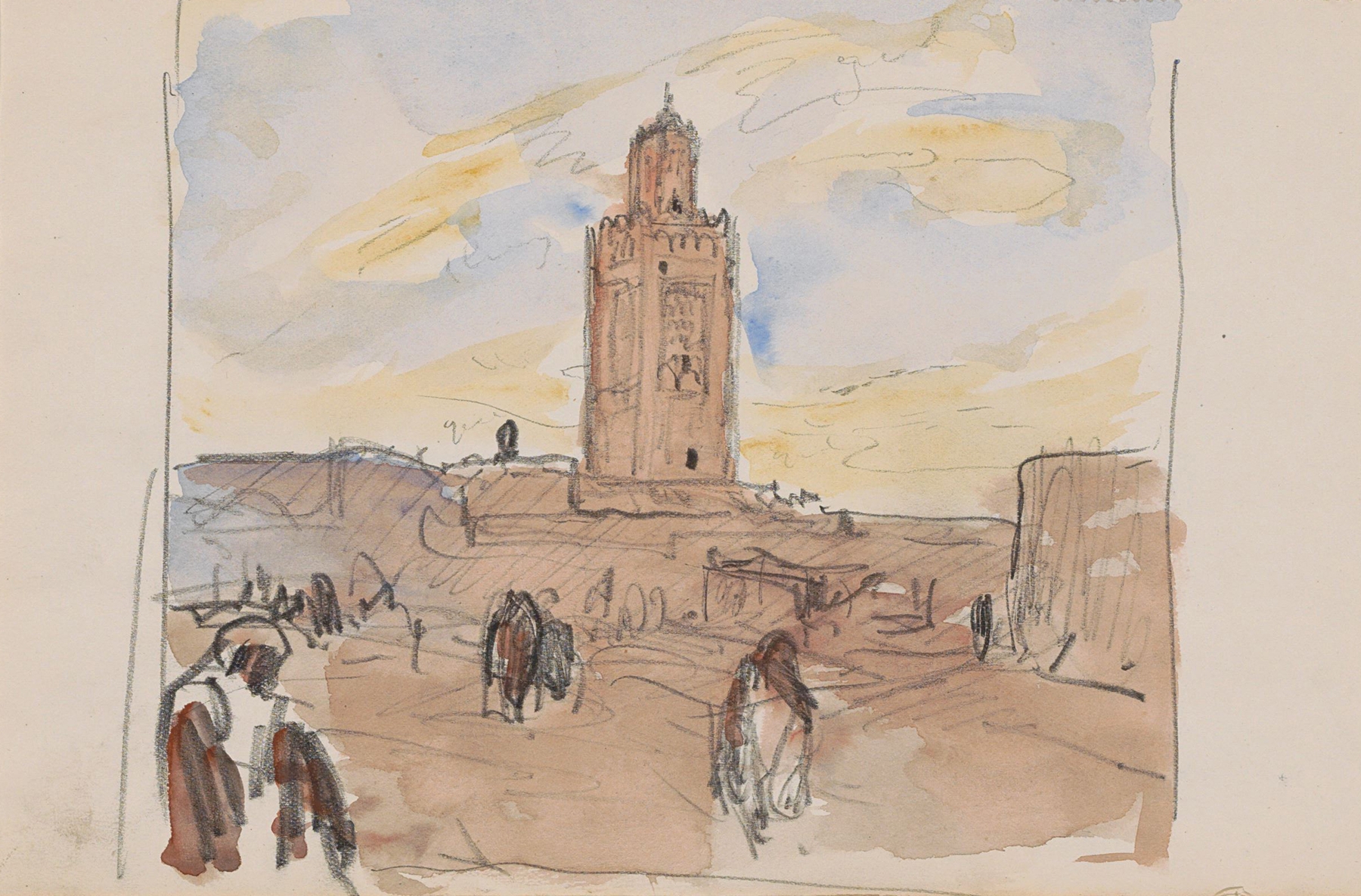
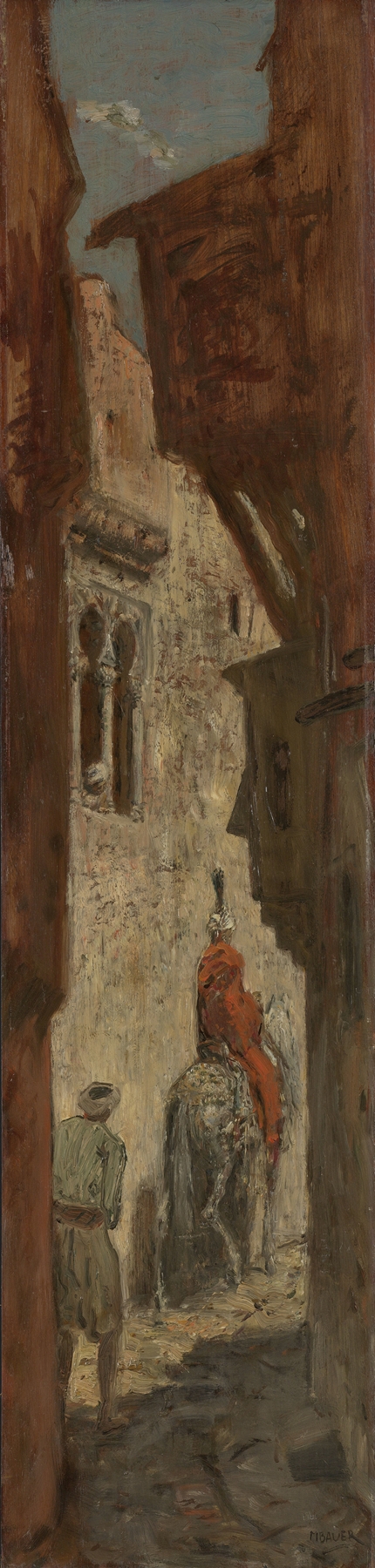
The caravan embodies a moment suspended in time, where the weight of the world is held at bay, and the viewer is left to ponder the beauty of solitude amidst life's uncertainties. Created between 1877 and 1903, Bauer painted Caravan during a time when European art was shifting towards a more expressive, individualistic approach. Influenced by his travels across North Africa and the Middle East, he sought to convey the richness of culture and the allure of exotic landscapes. His work reflects a personal exploration of identity and perspective at a time when the world was expanding in both knowledge and artistic expression.