
Turks leger voor Jeruzalem — History & Facts
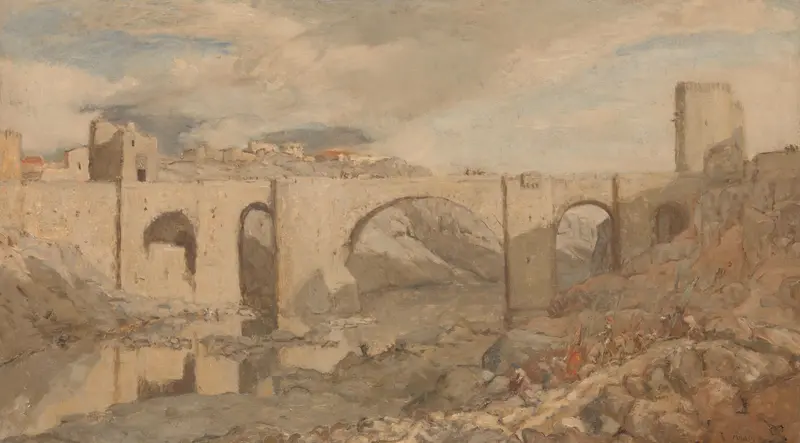
Focus first on the deep, rich hues that envelop the scene, where a tapestry of warm tones intermingles with cooler shadows. The composition draws the eye to the central figures, depicted in momentary repose, their garments flowing like whispers of history. Notice how the artist employs light to play across the terrain, casting intricate shadows that echo the complex narratives of the characters within this vivid tableau.
Each brushstroke seems to vibrate with the weight of the past, urging the viewer to pause and absorb the emotions simmering just beneath the surface. Beneath the stunning visual exterior lies a profound exploration of time and identity. The juxtaposition of vibrant color against muted shades suggests a dichotomy between the lively present and the shadows of history. The figures, seemingly lost in contemplation, embody the tension between action and stillness, representing a moment poised on the brink of transformation.
It is a reminder of the transient nature of existence; a fleeting moment captured forever, inviting deeper reflection on the passage of time. Marius Bauer created this evocative piece between 1877 and 1932, during a period marked by a surge in interest in Orientalism and historical narratives. Living in the Netherlands, he was part of a vibrant artistic community that sought to capture the allure of distant lands. The context of his time—a world grappling with the effects of modernization—infused his work with a longing for the past, positioning Turks leger voor Jeruzalem as both a reflection of personal nostalgia and a commentary on broader cultural shifts.
More Artworks by Marius Bauer
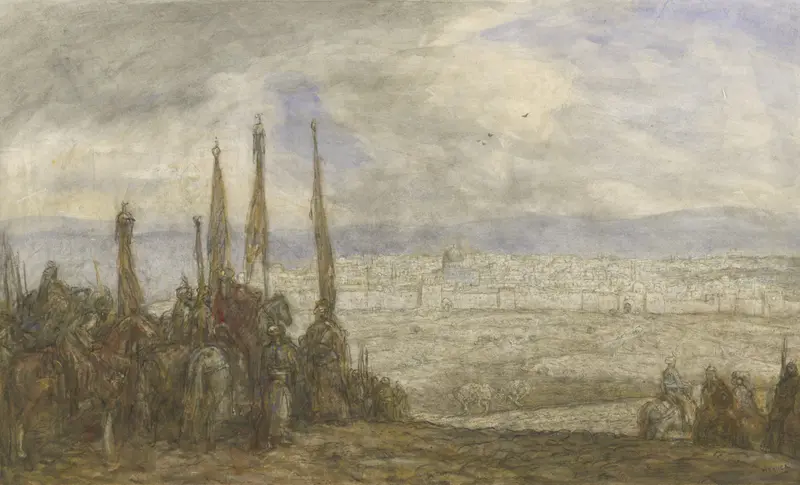
Turks leger voor Jeruzalem
Marius Bauer
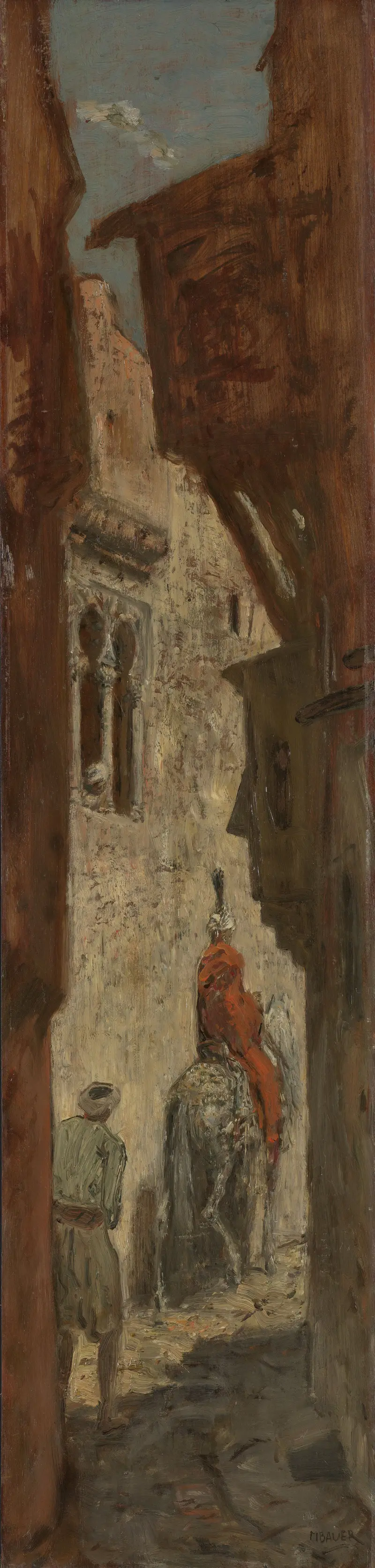
Orental Street
Marius Bauer
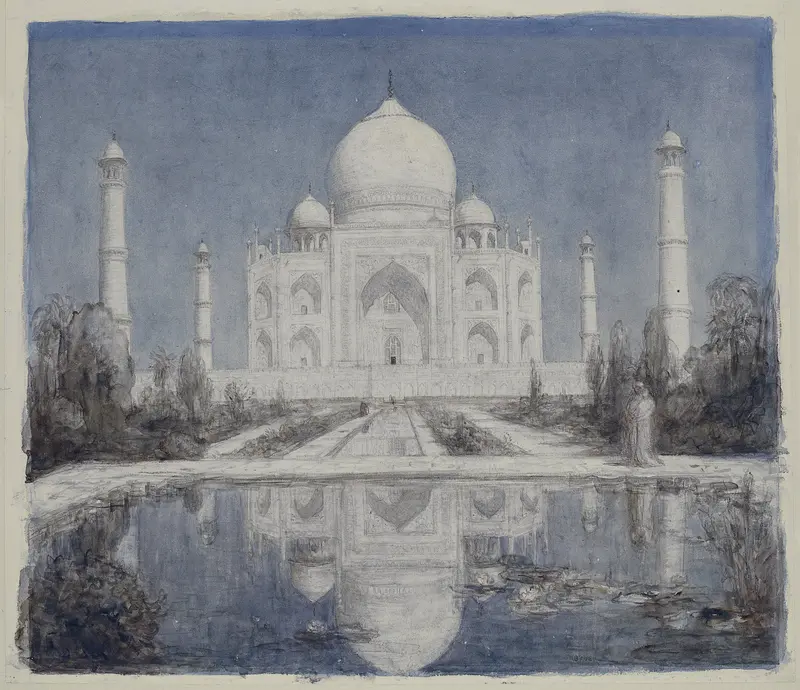
Taj Mahal bij maanlicht
Marius Bauer
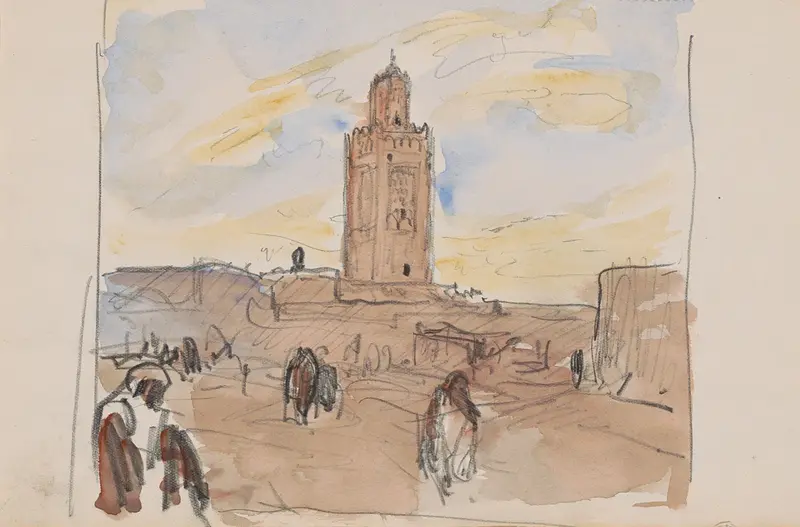
Koutoubia Moskee in Marrakech
Marius Bauer
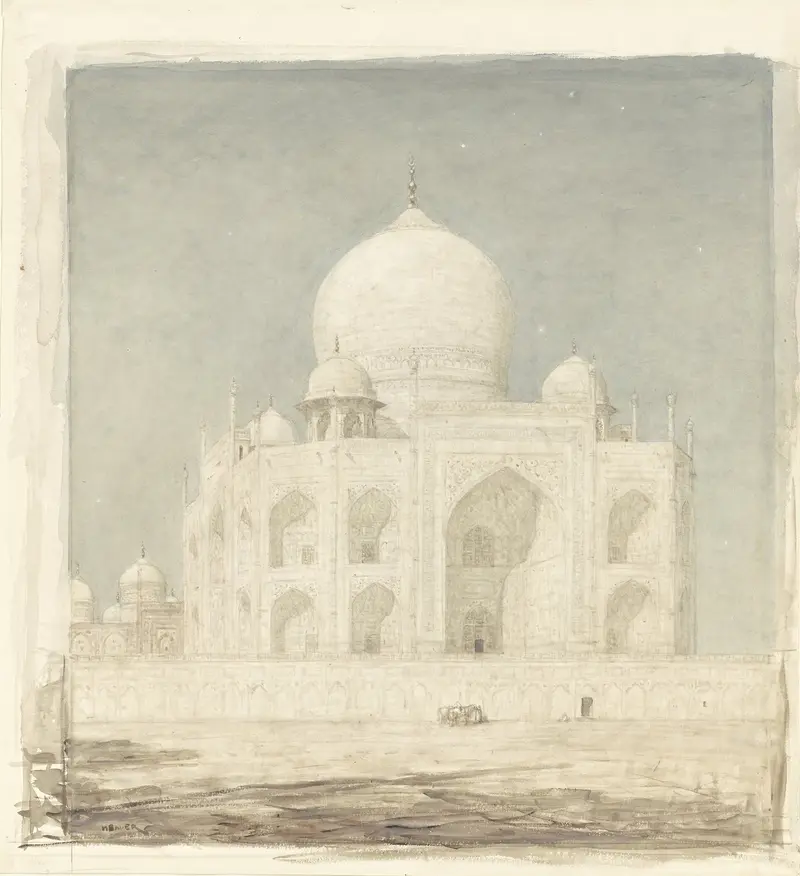
De Taj Mahal
Marius Bauer
Taj Mahal bij maanlicht
Marius Bauer
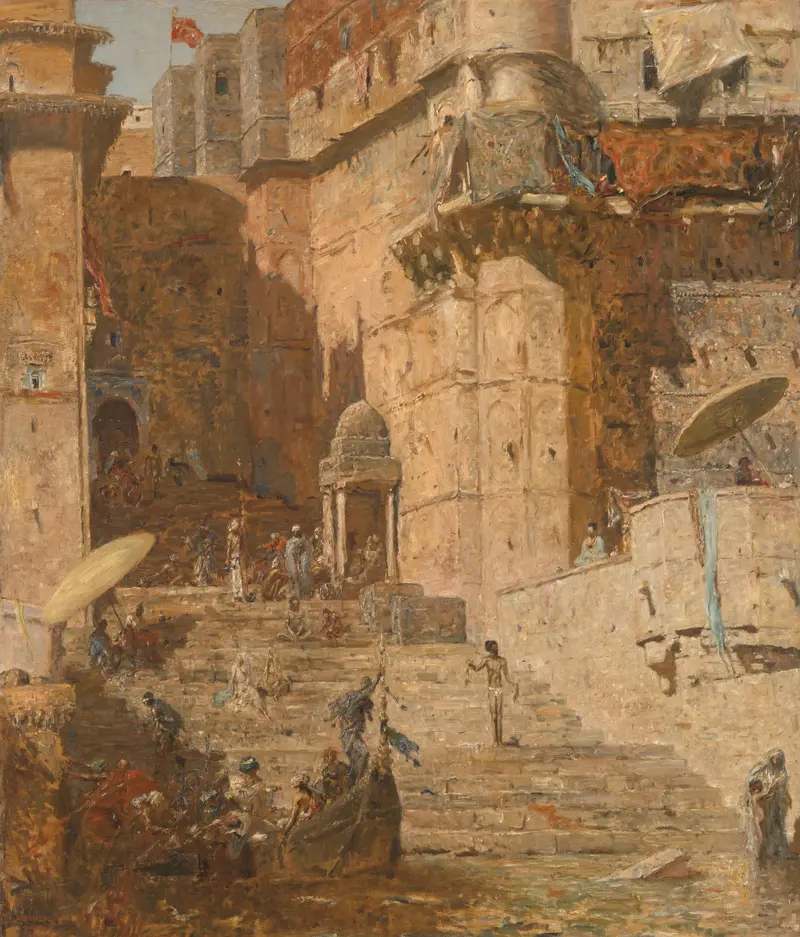
Benares, 1913
Marius Bauer
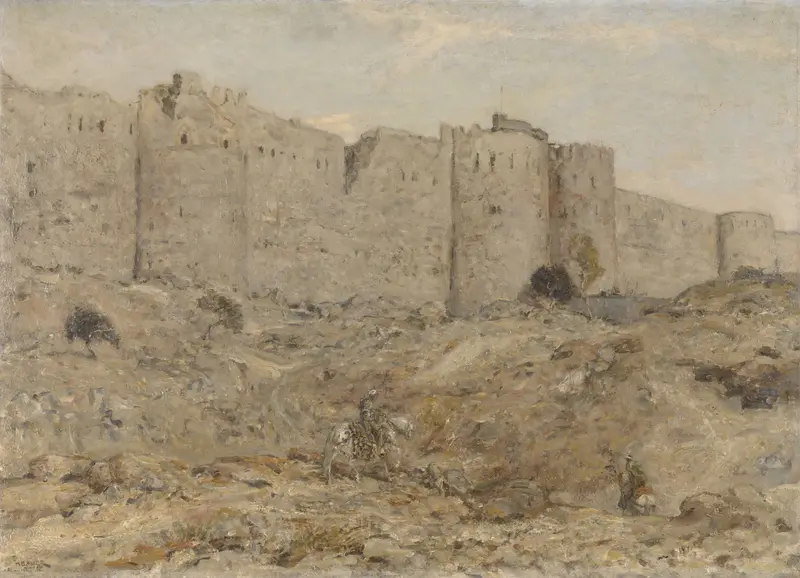
City wall in India
Marius Bauer
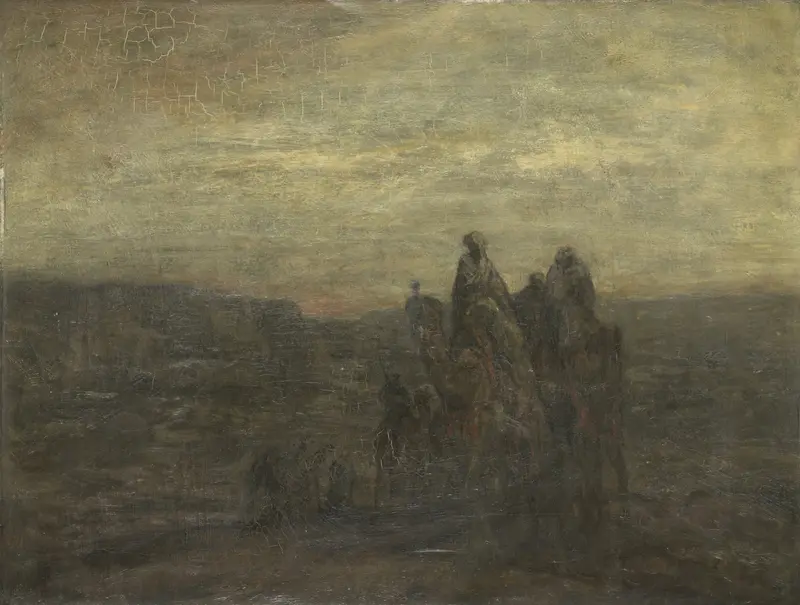
Caravan
Marius Bauer
Bridge near Toledo
Marius Bauer





