Taj Mahal bij maanlicht — History & Analysis
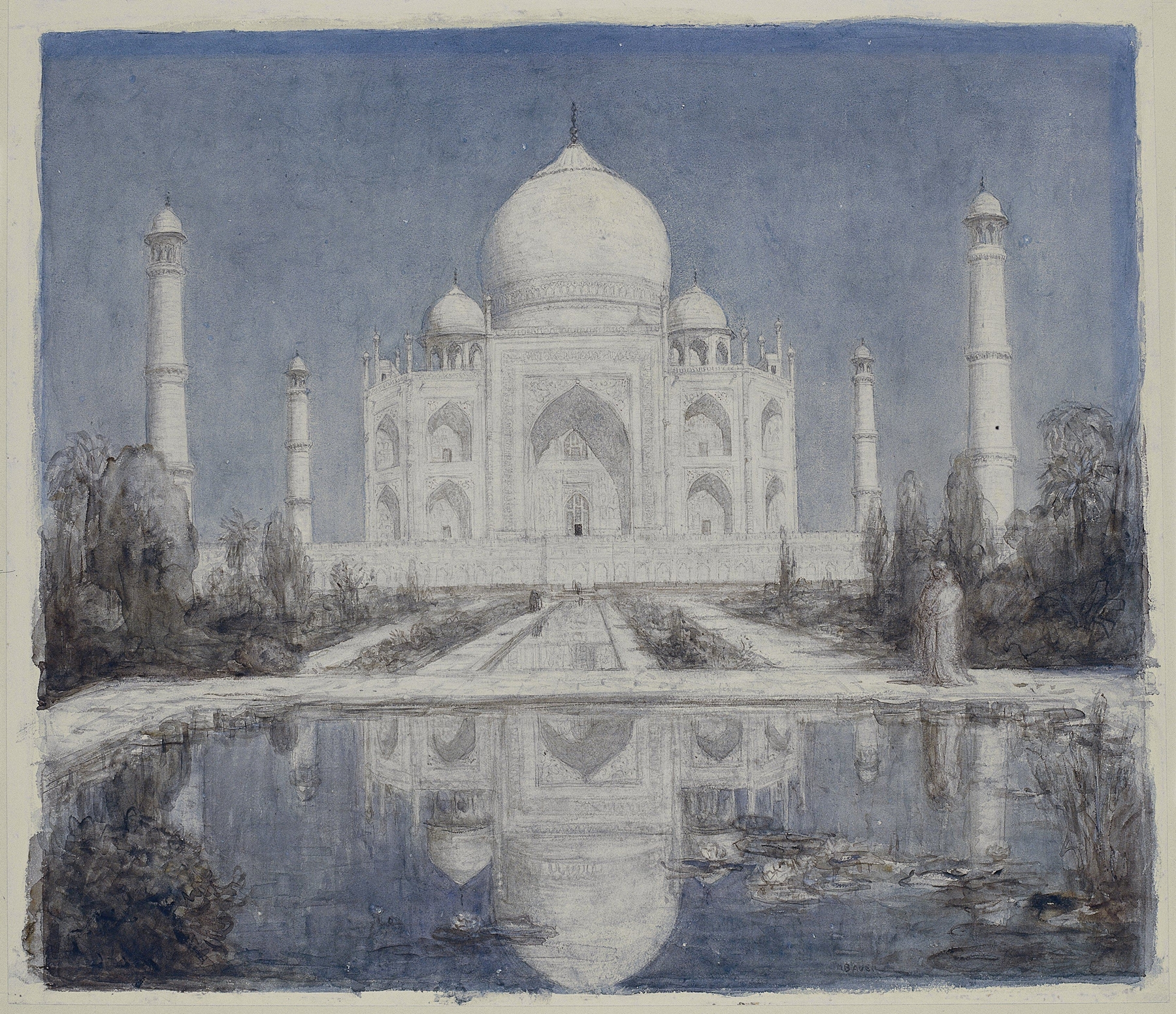
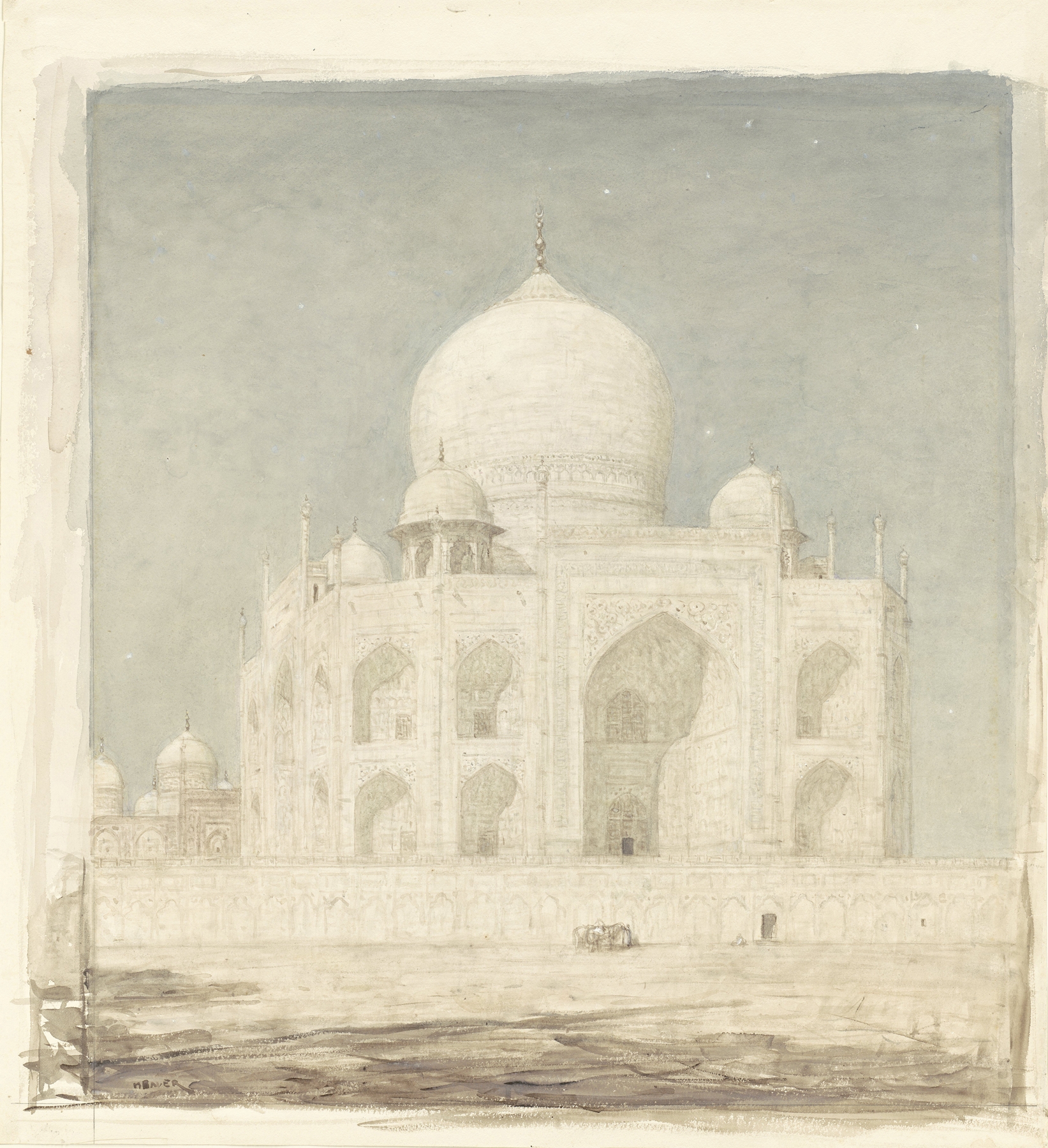
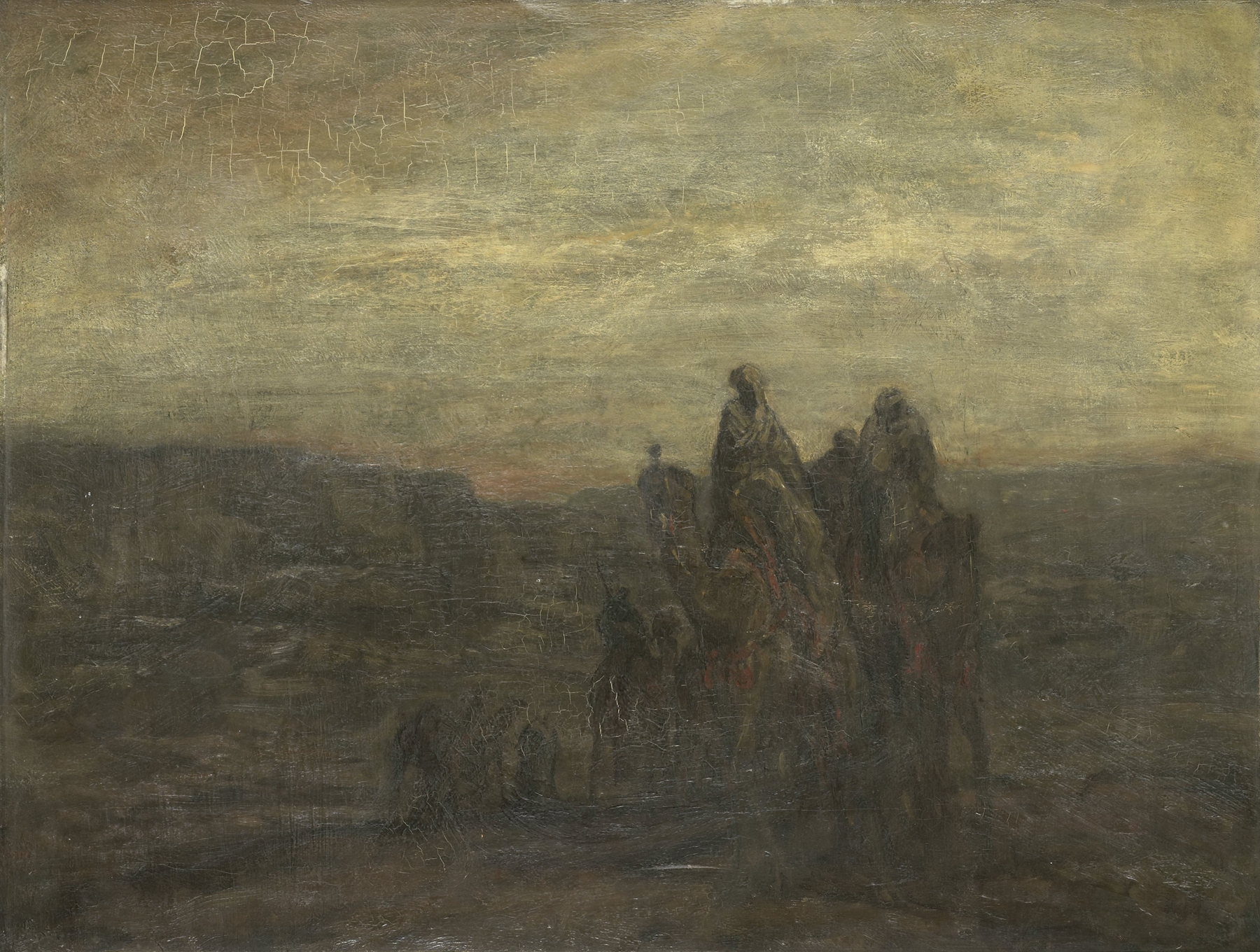
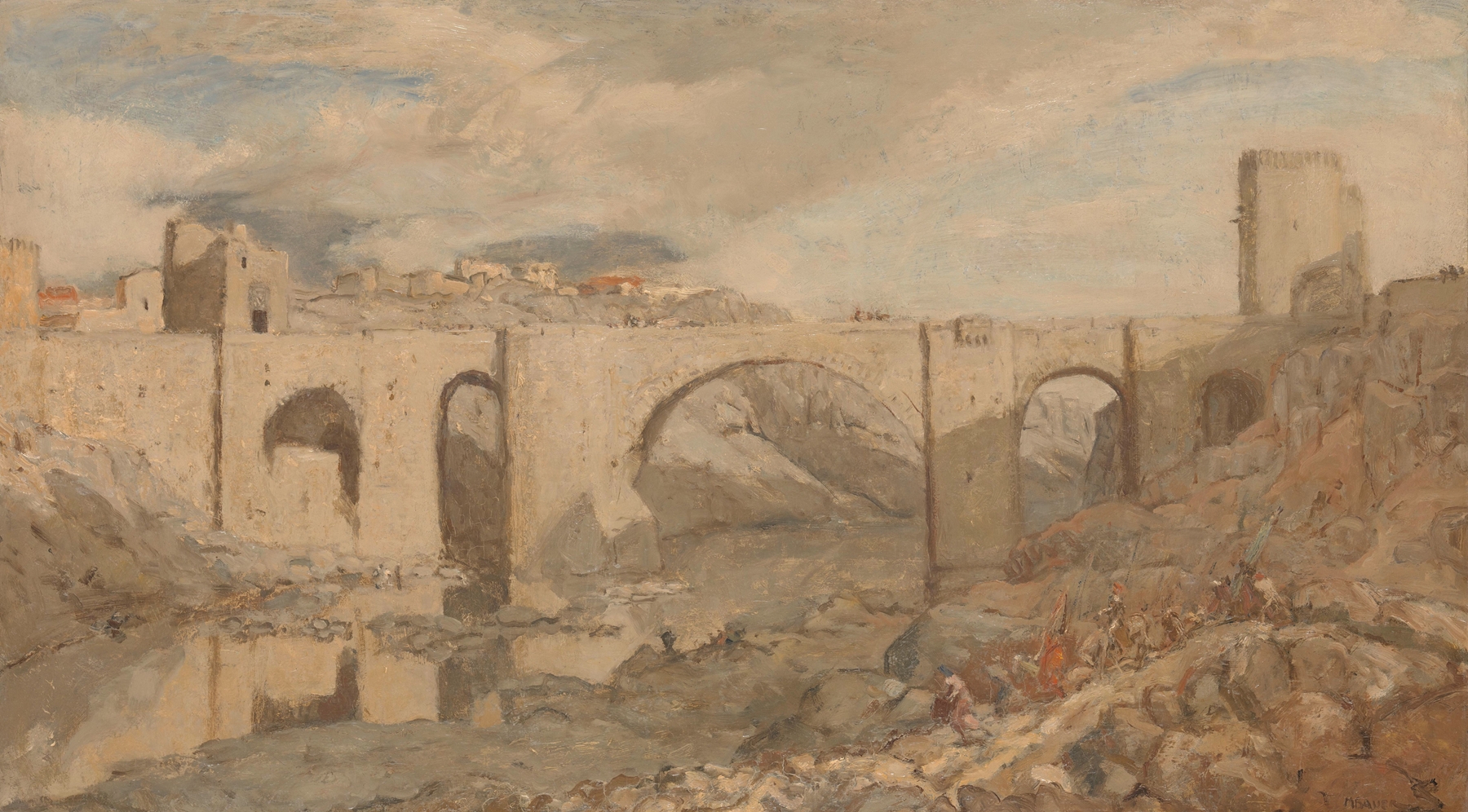
Could a single brushstroke hold eternity? In Taj Mahal bij maanlicht, the artist invites us to ponder the essence of truth woven into the fabric of a fleeting moment. Look closely at the shimmering moonlight that bathes the iconic mausoleum, reflecting off the still waters below. The delicate strokes create a sense of tranquility, while the soft blues and silvers draw the eye to the Taj Mahal’s grand dome, framed by a dark, enveloping sky. Subtle details emerge in the shadows, hinting at the reverence and serenity of this architectural marvel.
The composition balances grandeur with intimacy, offering a glimpse into the beauty of night. Yet, beneath this serene facade lies a tension between memory and longing. The moonlit scene evokes a sense of nostalgia; the Taj Mahal, a monument to love, stands as a reminder of loss. The interplay of light and dark conveys the duality of existence—joy intertwined with sorrow, beauty shadowed by the passage of time.
Each brushstroke whispers stories of the past, inviting viewers to reflect on their own truths, the permanence of love, and the inevitable decay of all things beautiful. Marius Bauer created Taj Mahal bij maanlicht during the late 19th to early 20th century, a time when he explored the intersection of Eastern and Western art. Living in the Netherlands, he was influenced by a fascination with exotic themes and the romanticism of distant cultures. His works during this period were characterized by a blend of realism and dreamy aesthetics, capturing the essence of his subjects while inviting contemplation and connection.