De Taj Mahal — History & Analysis
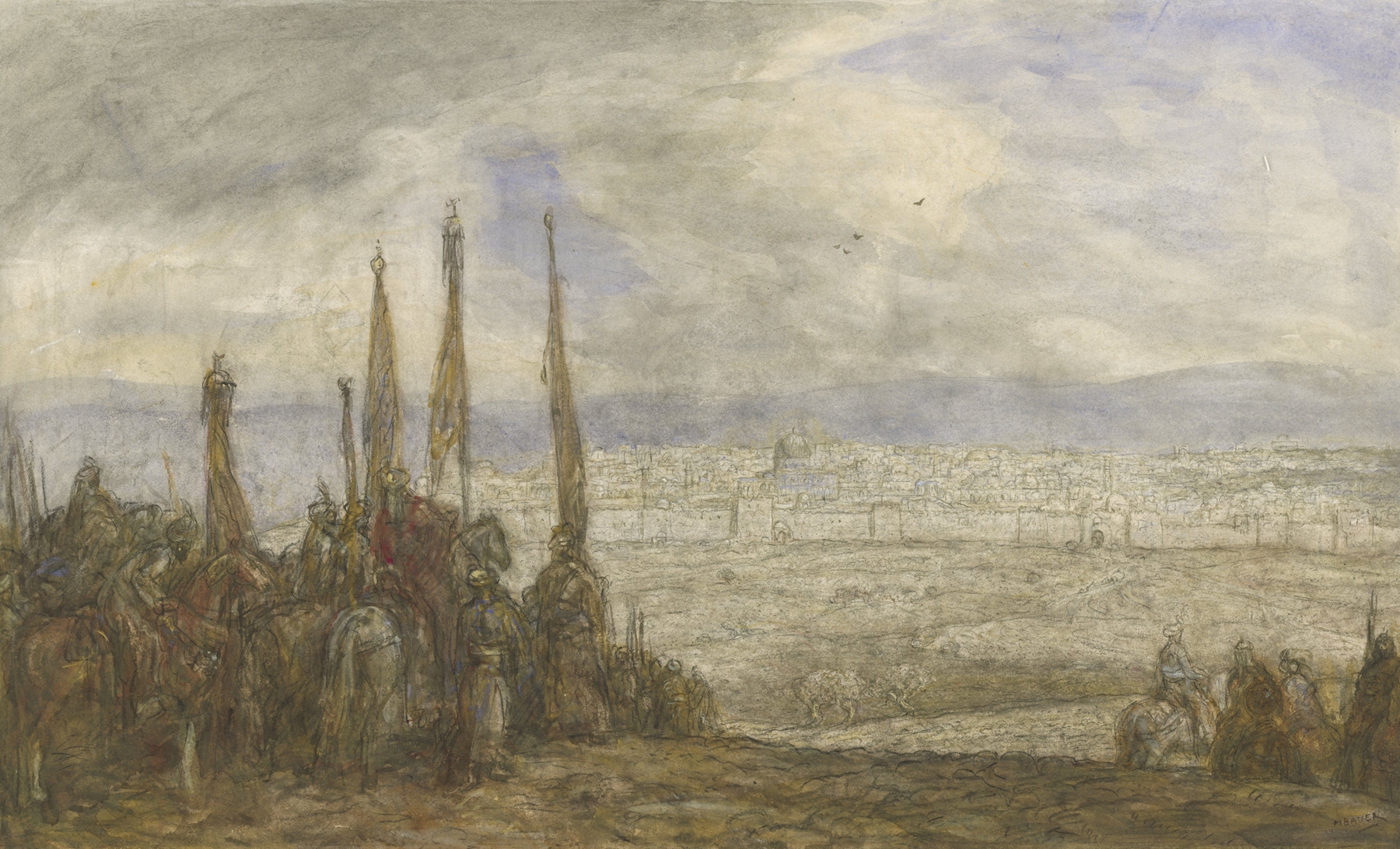
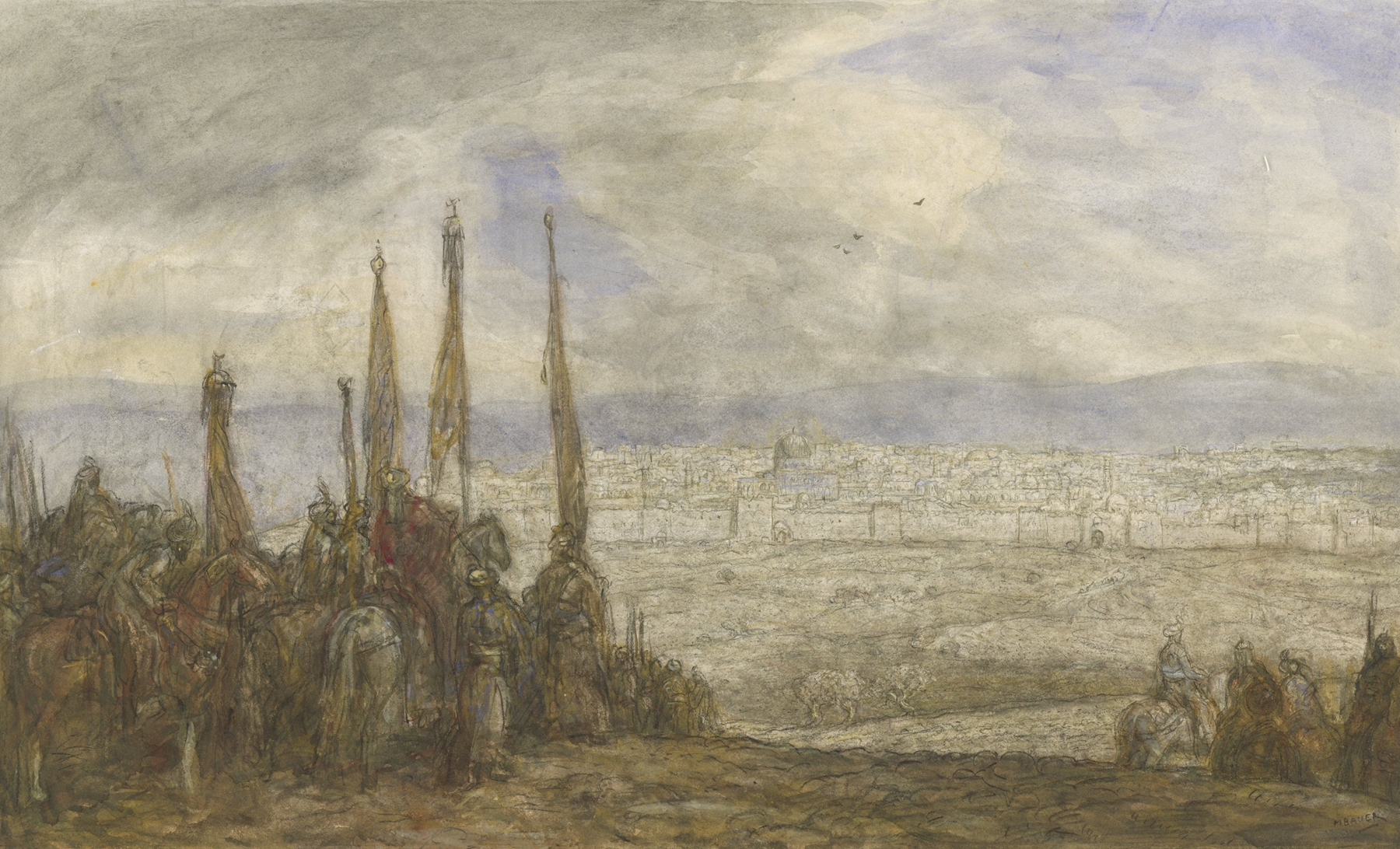
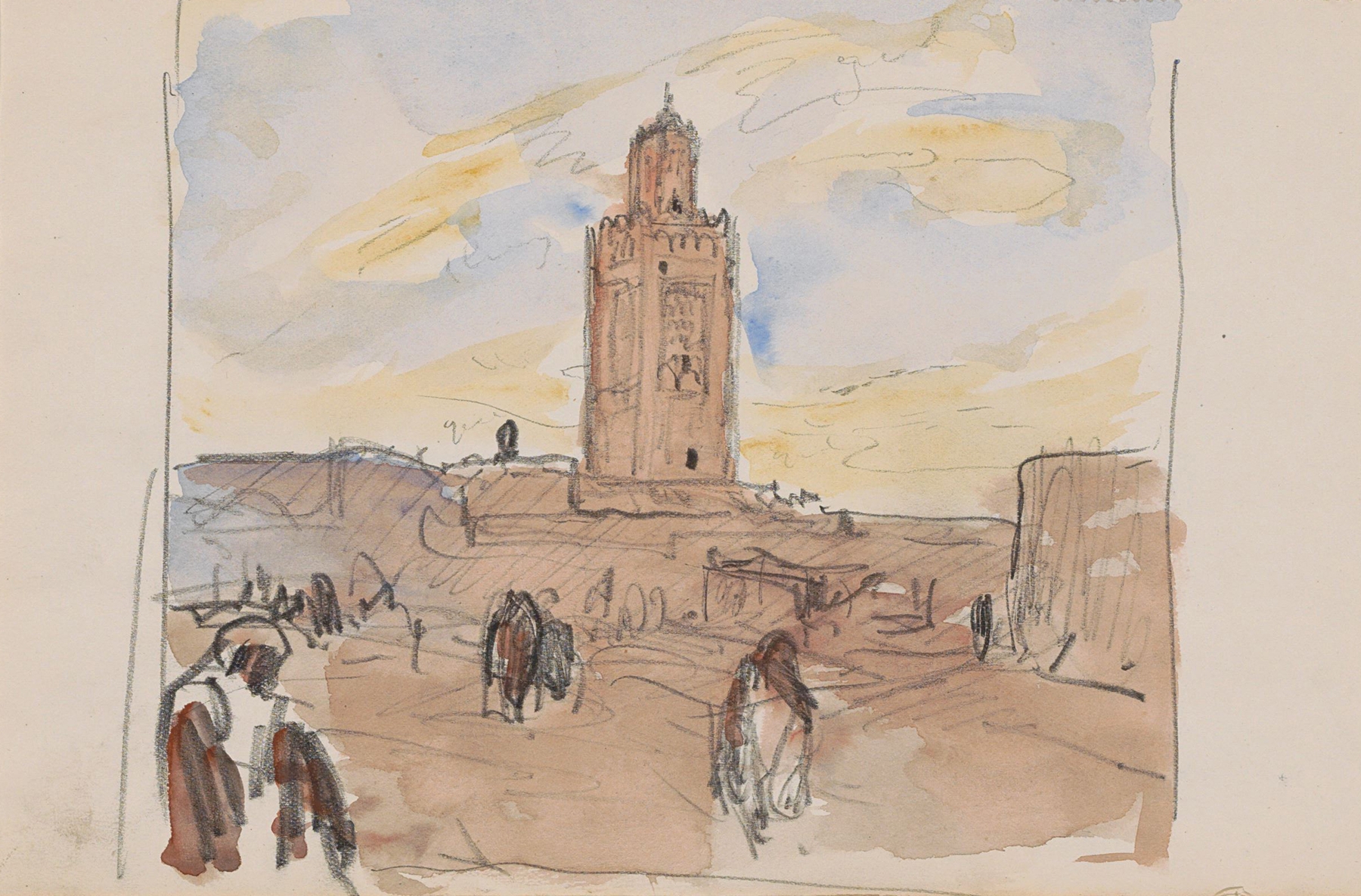
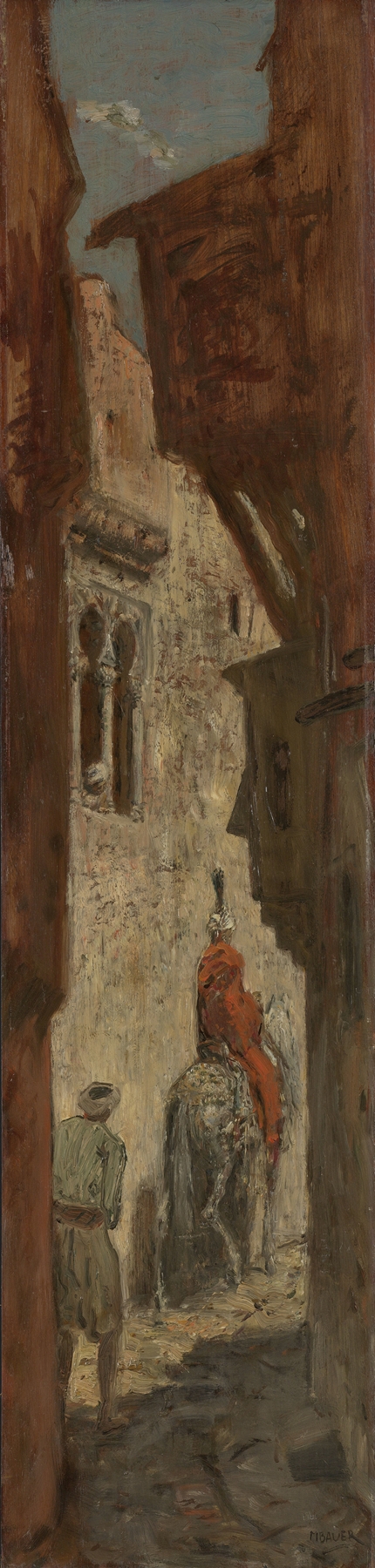
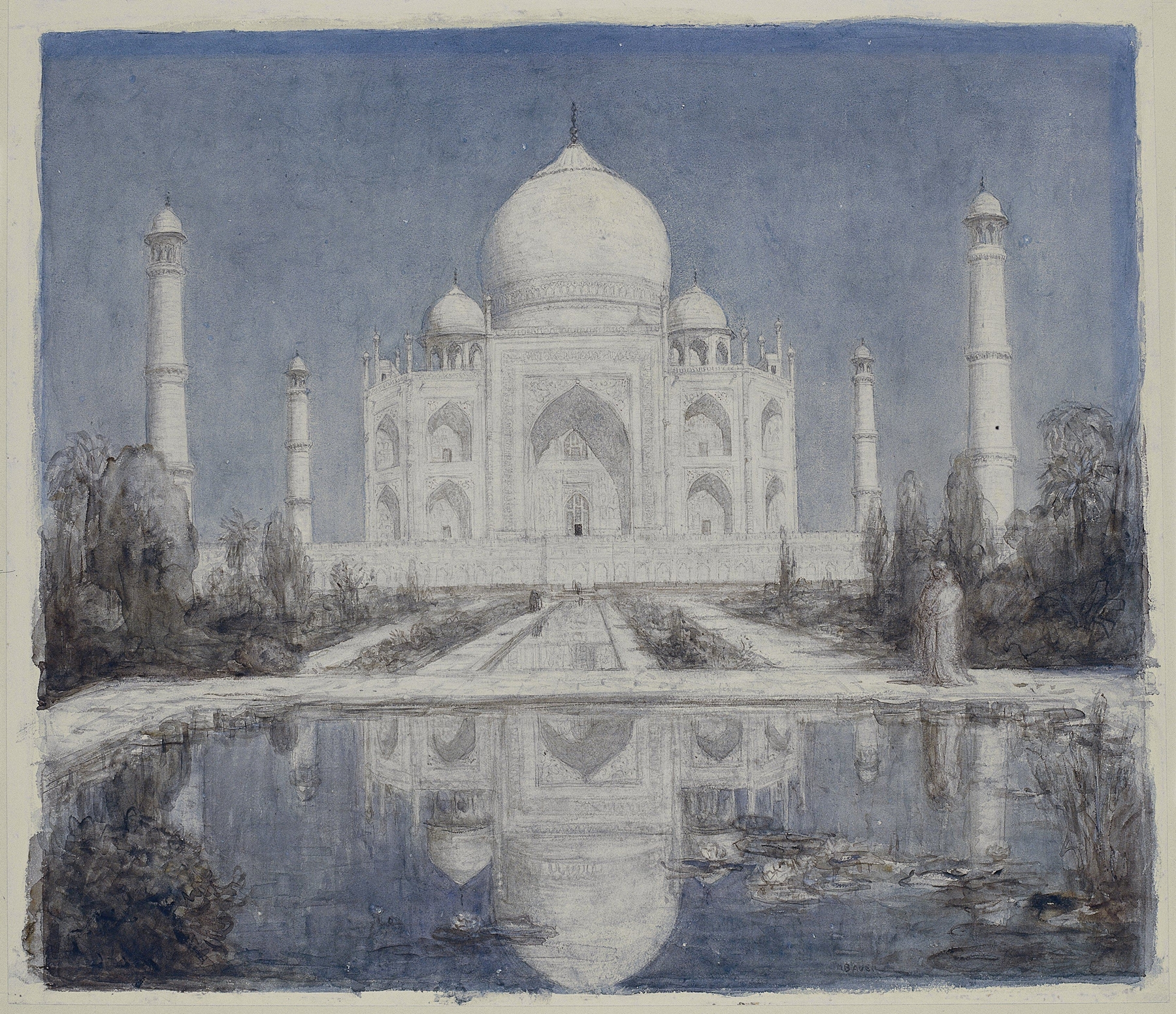
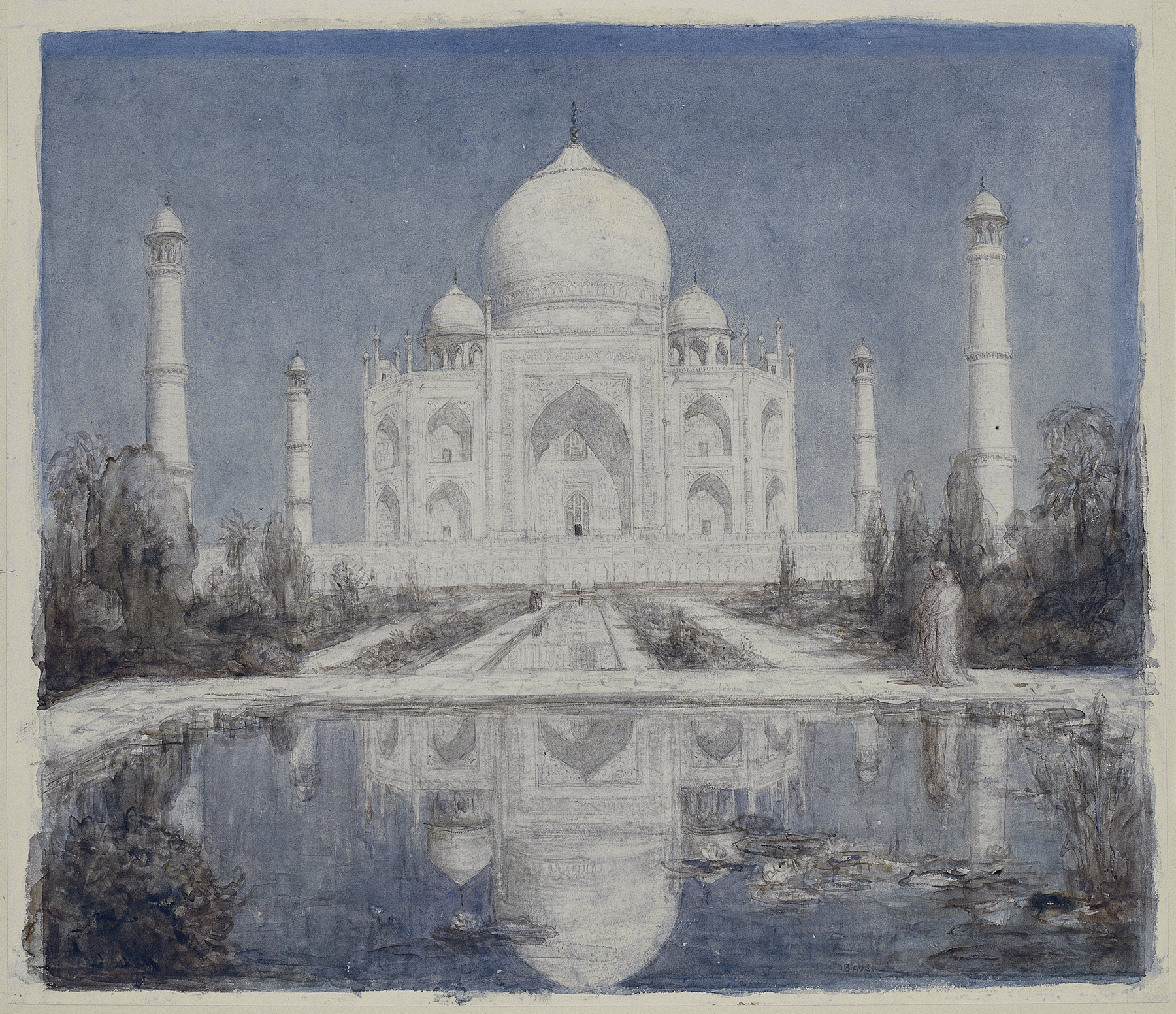
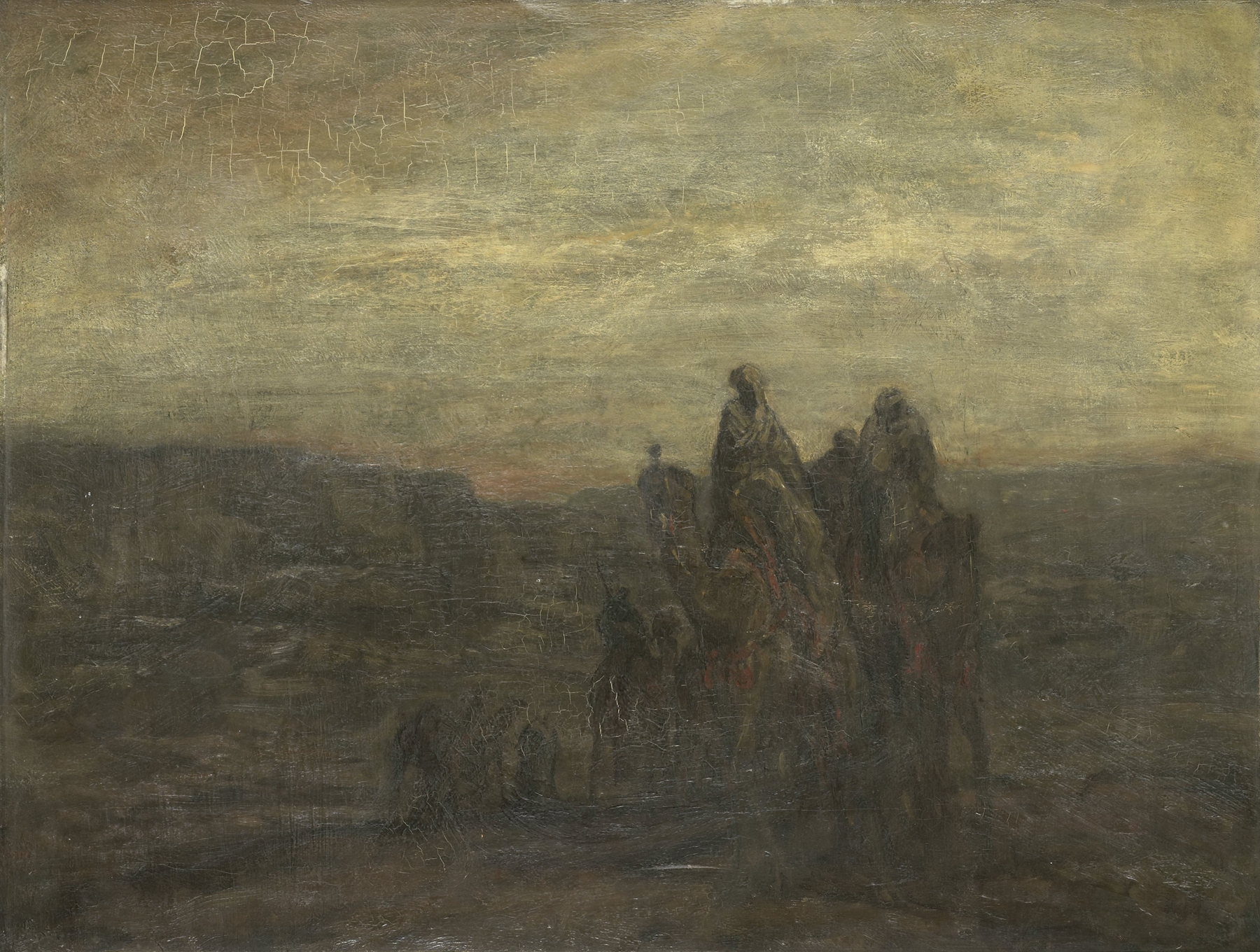
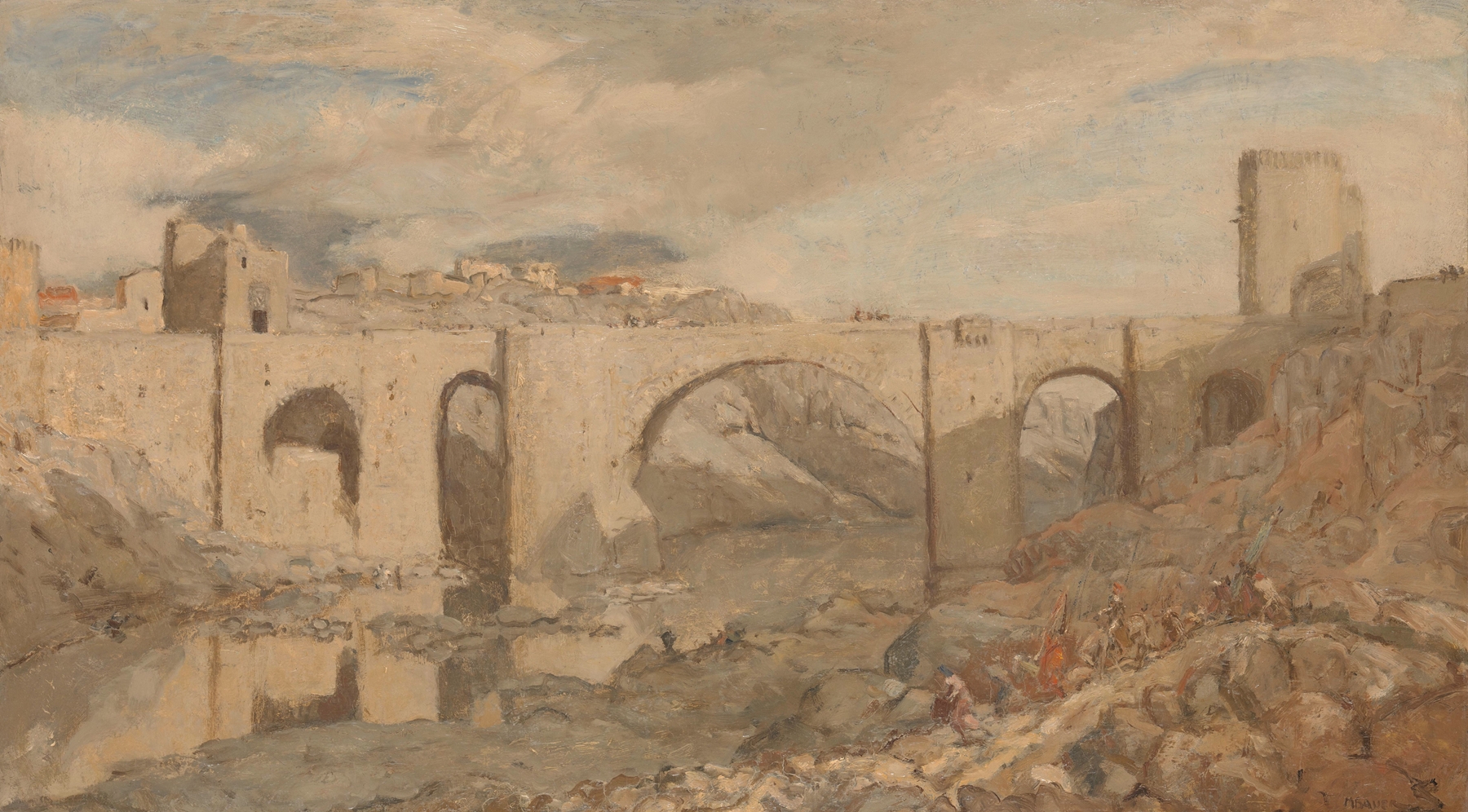
“Every brushstroke is a heartbeat remembered.” In De Taj Mahal, Marius Bauer captures not just a monument, but also the very essence of movement that transcends time. Through his art, we are invited to explore the vibrant interplay of life and stillness, where the architecture echoes the rhythm of history. Focus on the sweeping curves of the Taj Mahal that dominate the canvas, drawing your eye to the intricate marble patterns that shimmer under a soft, golden light. Notice how the artist’s deft use of warm hues contrasts sharply with cooler tones in the surrounding landscape, creating a pulsating tension between the monument’s serenity and the vibrant energy of the life that once flourished around it.
The composition is alive, every stroke guiding you through the scene, almost as if you can hear the whispers of the past. Hidden within the layers of color is a dialogue between permanence and impermanence. The Taj Mahal stands as a testament to enduring love, yet the swirls of paint around it suggest the fleeting nature of time and the movement of people who once walked through its gardens. Each figure in the background, though painted with less detail, contributes to this narrative — they amplify the monument's stillness while simultaneously hinting at the vibrant life it once encapsulated.
The contrast between the solid structure and the fluidity of the surrounding elements evokes a sense of nostalgia and reverence. Marius Bauer painted De Taj Mahal in 1898 during a period of personal exploration and burgeoning interest in Eastern themes within Western art. Working in the Netherlands, he was influenced by the Romantic movement and the fervor for exotic locales that characterized the era. This artwork emerged as part of a broader fascination with the Orient, paralleling Europe’s complex relationship with the East during the late 19th century, marked by both admiration and misunderstanding.