Abdis en de Dood — History & Analysis
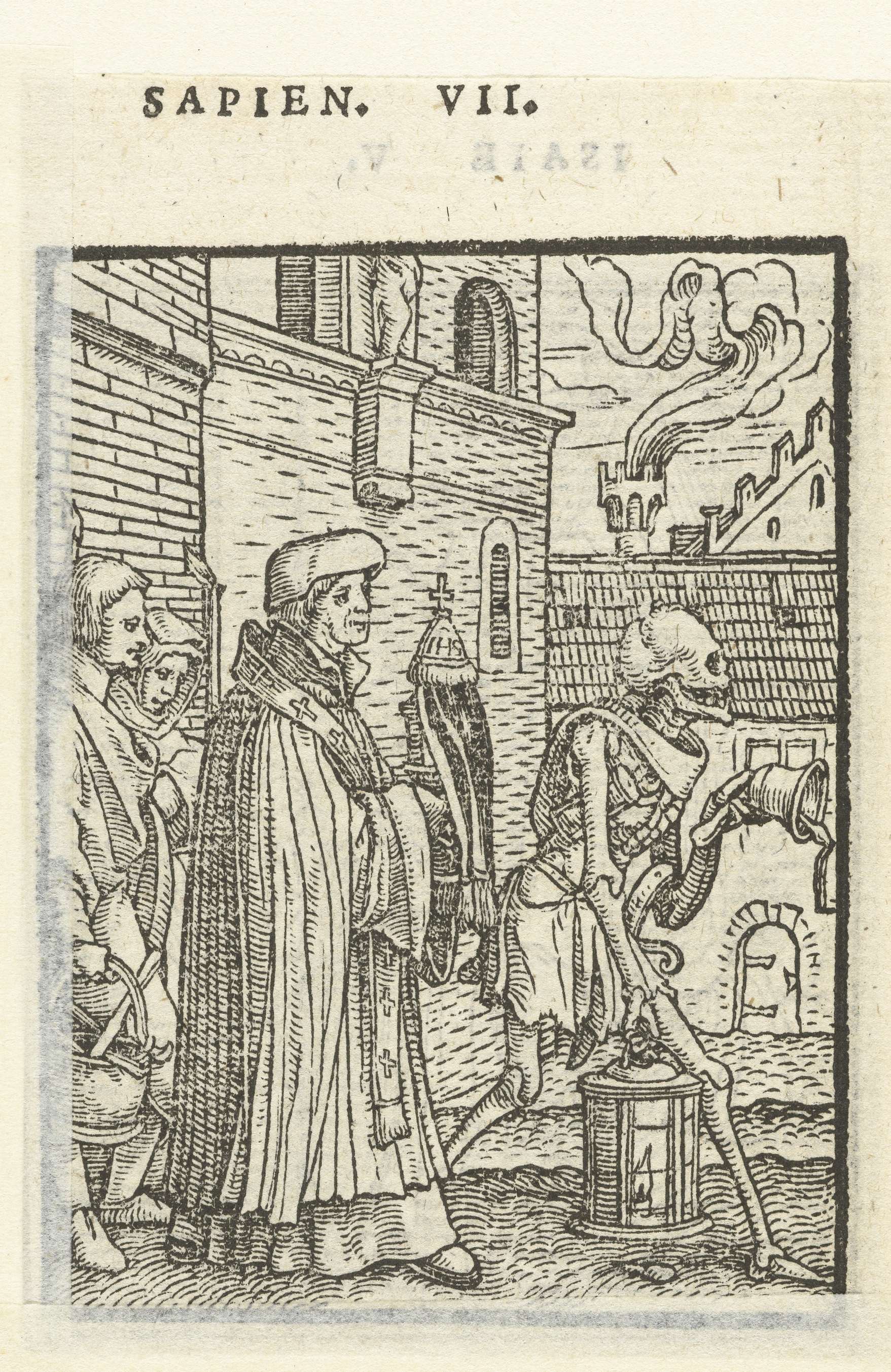
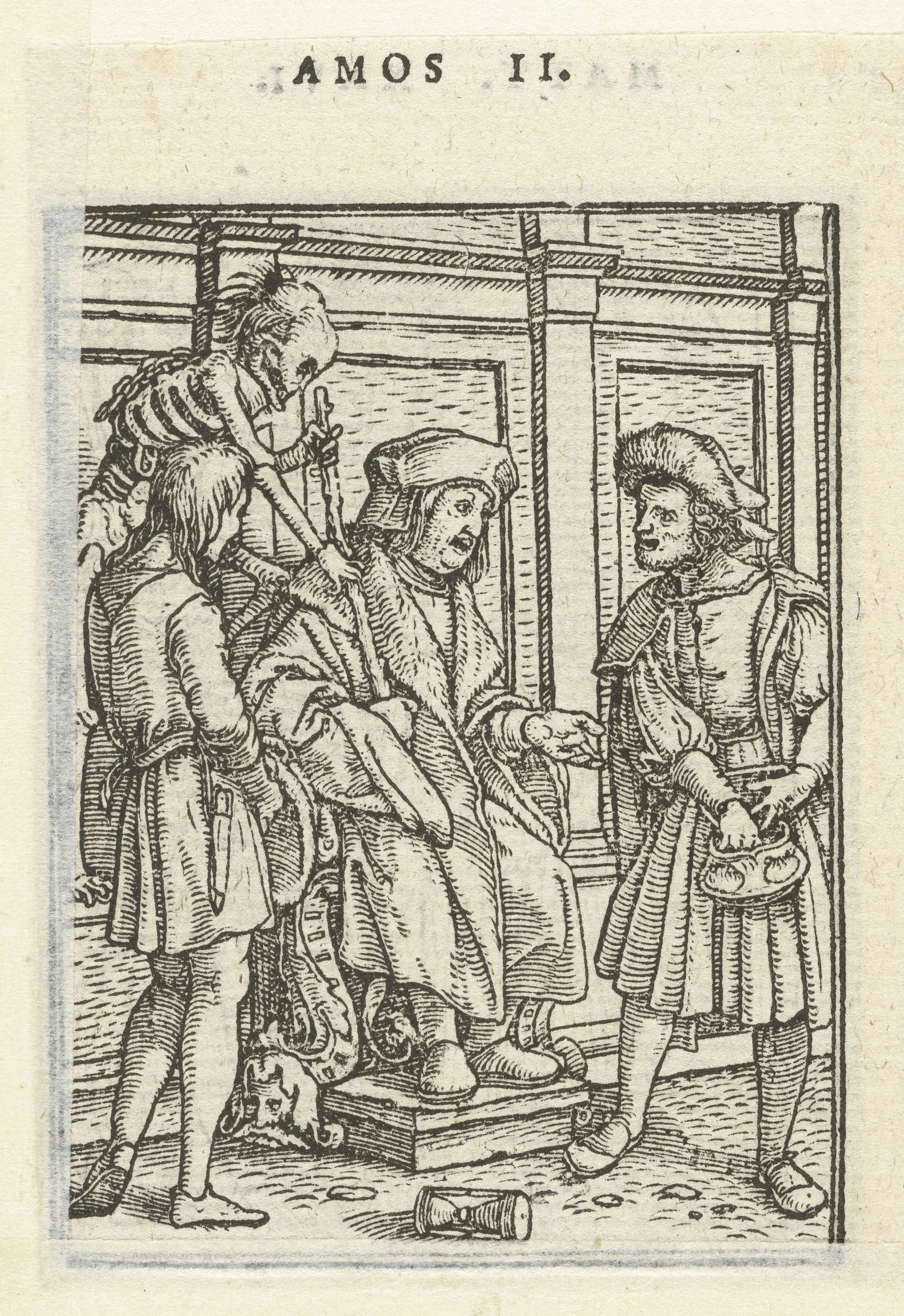
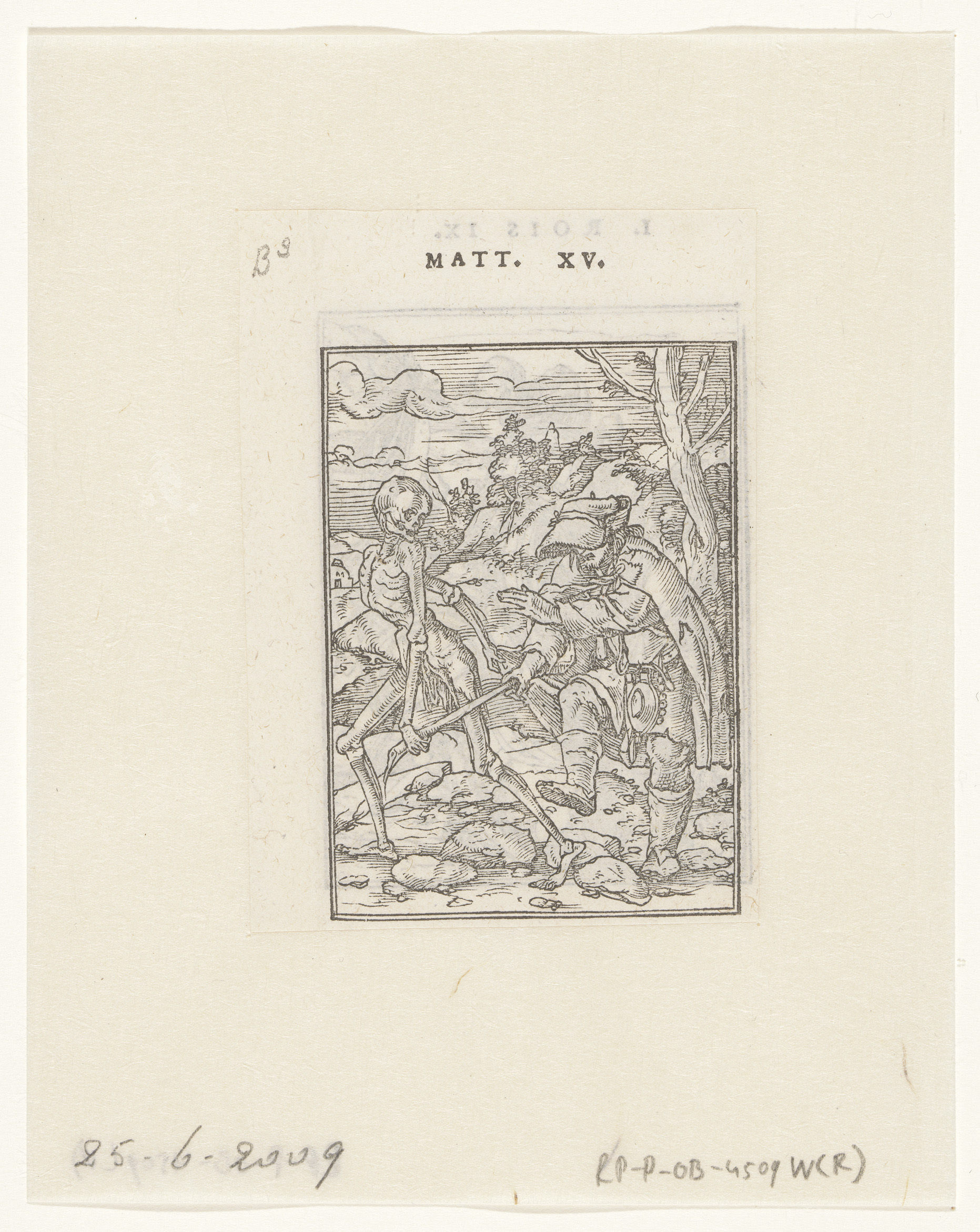
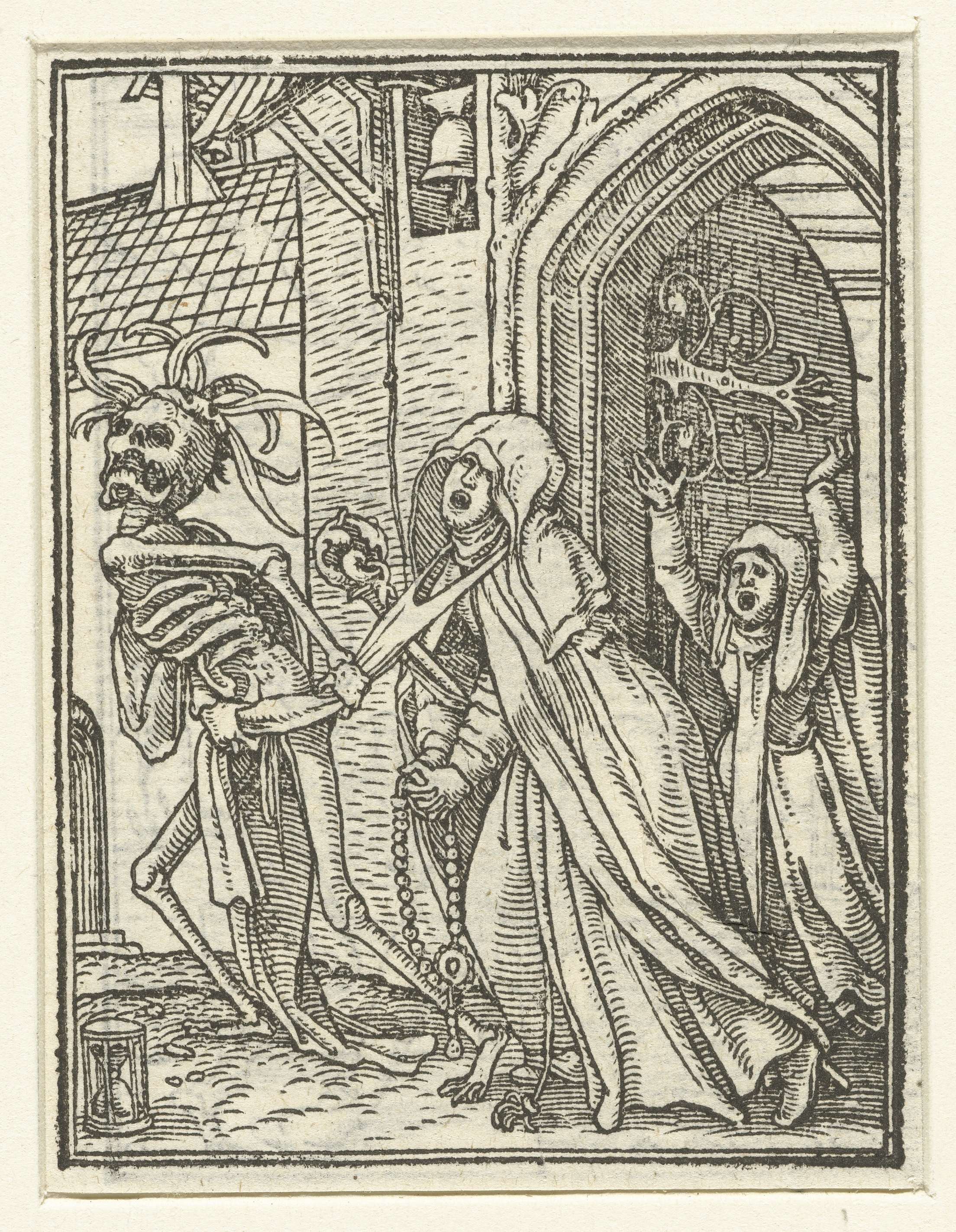
“The canvas doesn’t lie — it simply waits.” In a world where trust can be as fragile as porcelain, betrayal lingers like a specter in the air, haunting both the betrayer and the betrayed. Look closely at the somber figures portrayed in Abdis en de Dood. Notice how the stark contrast of light and shadow bathes the central figure in a cold, almost ghostly glow, emphasizing the gravity of the moment. The deep, muted colors envelop the scene, with hints of crimson whispering of violence and loss, while the meticulously detailed expressions reveal a profound tension that captivates the viewer's gaze.
Delve deeper into Holbein's choices — the positioning of the figures suggests an impending doom, their gazes locked in a silent conversation laden with guilt and regret. The tension is palpable, as if the very air between them vibrates with unspoken words. The unsettling stillness encapsulates the moment where trust shatters, leading to inevitable conflict, leaving the viewer to ponder the weight of loyalty and the cost of betrayal.
Created in 1538, this work emerges from a period of profound artistic development and political intrigue in Europe. Holbein was in England during the time, deeply embedded in the court of Henry VIII, capturing not only the likenesses of his subjects but also the underlying complexities of human relationships. The era was rife with treachery and shifting allegiances, providing fertile ground for an exploration of the darker facets of human nature, which he deftly illustrates in this poignant piece.