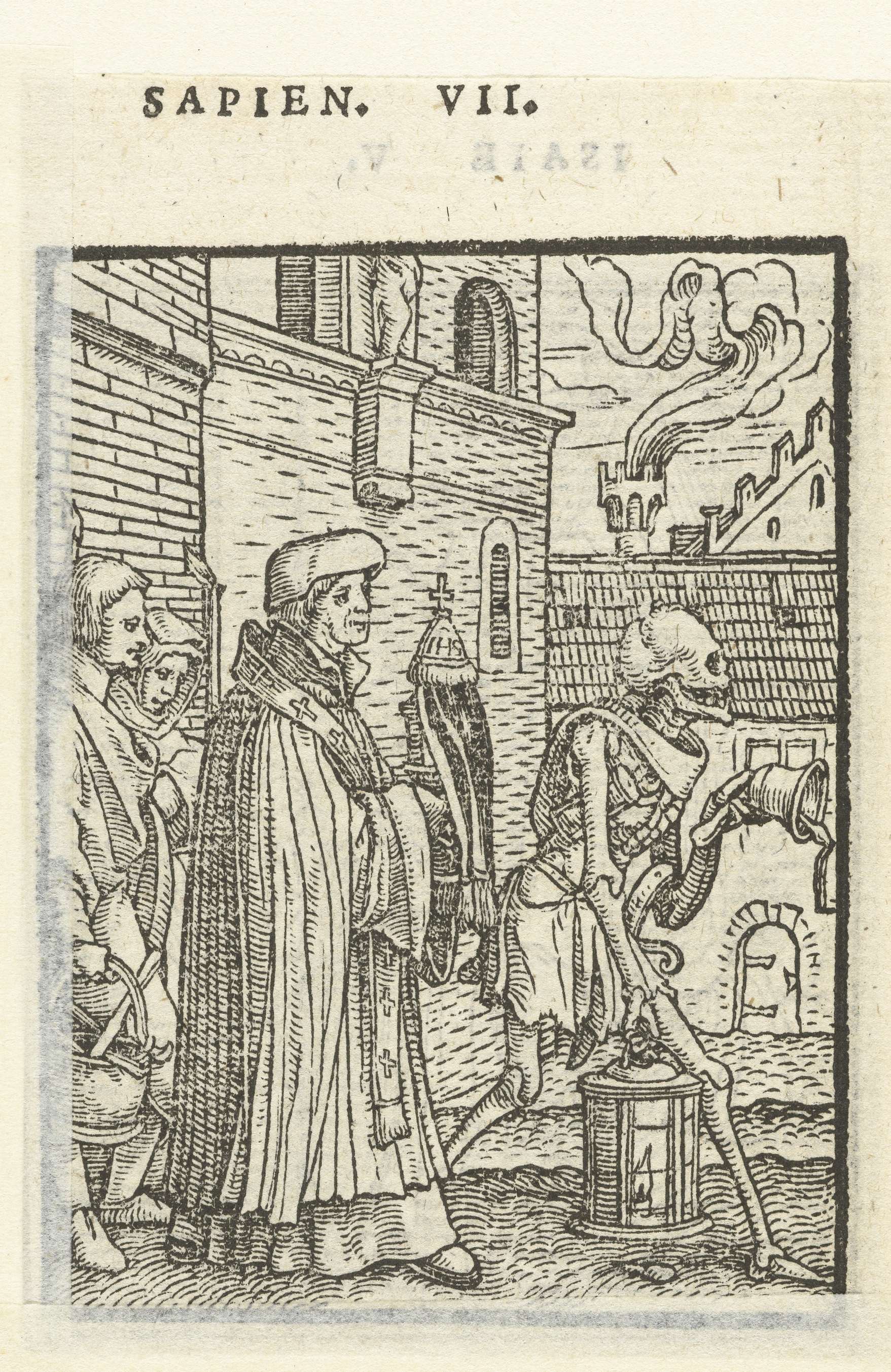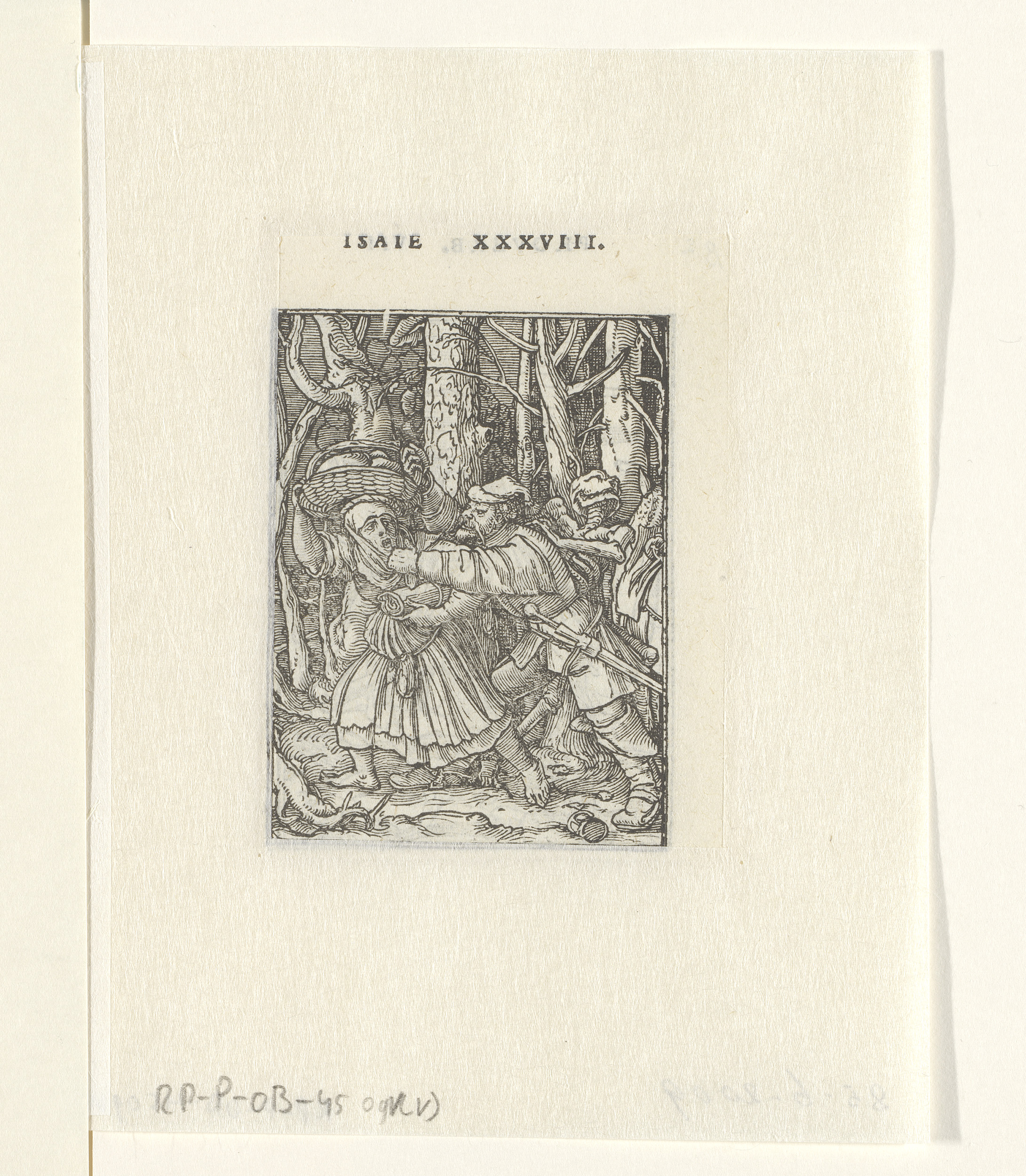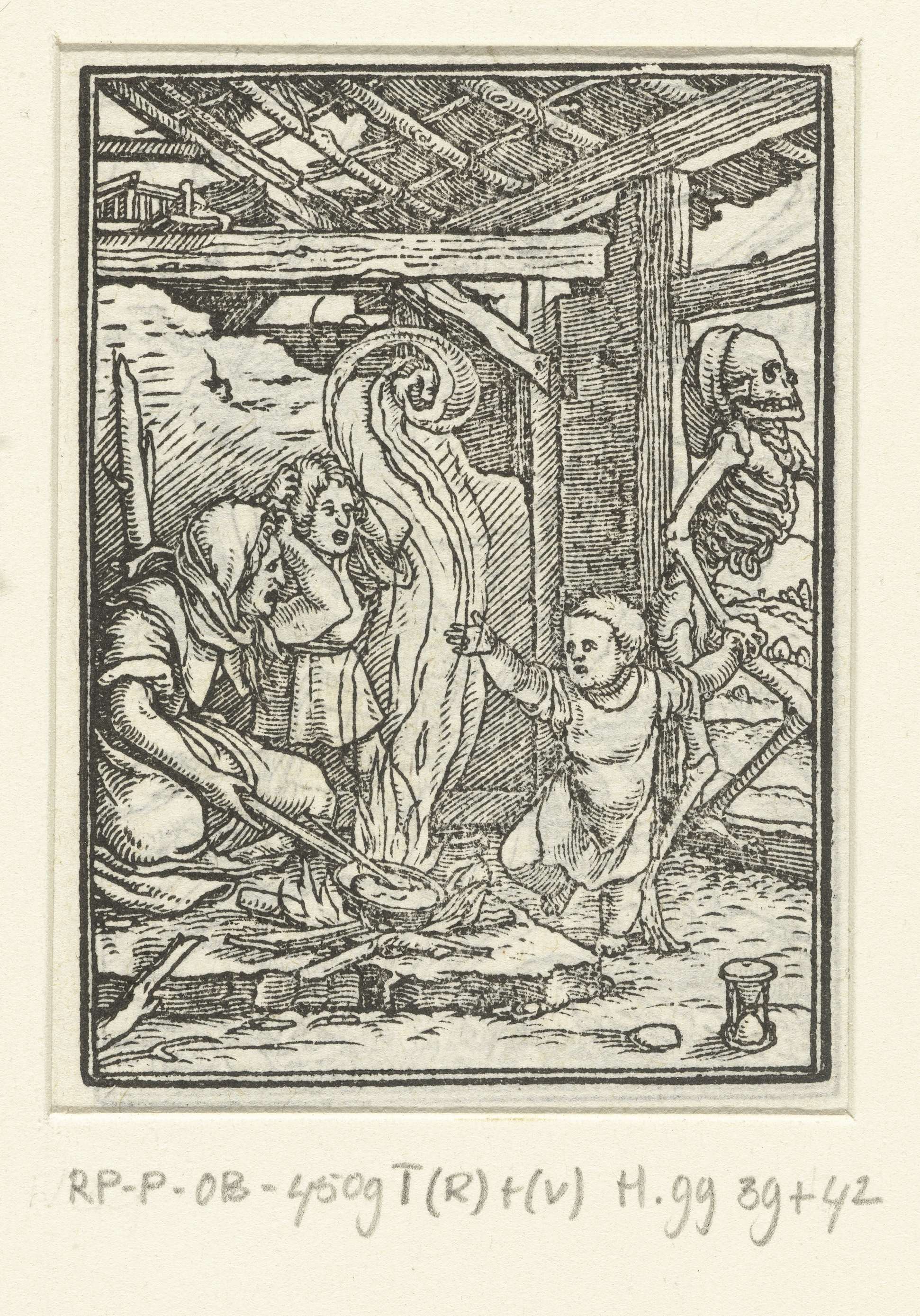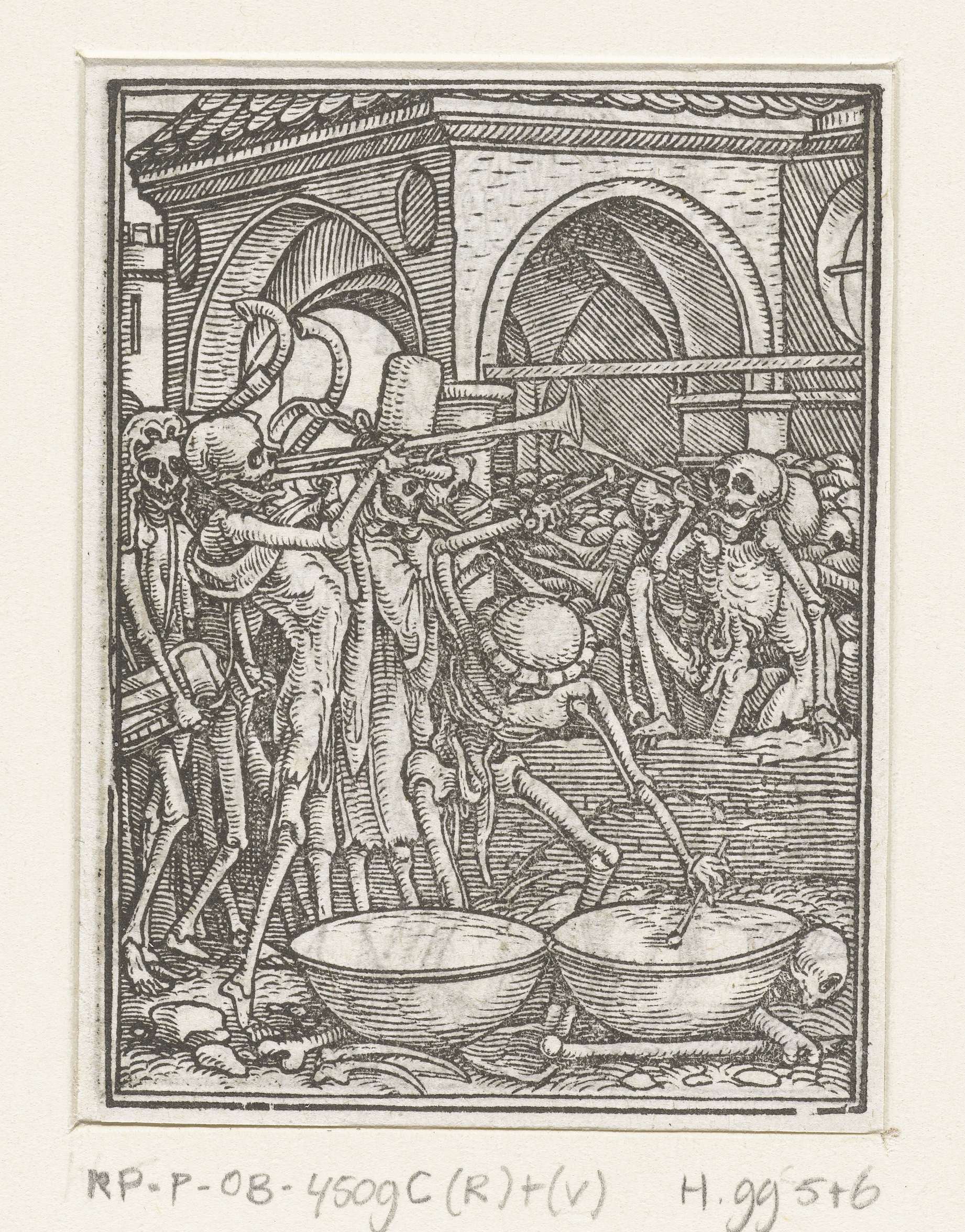
Blinde man en de Dood — History & Analysis
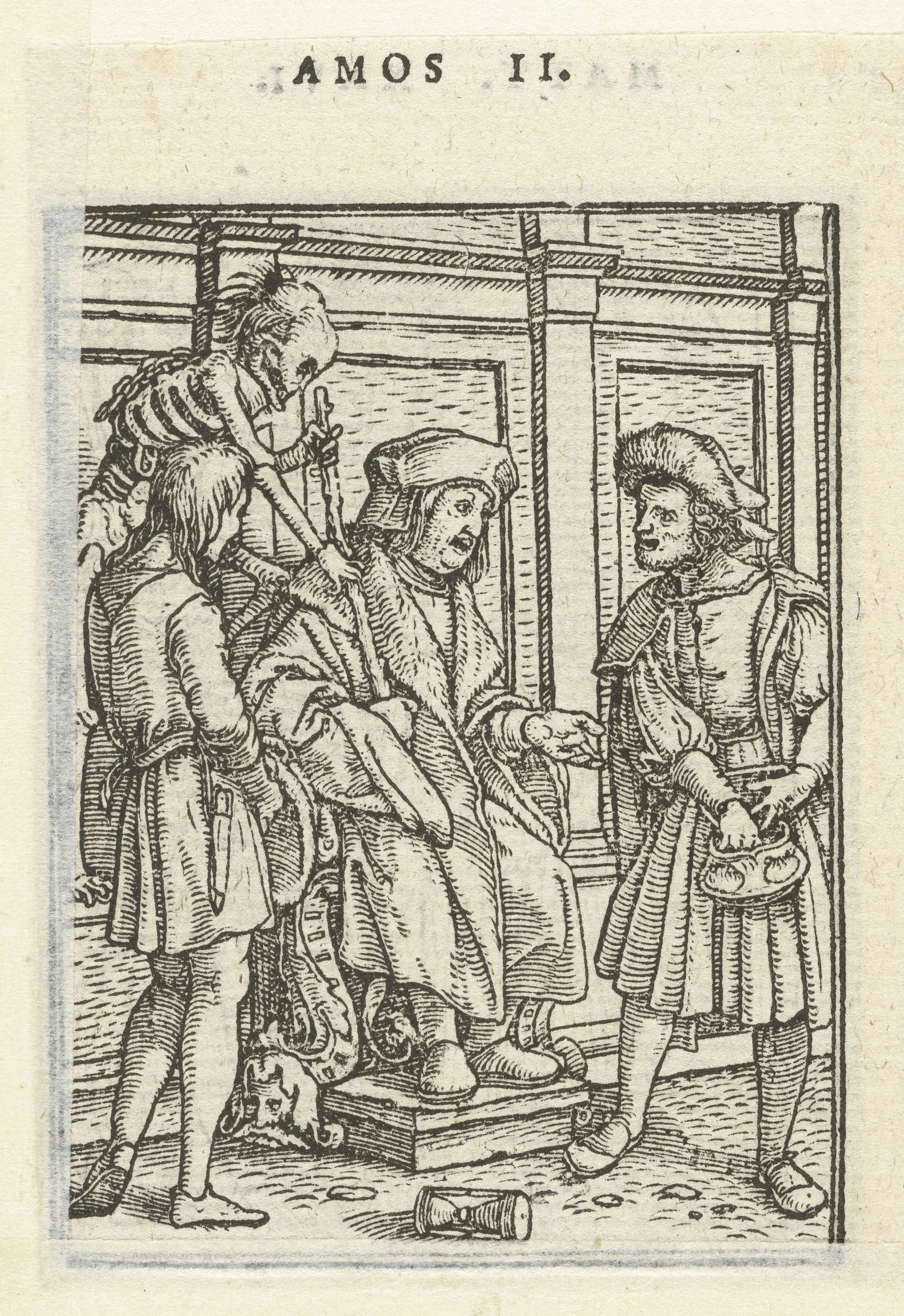
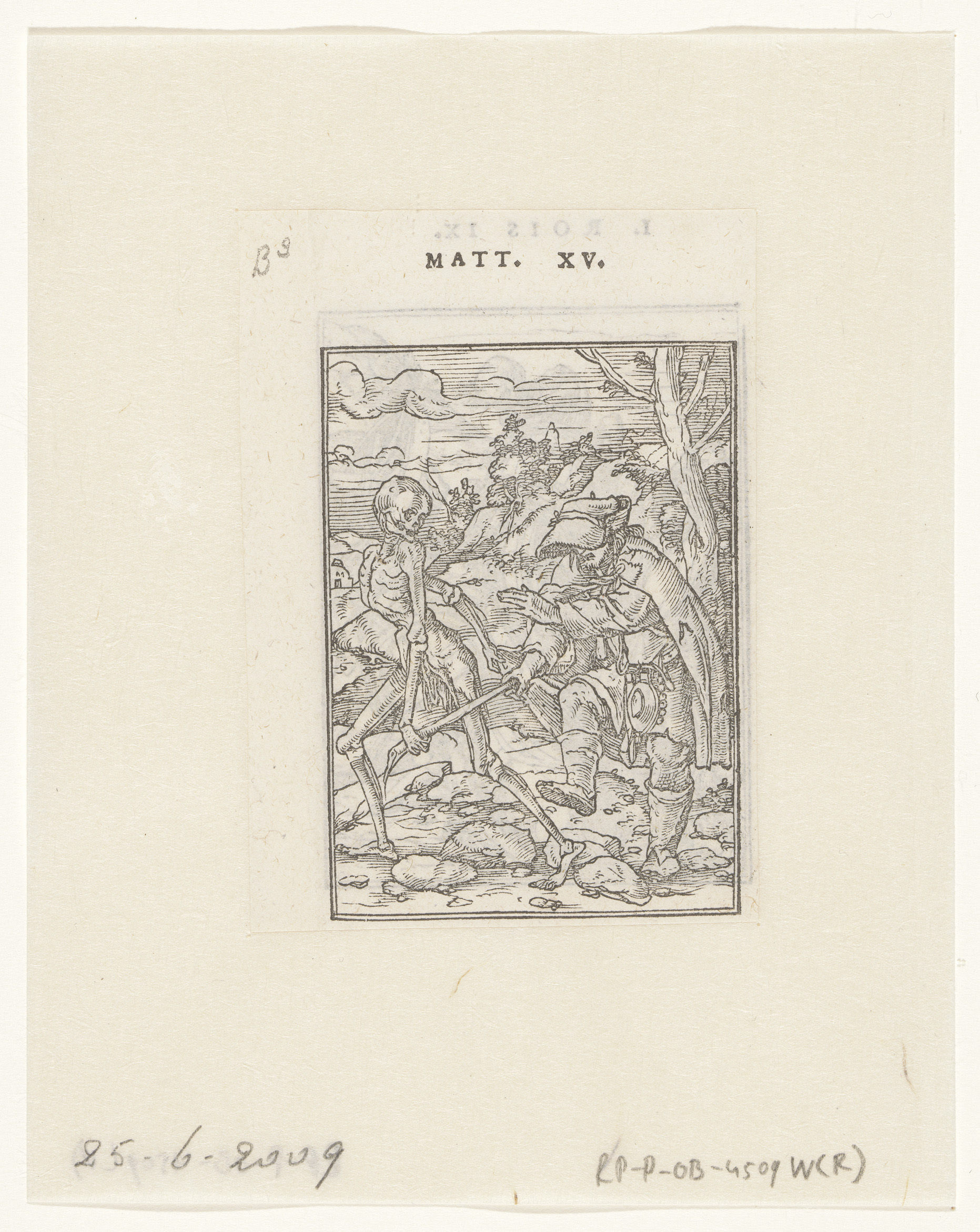
Can beauty exist without sorrow? In Blinde man en de Dood, the haunting presence of mortality intertwines with the ephemeral nature of life, inviting deep contemplation. The stark contrast between light and shadow in this work emphasizes the fragile line we walk between existence and oblivion, urging us to confront our own vulnerability. Focus on the figure on the left, his blind eyes turned towards the viewer, embodying an unsettling mix of innocence and despair. The soft yet somber color palette intertwines browns and muted grays, creating a heavy stillness that envelops the composition.
Notice how the skeletal representation of Death looms nearby, its skeletal hand almost tenderly resting upon the man’s shoulder, suggesting an intimate connection between life and its inevitable end. This interplay of figures and the surrounding darkness conveys a sense of isolation, emphasizing the protagonist's existential struggle in recognizing the unseen. The poignant juxtaposition of life and death invites viewers to reflect on deeper themes of existence. The blind man represents humanity's oblivion to its fate, while the figure of Death serves as a stark reminder of mortality’s omnipresence.
This tension encapsulates the transient beauty of life, underscoring the idea that awareness of our own mortality often enhances our appreciation of life’s fleeting moments, hidden beneath layers of sorrow and longing. Hans Holbein II created Blinde man en de Dood in 1547 during a time of great religious and social upheaval in Europe. The artist, known for his vivid portrayals of human emotion and intricate detail, found himself navigating the complex world of the Reformation and the shifting landscape of patronage. This work reflects the burgeoning interest in themes of mortality and the human condition, characteristic of the Northern Renaissance, as it confronts viewers with the inevitability of death and the void it creates.