Rechter en de Dood — History & Analysis
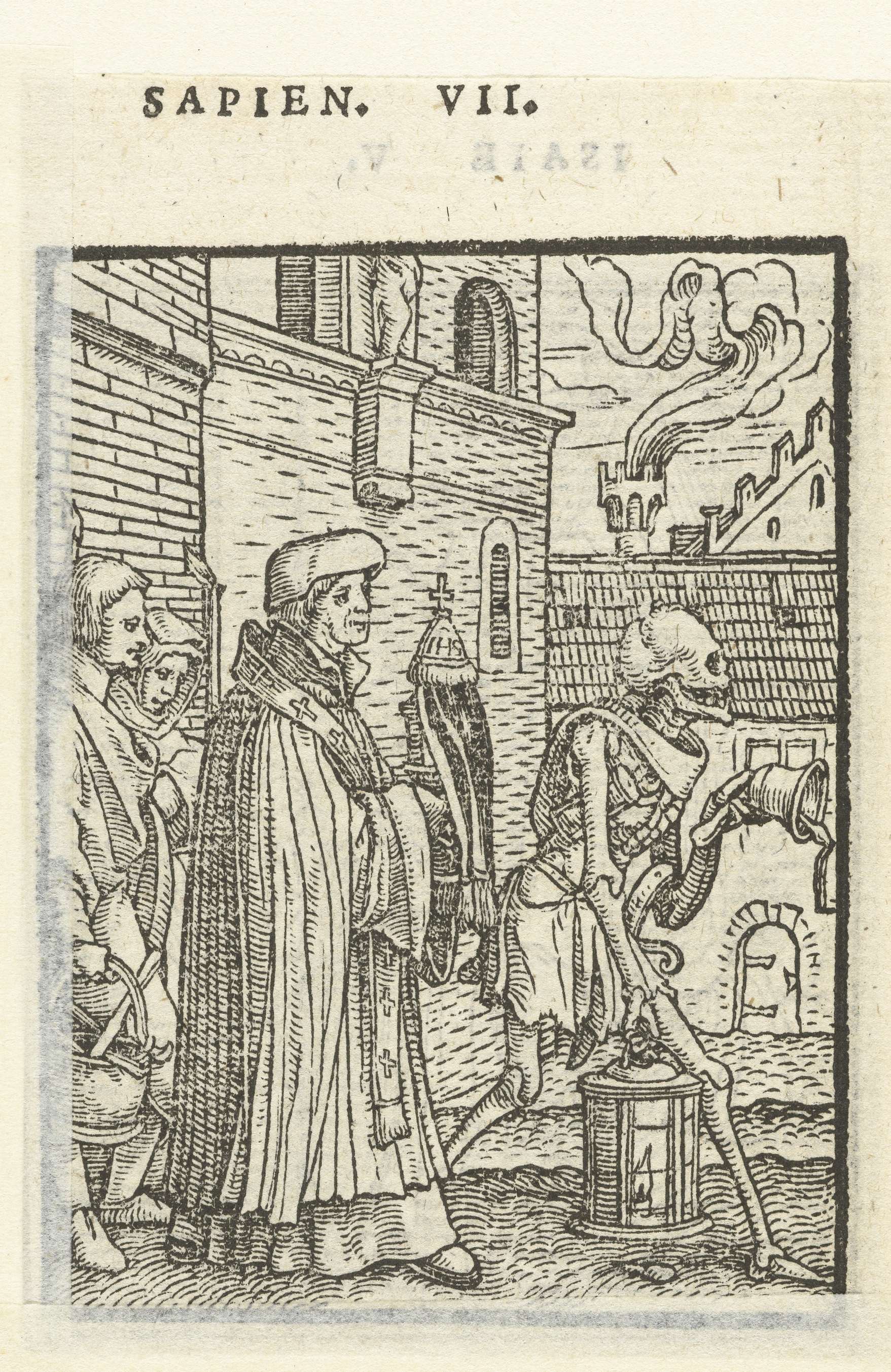
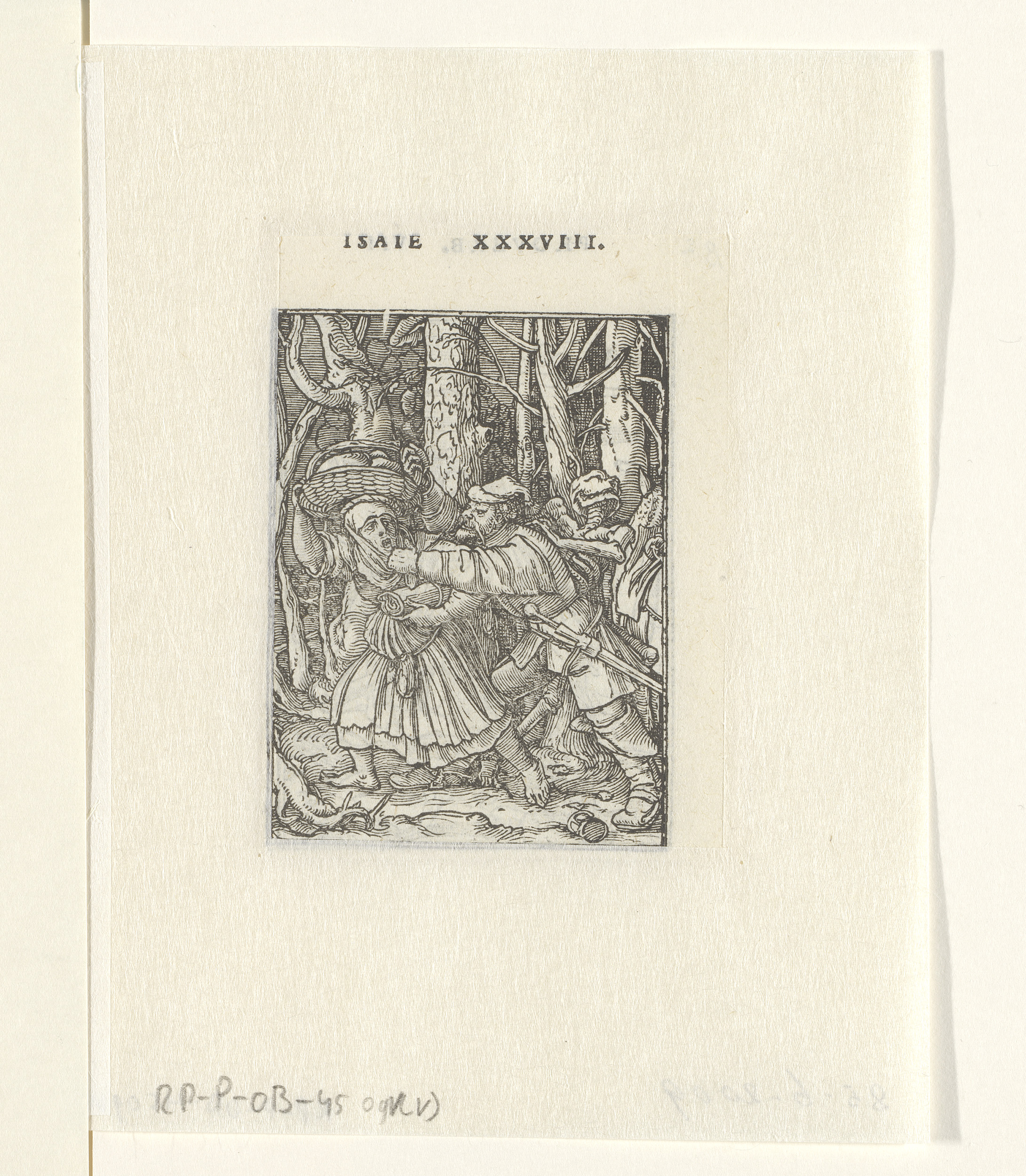
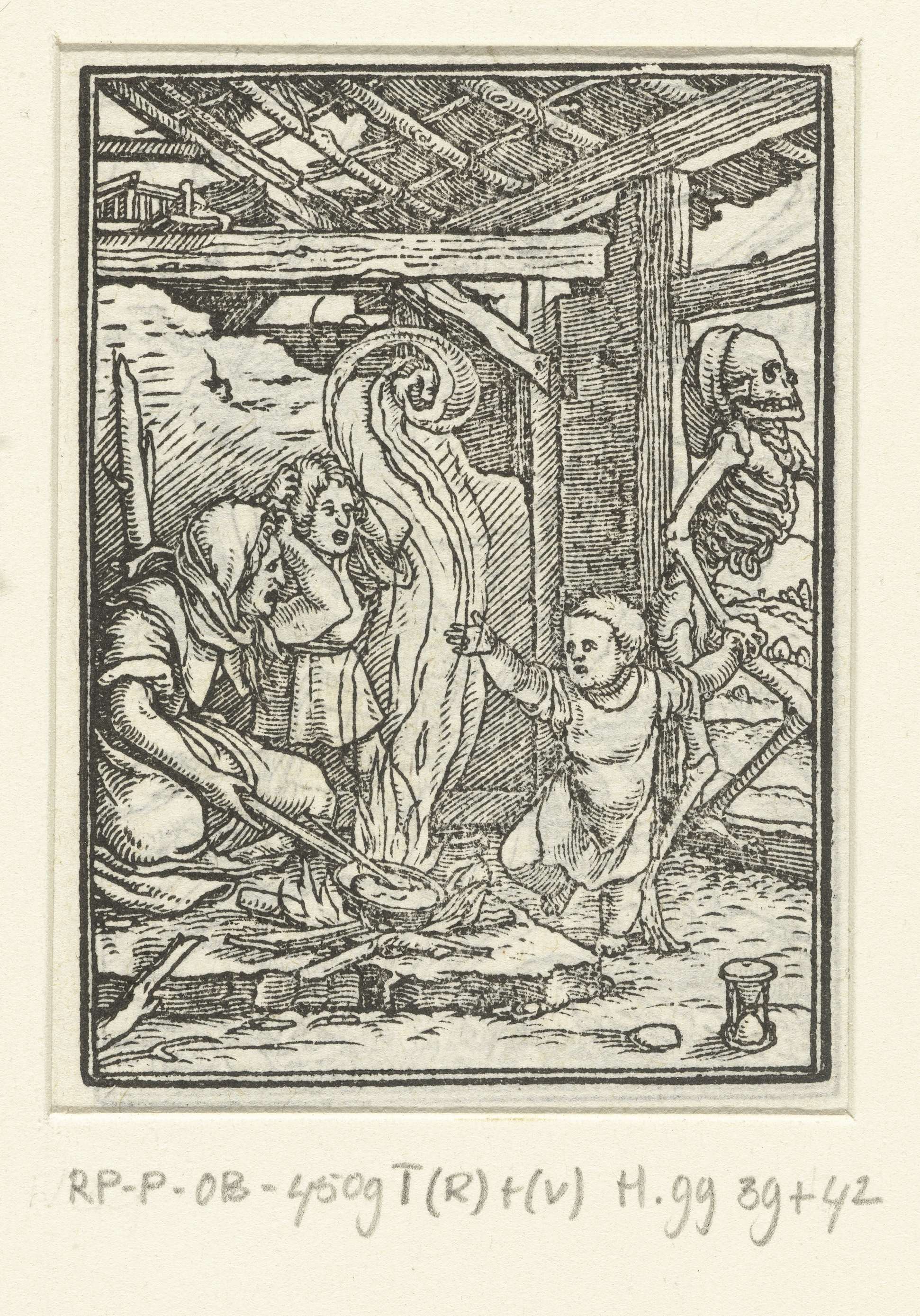
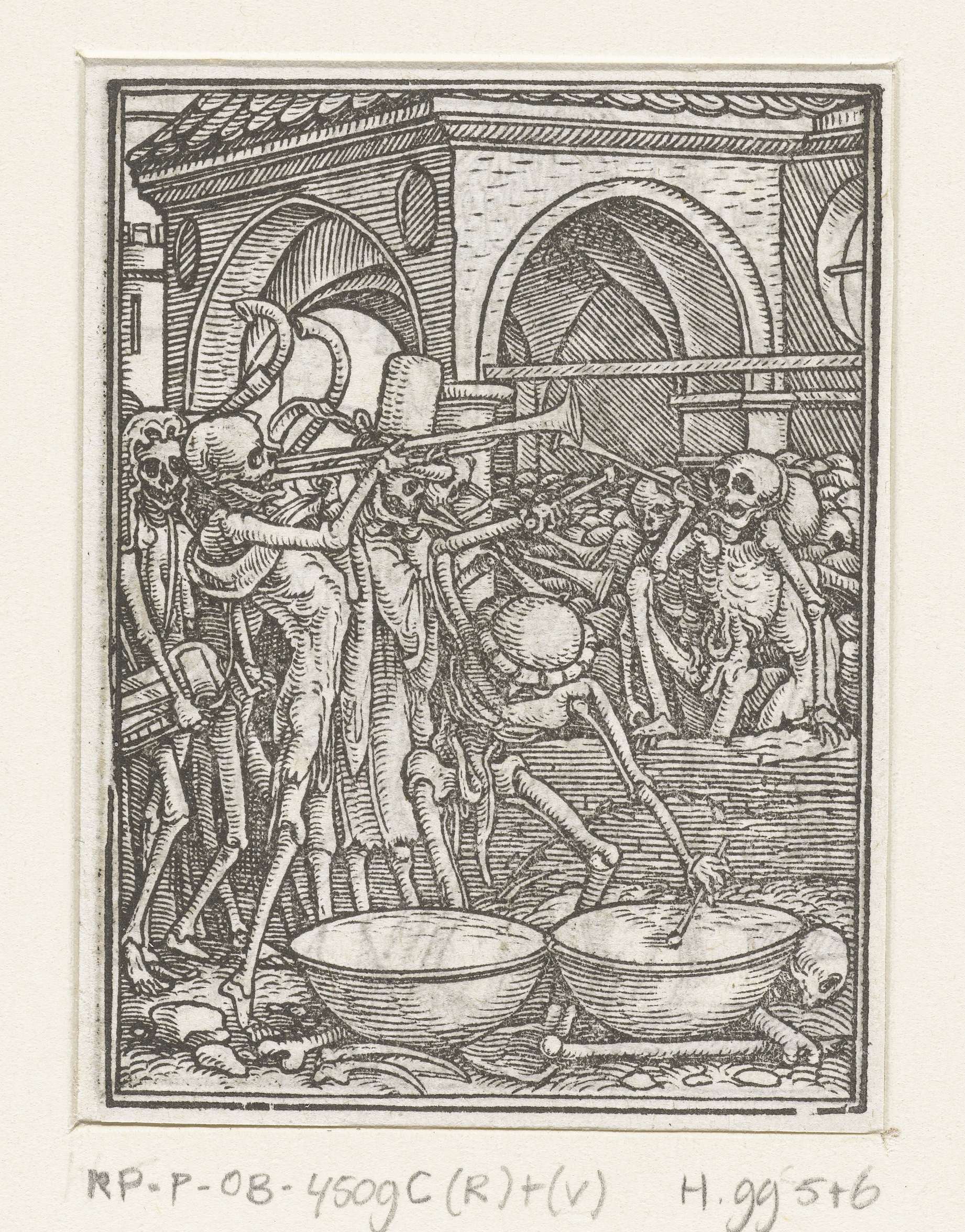
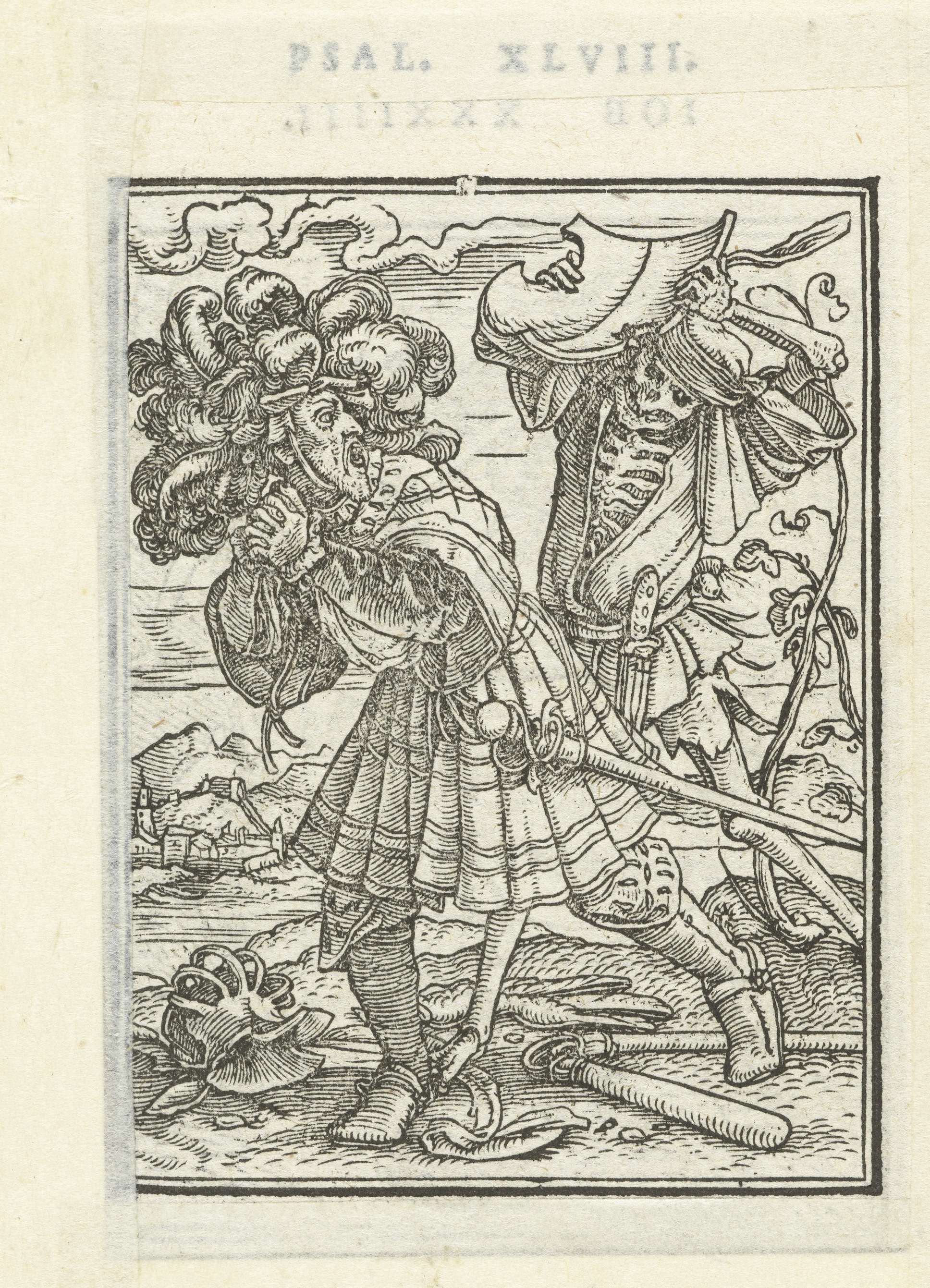
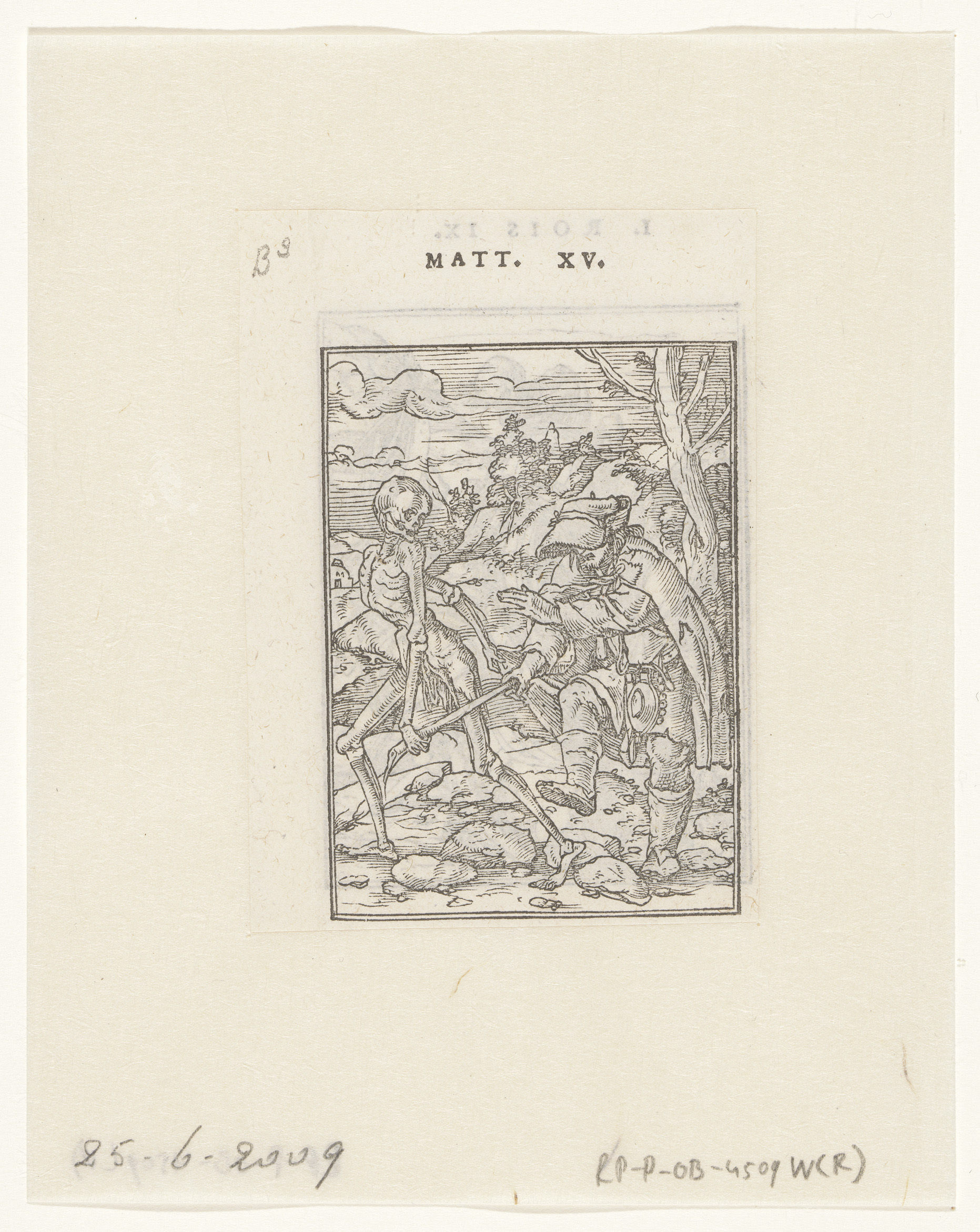
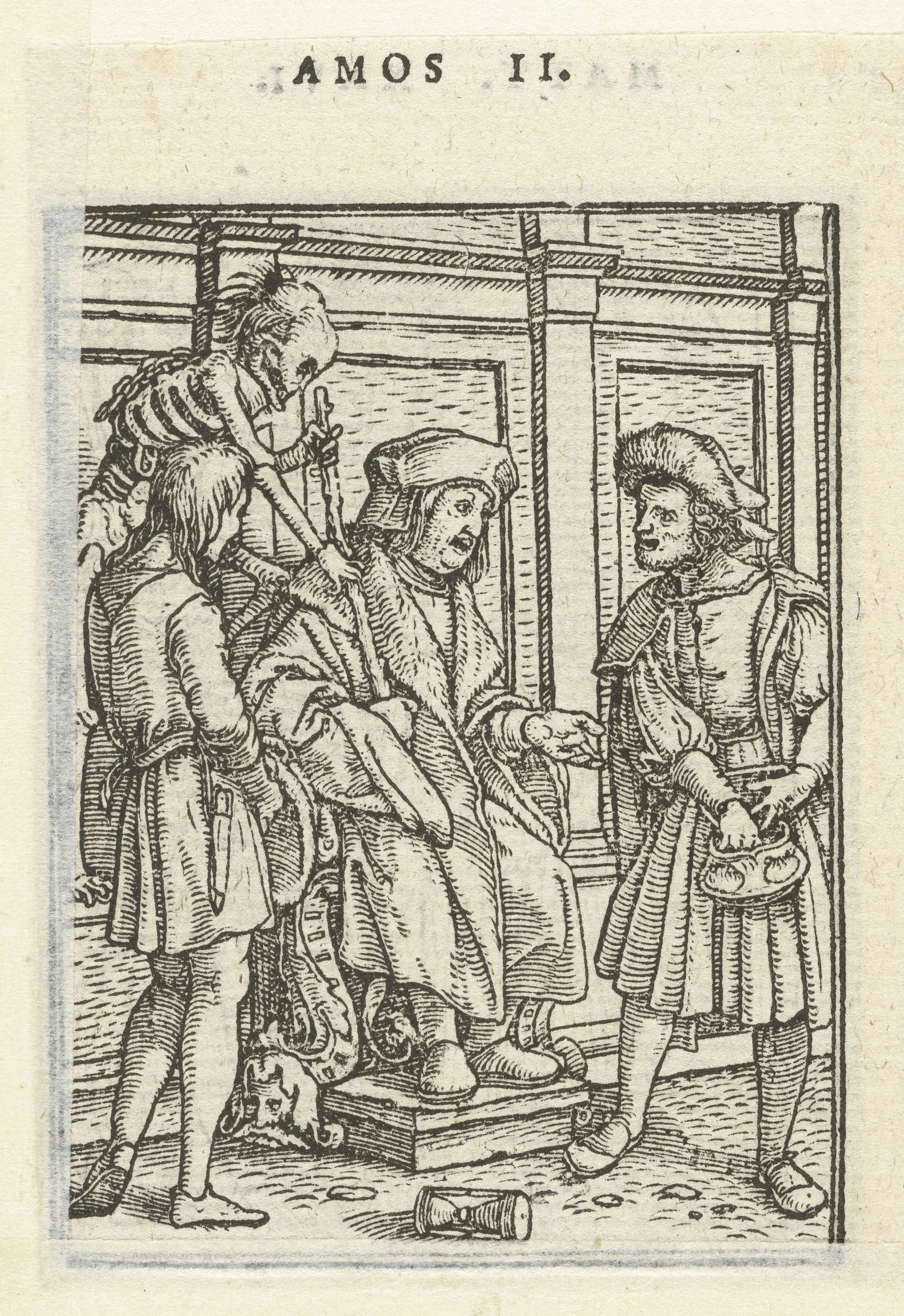
When did color learn to lie? The vibrancy of hues can mask deeper truths, revealing the fragility of life beneath a surface of beauty. This interplay between reality and illusion is masterfully explored in *Rechter en de Dood*, where the specter of mortality looms large amidst the trappings of authority. Look closely at the central figure, the judge, draped in rich robes that gleam with an air of superiority. Notice how the pallid face of Death, half-hidden in shadow, disrupts the opulence of the scene. The stark contrast between the judge's resolute posture and the skeletal figure beside him underlines an unsettling tension: power and fate, both intertwined yet forever at odds. The somber backdrop and meticulous details amplify a sense of impending doom, enveloping the viewer in a chilling realization of the frailty of human existence. There’s a profound dialogue between life and death in this work. The judge’s confidence, accentuated by the golden embellishments of his attire, is immediately challenged by the presence of Death, whose hollow eyes reflect a truth that transcends worldly authority. Each element, from the judge’s heavy attire to the ghostly figure lurking in the corner, speaks to a duality — the allure of worldly power set against the inevitability of mortality. It’s a reminder that no matter how resplendent the colors of our lives may seem, they can never truly mask what awaits us. Hans Holbein created *Rechter en de Dood* in 1538 during a time of great political and religious upheaval in Europe. Residing in Basel, he was immersed in the humanist movements of the Renaissance, where his keen observations of human nature and the moral complexities of society found voice through his art. This painting reflects the era’s challenges, particularly the tension between divine judgment and human authority, cementing Holbein’s legacy as a master of capturing the essence of existence and its ephemeral nature.