Priester en de Dood — History & Analysis
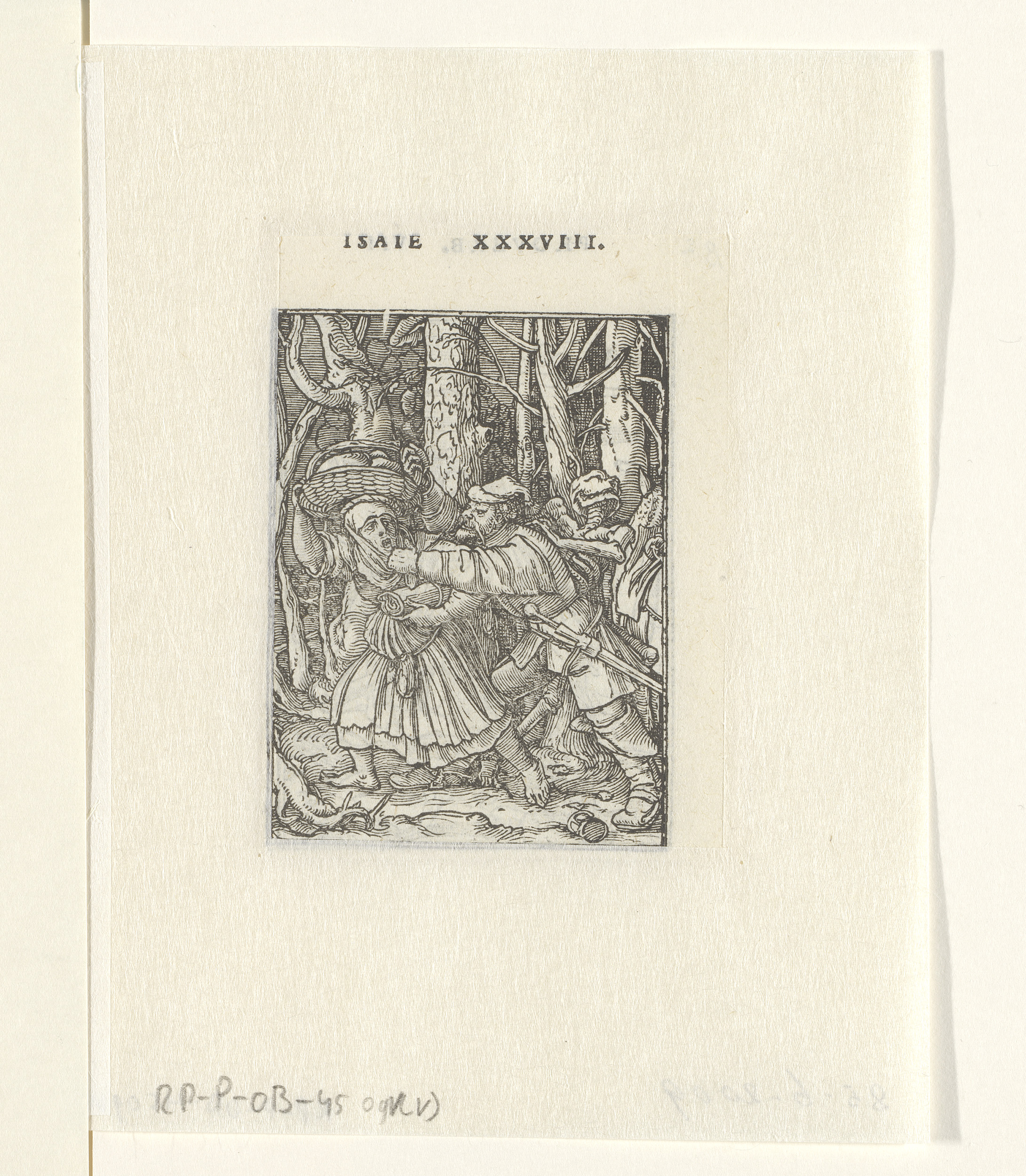
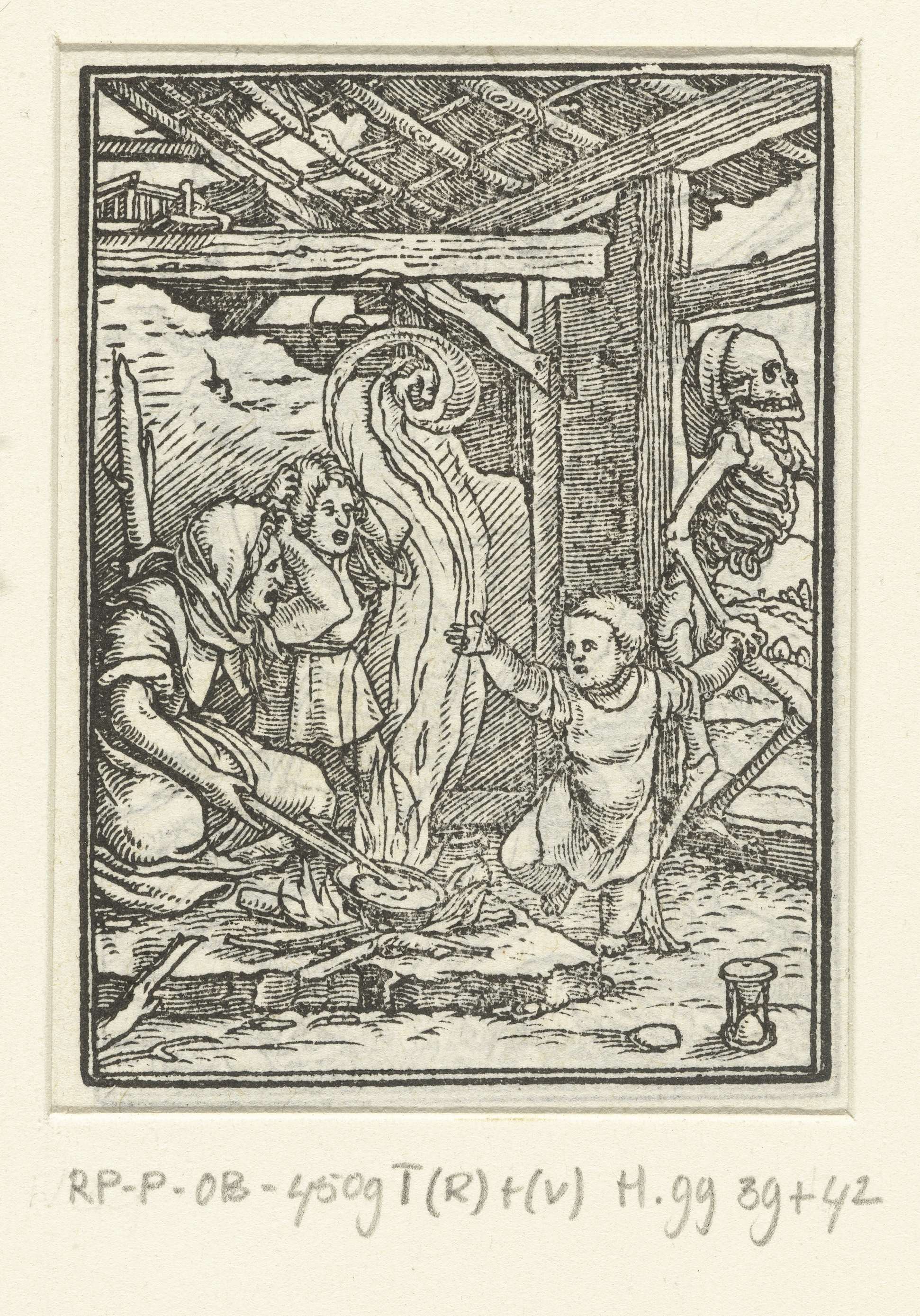
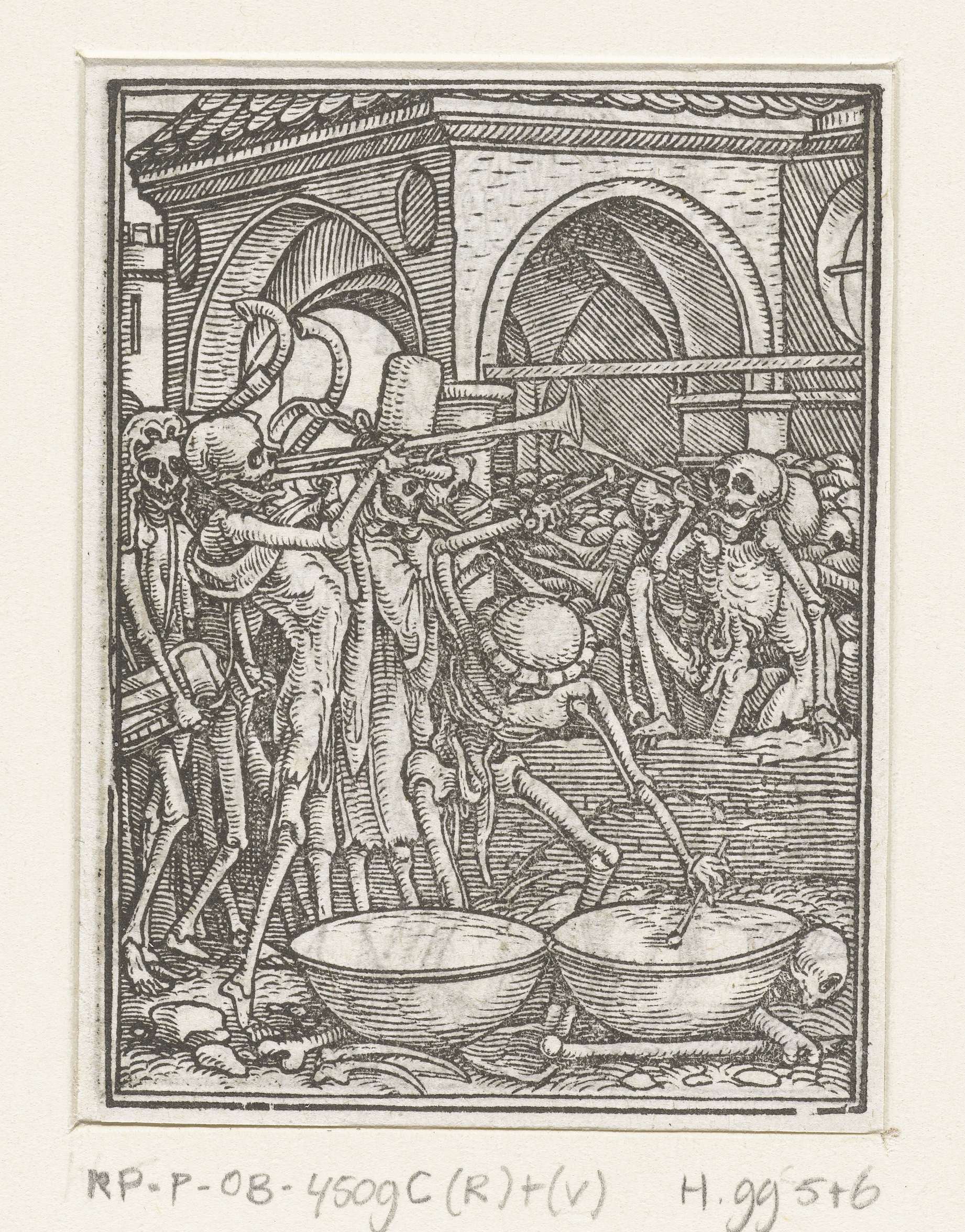
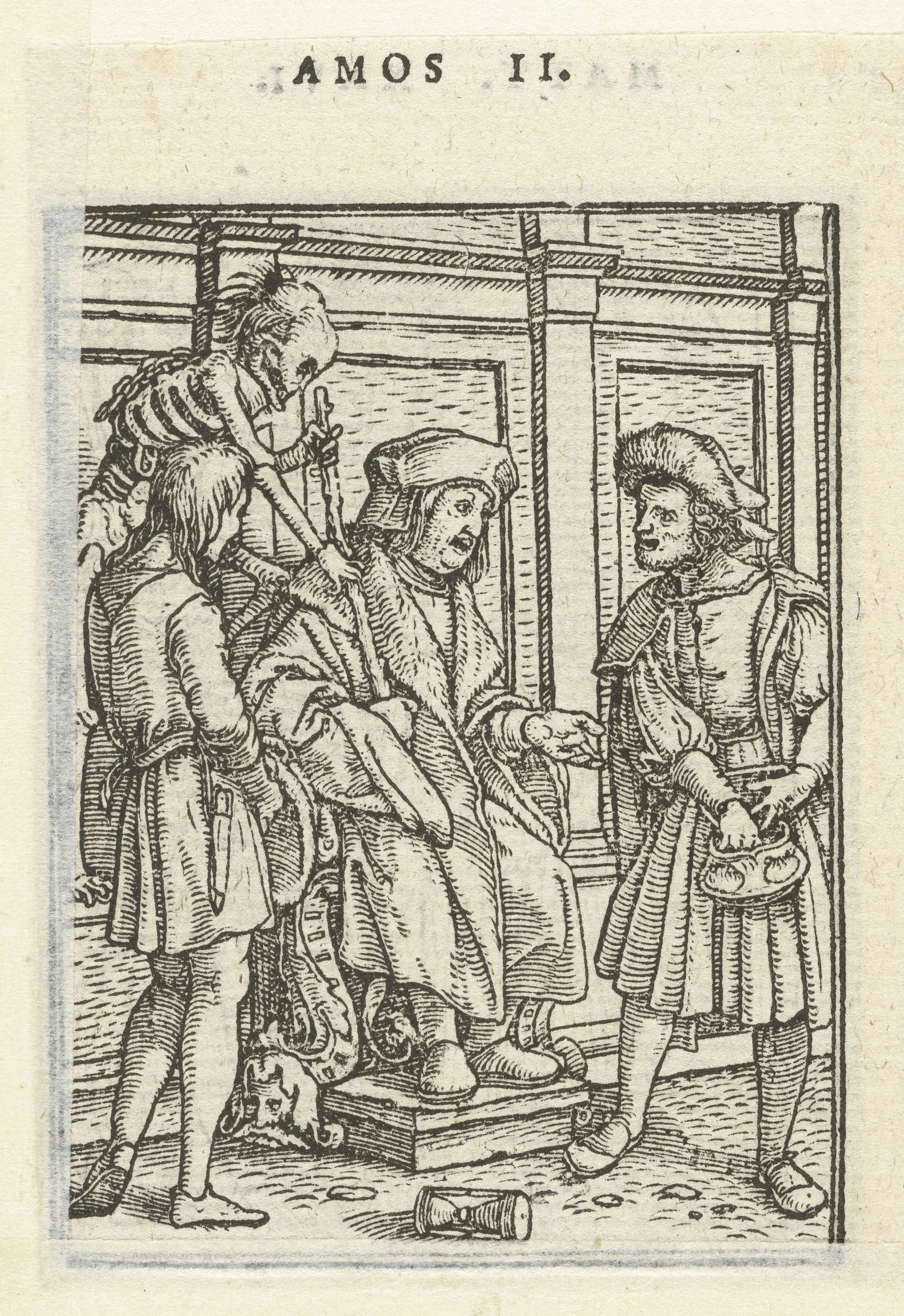
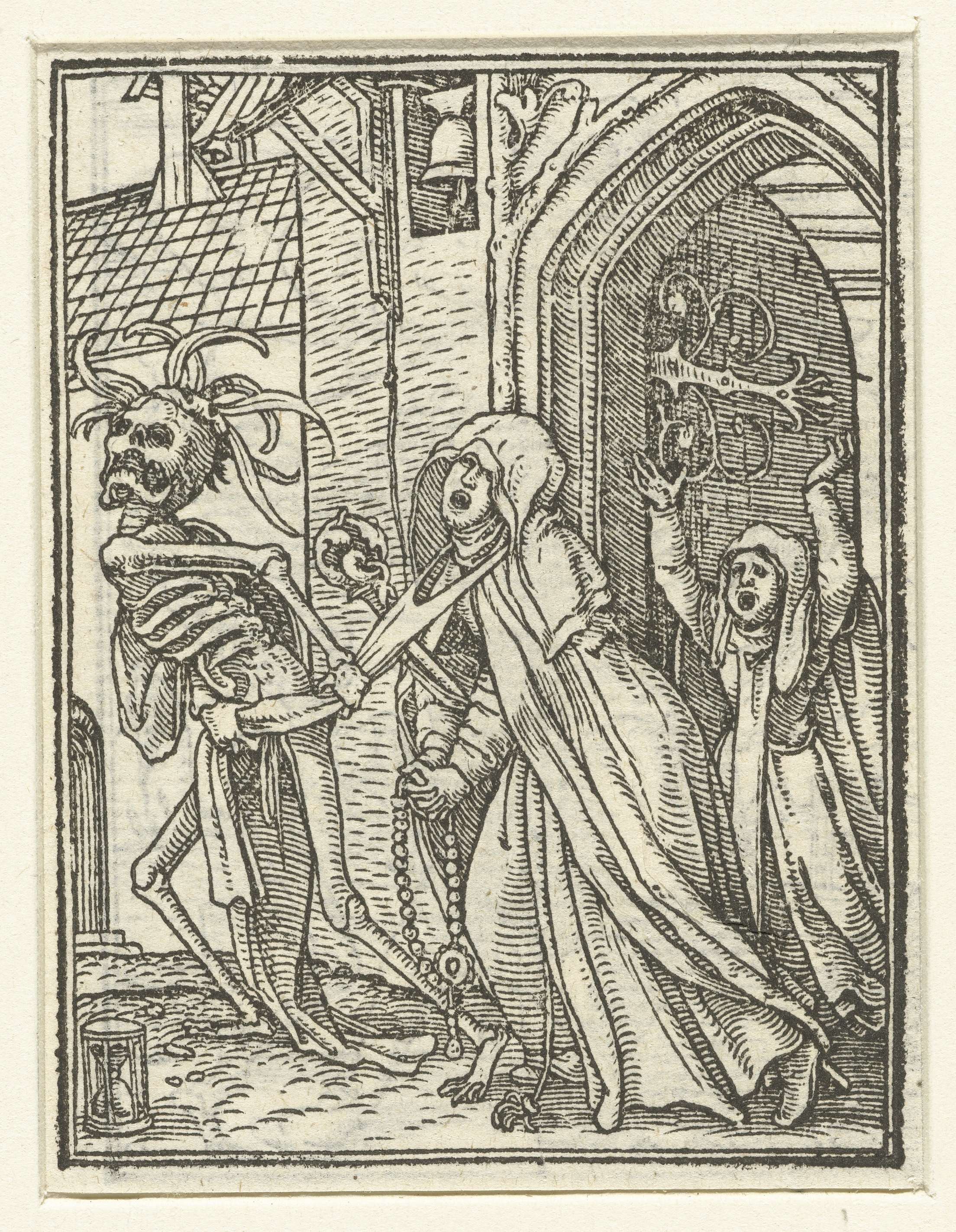
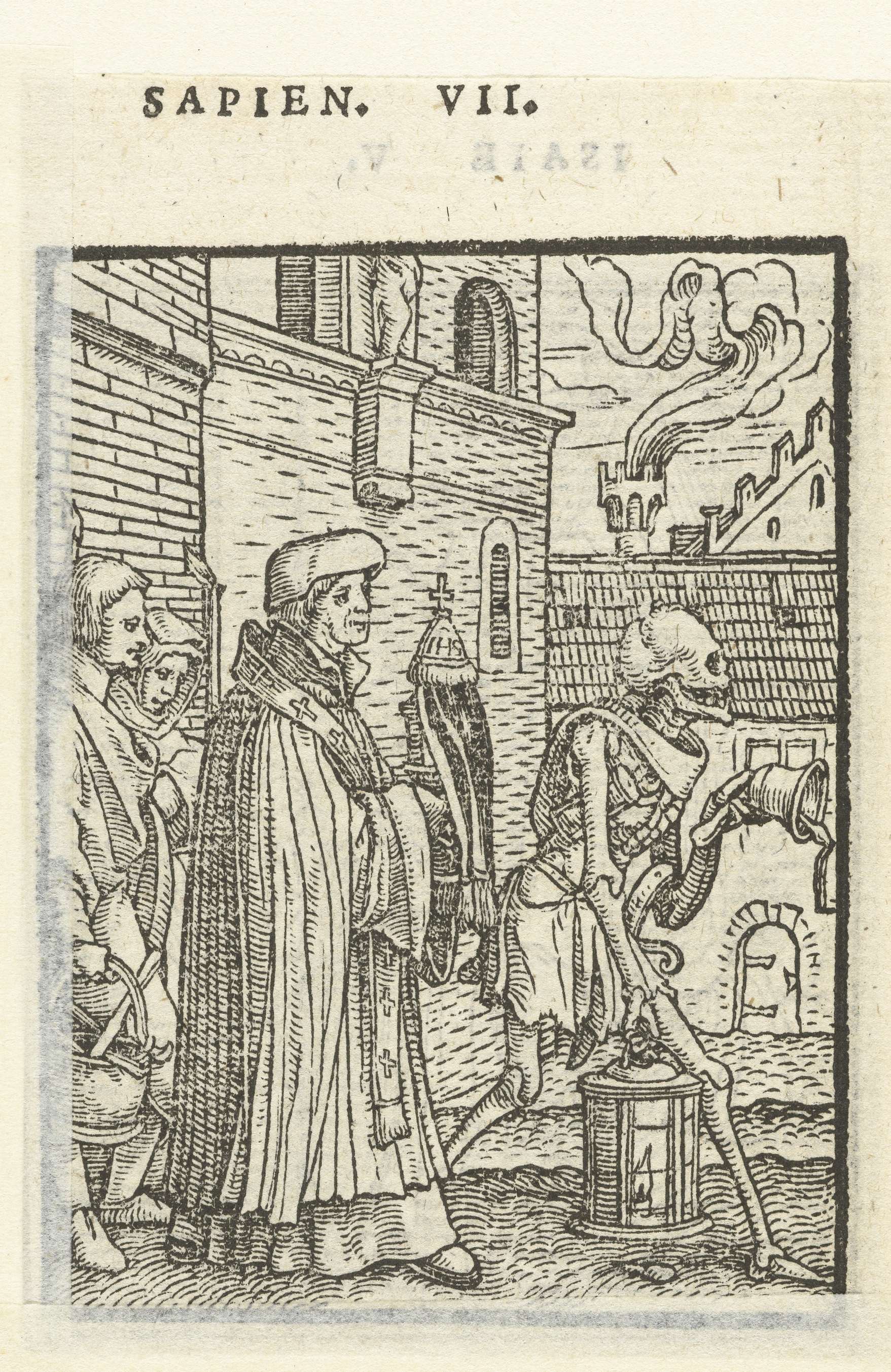
What if silence could speak through light? In Priester en de Dood, a poignant stillness envelops the scene, inviting contemplation on the delicate dance between life and mortality. Look to the center of the composition, where the stark contrast between the vibrant robes of the priest and the pale visage of Death draws the eye. The figures are framed by somber, muted hues, creating an atmosphere of gravity.
Notice how soft light highlights the priest's solemn expression, casting gentle shadows that deepen the emotional weight. The careful detailing in the textures of their garments lends a tactile quality, evoking the tangible reality of this existential confrontation. The painting juxtaposes the vitality of the priest with the inevitable presence of Death, symbolizing the tension between faith and fear. Elements such as the open book held by the priest suggest wisdom and knowledge, while Death’s skeletal hand introduces a chilling reminder of mortality.
This interplay reveals a profound meditation on the human experience, where serenity is found not in denial, but in the acceptance of life’s fleeting nature. Hans Holbein (II) painted Priester en de Dood in 1538 in Basel, a period marked by religious upheaval and a shifting cultural landscape. As a leading figure in Northern Renaissance art, he was deeply engaged in the exploration of themes surrounding death and morality, reflecting the anxieties of a world grappling with reformation and its implications on faith and society. This work encapsulates a moment where artistry meets the stark realities of existence, resonating through the centuries.