Dief en de Dood — History & Analysis
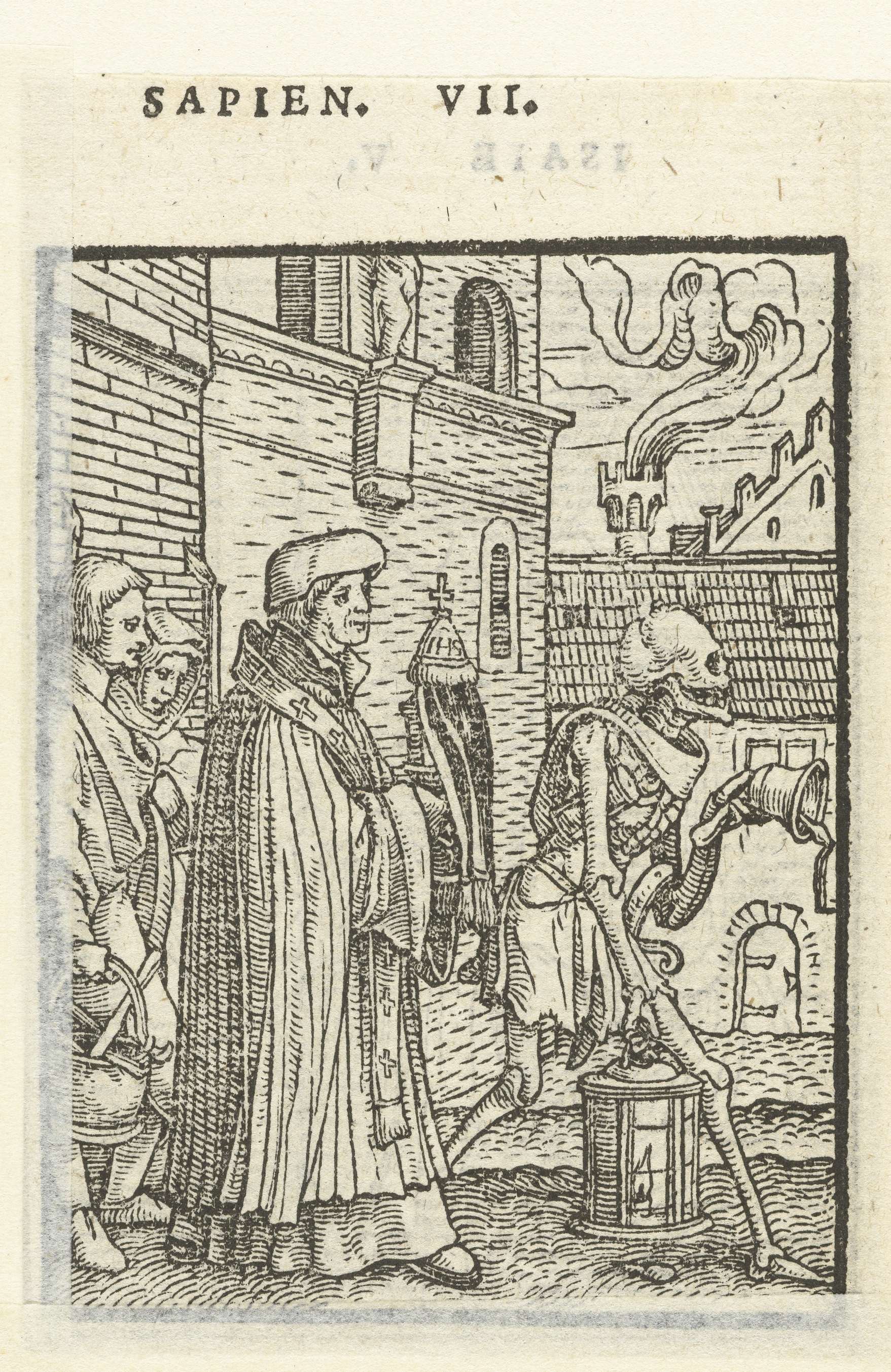
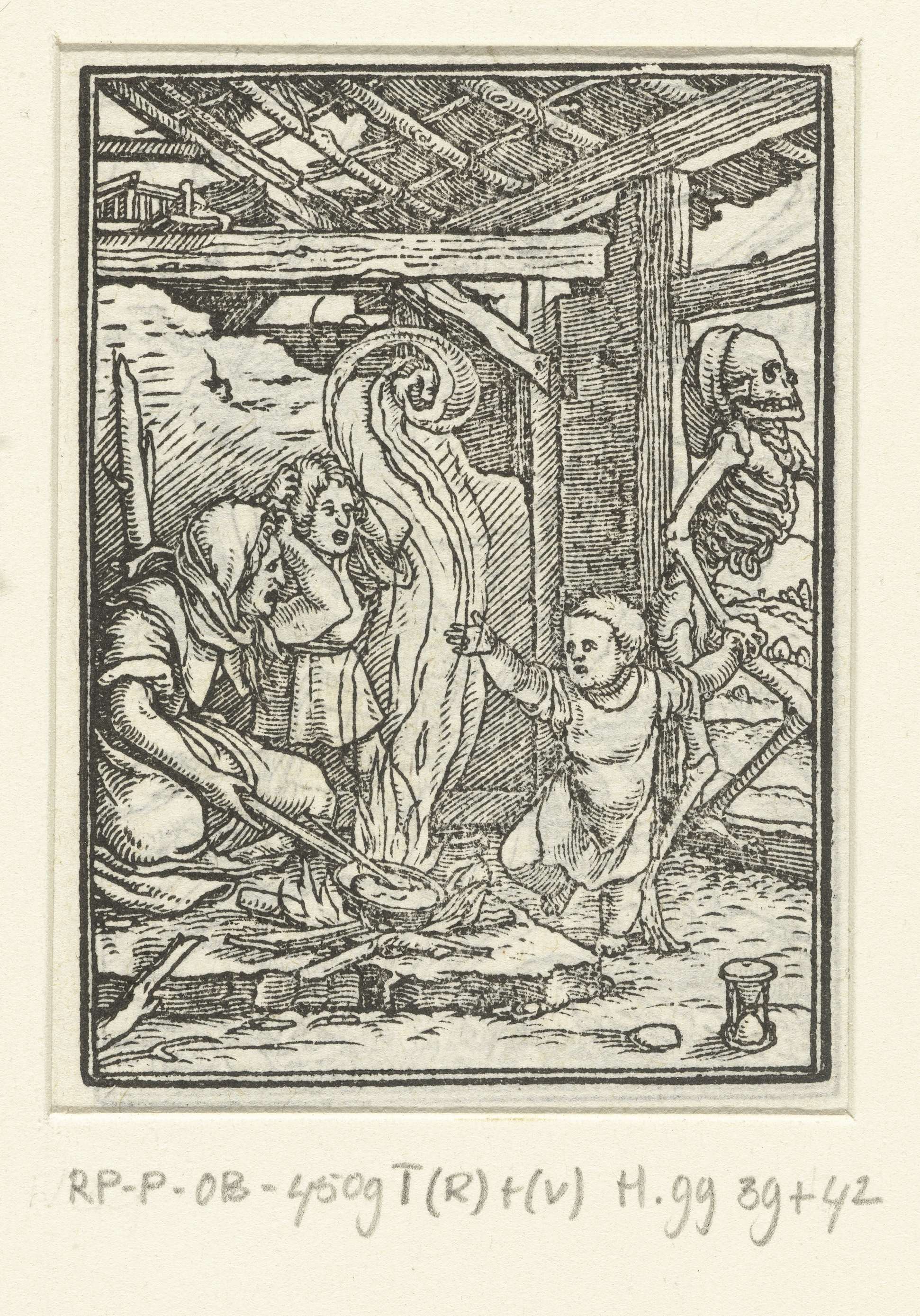
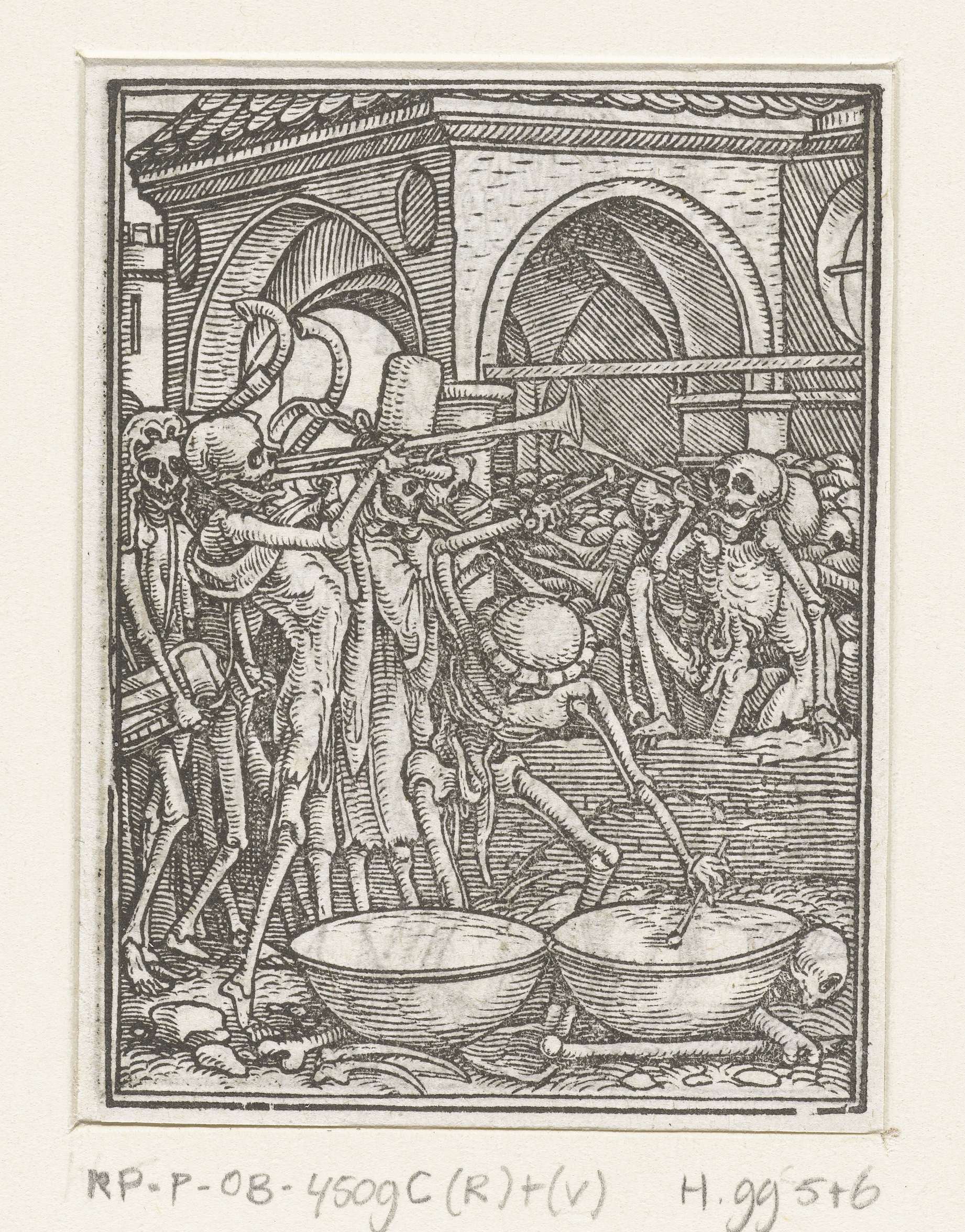
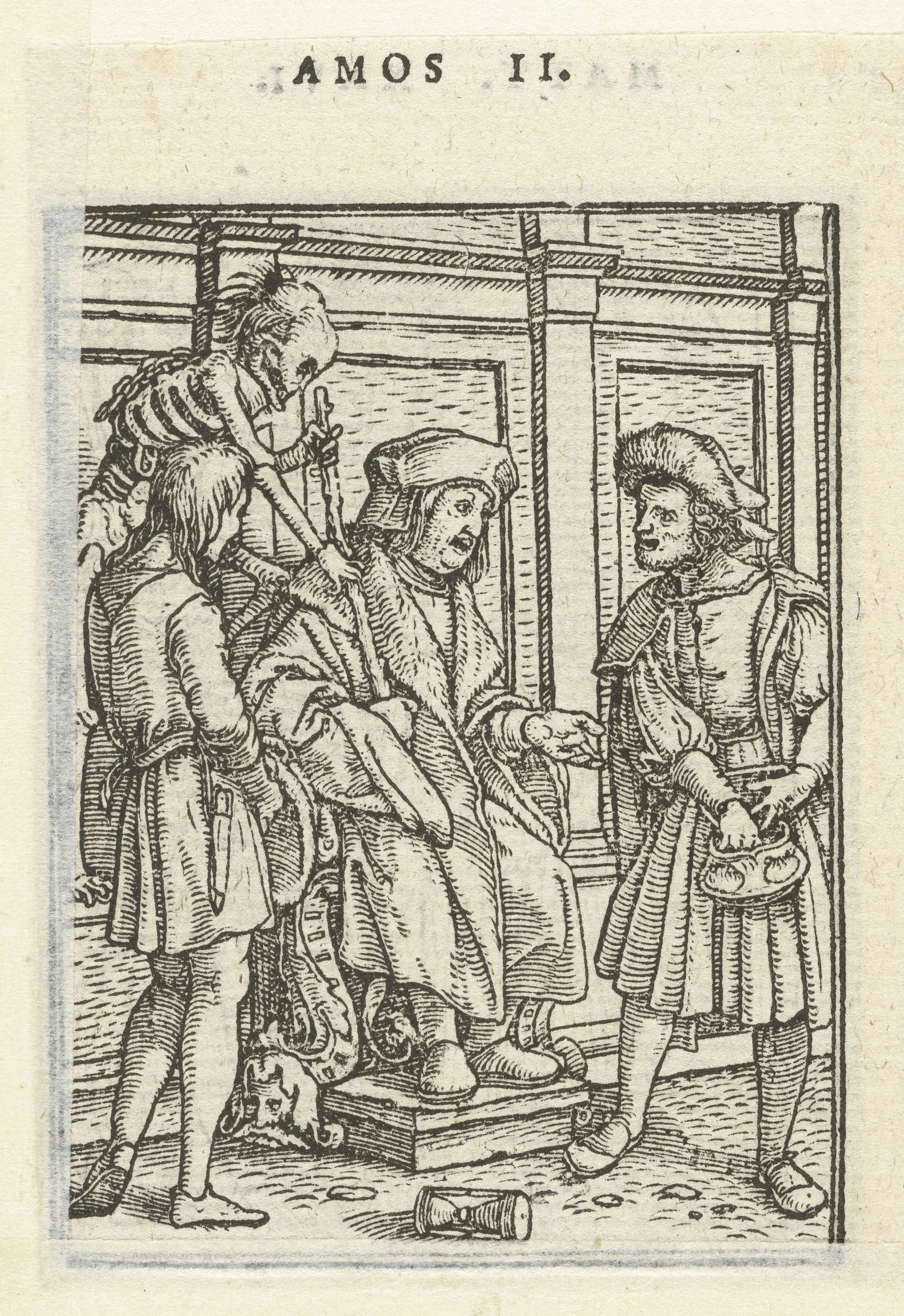
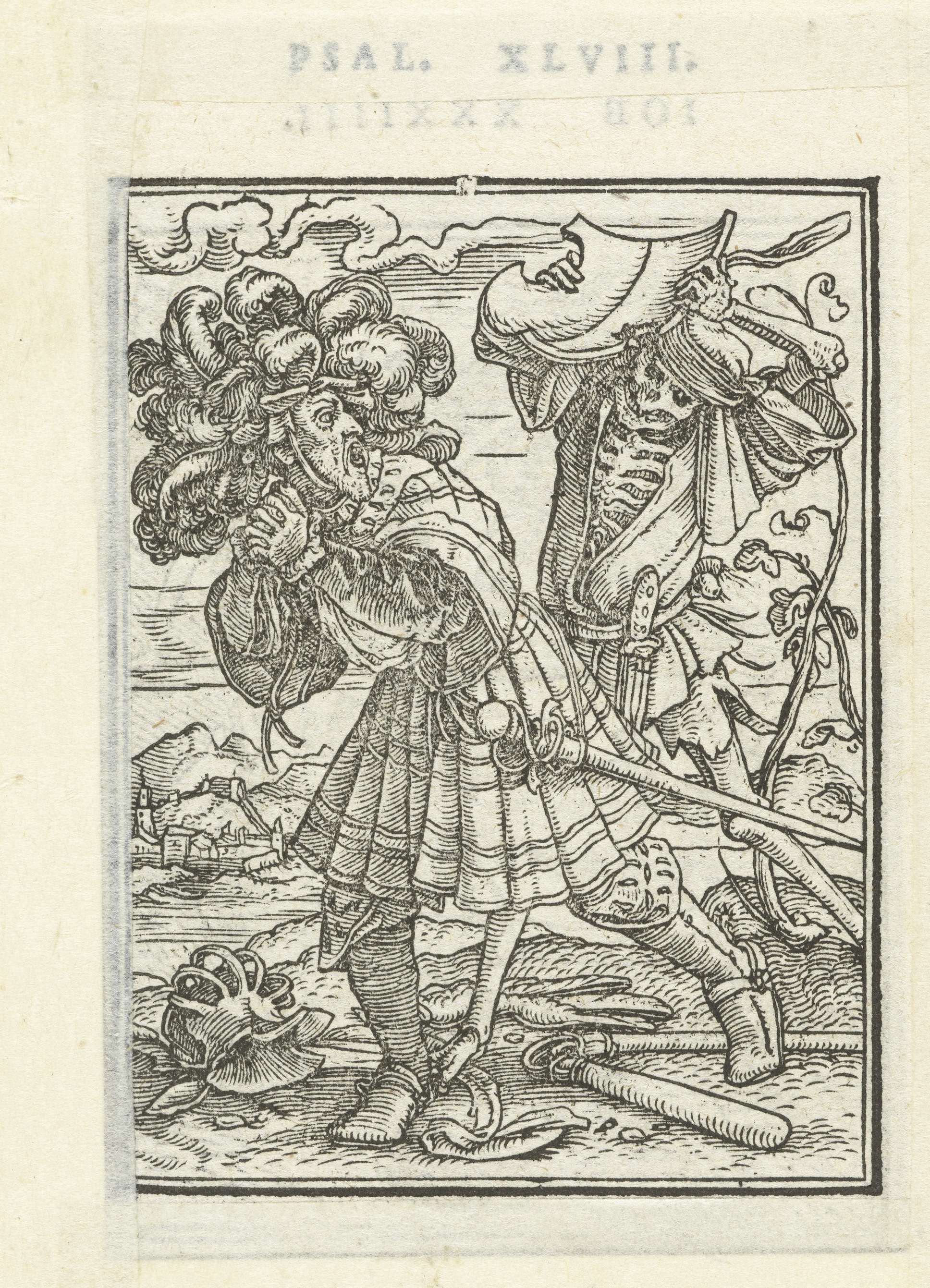
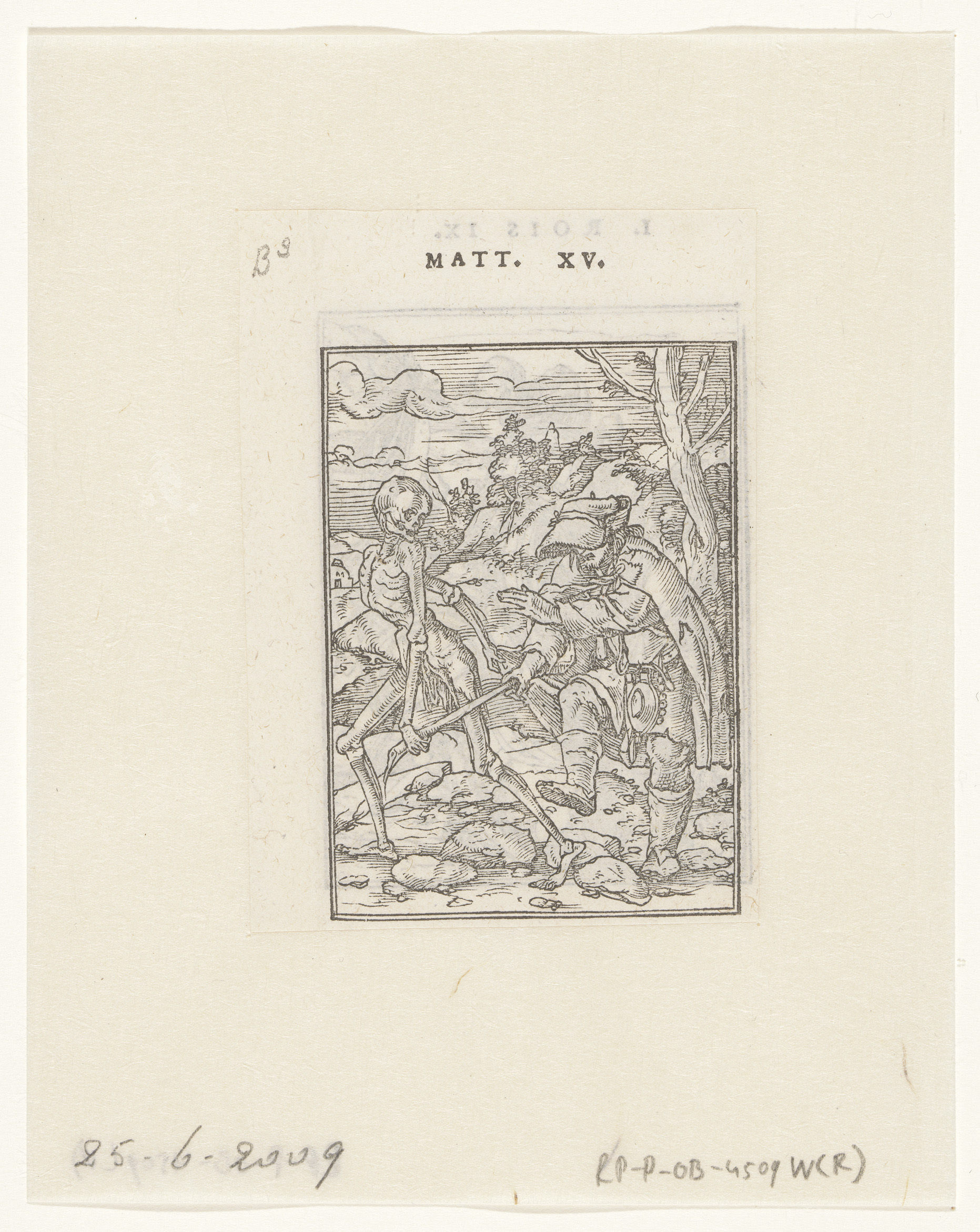
Who listens when art speaks of silence? In Dief en de Dood, a powerful exploration of mortality and morality, Hans Holbein (II) invites us to confront the delicate balance between life and death. Look to the left at the looming figure of Death, draped in shadowy attire, with a skeletal hand reaching out toward the figure of the thief. Notice how the muted palette, dominated by dark browns and grays, intensifies the tension within the composition. The contrast between the living and the dead is palpable, as their gazes intersect—one pleading for mercy, the other unyielding.
The starkness of the scene is punctuated by the faint glimmer of light playing off Death's bony visage, highlighting the inevitability that extends beyond the canvas. Delve deeper into the emotional undercurrents present in this work. The thief’s expression, a mix of despair and resignation, suggests an awareness of his impending fate, while Death's fixed gaze embodies the unrelenting nature of mortality. This encounter offers a poignant commentary on human vulnerability and the choices that lead to such an intersection.
Furthermore, the spatial arrangement of the figures emphasizes the balance between life’s fleeting pleasures and the stark reality of death, prompting the viewer to reflect on their own moral compass. In 1547, Holbein painted this piece during a time of profound change in Europe, when the Reformation was reshaping faith and society. Living in Basel, Holbein was deeply influenced by the dialogues surrounding life and death, morality and sin, as artists began to grapple with these themes in new ways. The tension between the sacred and the secular permeated his work, establishing him as a pivotal figure in the discussion of human existence through art.