Abu Simbel — History & Analysis
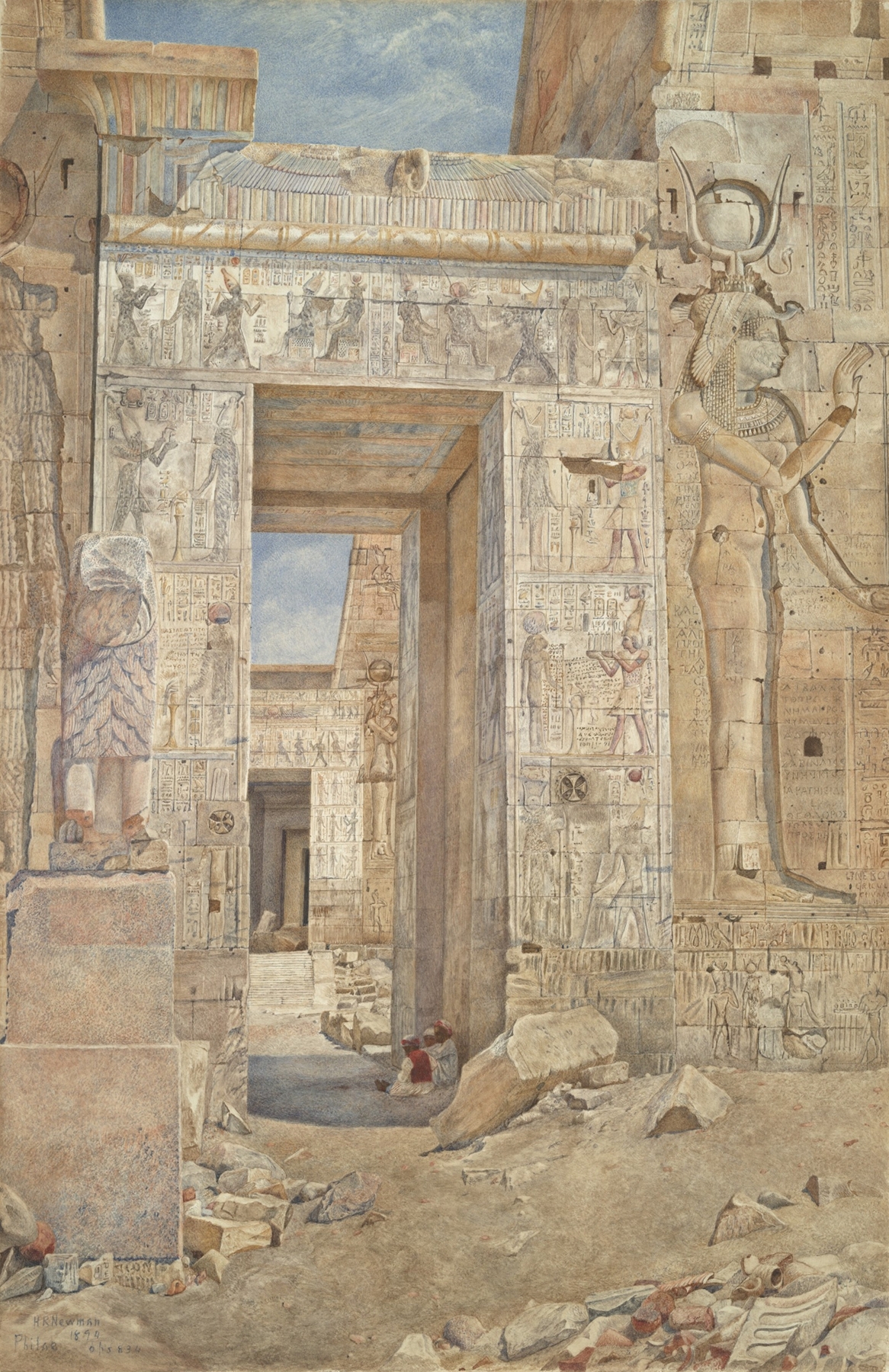
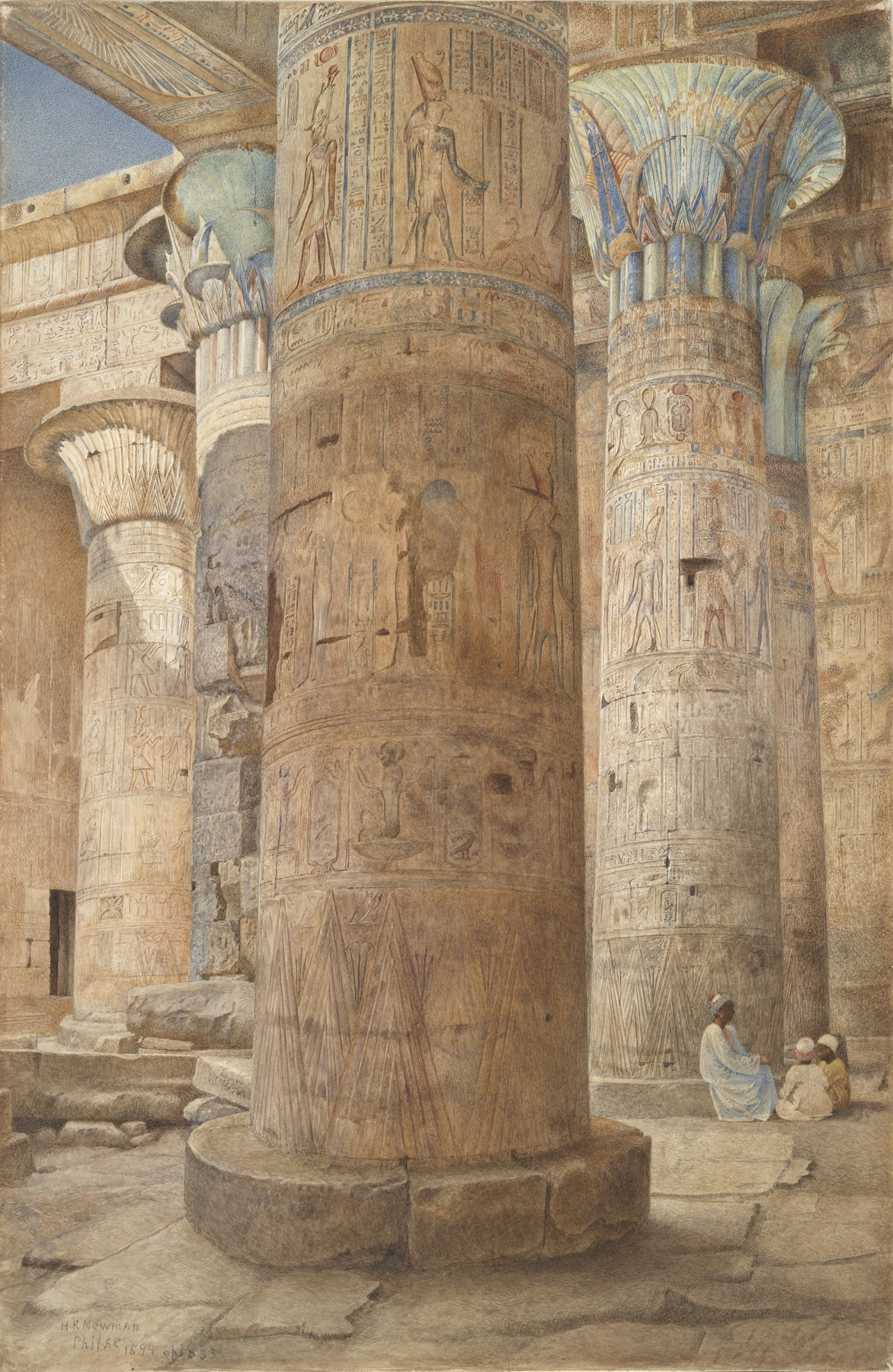
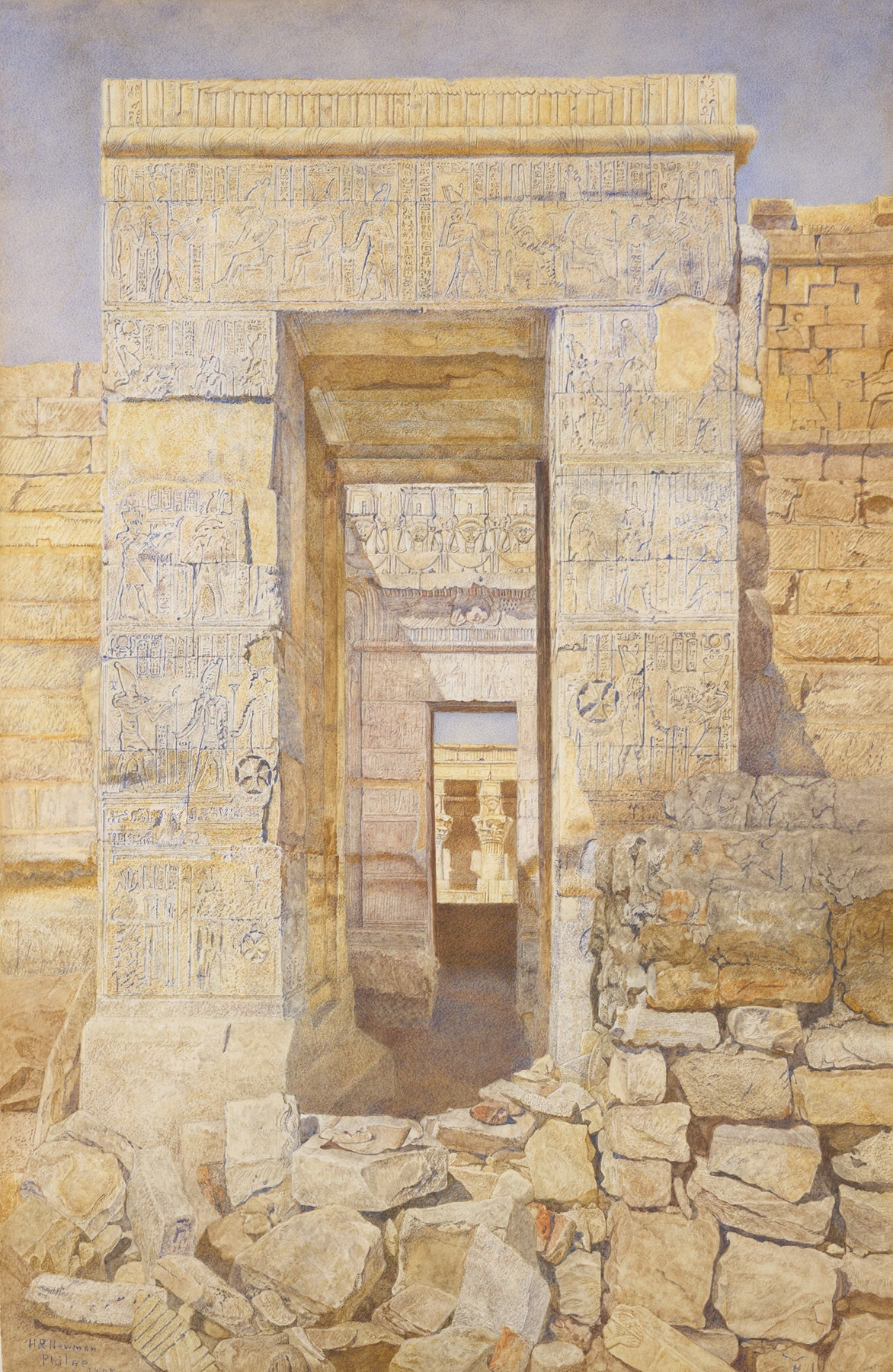
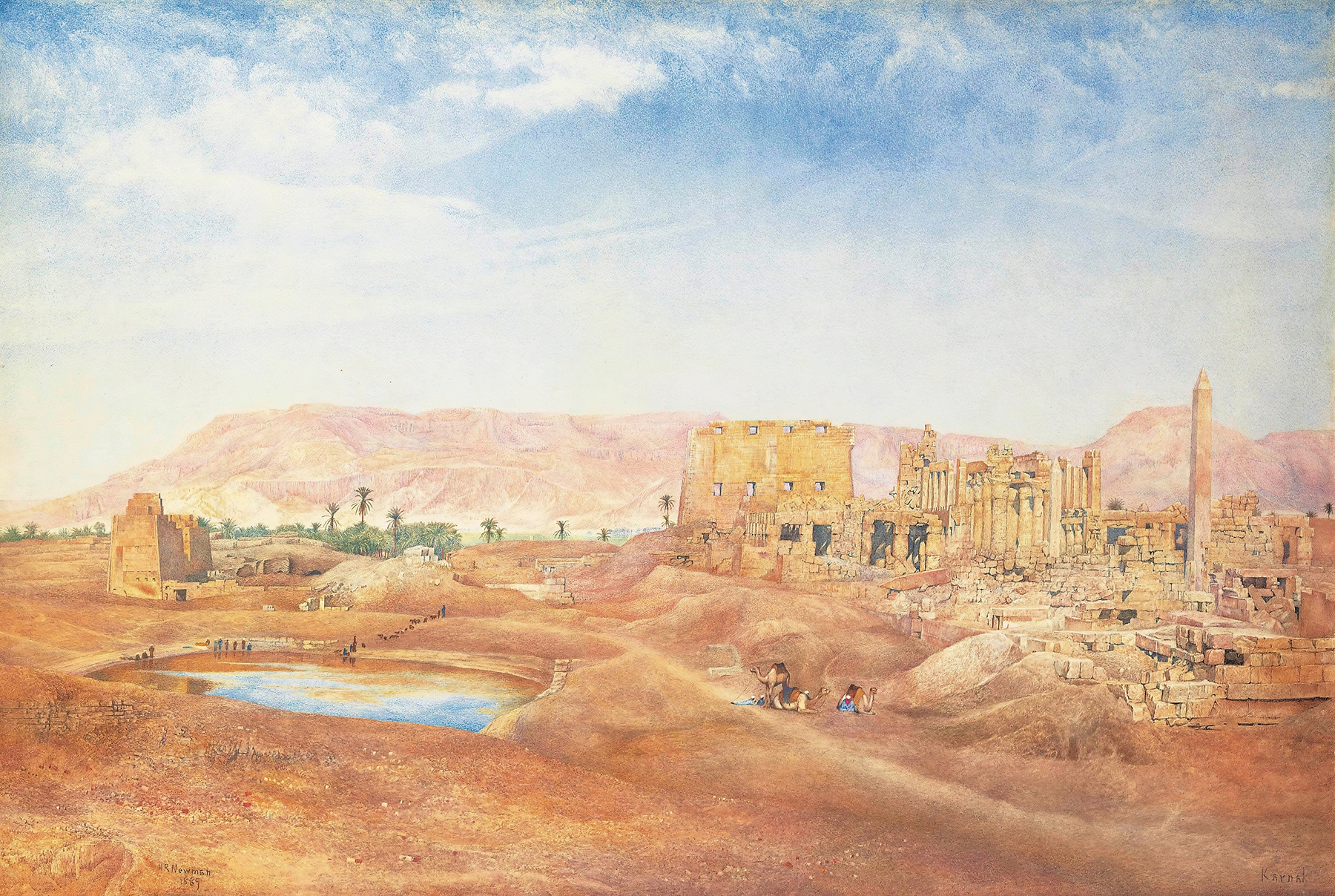
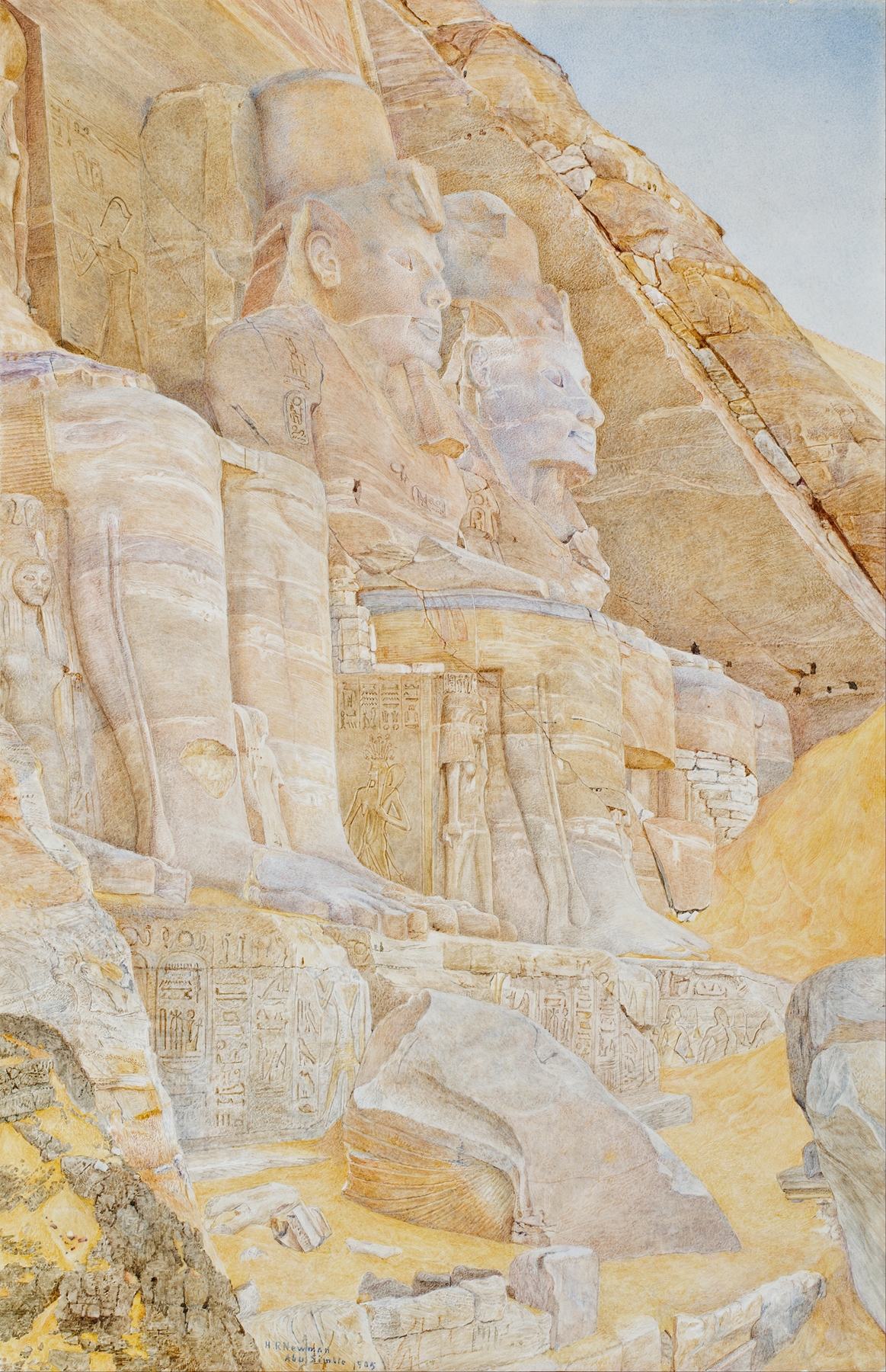
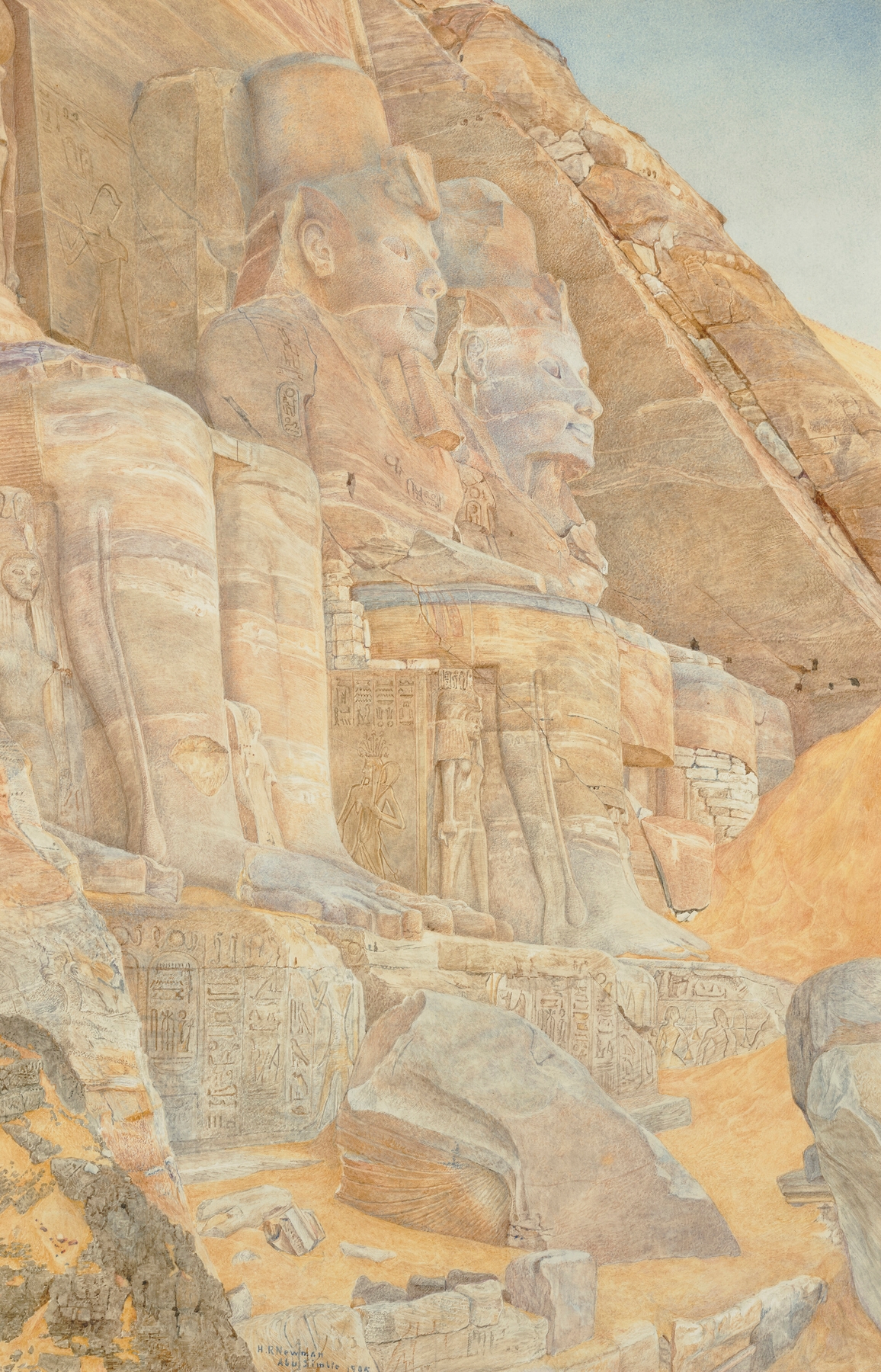
Could a single brushstroke hold eternity? In Abu Simbel, the artist invites us to ponder the interplay between time, memory, and the astonishing permanence of ancient monuments. Look to the left at the striking depiction of the colossal statues that dominate the foreground. Their stoic faces, carved with meticulous detail, are illuminated by a warm, golden light that enhances the richness of their weathered textures. Notice how the artist skillfully employs a palette of earthy tones—ochres and burnt siennas—to evoke the arid climate, and observe the contrasting cool blues in the background that suggest a vast sky.
This careful orchestration of colors draws the viewer's eye toward the figures, grounding us in their ancient presence while simultaneously encouraging a sense of awe. Delve deeper into the reflections lurking beneath the surface. The juxtaposition between the monumental statues and the expansive landscape hints at the tension between humanity's aspirations and the relentless passage of time. Each figure stands as a testament to cultural endurance, yet their solitary dominance in the desert amplifies feelings of isolation.
The painting embodies a dialogue between permanence and transience, reflecting a yearning to connect with history that transcends generations. In 1907, Henry Roderick Newman created this artwork in response to a burgeoning fascination with Egypt's ancient wonders, spurred by archaeological discoveries of the time. Living amidst an era of rising interest in exotic cultures, Newman sought to capture the grandeur of these iconic sites. His work reflects not only personal artistic ambition but also the broader cultural currents of a world increasingly drawn to the mysteries of the past.