The Greater Temple of Ramesses II at Abu Simbel, Egypt — History & Analysis
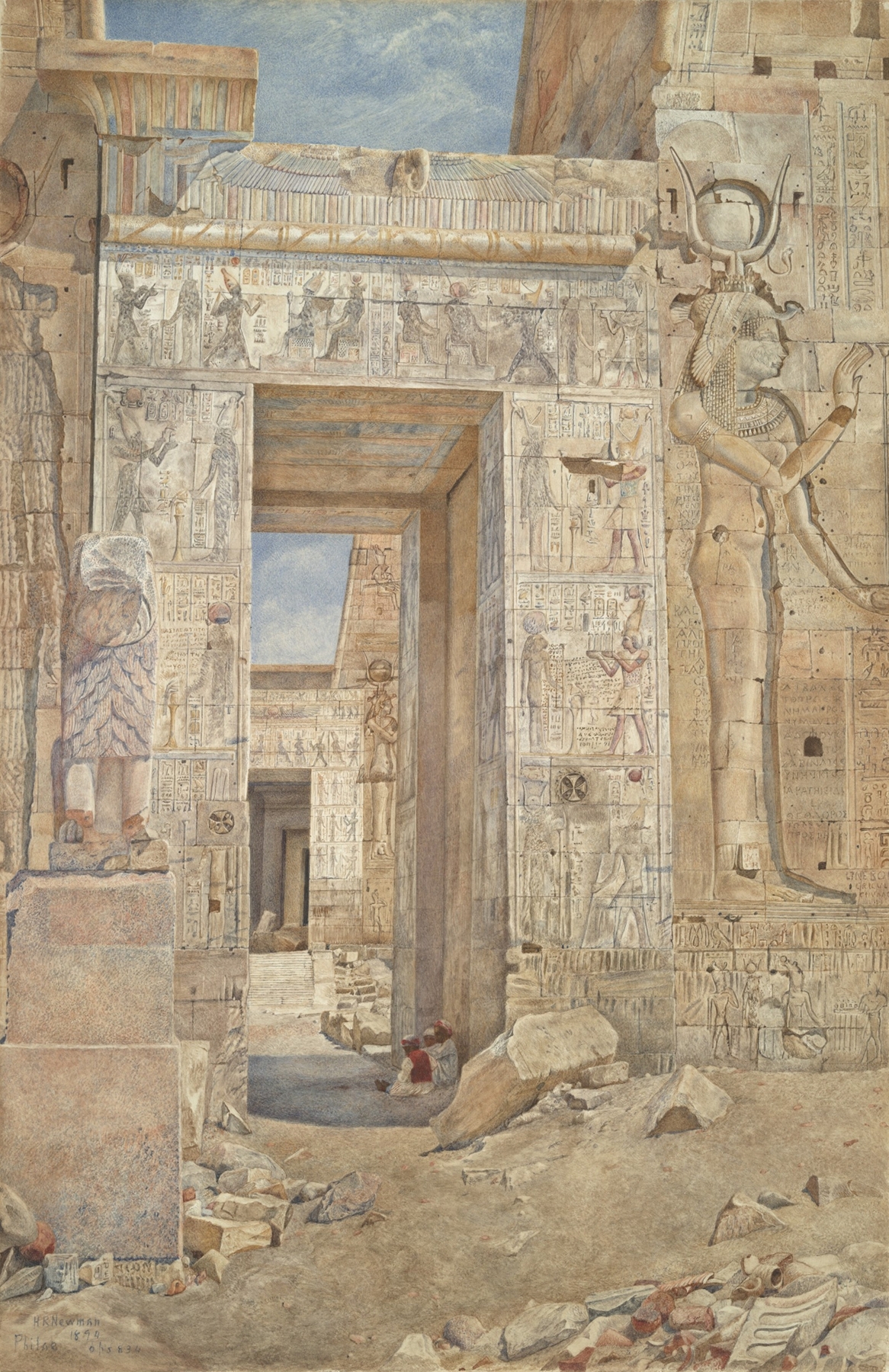
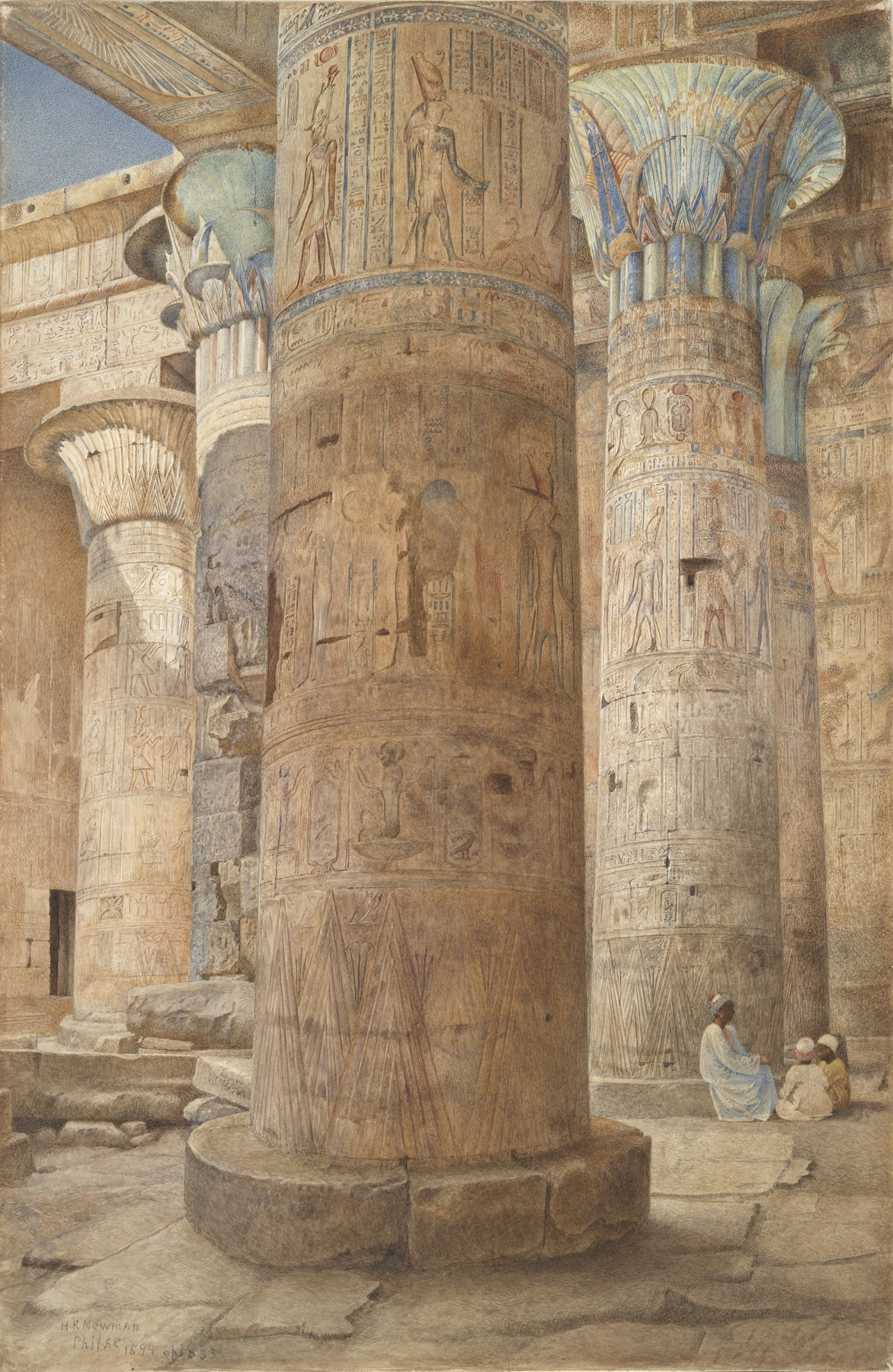
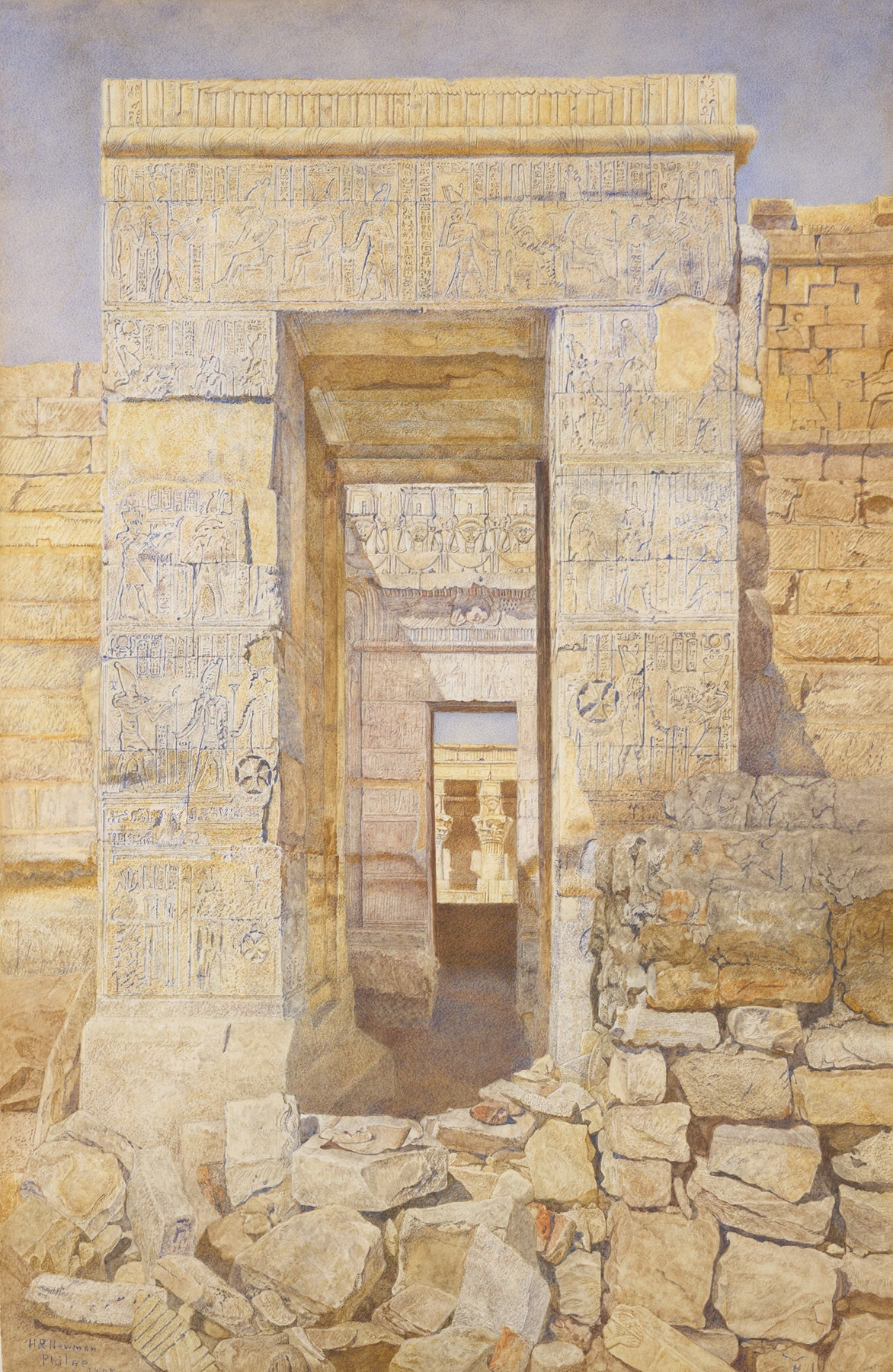
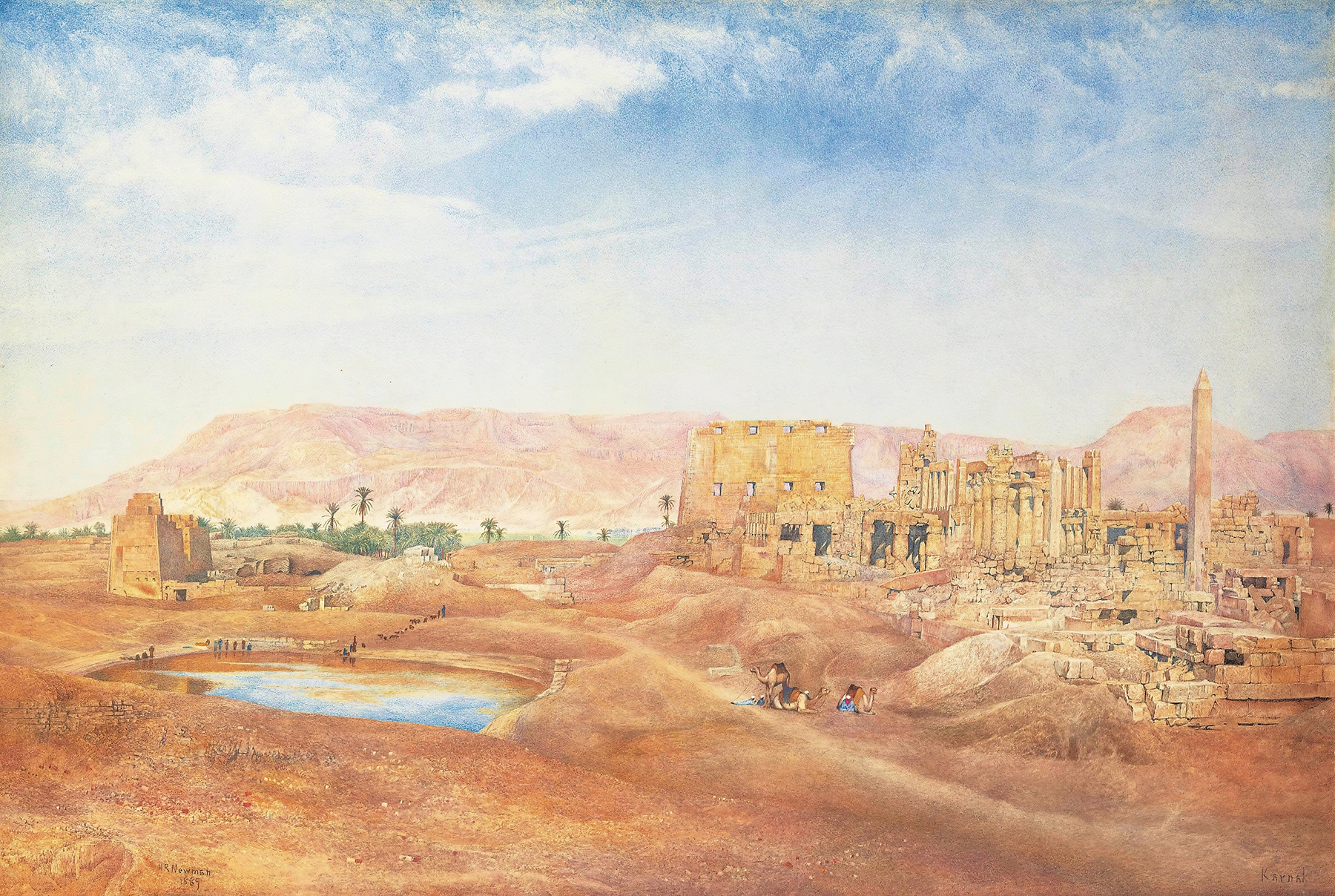
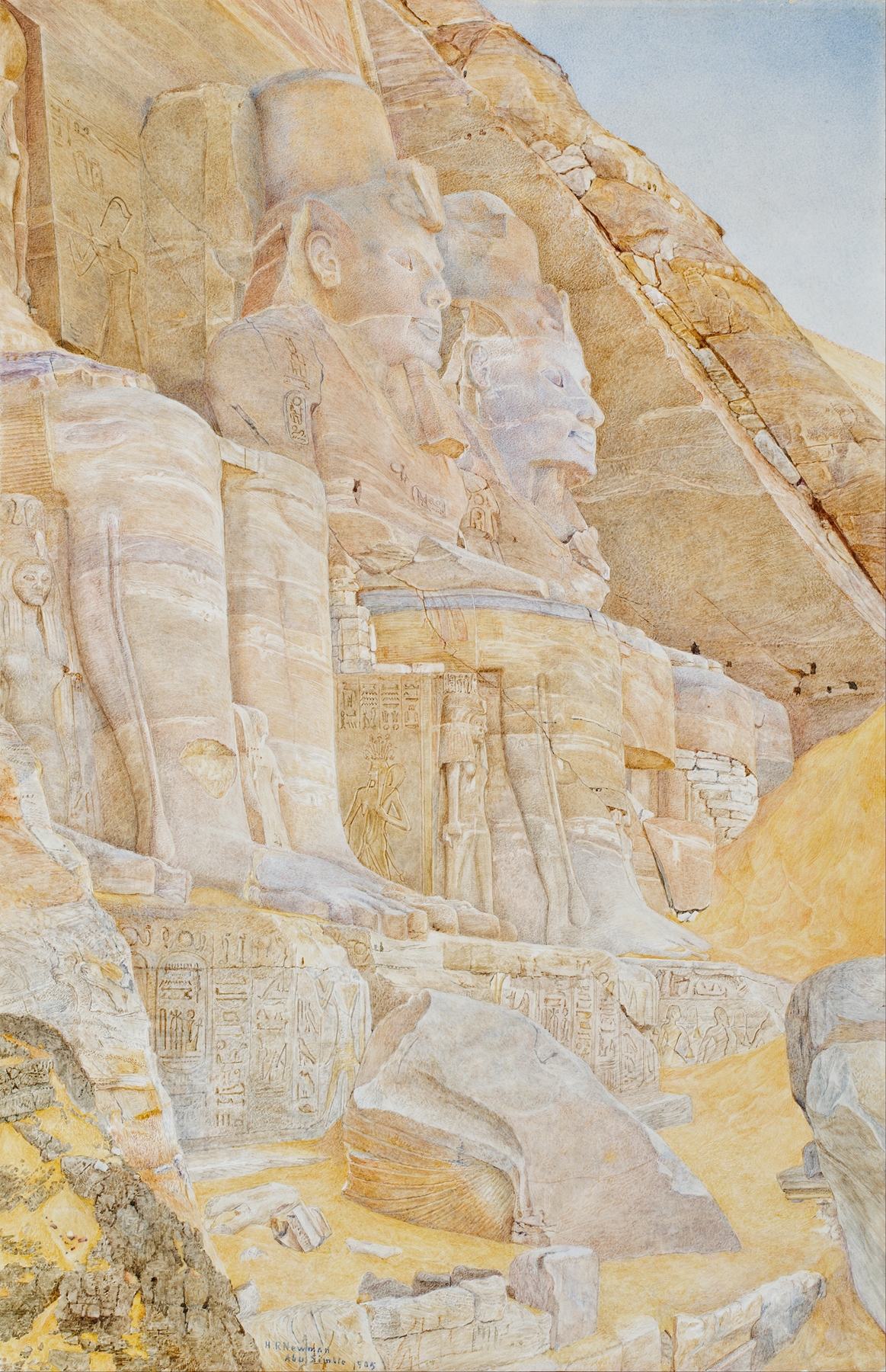
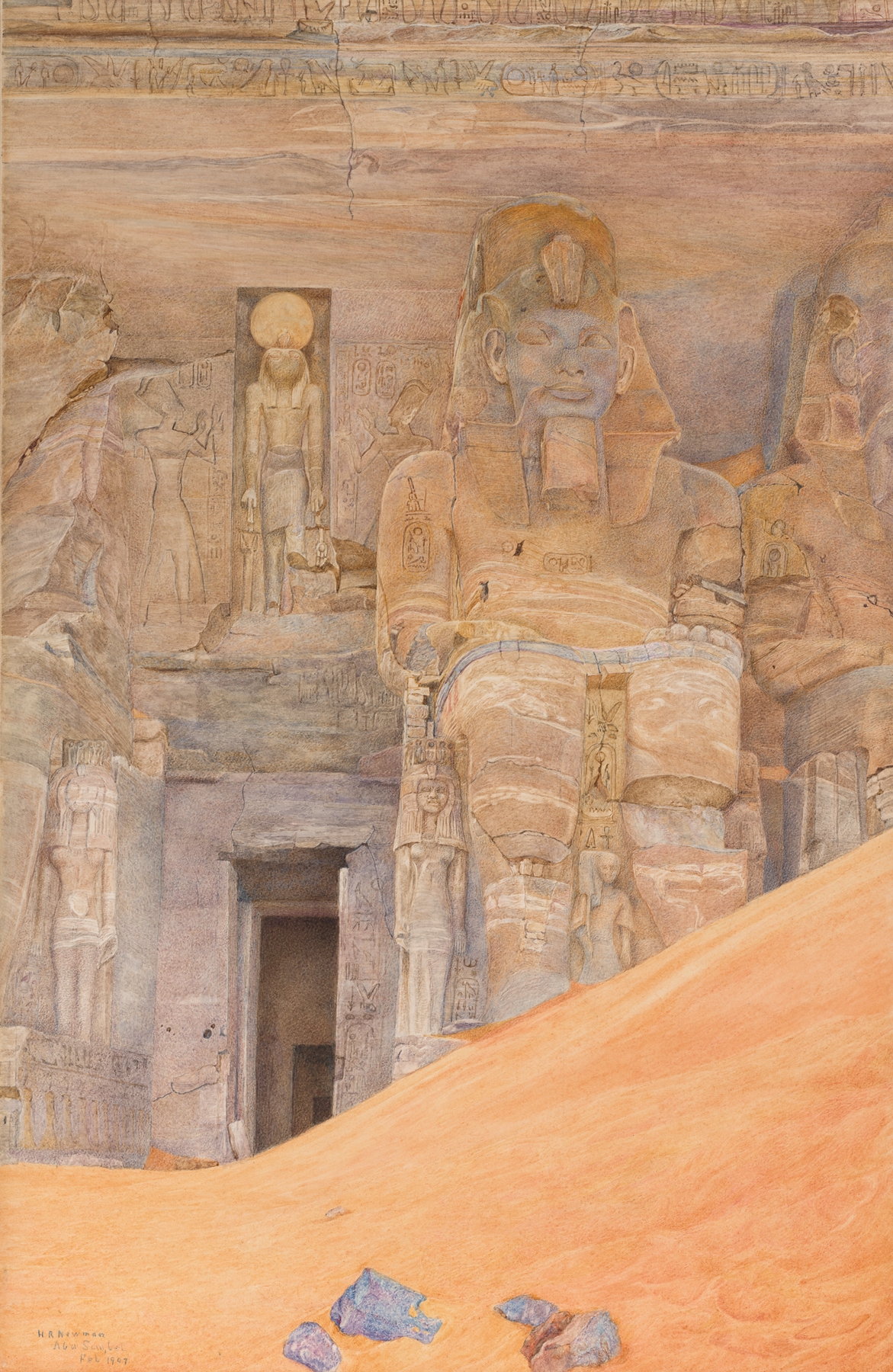
Could beauty survive in a century of chaos? In a world where empires rise and fall, where time relentlessly erases the once-glorious, the answer lies in the remnants of the past. Look closely at the majestic temple, its colossal figures carved into the rock, standing stoic against the harsh desert light. Notice how the sun casts deep shadows that accentuate the intricate details of Ramesses II's face, lending a sense of monumental grandeur. The palette is earthy, sun-baked browns and golds, evoking the timelessness of the stone as it endures through the ages.
The careful composition invites the viewer’s gaze upward, as if to ascend along with the temple itself, reflecting not just architectural brilliance but the cultural aspirations of an ancient civilization. Amidst the grandeur, one can sense the heavy weight of history. The silent figures embody both power and vulnerability, a reminder of the impermanence of human achievements. The contrast between the steadfastness of the stone and the fleeting nature of life evokes profound questions about mortality and legacy.
Each crack in the surface tells a story of time's passage, hinting at the inevitable decay that awaits even the mightiest of monuments. Henry Roderick Newman painted this work in 1905, during a period marked by a fascination with ancient civilizations. In the early 20th century, the art world was grappling with modernity and its discontents, while explorations of Egypt's treasures were captivating Western audiences. Newman's interest in the grandeur of the past reflects not only his artistic ambitions but also a broader cultural yearning to understand and preserve the beauty that might otherwise be lost in the chaos of contemporary life.