Temple of Ramses II — History & Analysis
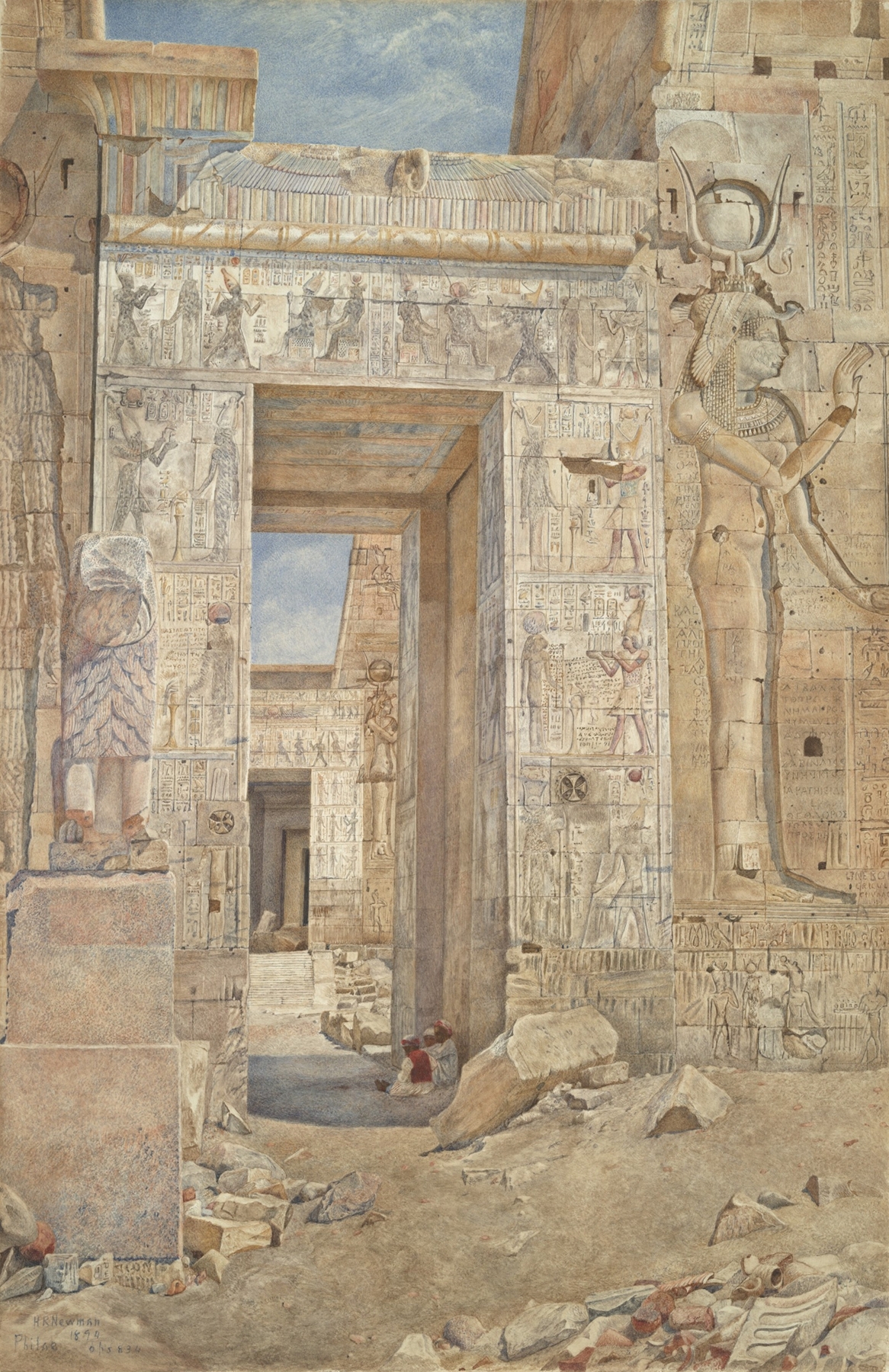
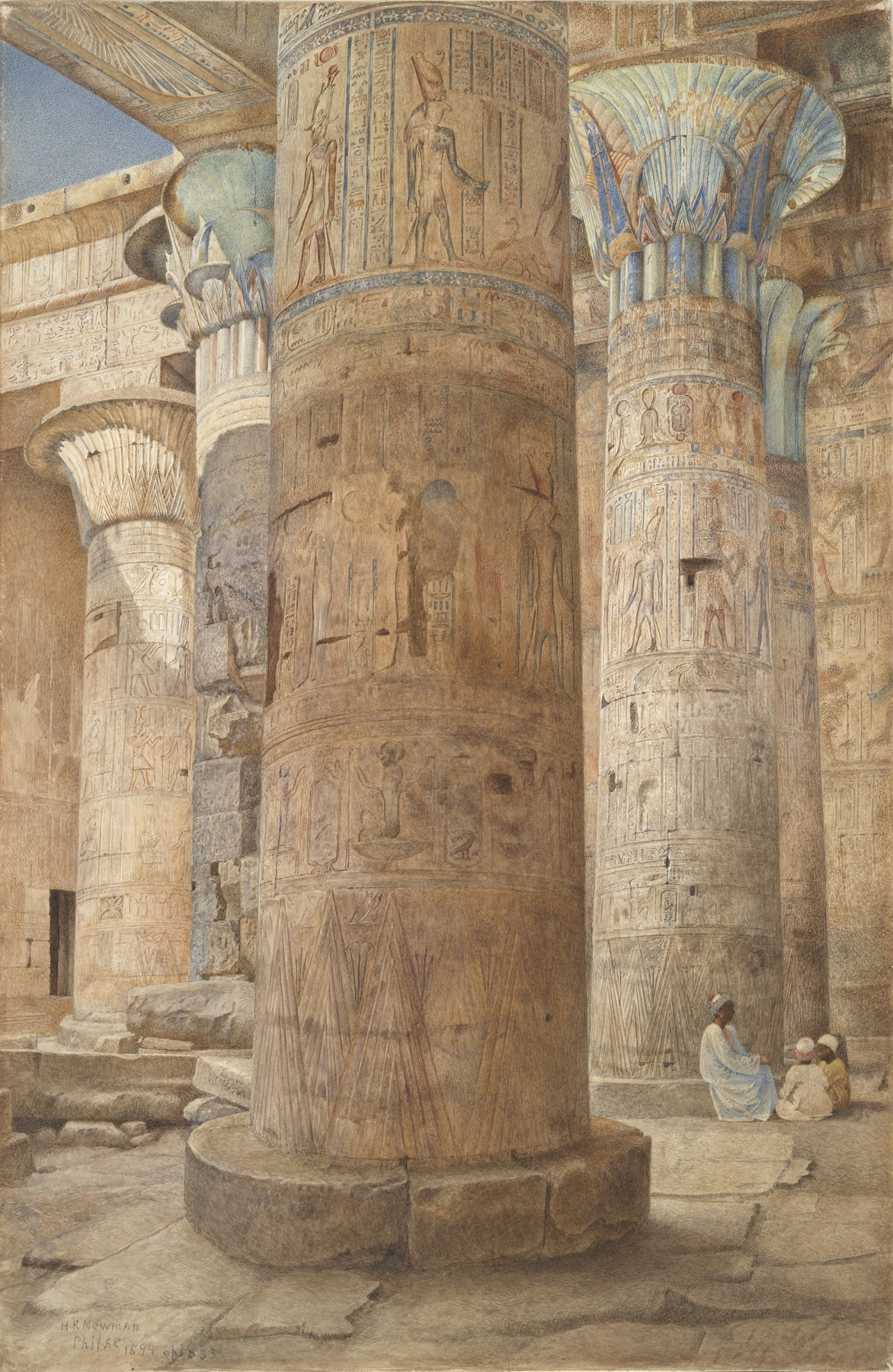
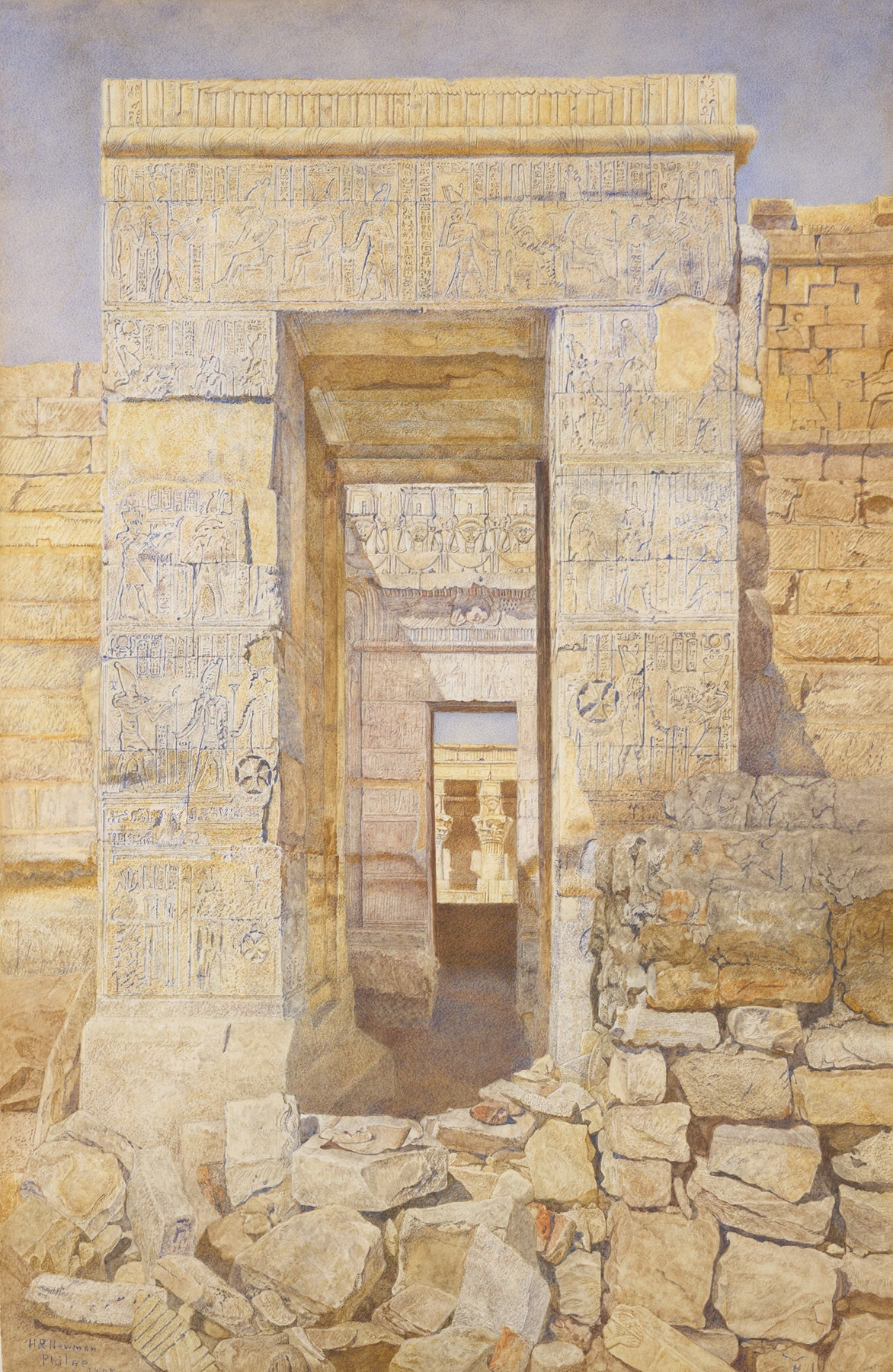
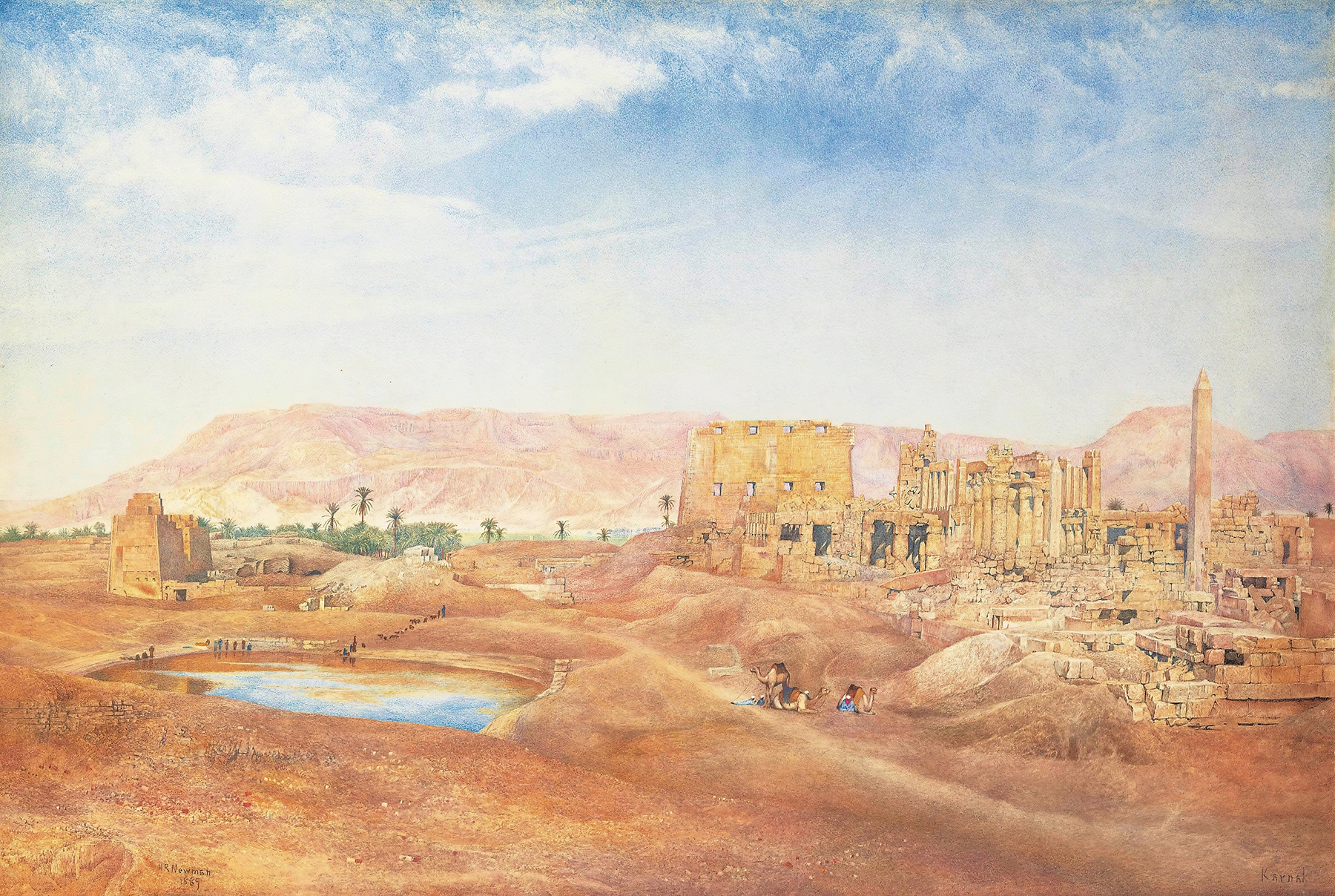
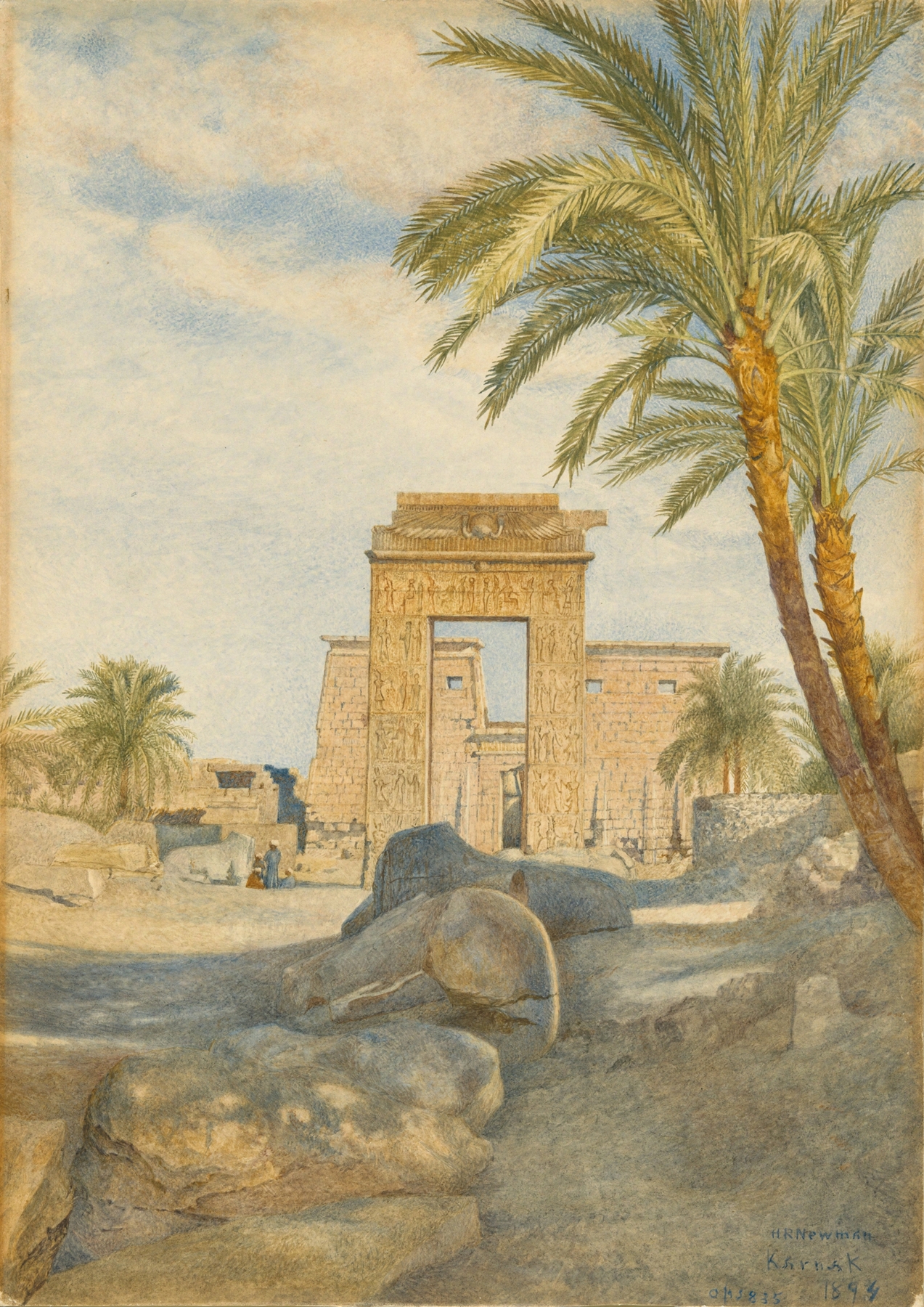
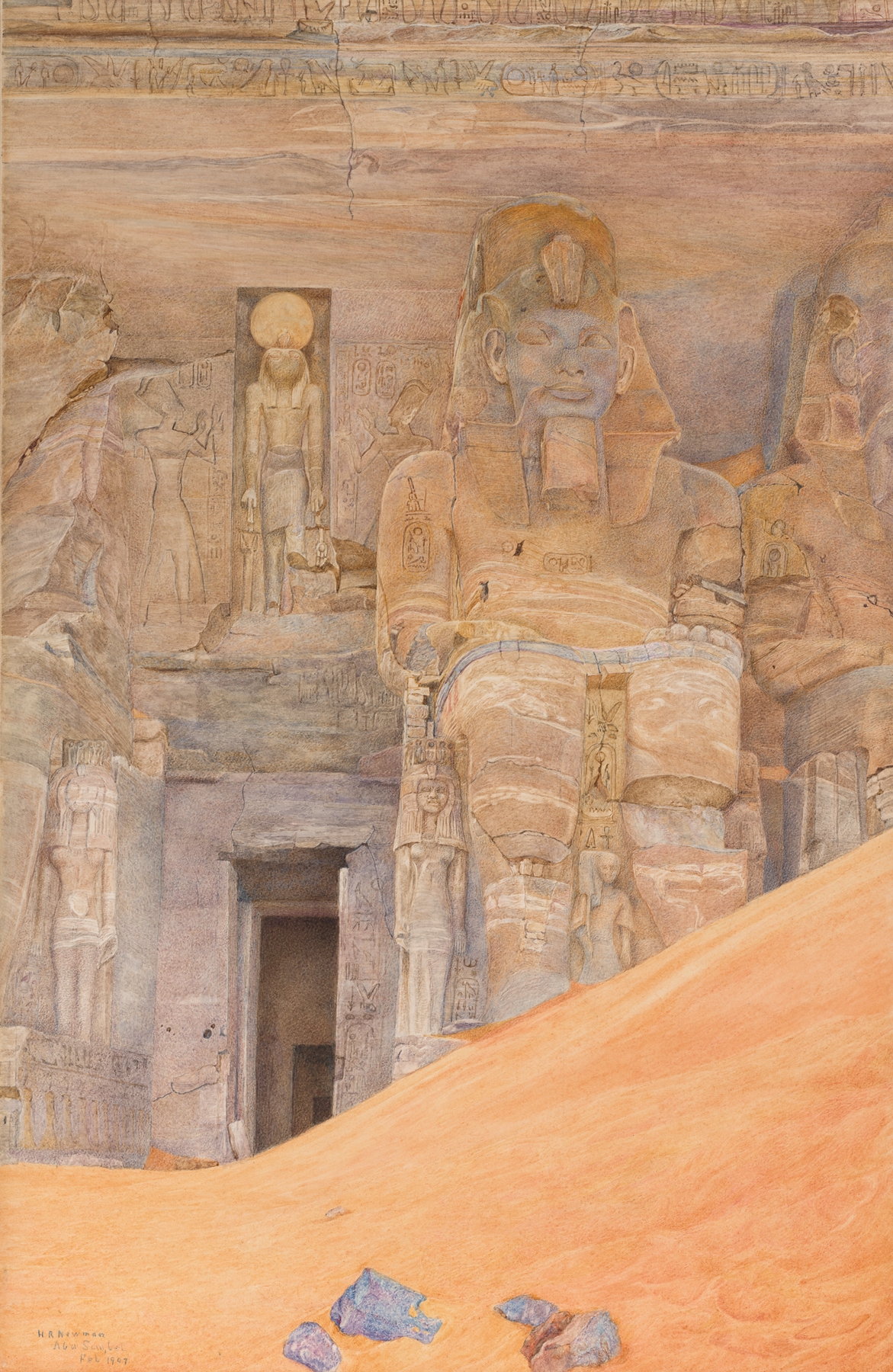
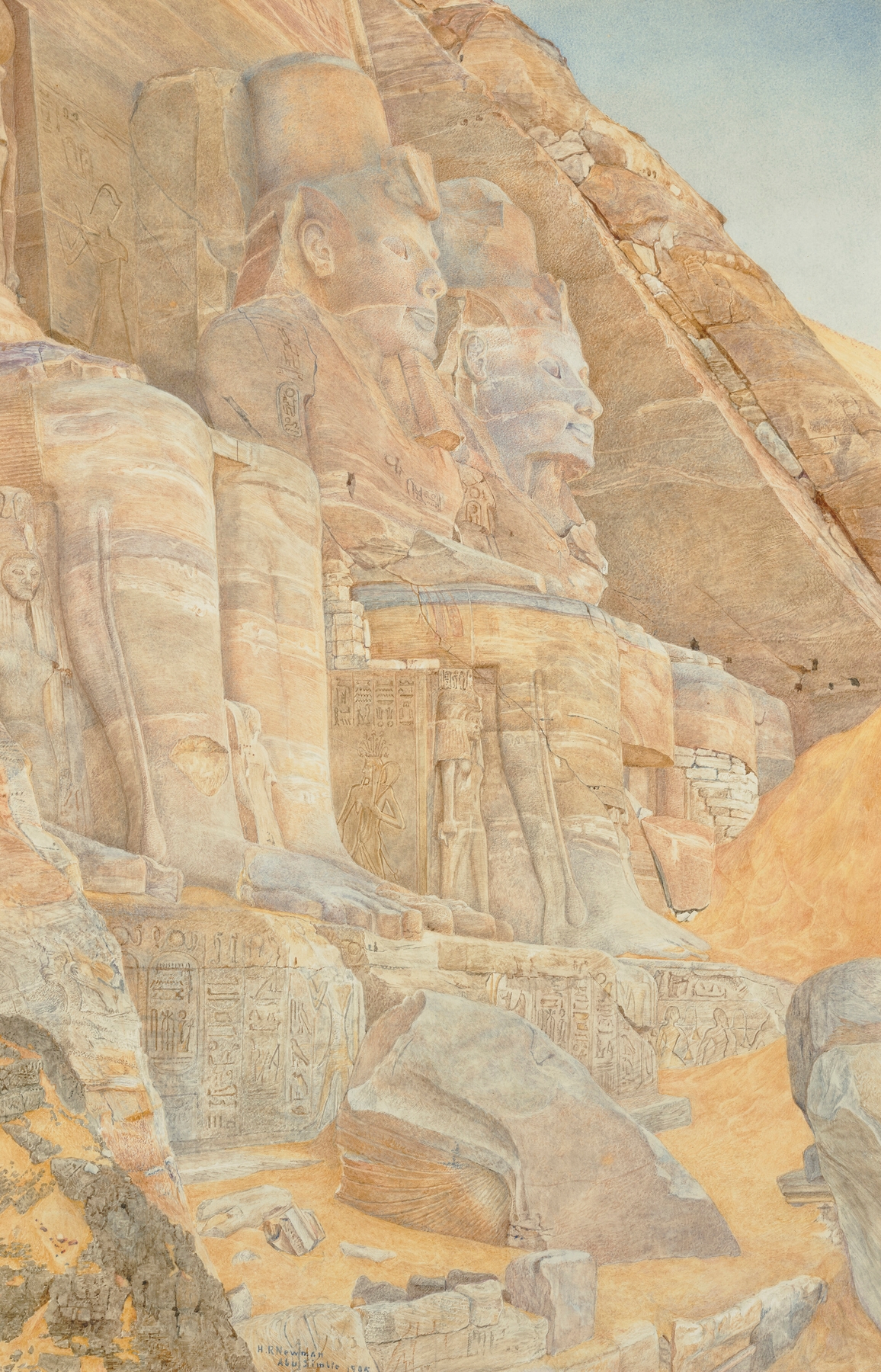
“Under the brush, chaos becomes grace.” In a world where vast history and intricate beauty intertwine, moments of awe invite us to pause and reflect. Look to the center of the canvas, where the majestic pillars of the Temple of Ramses II rise like ancient sentinels, their grandeur captured in warm ochres and deep reds. Notice the way the sunlight spills across their surfaces, casting delicate shadows that dance through the architecture. The meticulous brushwork imbues the stone with life, each stroke revealing the weight of history, the stories held within these formidable walls.
The vivid blue of the sky looms above, contrasting sharply with the rich earth tones below, inviting the viewer to feel both the permanence and transience of this sacred site. Yet, within this stillness lies a tension—a nostalgic longing for a civilization long gone, juxtaposed with the relentless passage of time. The figures of worshippers, small yet significant, evoke a sense of reverence and community, their gestures hinting at ritual and devotion amidst the stone. Even the crumbling edges of the temple suggest fragility, reminding us that even the mightiest structures eventually yield to nature's will.
This duality of strength and vulnerability permeates the work, compelling us to consider our own place in the continuum of history. Henry Roderick Newman painted this evocative scene in 1905 while living in Egypt, surrounded by the echoes of the past. At that time, Western interest in Egyptology was at a peak, influenced by archaeological discoveries and the allure of ancient cultures. Newman's detailed rendering reflects not only his technical skill but also a deep admiration for the civilizations that shaped humanity's narrative, capturing a moment where art and history coalesce.