Temple on the Island of Philae — History & Analysis
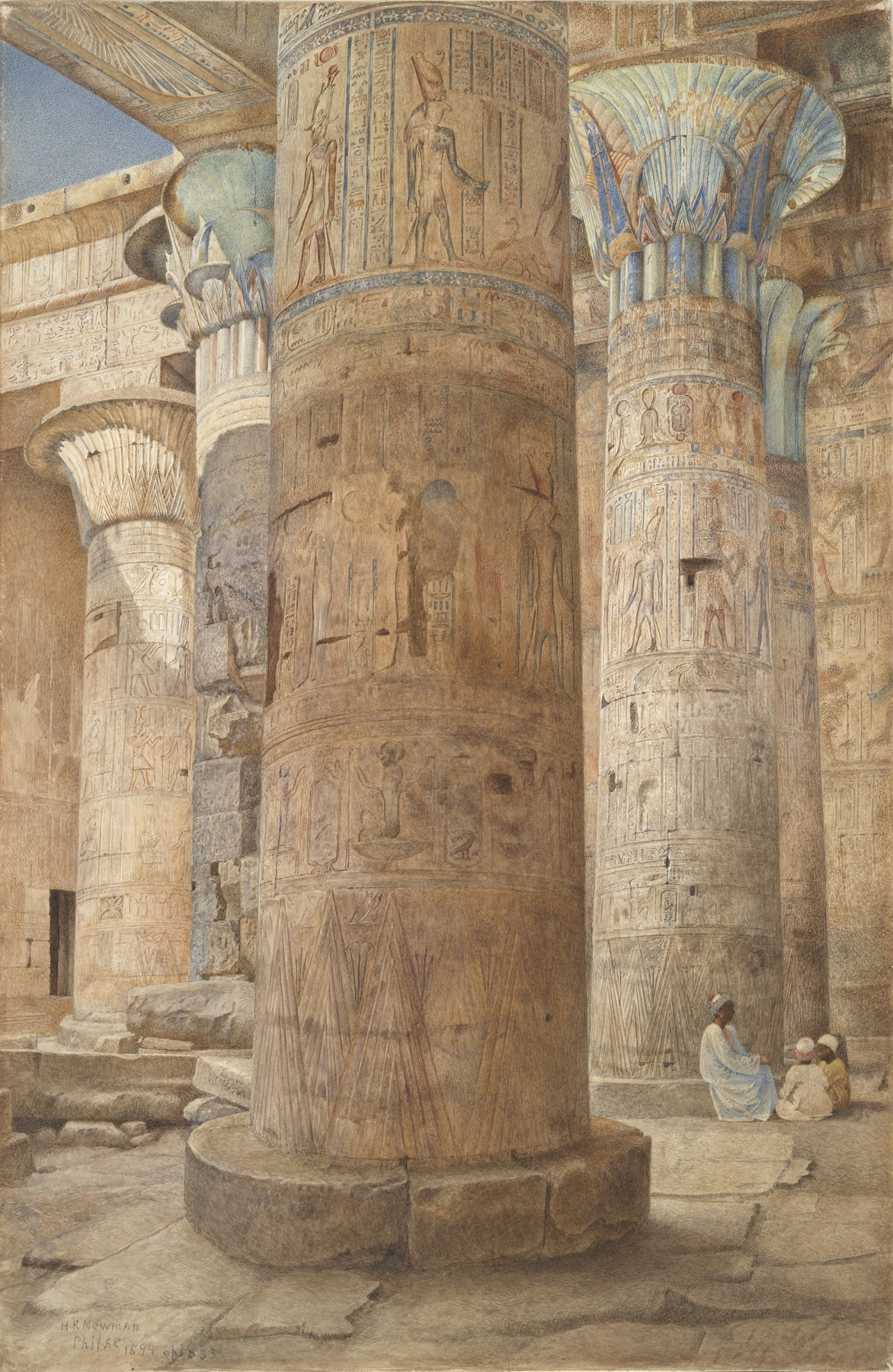
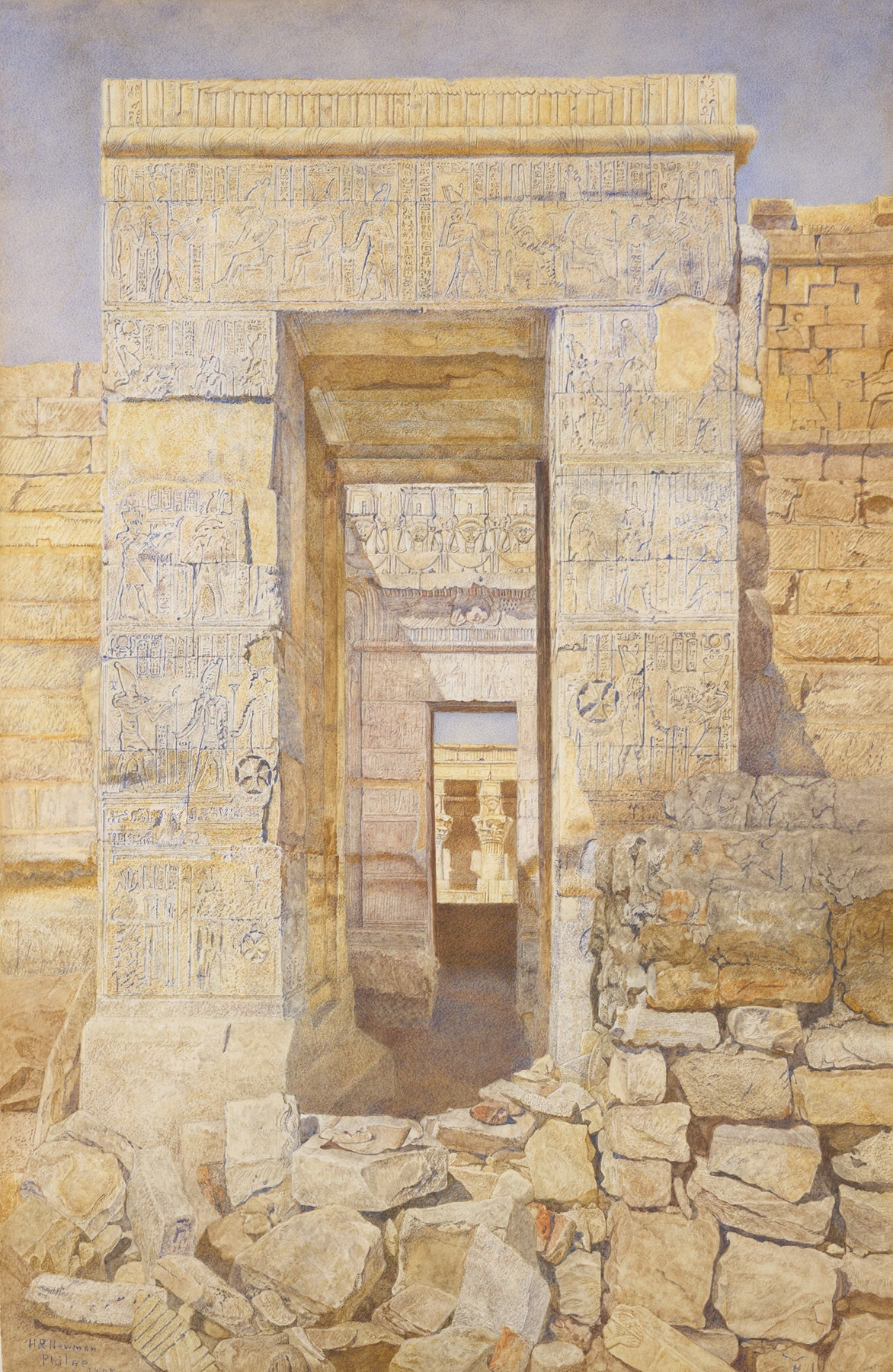
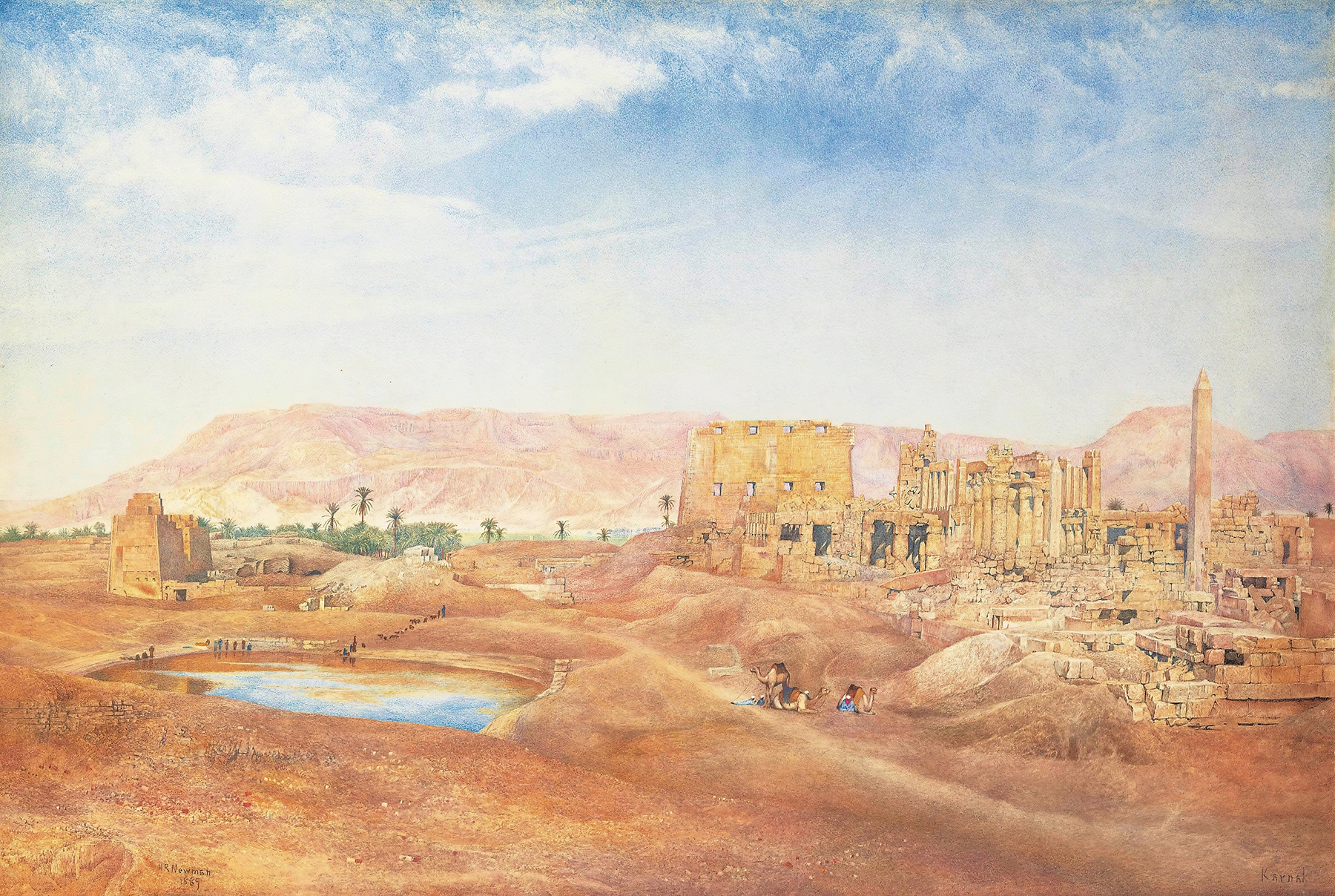
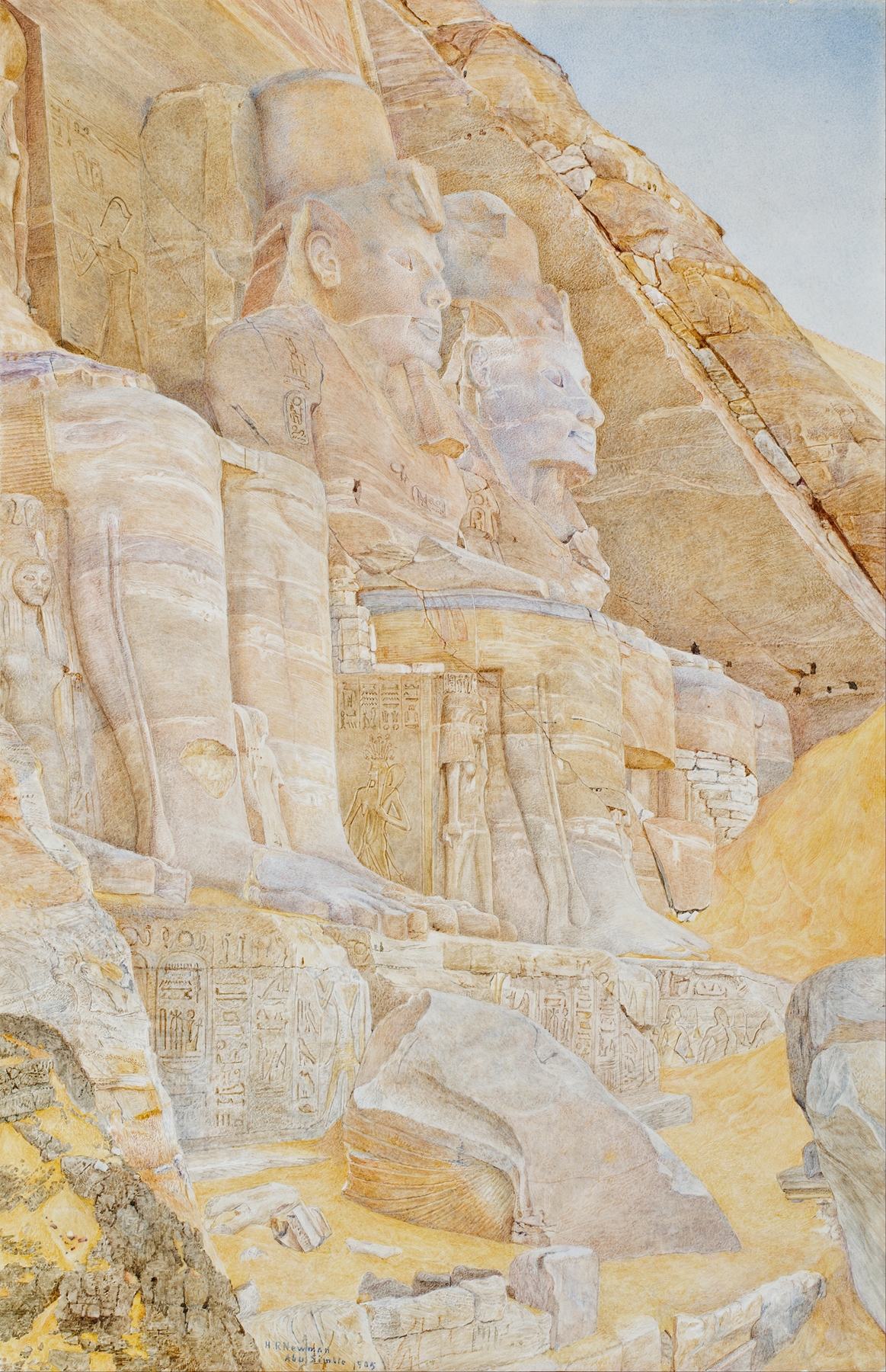
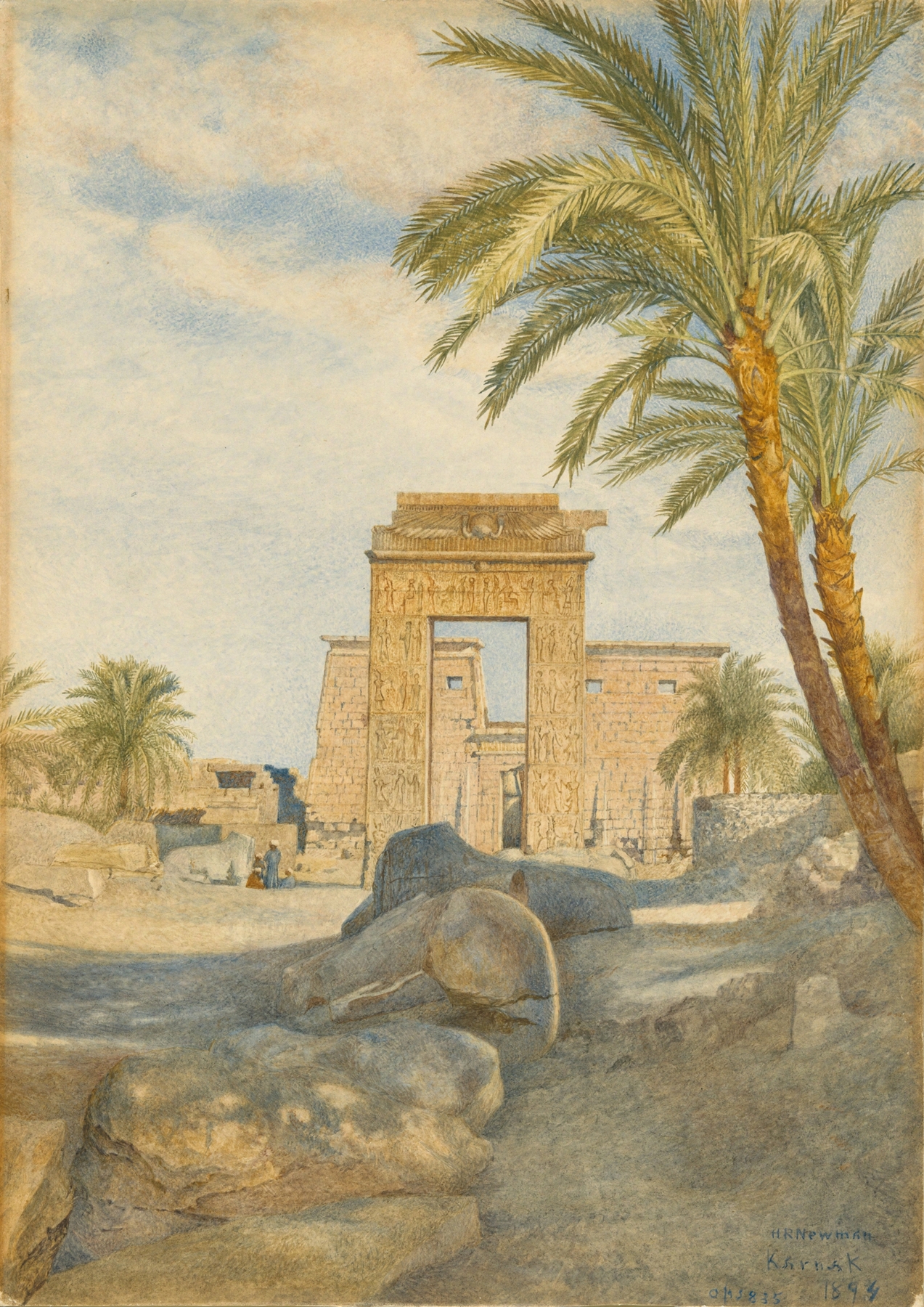
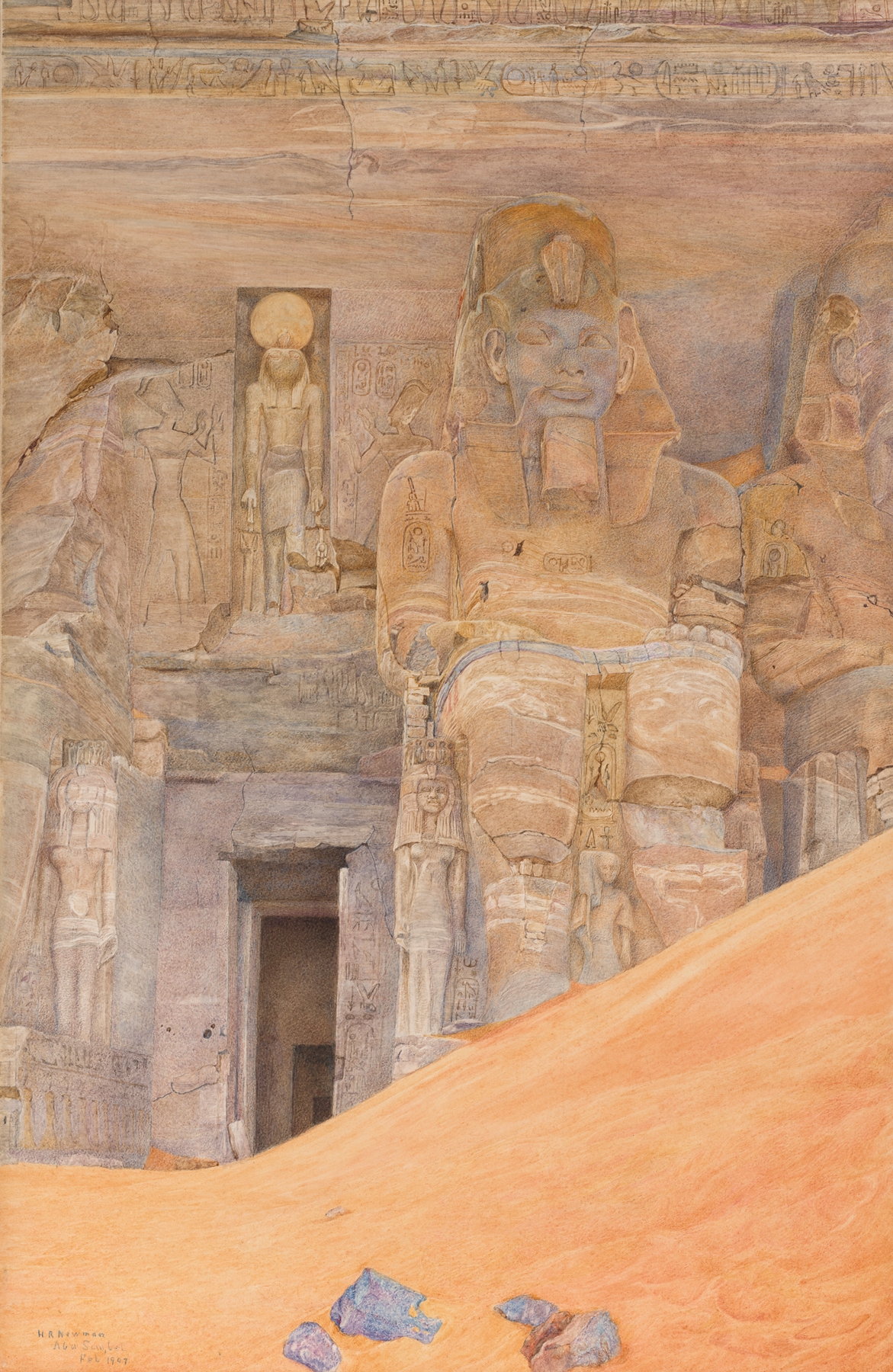
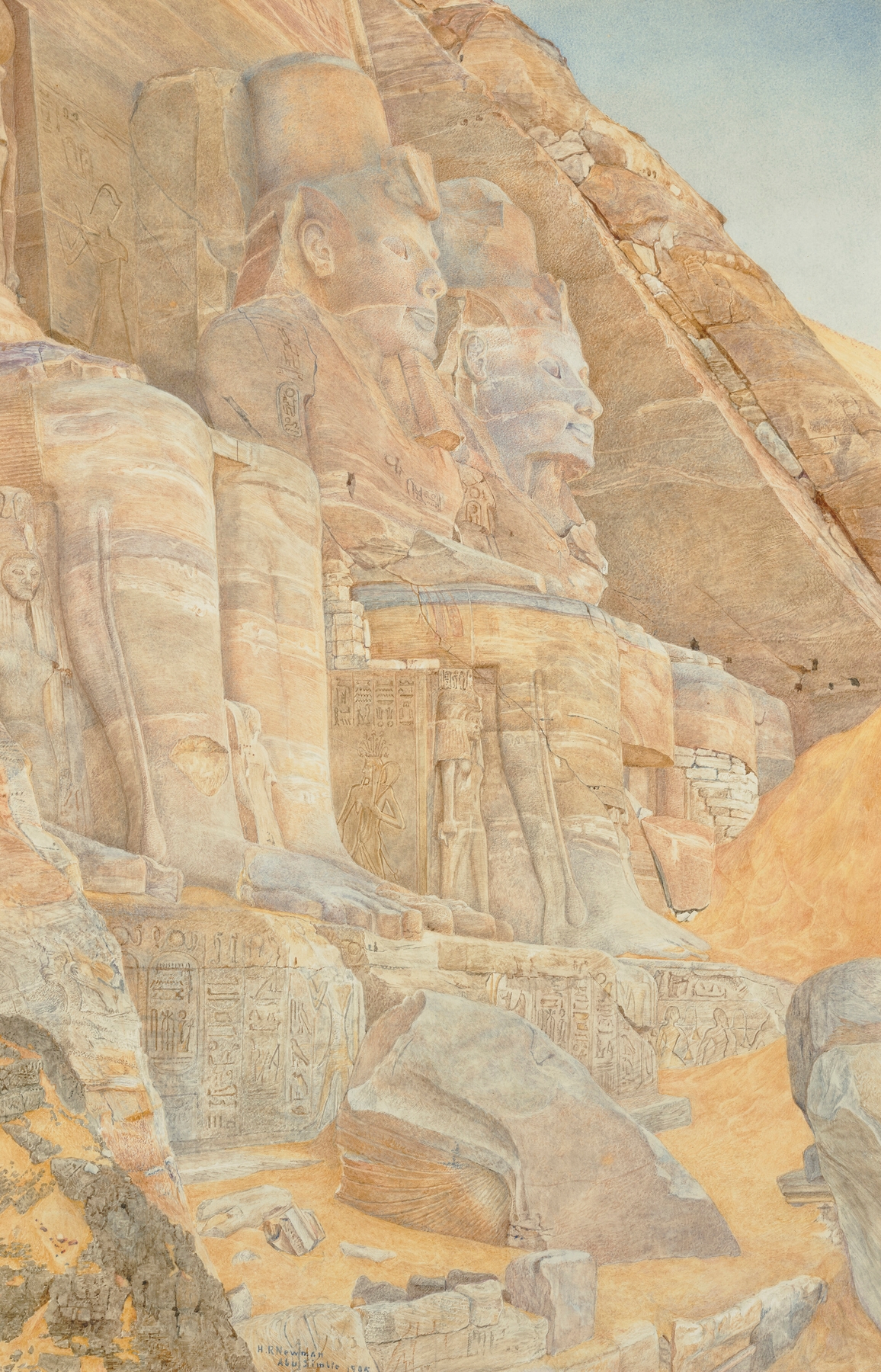
“Every silence here is a confession.” In the stillness of the canvas, desire lingers, echoing the unspoken yearnings of those who have traversed these ancient paths. The essence of longing permeates the air, inviting viewers to explore the depths of their own aspirations. Focus on the temple rising majestically from the water in the foreground, its stone façade capturing the golden hues of dusk. Notice how the intricate carvings, still vivid despite the passage of time, tell stories of devotion and life.
The shimmering reflections in the water invite your gaze to linger, creating a dialogue between the earthly and the ethereal, while the surrounding lush greenery adds a touch of vibrancy to the serene scene. The soft brushstrokes evoke a sense of nostalgia, framing the temple as both a relic and a sanctuary. Delve deeper into the nuances of the painting: the contrasting textures of the weathered stone and the fluid water create a dynamic tension, mirroring the clash between permanence and impermanence. The choice of warm colors evokes a sense of belonging, pulling on the heartstrings of those who have felt the pull of distant places.
This moment encapsulates not just a location, but humanity's age-old quest for connection—be it to the divine, to others, or to oneself. In 1900, the artist was captivated by the allure of ancient Egypt, having spent years immersed in its culture and landscapes. During this period, Newman was carving his niche within the British art scene, striving to bridge historical significance with personal interpretation. The world was abuzz with fascination for archeology and exoticism, and this painting reflects his deep appreciation for the mysteries of the past, as well as his own desire to immortalize beauty through his art.