Temple on the Island of Philae — History & Analysis
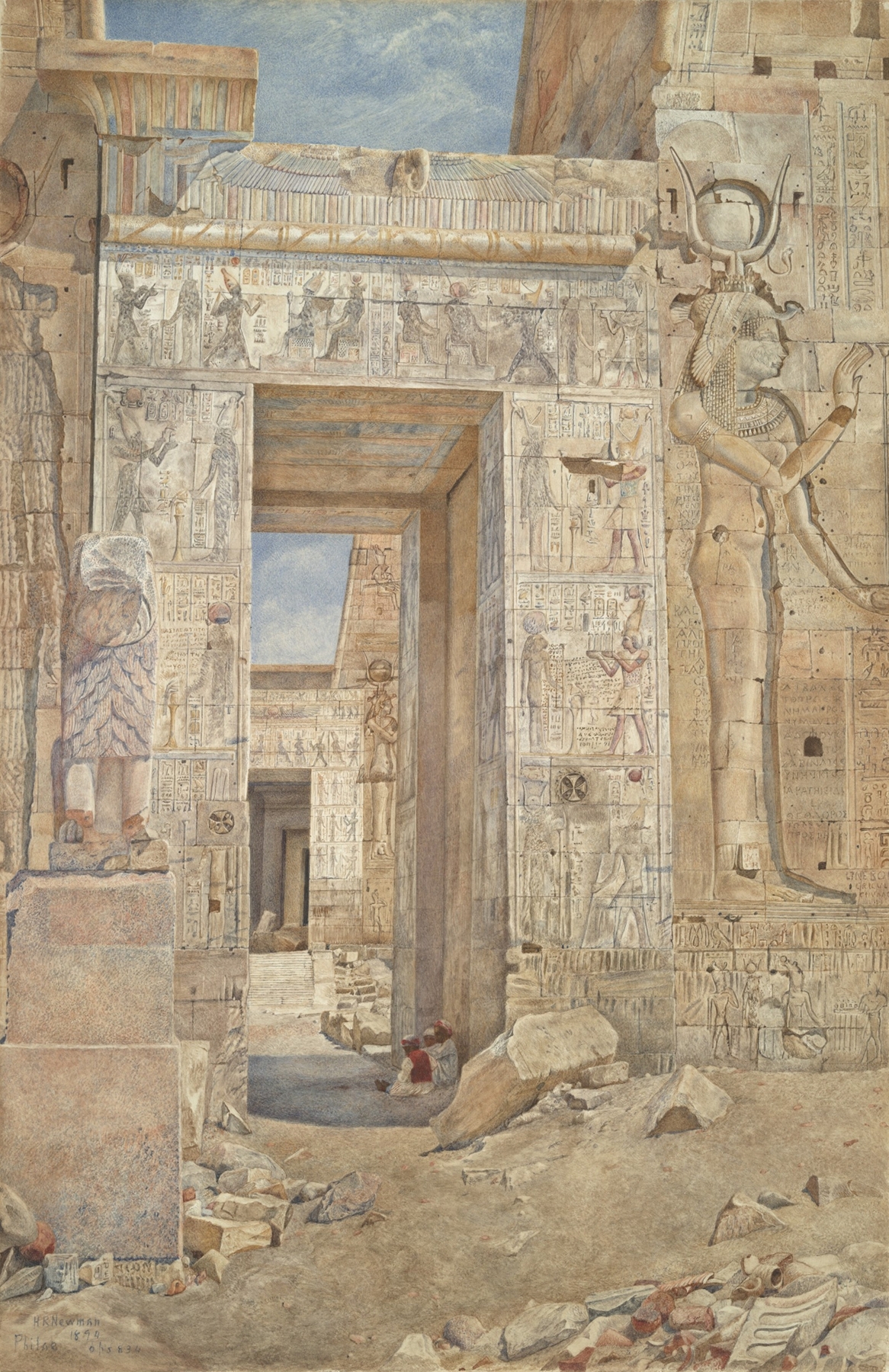
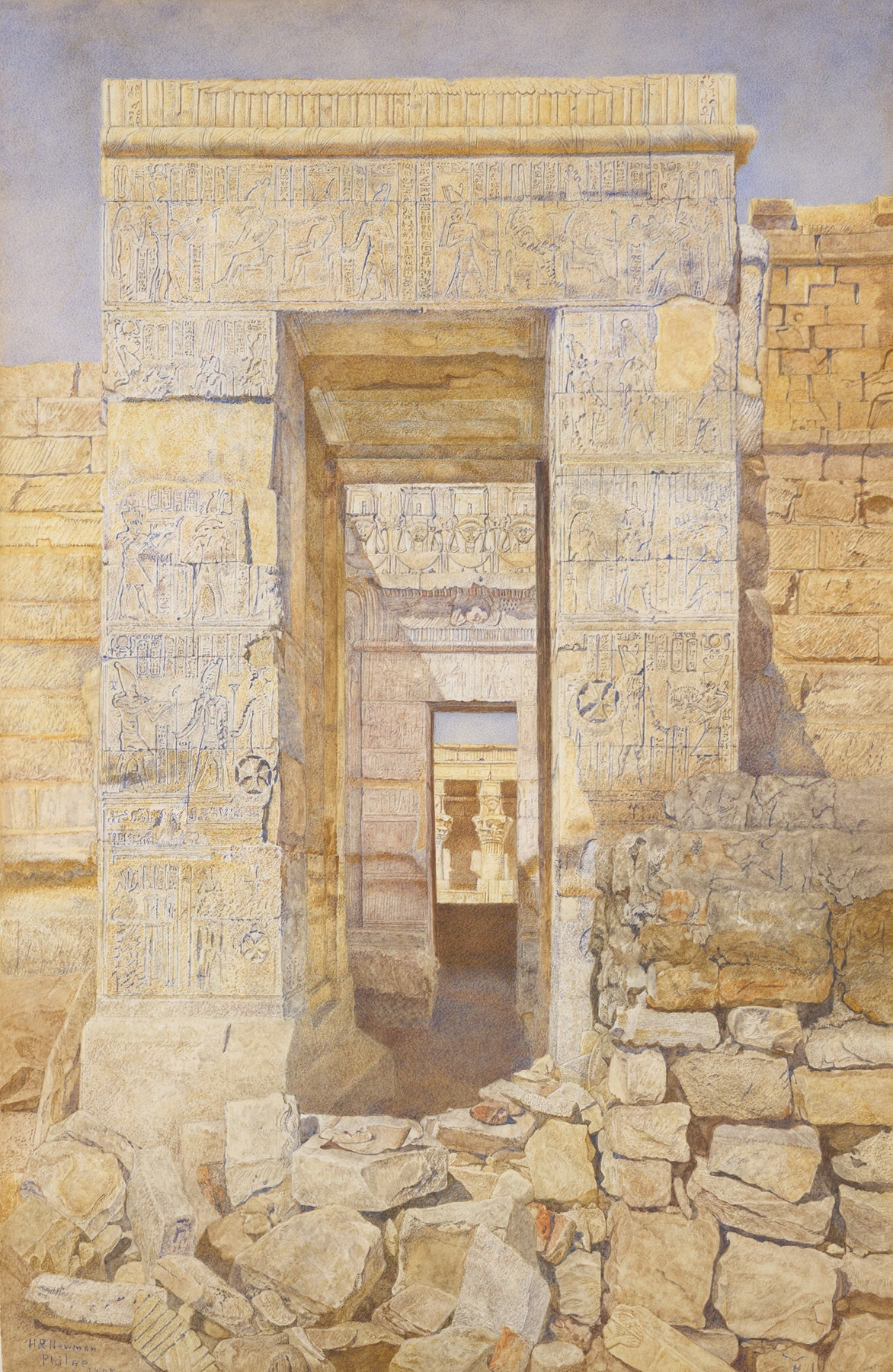
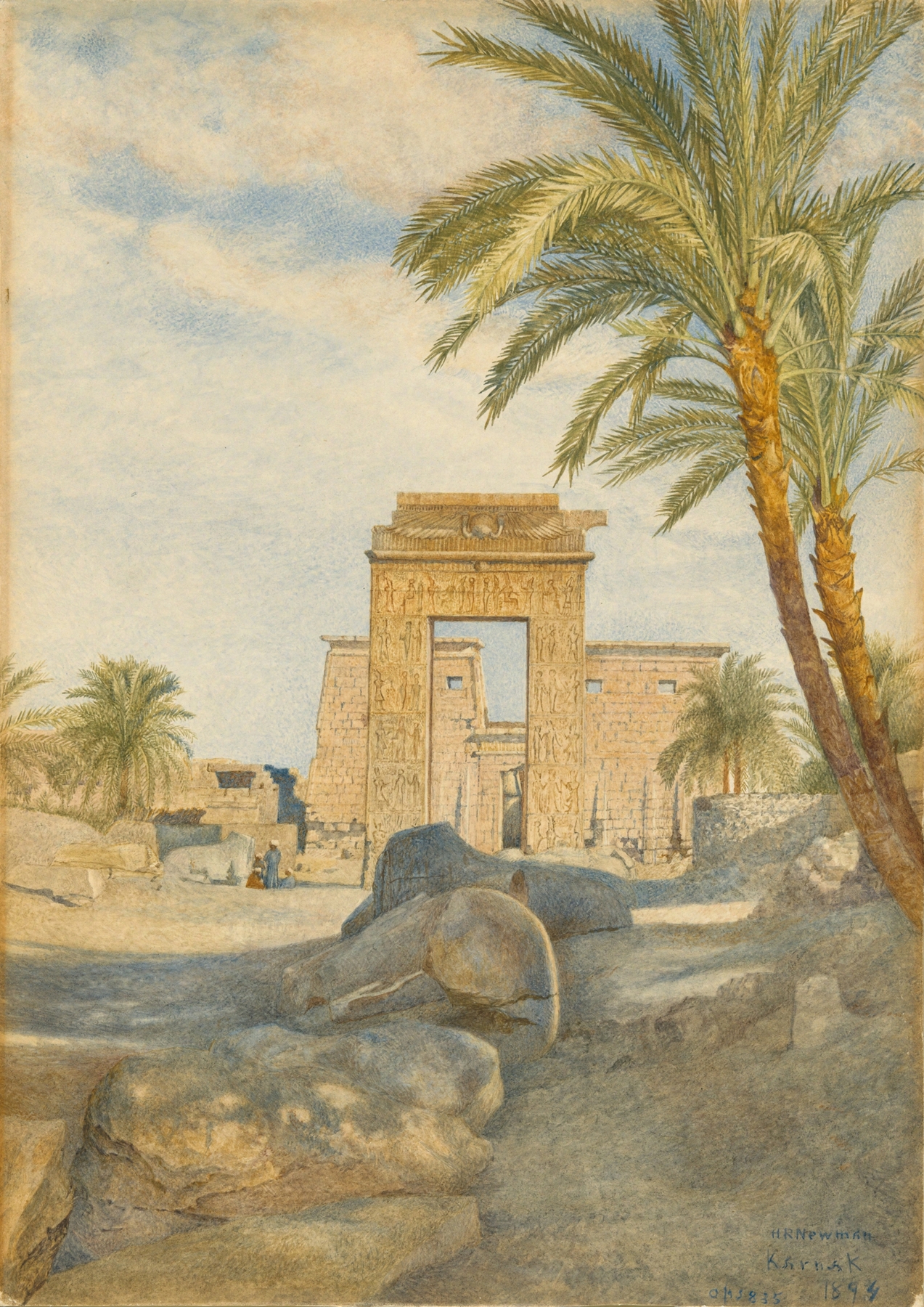
Art reveals the soul when the world turns away. In Temple on the Island of Philae, this loneliness speaks to the heart, encapsulating an ethereal space untouched by the chaos of time. Focus on the delicate interplay of light and shadow across the temple’s ancient stones. Notice how the sun washes over the façade, highlighting intricate carvings that tell stories of forgotten gods.
The muted earth tones contrast beautifully with the vibrant blues of the Nile, drawing the eye to the water’s edge — a whisper of life that seems to cradle the monument. Yet, beneath its serene surface lies a profound tension between solitude and eternity. The temple stands isolated, a sentinel among tranquil waters, evoking feelings of abandonment amidst grandeur. The silken reflections in the river hint at the passage of time, reminding us that even the most majestic creations are destined to fade, swallowed by the relentless tide of history.
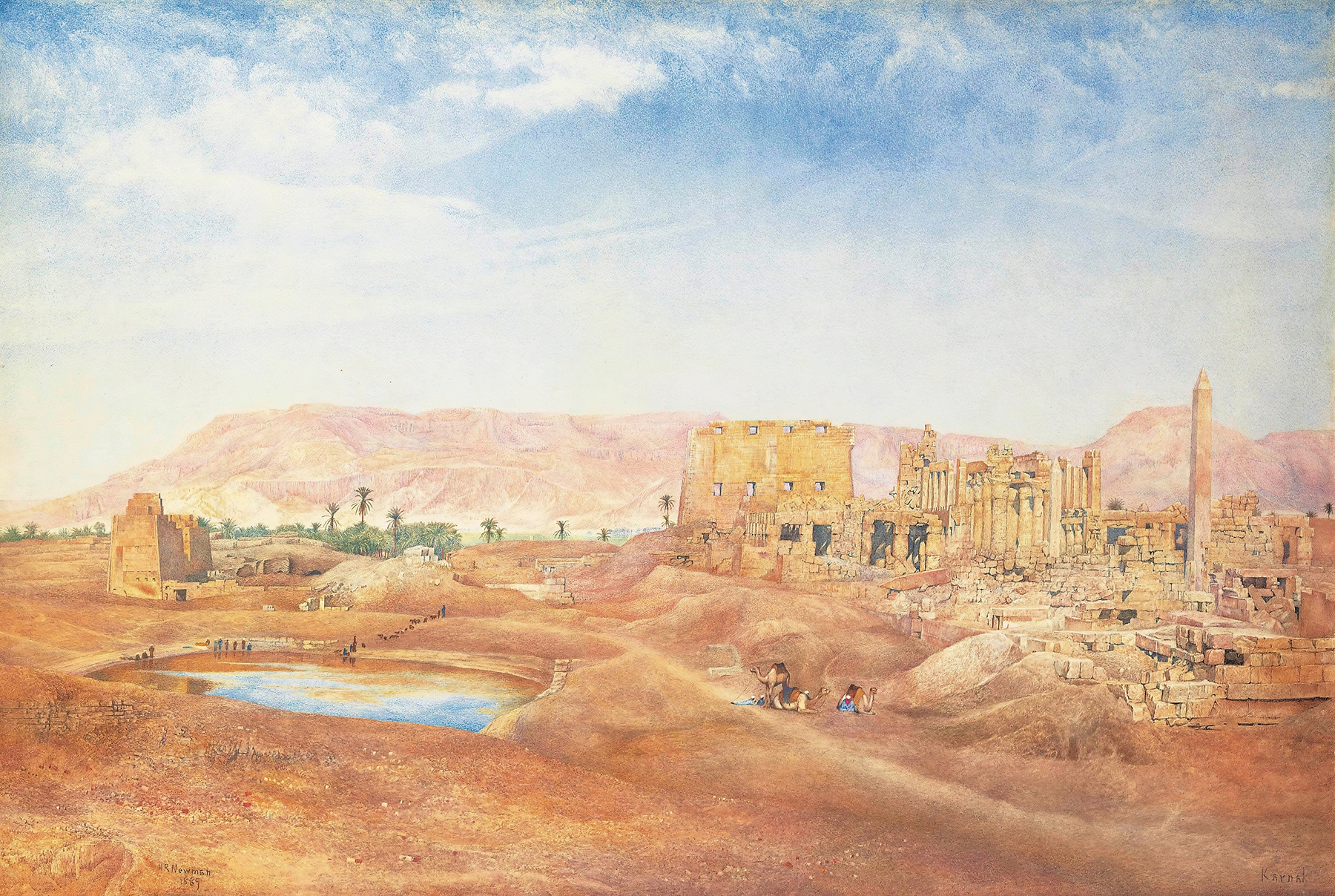
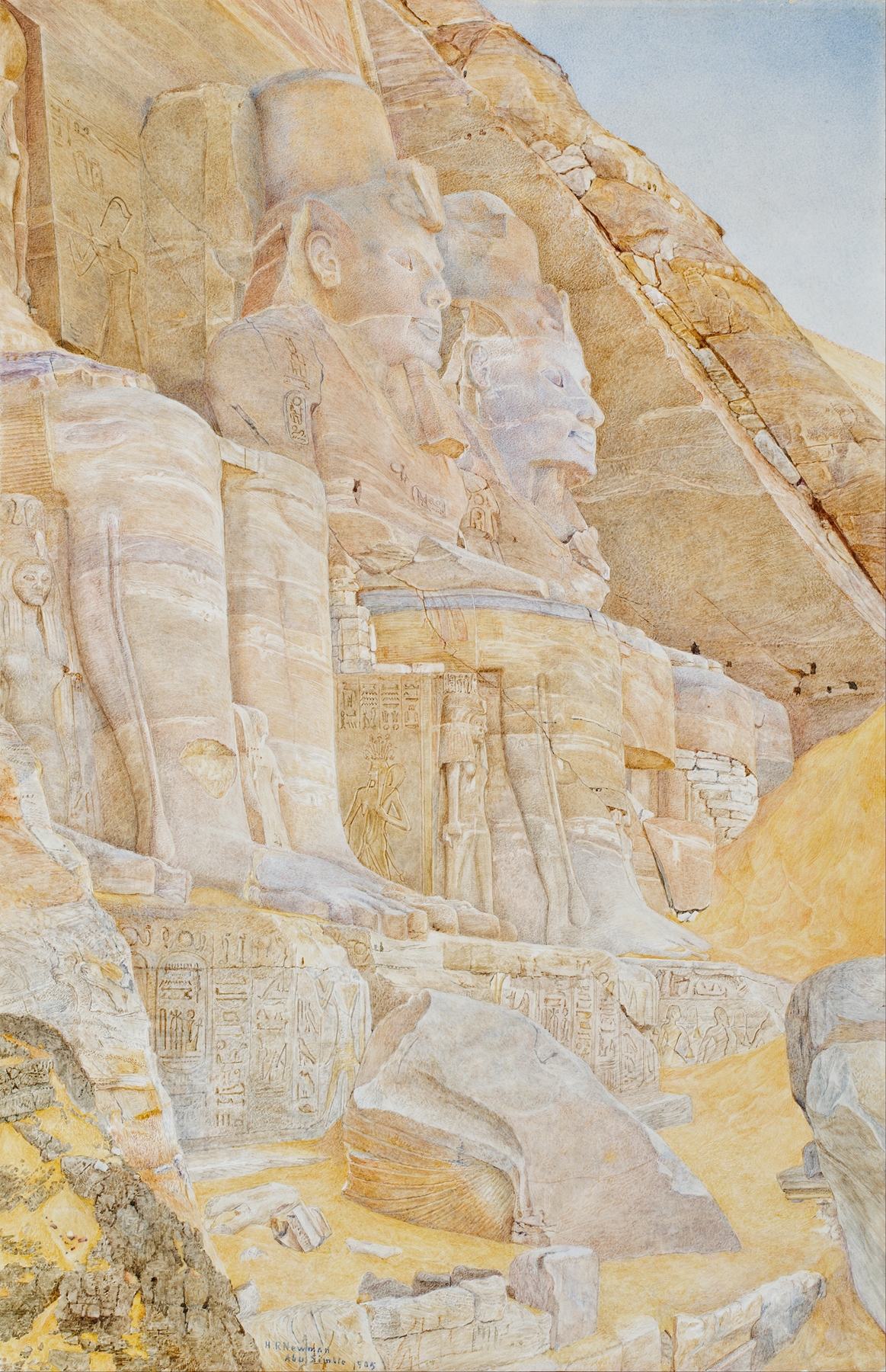
Henry Roderick Newman created this painting in 1894, during a period when interest in Egyptology was surging, fueled by archaeological discoveries and exotic explorations. Living in a world of shifting artistic movements, Newman sought to capture the essence of ancient cultures, blending realism with Romanticism to evoke a sense of longing. His choice of Philae, a site steeped in mystery and beauty, underscores a deep connection to a past that feels eerily solitary yet eternally present.