Street in Florence — History & Analysis
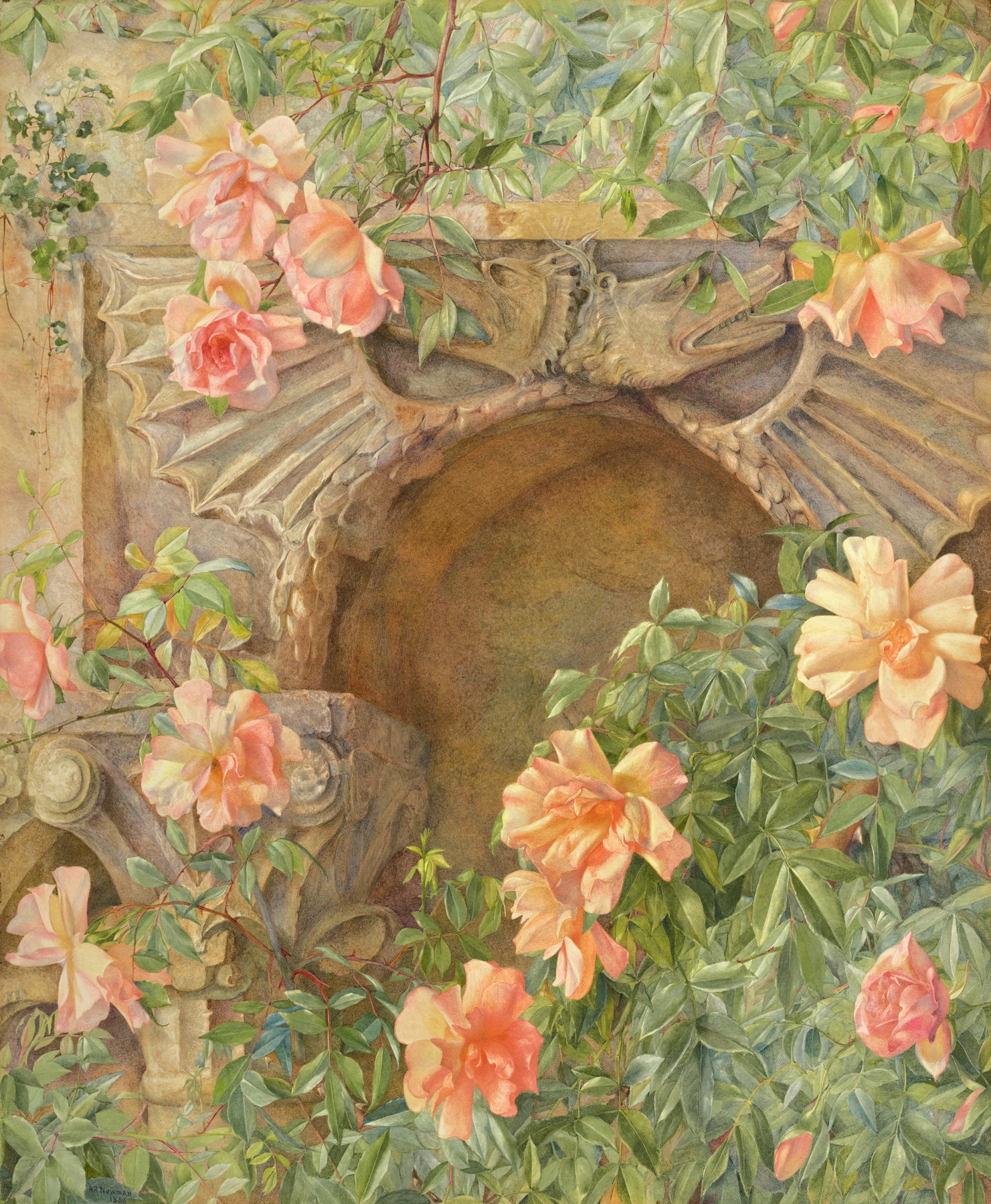
“Between color and silence, truth hides.” In the interplay of light and shadow, quiet moments reveal life's subtle balance. Look to the left at the vibrant hues cascading from the buildings, each stroke of paint bringing texture to the stucco facades. The warm ochres and rich reds of the architecture beckon the eye while gentle blues and greens in the foliage provide a soothing contrast. Notice how the cobblestones, dappled in sunlight, guide your gaze along the path, inviting exploration while the figures—a solitary woman and a group of children—infuse the scene with life, their gestures frozen in time.
Beneath the vibrant exterior, there's a tension between the hustle of the street and the stillness of the moment captured. The quiet woman, nestled against a doorway, seems lost in thought, embodying a sense of introspection amidst the chaos of daily life. The children, full of energy and laughter, represent the innocence and exuberance that thrive alongside the weight of solitude. This juxtaposition speaks to the balance of existence; a reminder that life flourishes in both vibrant chaos and contemplative silence.
Newman painted this scene in Florence in 1880, during a period of artistic transition in Europe. The artist, a part of the growing movement that sought to capture everyday life with authenticity, found inspiration in the beauty and rhythm of the Italian streets. His focus on color and light was emblematic of a broader exploration of impressionism, as artists sought to express fleeting moments with emotional depth.