The Temple at Karnak — History & Analysis
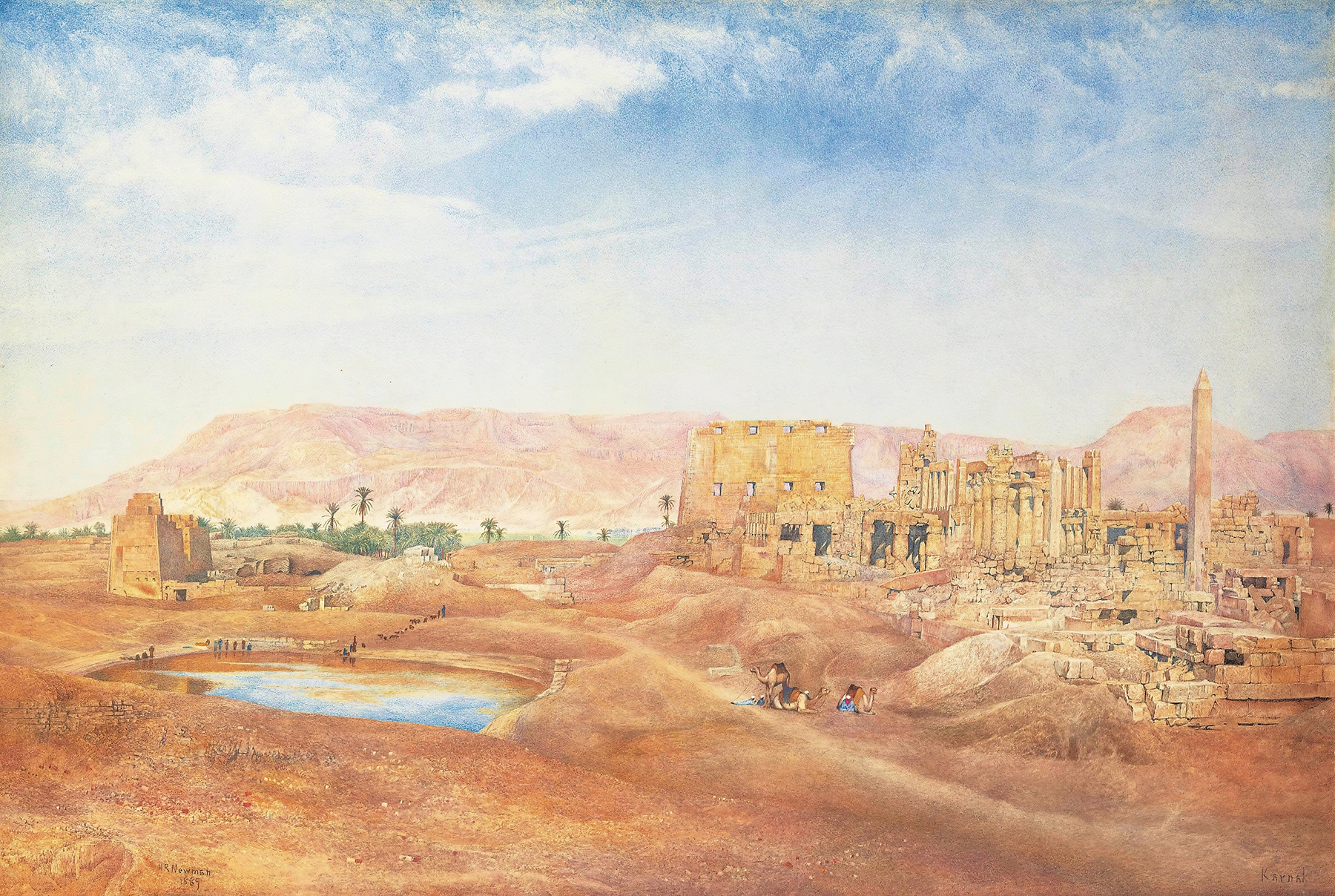
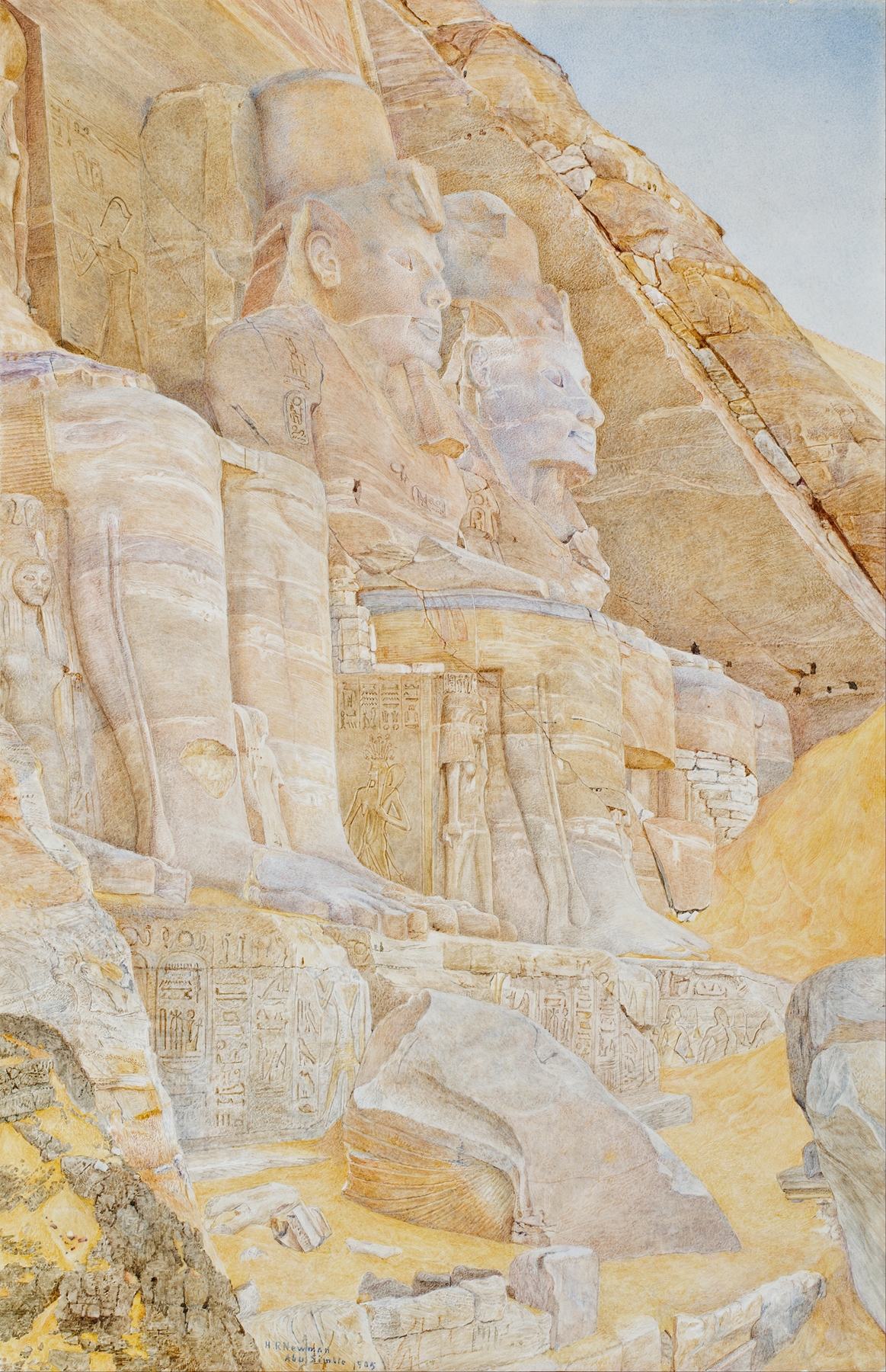
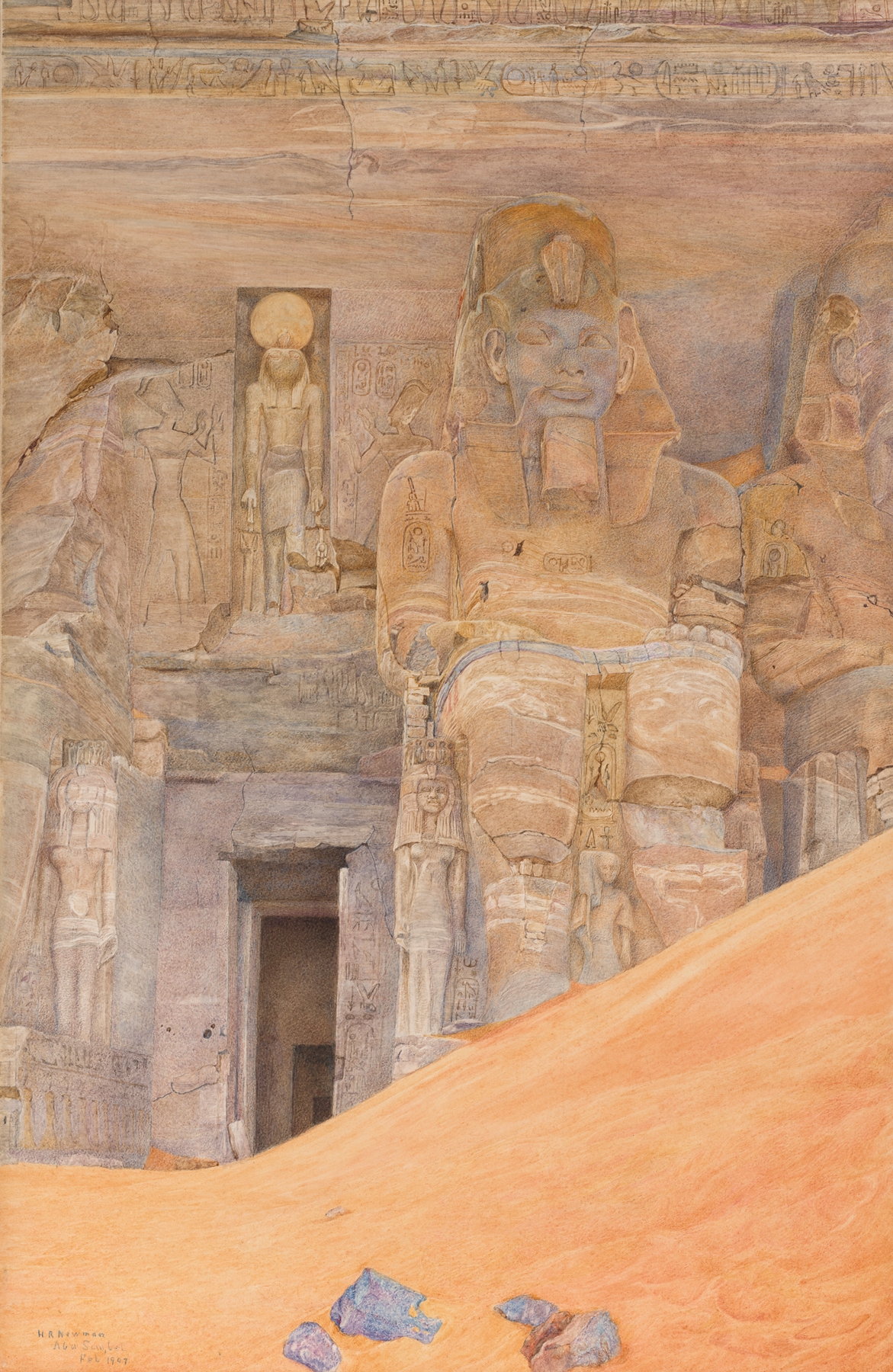
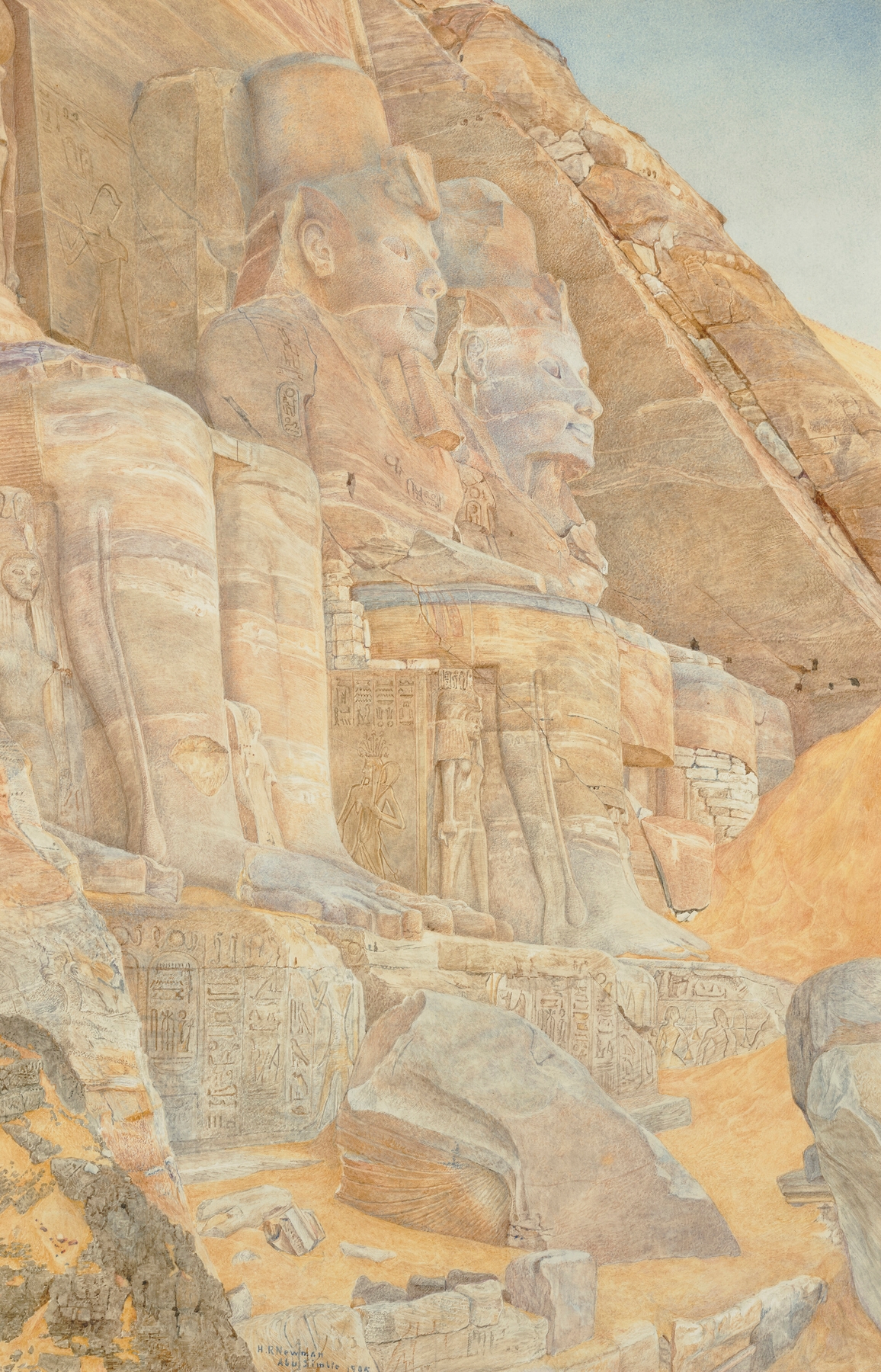
Could a single brushstroke hold eternity? The fascination of balance in art resonates through the stillness captured in The Temple at Karnak. Look to the upper left, where ancient columns rise majestically against a vibrant sky, their shadows stretching across the warm ochre ground. Notice how the light dances upon the weathered stone, revealing intricate carvings that whisper secrets of a lost civilization.
The palette is rich with earthy tones, mingling soft browns and golden hues that evoke a sense of timelessness. The composition invites the eye upward, guiding your gaze to the heavens, as if hinting at the divine purpose of this monumental space. Beneath the grandeur lies a delicate tension between the architectural strength of the temple and the ephemeral beauty of nature. Reflect on the careful placement of light and shadow; each detail serves to balance the weight of history with the lightness of the surrounding air.
The juxtaposition of the sturdy structure against the fleeting clouds evokes contemplation of humanity’s quest for permanence amidst the passage of time. Henry Roderick Newman painted this work during a period marked by a fascination with ancient civilizations and their legacies. The exact date remains unknown, but it captures the spirit of the late 19th century when the Western world was increasingly drawn to Egypt's archaeological wonders. During this time, Newman’s artistic journey was influenced by both a growing interest in historic architecture and personal explorations of cultural identity, reflecting a broader trend within the art community that sought to bridge the past and present.