Alicante — History & Analysis
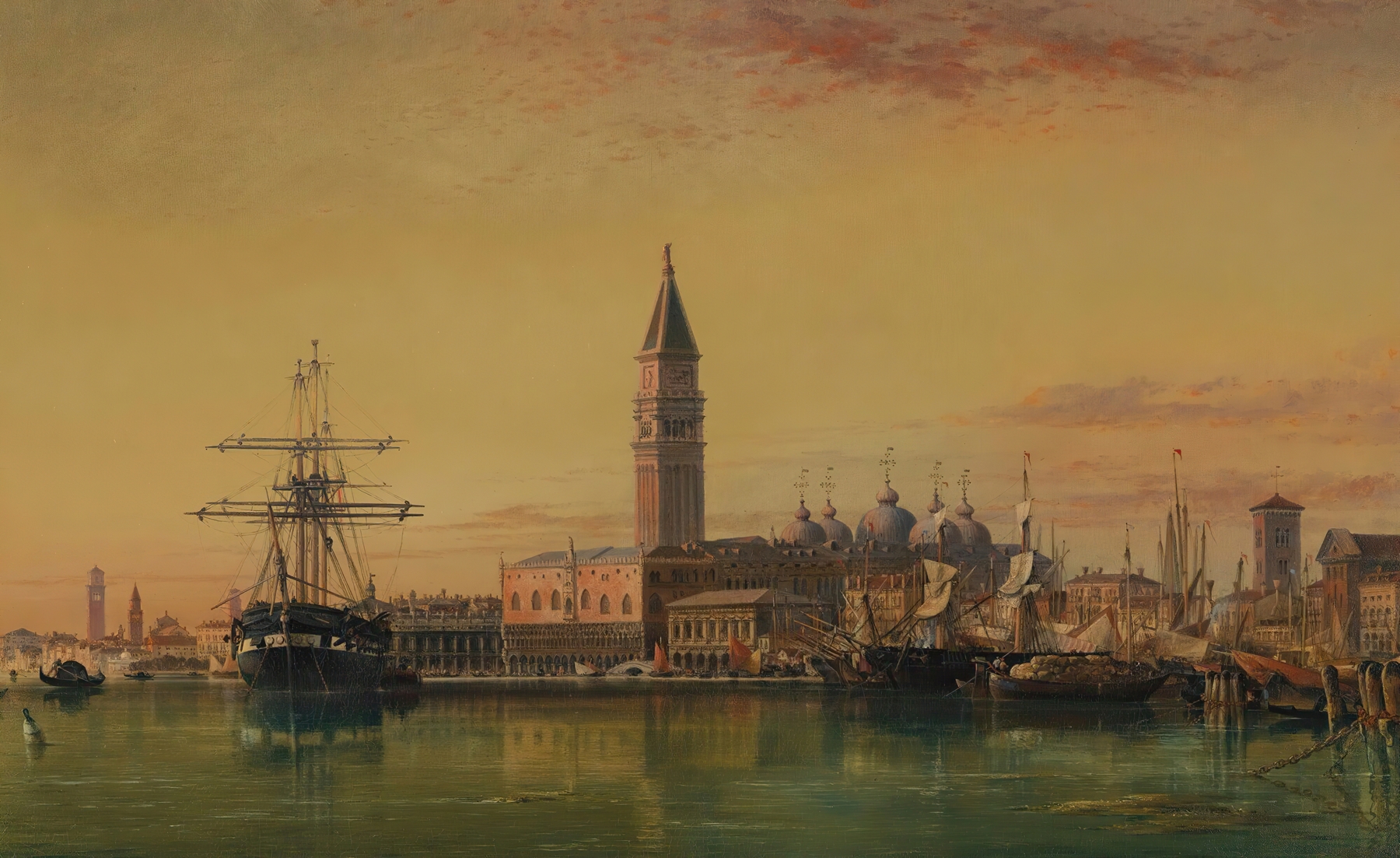
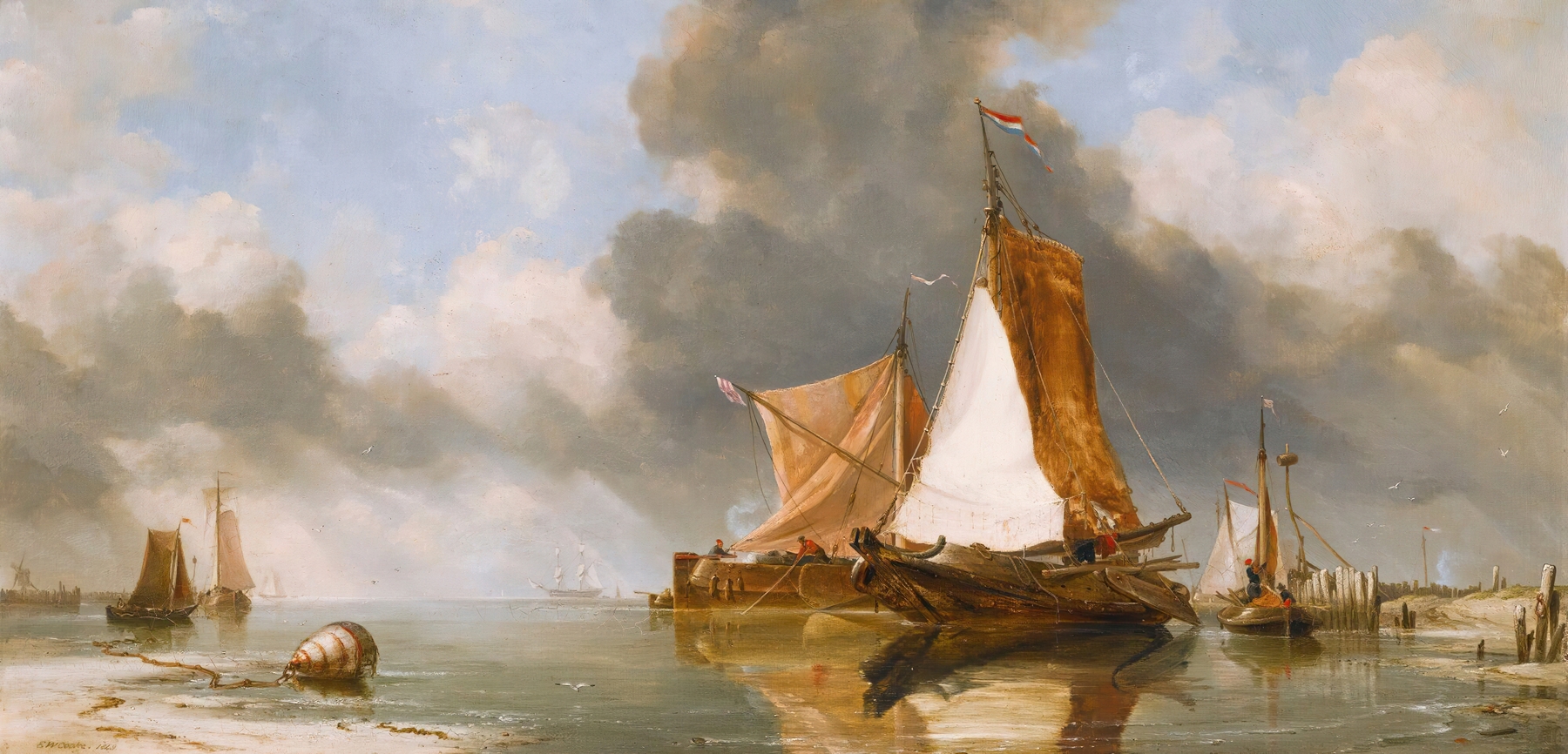
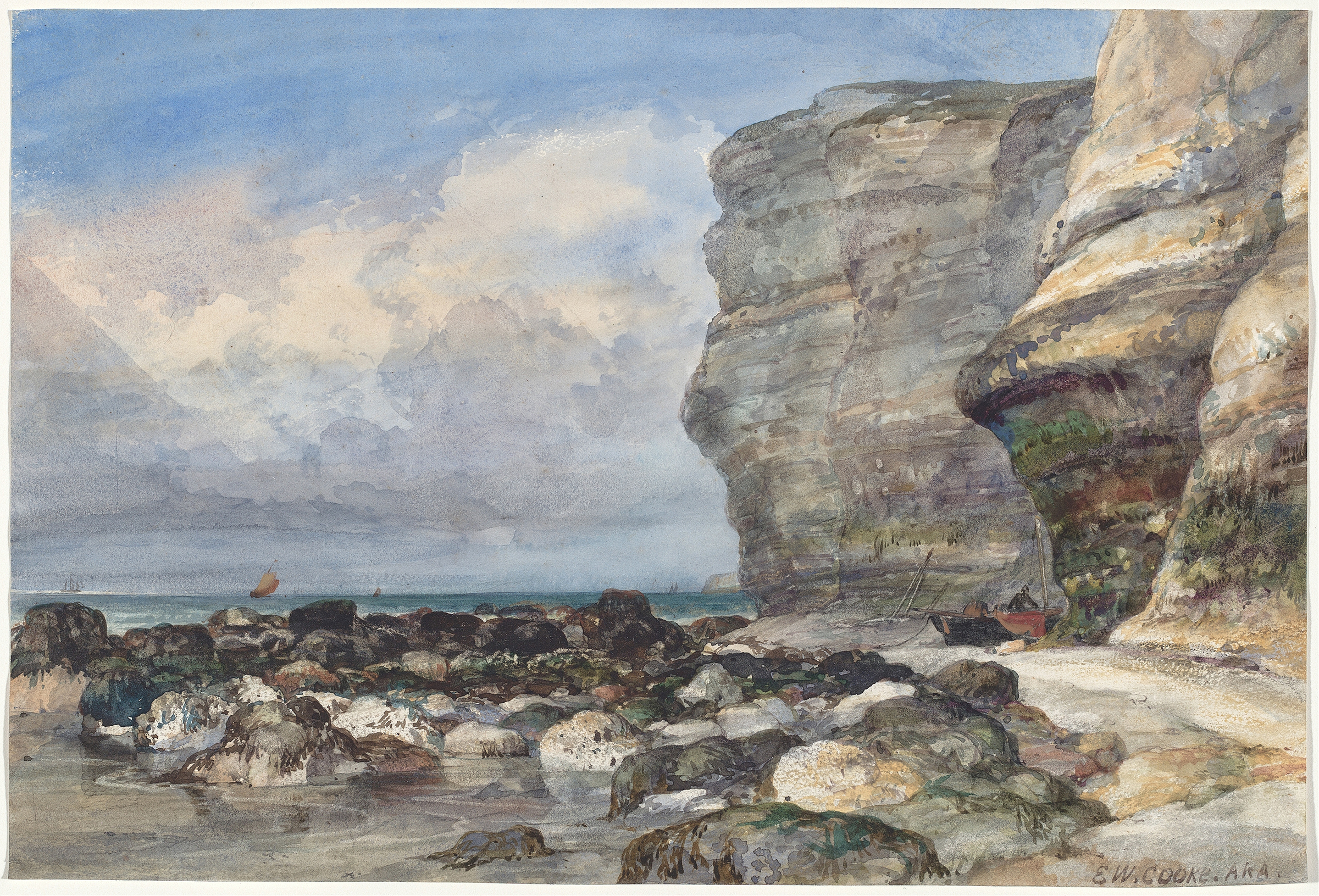
“The canvas doesn’t lie — it simply waits.” Beneath its tranquil surface, every painting harbors an unspoken narrative, a tension that simmers just out of sight. What happens when the beauty of serenity masks the violence of reality? Look to the horizon in Alicante, where azure skies seamlessly blend with deep cerulean waters. The composition directs your gaze toward the small fishing boats dotting the harbor, their sails filled with wind as if they’re eager to escape. Notice how Cooke’s brushstrokes evoke movement while the palette of warm terracotta and soft ivory reflects the sun’s embrace upon coastal buildings, creating a sense of idyllic calm.
Yet, amidst this picturesque scene, shadows gather, hinting at the underlying unrest of a world shaped by the forces of nature and man. Delve deeper into the subtle contrasts within the painting. The serene facade of the harbor belies the inherent violence of the element—waves crashing upon the shores and fishermen’s lives entwined with the perilous sea. The juxtaposition of the vibrant life portrayed against the quiet threat of nature reveals a complex relationship; the allure of paradise carries the weight of struggle.
Cooke captures this tension beautifully, reminding us that every tranquil moment is a fragile balance, as life teeters on the edge of chaos. In 1861, Cooke created this piece while living in the vibrant artistic circle of London, capturing the essence of coastal life in Spain. The mid-19th century marked a time of exploration and flux in the art world, with artists beginning to embrace realism over romanticism. Cooke himself was influenced by a growing interest in capturing authentic experiences, reflecting both the allure of far-off places and the precarious nature of existence—an exploration that resonates profoundly within the depths of this canvas.