Am Bach — History & Analysis
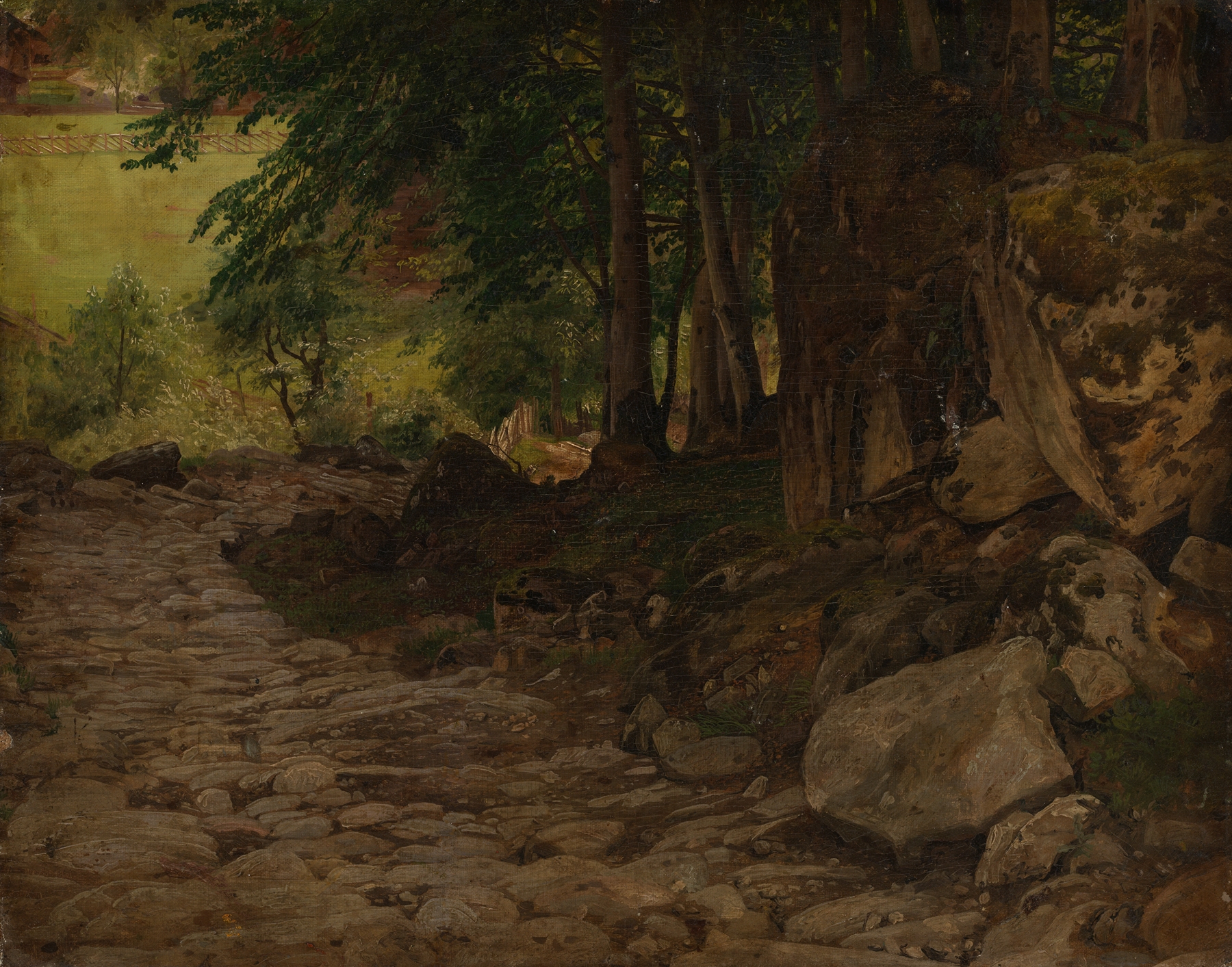
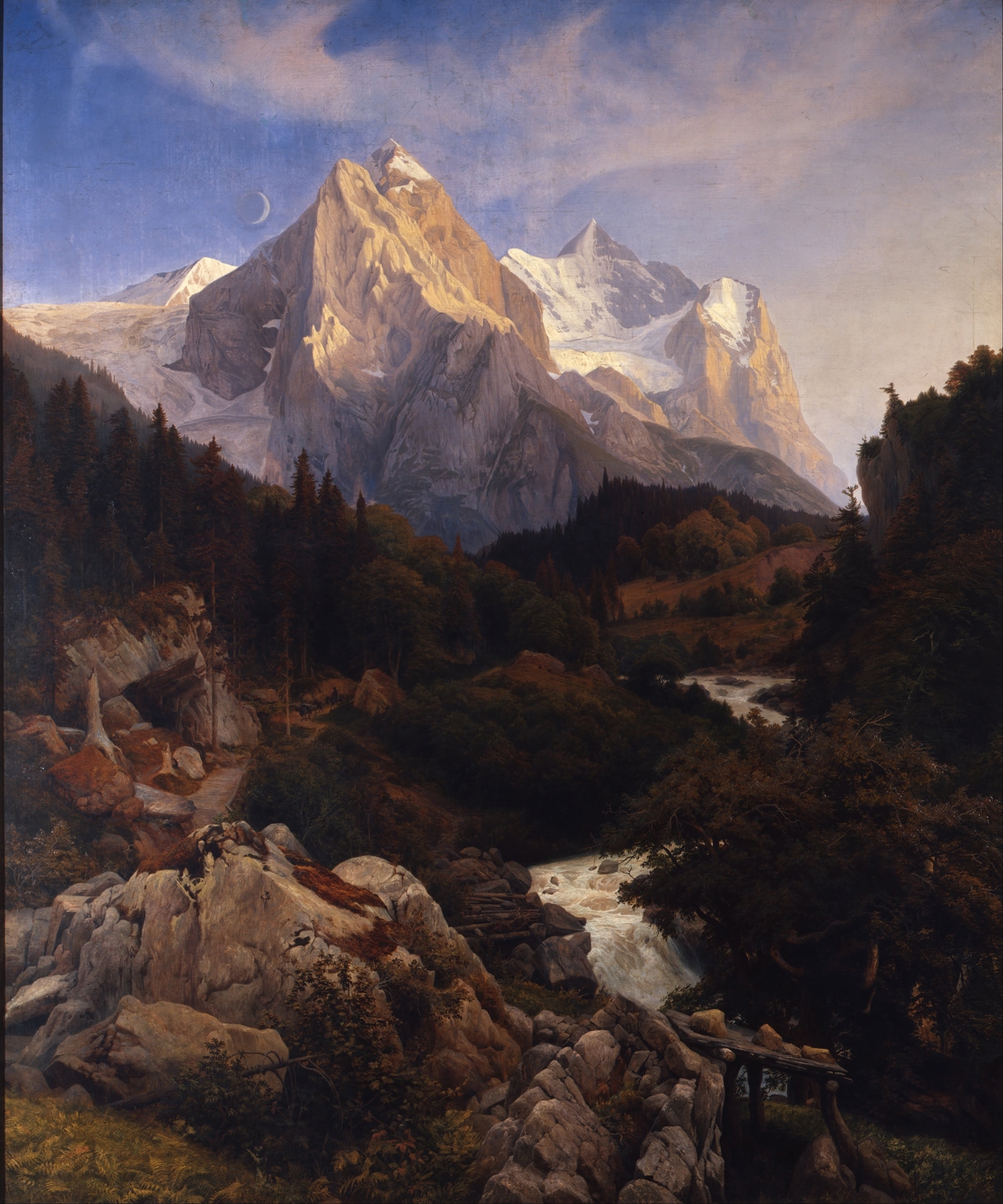
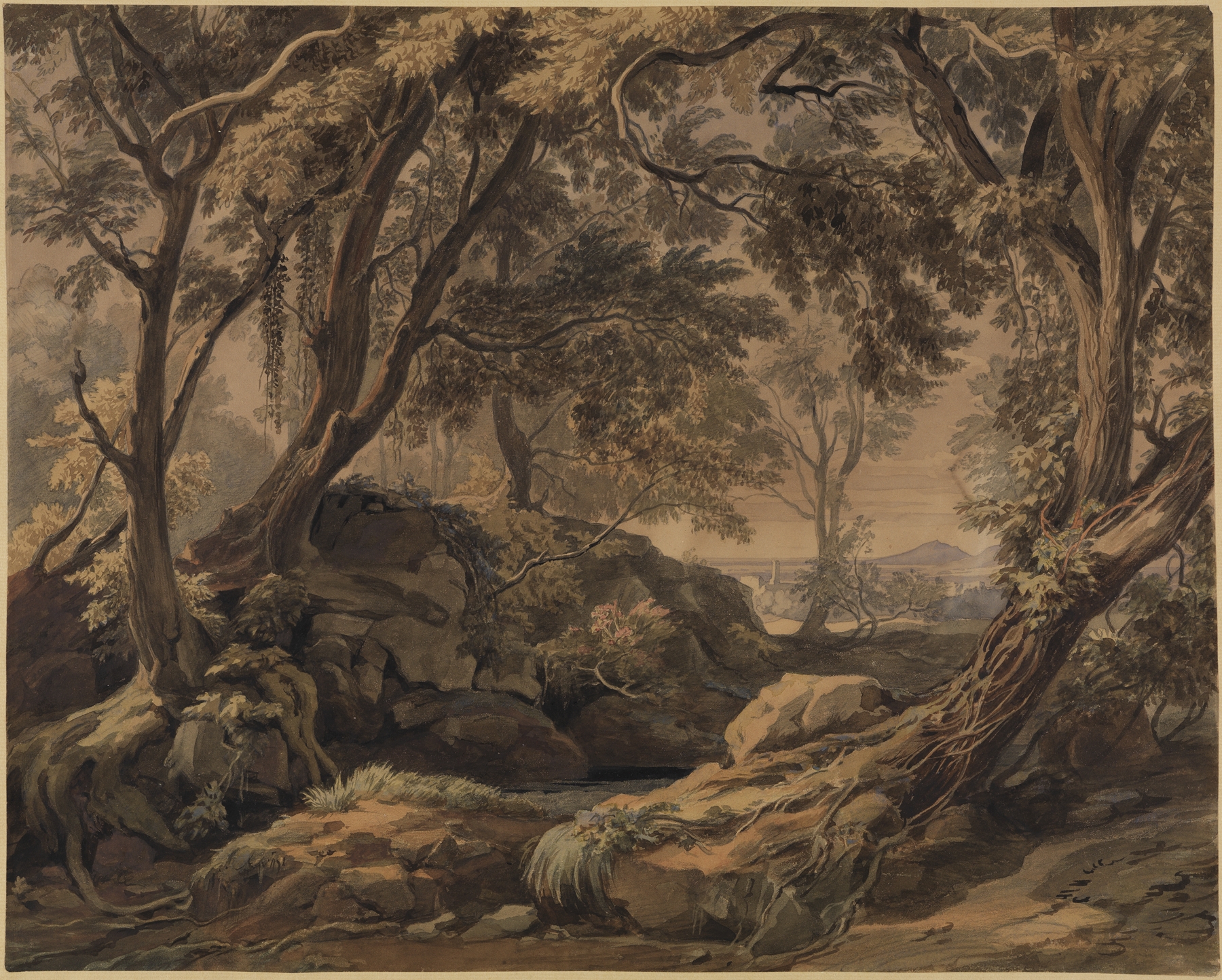
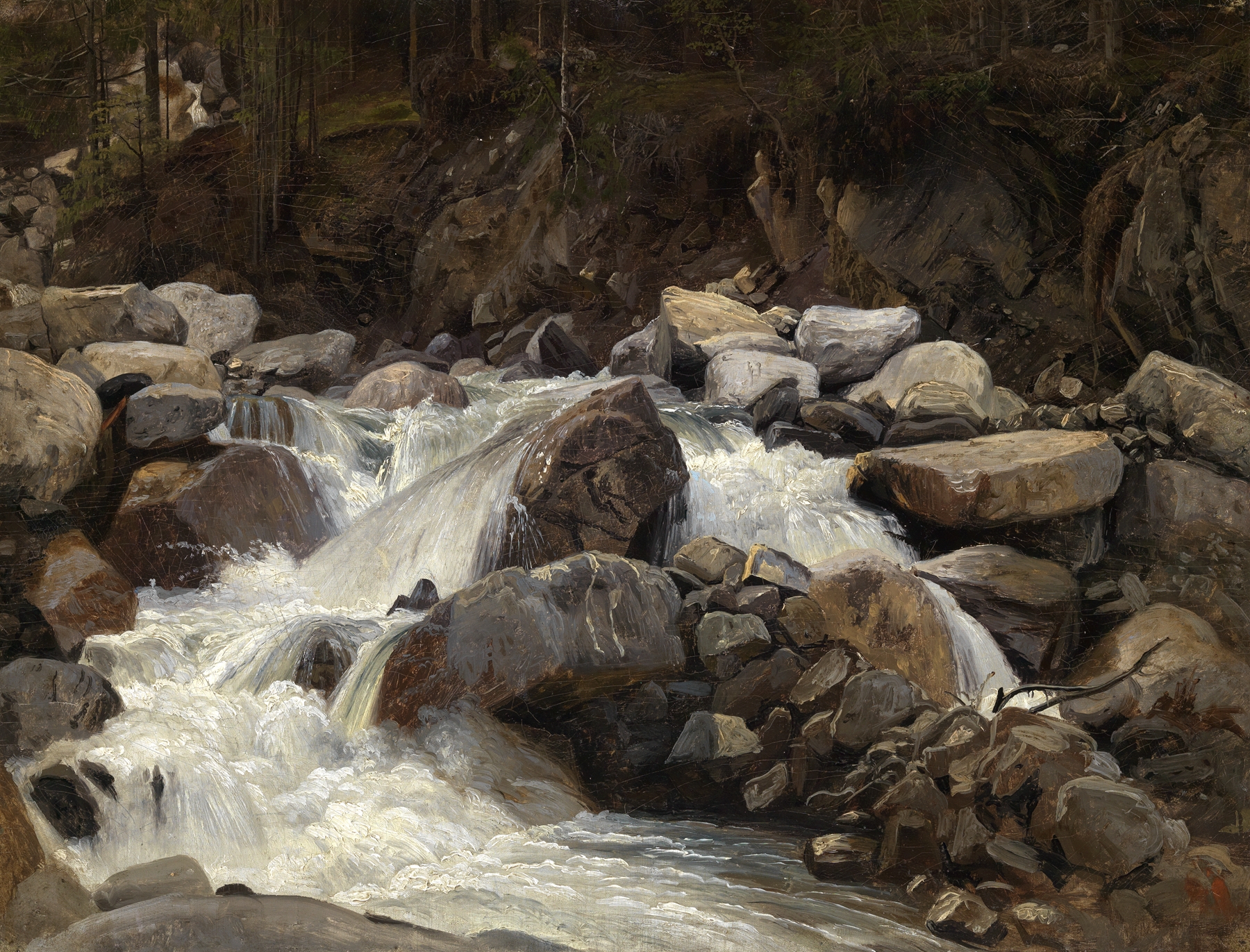
“Every brushstroke is a heartbeat remembered.” In the vast expanse of a quiet landscape, a sense of emptiness lingers, echoing the silent stories of nature. It compels us to confront the haunting stillness that envelops the viewer, inviting a contemplative pause in a world teeming with noise. Focus on the foreground where the gentle flow of the stream beckons your eyes. Notice the delicate brushstrokes that depict the water’s rippling surface, catching the soft, muted light that bathes the scene in a golden hue. The vibrant greens of the foliage contrast with the muted earth tones of the path, drawing you deeper into the tranquil setting.
Each stroke conveys not just form, but emotion—a whisper of life in a seemingly vacant space. Yet, within this serene composition lies a subtle tension between solitude and connection. The trees stand sentinel-like, their strong trunks framing the water, suggesting a barrier between the viewer and the natural world. The absence of figures amplifies this emptiness, urging contemplation of one’s place in the vastness.
The interplay of light and shadow hints at fleeting moments—time passing, yet captured in a state of stillness. Schirmer created Am Bach between 1854 and 1863, a period marked by personal exploration as he sought to refine his landscape techniques. Working in Germany during a time of burgeoning Romantic ideals, he was influenced by the desire to transcend mere representation of nature, aiming instead to evoke emotional resonance through his art. This piece reflects not only his mastery of light and form but also the era's deepening appreciation for the sublime beauty found in solitude.