An der Alb I (mit rastenden Reitern) — History & Analysis
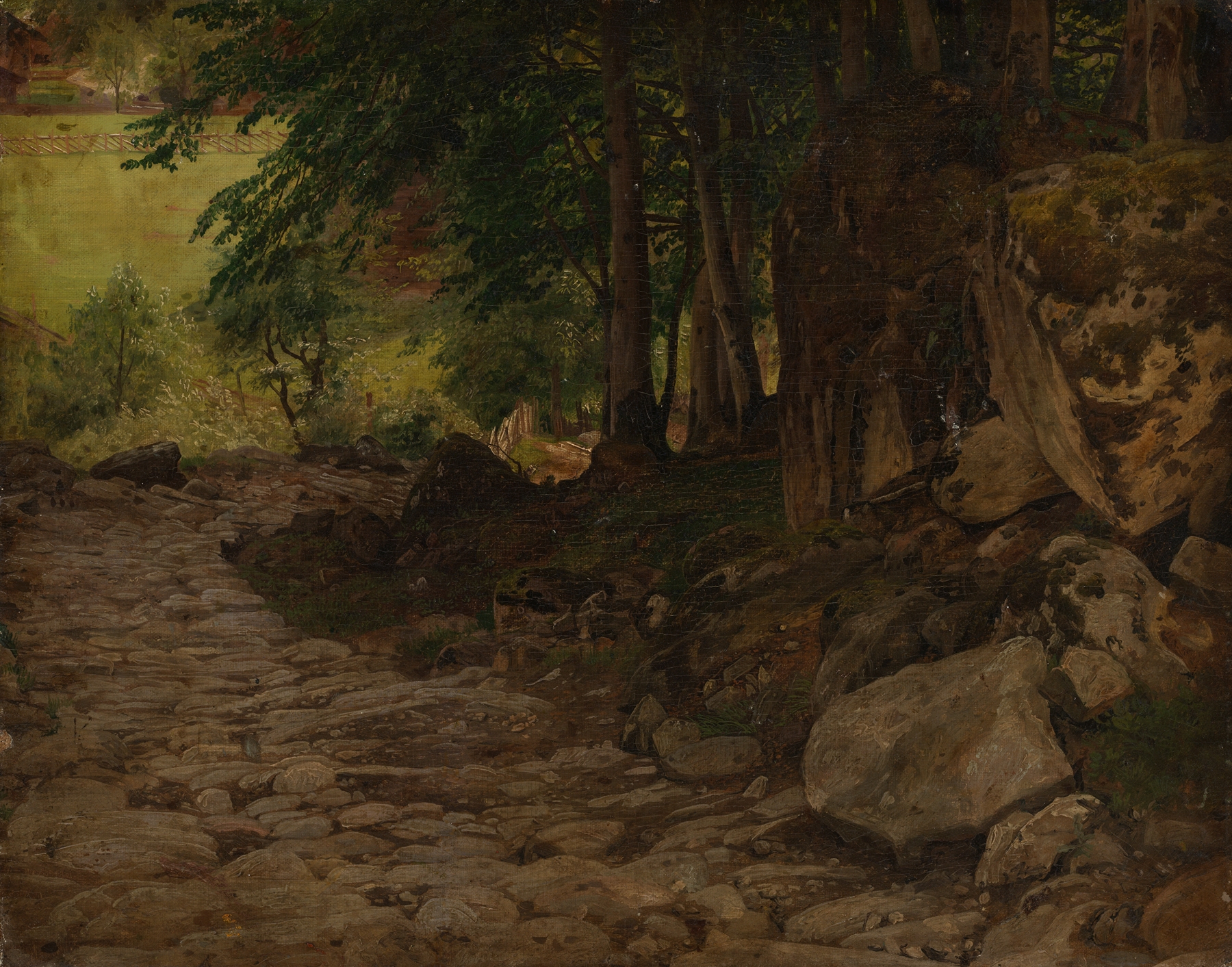
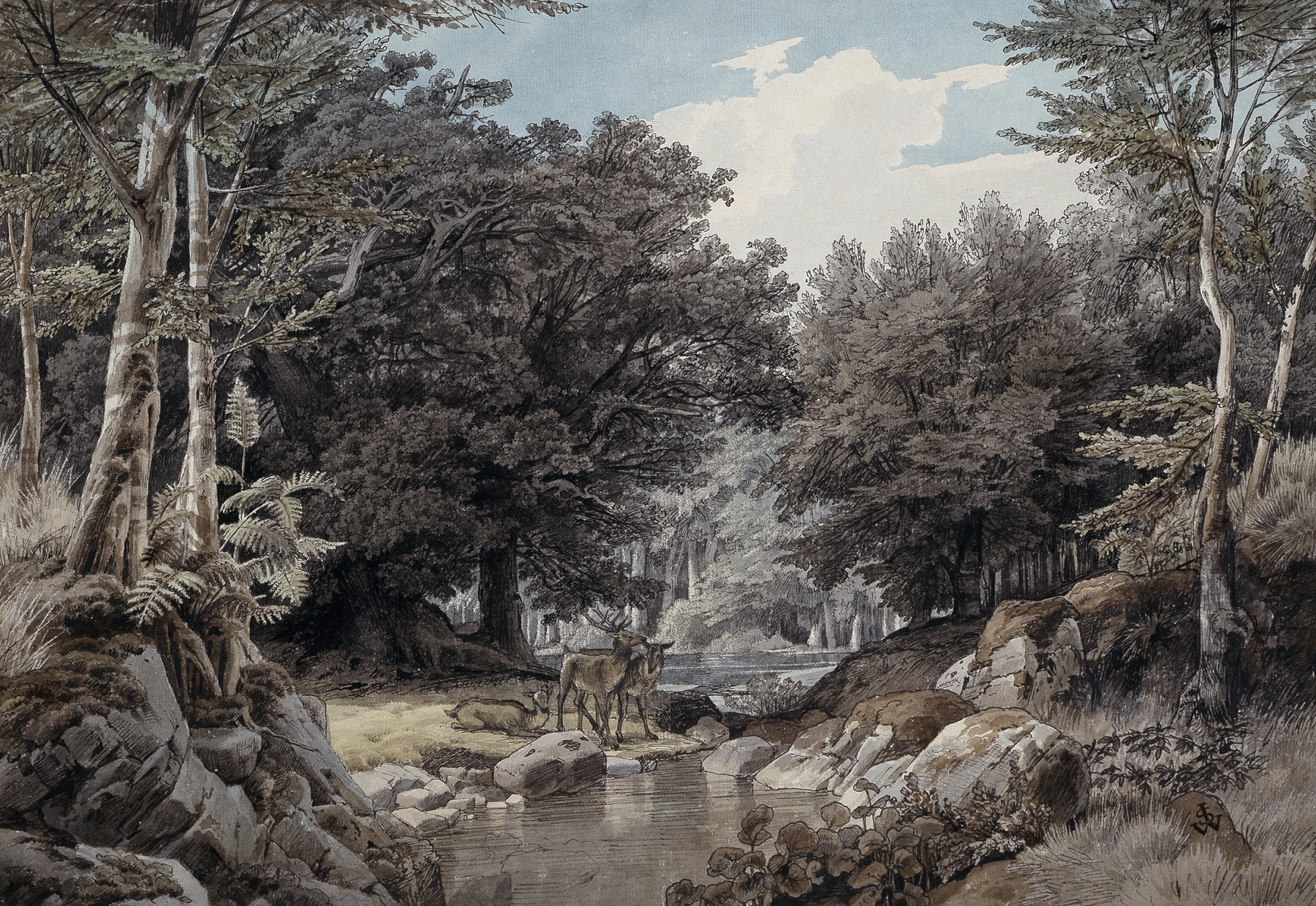
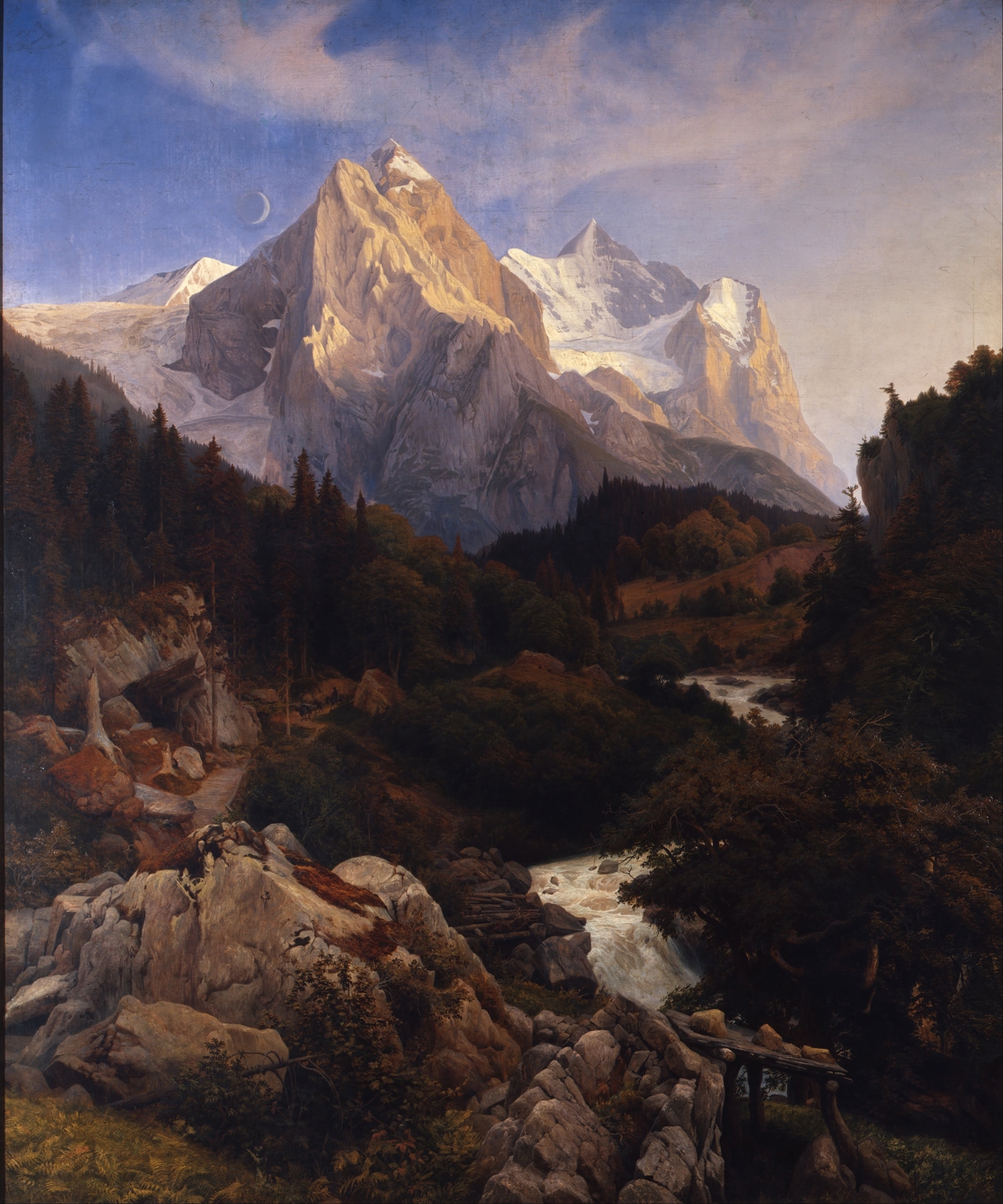
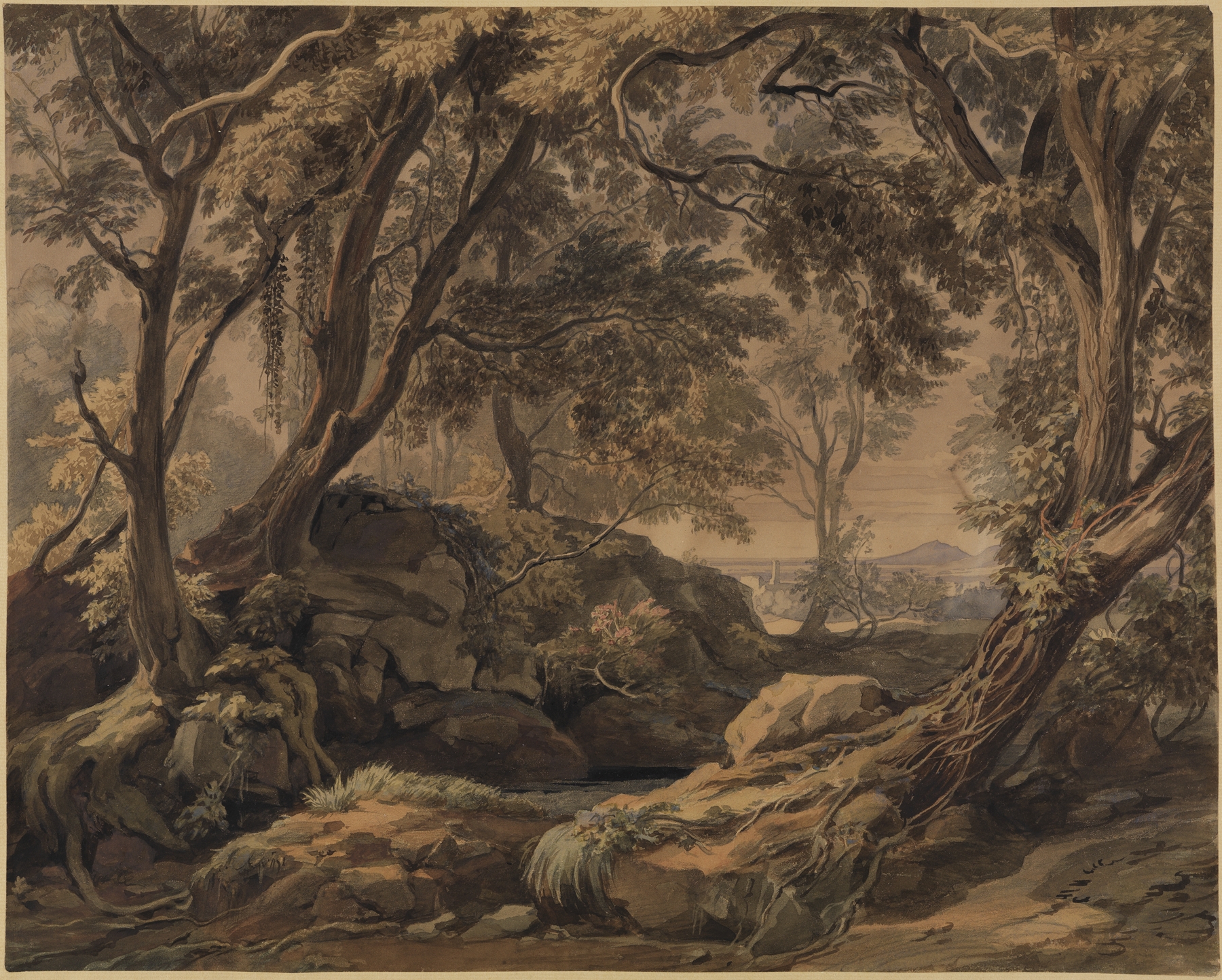
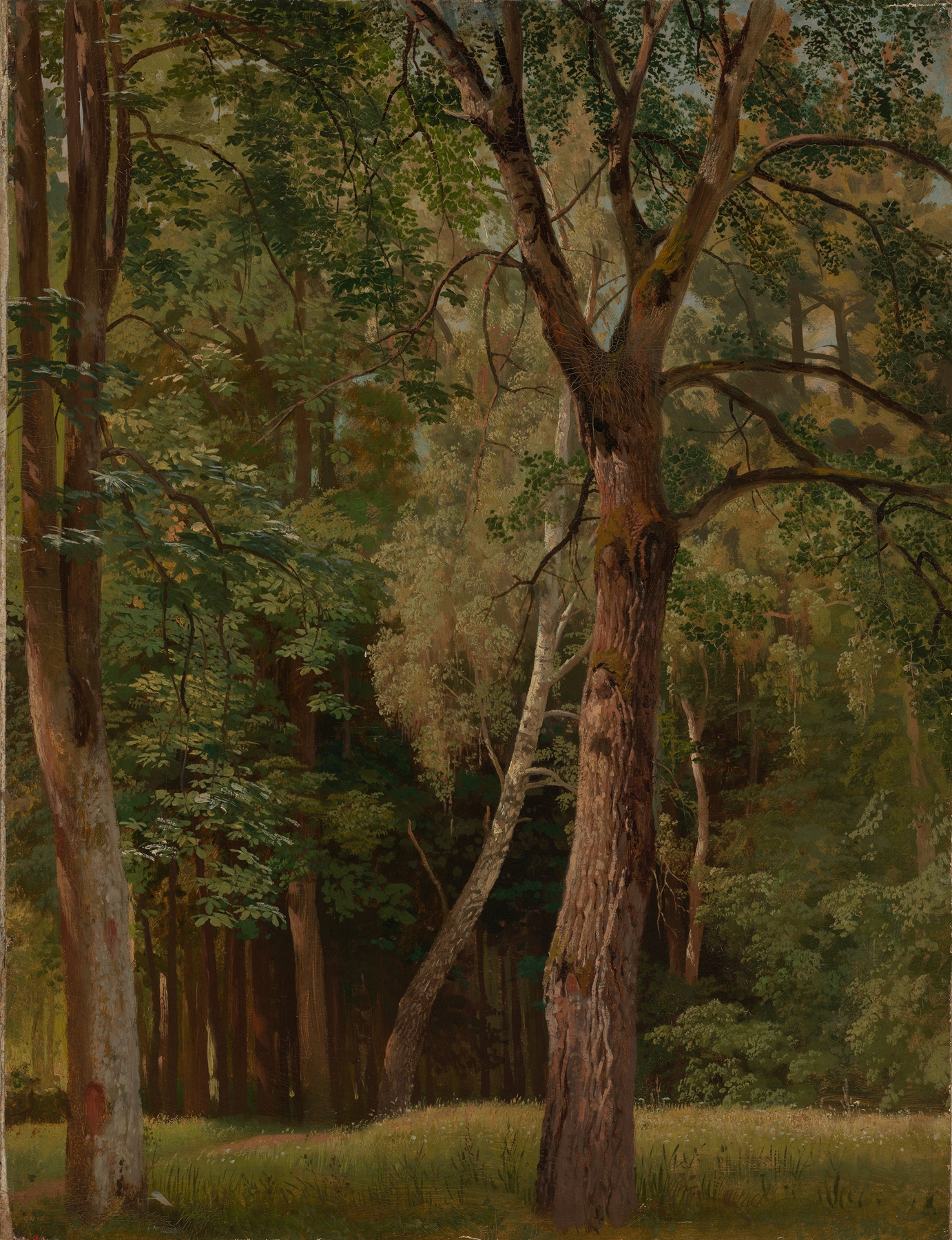
“Between color and silence, truth hides.” In a world awash with noise, how often do we pause to embrace the stillness that envelops the soul? Look to the center of An der Alb I (mit rastenden Reitern); there, a pair of weary riders pause beneath the gentle curvature of a tree's expansive limbs. The soft greens and browns of the landscape whisper in quiet harmony, while the dappled sunlight plays across the riders' forms, illuminating their contemplative demeanor. Notice the intricate brushstrokes that lend texture to the foliage and the delicate blending of hues that evoke a serene atmosphere, drawing you into a moment of introspection.
At first glance, the painting exudes tranquility, yet beneath the surface lies a tension between rest and the journey ahead. The riders, though momentarily at ease, seem burdened by thoughts too heavy to share. The gentle ripples of the river in the background mirror their inner struggles, suggesting a longing unfulfilled. This interplay of stillness and movement serves as a metaphor for life's transient nature, where every pause is tinged with the melancholy of what lies beyond the moment.
In the years leading up to 1858, Schirmer was establishing his reputation as a leading figure in landscape painting in Germany. He was deeply influenced by the Romantic movement, which celebrated the connection between nature and emotion, and during this period, he sought to convey both the beauty and the introspective qualities of the landscapes around him. The world was shifting, with industrialization beginning to encroach upon the serenity of nature, prompting artists like him to reflect on the essence of both the land and the human spirit.