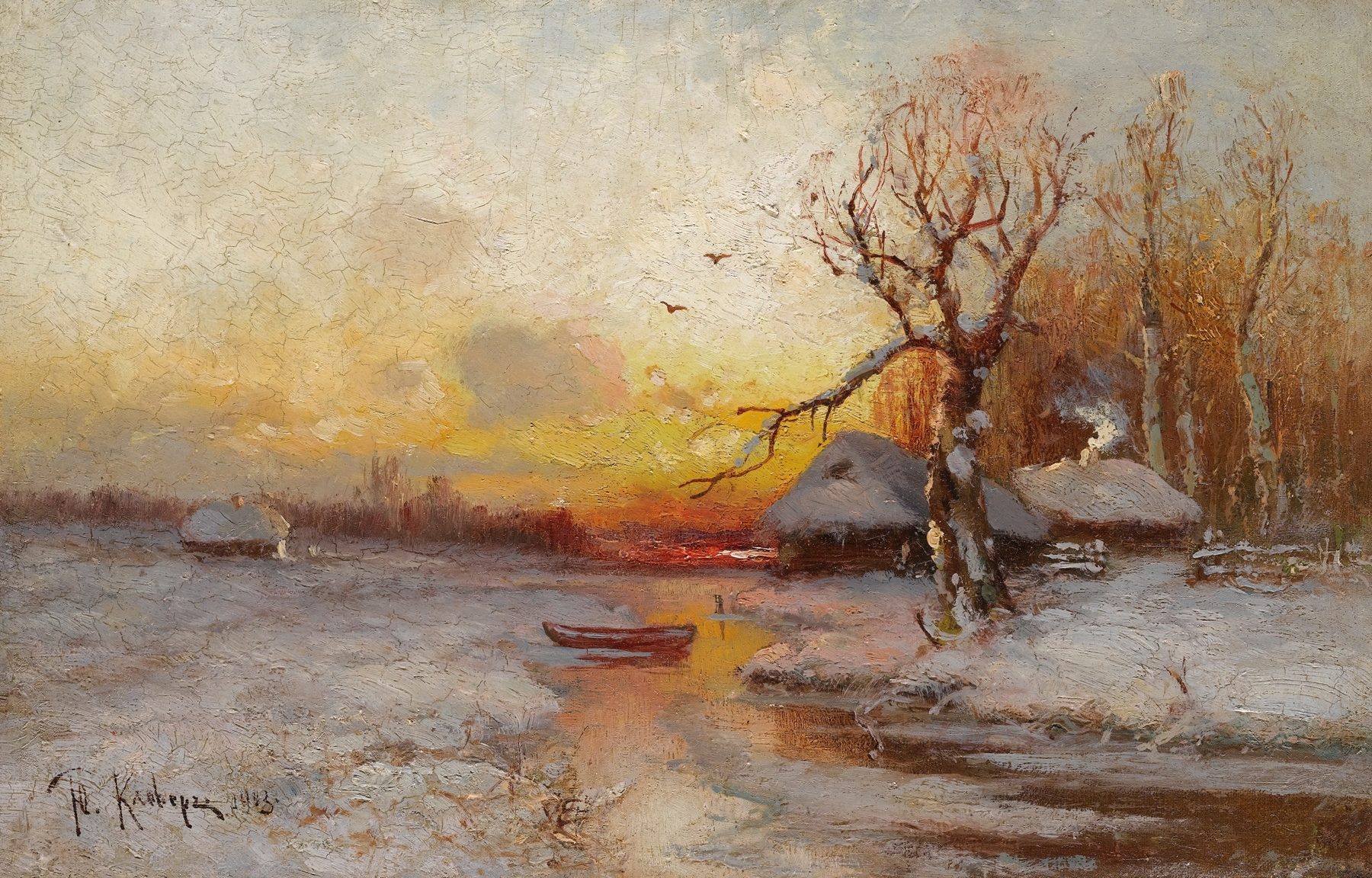
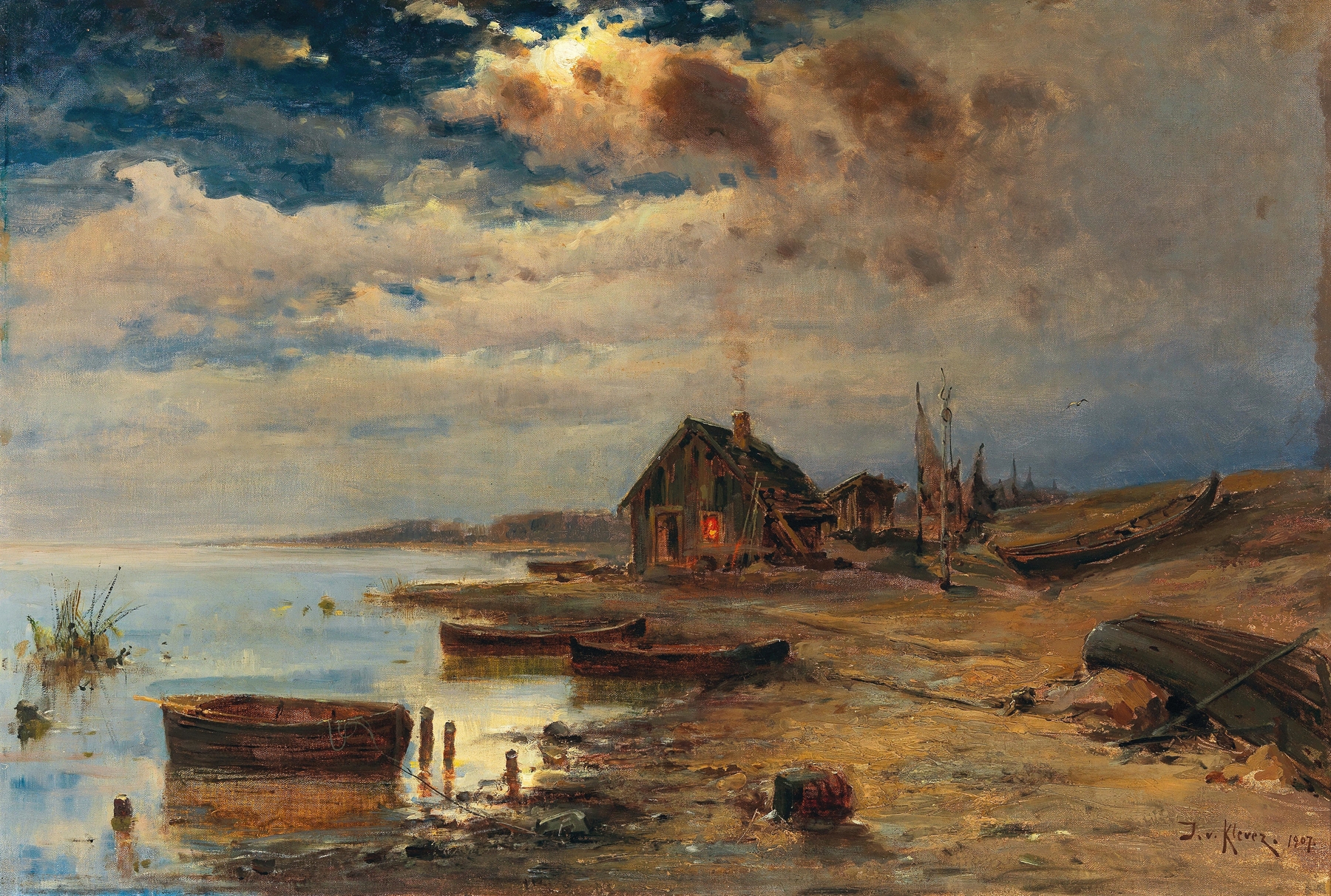
An early spring landscape with a beech tree in the foreground — History & Analysis
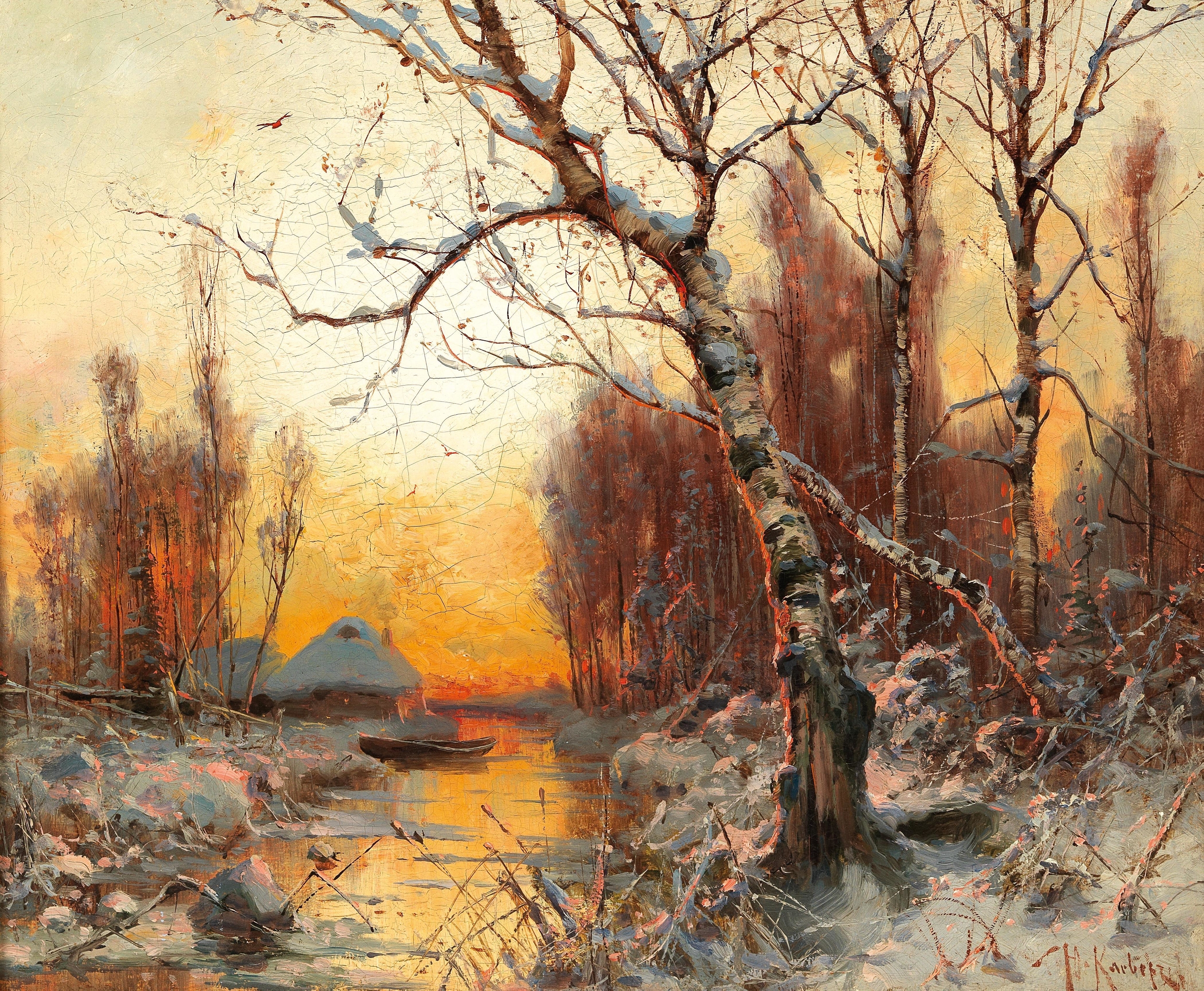
What if beauty was never meant to be finished? This question lingers over the canvas, inviting the viewer to explore the transient allure of nature captured in the artwork. Look immediately at the beech tree, its elegant trunk curving gracefully towards the sky, demanding your focus. Notice how the artist meticulously layers soft greens and vibrant yellows, breathing life into the foliage and allowing sunlight to dance through the leaves.
The background, a gentle wash of blue sky and distant hills, frames the scene, while the ground beneath is adorned with a carpet of budding flowers, symbolizing renewal and awakening. Beneath the serene surface, contrasts unfold—the sturdy beech tree stands as a sentinel of strength amidst the ephemeral joy of spring. The interplay of light and shadow suggests fleeting moments, where the beauty of the season is both celebrated and inevitably destined to fade. There’s a palpable tension between the solid presence of the tree and the soft, delicate blossoms, creating a dialogue about permanence and the ephemeral nature of life.
In 1906, as Julius Sergius Klever painted this landscape, he was immersed in Russia’s artistic revival, embracing Impressionism while developing his distinct style. It was a time of exploration and change, as artists sought to capture their surroundings with new eyes, forging connections between nature and human emotion. Klever's work reflects this pivotal moment in art history, encapsulating both a celebration of the natural world and the complexities of its fleeting beauty.