Ancienne barrière de Paris, ‘barrière blanche’ — History & Analysis
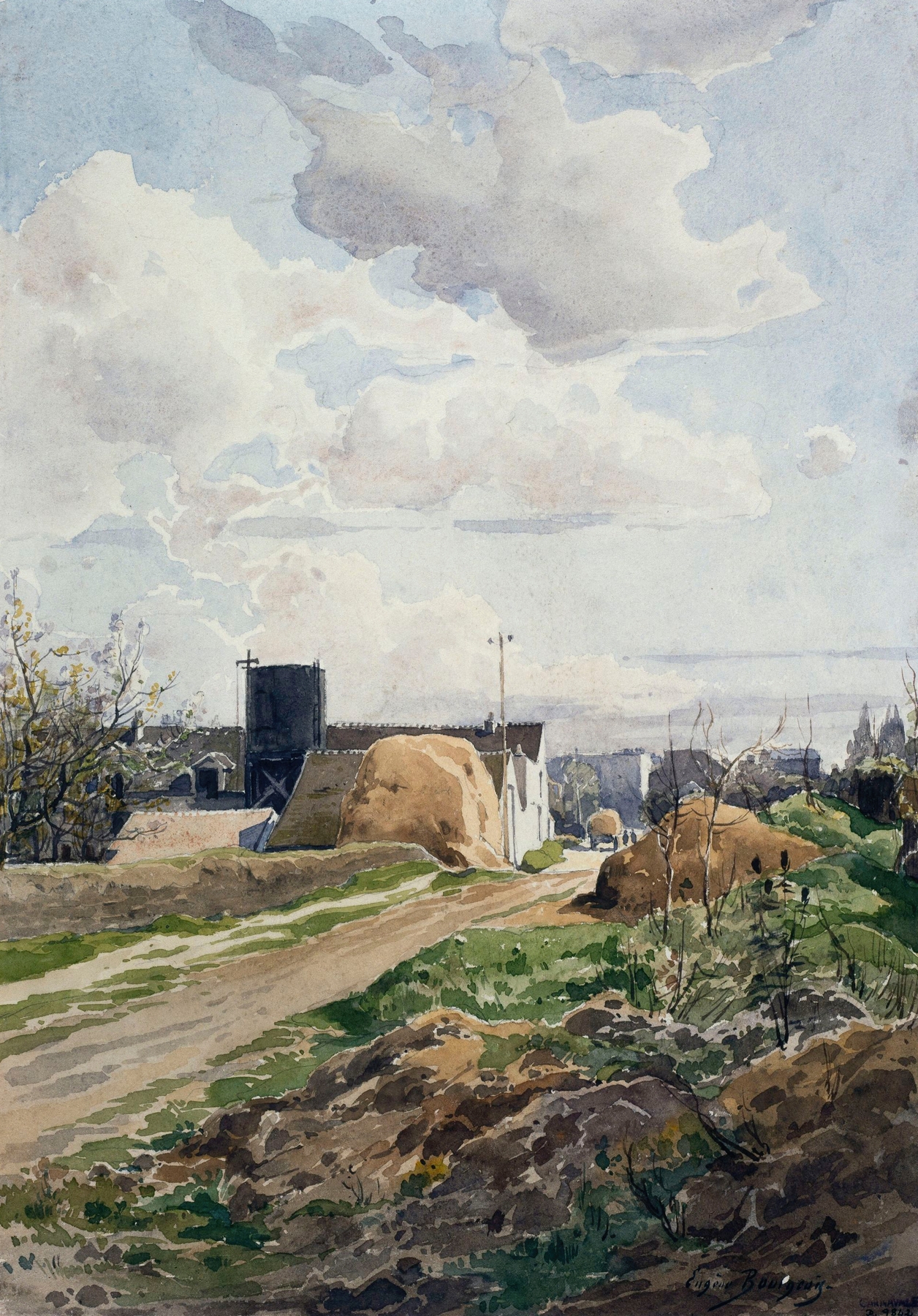
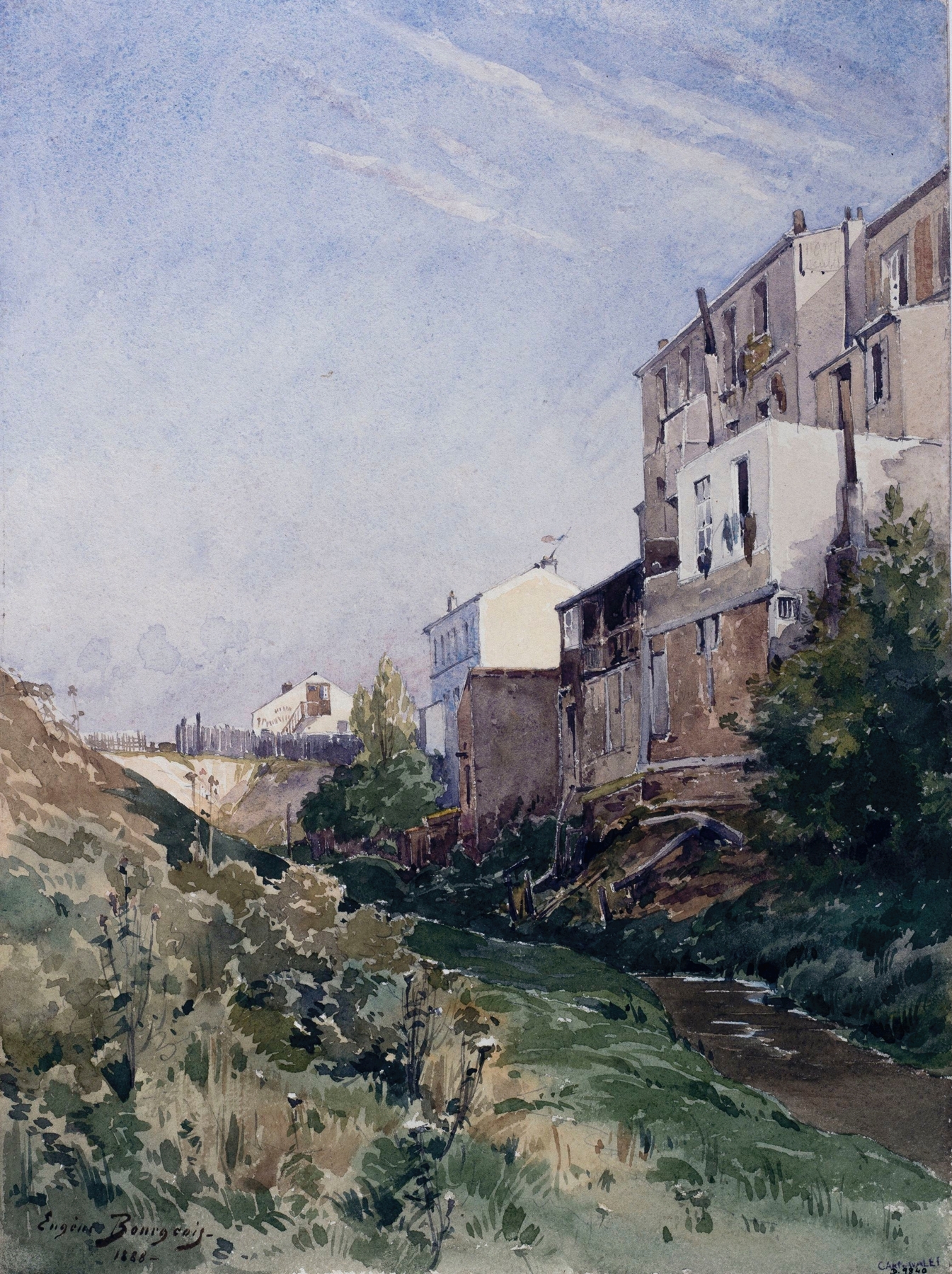
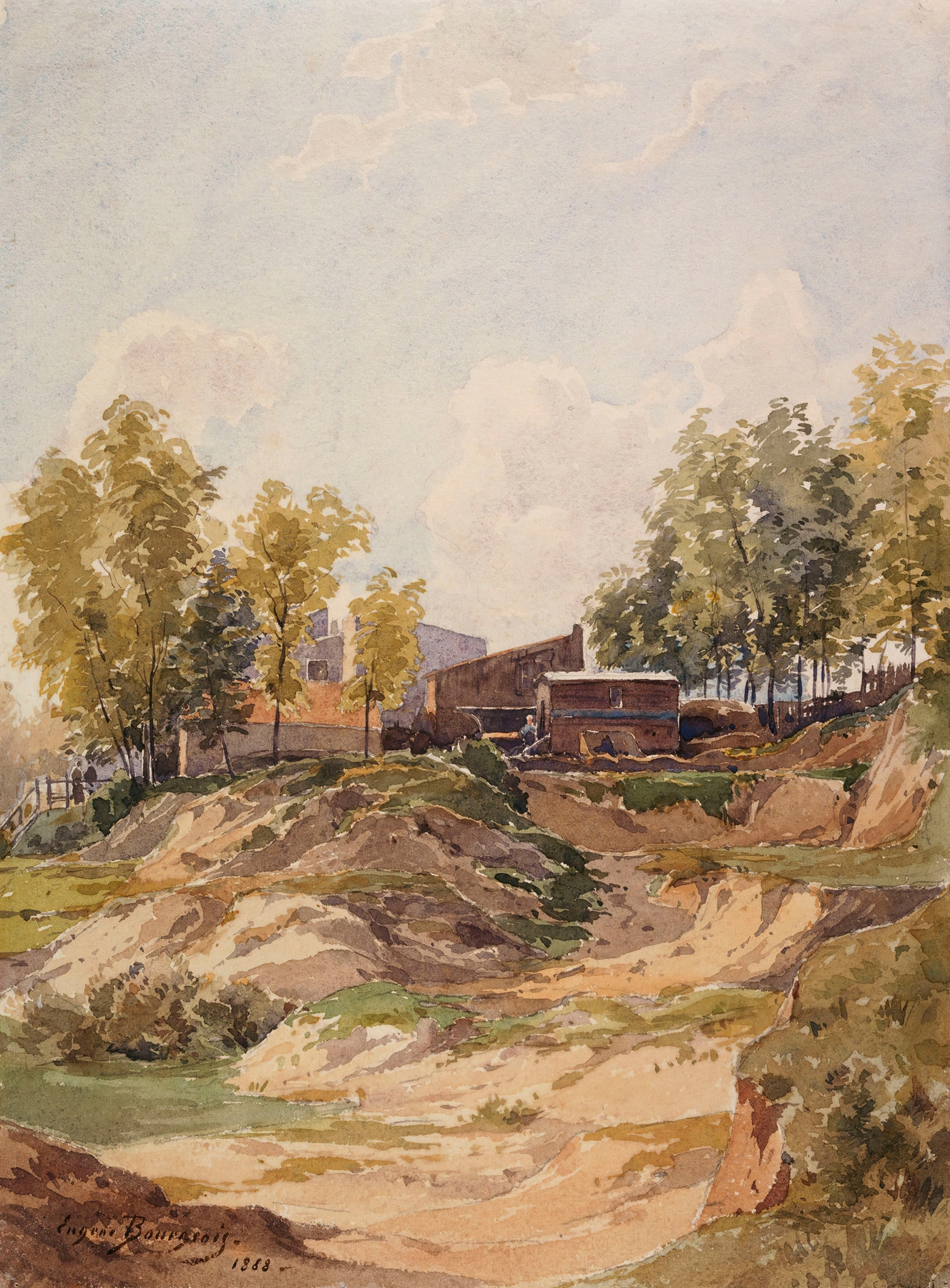
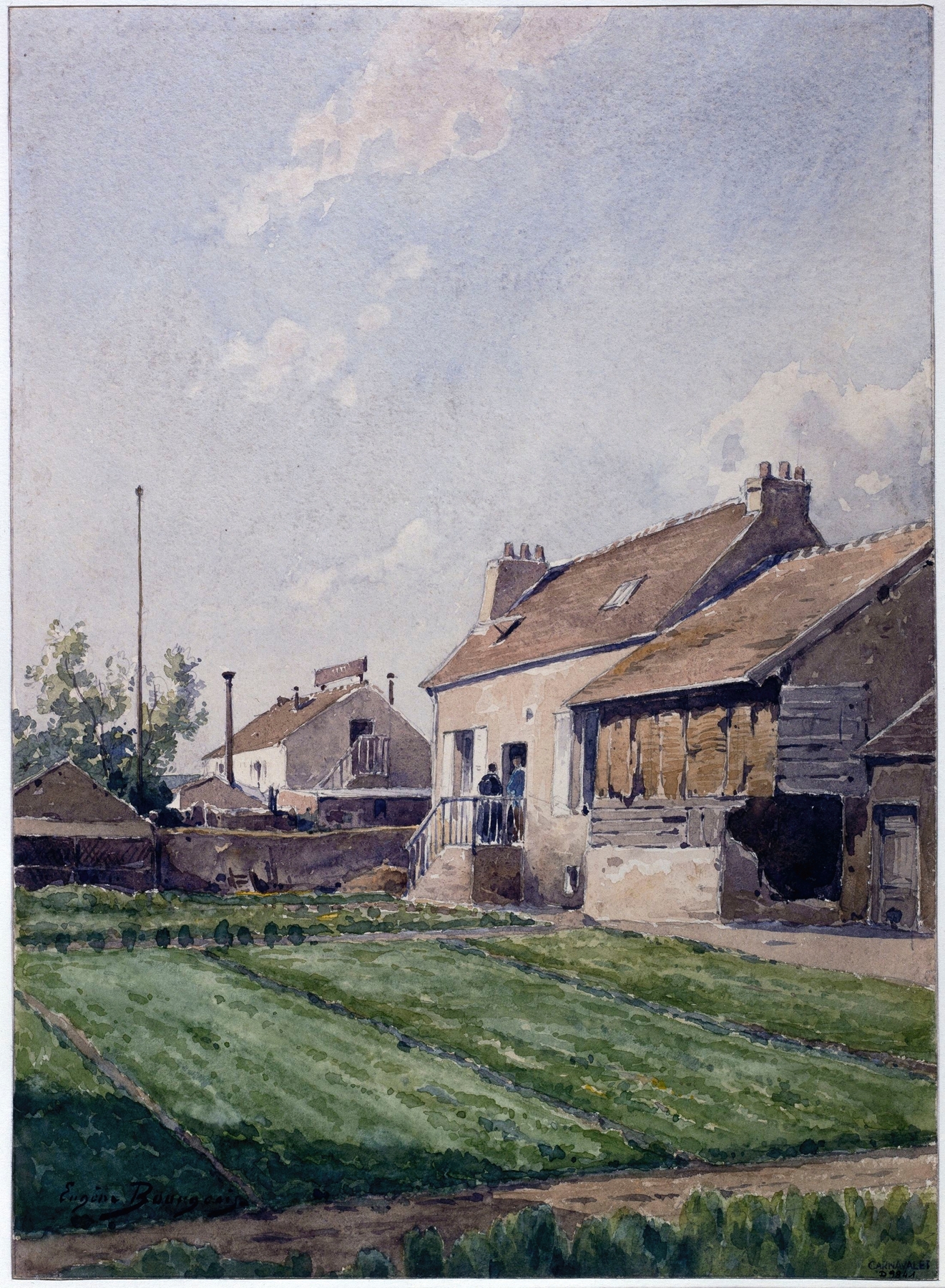
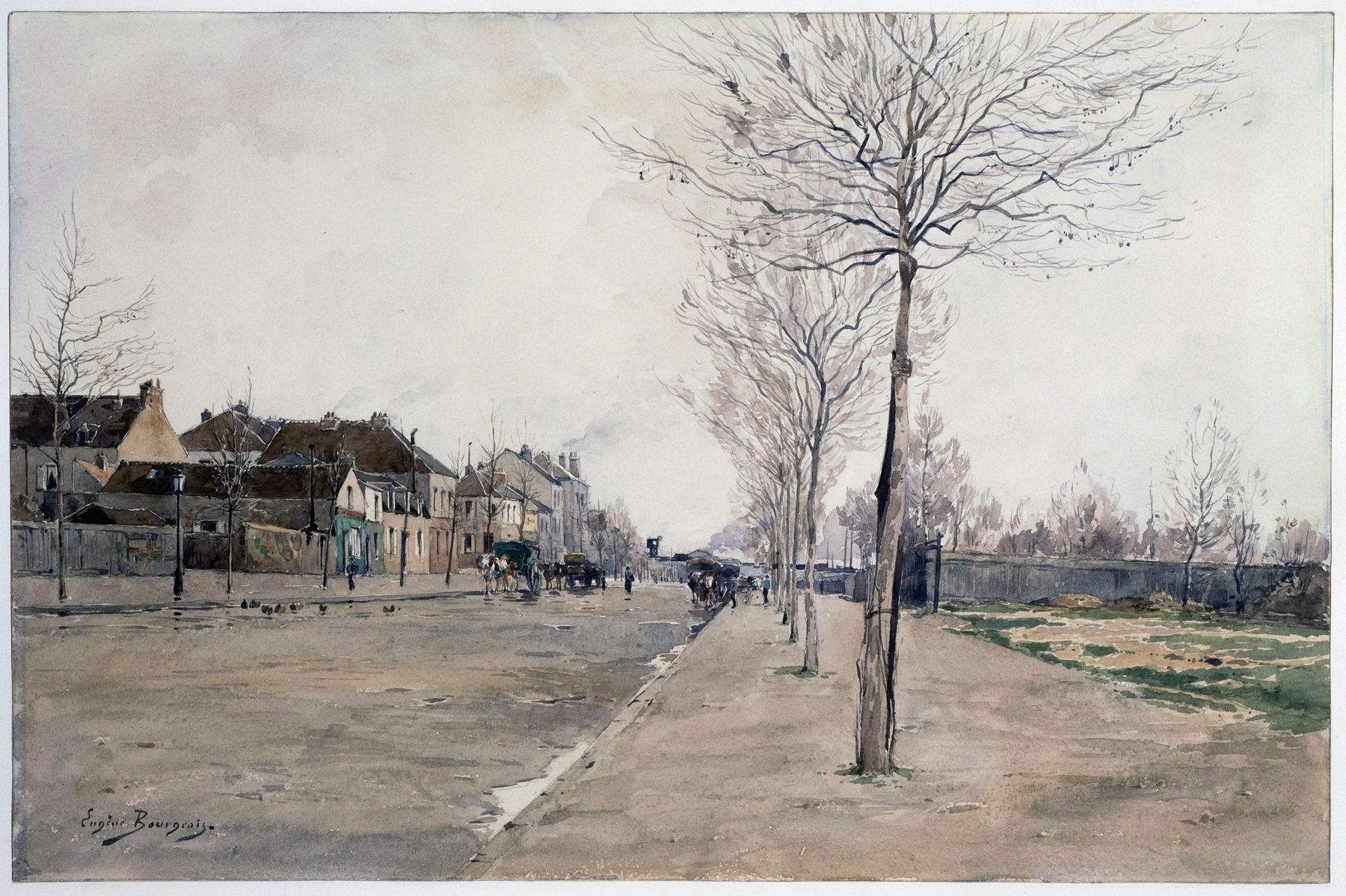
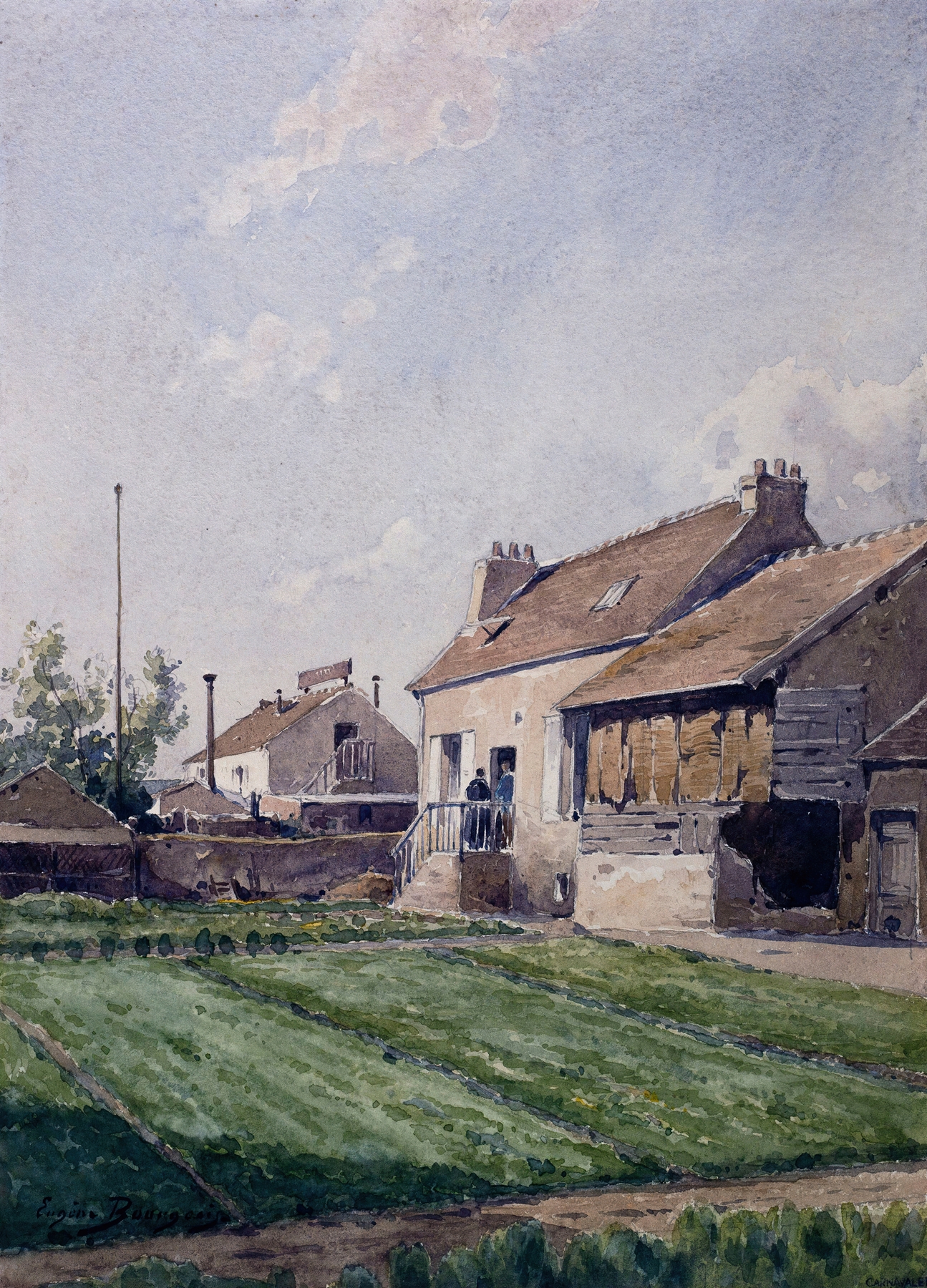
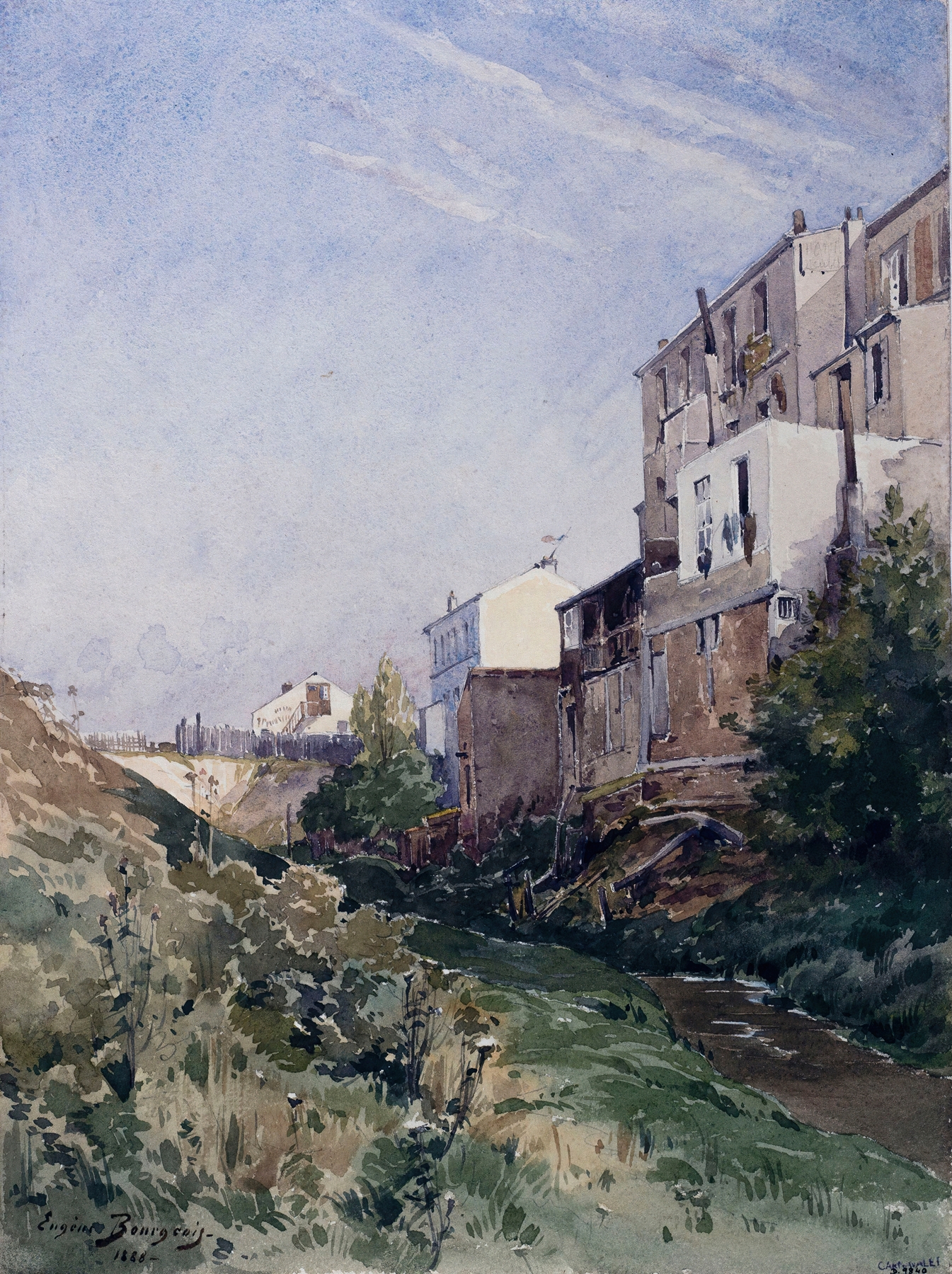
“Every silence here is a confession.” In stillness, we confront the essence of creation, where the unsaid takes on weight and presence. Look to the foreground of the canvas, where the pale hues of the stone structure invite you to explore its austere beauty. The artist expertly captures the texture of the walls, employing a soft palette of whites and creams, contrasting against the deep greens of the surrounding foliage. The play of light across the barrière draws the eye, illuminating its sharp lines and gentle curves, while shadows linger, hinting at stories left untold.
Delve deeper into the subtle emotional layers; the almost sterile façade of the barrière suggests isolation, yet the vibrant life of the trees in the background breathes vitality into the scene. There’s a tension between the man-made and the natural, as if the barrier stands as a silent witness to the passage of time and the ebb of life around it. This juxtaposition evokes feelings of both confinement and freedom, prompting contemplation on the boundaries we impose in our own lives.
Bourgeois painted this piece during a time of rapid change in Paris, likely around the late 19th century, a period marked by urban transformation and industrial progress. As the city expanded, artists grappled with evolving landscapes and the impact of modernity on traditional life. In this context, the artwork reflects Bourgeois’ engagement with themes of structure and space, embodying a moment of reflection amid the bustling life of the city.