La Maison de Victor Hugo à Paris avenue d’Eylau — History & Analysis
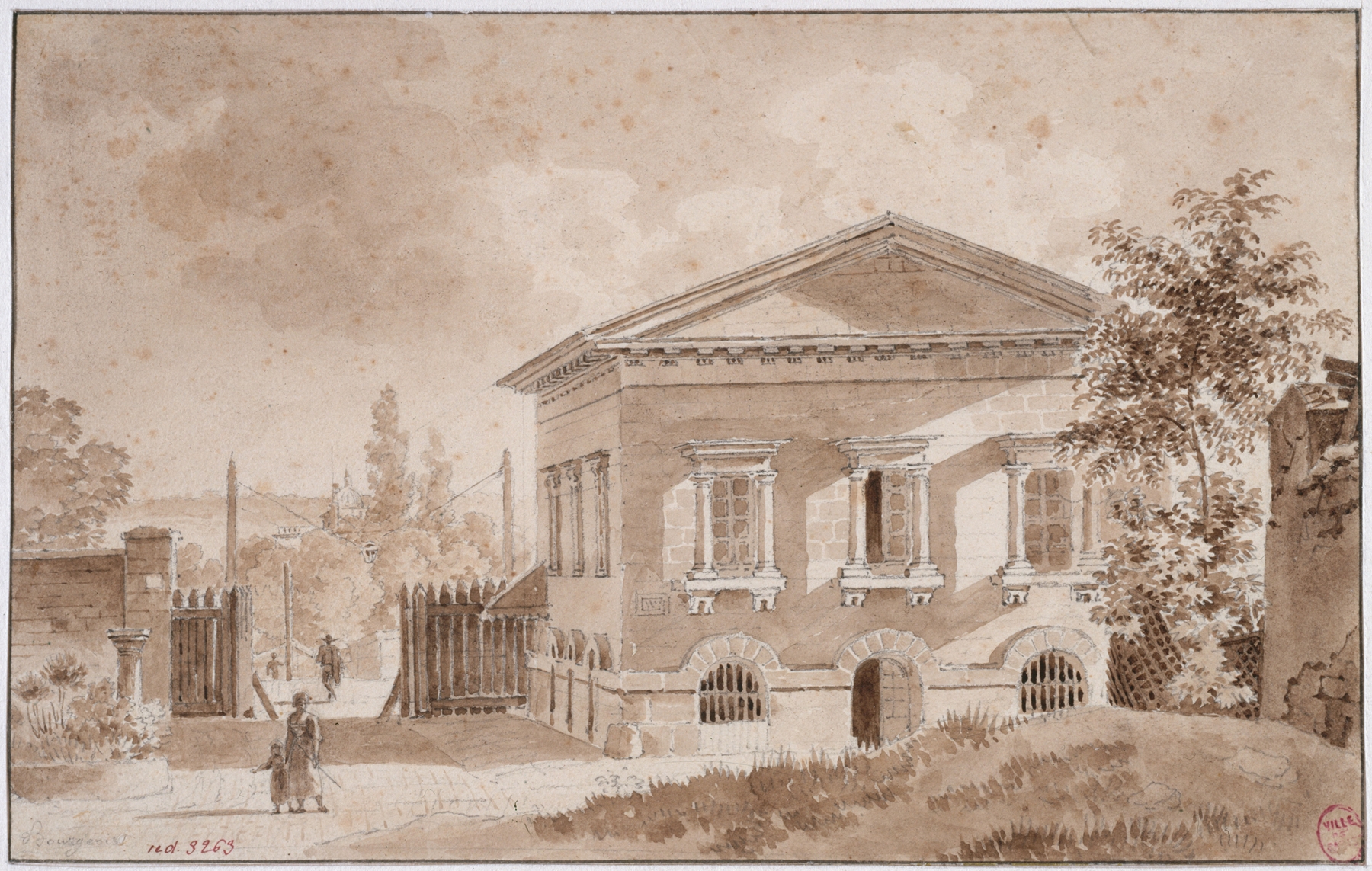
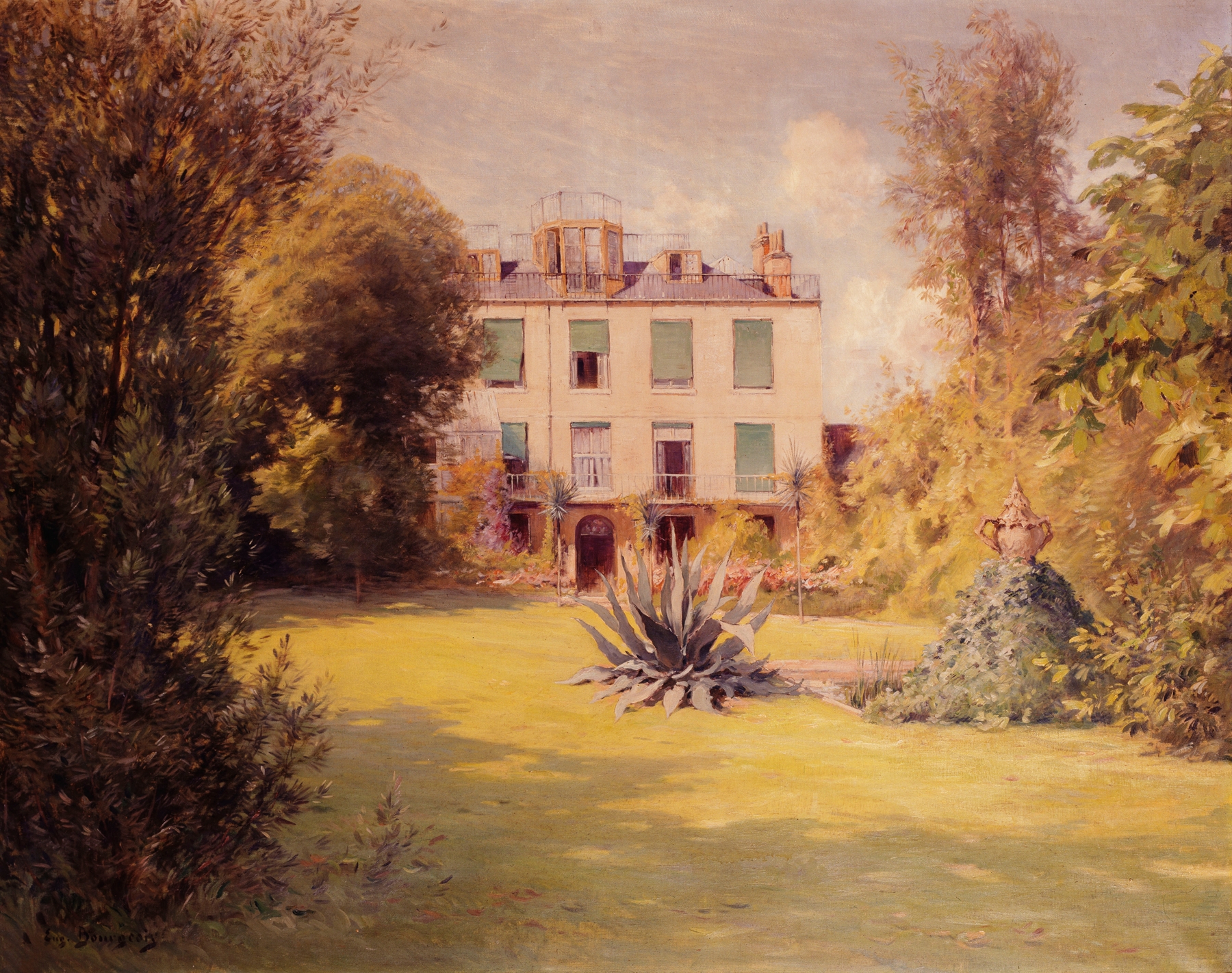
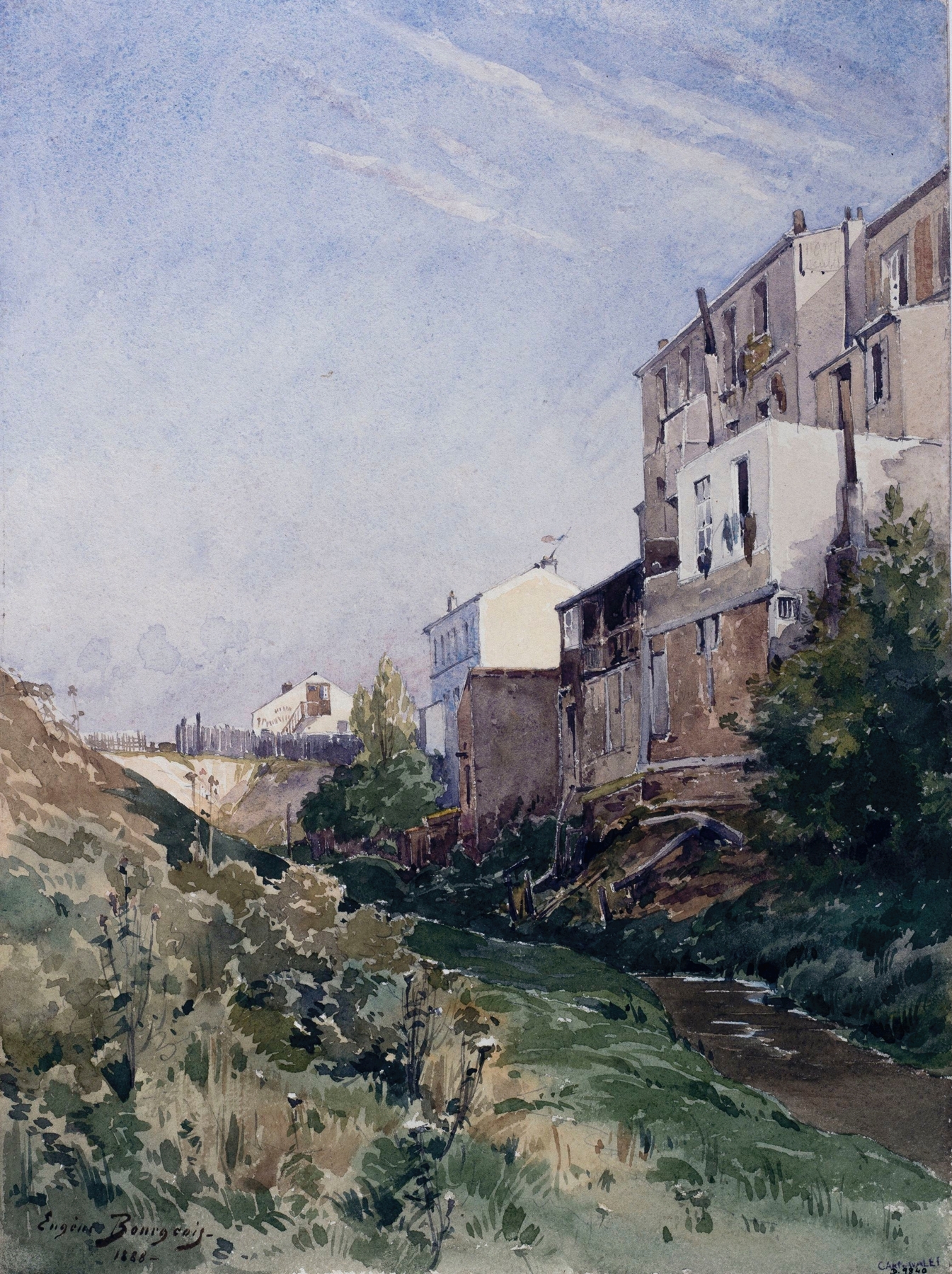
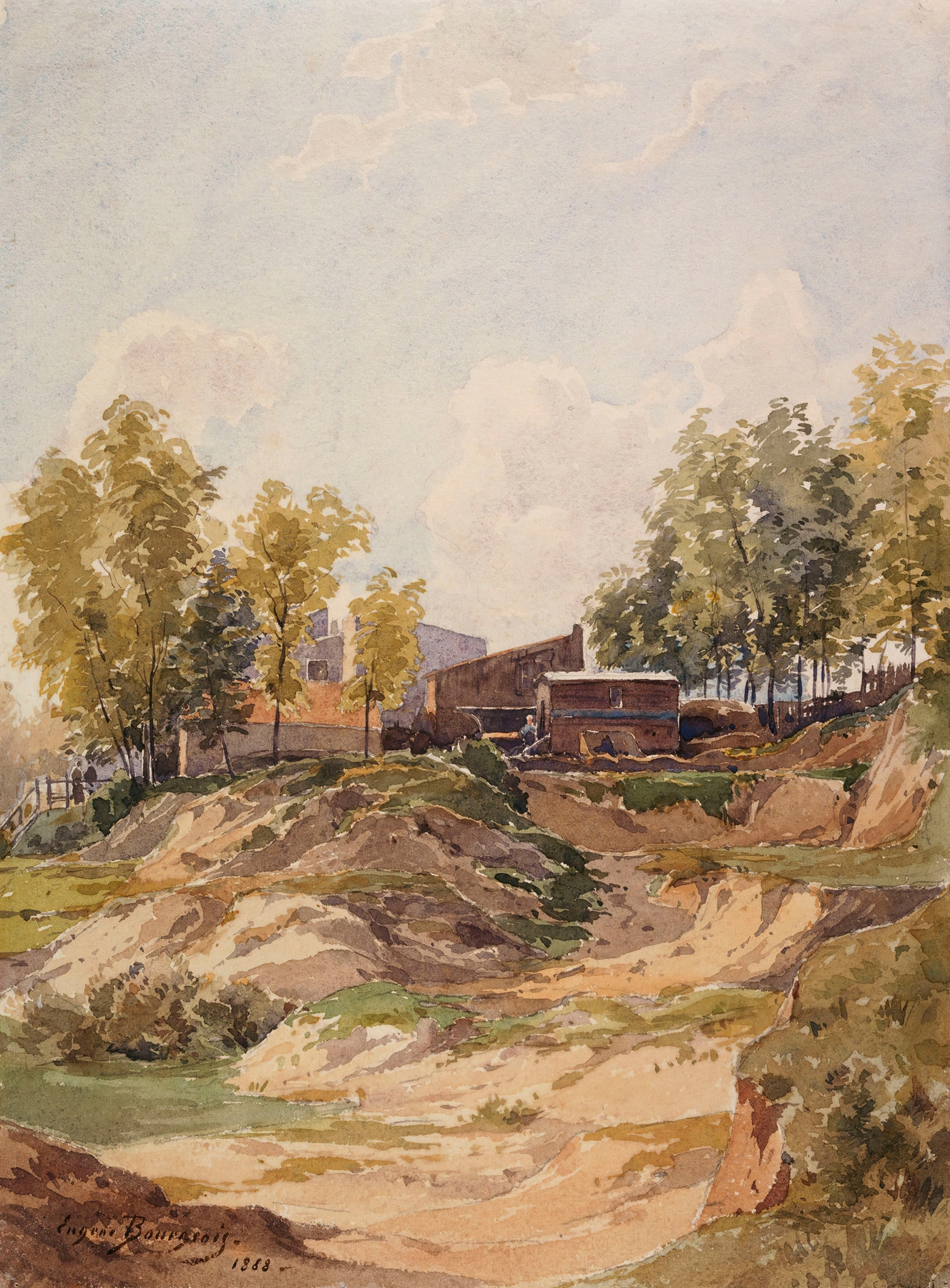
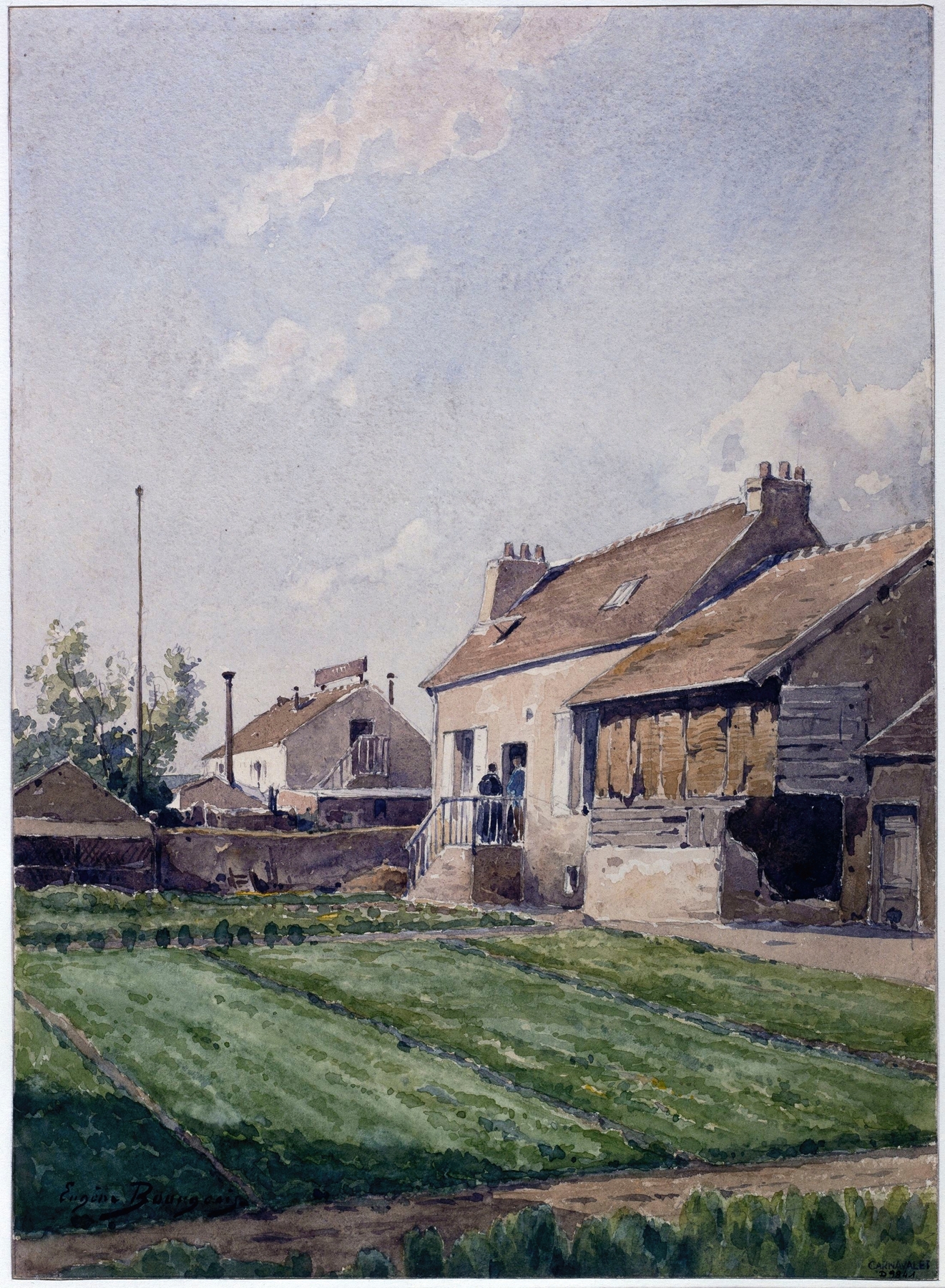
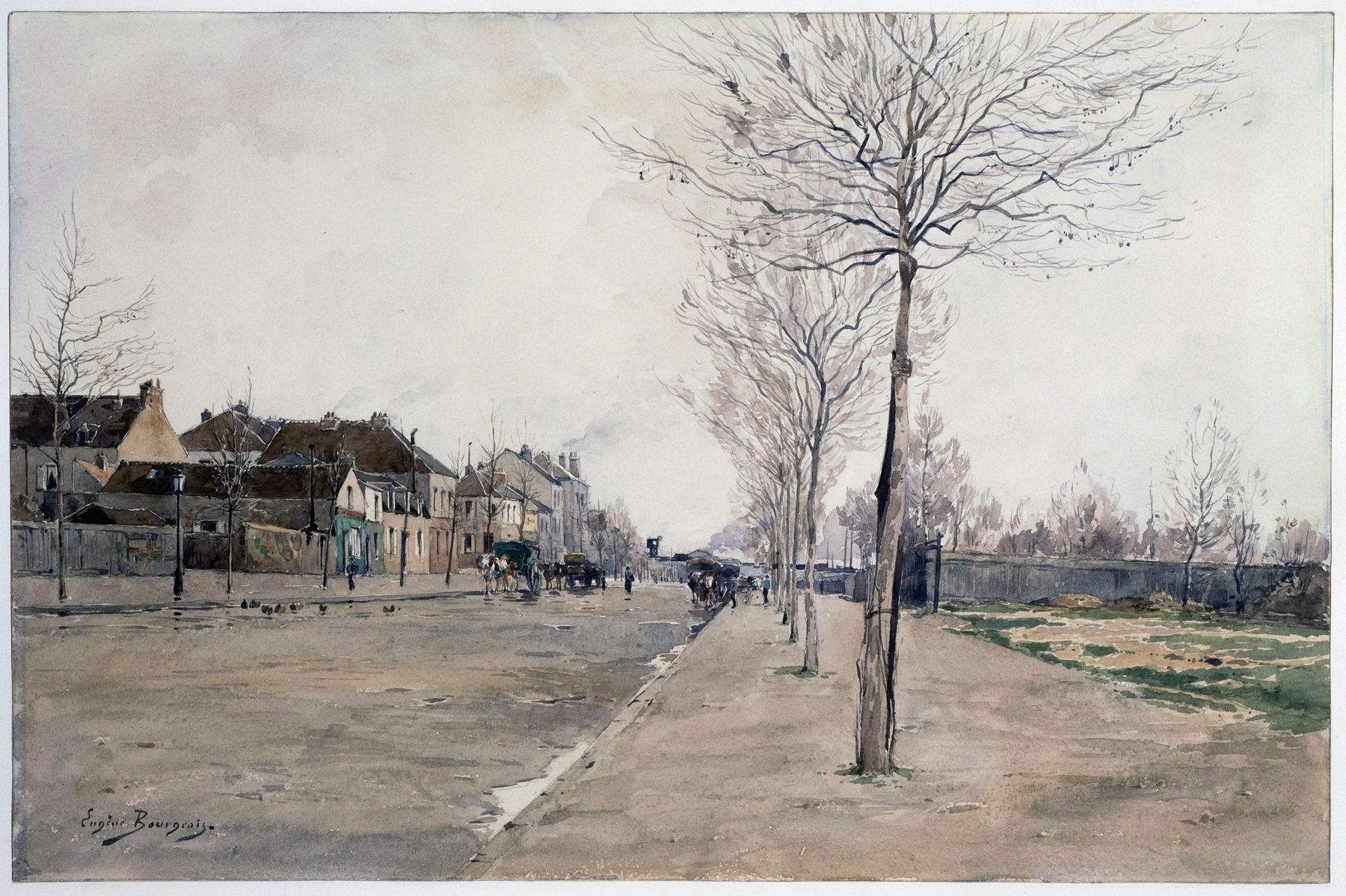
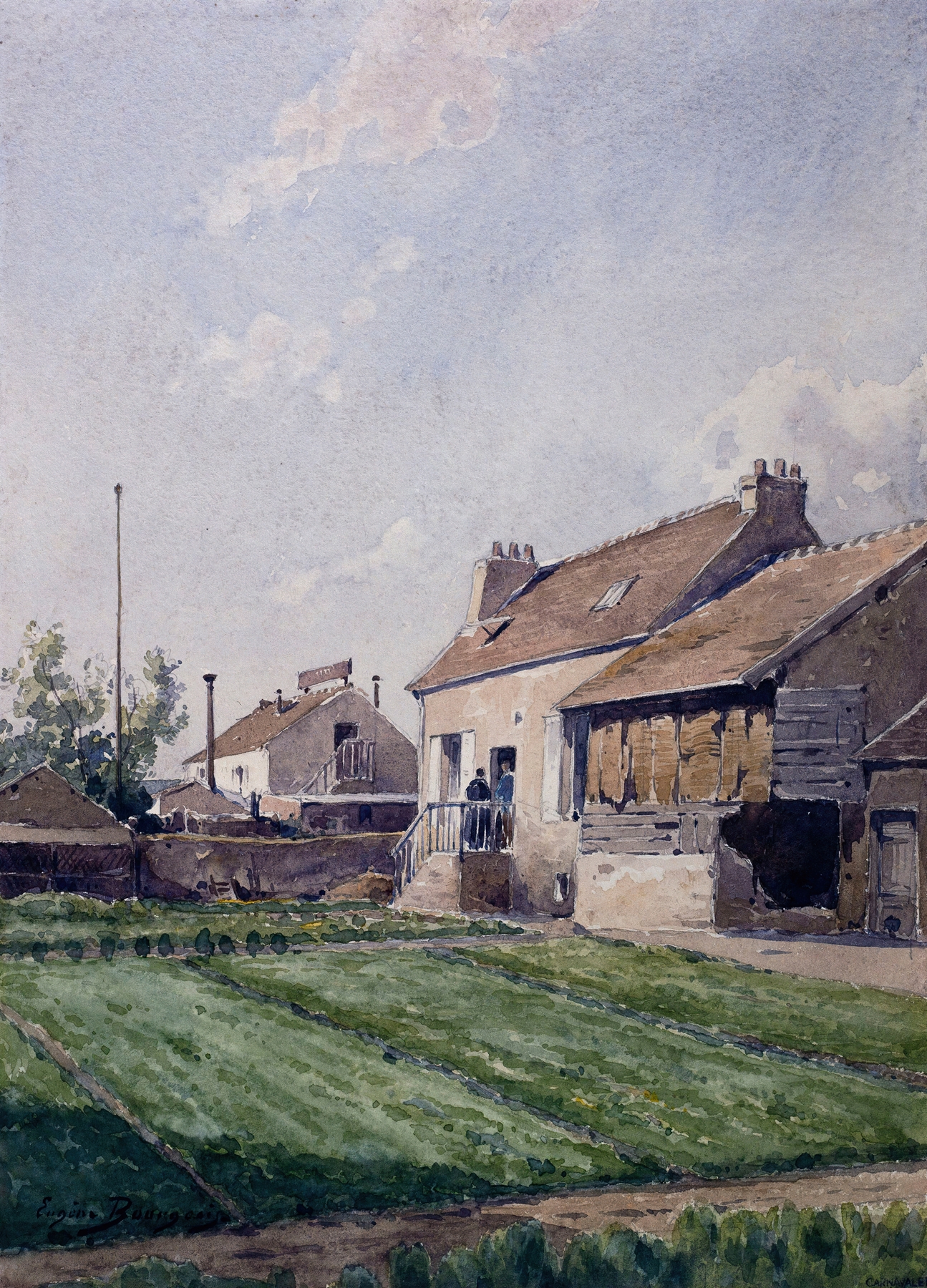
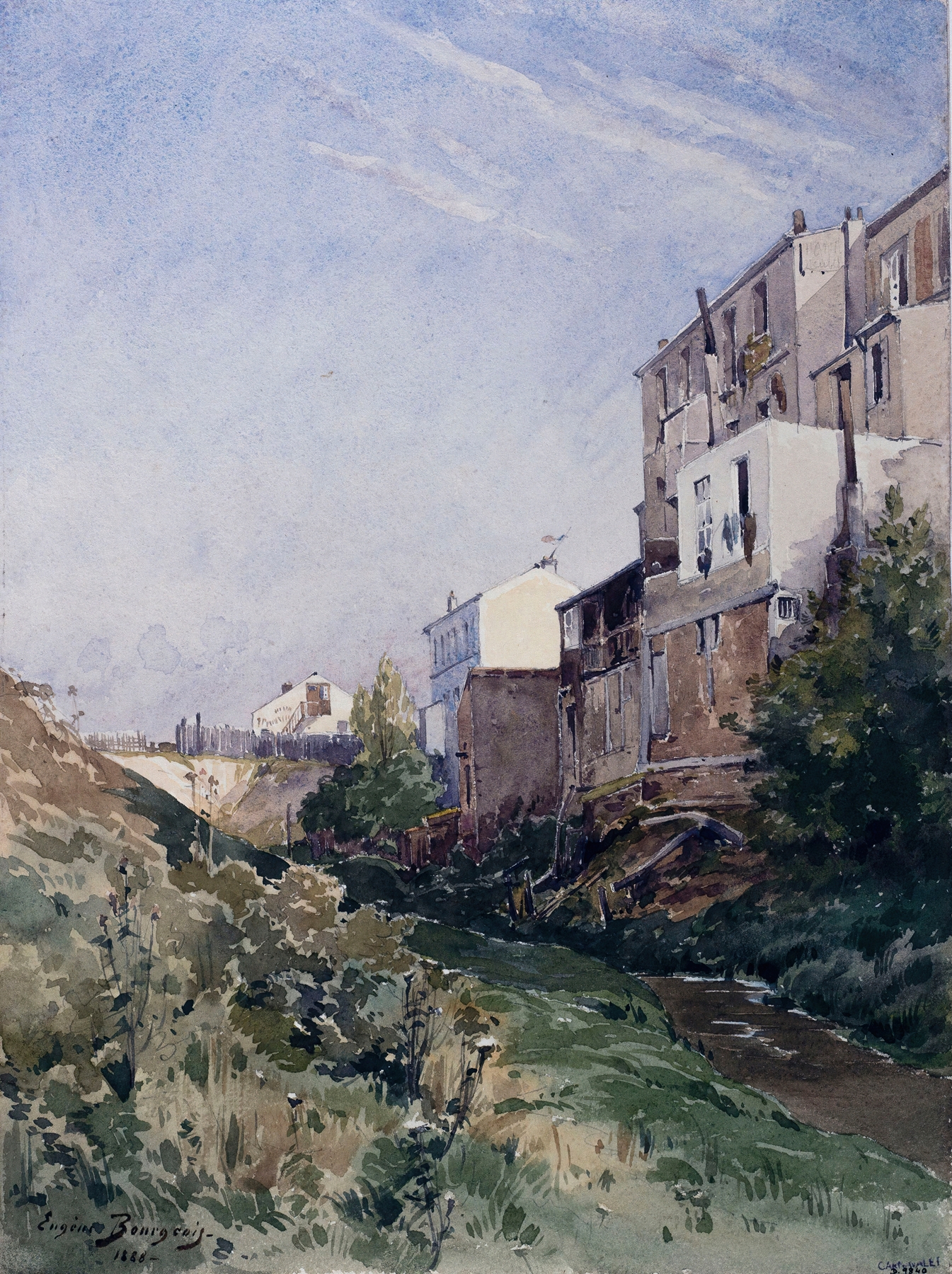
“Between color and silence, truth hides.” In the stillness of a Parisian afternoon, where shadows mingle with fading light, a haunting melancholy pervades the scene. It whispers of the past, inviting viewers to delve into the heart of a home that cradled dreams and sorrows alike. Look to the left where the facade of the building stands resolute, painted in soft hues that evoke a sense of nostalgia. Notice how the gentle strokes of the artist convey texture and depth, allowing the viewer to feel the weathered surface of the walls. The delicate interplay of light and shadow enhances the intricate details of the windows, hinting at the stories hidden behind closed doors.
The overall palette is muted, embodying the somber spirit of the place while beckoning the eye toward the inviting threshold. Beneath the surface lies a poignancy that resonates deeply. The absence of human figures amplifies the sense of solitude, as if the house itself bears witness to the echo of laughter and tears. Contrasts between light and shadow symbolize the duality of existence—hope intertwined with grief—inviting reflection on the transient nature of life.
The choice of this particular building hints at the weight of literary legacy, suggesting that within its walls resides the essence of artistry and human plight. Eugène Bourgeois painted this evocative piece at an unknown time, likely amidst the vibrant pulse of Parisian life, where literary and artistic movements collided. As a talented artist navigating the shifting currents of the 19th century, he captured the ambiance of a city steeped in history, while subtly paying homage to the great writers who found inspiration within its realms. The time and place in which he worked reflect a broader exploration of identity and memory—a quest to immortalize the fleeting spirit of human experience.