Rue Montempoivre — History & Analysis
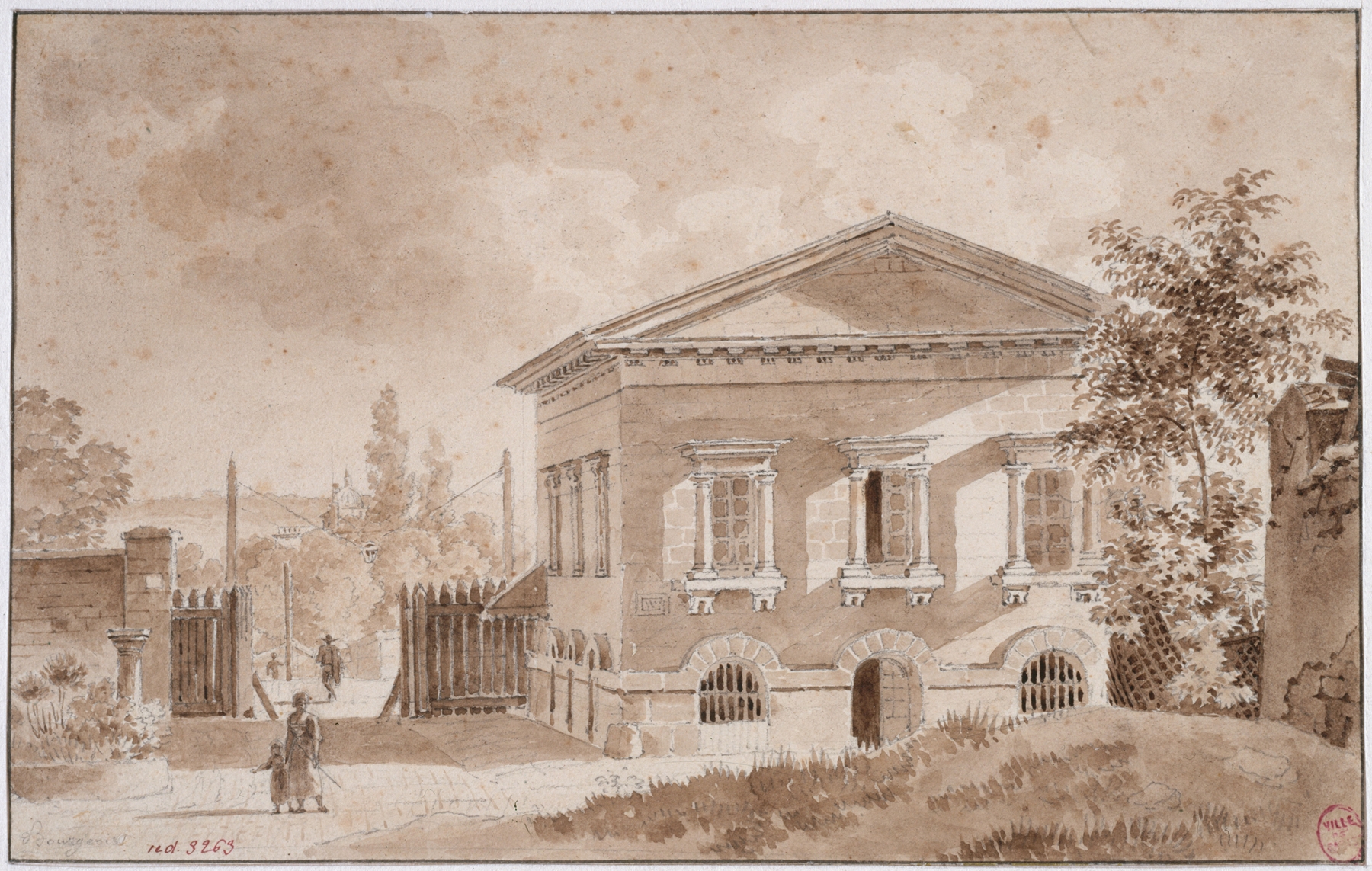
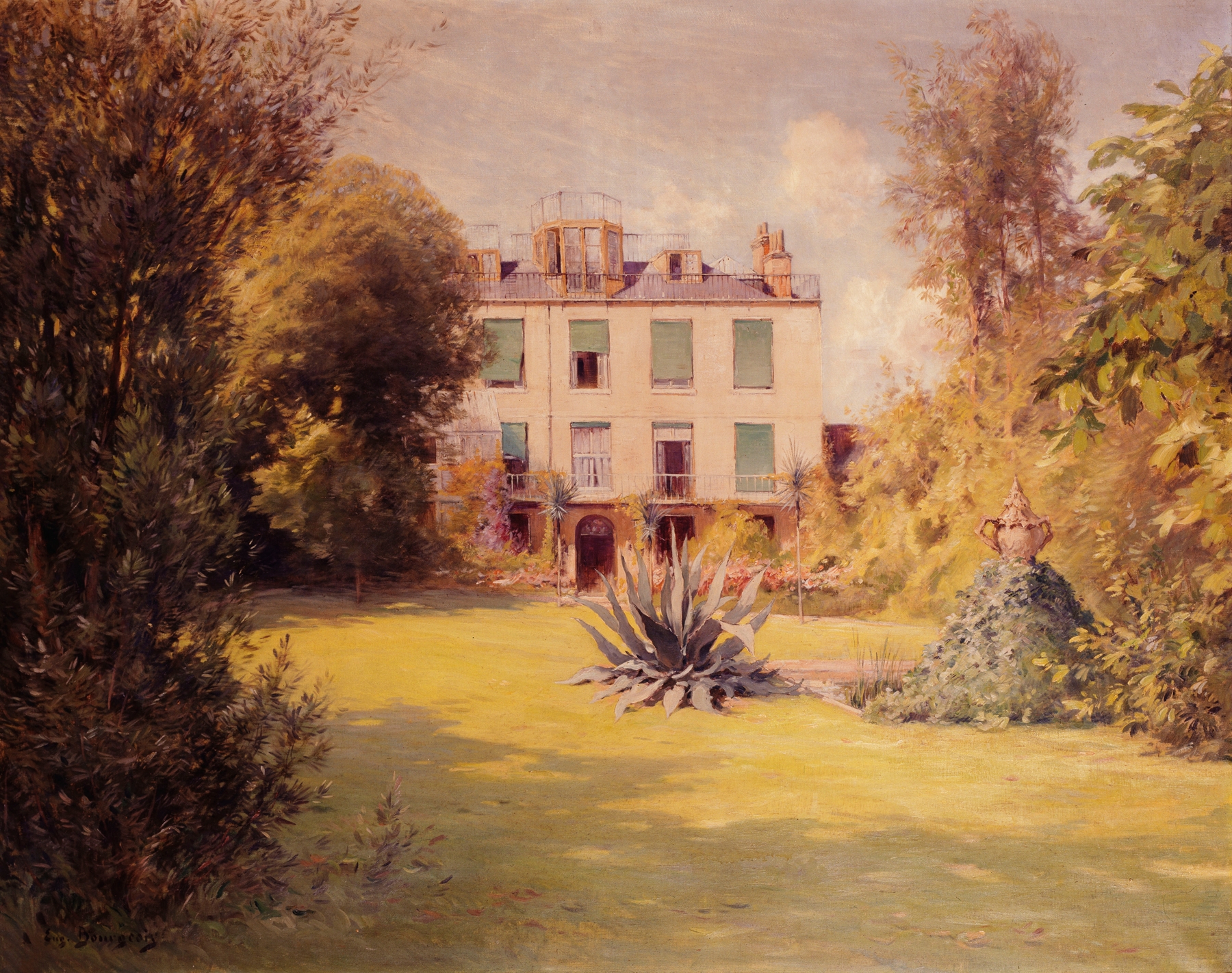
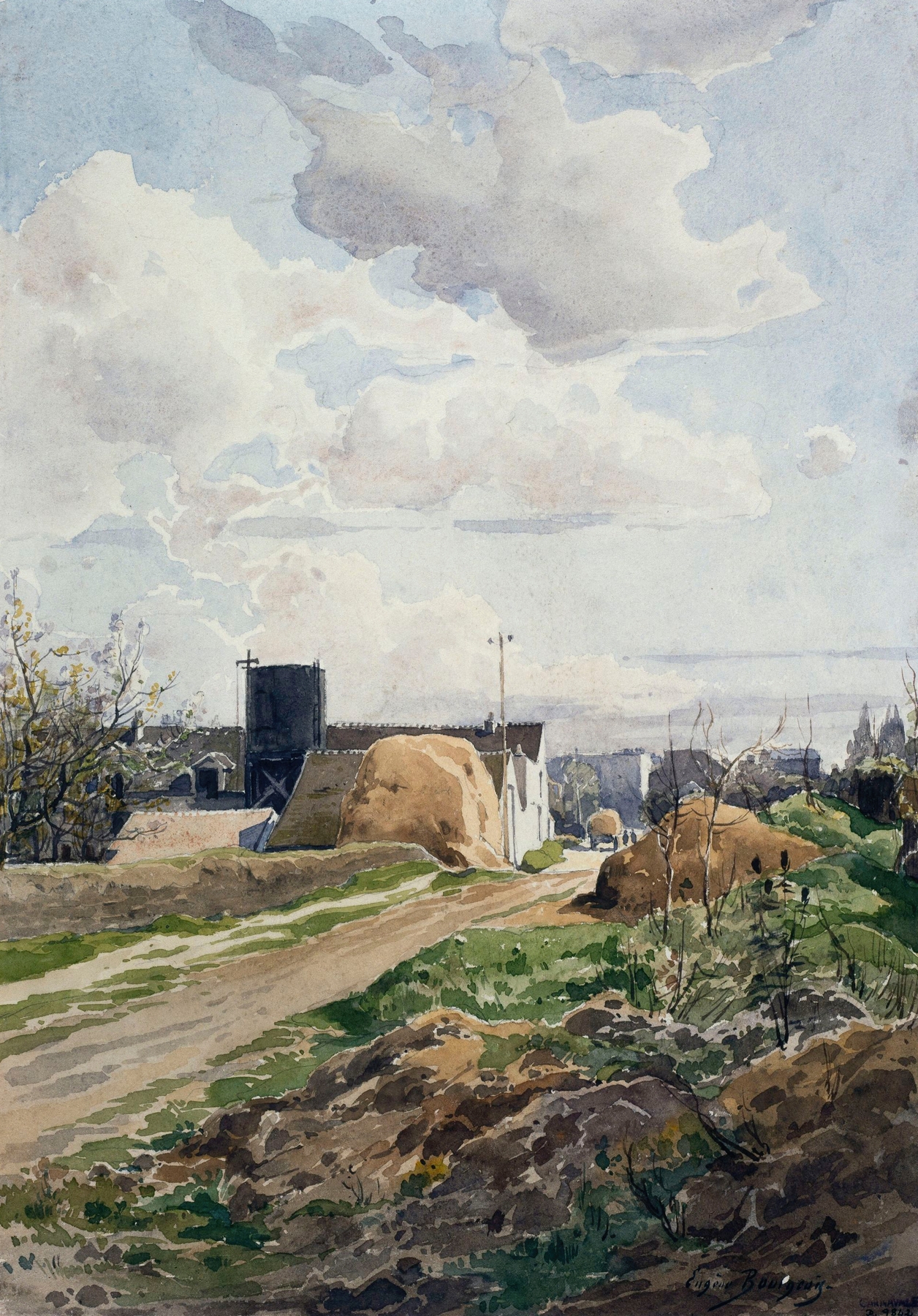
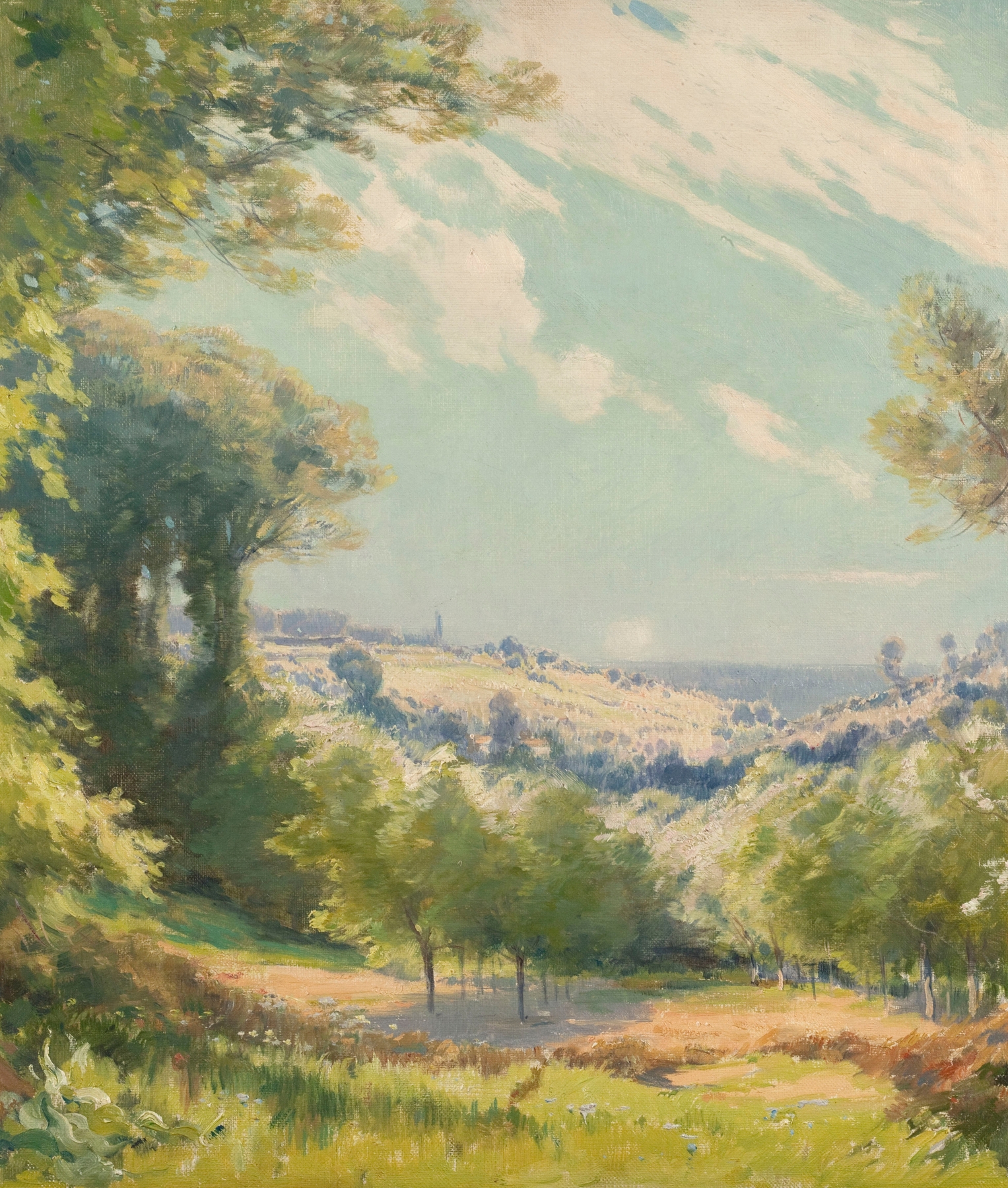
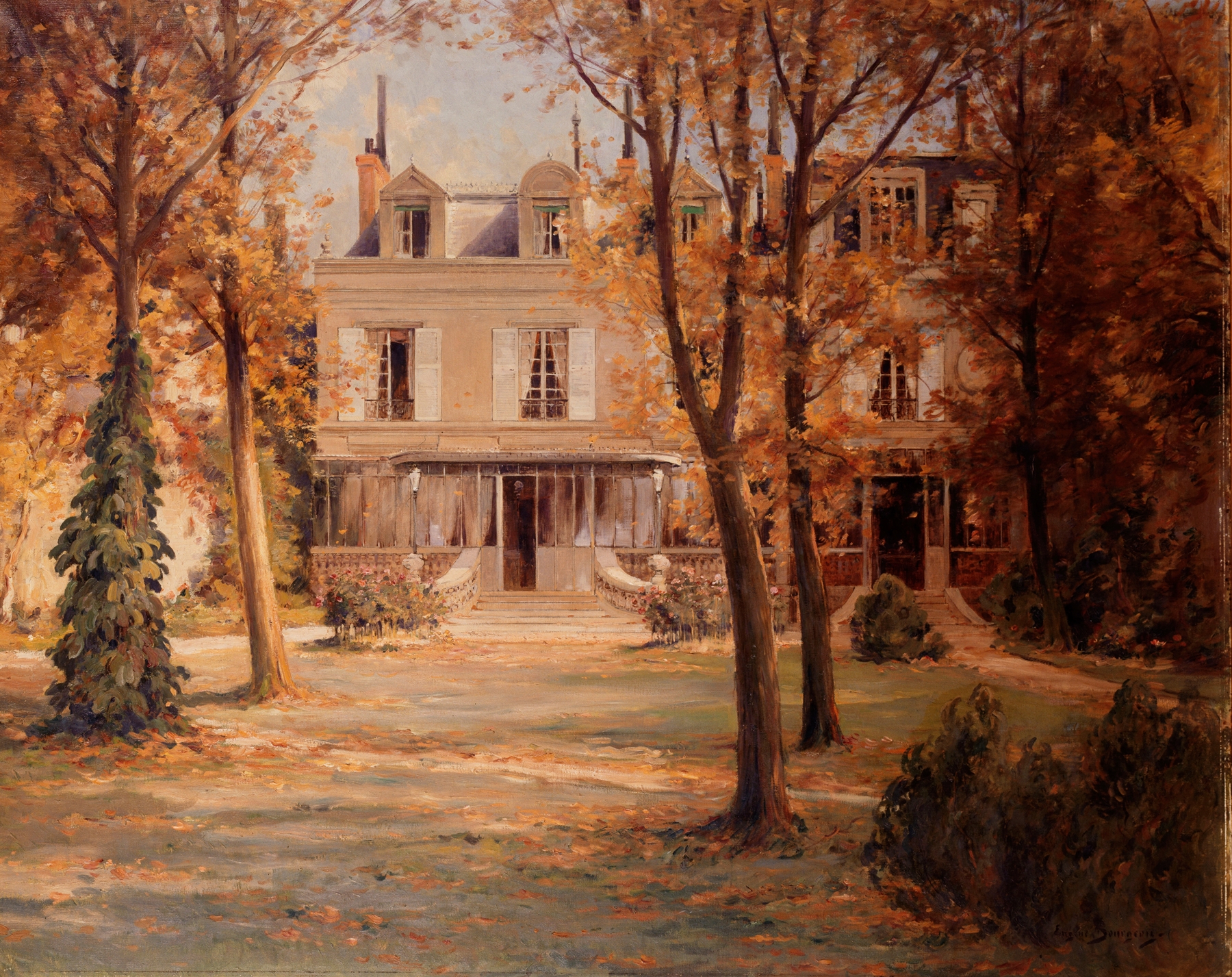
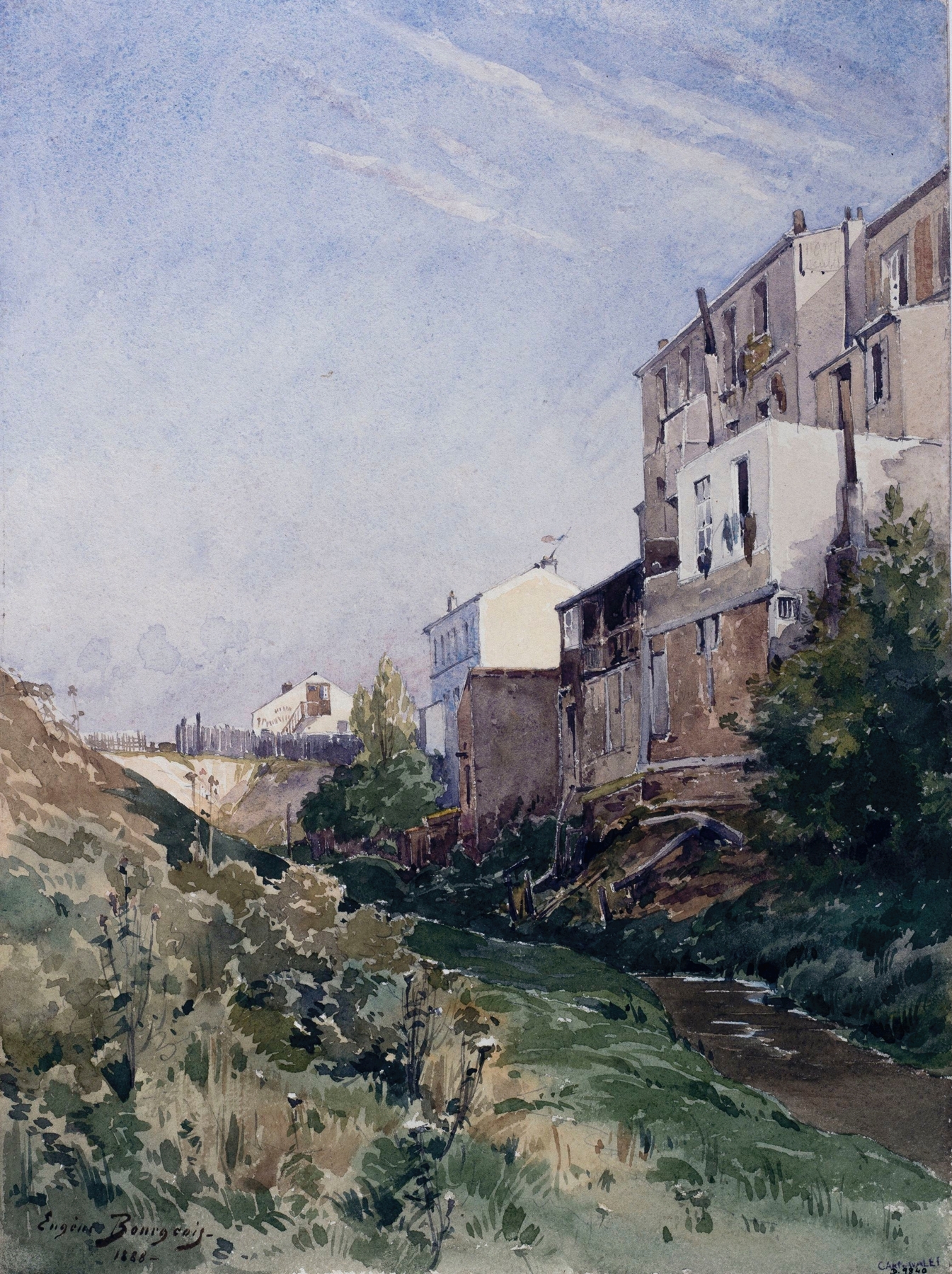
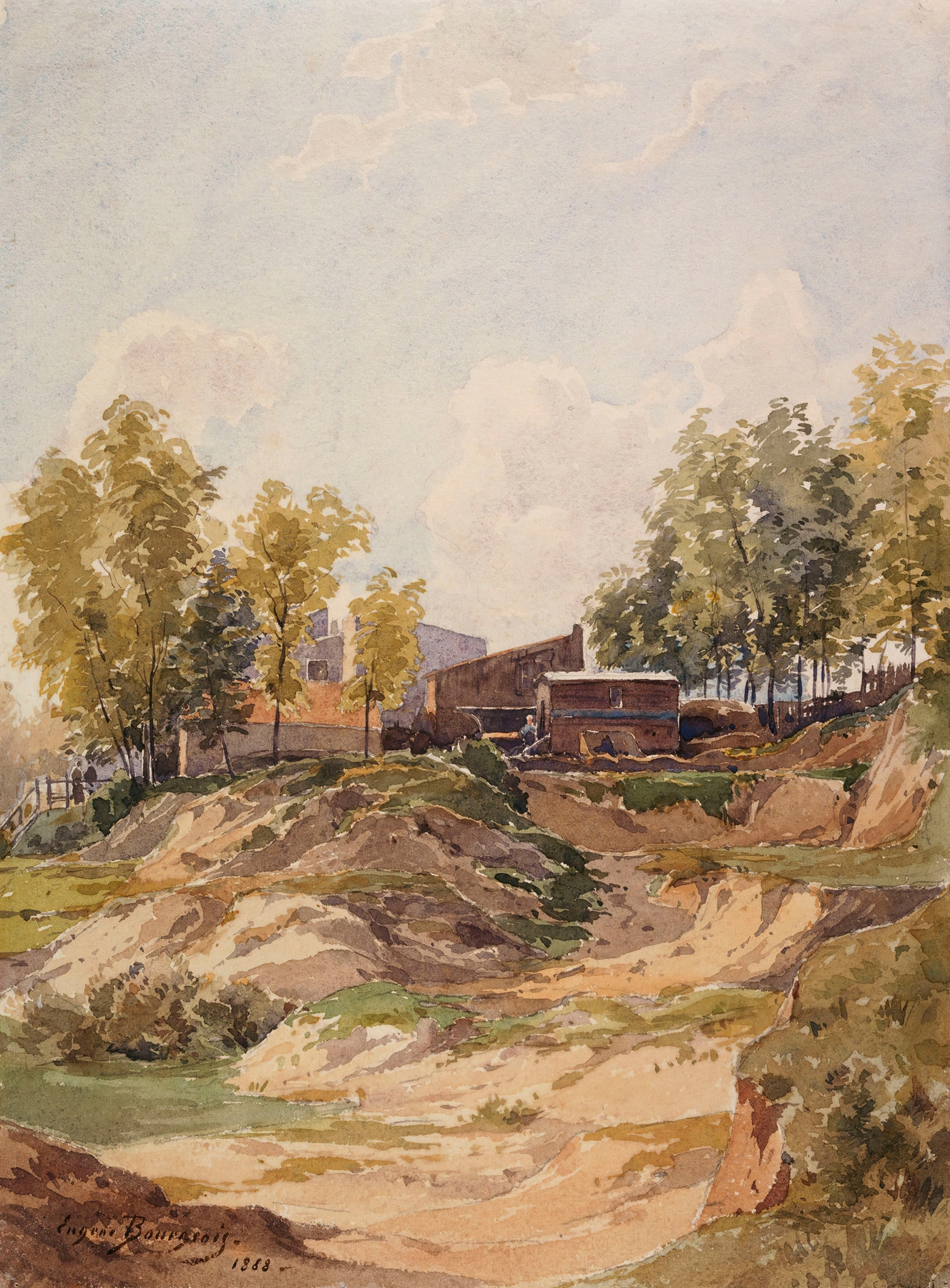
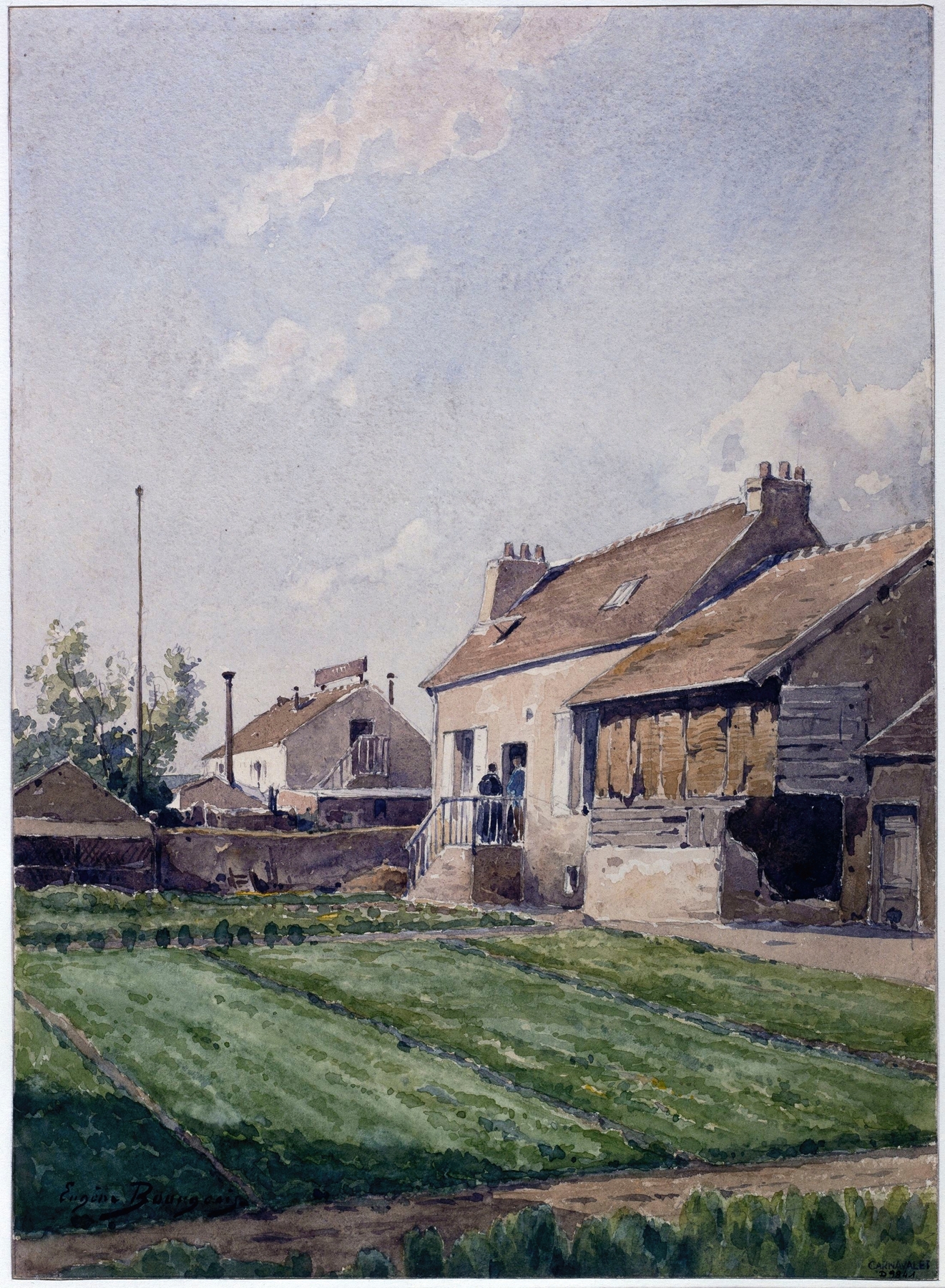
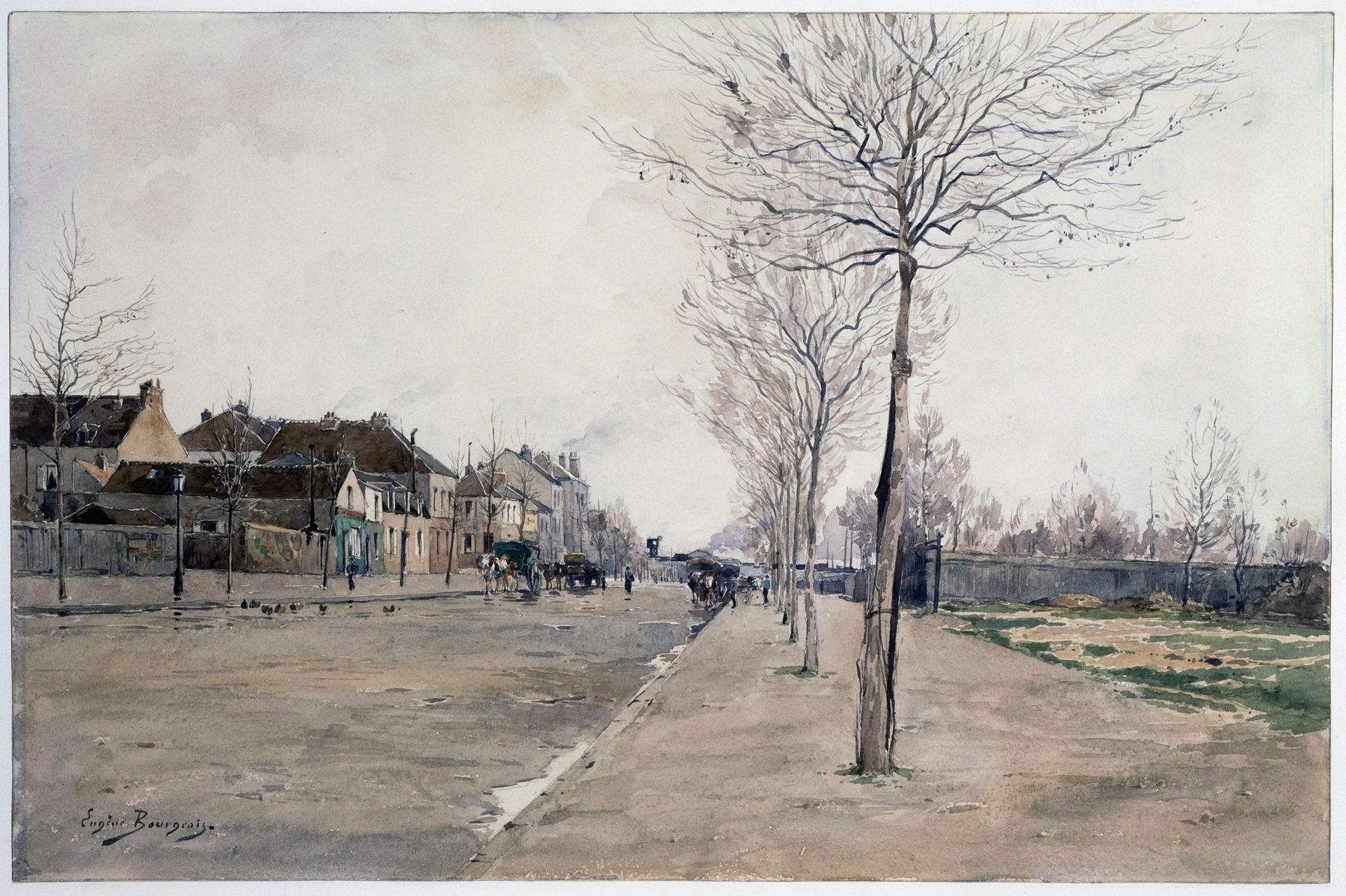
Is this a mirror — or a memory? In Rue Montempoivre, a serene snapshot captures the essence of Parisian life, evoking awe with its delicate blend of reality and nostalgia. Look to the left at the gentle curve of the cobblestone street, layered with shadows cast by the dappled light filtering through the trees. The soft pastel colors contrast with the darker tones of the looming buildings, creating a harmonious balance that draws you into the scene.
Notice the figures, almost ghostly in their quietude, elegantly poised amid their daily routines, and how the brushstrokes seem to breathe life into their surroundings. Deeper within the composition, hidden tensions emerge. The juxtaposition of light and shadow speaks to the duality of urban existence—both vibrant and melancholic. The street, alive with the potential of life, also hints at solitude and the ephemeral nature of memories.
Each passerby appears to carry a fragment of their own story, weaving together the collective narrative of a city rich with history and emotion. Eugène Bourgeois created this work between 1855 and 1901, during a time when Paris was undergoing rapid transformation with industrialization and modernization. This period saw a flourishing of artistic movements as well, with Impressionism gaining momentum. Bourgeois' approach reflected both an admiration for the everyday and a poignant awareness of the world shifting around him, immortalizing the charm of a moment that might otherwise slip away unnoticed.