Rue de la Fontaine à Mulard — History & Analysis
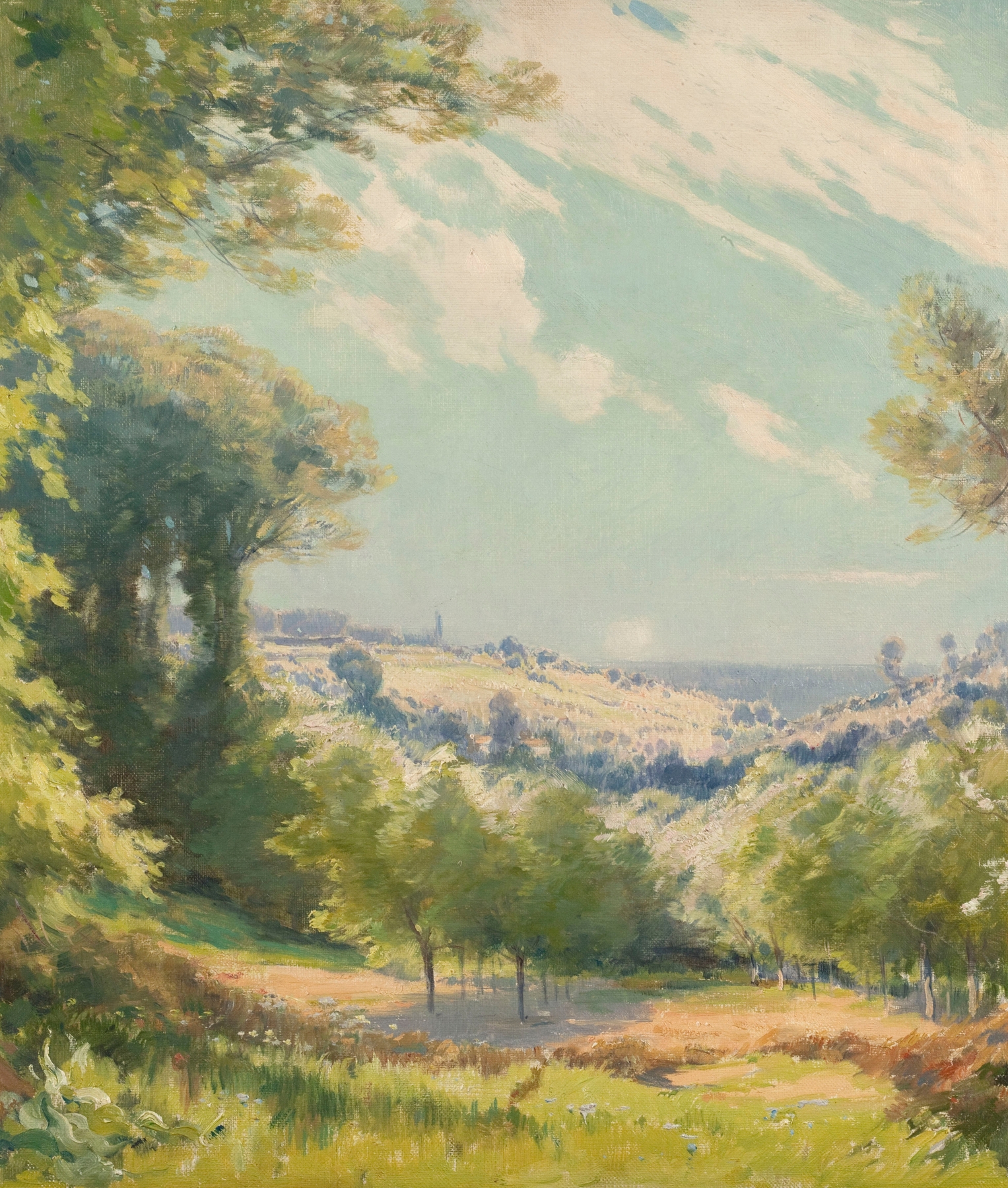
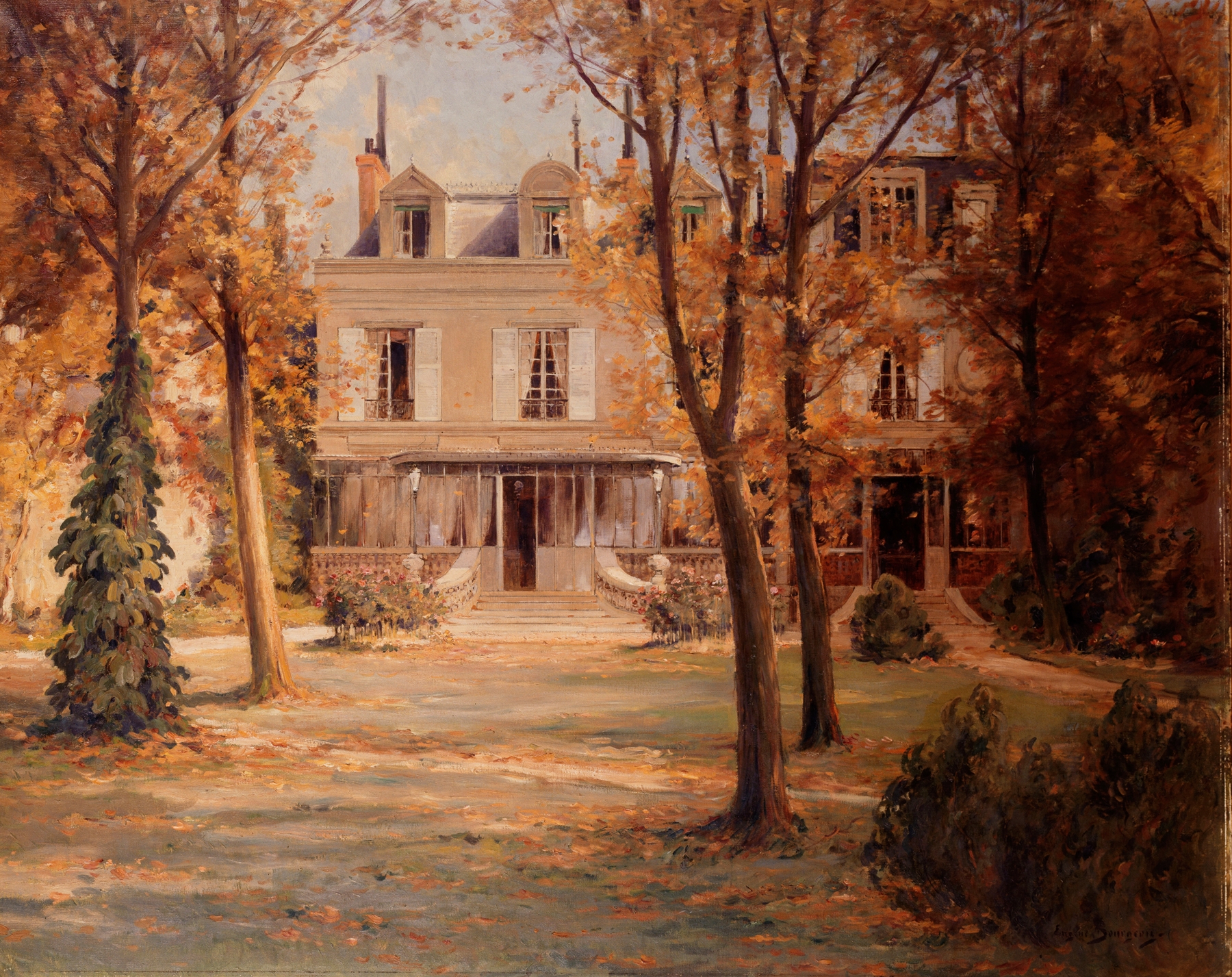
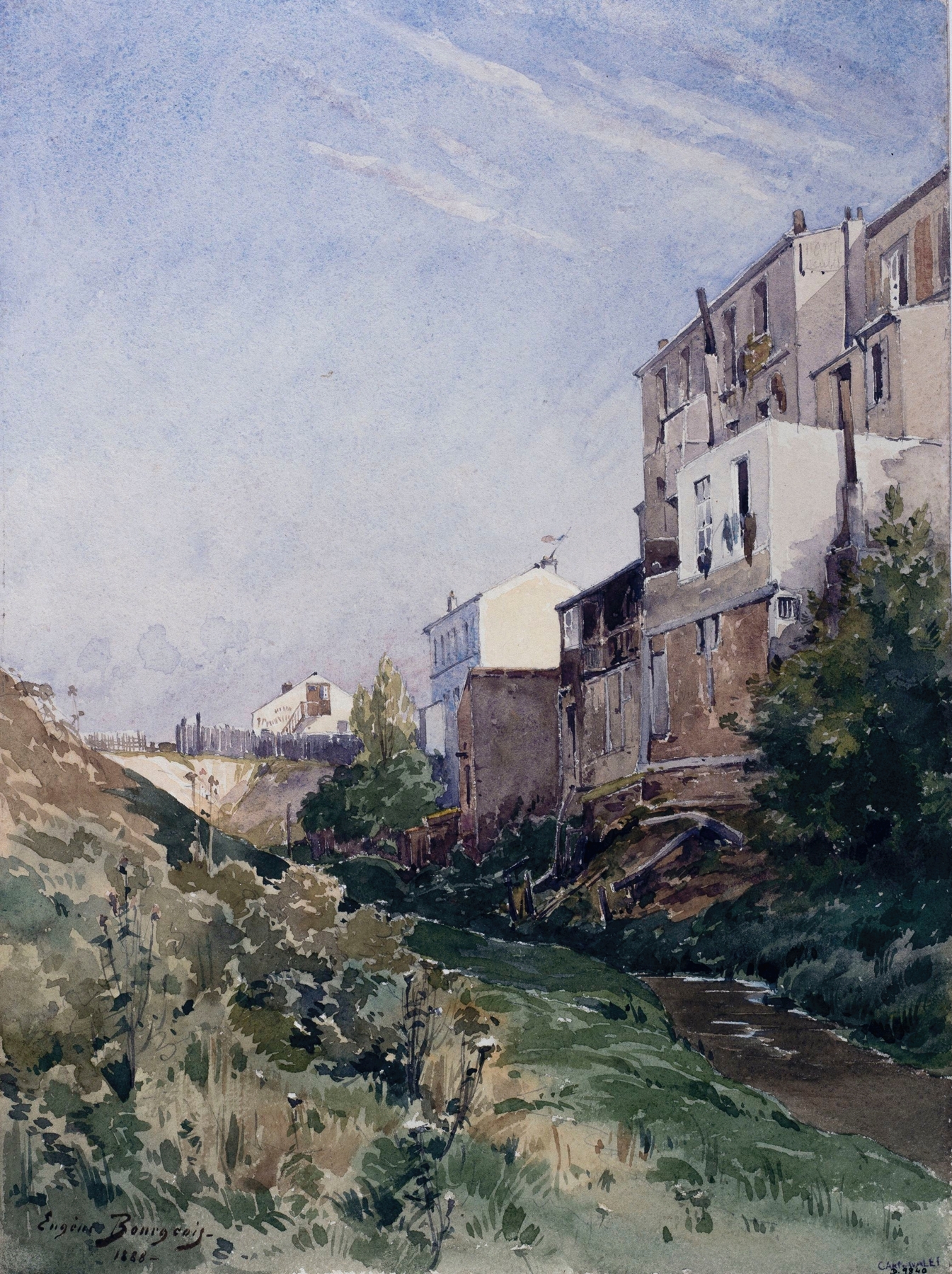
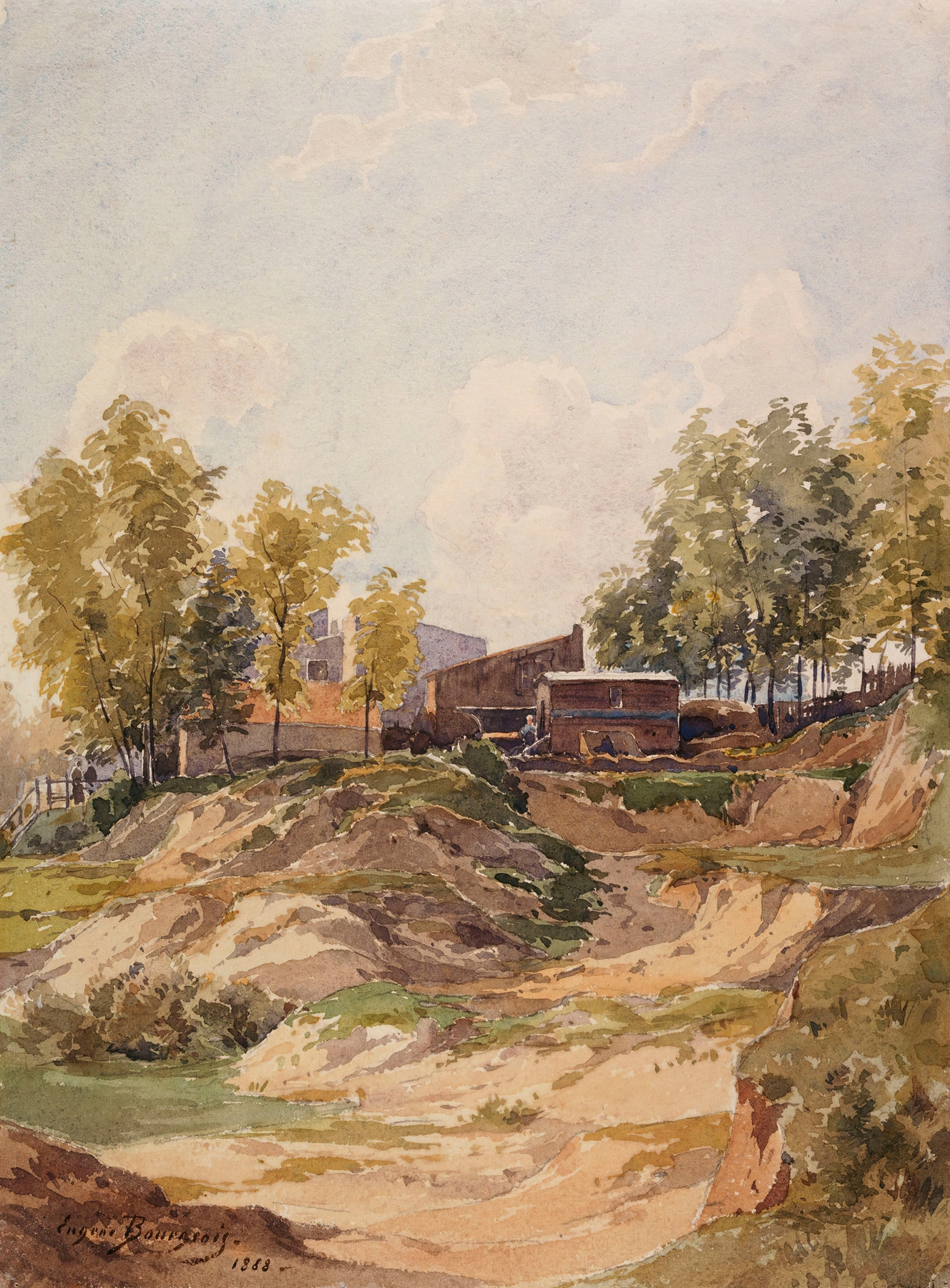
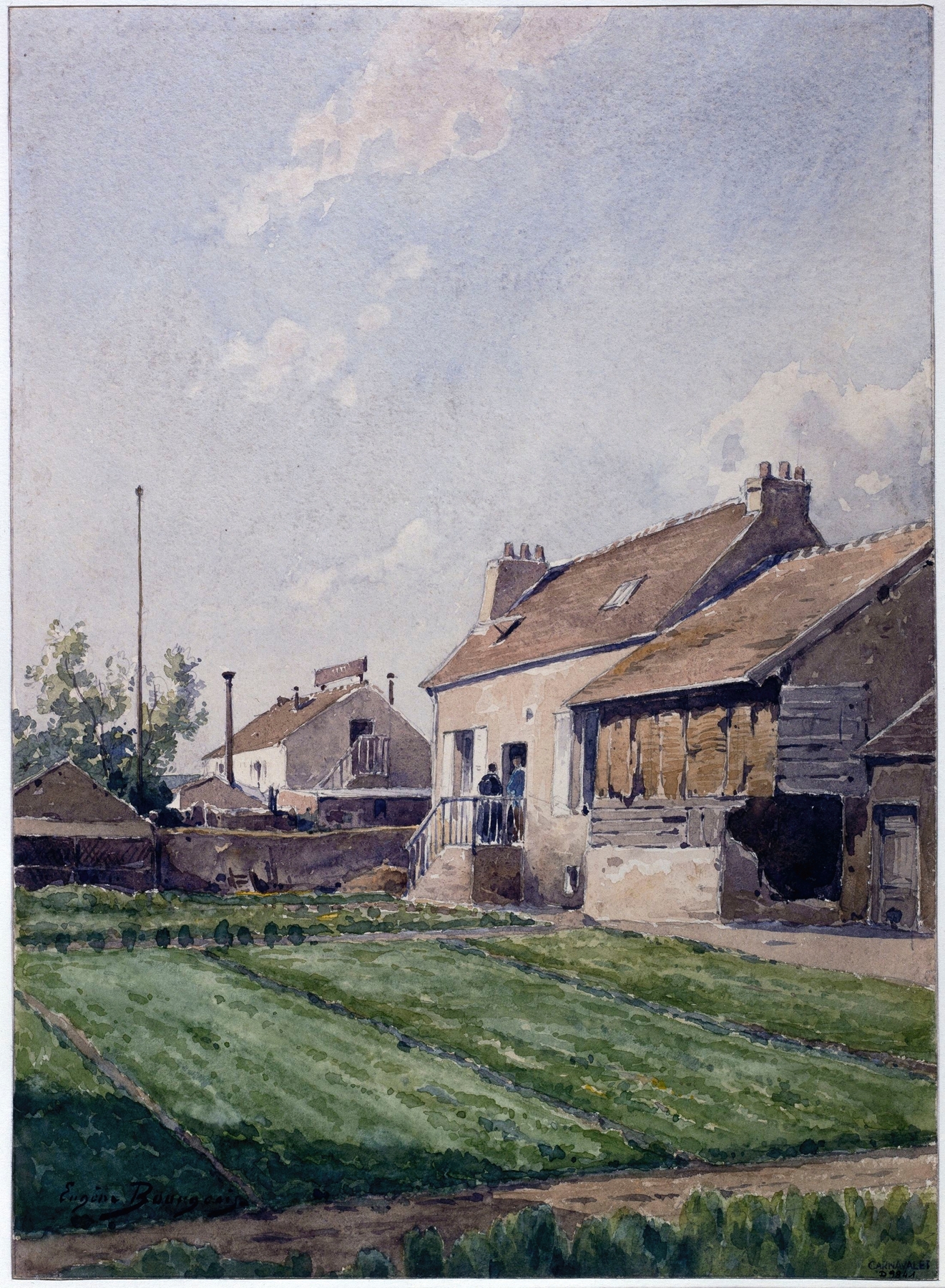
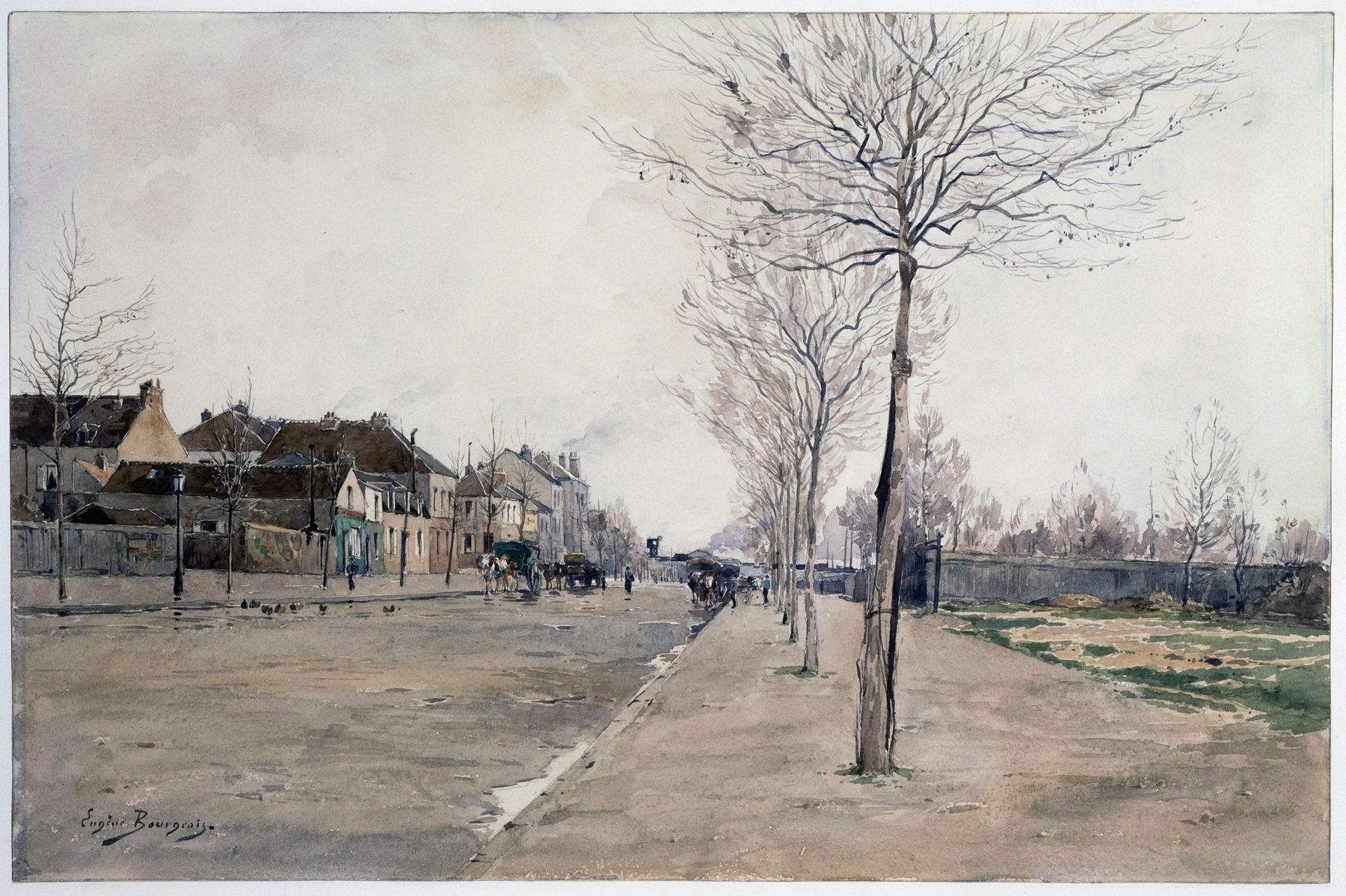
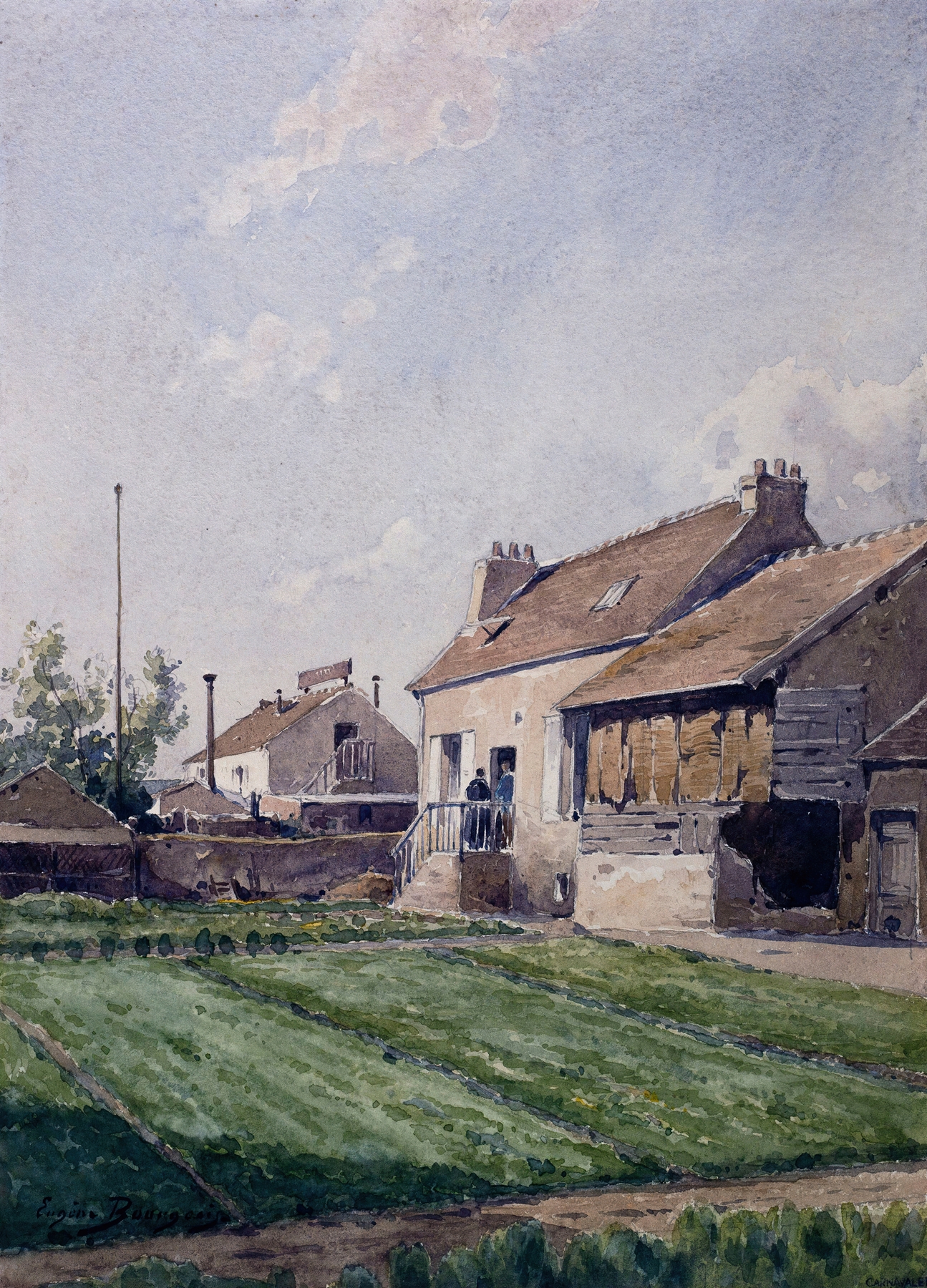
Can paint confess what words never could? In the delicate strokes of life, desire weaves itself into the fabric of every scene, echoing emotions that linger unspoken. Focus on the lush greenery that envelops the cobblestone path, drawing your attention first to the interplay of light filtering through the leaves. The soft sunlight dances on the surface of a nearby fountain, where water seems to shimmer like liquid silver. Notice how the artist captures the gentle curves of the surrounding architecture, the buildings standing resolute yet intimate in their embrace of the scene.
The palette of soft greens and earthy browns reflects both tranquility and longing, creating a serene backdrop that invites contemplation. Yet, amidst this idyllic setting, hints of emotional tension reveal themselves. The fountain acts as a silent witness, perhaps to whispered secrets of lovers or the solace sought by weary souls. The viewer can almost sense the air thick with unfulfilled desires, each brushstroke urging them to uncover the stories hidden within the tranquil flow of water and nature.
The juxtaposition of stillness in the foreground against the vibrant life of the trees suggests a yearning for connection—a poignant reminder that beauty often holds a heartache of its own. In 1888, the artist found inspiration in the picturesque streets of Mulard, a time when Impressionism was gaining momentum, reshaping perceptions of light and color. Bourgeois, influenced by the vibrant atmosphere of the era, sought to capture fleeting moments in everyday life. As he painted, he navigated his own ambitions and aspirations, mirroring the dynamics of a world in flux, where art emerged as a powerful vehicle for emotional expression.