Paysage — History & Analysis
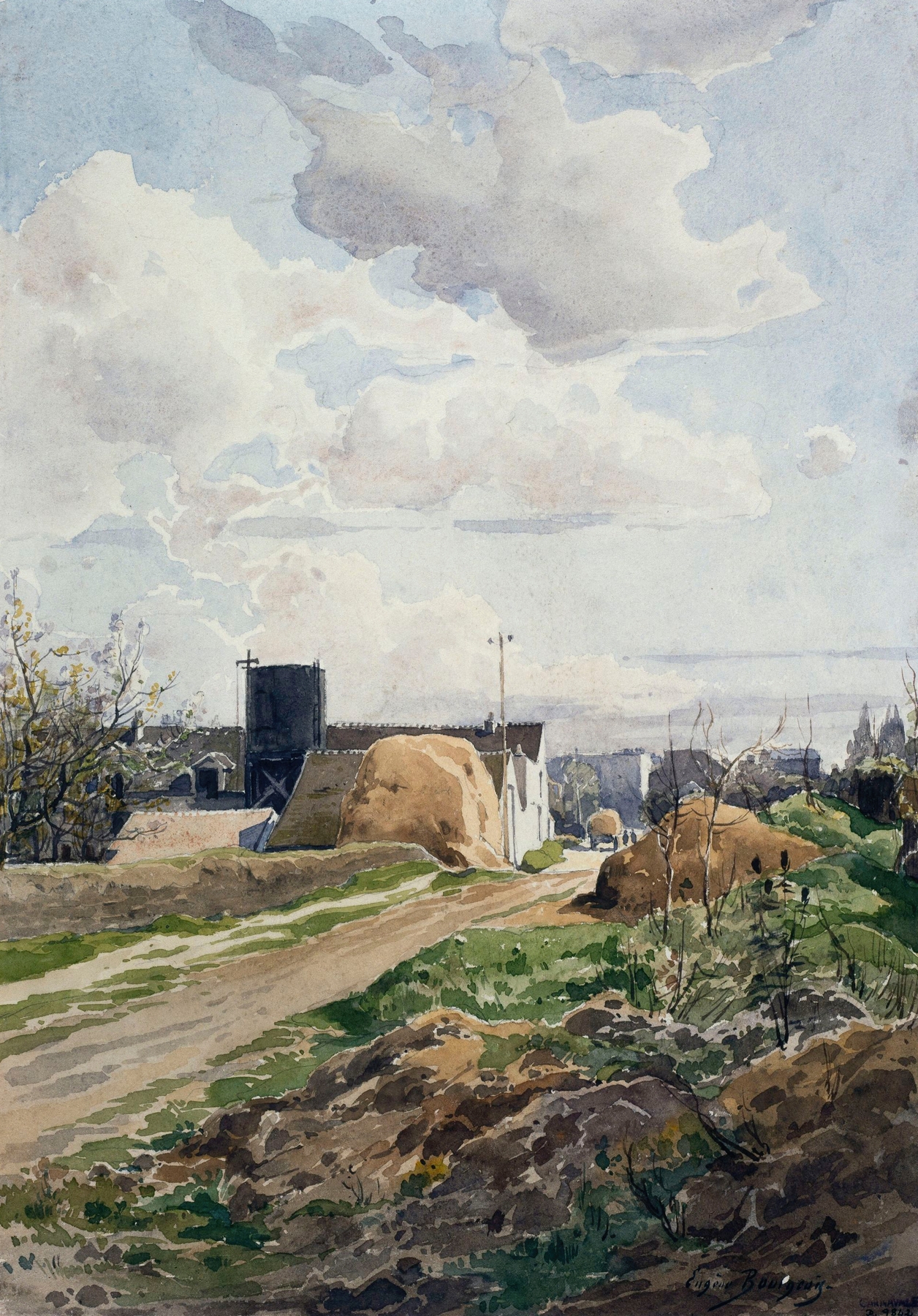
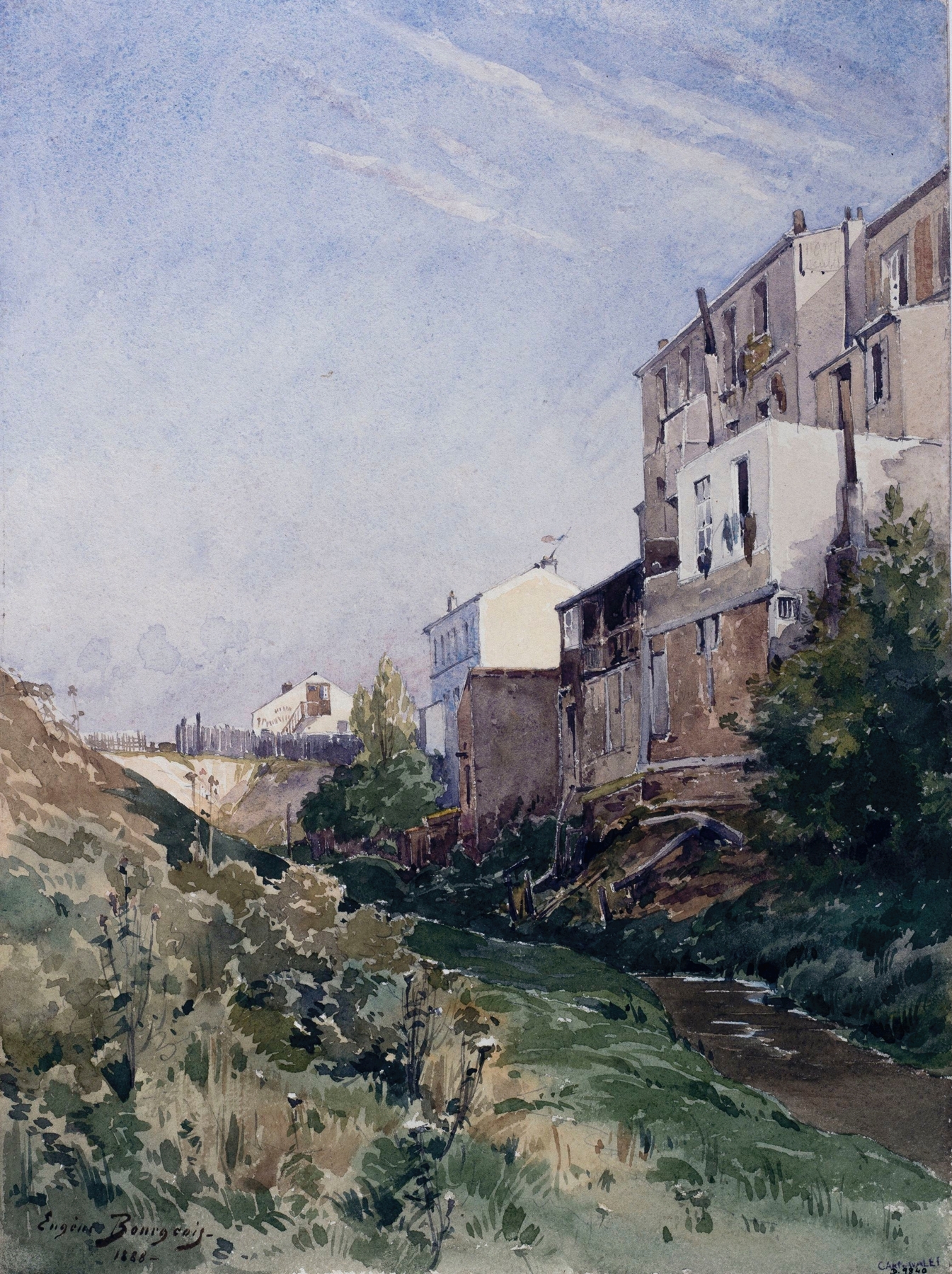
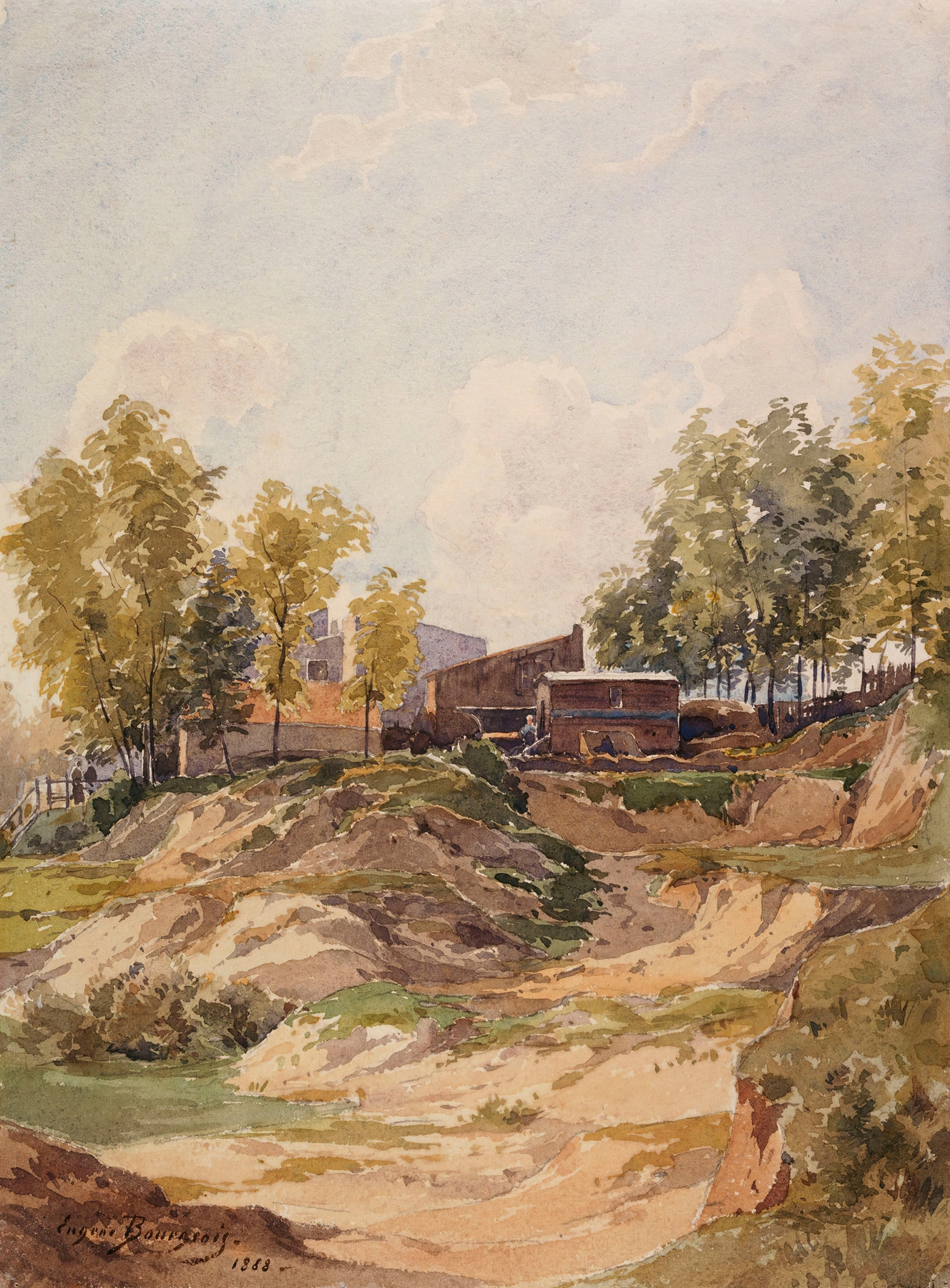
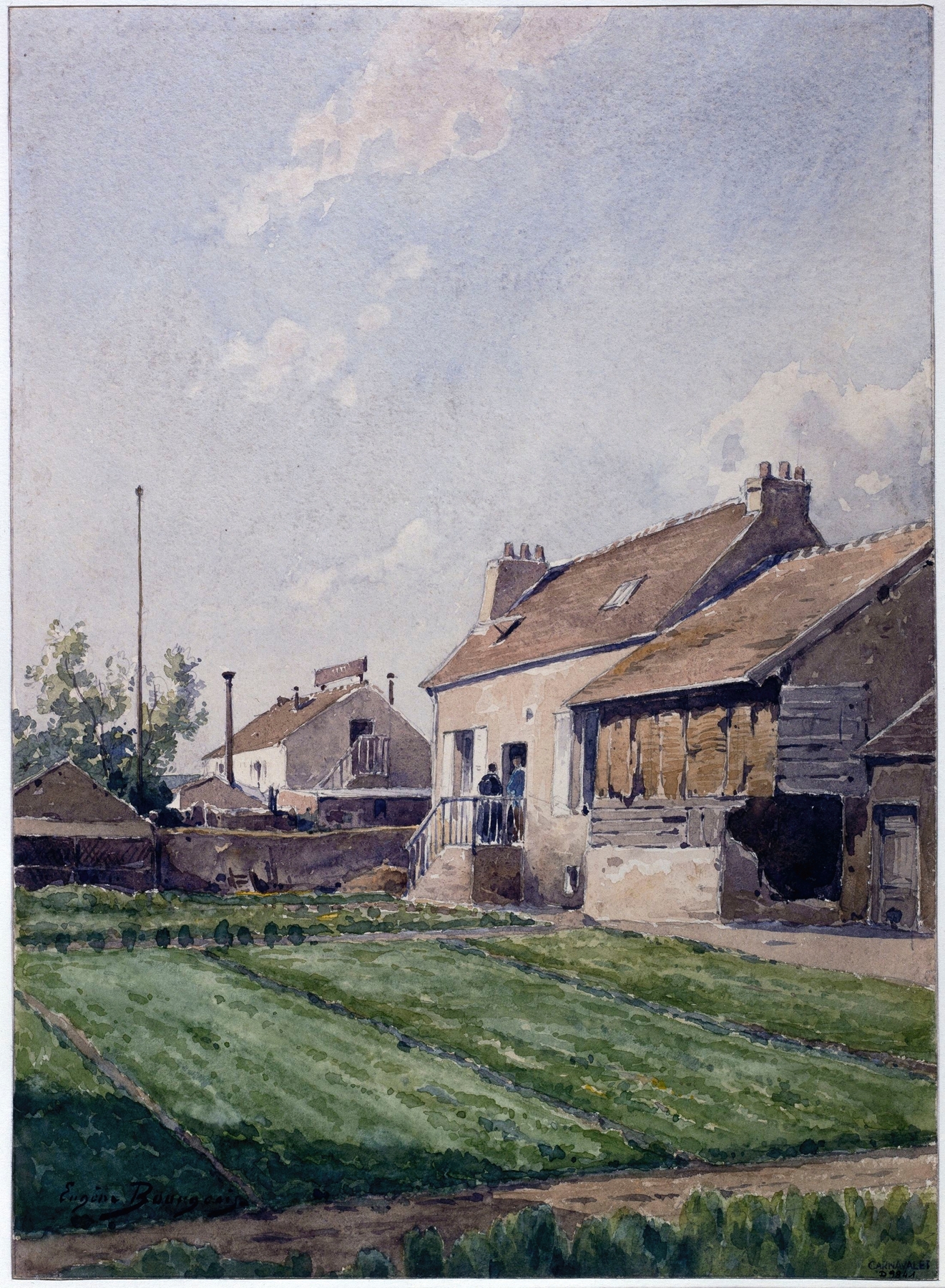
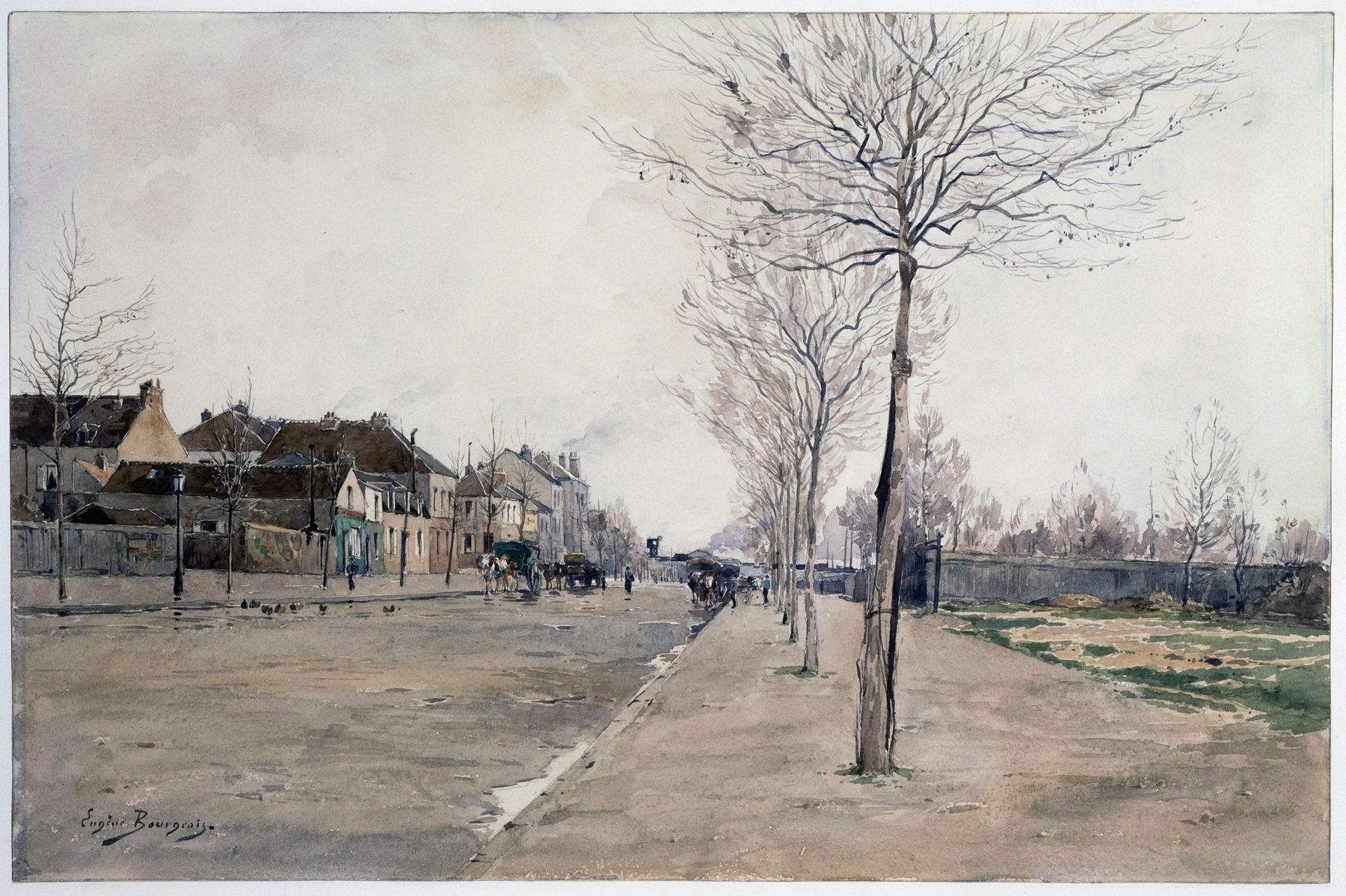
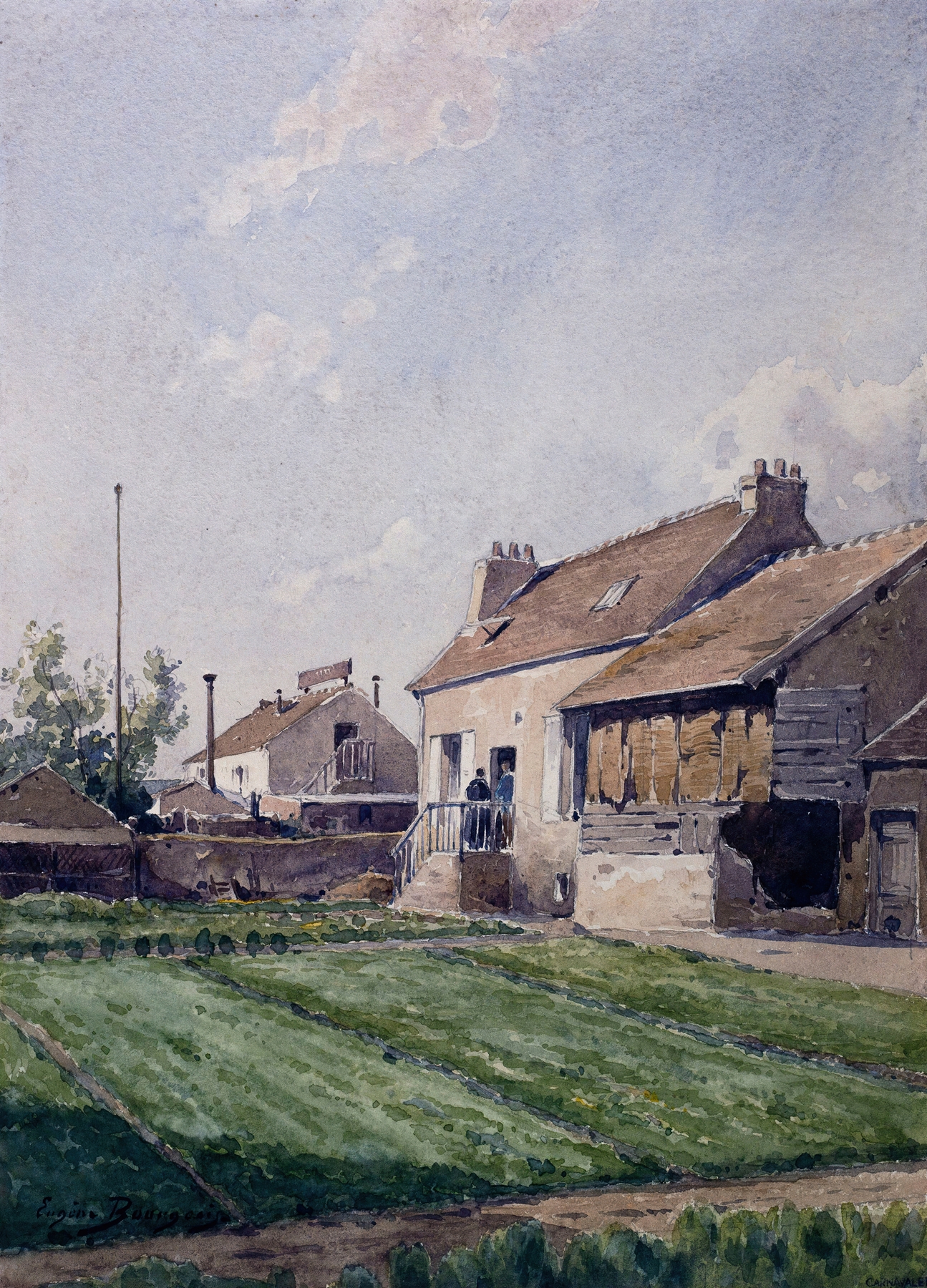
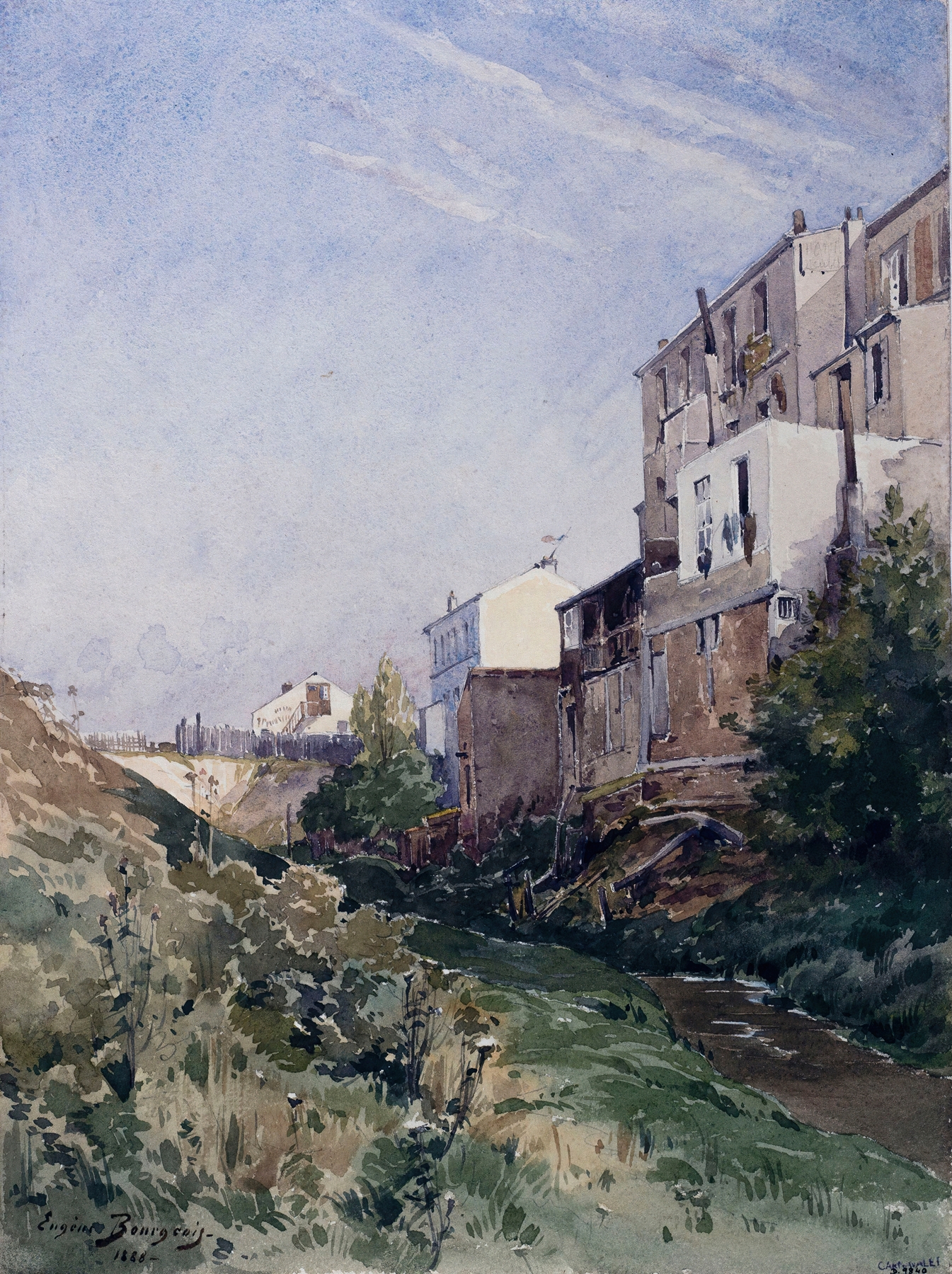
“Art reveals the soul when the world turns away.” In every brushstroke lies a whisper of fate, an invitation to ponder the paths we walk and the destinies we face. Look to the horizon, where the gentle undulation of hills meets a sky awash in hues of soft blues and warm golds. The landscape unfolds with a serene yet dynamic presence, drawing the eye along a winding path that meanders through lush greenery.
Notice how the light dances across the canvas, casting delicate shadows that breathe life into the scene, and how the subtle variations in color evoke a sense of tranquility amidst the inevitable change. The juxtaposition of the vibrant landscape against the impending twilight suggests a poignant reflection on time and inevitability. The winding path could represent life's journey, with its unseen turns and hidden challenges.
Additionally, the seemingly peaceful flora and fauna hold deeper tensions, hinting at an underlying struggle between nature’s serenity and the turbulence of existence — a reminder that destiny is rarely a straight line. In 1901, at a time when the Impressionist movement was shaping the art world, Bourgeois painted Paysage while navigating the currents of artistic innovation in France. As he embraced the emerging modern techniques, he sought to capture the essence of human experiences through landscapes, merging the realities of life with the ethereal qualities of nature.