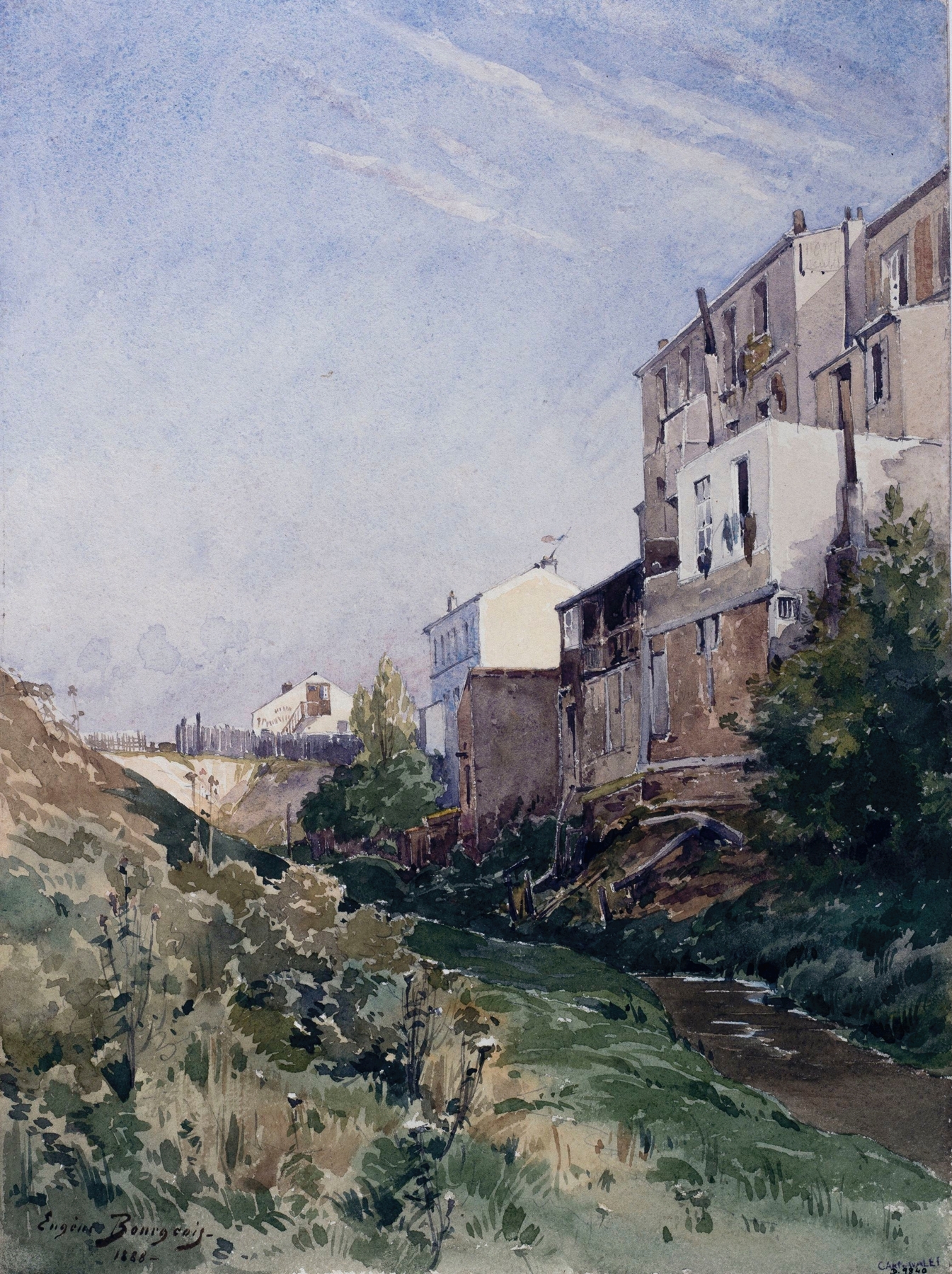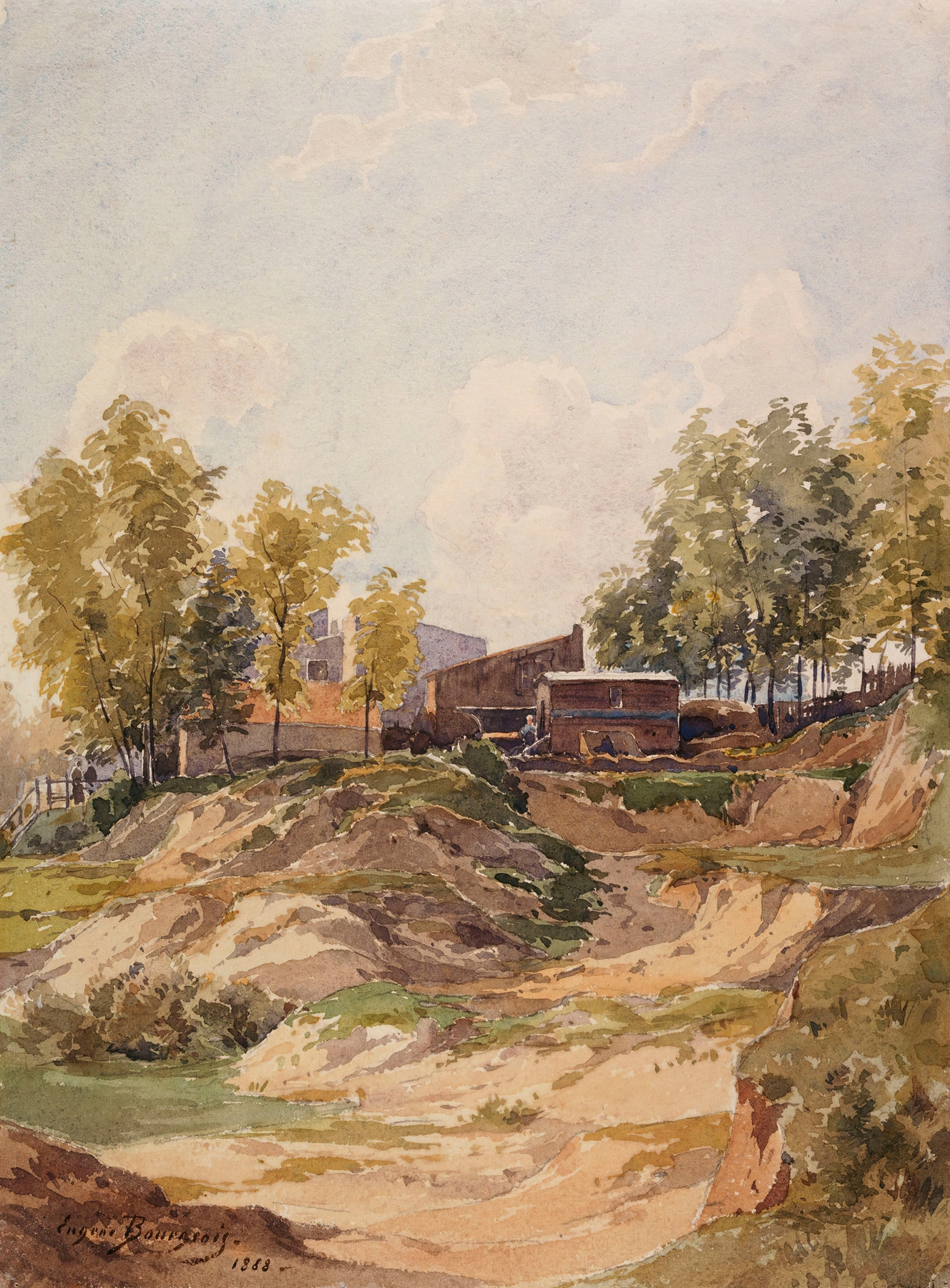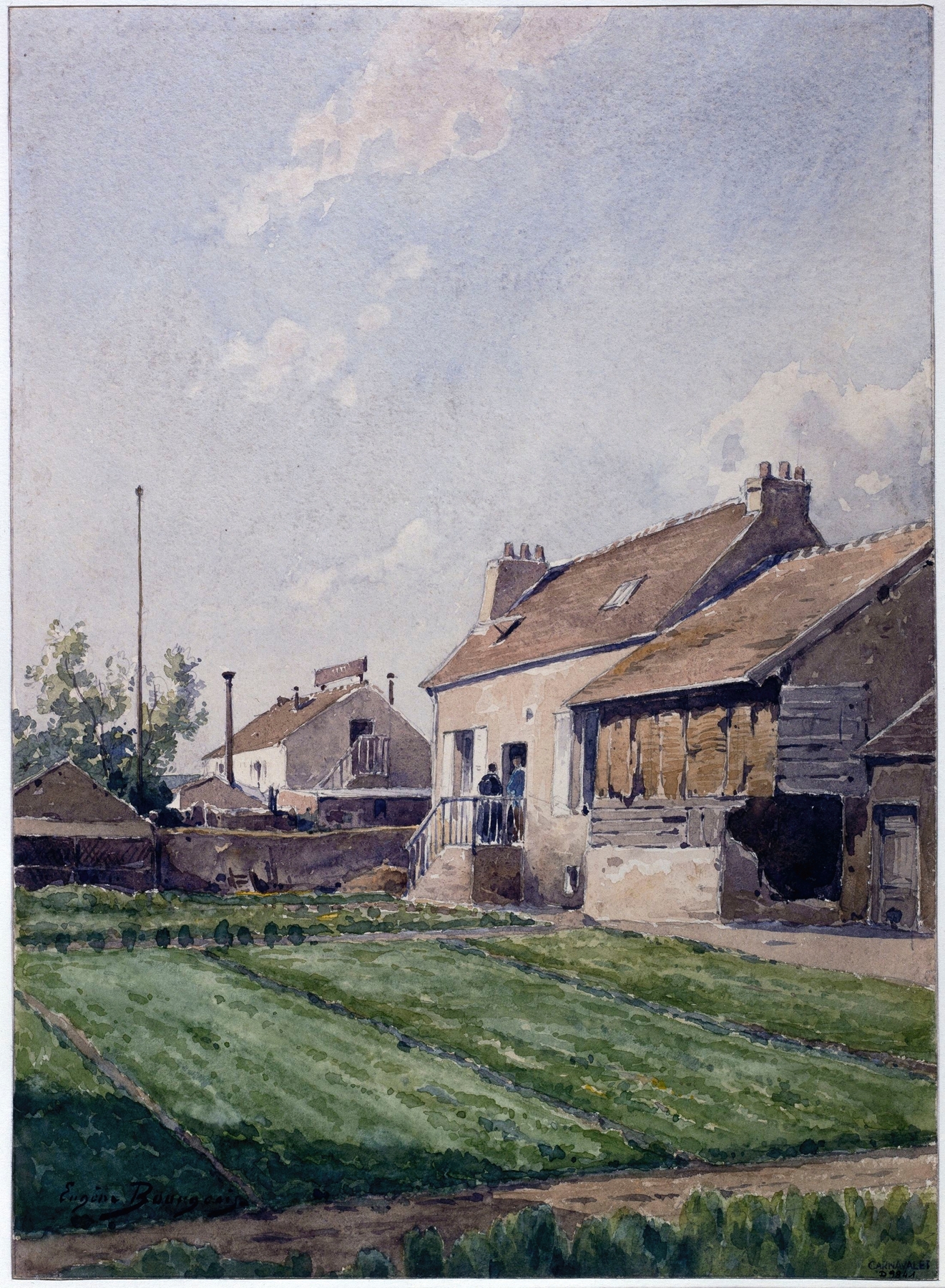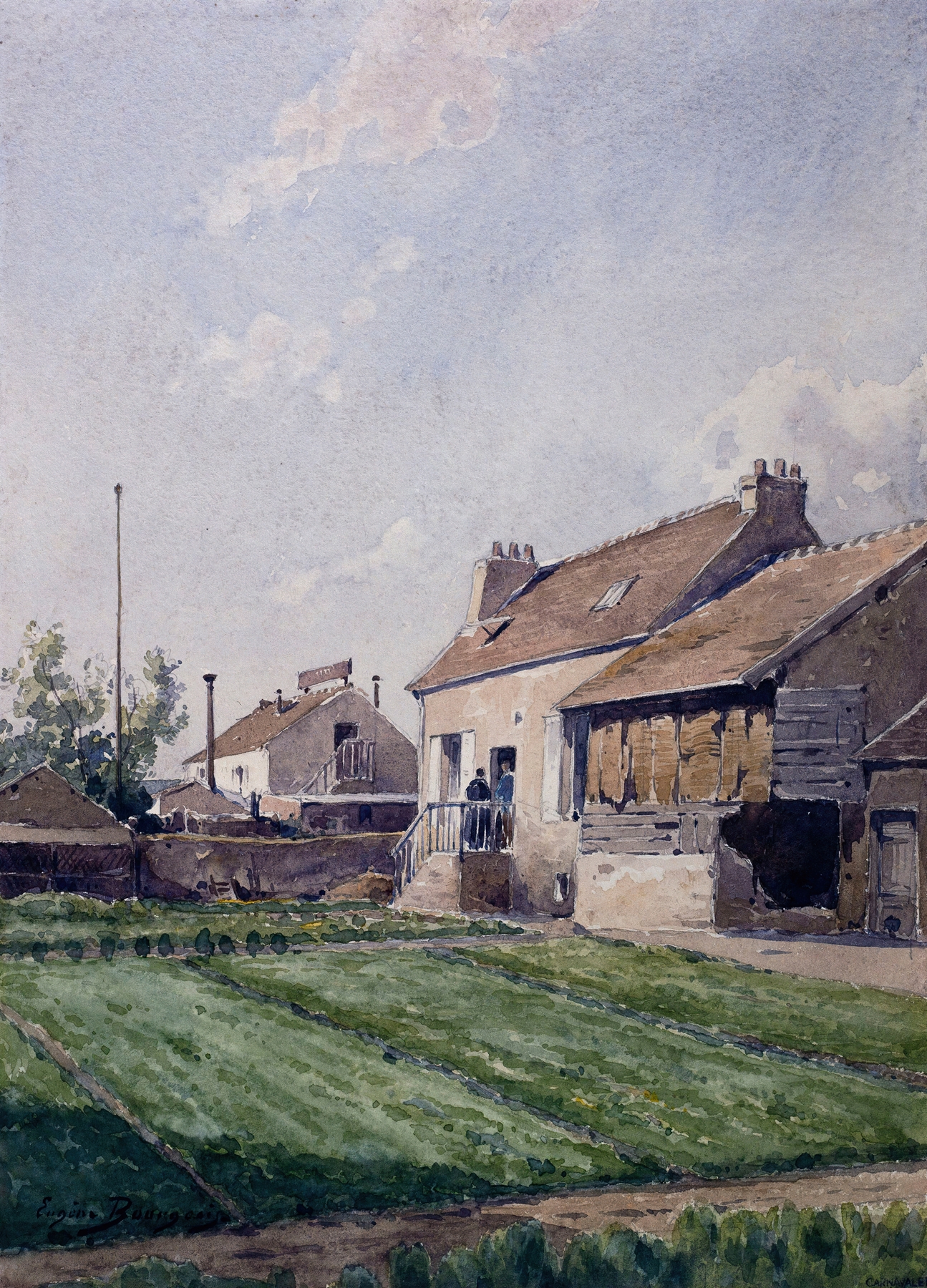
Route de la Révolte, vue prise au pied du glacis des fotifications, 17 avril, extra muros — History & Analysis
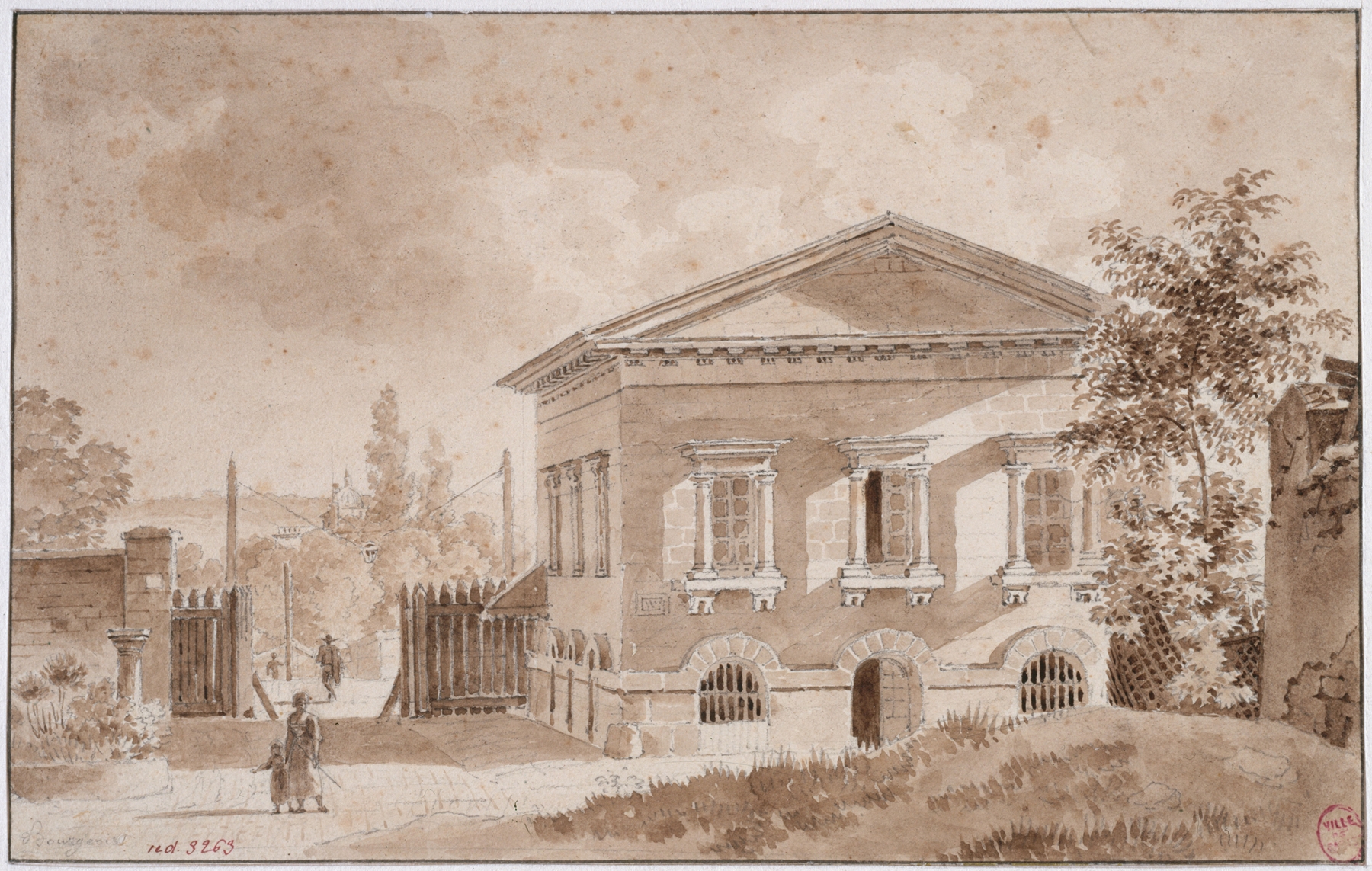
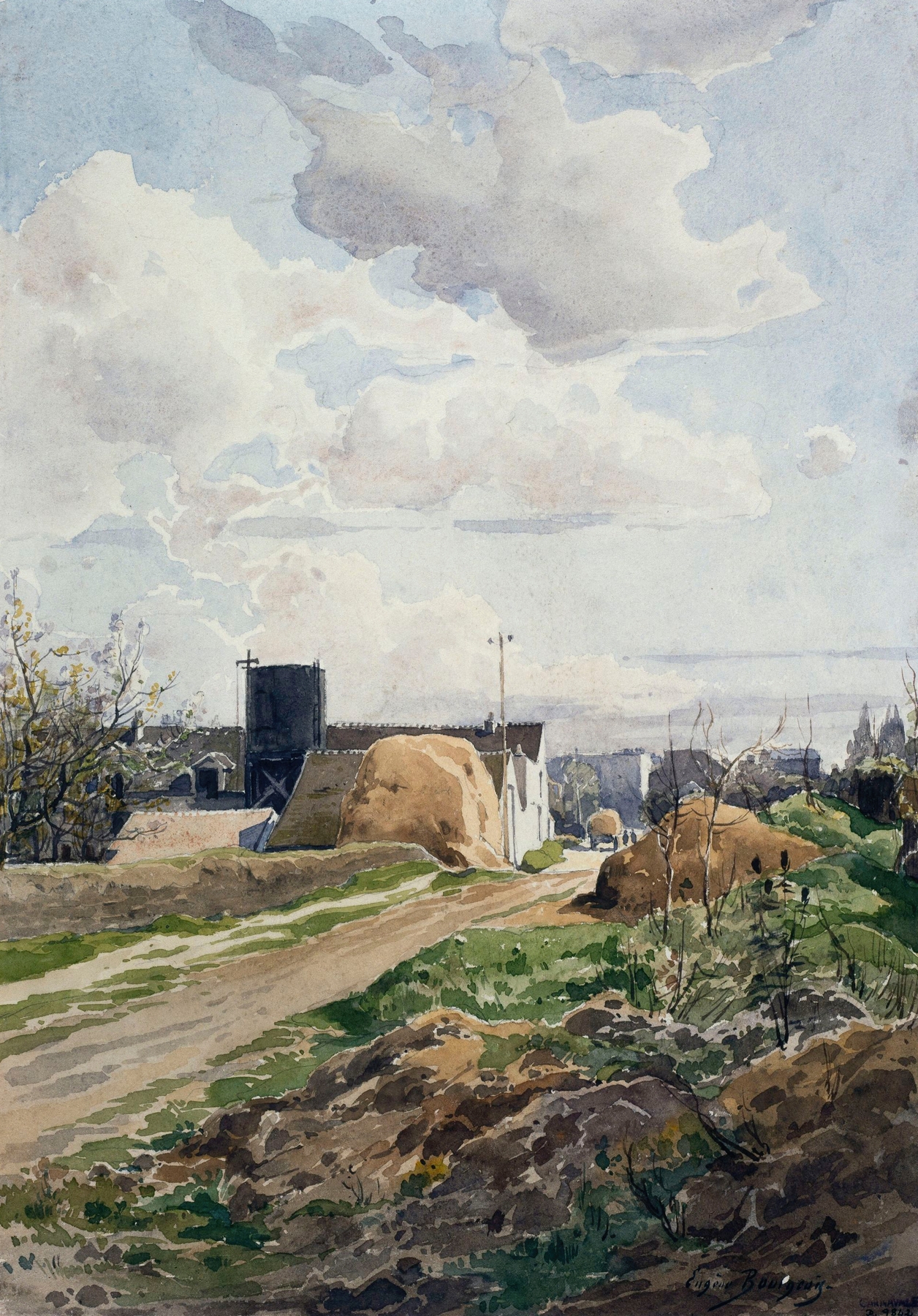
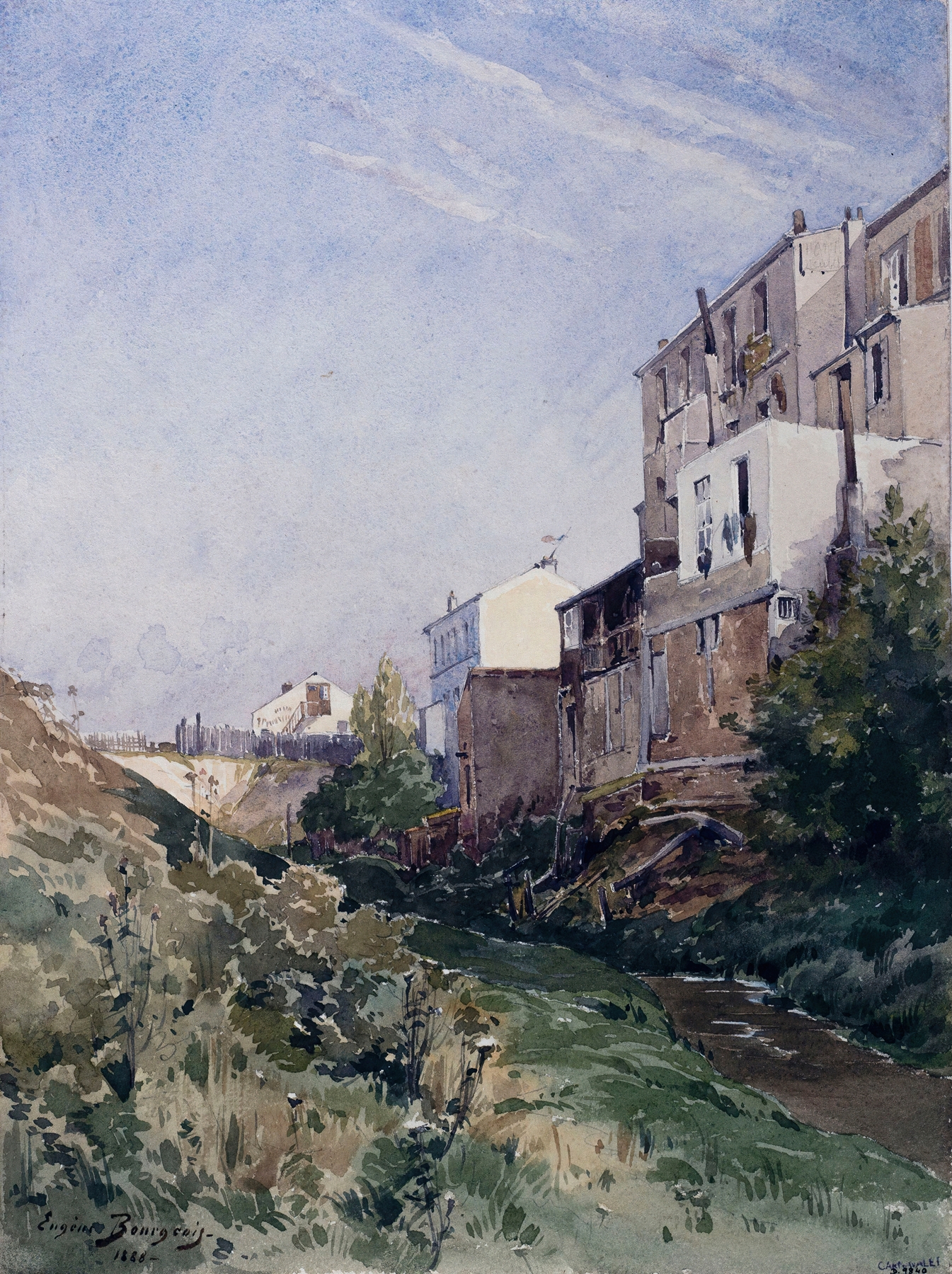
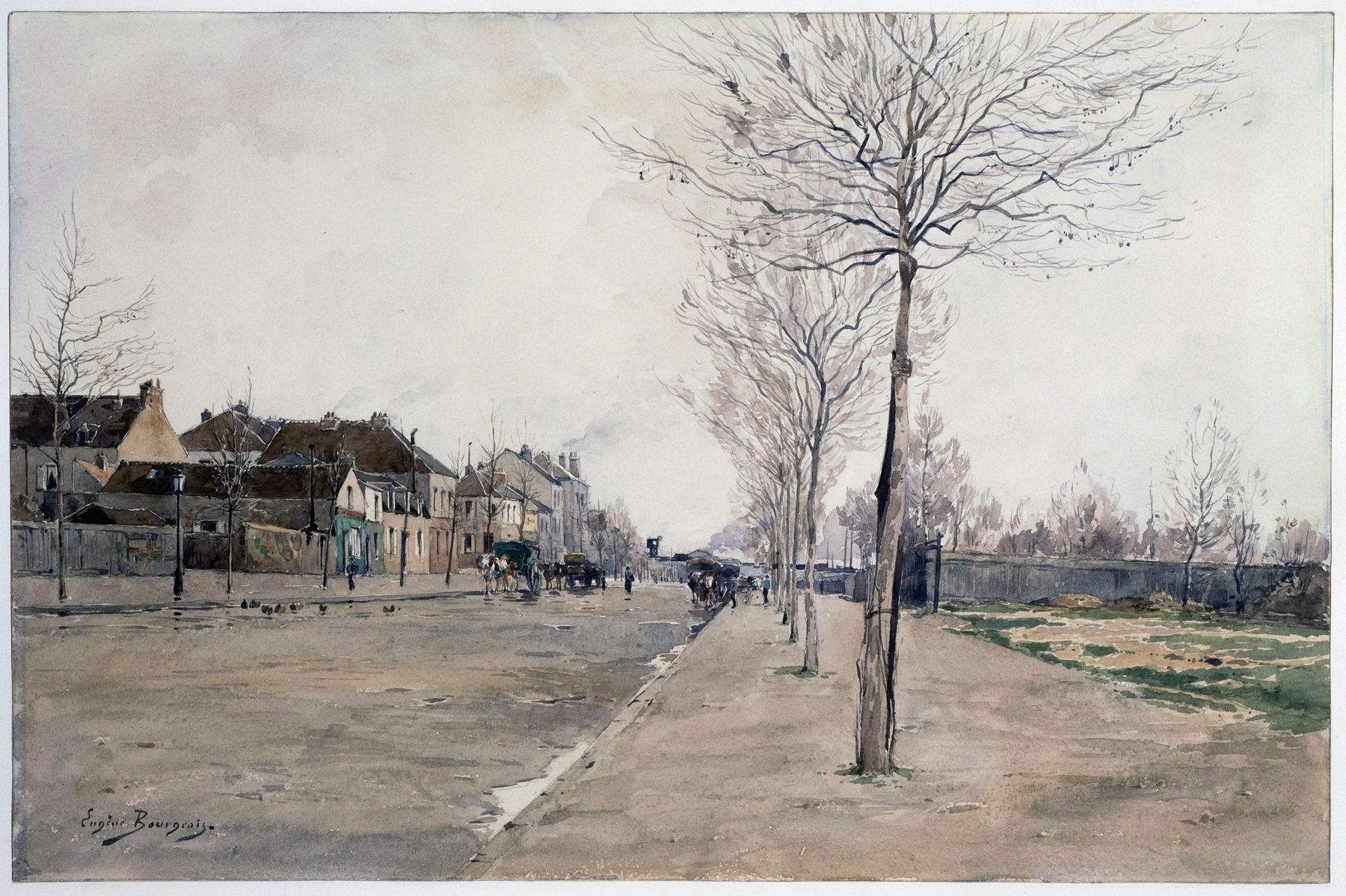
“The canvas doesn’t lie — it simply waits.” In the stillness of a moment, life teeters between decay and renewal, and the essence of rebirth permeates the air, inviting contemplation of what lies beyond the frame. Look to the foreground, where the meandering path flows like a gentle river, beckoning the viewer to travel along its winding course. Notice how the earthy tones of the soil contrast with the brighter greens of new foliage, a testament to nature’s cyclical resilience. The artist's brushstrokes deftly capture the interplay of light filtering through the clouds, casting delicate shadows that dance over the landscape, amplifying the emotional weight of this transitional space.
Hidden within this composition are whispers of defiance and hope. The fortified walls in the background symbolize the remnants of a past struggle, yet they are softened by the encroaching vegetation, representing the tenacity of life. There’s a subtle tension between the rigidity of the structures and the organic shapes around them, suggesting that even amidst oppression and hardship, rejuvenation is inevitable. This balance hints at the broader themes of societal rebirth and the promise of change.
Eugène Bourgeois created this piece between 1855 and 1909, a time when France was experiencing profound shifts in its political landscape. As industrialization blossomed and social movements stirred, the artist found himself in a world grappling with transformation. His work reflects a collective yearning for renewal during a period characterized by both upheaval and growth, capturing a moment that resonates far beyond its historical context.