Rue Sacrot — History & Analysis
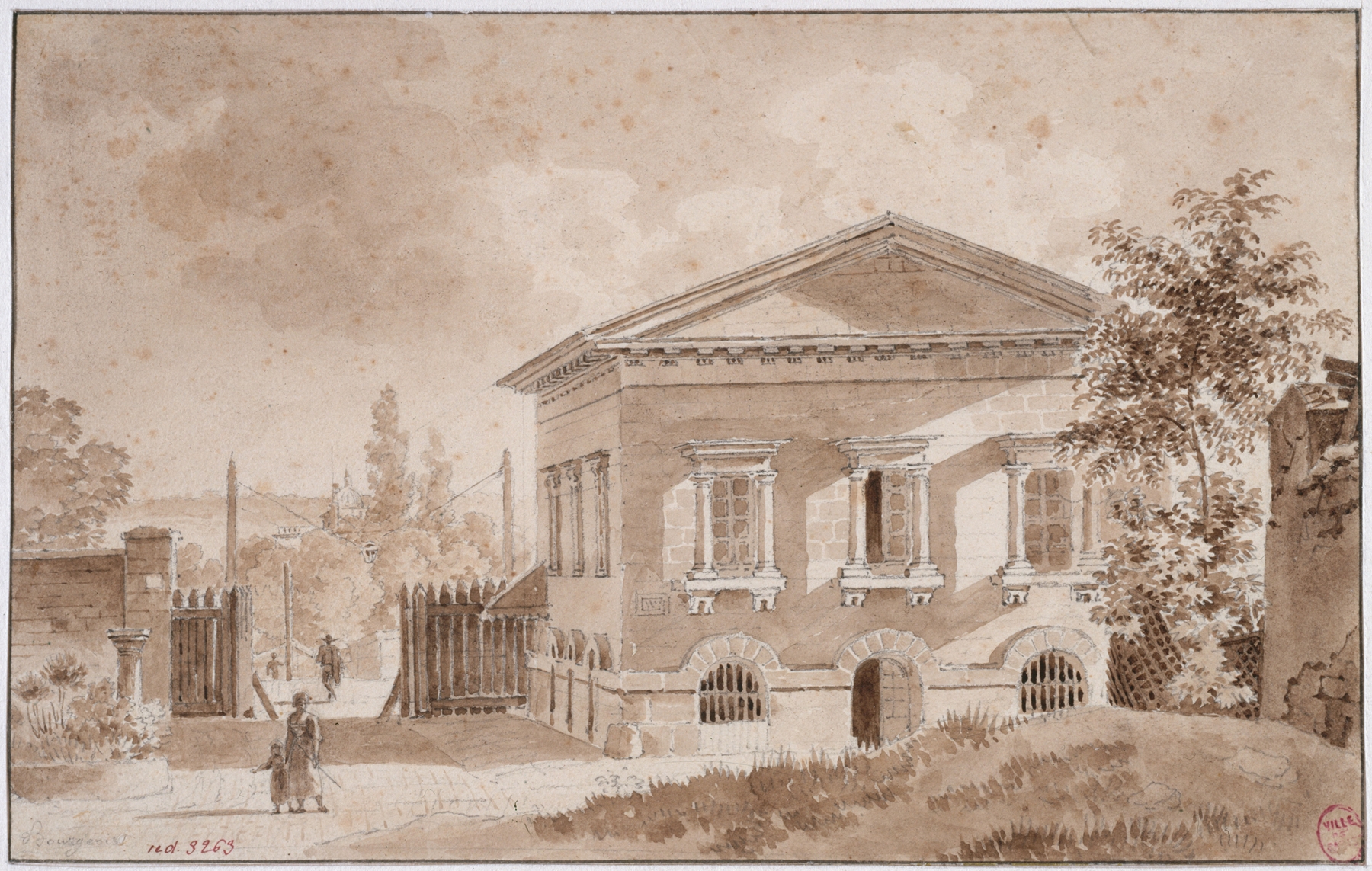
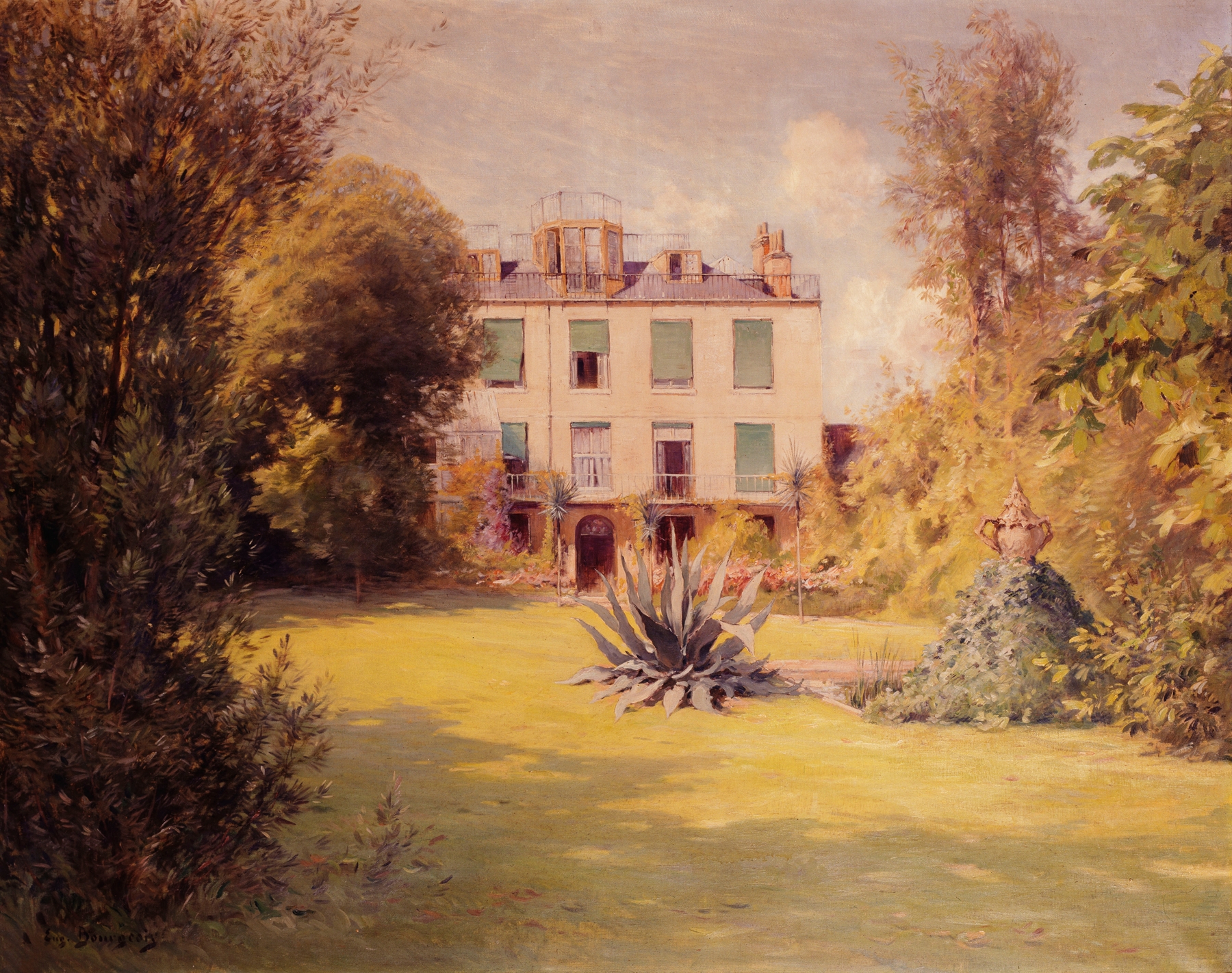
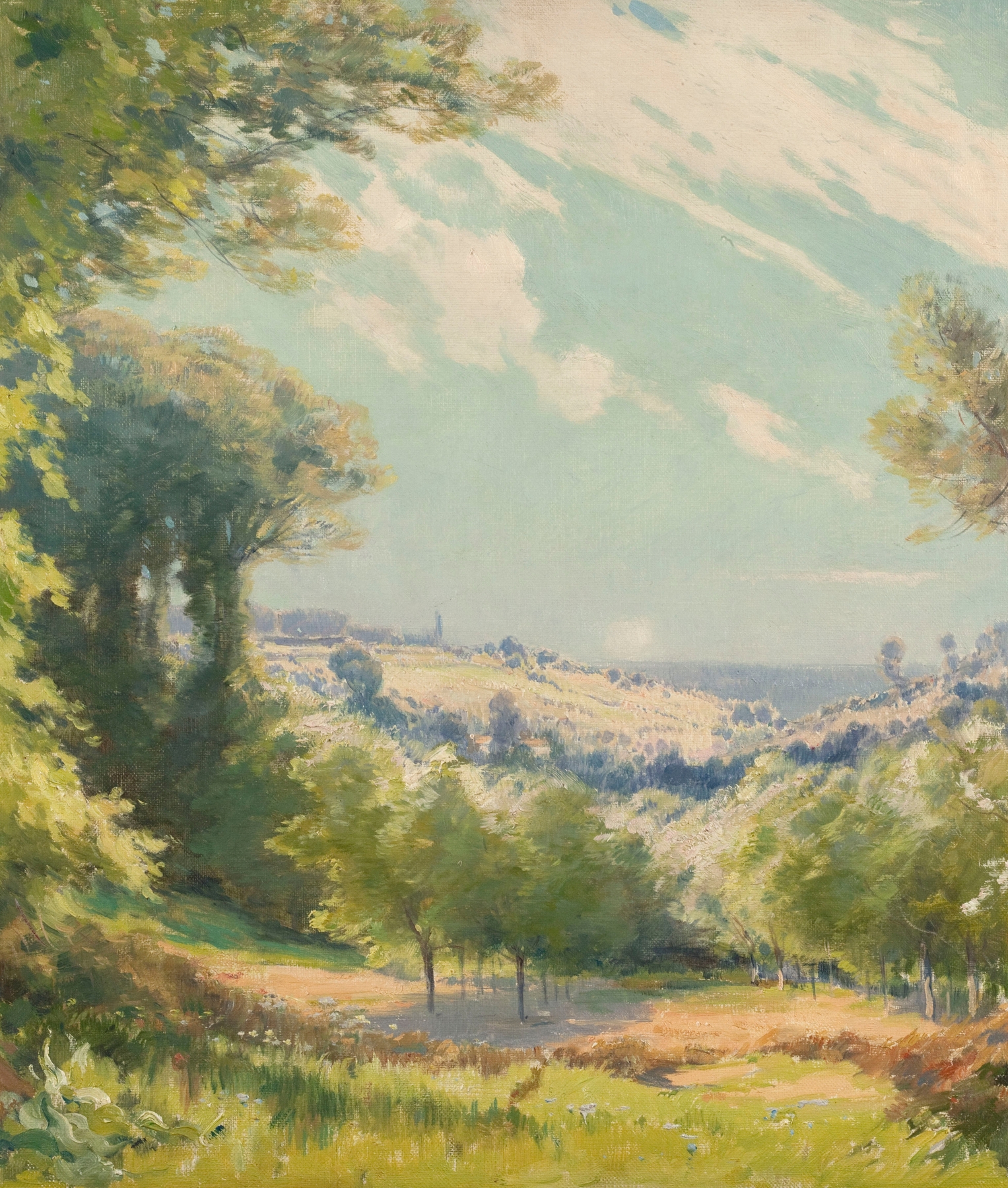
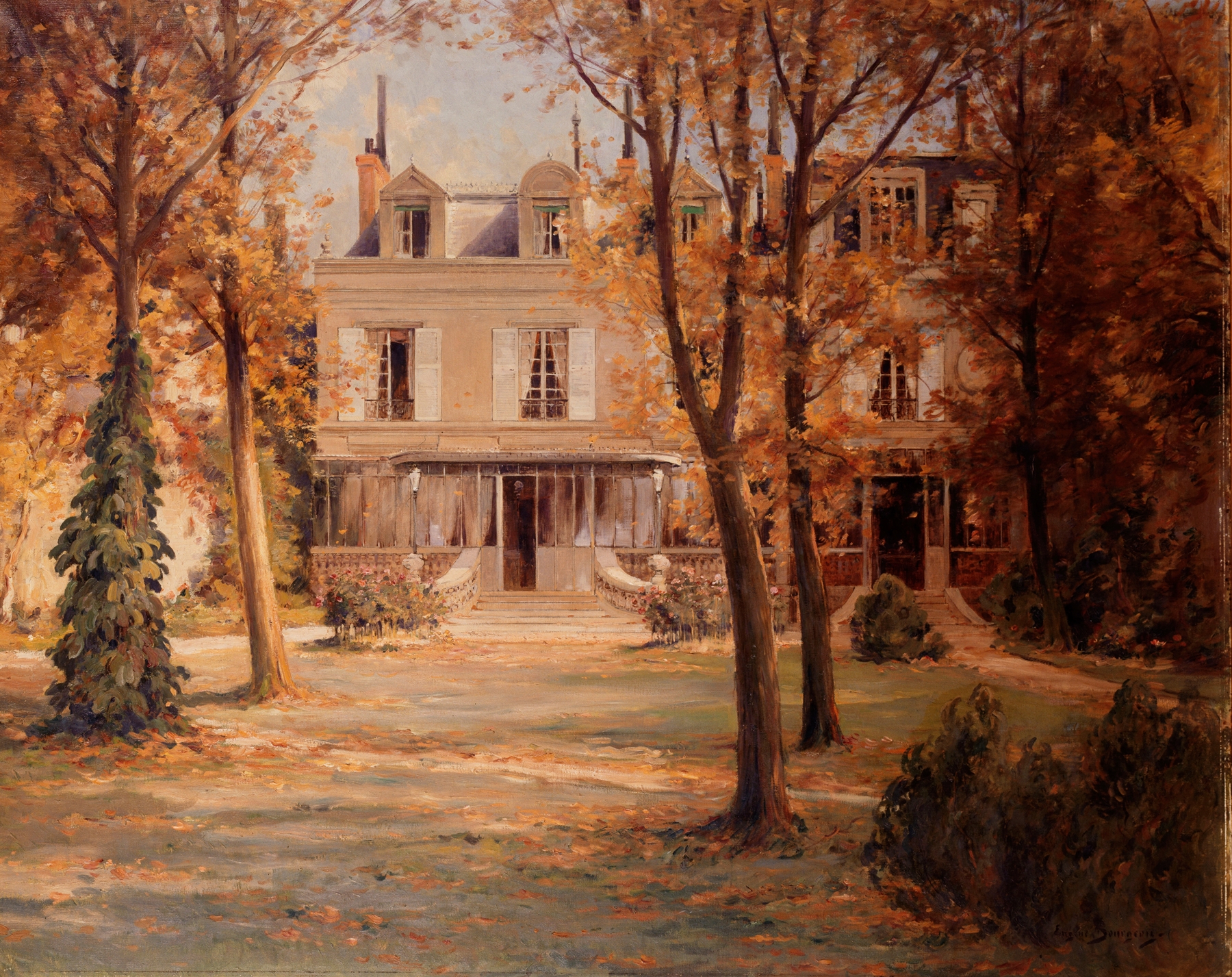
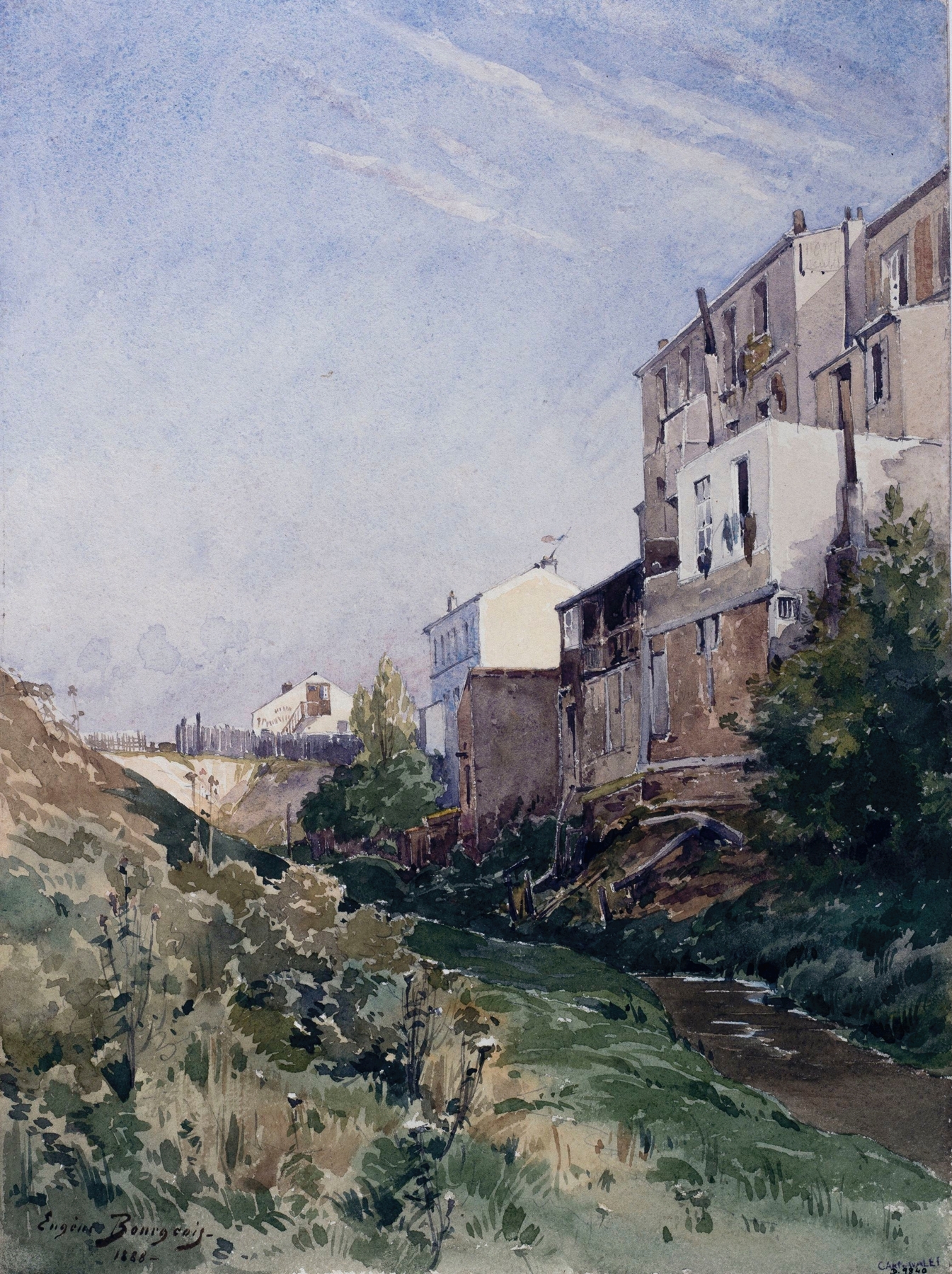
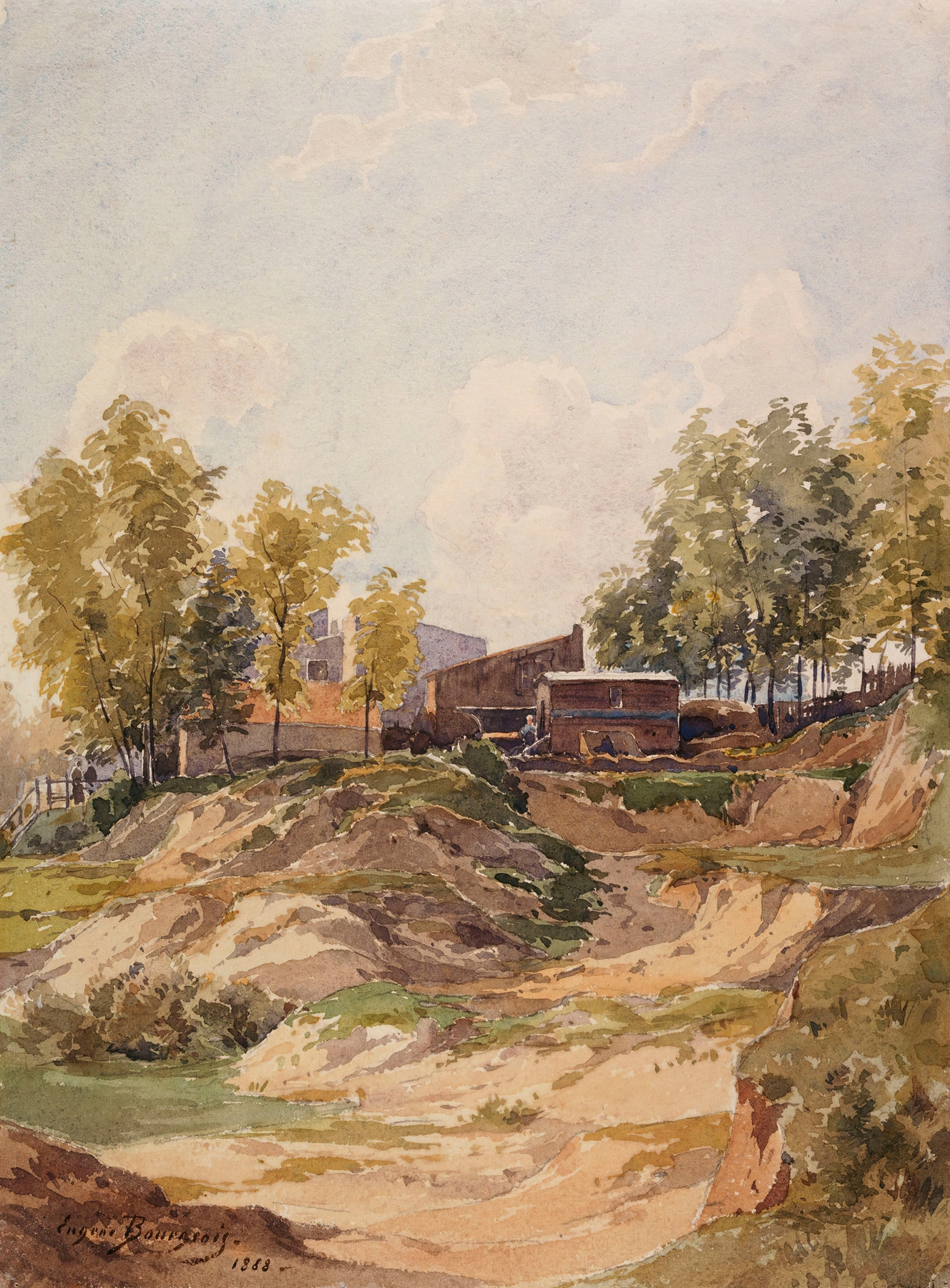
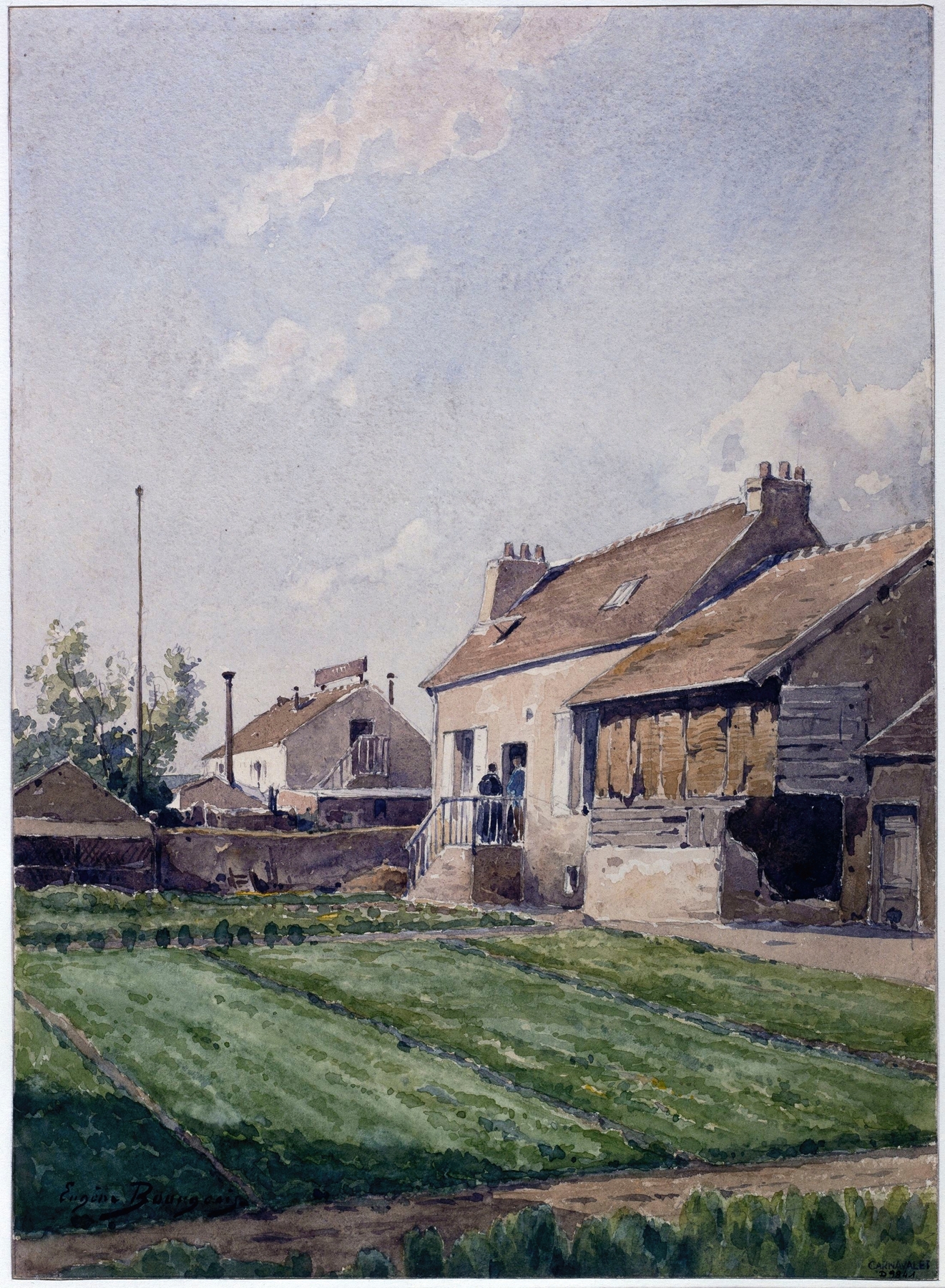
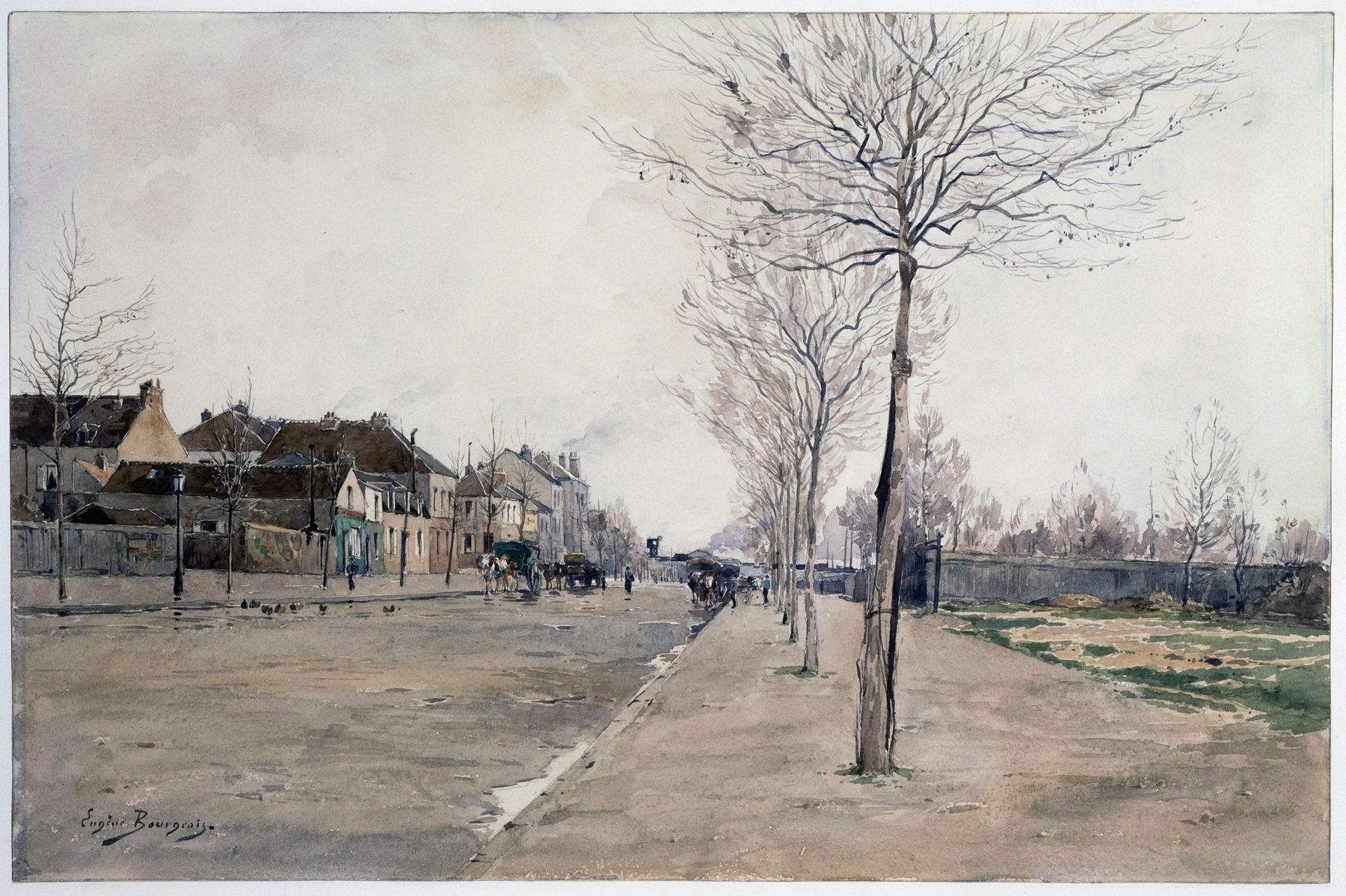
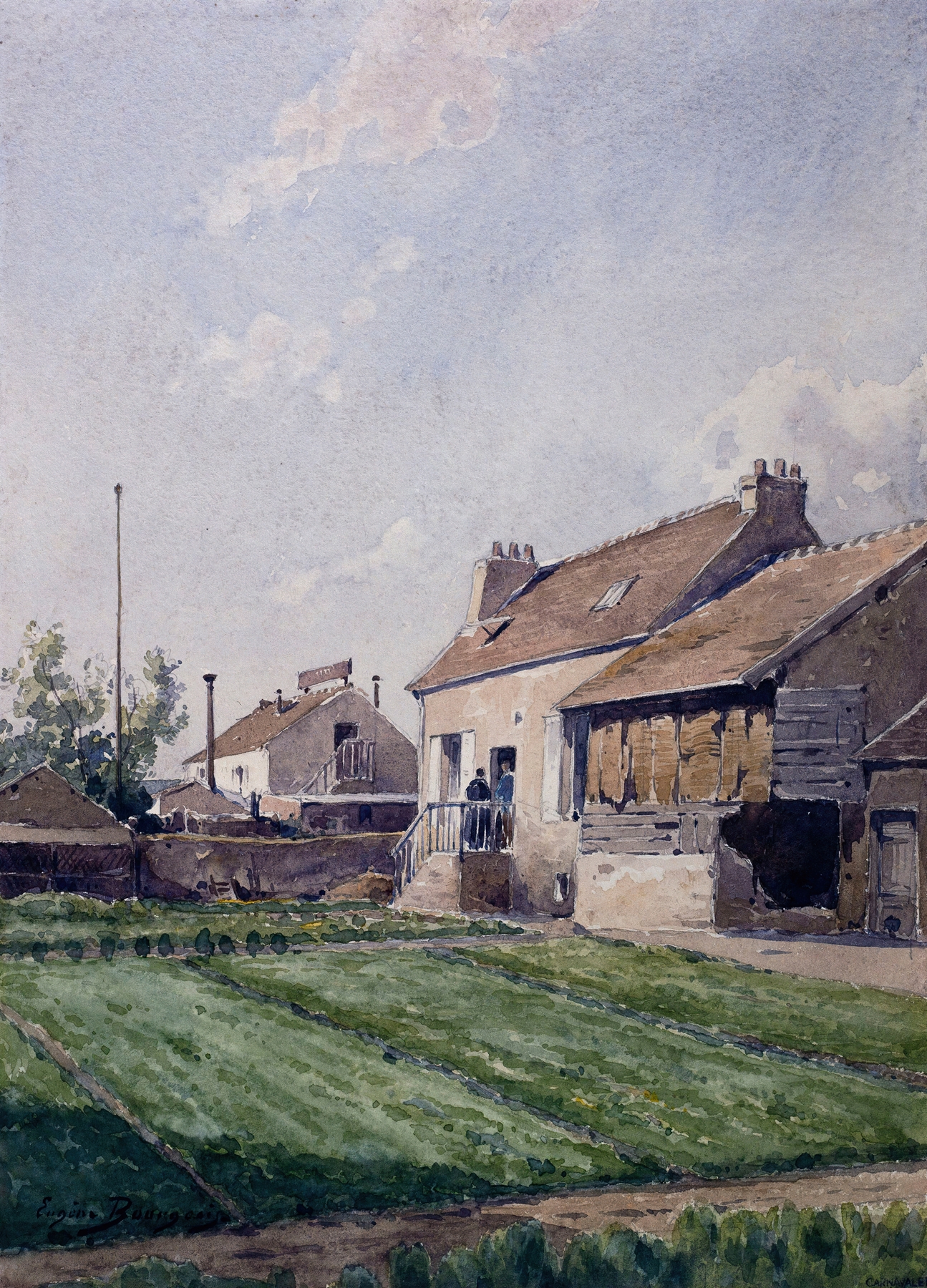
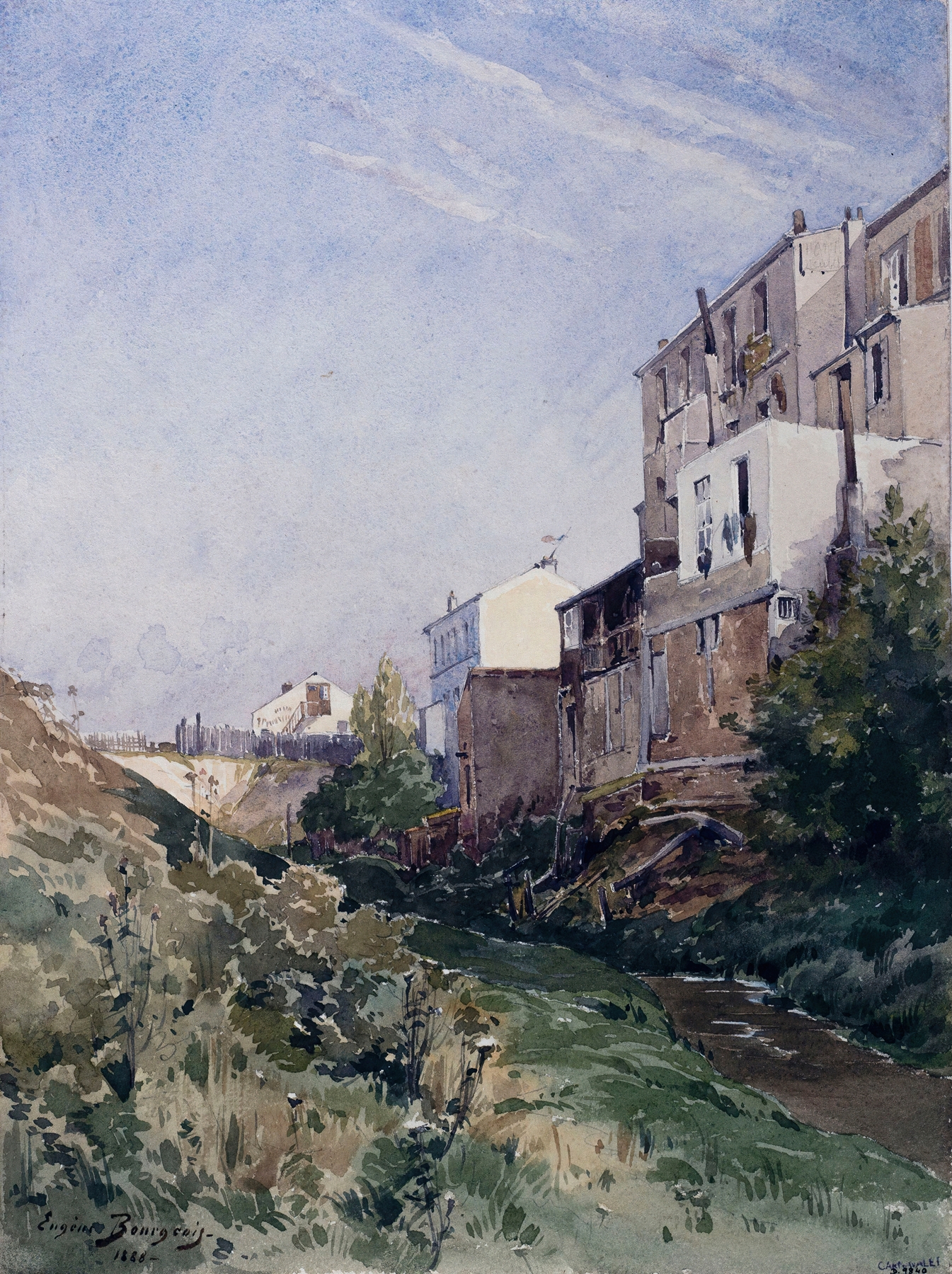
Is this a mirror — or a memory? In Rue Sacrot, the viewer is invited to traverse the delicate boundary between the past and the present, where revolution lingers in the air. Look to the left, where subtle strokes of ochre and muted greens create the façade of an intimate street scene. The cobblestone path invites your gaze downward, leading toward a lone figure whose posture suggests a moment of contemplation amidst the quiet chaos of everyday life.
Notice how the light gently bathes the buildings, capturing the warmth of a fading sun while casting elongated shadows that whisper of the changes yet to come. The painting holds a tension between stability and upheaval; the architecture stands firm, yet it pulses with a sense of imminent transformation. The solitary figure, perhaps a metaphor for the common man, embodies both the weight of history and the potential for societal change. Look closely, and you might detect hints of vibrant colors peeking through drabness, representing hope amidst uncertainty.
Each brushstroke feels like a heartbeat, a reminder that every revolution starts with a single thought, a single person. Eugène Bourgeois painted Rue Sacrot during a transformative period in France, roughly between 1855 and 1909. This era was marked by political upheaval, artistic experimentation, and the burgeoning modernity that would redefine Parisian life. As Bourgeois navigated the complexities of societal change, his work reflected the intimate experiences of those caught in the tide, capturing the essence of a city poised on the brink of evolution.