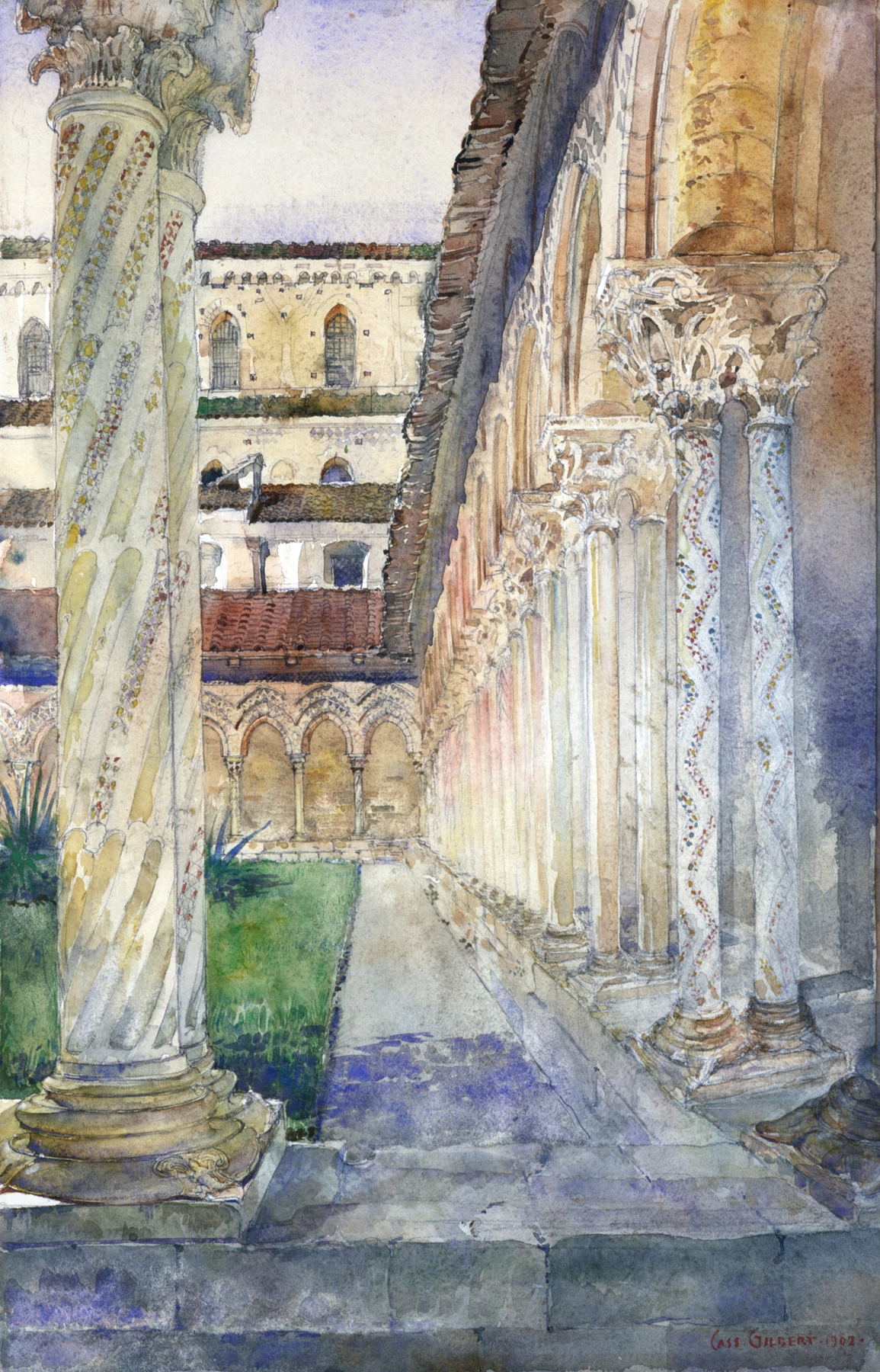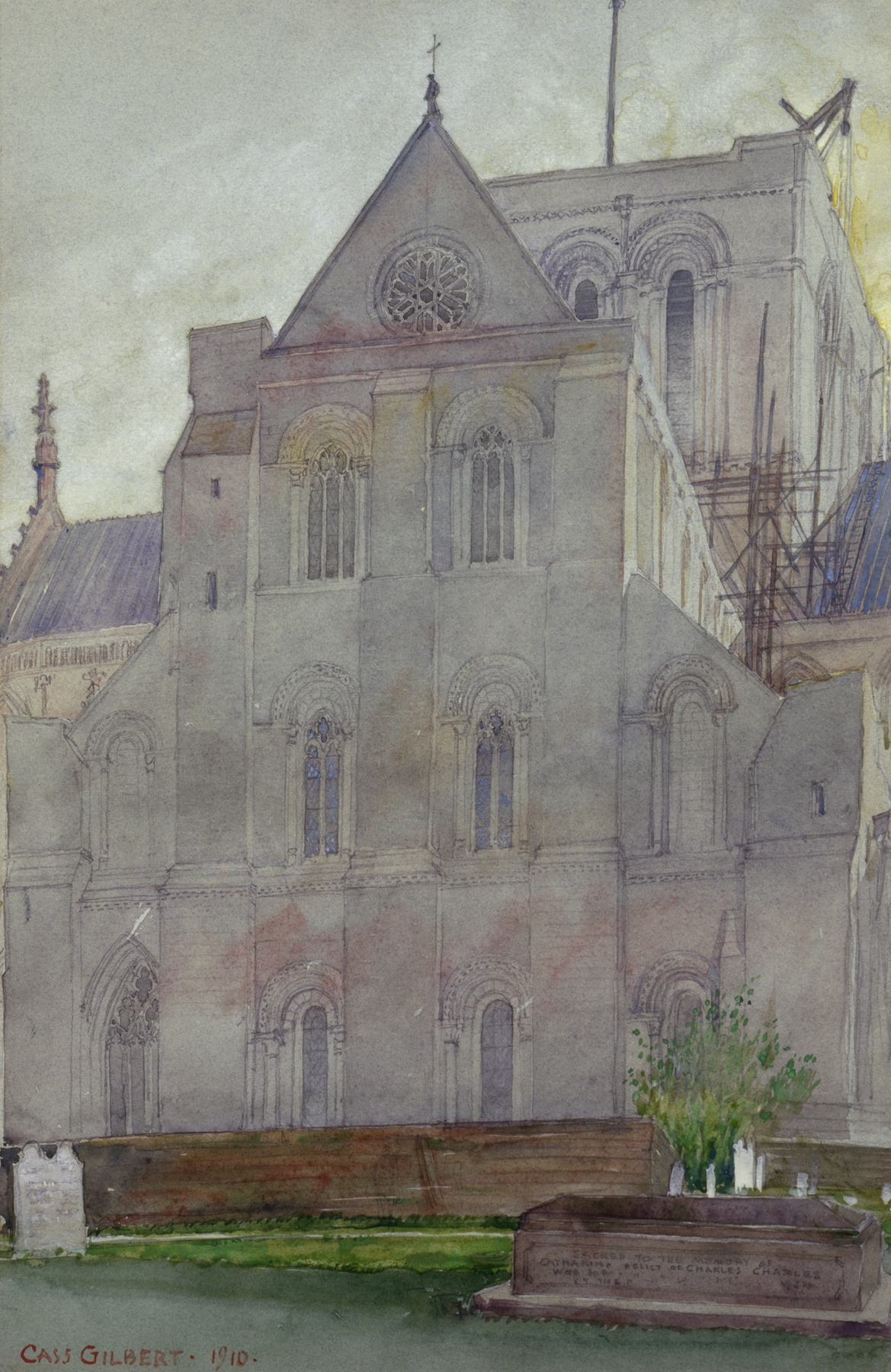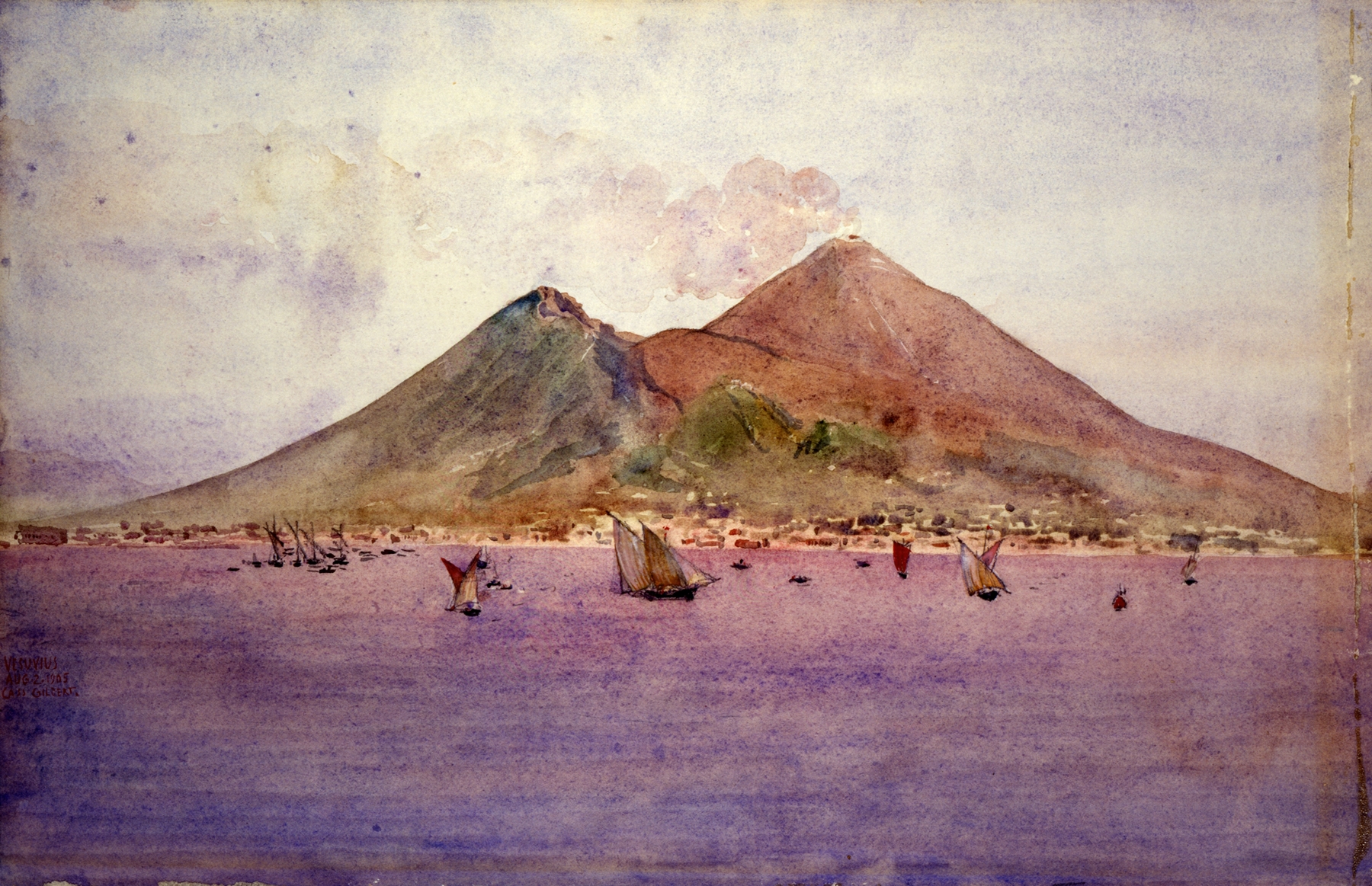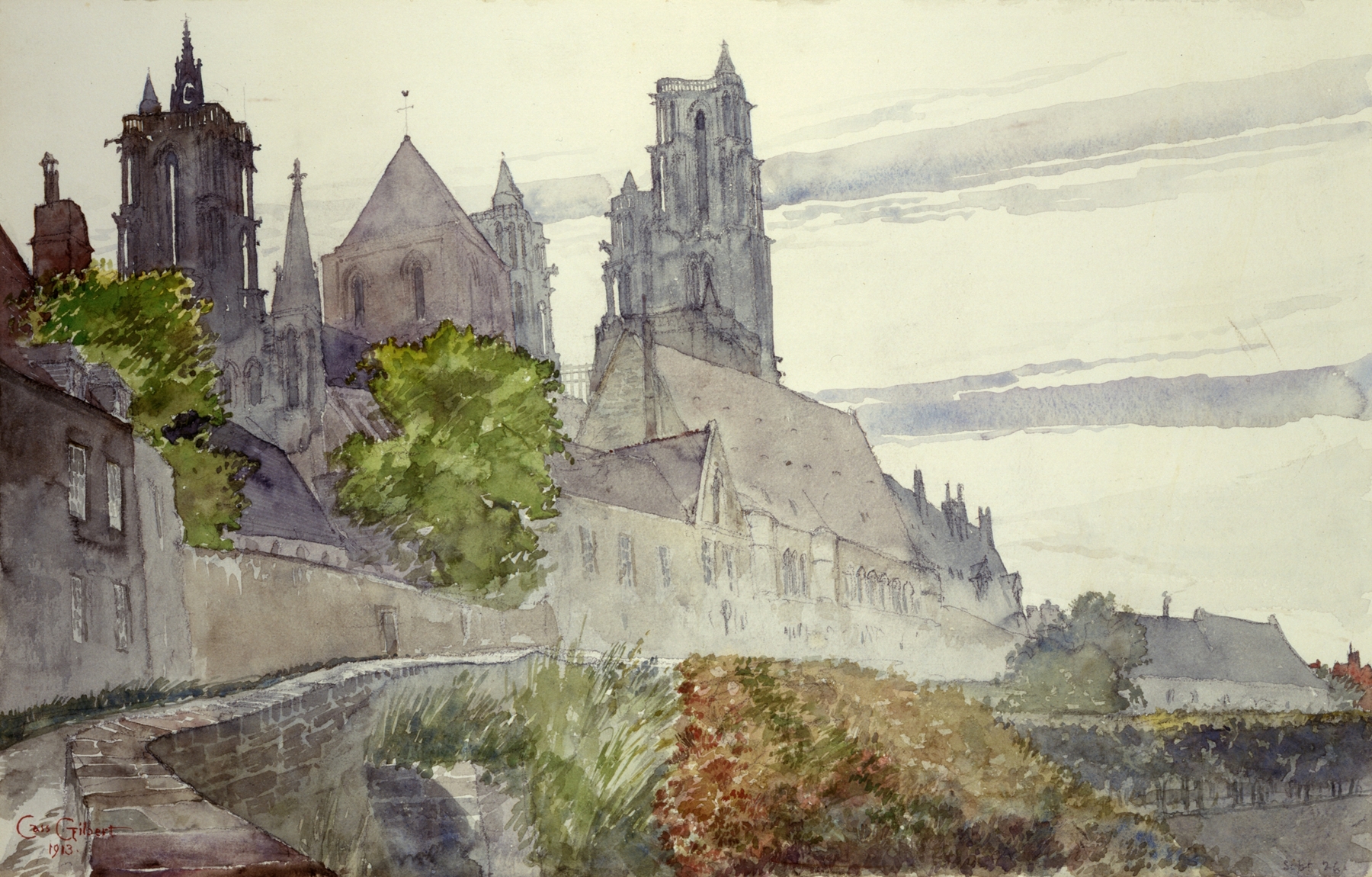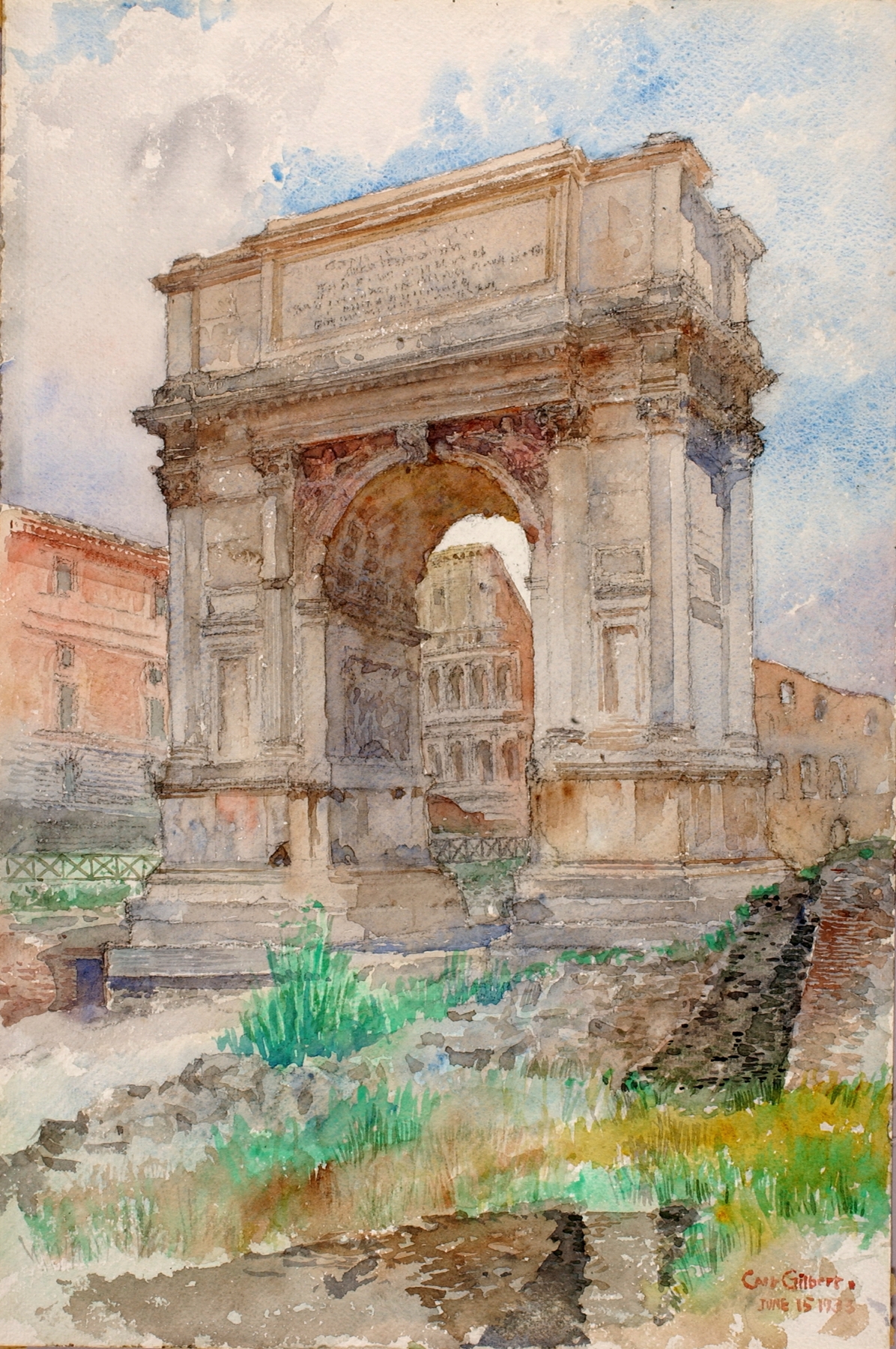
What if silence could speak through light? The ethereal glow that envelops the *Arch of Titus* captures a moment where history stands still, yet vibrates with an unseen energy, whispers of triumph and memory flowing through its stone. Focus first on the sweeping lines of the arch, which cradle a grandeur that draws you in. Notice how the warm, golden hues interplay with the cool grays of the stone, creating a harmonious balance that invites contemplation. The intricate reliefs carved into the facade beckon the eye to explore the stories etched into the surface, while the arch itself stands as a portal to the past, framing the sky above in a way that suggests both openness and enclosure. Hidden within the arch's form is a dialogue between permanence and transience. The figures in the reliefs, frozen mid-motion, embody the weight of historical significance, yet their expressions hint at deeper narratives of struggle and triumph. The juxtaposition of the arch's robustness against the delicacy of its carvings speaks to the complexities of legacy — the way history can both uplift and burden those who inherit it. In 1933, Cass Gilbert created this monumental work as part of a larger design for the World's Fair in Chicago, during a time when America was grappling with the aftermath of the Great Depression. His vision for the *Arch of Titus* emerged from a deep understanding of architectural history, and a desire to evoke both reverence and reflection in a society yearning for hope and connection through its past.