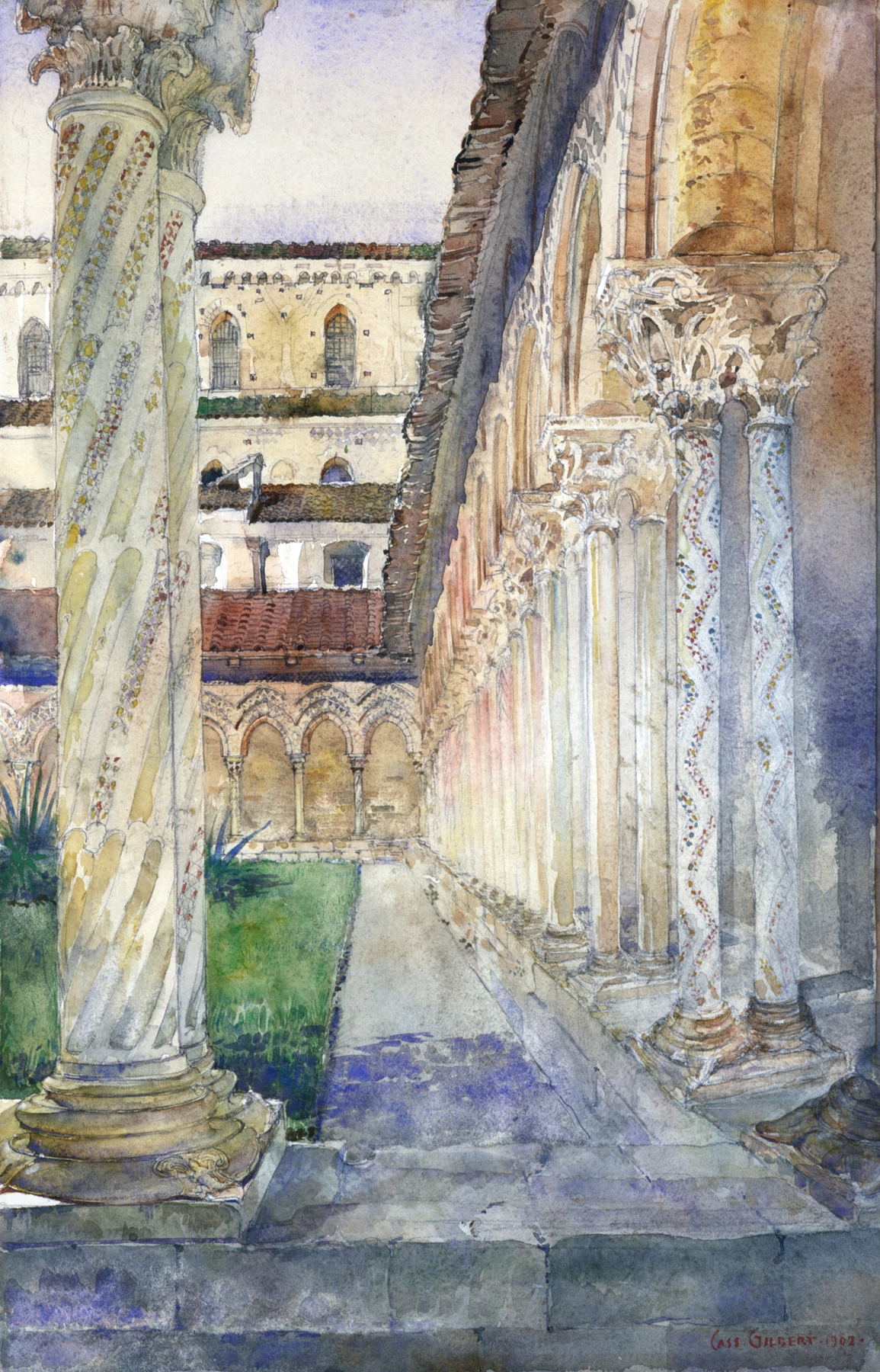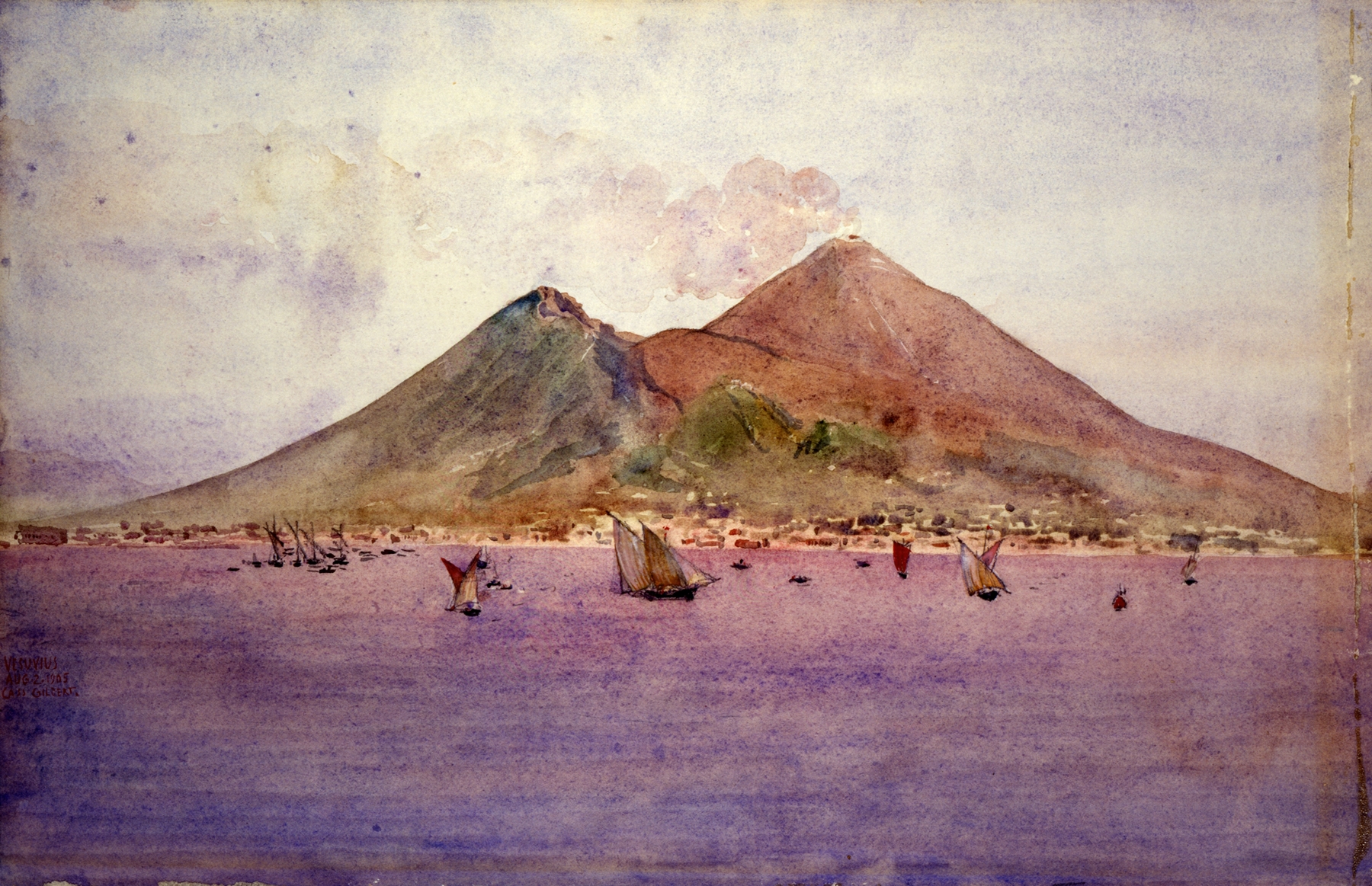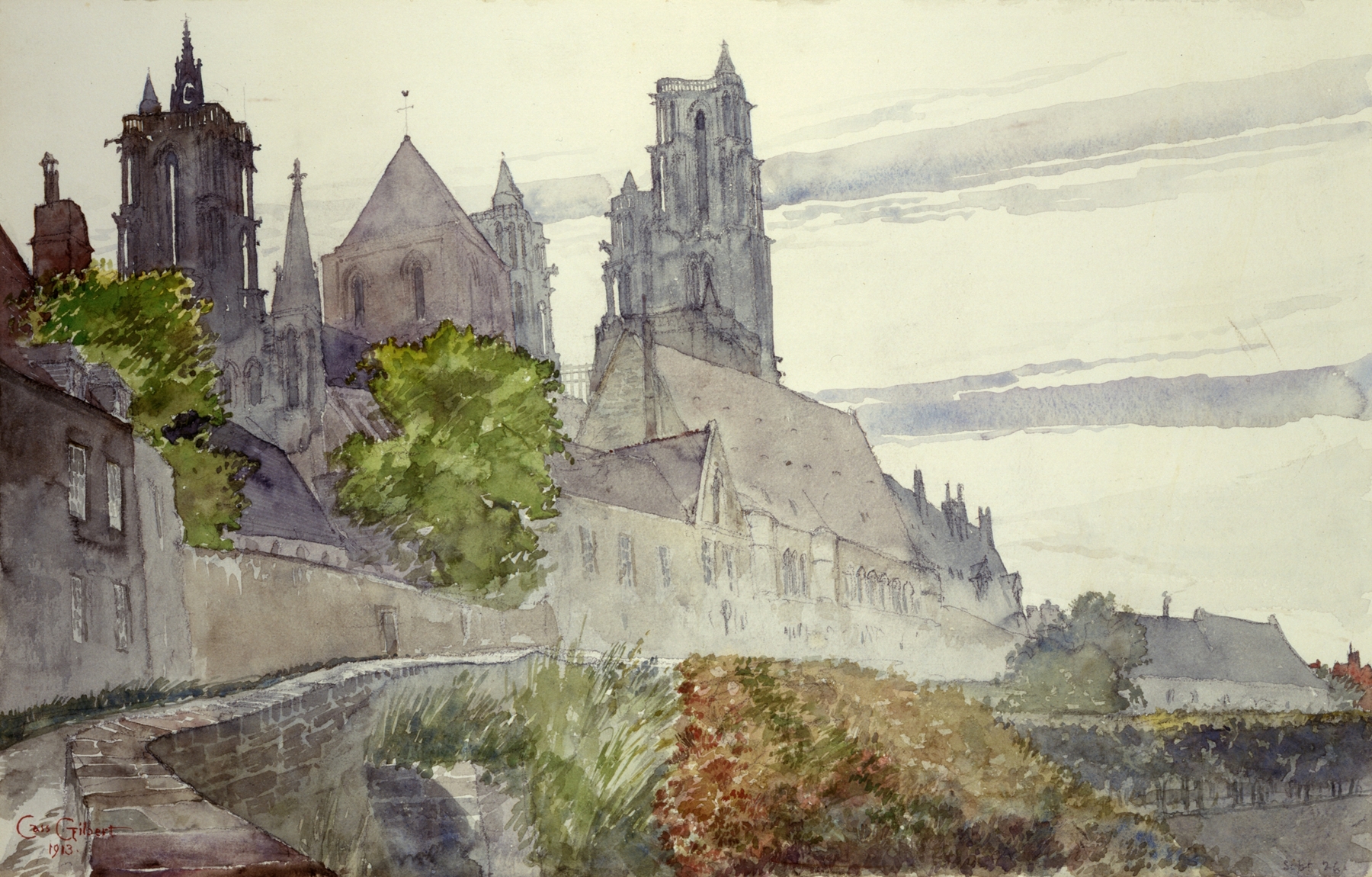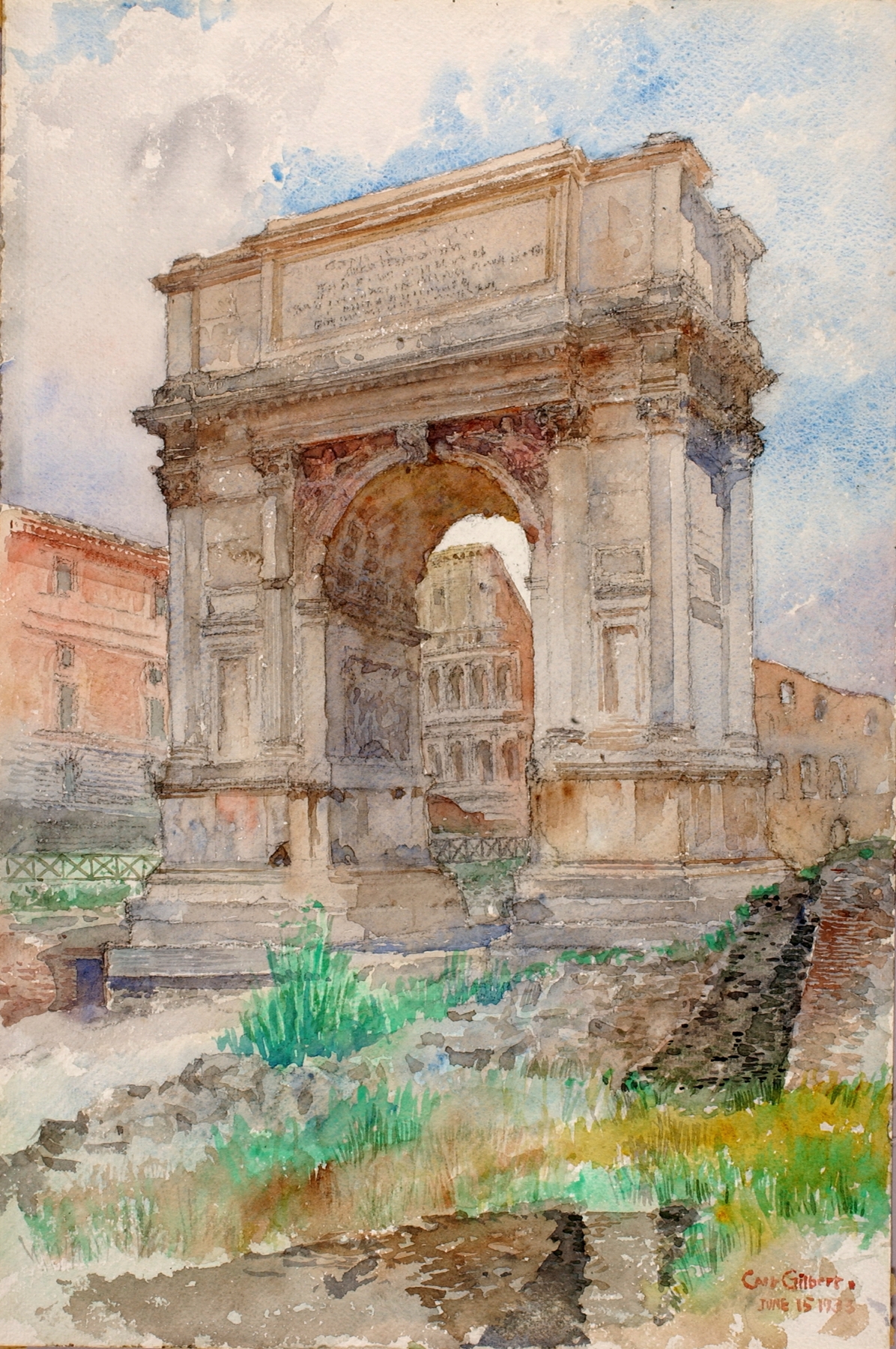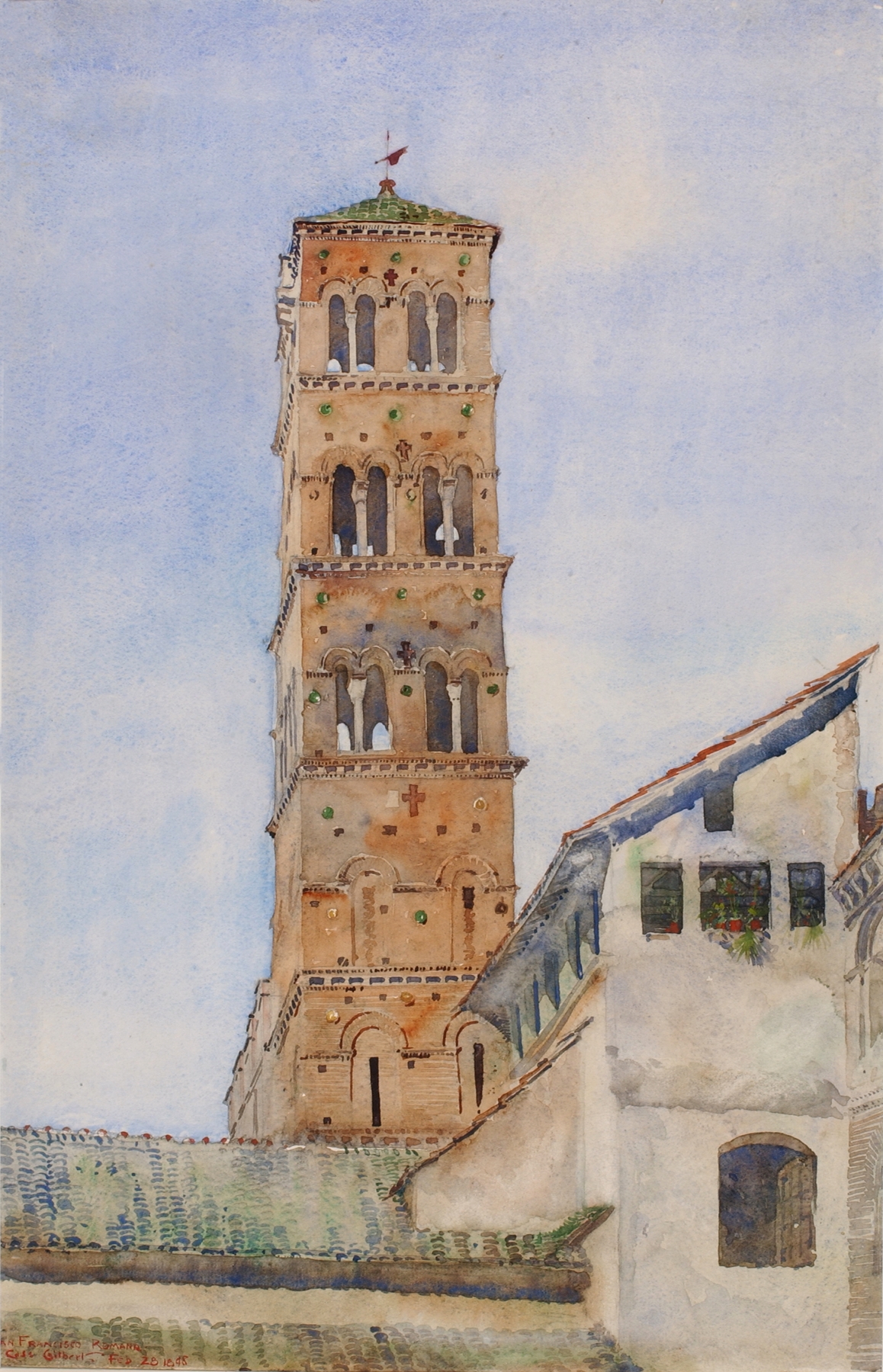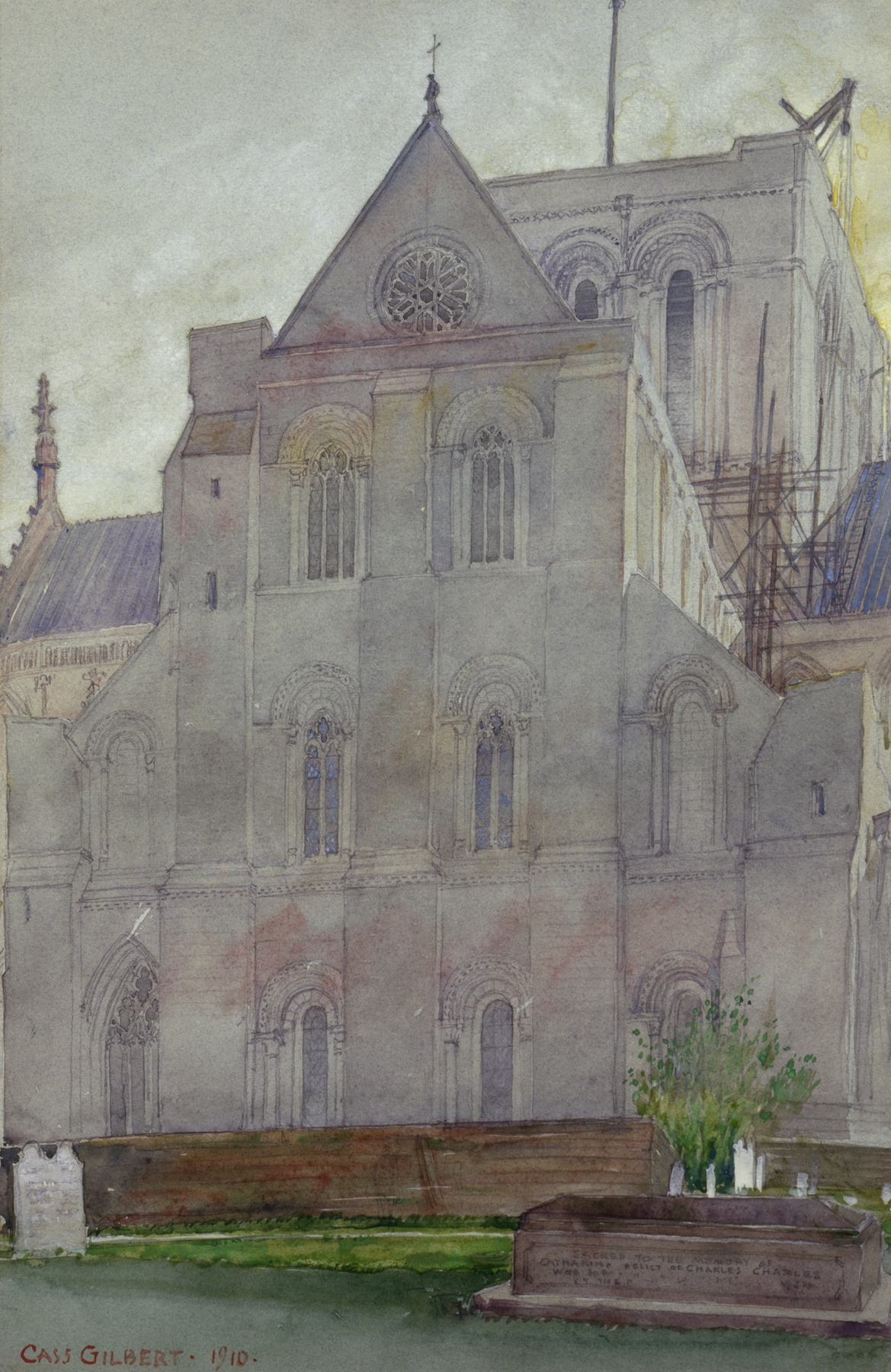
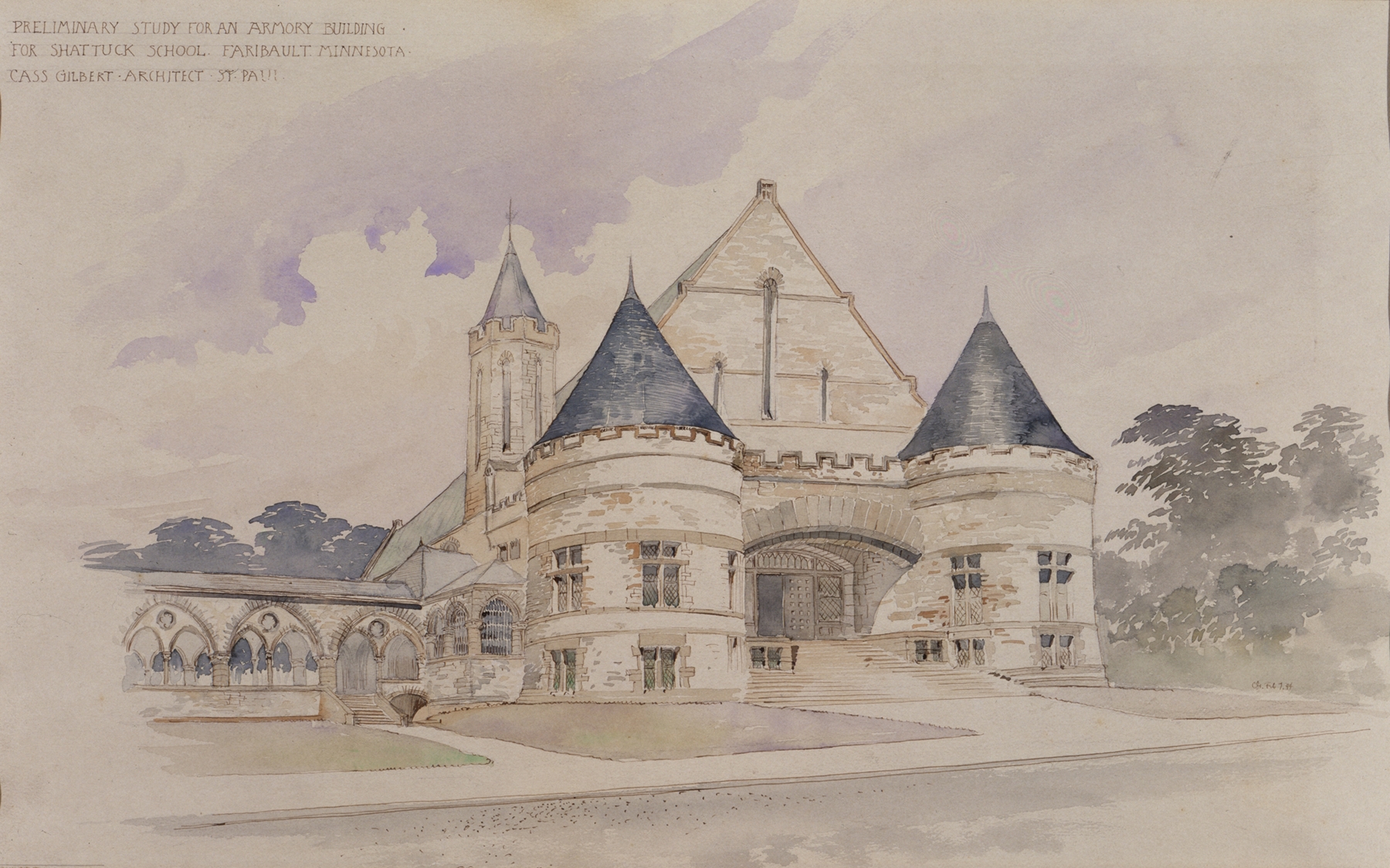
“Between color and silence, truth hides.” This delicate balance invites contemplation and invites us to explore the transcendence found within the architectural splendor of a sacred space. In this moment of stillness, we are beckoned to witness the interplay of light and shadow, where the ethereal and the tangible converge. Look to the left at the intricate stonework, its cool hues echoing the solemnity of the cathedral's interior. Notice how the muted colors harmonize with the vibrant stained glass that filters radiant light into the space, casting a mosaic of colors upon the stone floor. The composition draws your gaze upward, where the soaring arches evoke a sense of aspiration and reverence, encouraging the spirit to ascend alongside the architecture itself. Gilbert’s meticulous attention to detail breathes life into this setting, offering a visual symphony of craftsmanship and devotion. Hidden meanings lie in the contrast between the starkness of the stone and the warmth of the stained glass. The interplay between light and dark symbolizes the dual nature of existence, where the divine meets the earthly. Each facet of the glass reflects a story, a moment of human experience, inviting viewers to find their own narratives within the broader tapestry of faith and time. The quietude of the interior speaks to the contemplative aspect of the human spirit, urging us to pause and reflect amidst life’s chaos. In 1910, Cass Gilbert was deeply entrenched in the world of architecture, his works celebrated for their grandeur and innovation. During this period, he was also gaining recognition in the United States, crafting buildings that married classical influences with contemporary needs. As he rendered this depiction of Winchester Cathedral, he captured not just a physical space, but a profound human experience—an exploration of spiritual transcendence set against the backdrop of evolving artistic expression.