Tower, San Francisco Romano, Rome — History & Analysis
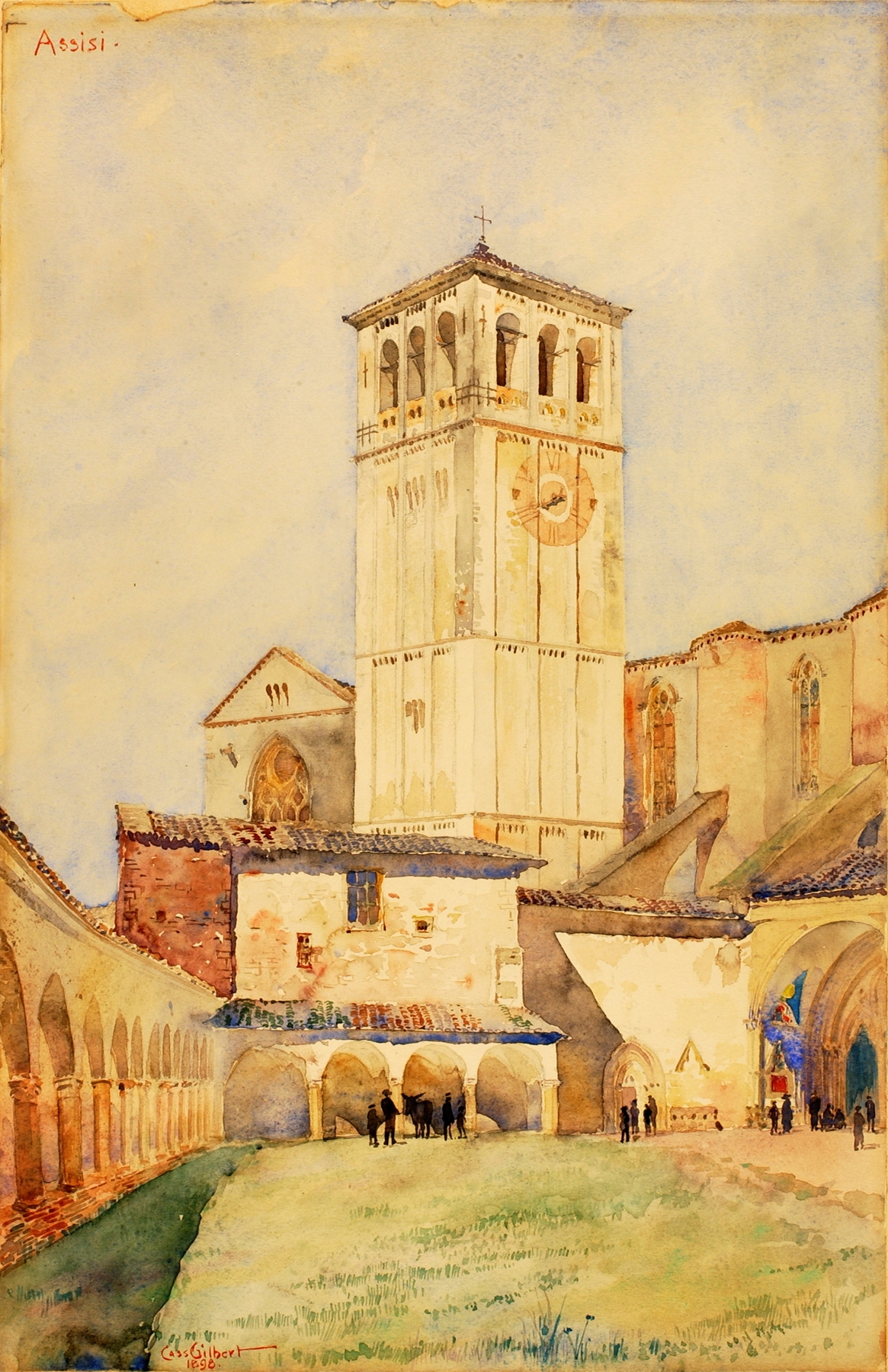
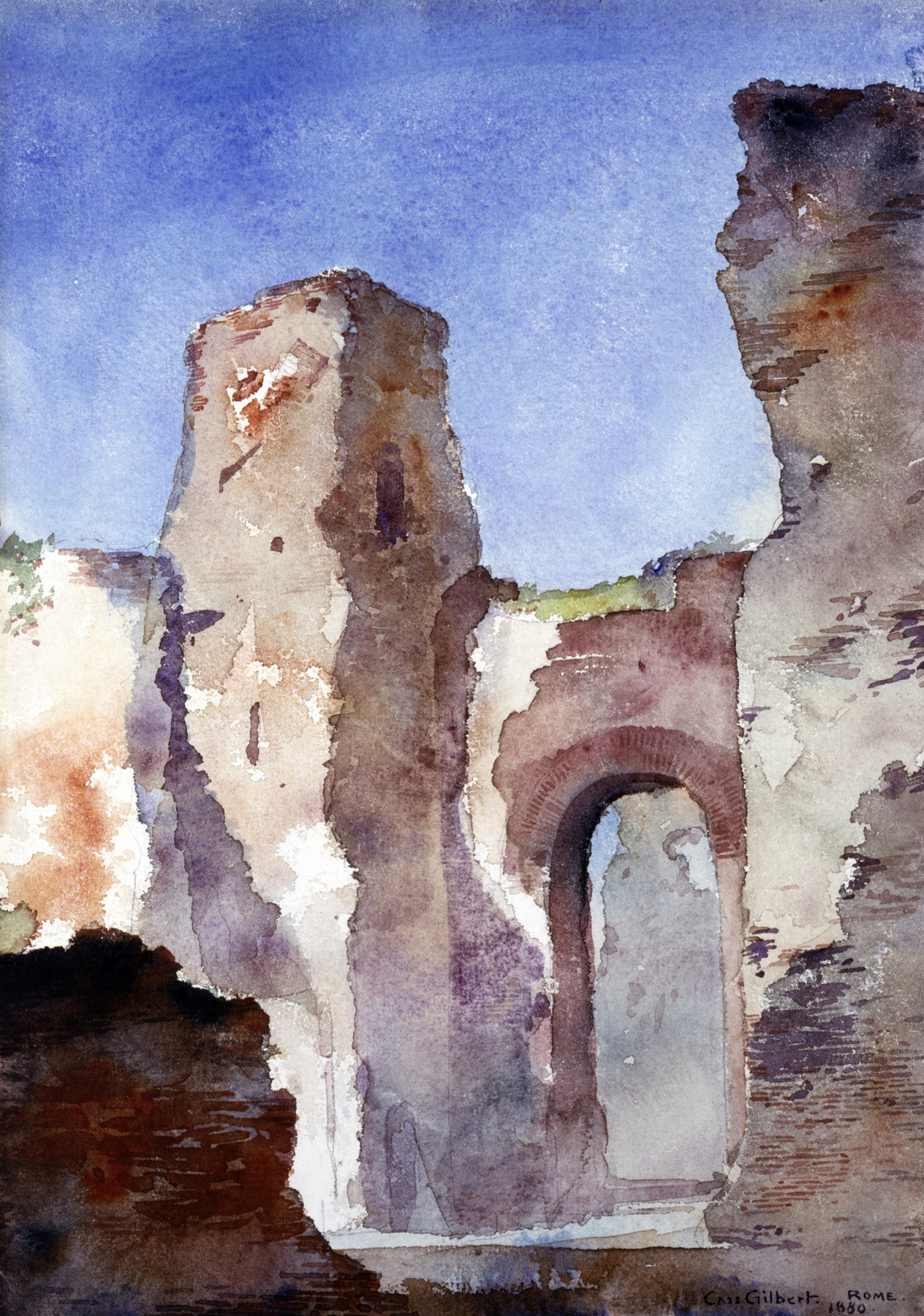
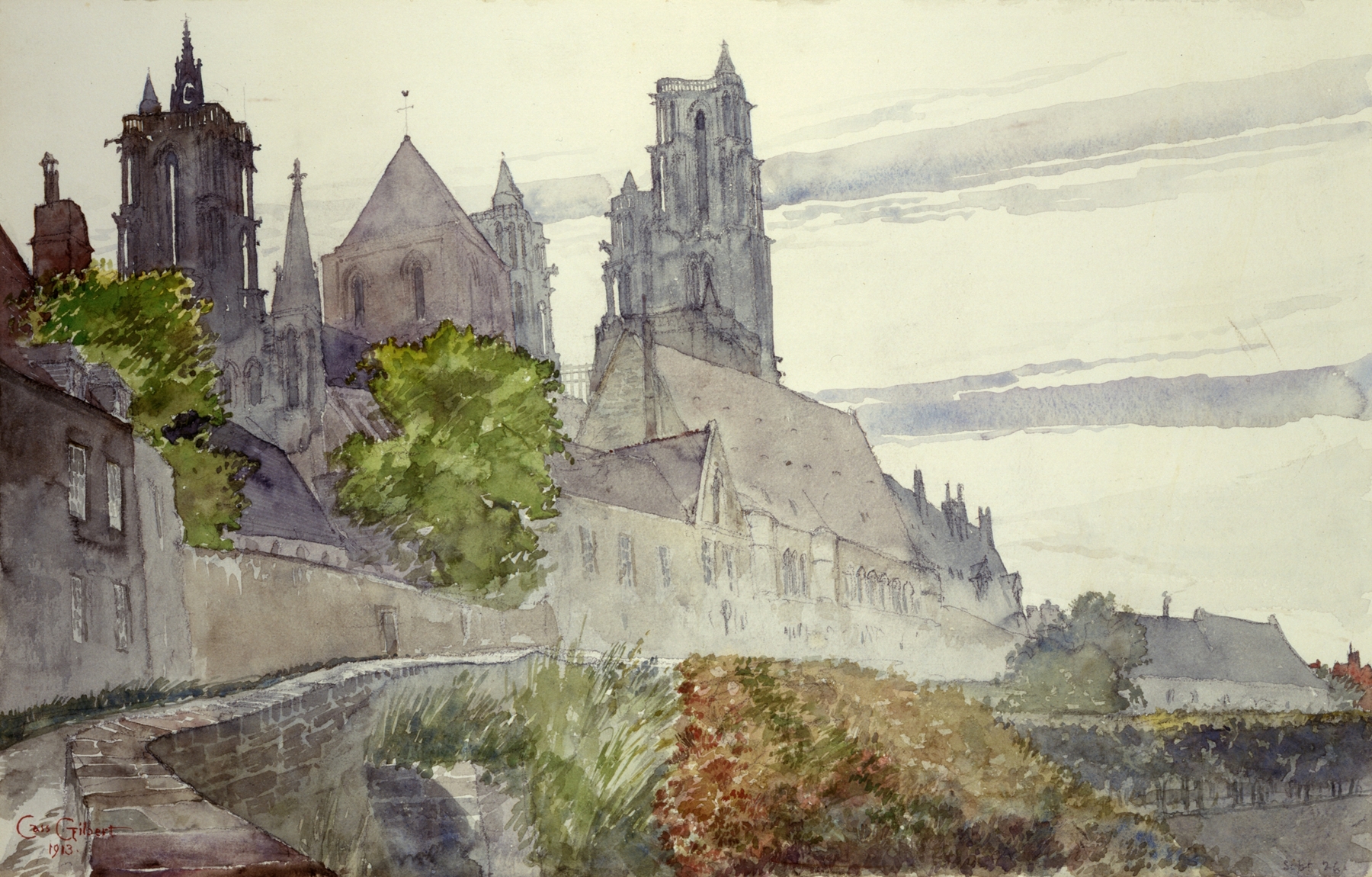
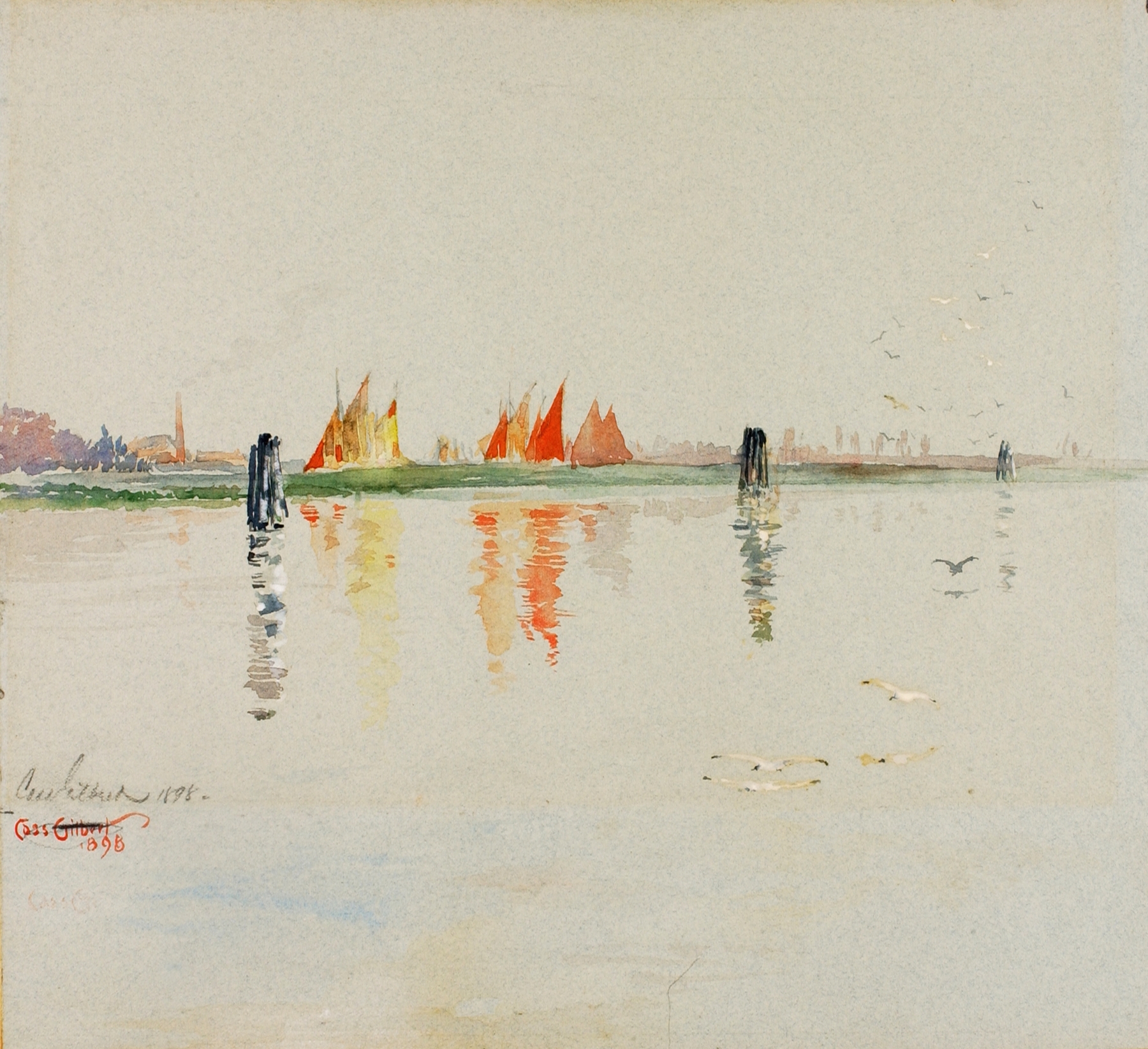
“The canvas doesn’t lie — it simply waits.” Each stroke of paint captures a moment frozen in time, inviting contemplation and reflection on what is lost and what remains. Focus first on the imposing figure of the tower, the centerpiece that commands the viewer’s attention. Its towering silhouette reaches into the sky, a symbol of ambition and permanence amidst a sea of softened hues. Notice how the light dances across the facade, the interplay of shadow and light revealing intricate textures that suggest a story hidden within its walls.
The subtle palette evokes nostalgia, as if whispering the secrets of the past while beckoning the future. Delve deeper into the composition to uncover the emotional dichotomies at play. The juxtaposition of the solid, unyielding structure against the ethereal quality of the sky speaks to the tension between human ambition and nature's indifference. Small details, like the cracks in the stone and the gentle encroachment of greenery, hint at the passage of time and the inevitable march toward decay.
These contrasts reflect a collective memory, a yearning for permanence in an ever-changing world. In 1898, Cass Gilbert was at a pivotal point in his career, working in New York while also engaging with the burgeoning architectural movements across America. The creation of this piece coincided with a time of rapid urban growth and innovation in architecture, mirroring the dynamic changes occurring in society. His experiences in both cities informed his vision for Tower, San Francisco Romano, Rome, encapsulating the essence of a transformative era in art and architecture.