Argyle Castle — History & Analysis
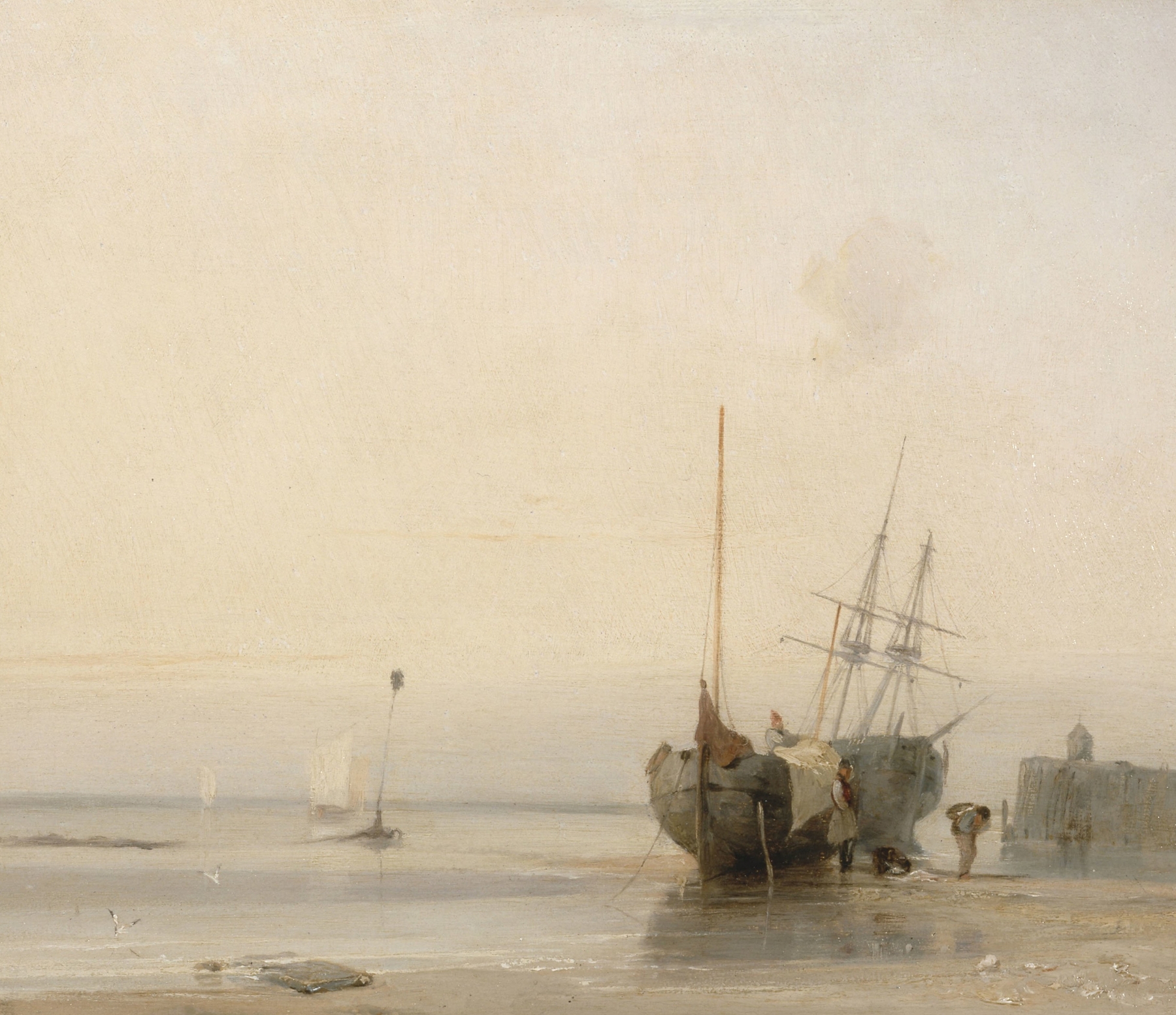
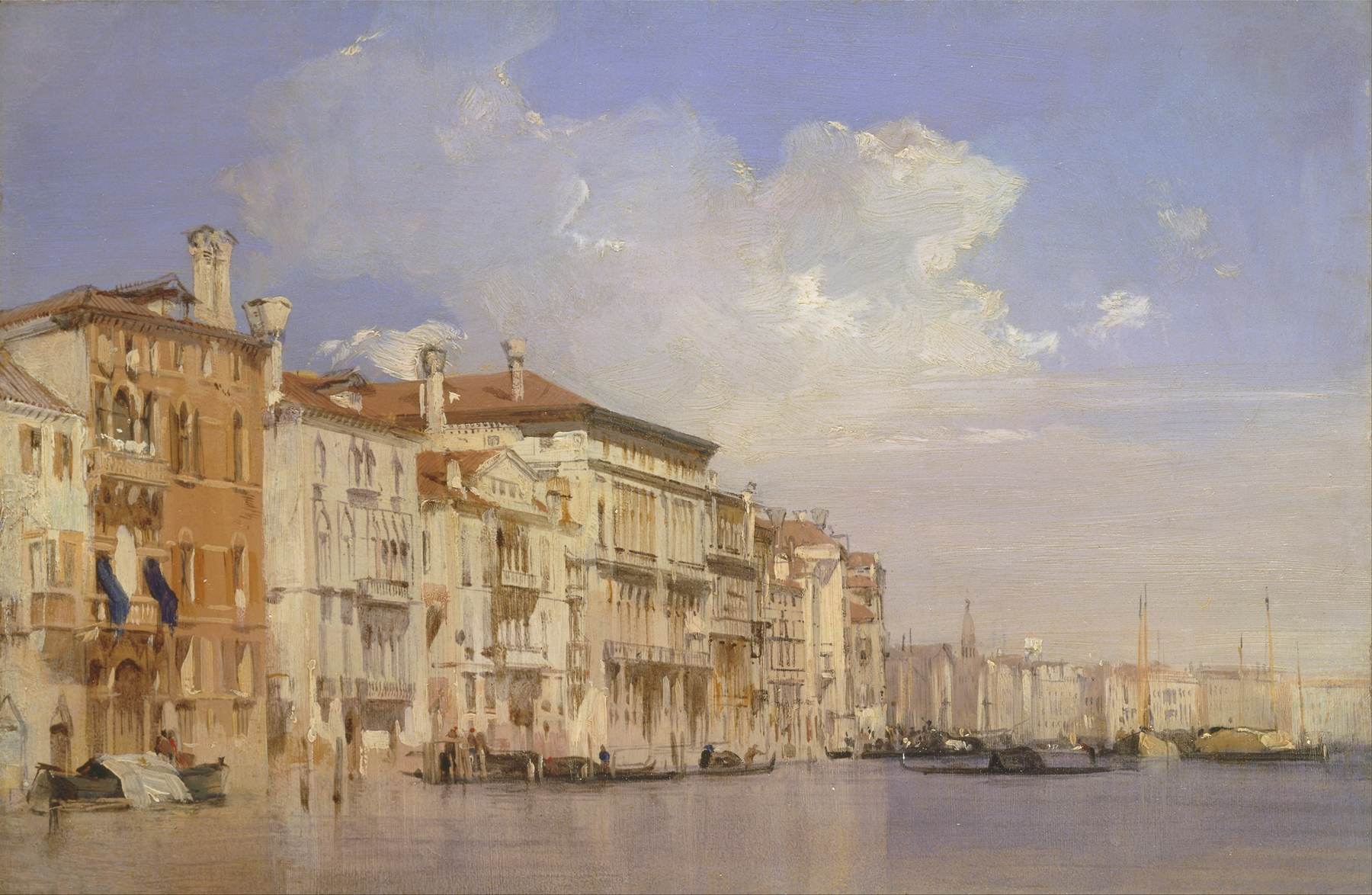
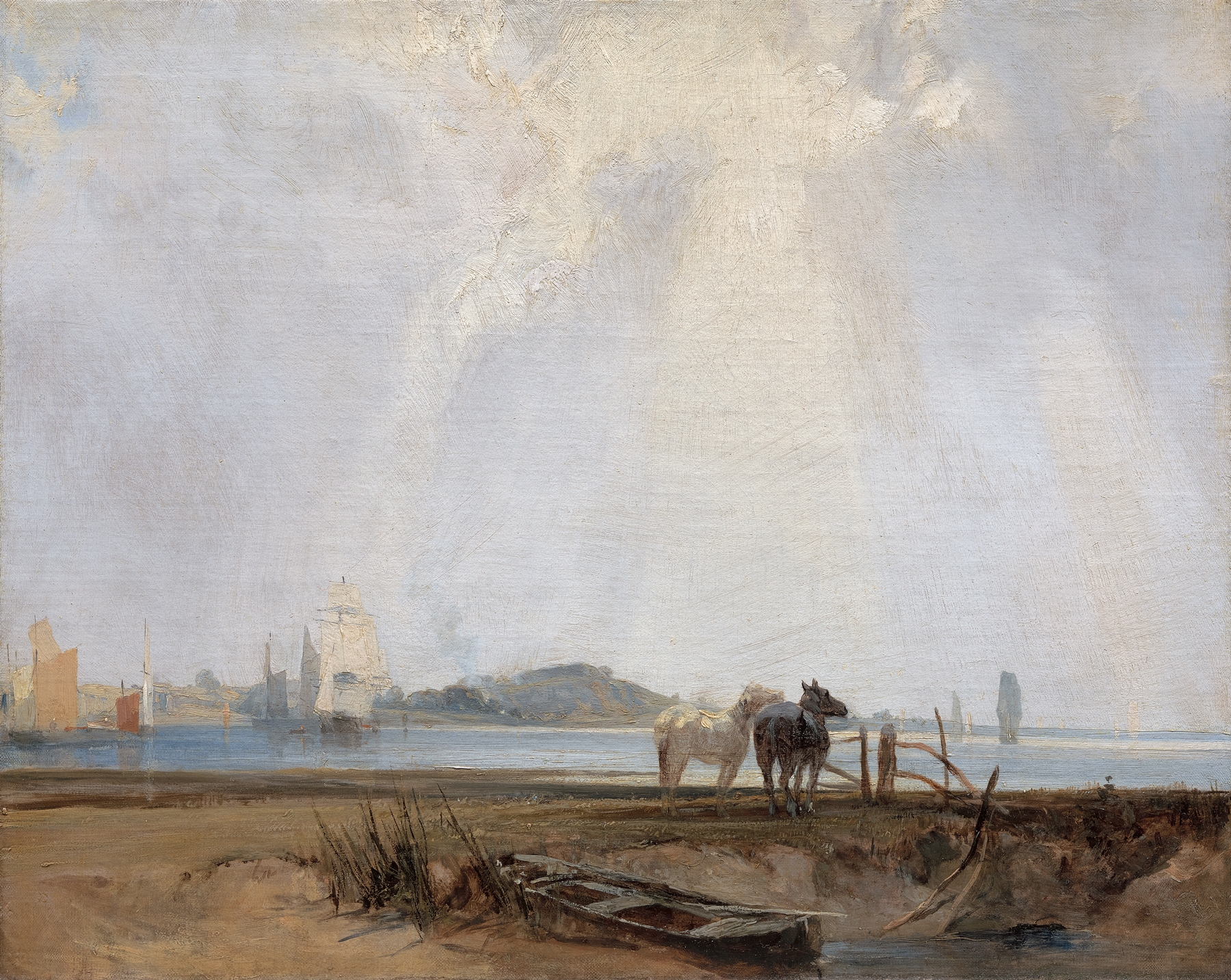
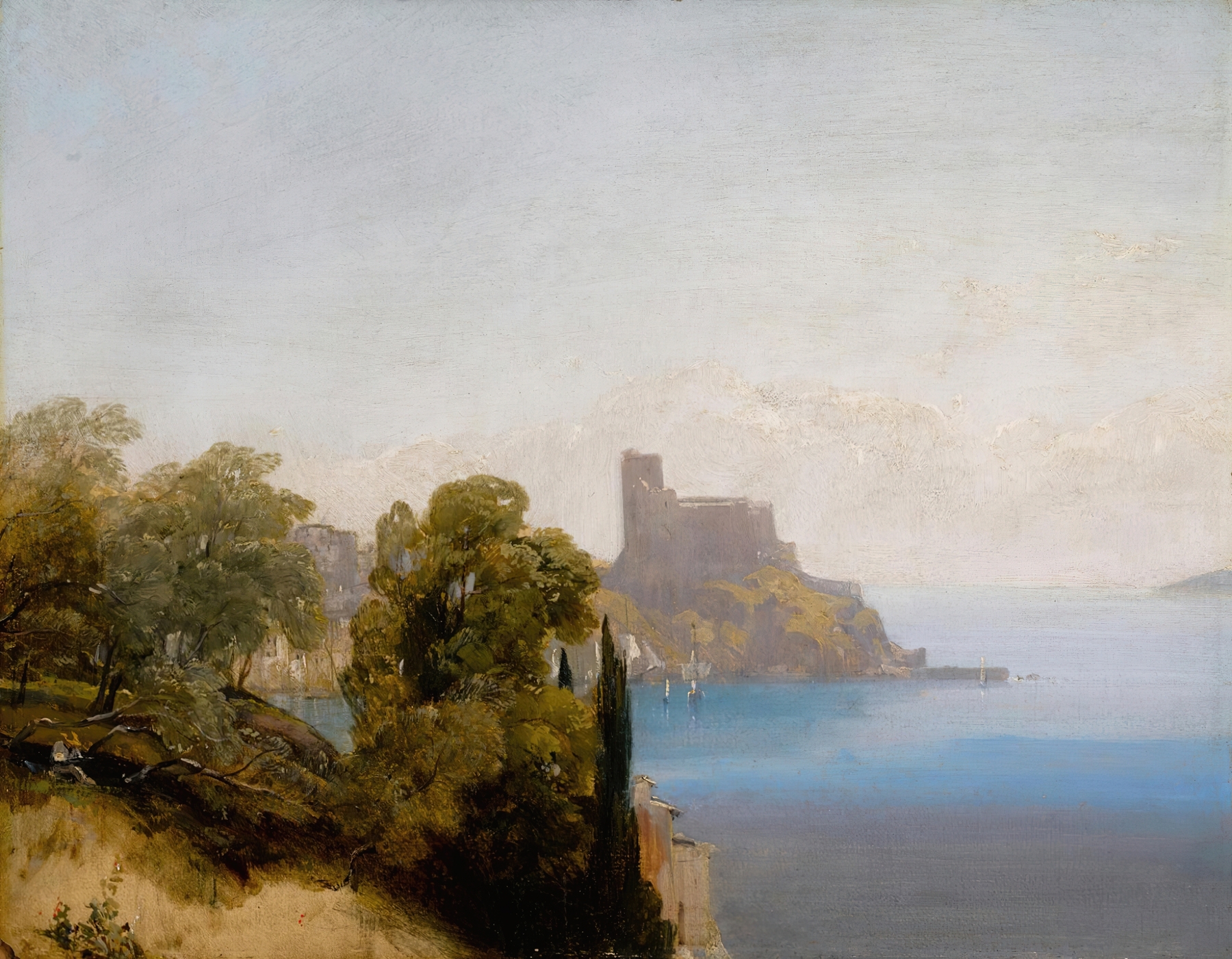
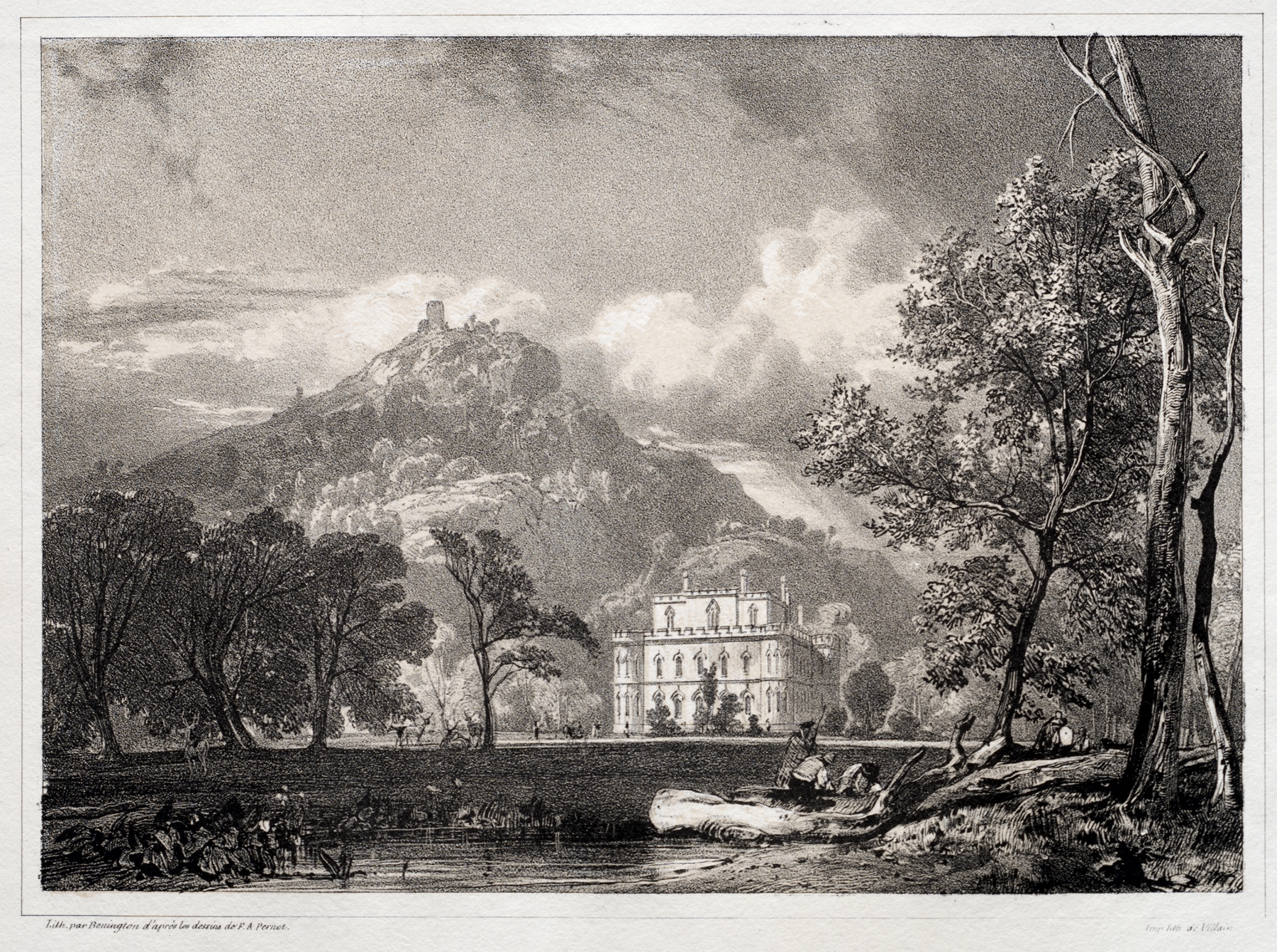
Where does light end, and longing begin? The ethereal beauty of transformation threads through the essence of existence, as captured in a moment suspended by brushstrokes. Look to the left at the soft, golden light that bathes the castle, as if a celestial dawn has just broken over its ancient stones. The vibrant blues and greens of the sky contrast with the warm hues of the landscape, creating a harmonious balance that draws the eye toward the fortress rising majestically against the horizon.
Notice the delicate brushwork that captures the wispy clouds, lending an ephemeral quality to the scene and hinting at the transient nature of time itself. In the foreground, a winding river reflects the sky’s colors, symbolizing the fluidity of change and the passage of life. The castle stands firm, yet the surrounding landscape seems to whisper of transformation, echoing both the strength of the built environment and the gentle embrace of nature. This juxtaposition evokes a sense of nostalgia, as if the viewer is caught between the permanence of the structure and the fleeting moments that surround it.
Richard Parkes Bonington painted Argyle Castle in 1826 while living in France, during a period of profound artistic evolution. Influenced by the Romantic movement, he sought to capture the emotional resonance of landscapes and architecture, bridging the gap between reality and imagination. His work reflects the era's fascination with both nature and the sublime, inviting viewers to experience the world through the lens of fleeting beauty and deep longing.