At the foot of Ben Nevis, N.B. — History & Analysis
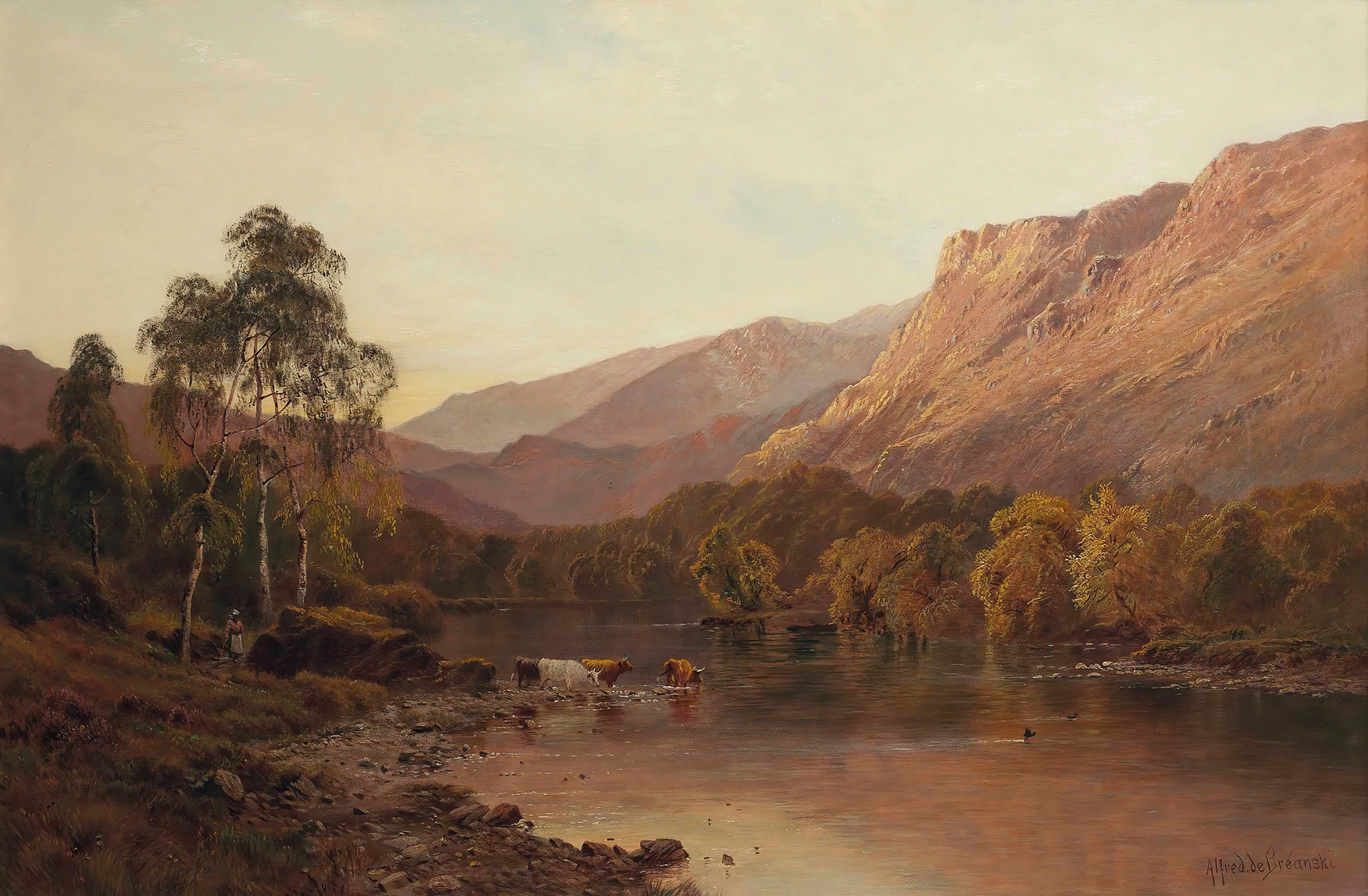
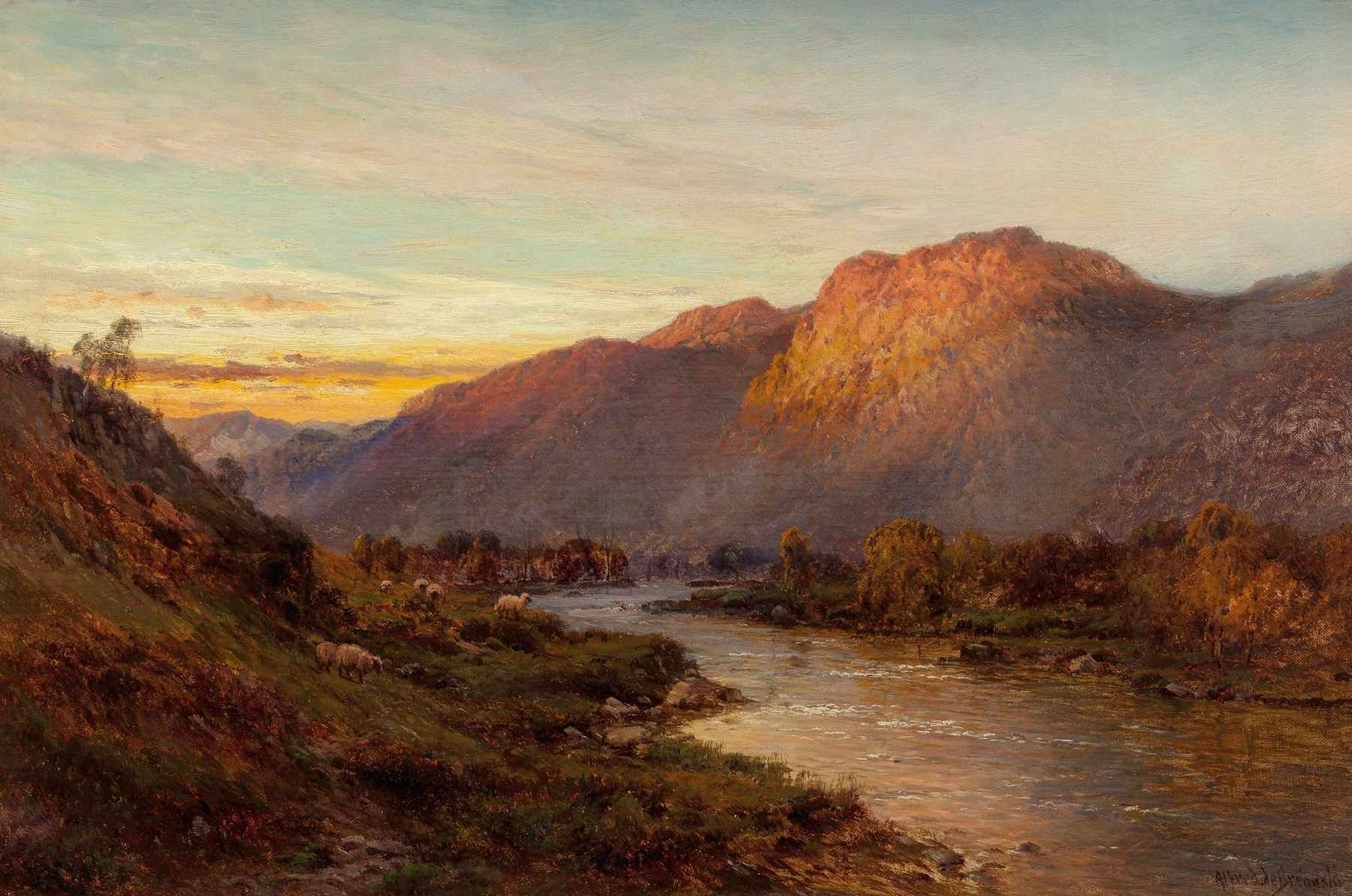
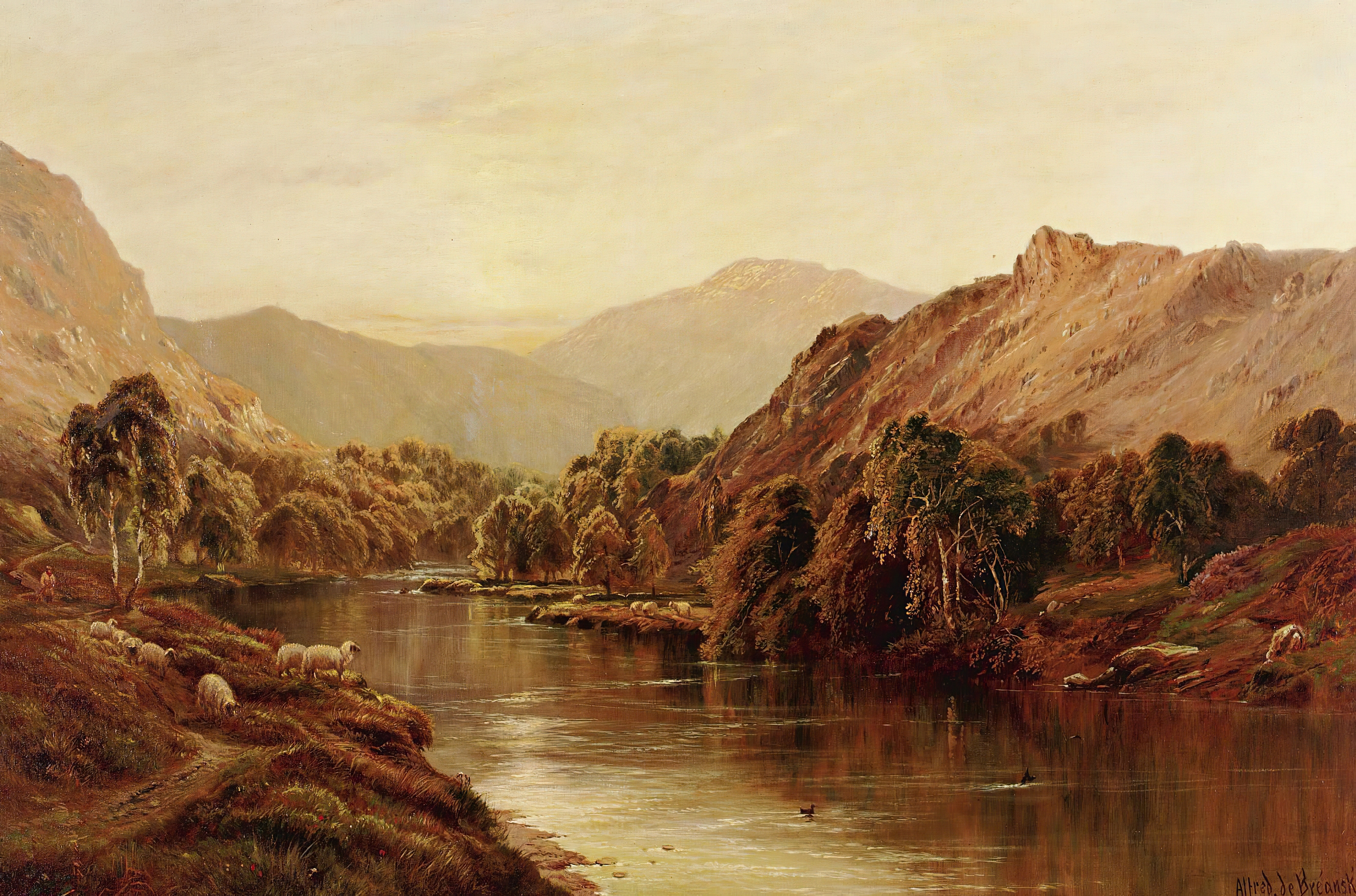
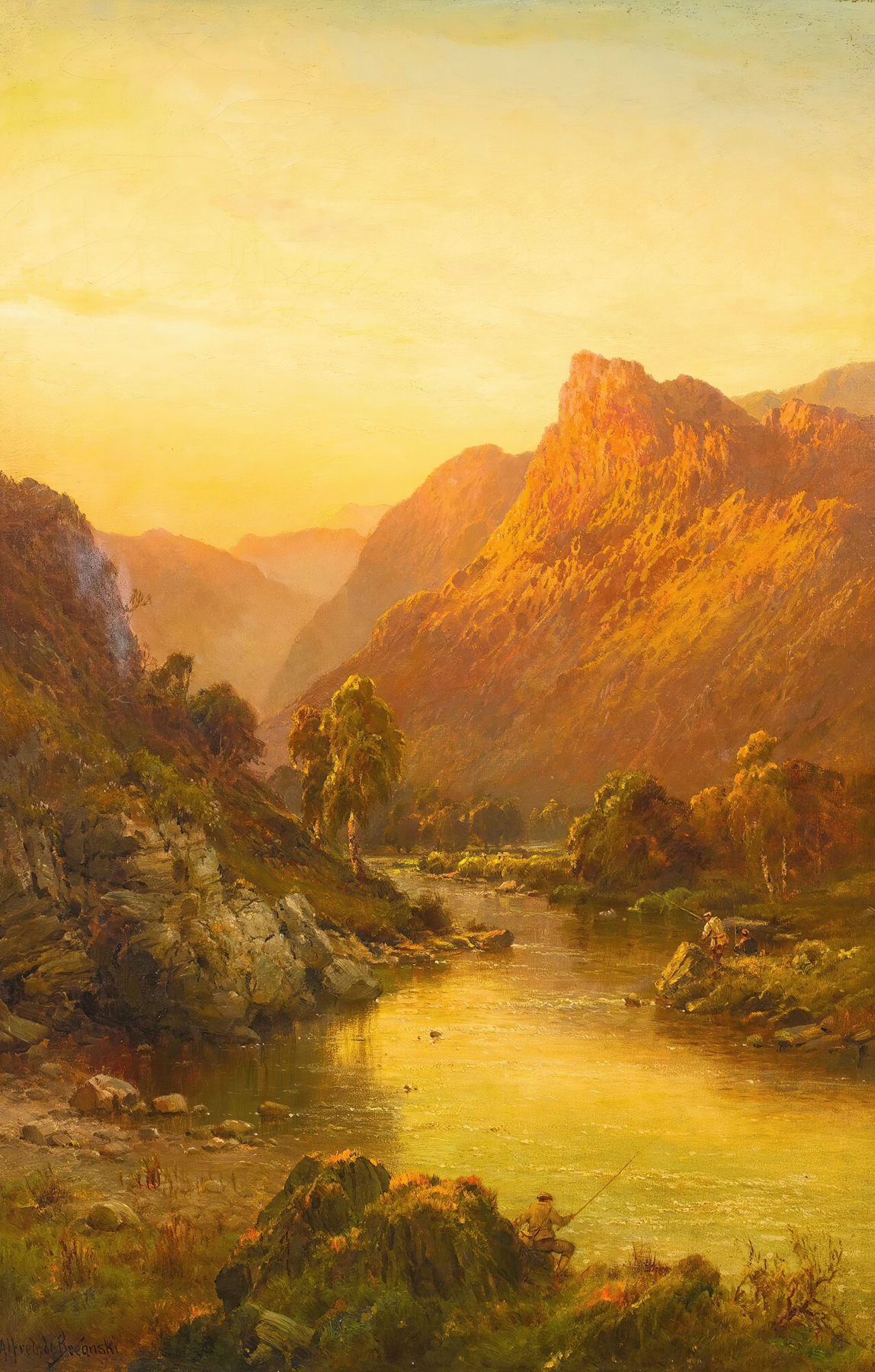
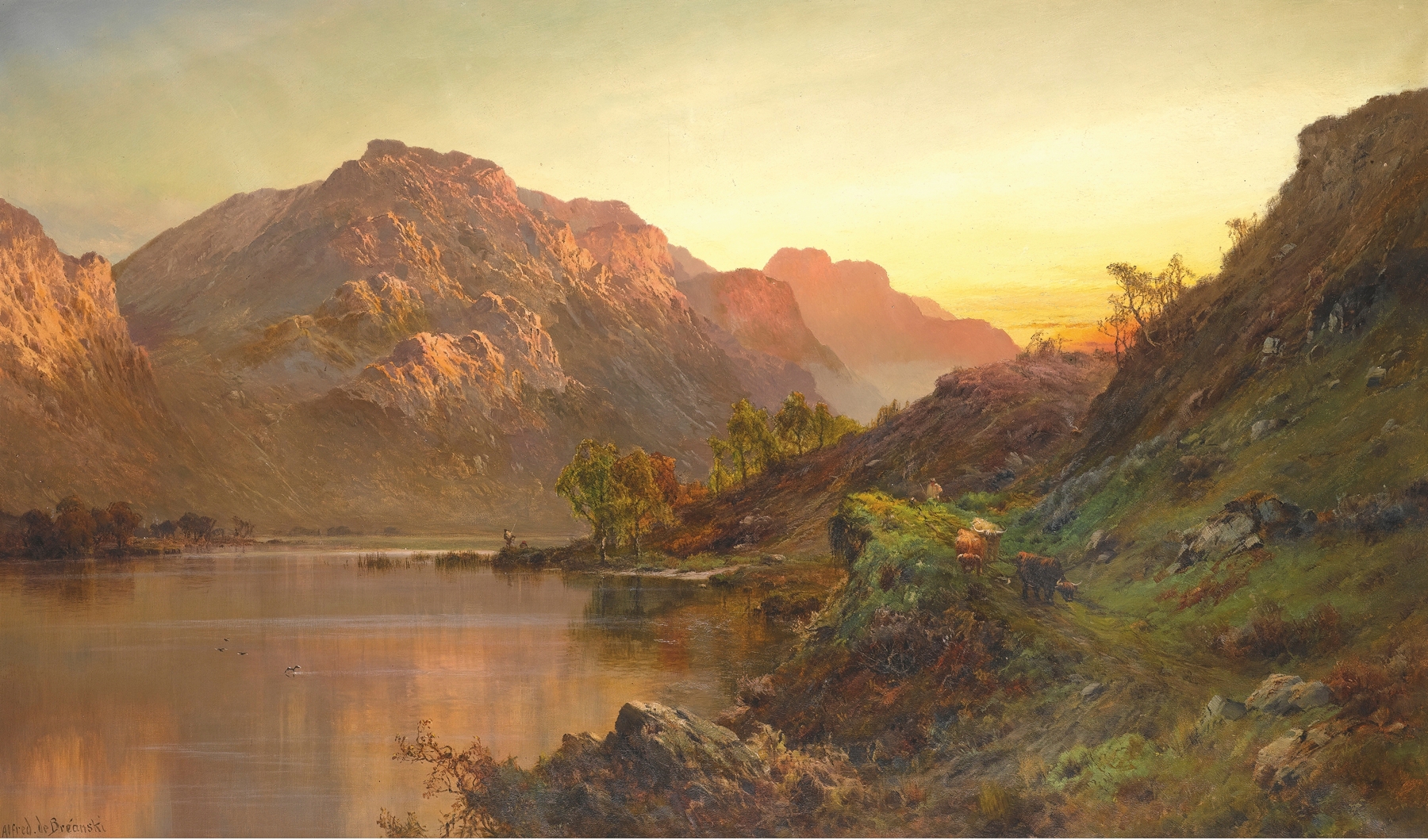
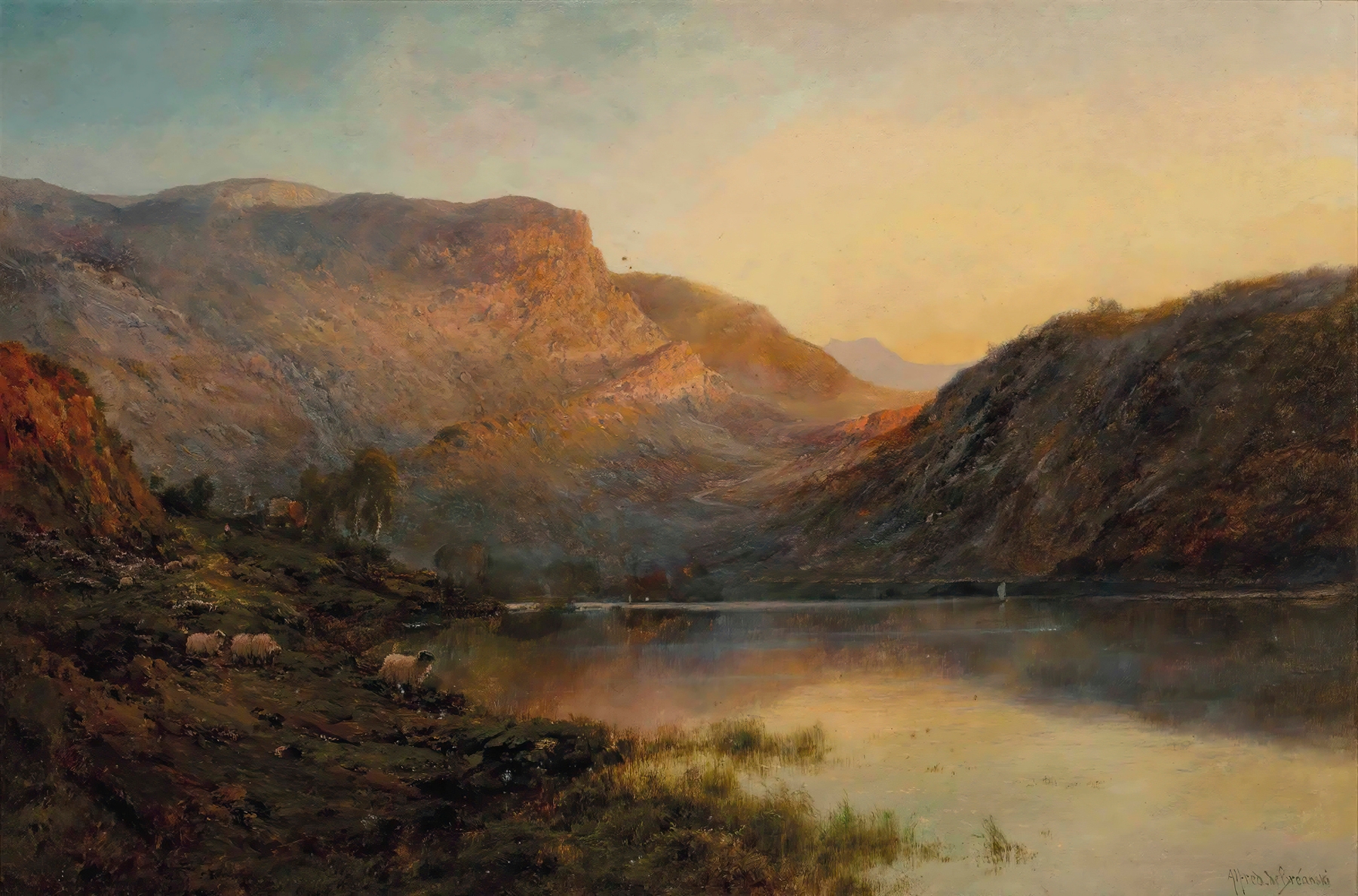
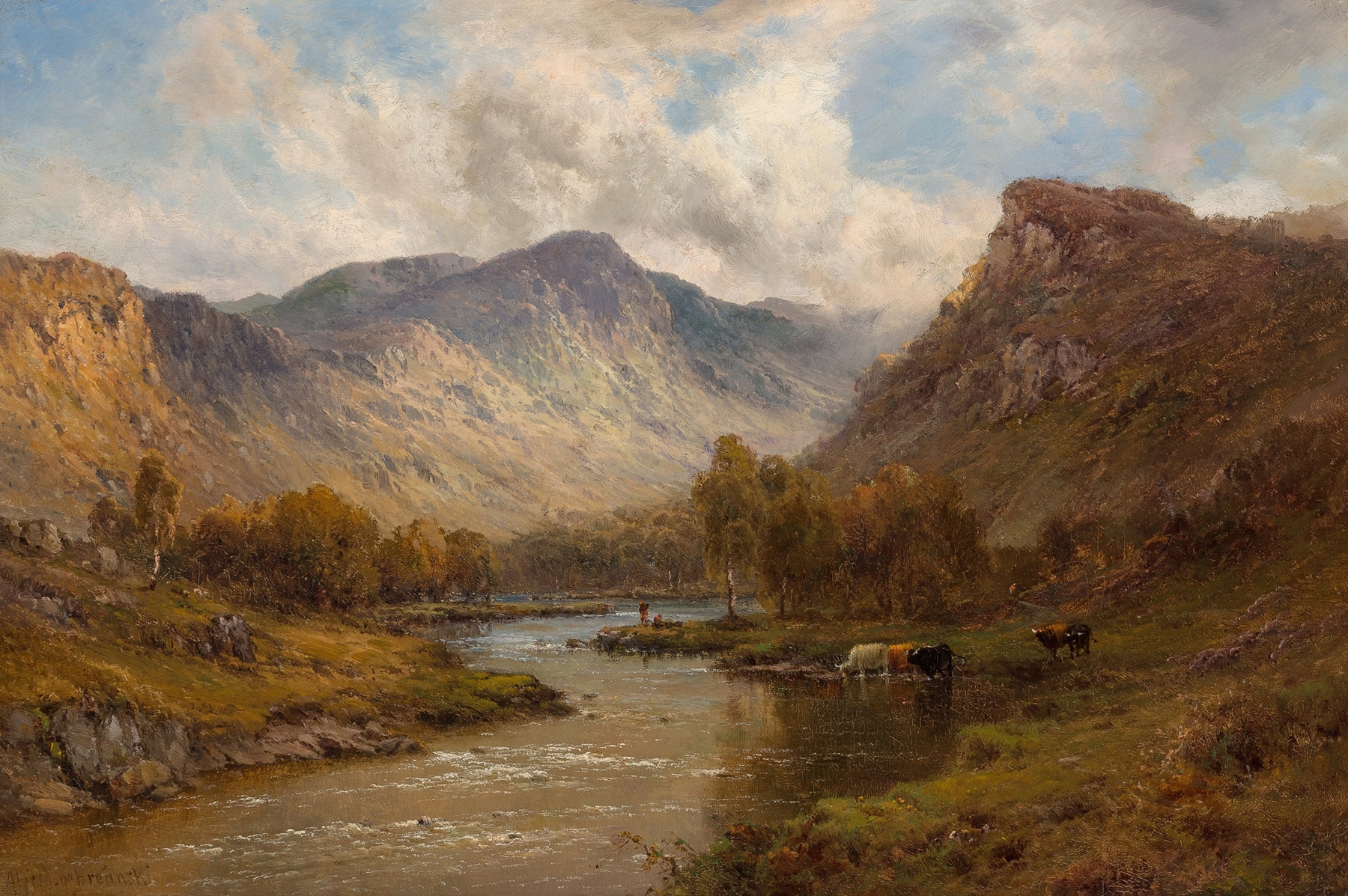
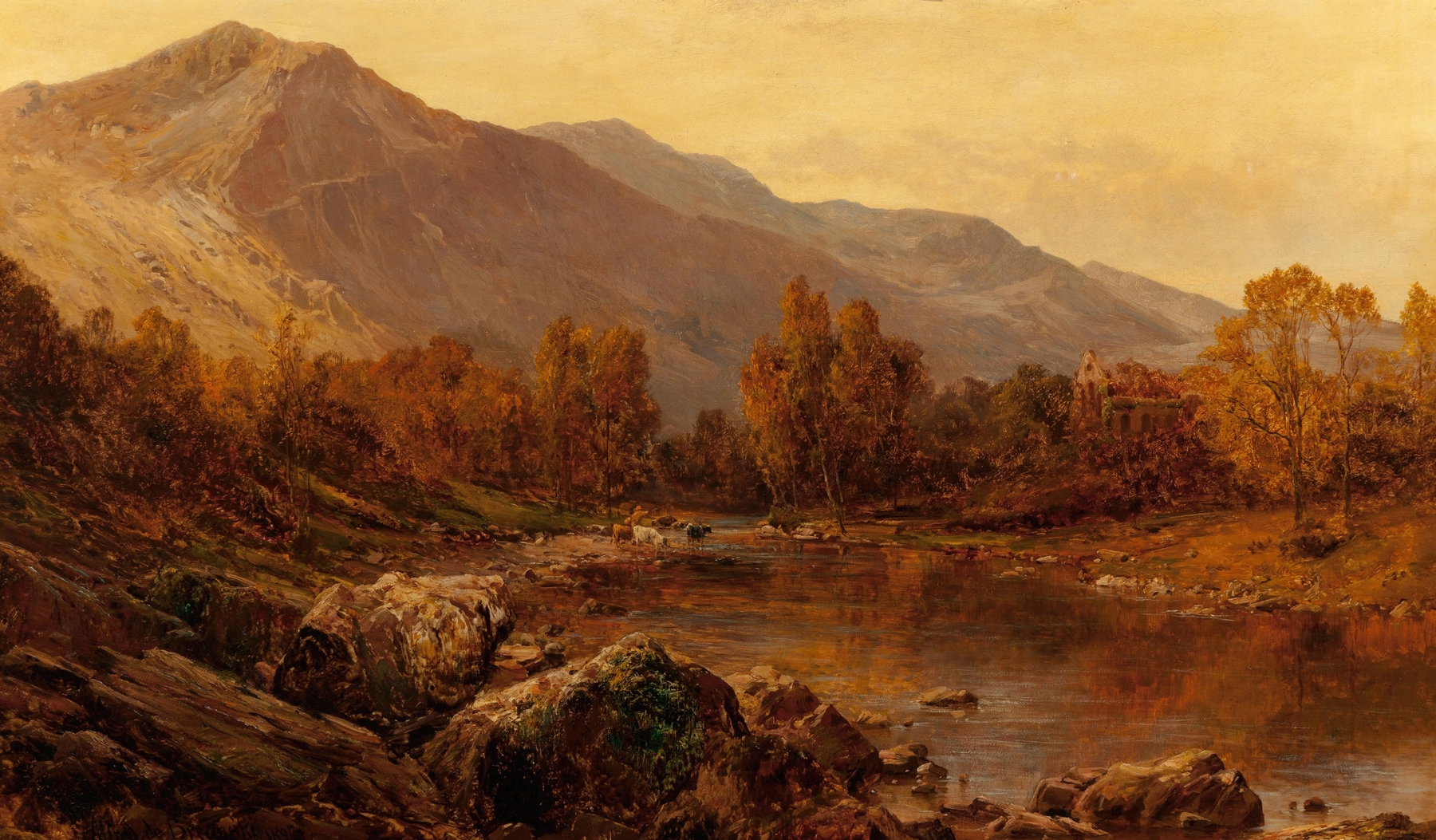
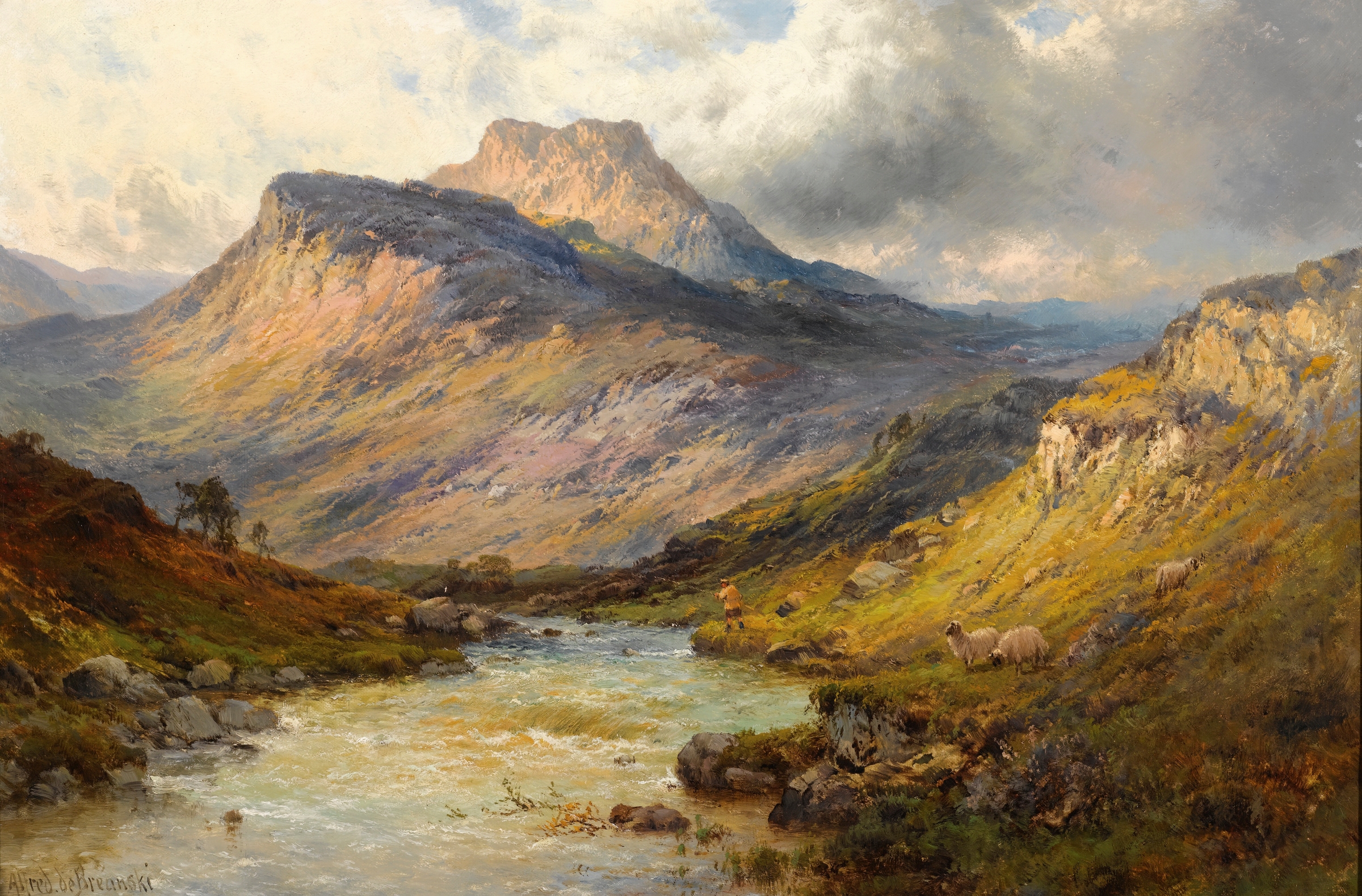
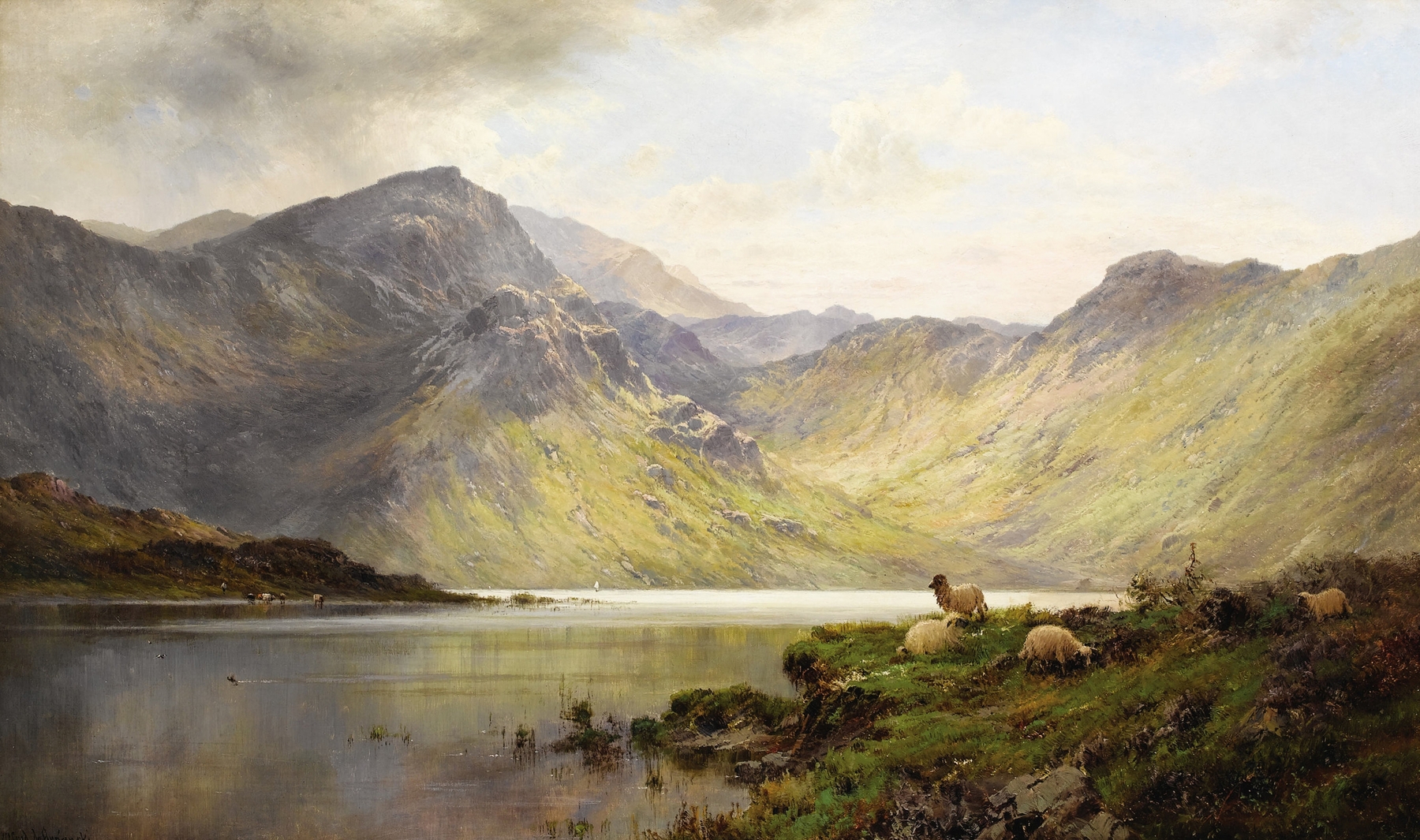
Can paint confess what words never could? In At the foot of Ben Nevis, a hidden conversation unfolds between the viewer and the vastness of nature, whispering of hope amidst the grandeur of silence. Look to the foreground, where the gentle curves of rolling hills cradle the viewer's gaze. Notice the rich greens and browns that blend seamlessly, imbuing the scene with a sense of life.
The towering peaks, draped in soft clouds, rise majestically in the background, their snow-capped tips reflecting the soft light of a fading day. Here, the artist employs a masterful play of shadow and light, drawing attention to the subtle interplay between the tranquil lake’s surface and the rugged terrain that surrounds it. As you move your eye across the canvas, the contrasts emerge: the serenity of the water against the formidable strength of the mountains. The delicate brushstrokes evoke a sense of movement—perhaps a breeze caressing the landscape, or the promise of change in the air.
This tension between stillness and dynamism captures a moment suspended in time, imbuing the scene with an emotional weight that speaks of resilience and aspiration. Painted in an era when the British landscape was both a source of national pride and artistic fascination, de Bréanski's work reflects his commitment to portraying the sublime beauty of nature. Though the exact date remains unknown, his works were often created in the late 19th to early 20th century, a time of significant evolution in landscape painting. Amidst a growing industrial world, the artist sought refuge and inspiration in the untouched wilderness, celebrating the eternal dialogue between humanity and the natural world.