Below the Falls of Glenfinlas, Scotland — History & Analysis
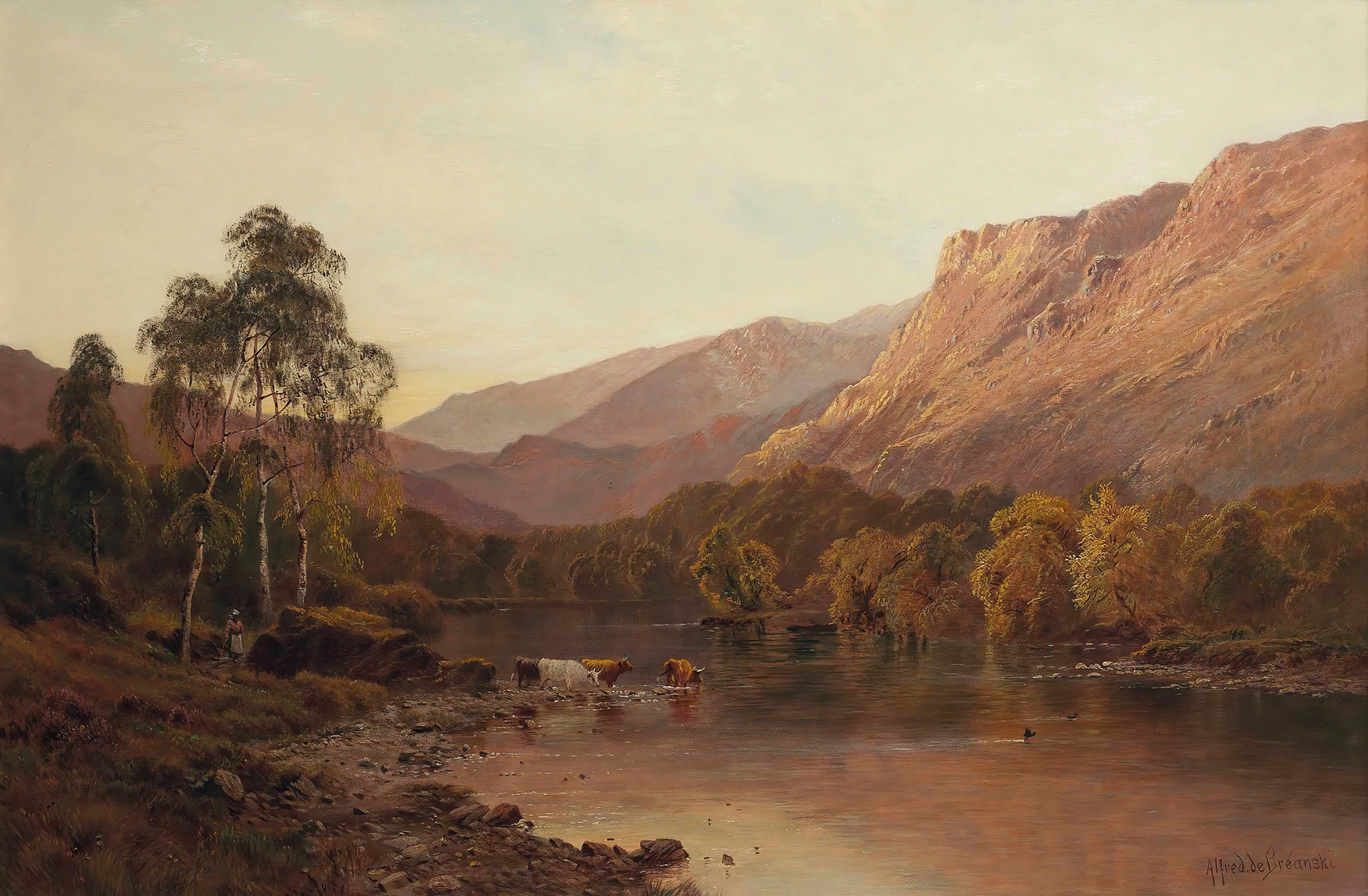
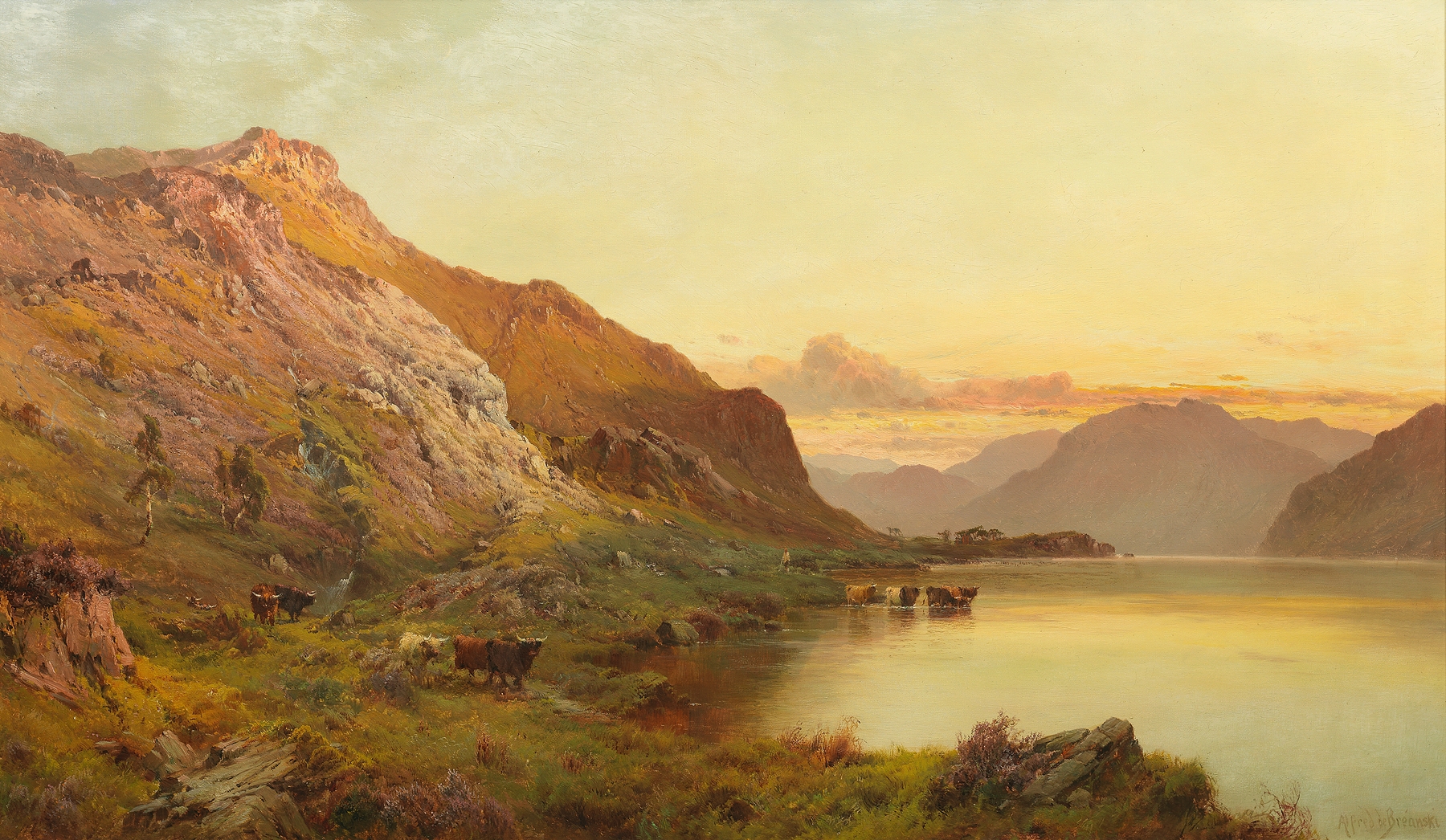
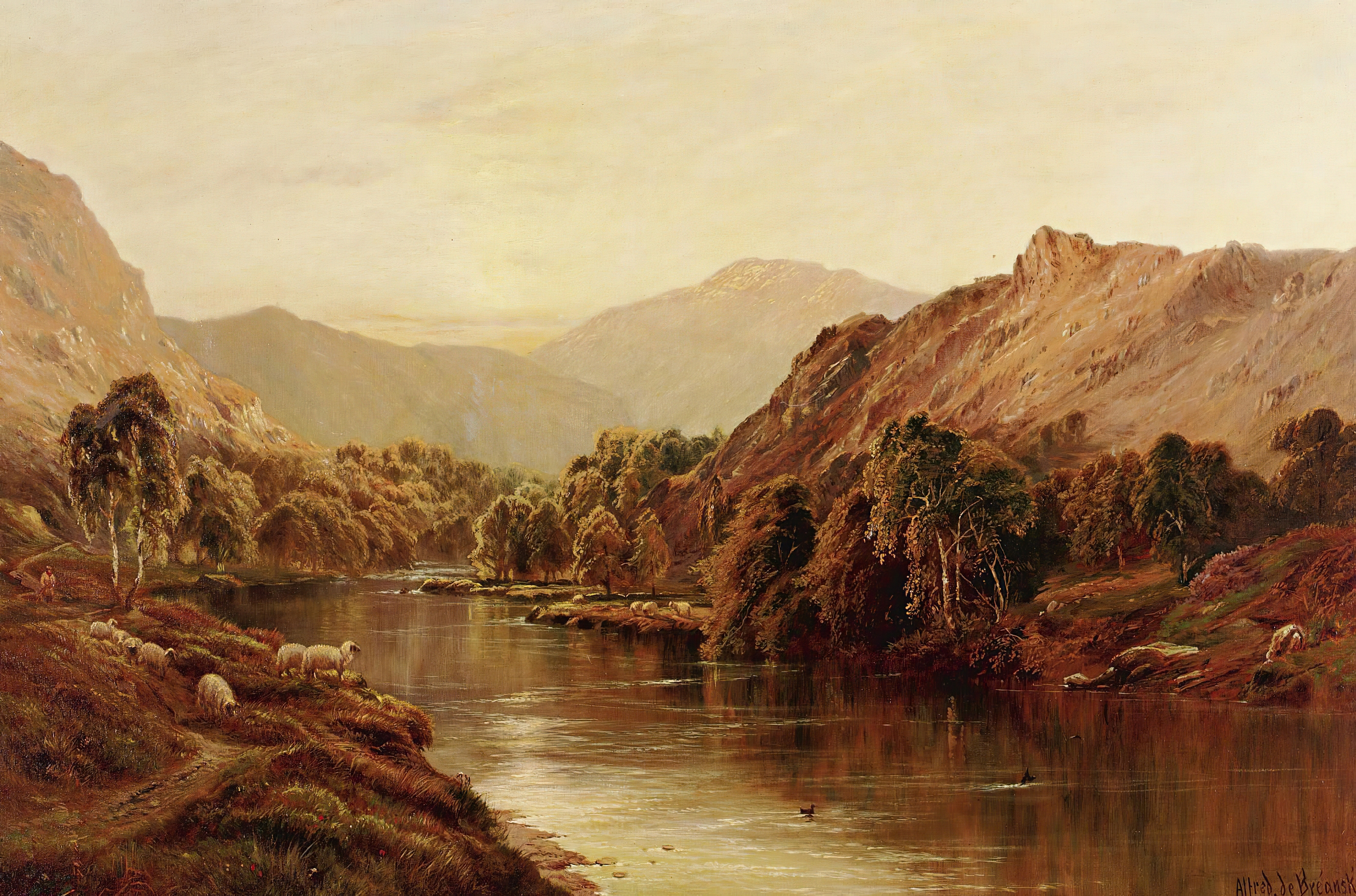
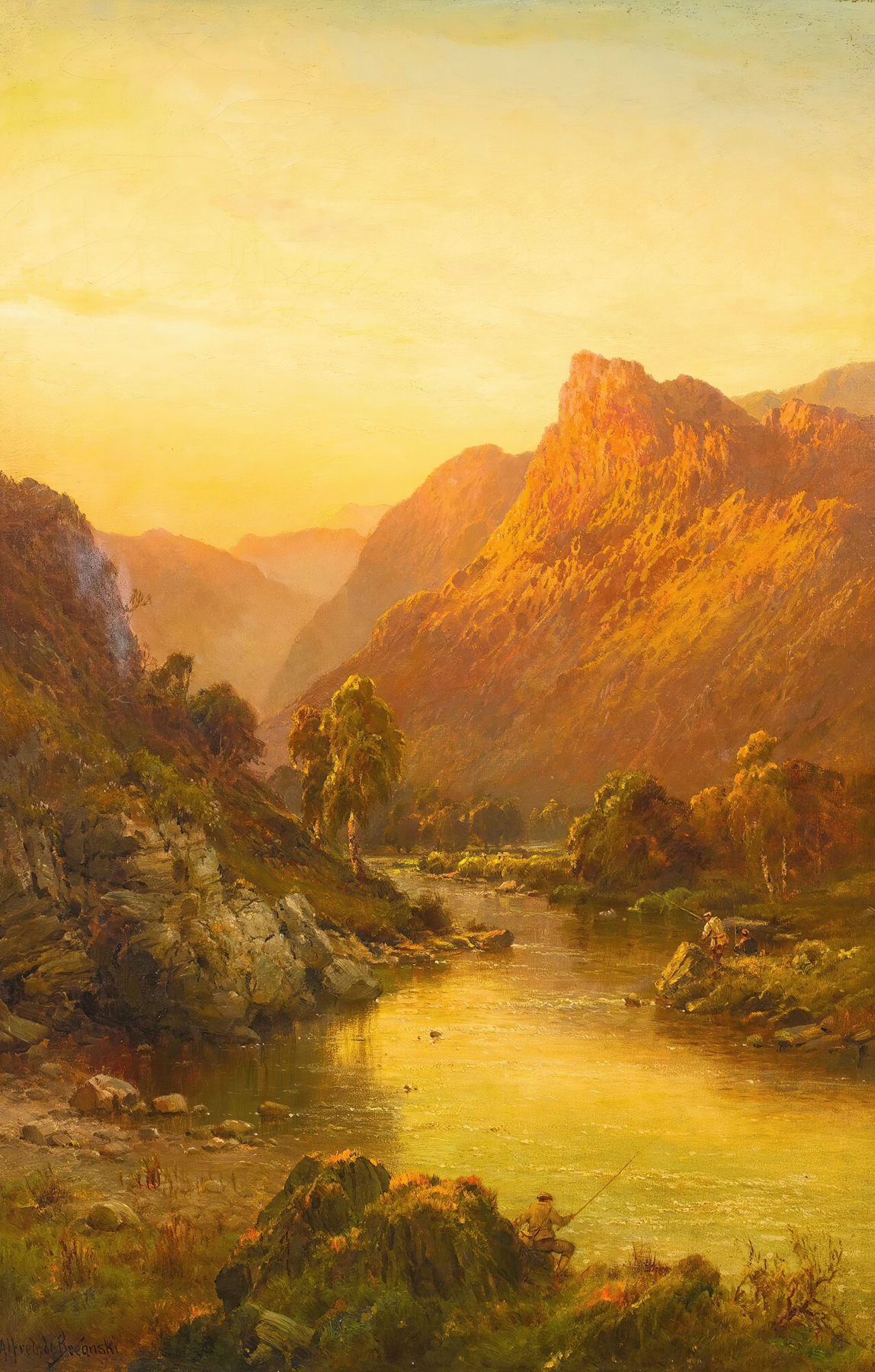
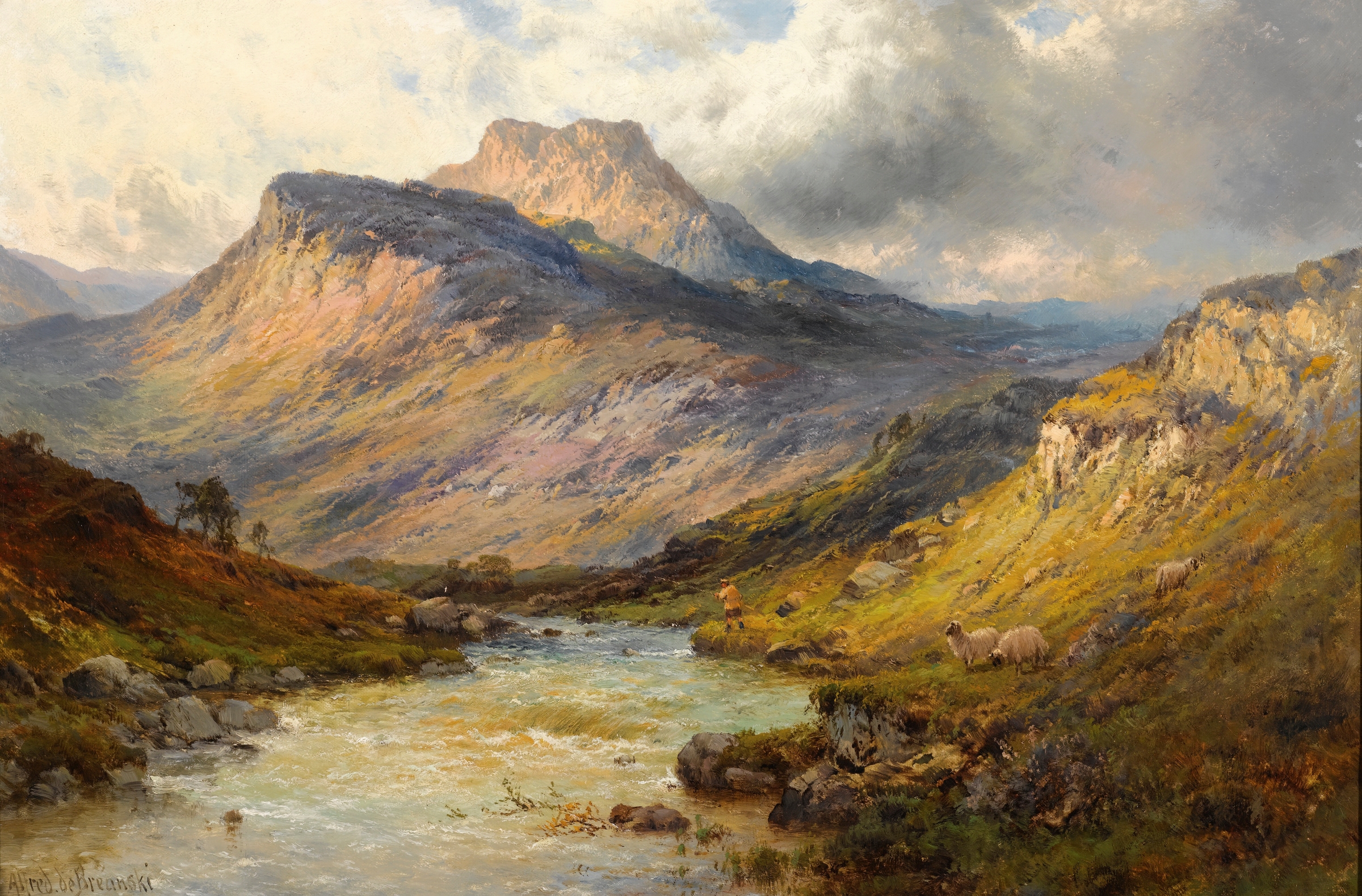
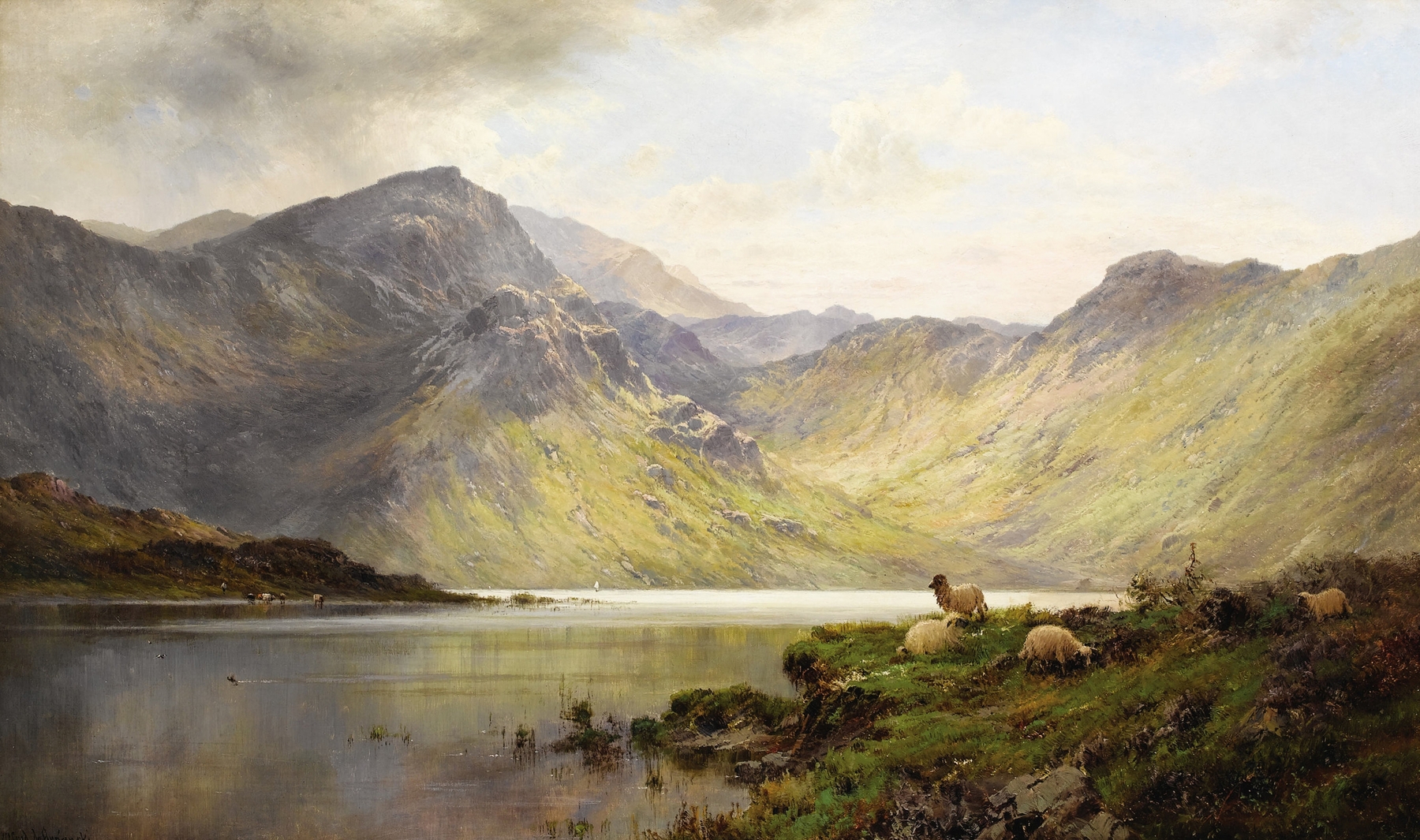
“The canvas doesn’t lie — it simply waits.” In the stillness of nature, we find the pulse of existence, often tinged with an undercurrent of fear that lurks in the shadows of our own making. Look closely at the interplay between light and shadow in this piece. Direct your gaze to the luminous cascade of water tumbling from the rocky heights, its frothy white edges contrasting sharply against the deep emerald greens of the surrounding foliage. The mist rising from the falls weaves an ephemeral veil that cloaks the forest floor, while rugged mountains loom ominously in the background, creating a sense of depth and tension that invites contemplation.
The painting encapsulates an emotional dichotomy; the serene beauty of nature juxtaposed with the unsettling power it wields. Observe how the majestic trees both cradle and threaten the viewer, their towering presence suggesting both refuge and peril. Each brushstroke reveals the anxiety inherent in such wilderness, where tranquility masks an unpredictable ferocity, leaving one to ponder the fine line between awe and fear.
Alfred de Bréanski created this work during a time when the British landscape painting was evolving, capturing the sublime essence of natural vistas. While the exact date remains uncertain, his fascination with Scotland's rugged beauty found resonance in the late 19th and early 20th centuries. This period saw a burgeoning interest in portraying the raw emotions evoked by nature, reflecting both personal and societal anxieties.