Loch Lomond; A Trout Stream Near Stirling — History & Analysis
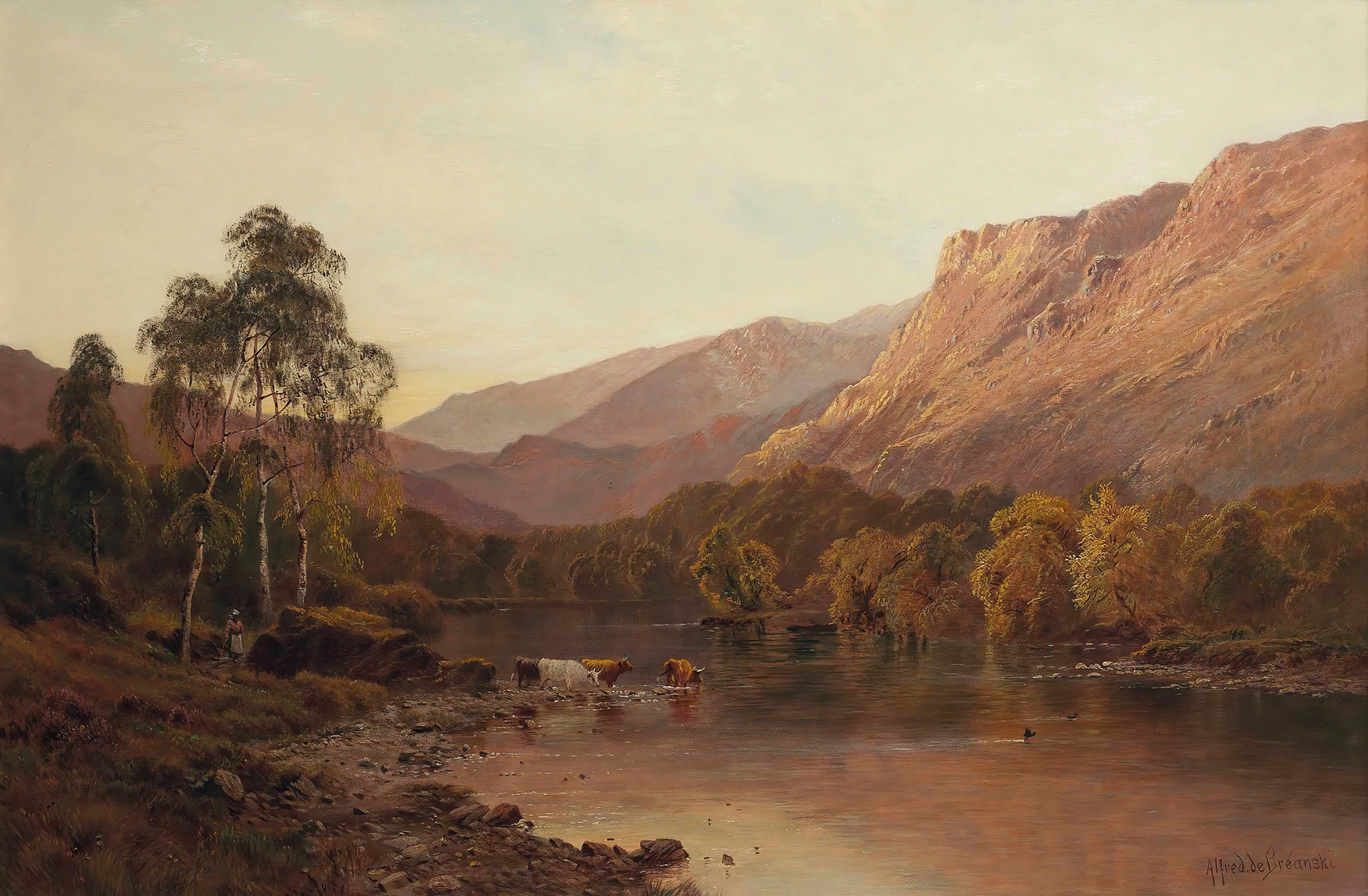
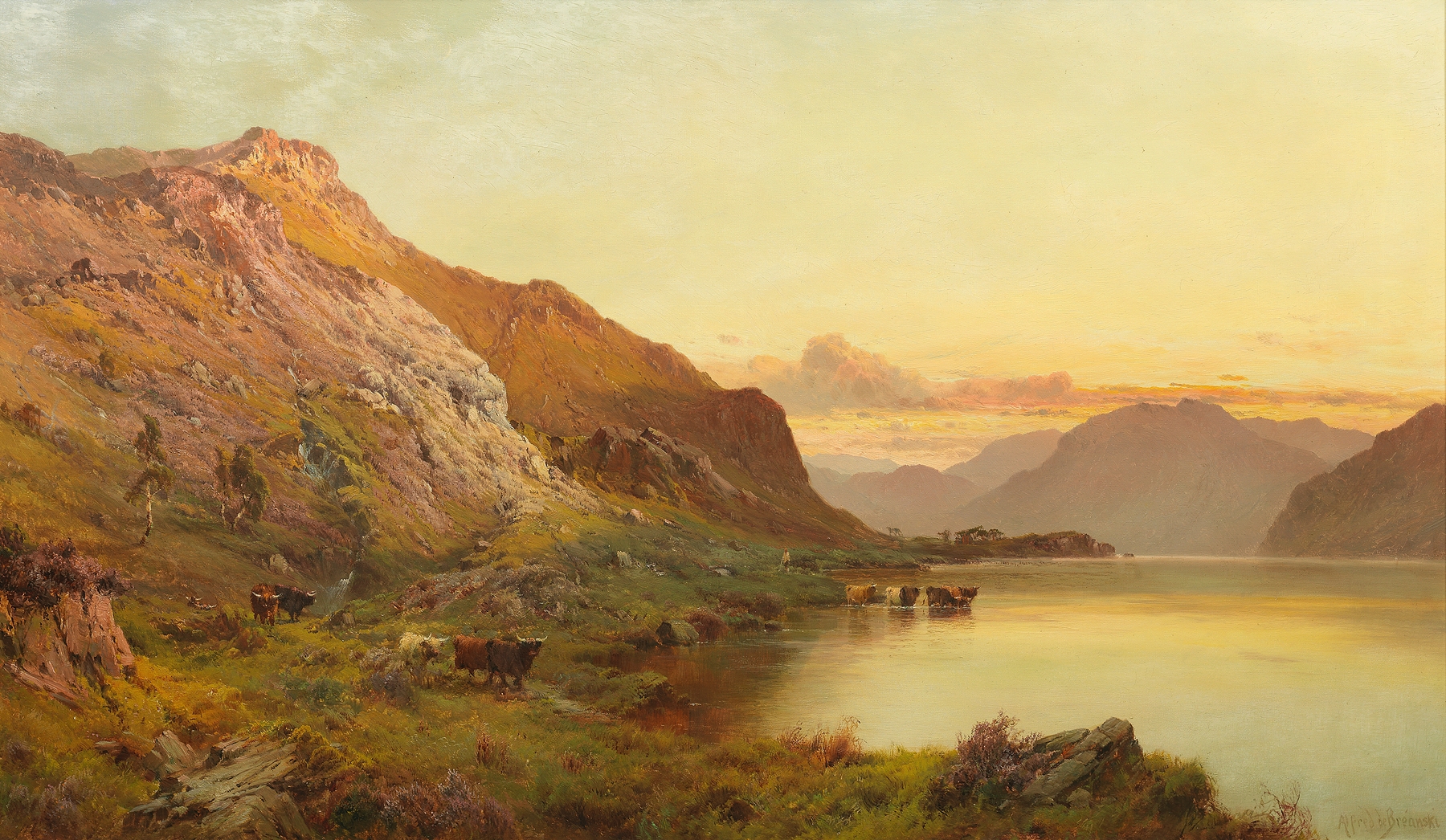
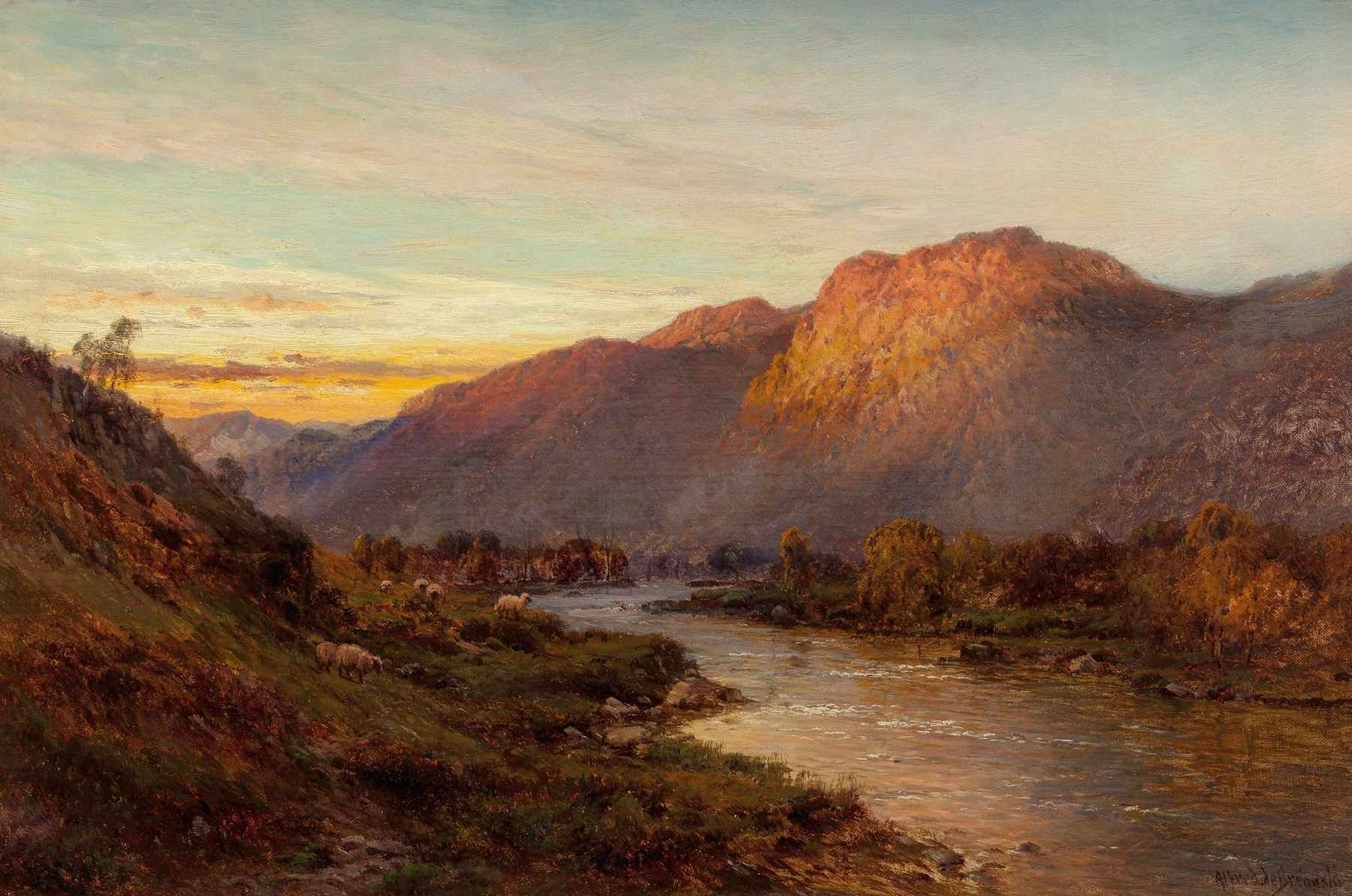
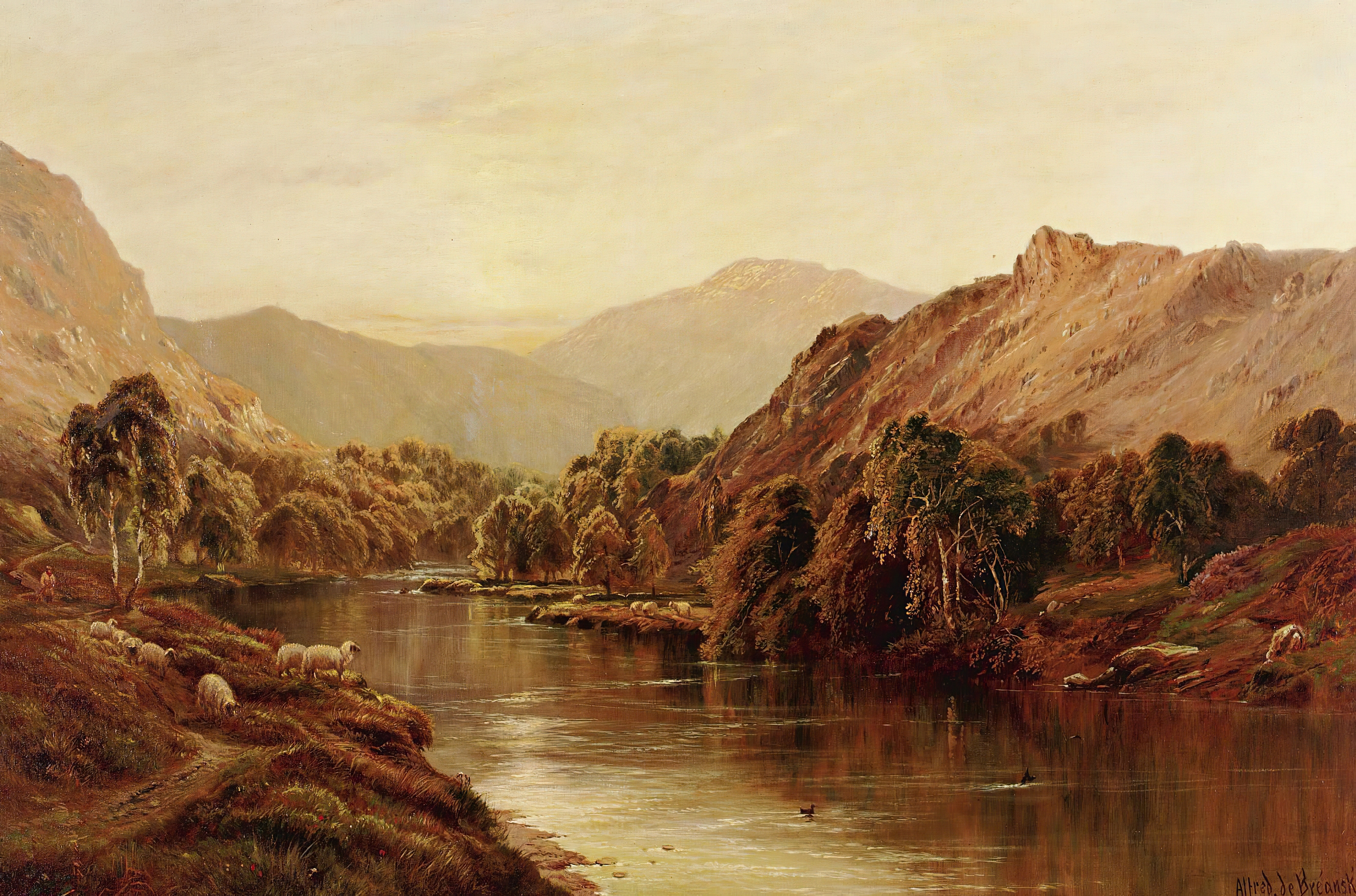
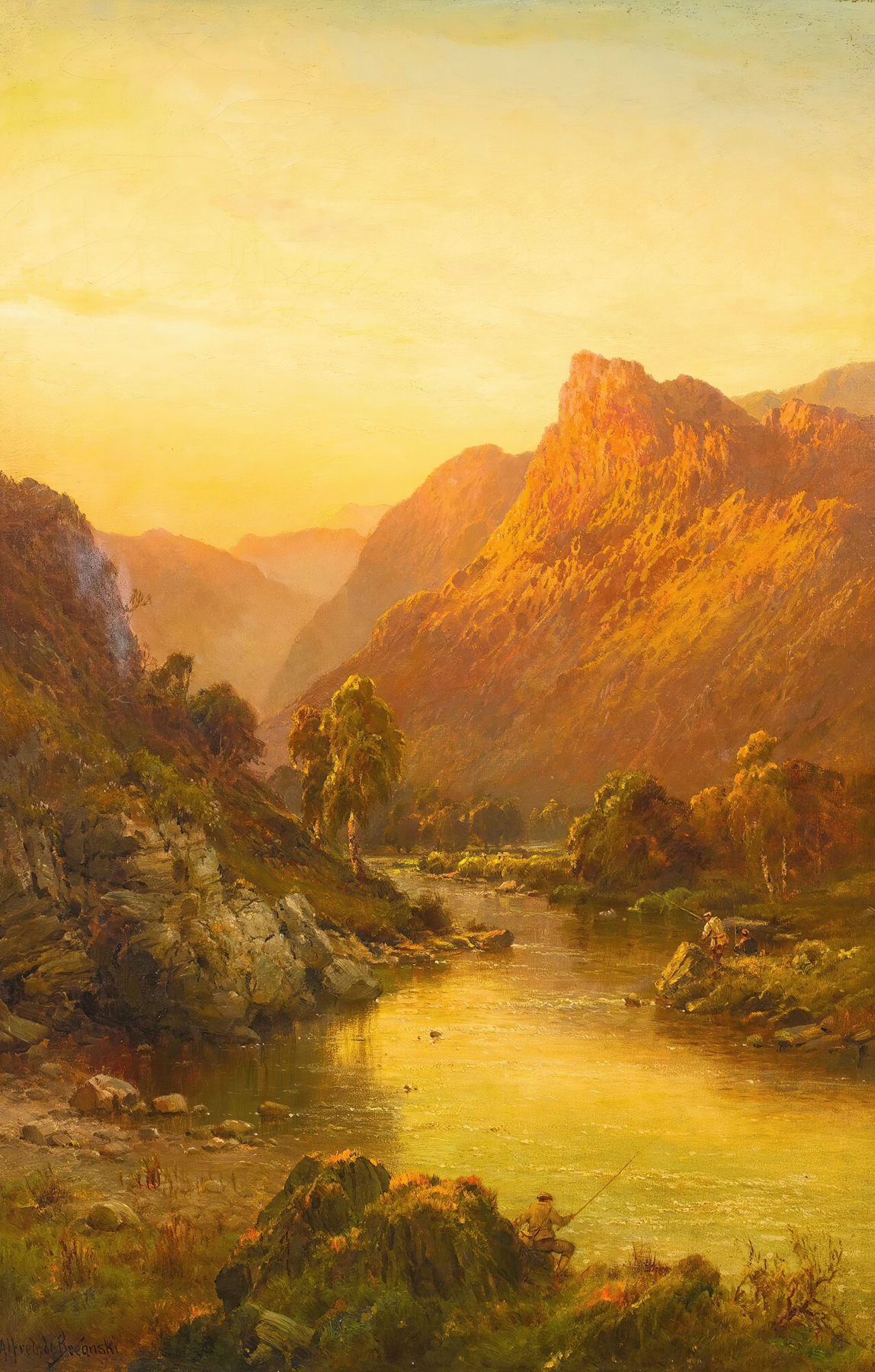
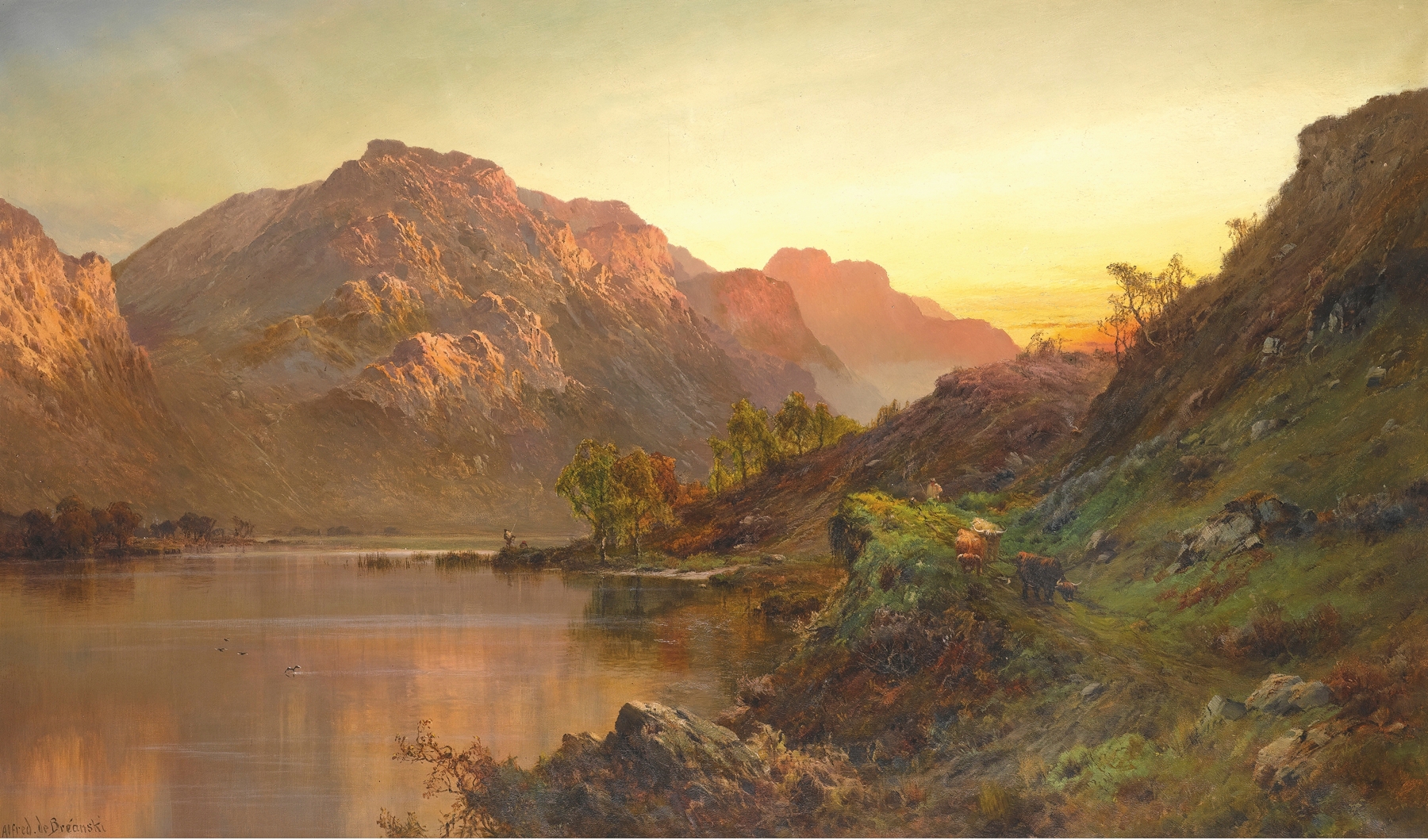
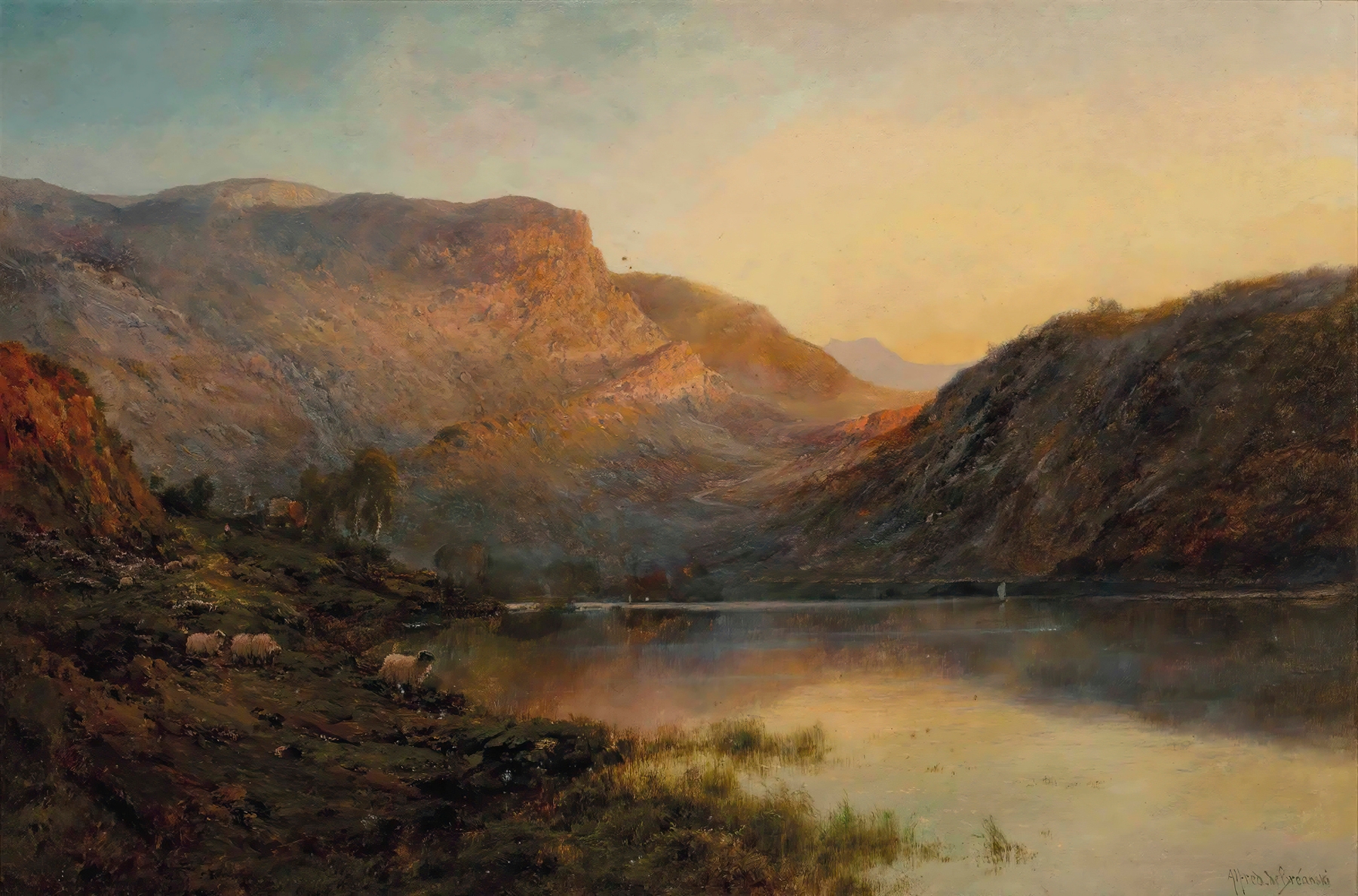
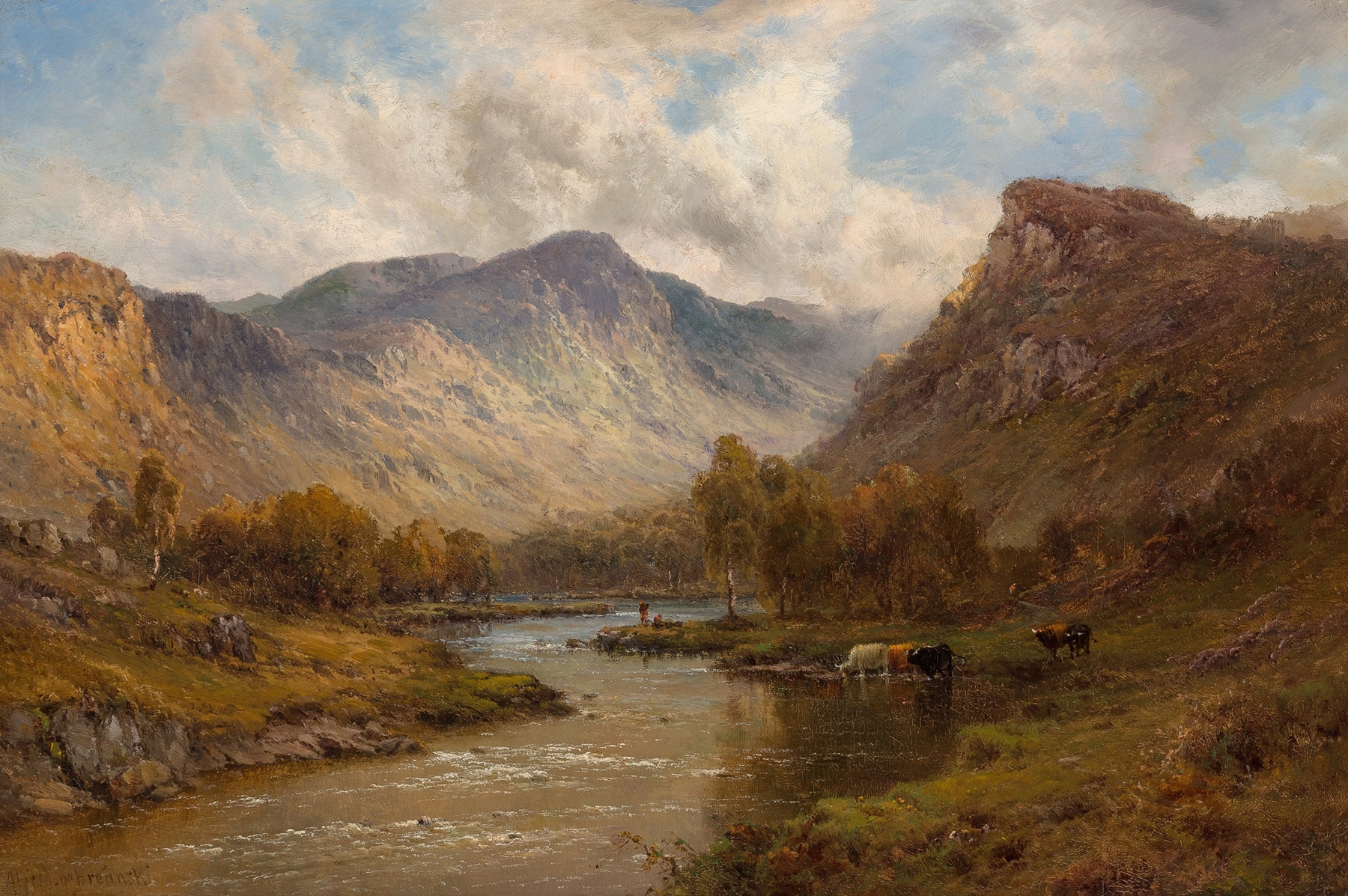
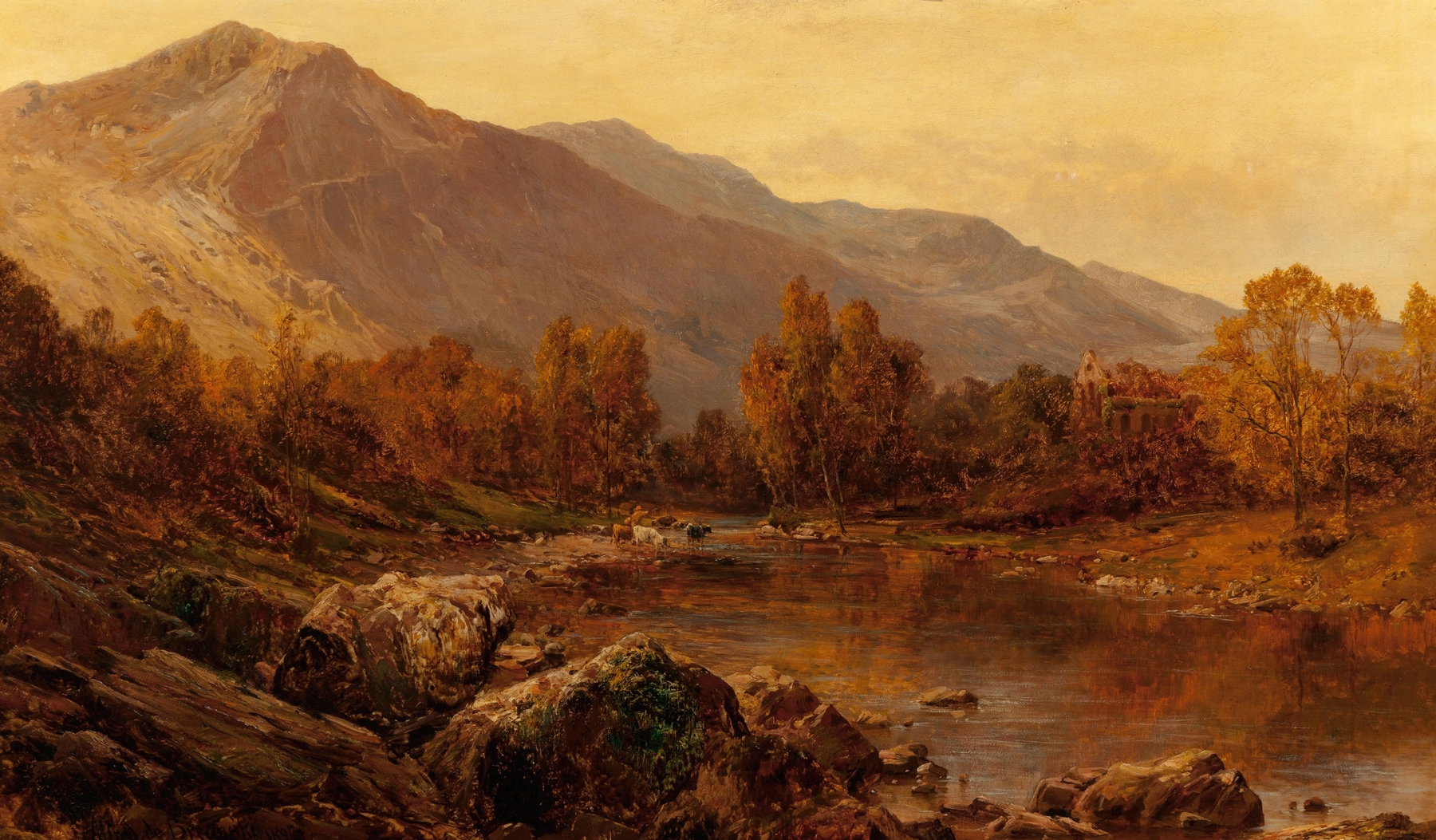
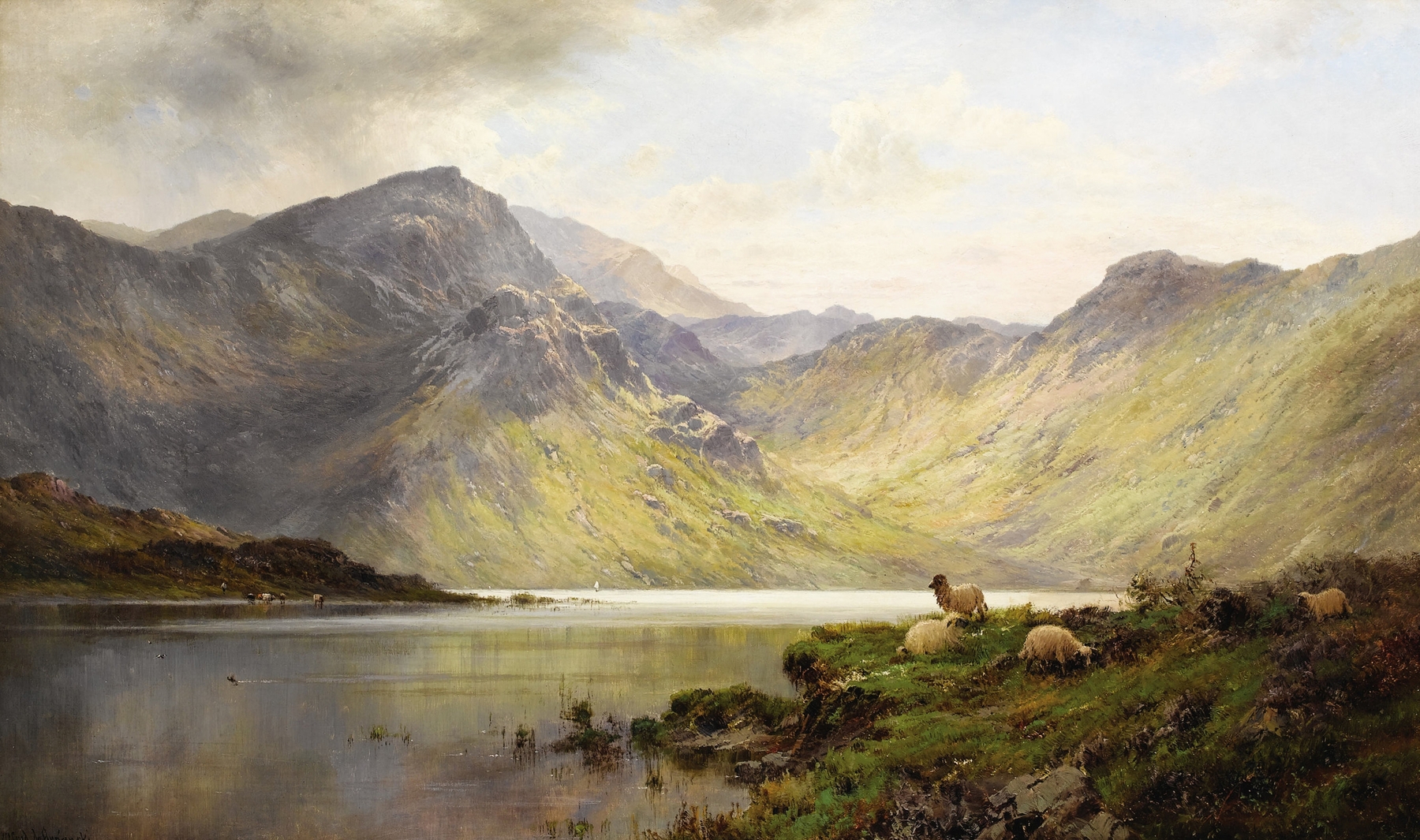
What if beauty was never meant to be finished? Within the tranquil embrace of nature, a moment unfolds—a yearning for the ephemeral, a longing to capture the eternal. Focus on the shimmering water that flows through the landscape, glimmering under a soft, golden light. Look closely at the brushstrokes that capture the rhythm of the stream, the delicate ripples dancing around the stones, inviting you to trace their path. The verdant hues of green are alive, sweeping across the canvas, while the distant hills frame the scene with a sense of calm majesty.
Each stroke seems to breathe, evoking the serenity of a quiet afternoon by the water. Hidden within the scene are profound insights into the relationship between humanity and nature. The soft interplay of light and shadow hints at the transient beauty of life, reflecting a deeper yearning for connection and permanence. The contrasting stillness of the trees against the flowing water emphasizes the tension between motion and tranquility, inviting contemplation on the passage of time.
In this harmony, we sense both peace and a subtle ache for what can never truly be held. Created during a period of intense creativity in the late 19th century, the artist painted this work while exploring the breathtaking landscapes of Scotland. As the Impressionist movement gained traction, he found inspiration in the natural beauty around him, capturing fleeting moments that resonated with his own search for beauty and meaning in the world. This work stands as a testament to his heartfelt engagement with the landscape, reflecting broader trends in the art world that celebrated the sublime in nature.