Ben Lomond — History & Analysis
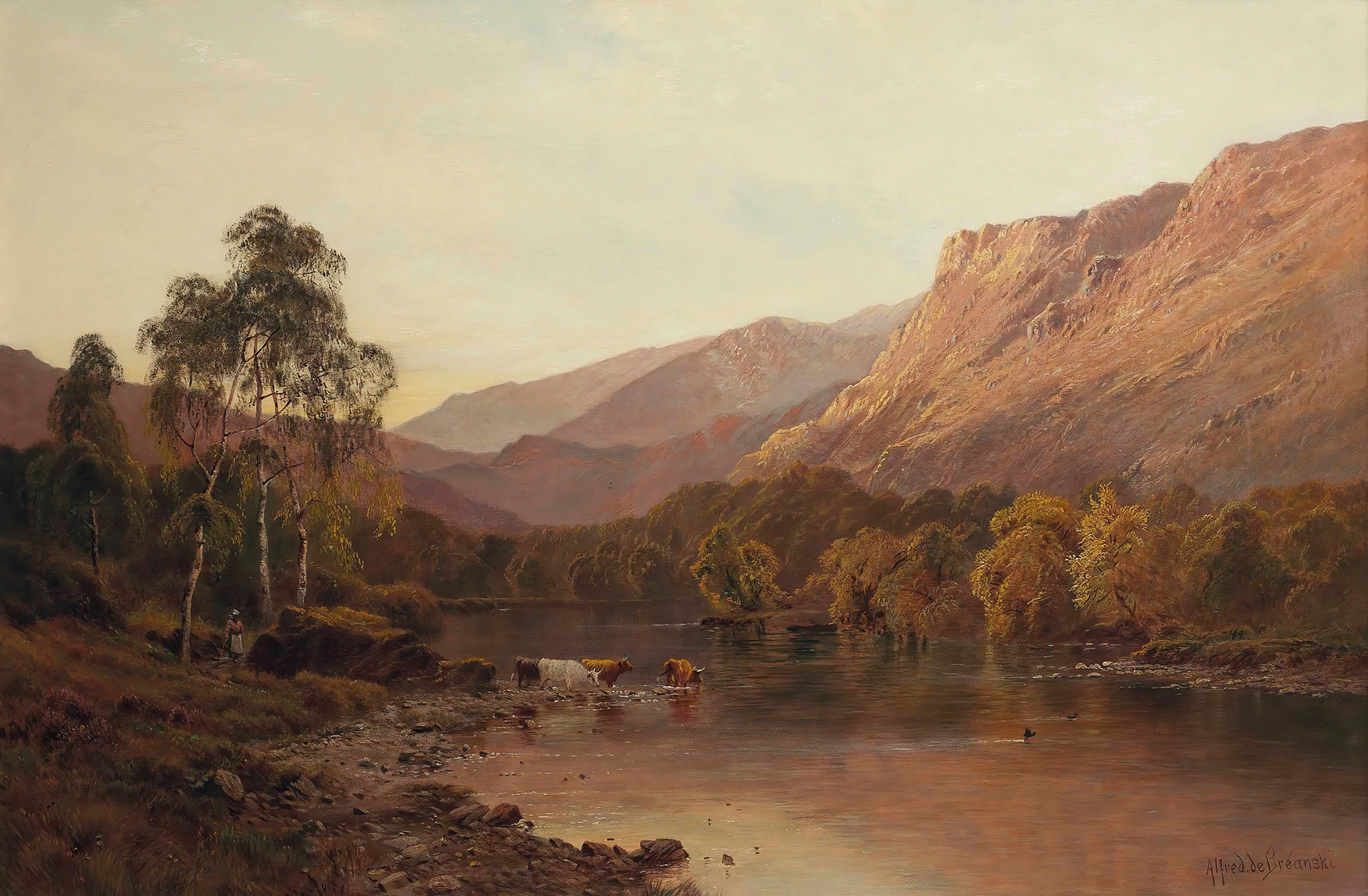
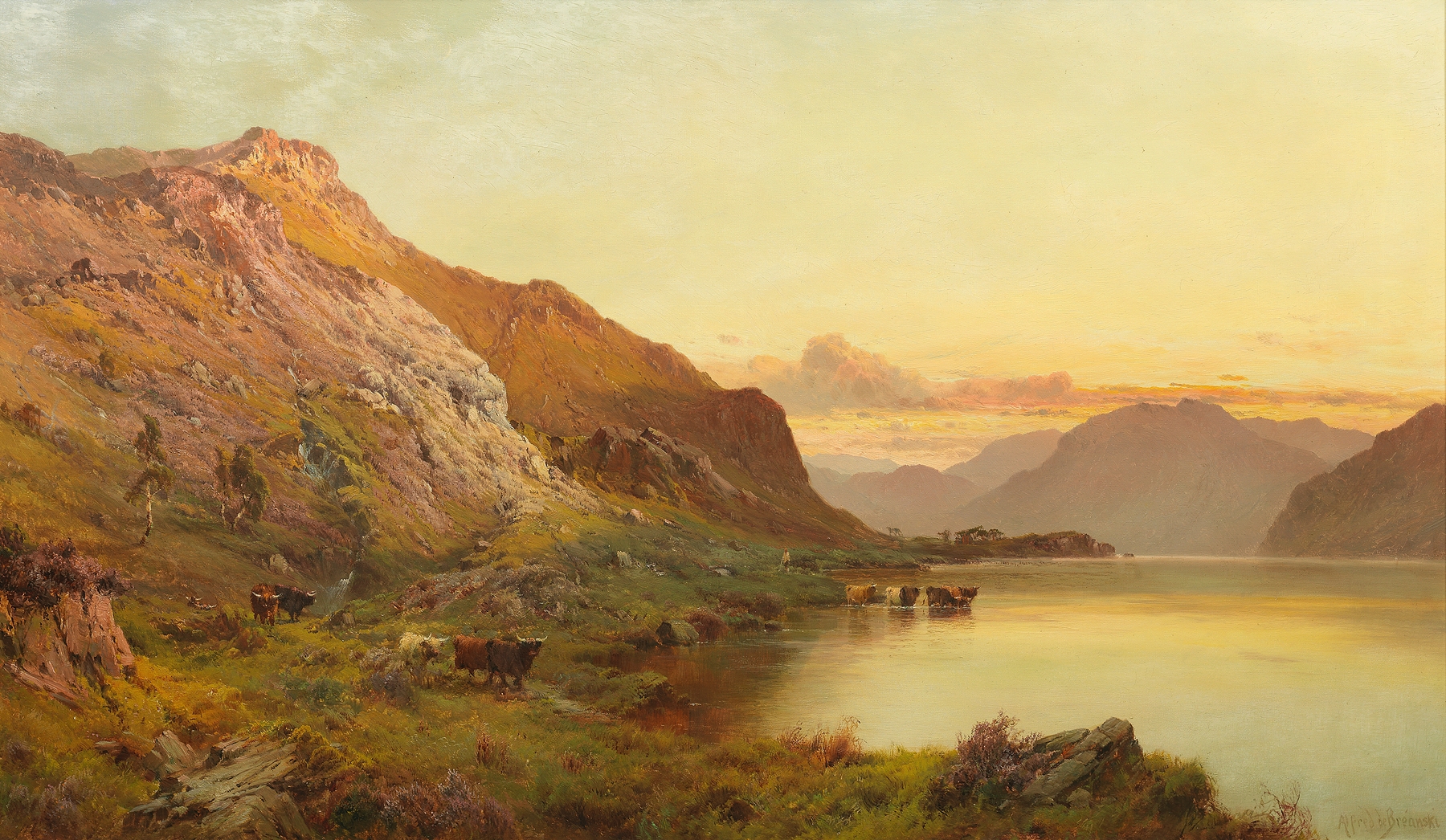
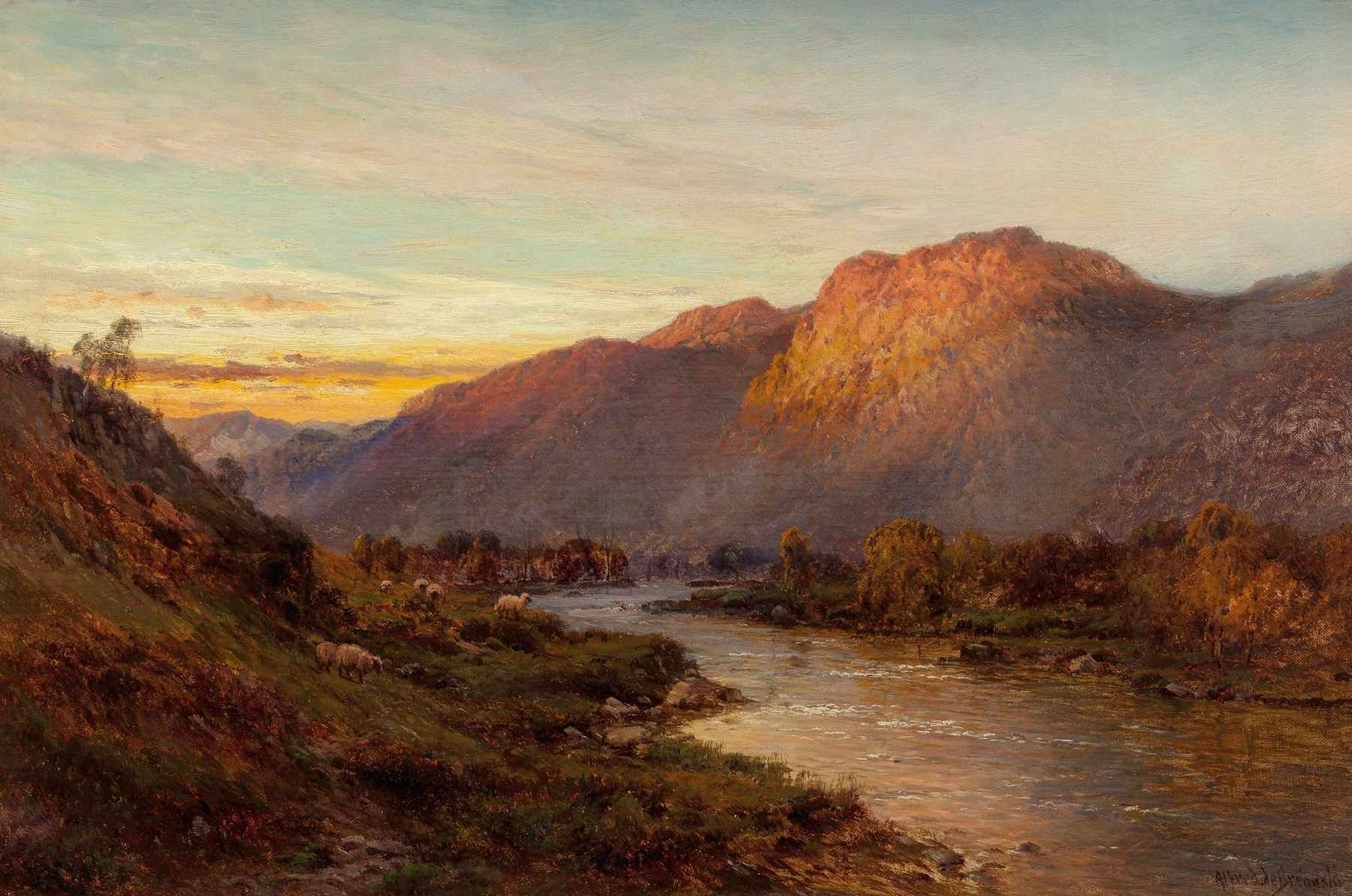
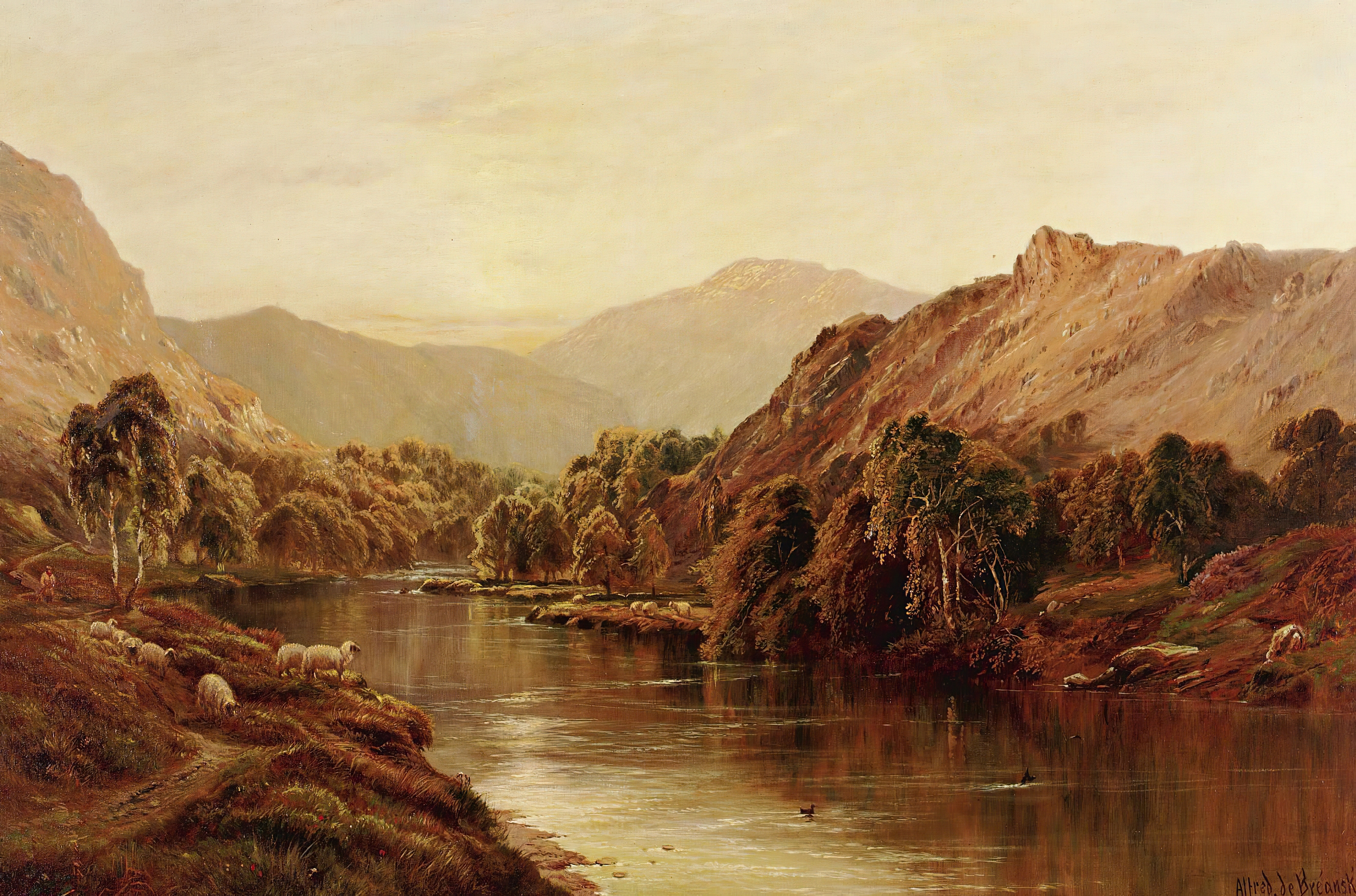
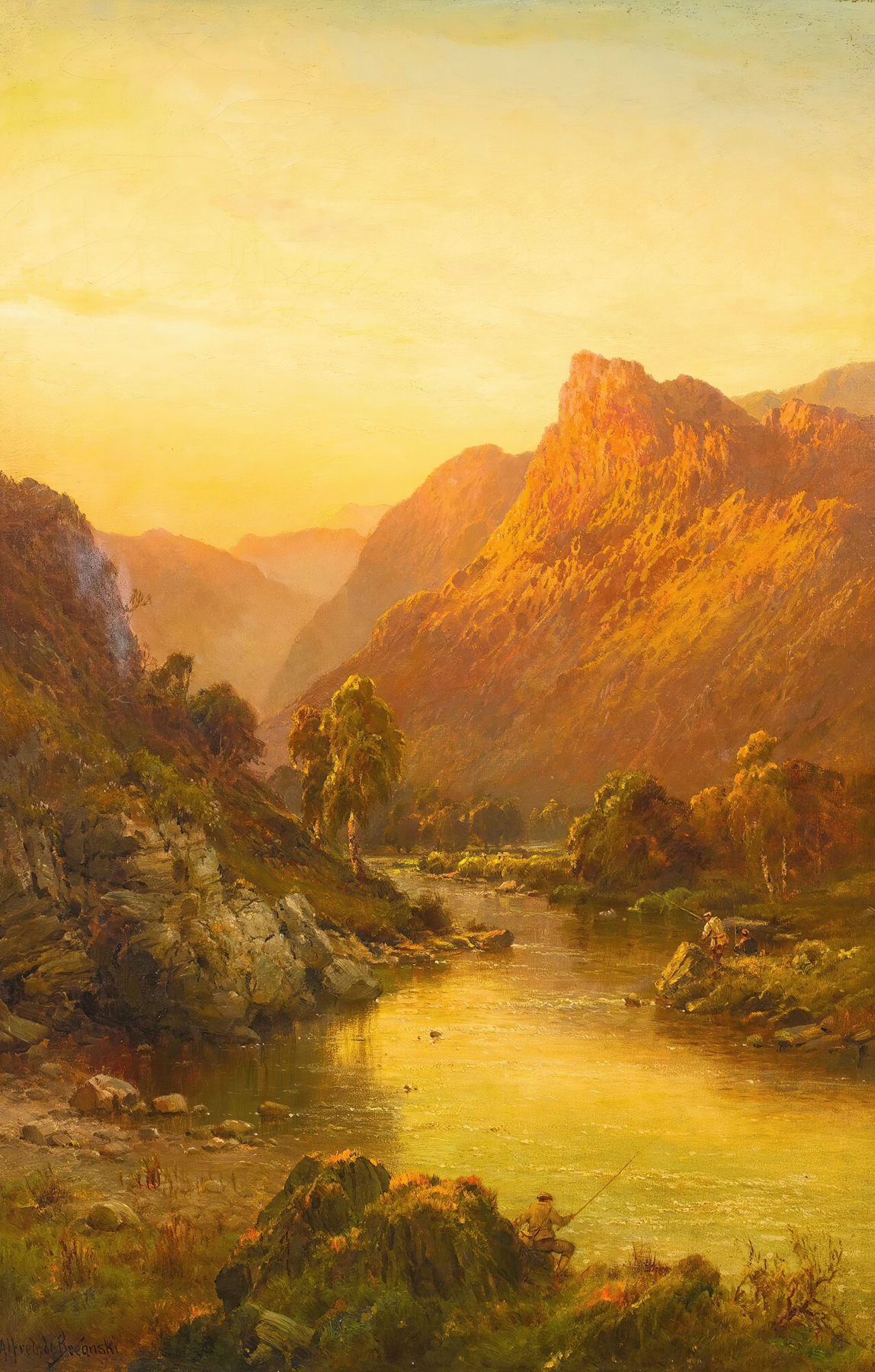
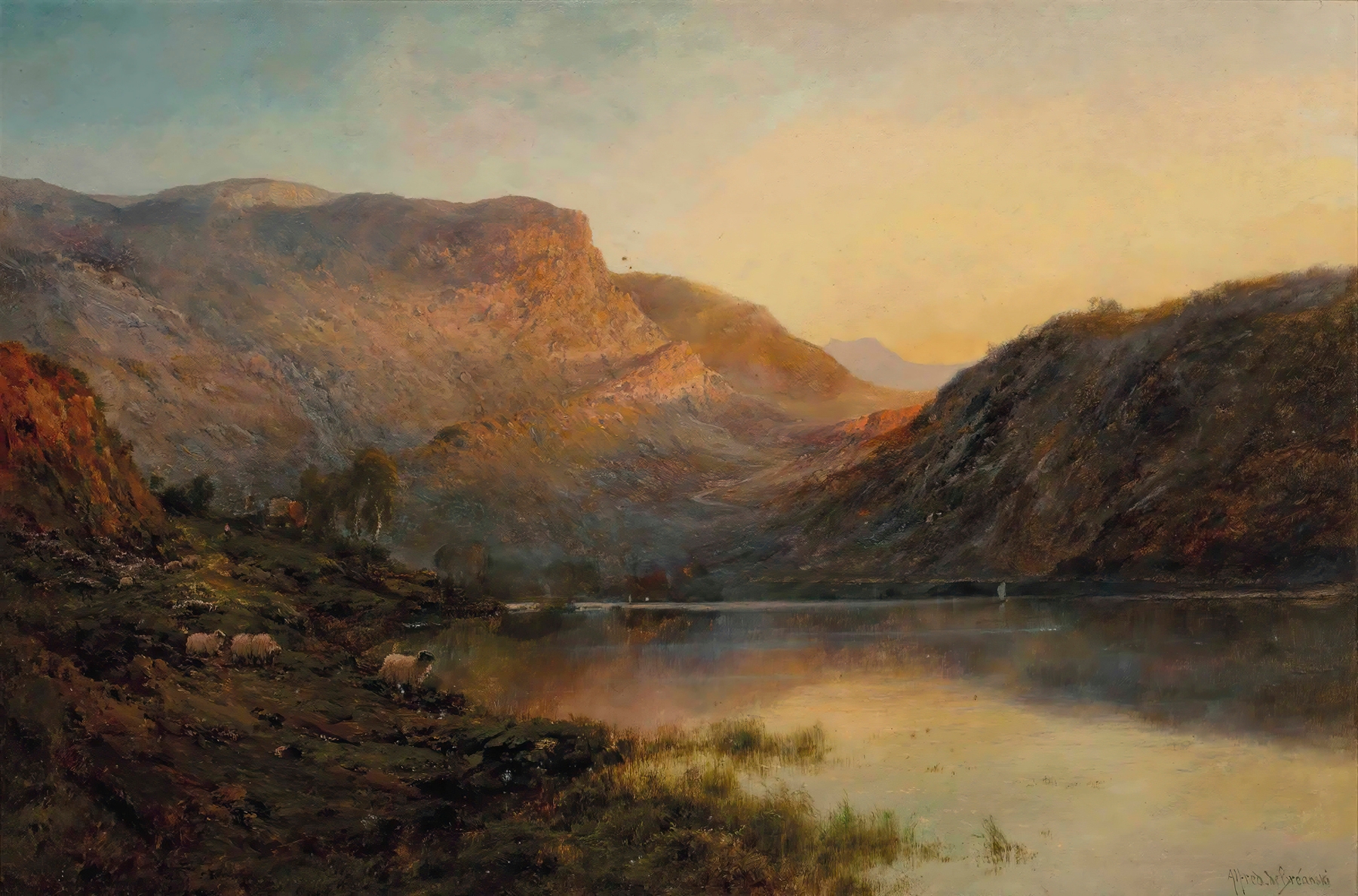
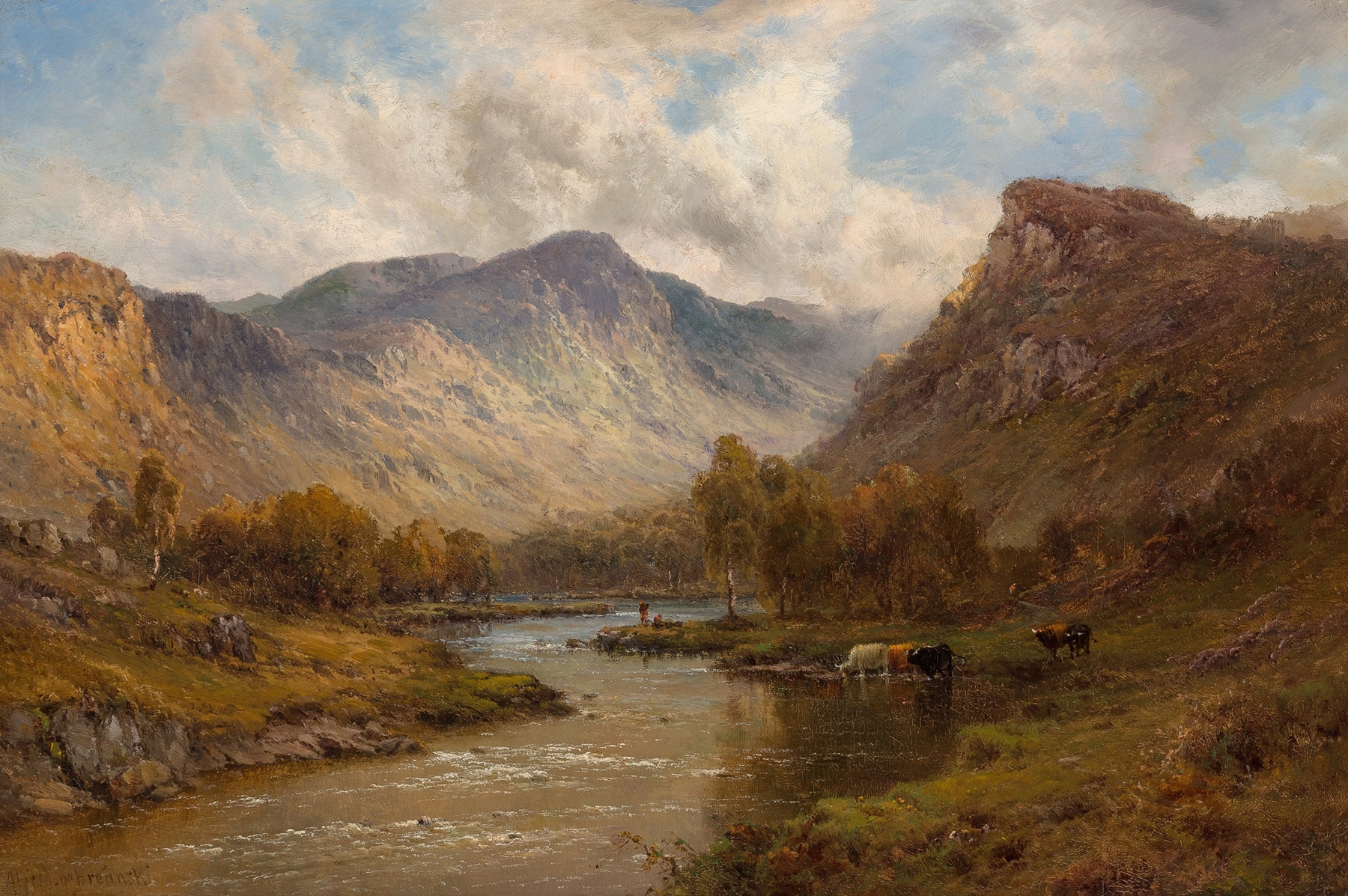
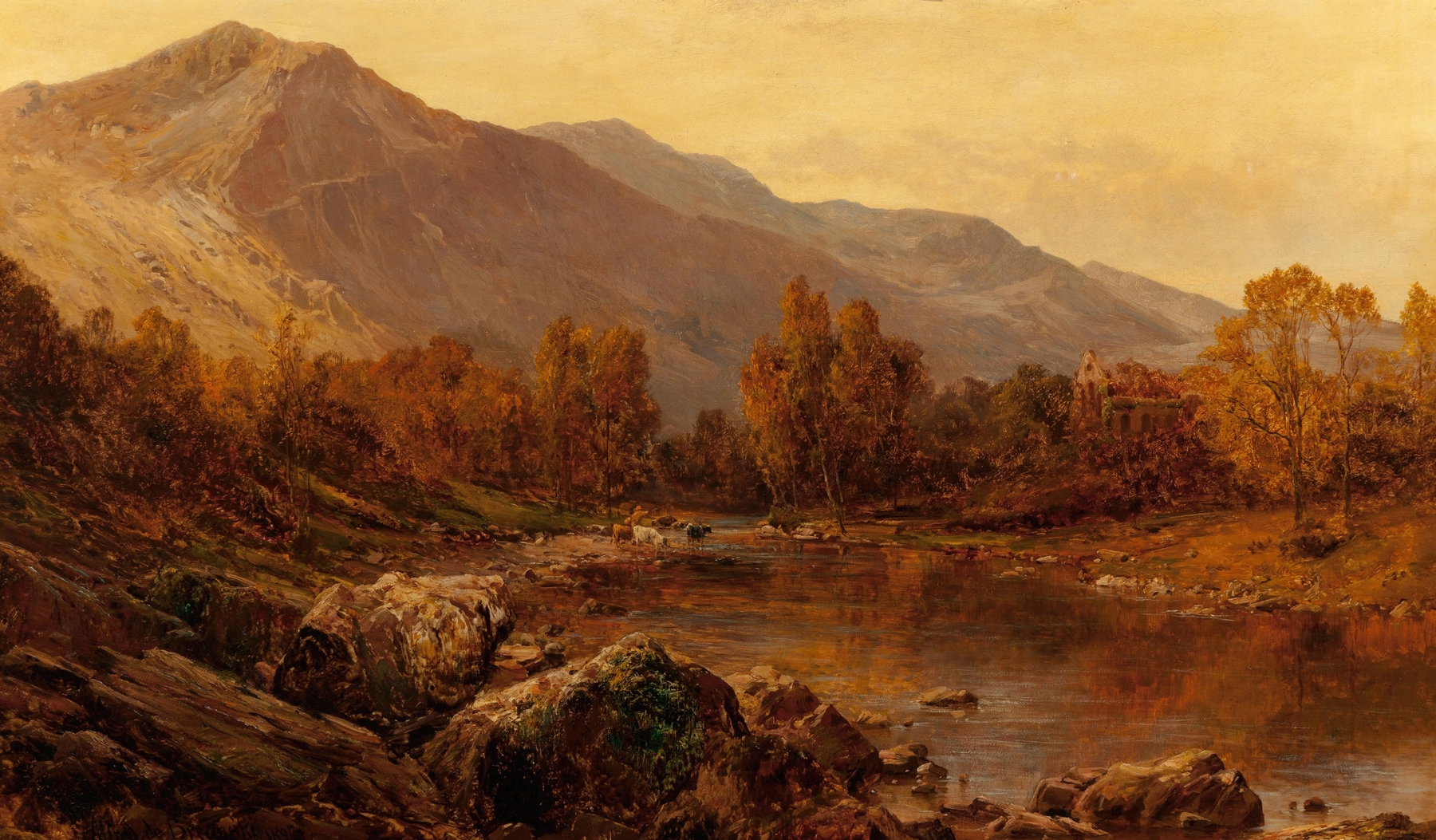
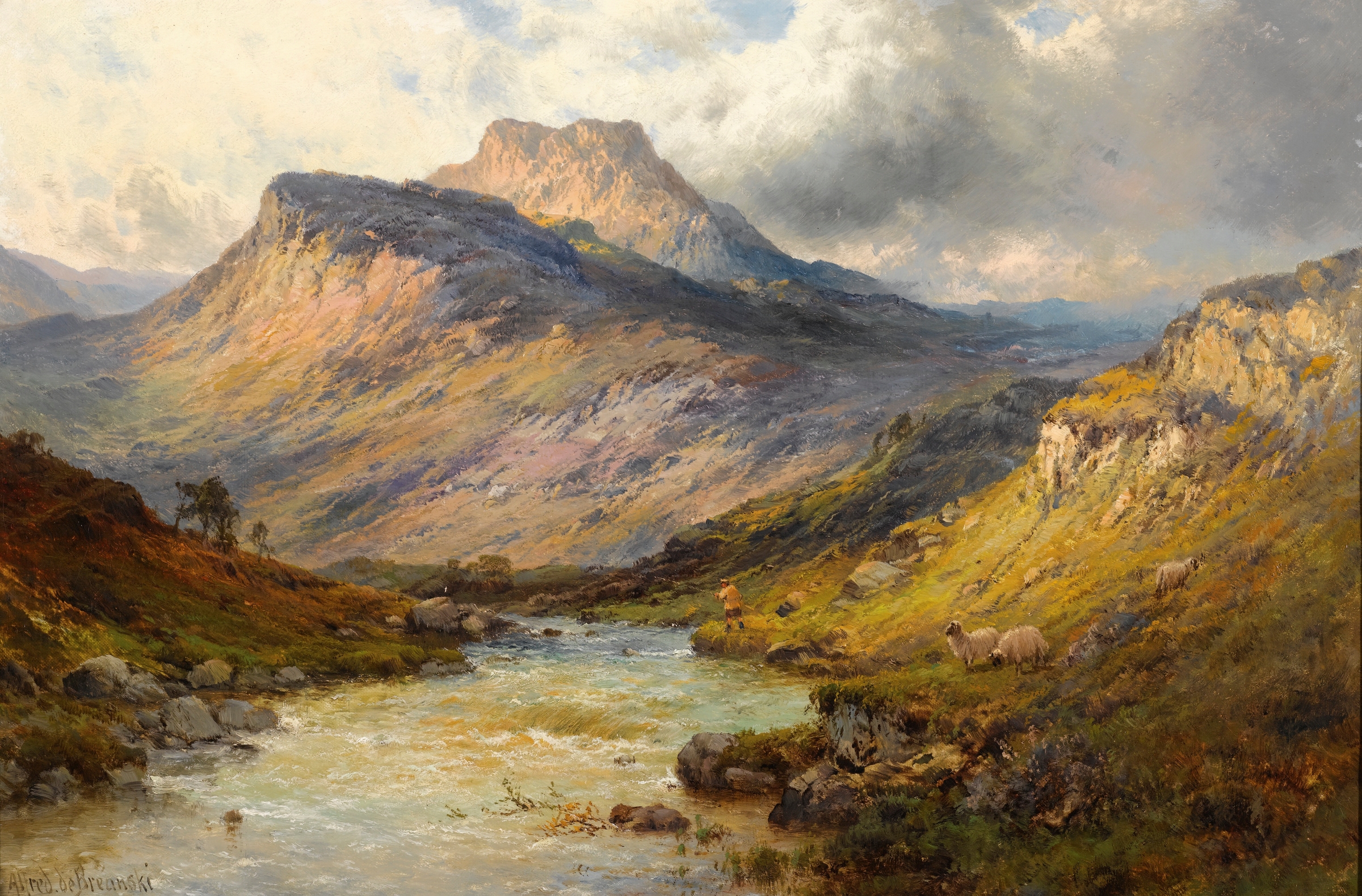
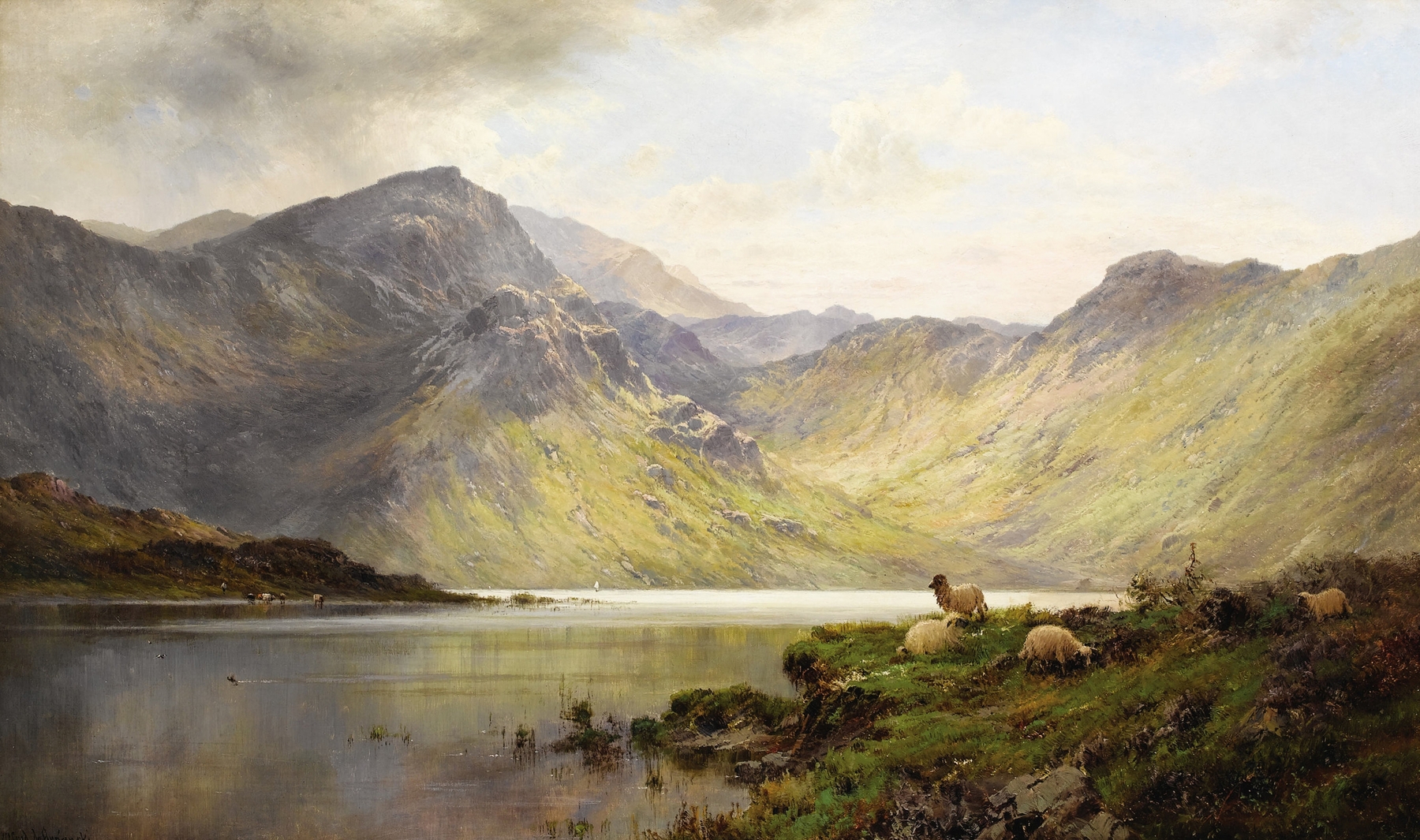
“Art reveals the soul when the world turns away.” In innocence, we find the purity of existence captured in moments unseen. Look closely at the tranquil expanse of Ben Lomond. Your gaze is drawn first to the majestic mountain, its peaks softly kissed by clouds, embracing the sky with a gentle grace. Notice how the play of light dances across the lush valley below, where verdant greens interlace with the cool blues of a river’s flow, reflecting the serenity of a peaceful day.
Each brushstroke conveys the artist’s tenderness; soft, yet vibrant hues invite contemplation and breath. Delve deeper into the painting's subtleties—the way the foreground blooms with delicate wildflowers, symbolizing the fleeting beauty of nature, contrasting against the steadfastness of the mountain behind. There’s a bittersweet tension in the scene: while the landscape exudes tranquility, the ethereal light hints at the passage of time, whispering of innocence lost yet eternally cherished. The harmonious blend of colors evokes a sense of longing and nostalgia, suggesting that beauty is often found in the ephemeral moments of life.
In this period, Alfred de Bréanski painted Ben Lomond amidst the burgeoning movement of British landscape painting in the late 19th century, a time when artists sought to capture the sublime essence of nature. The artist, influenced by the Romantic ideals, had recently settled in London after extensive travels through Scotland, where he drew inspiration from its profound natural beauty. His work reflects a growing appreciation for the majestic landscapes that define the British countryside, positioning him as a pivotal figure in this artistic exploration.