The Vale of Llangollen — History & Analysis
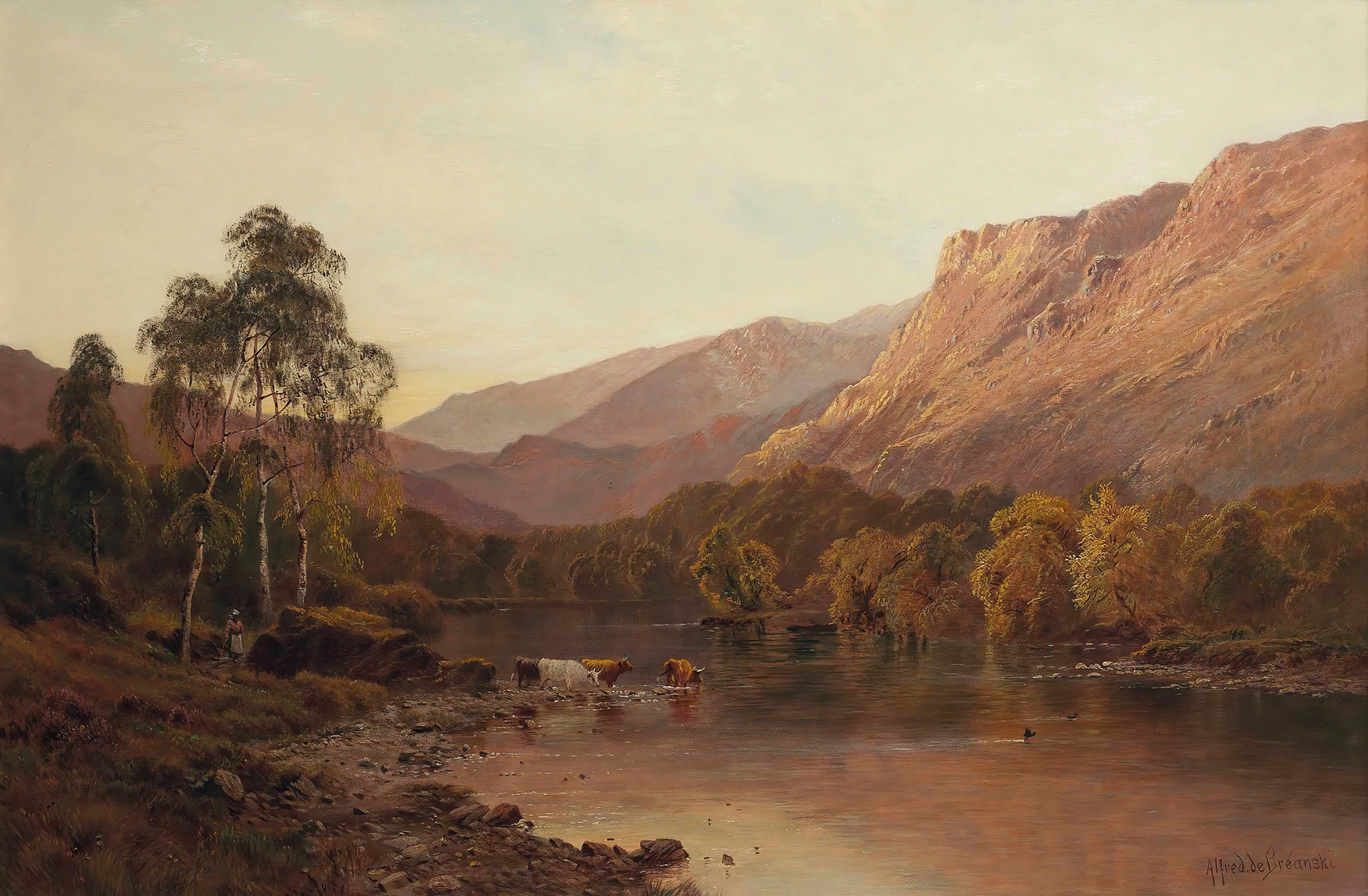
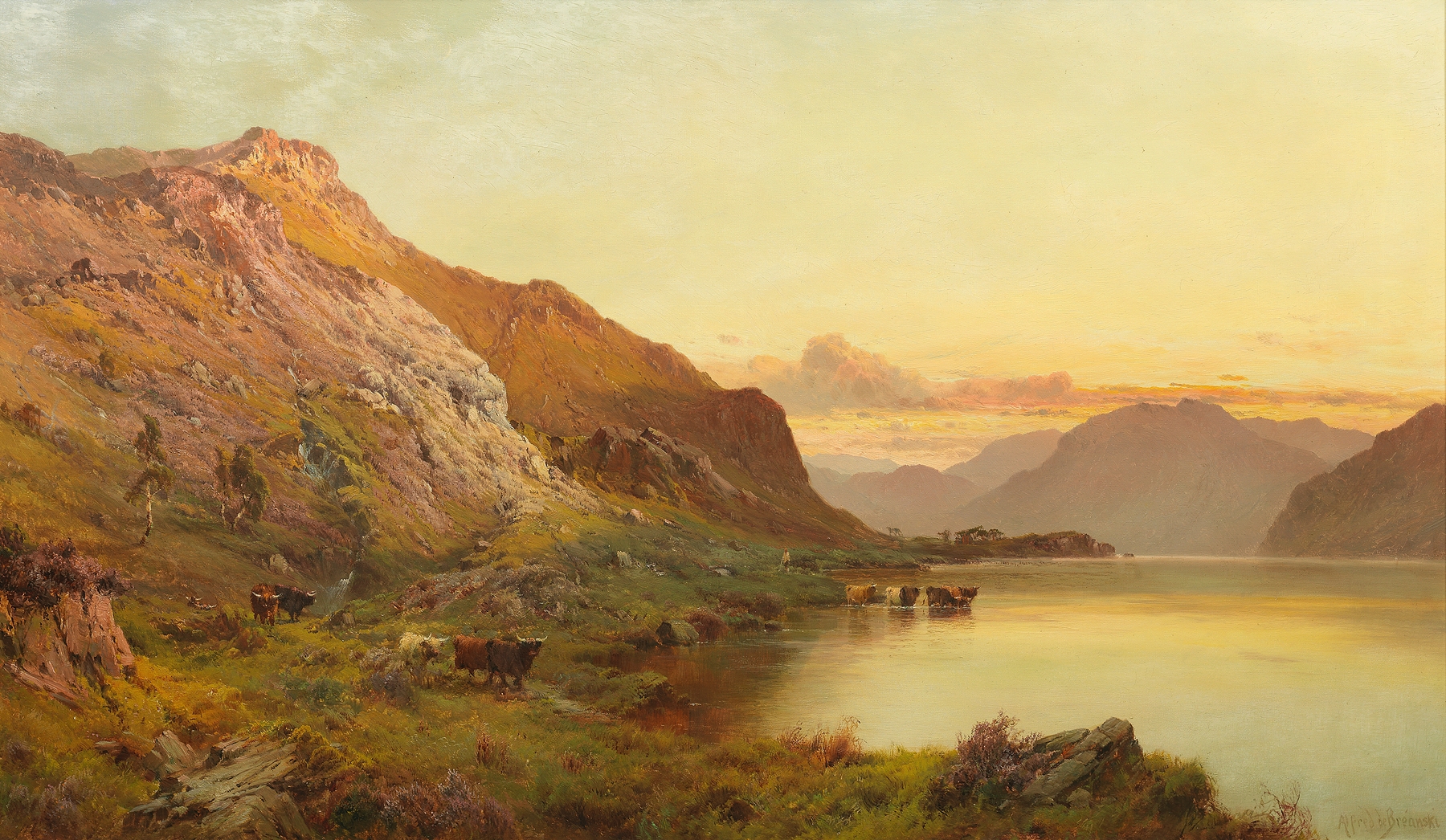
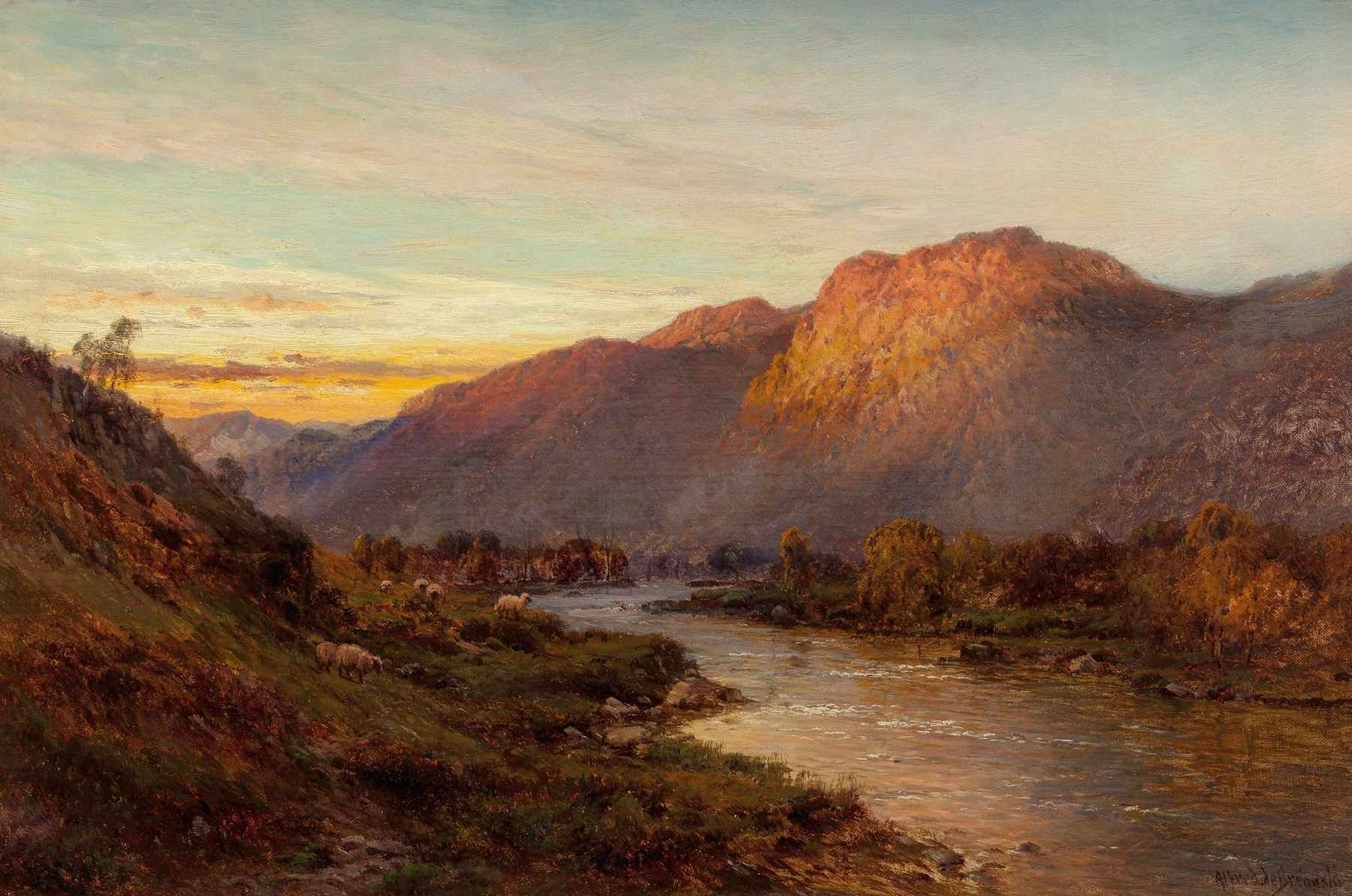
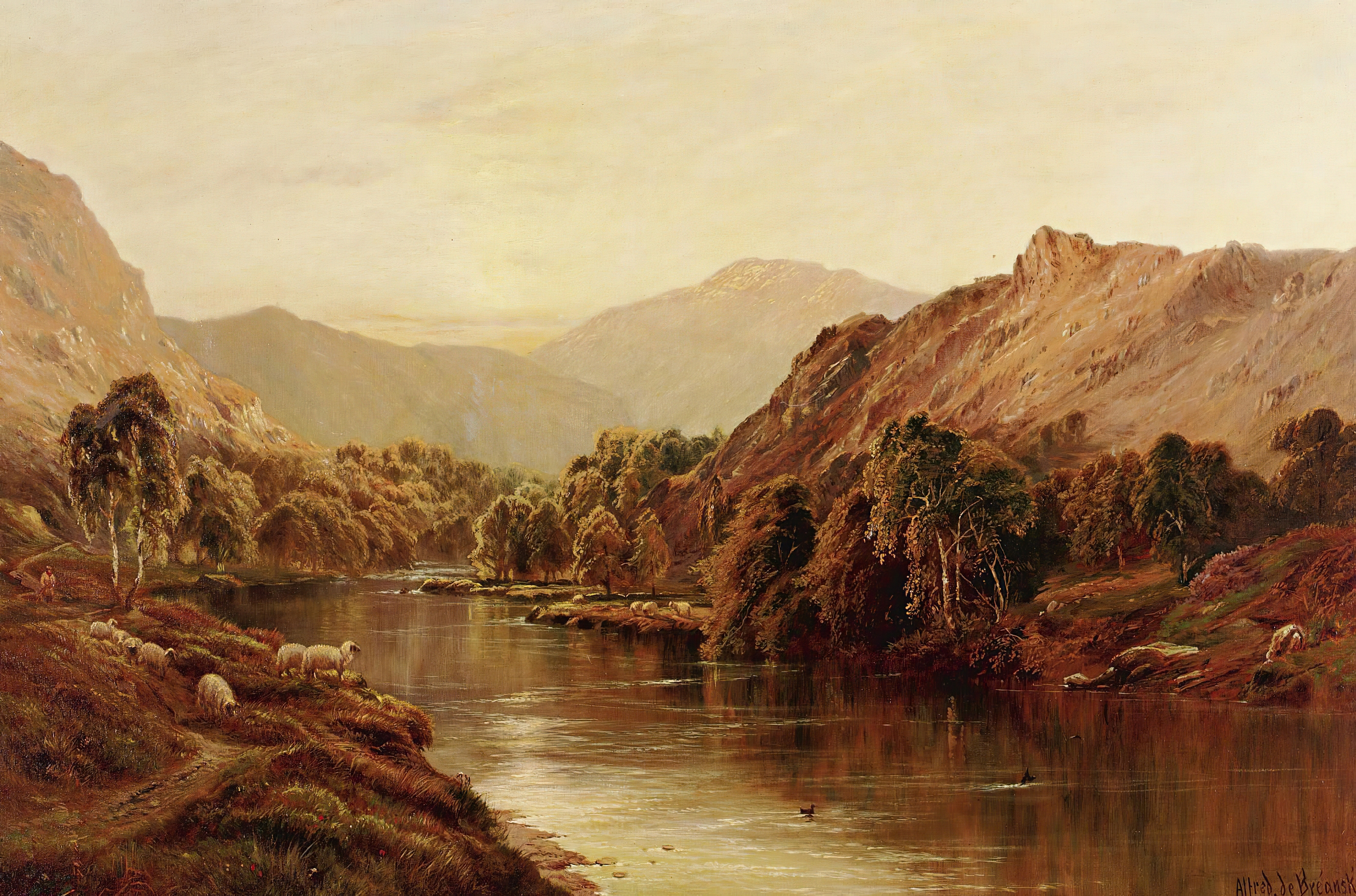
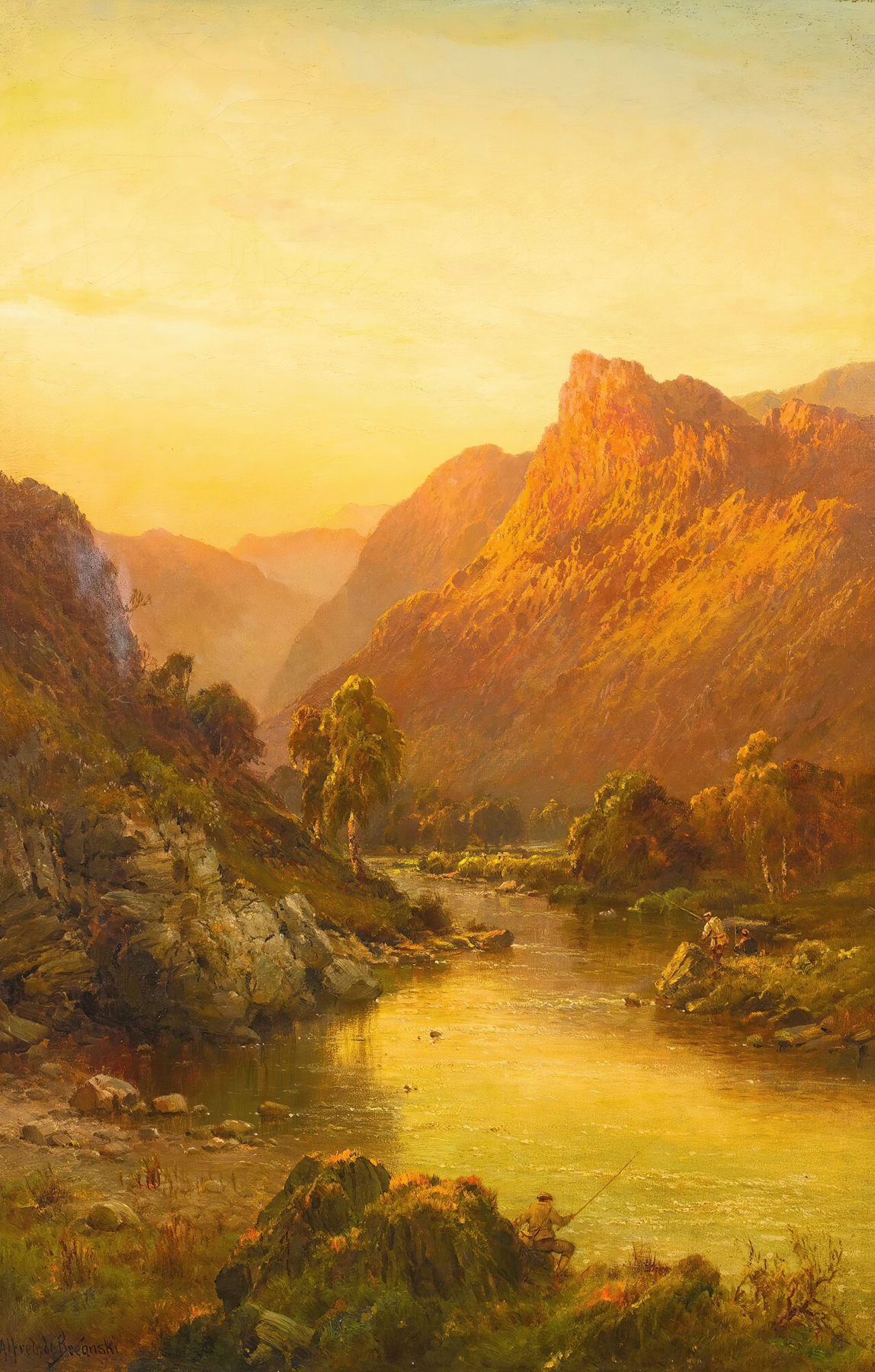
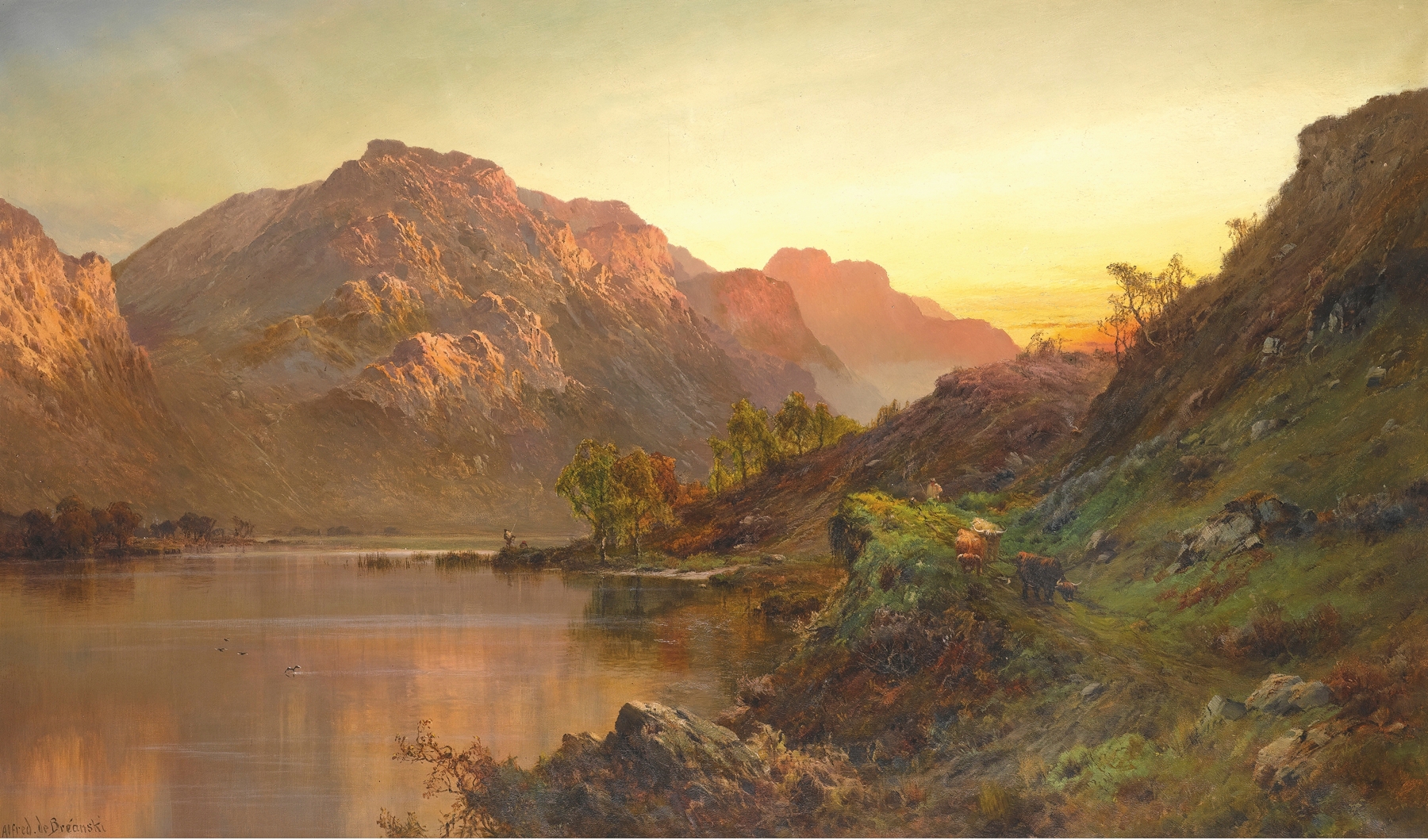
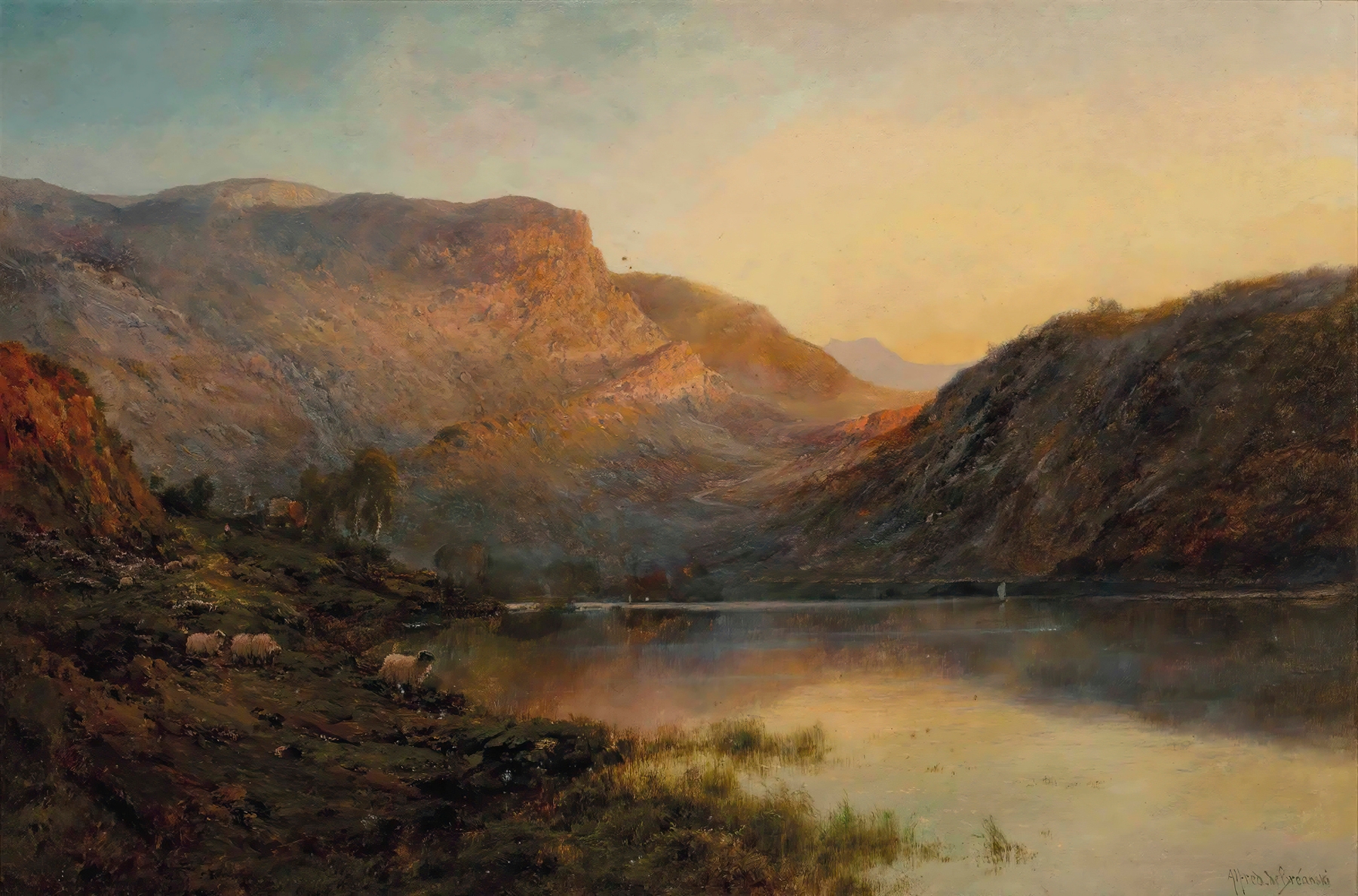
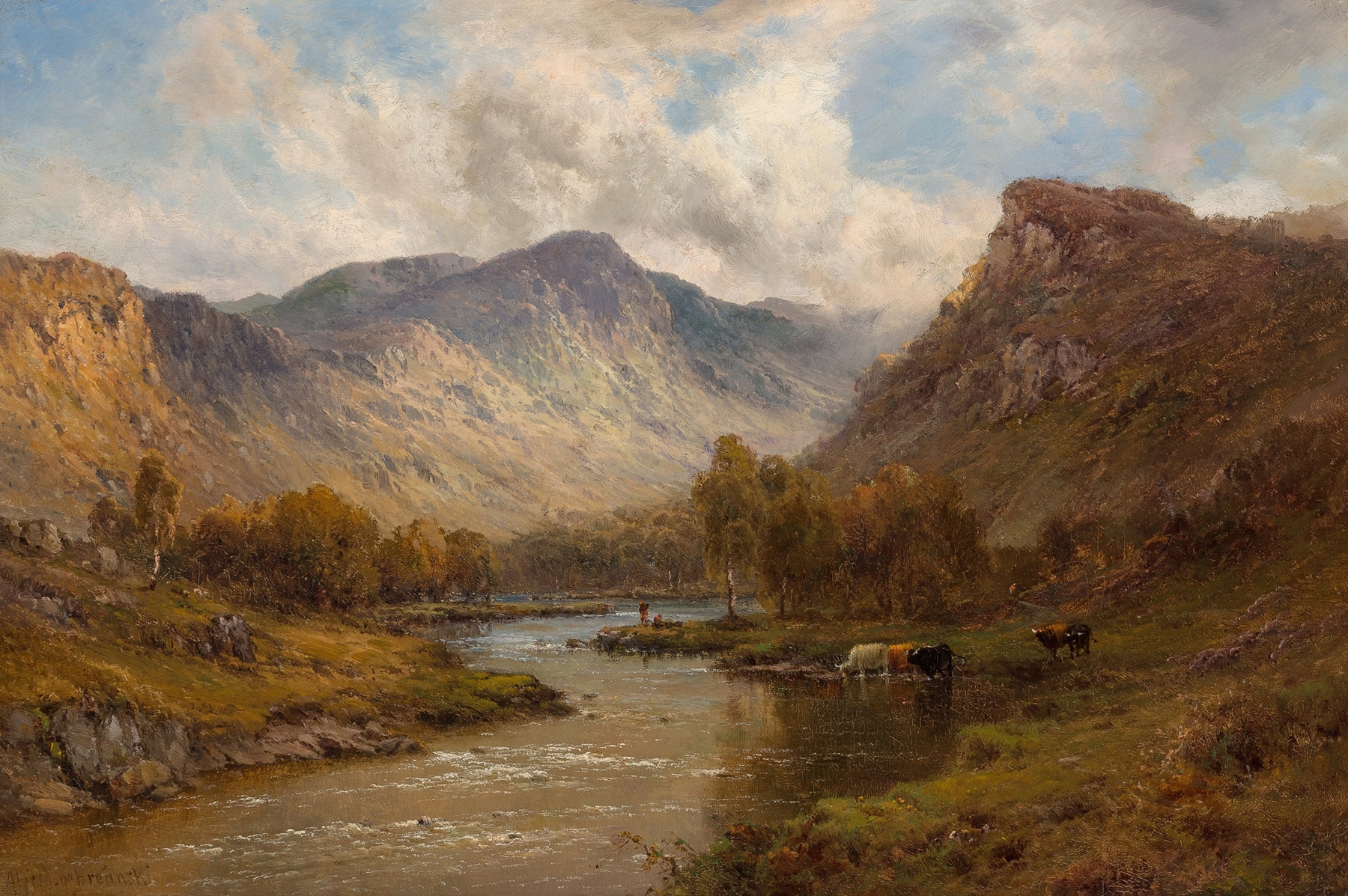
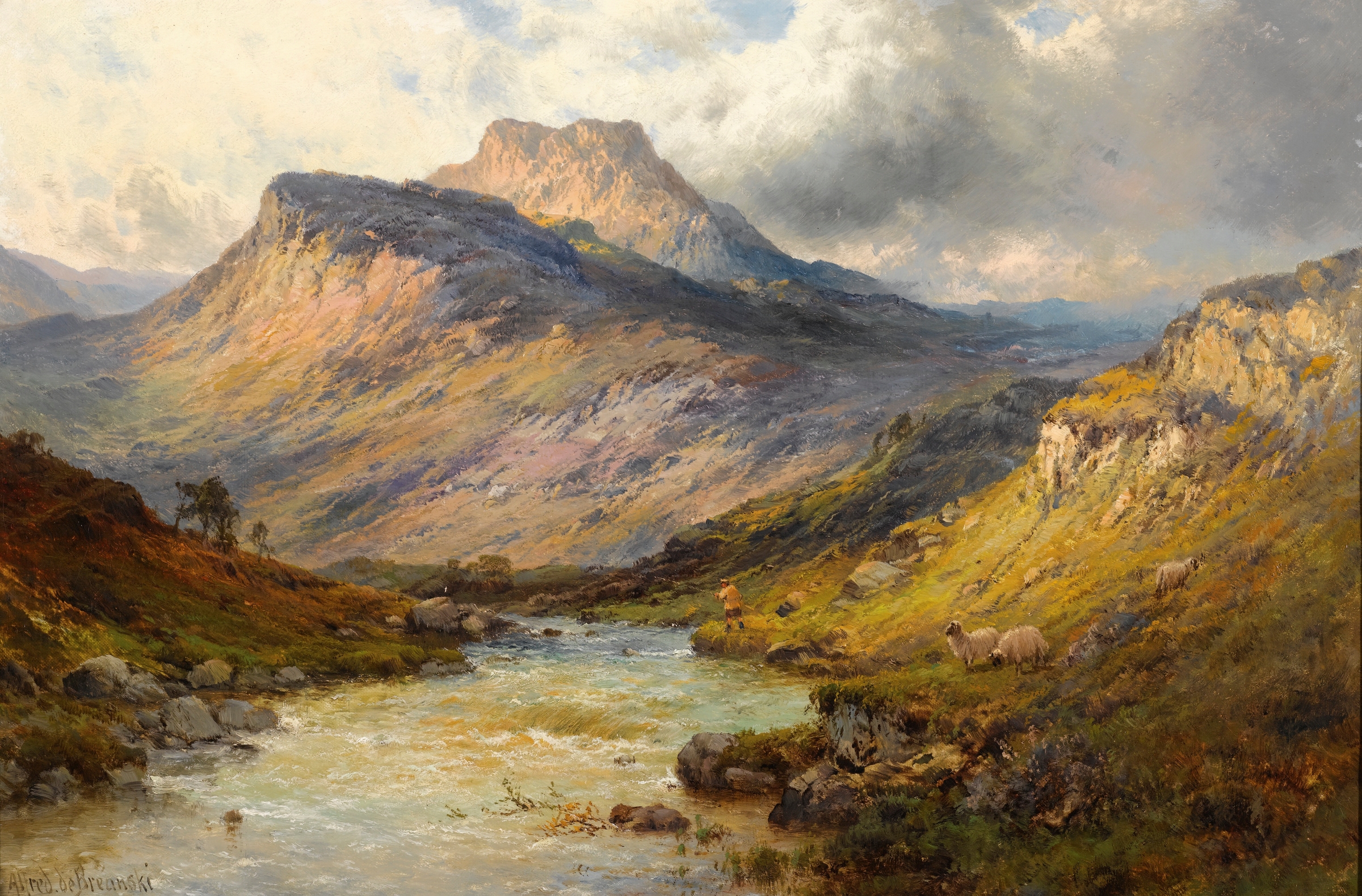
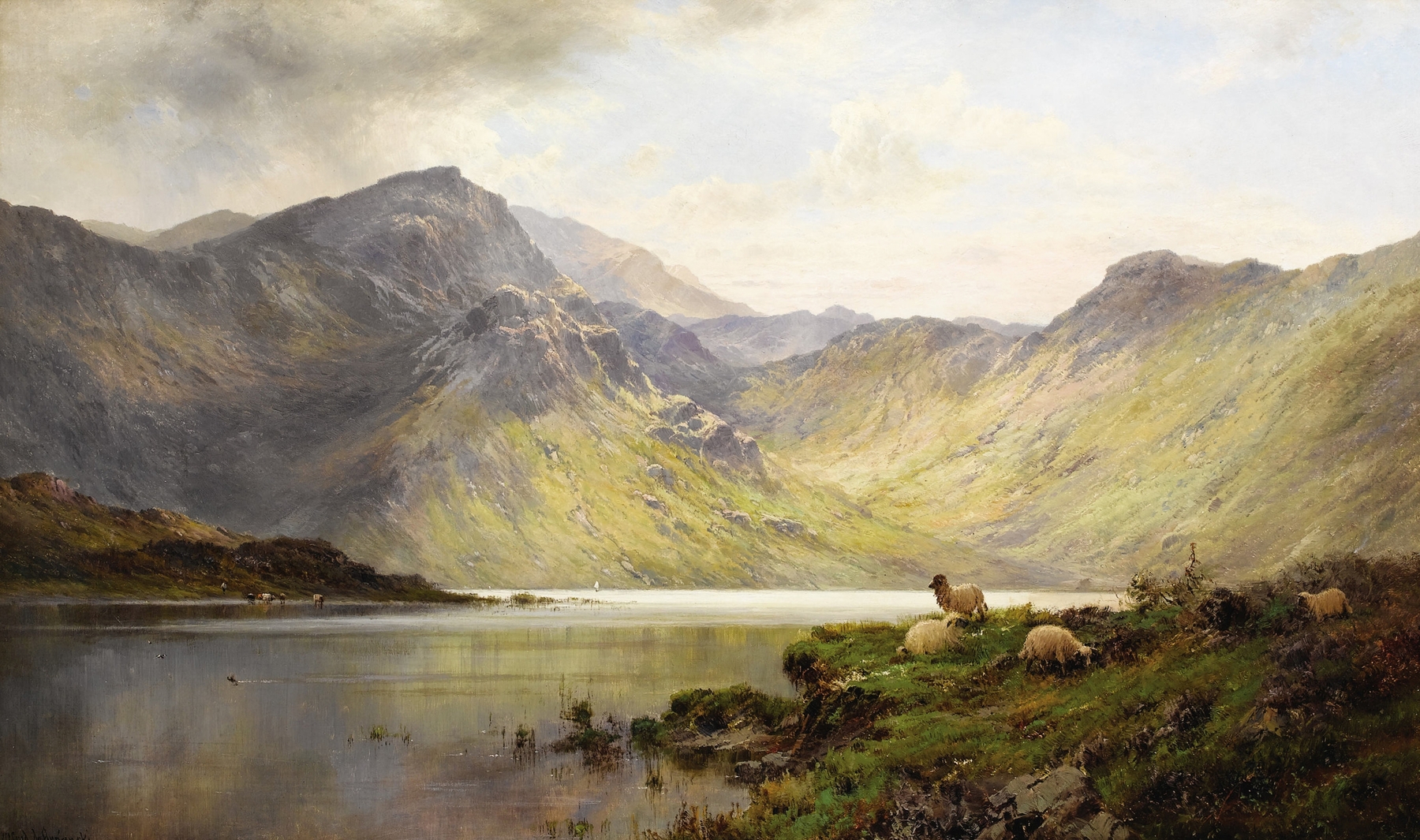
“The canvas doesn’t lie — it simply waits.” In this moment of stillness, a world of awe unfolds before us, inviting a meditative plunge into nature's grandeur. Look to the left at the rugged mountains that cradle the lush valley, their craggy silhouettes etched against a sky brushed with soft pastels of dawn. Notice how the light spills across the terrain, illuminating the vibrant greens of the foliage and casting gentle shadows that entwine with the meandering river below. The palette breathes life into every inch of the canvas, creating a harmonious balance between earth and sky, where the intricate details of the landscape invite the viewer to explore.
Delve deeper into the interplay of light and shadow, revealing the emotional tension between serenity and wildness. The rushing water, depicted with a sense of dynamism, contrasts with the tranquil valley, suggesting a fleeting moment caught in time. There’s a sense of longing in the way the landscape unfolds, evoking a yearning for connection with nature — an escape from the mundane to the sublime.
In 1897, while painting this piece, the artist found himself immersed in a period of growing recognition and success. Living in the United Kingdom, de Bréanski captured the romantic allure of the Welsh countryside at a time when the Impressionist movement was beginning to influence British artists. This work reflects his mastery in portraying natural beauty, blending realism with an emotive vibrancy that characterizes his oeuvre.