The Dee Near Balmoral — History & Analysis
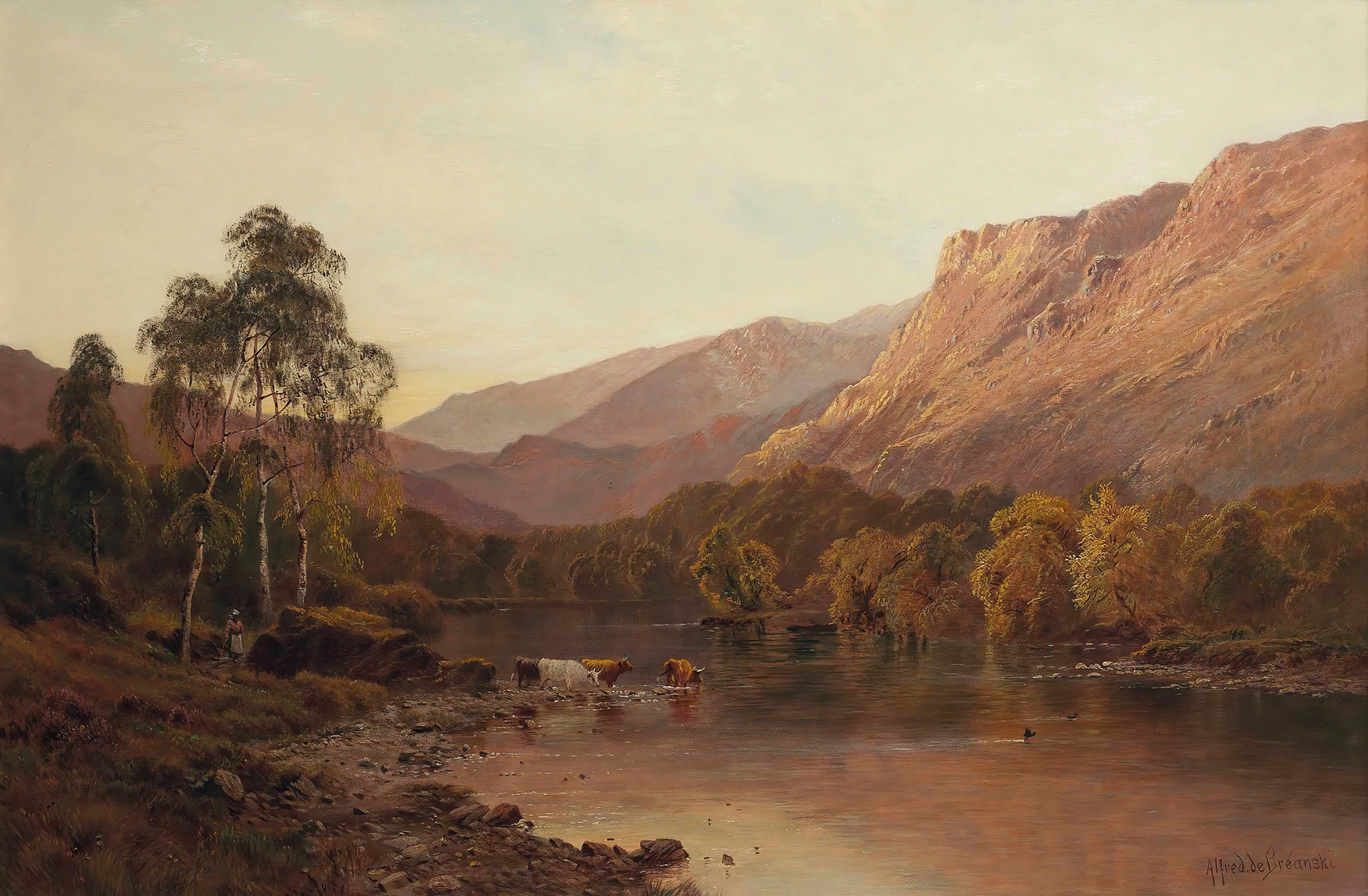
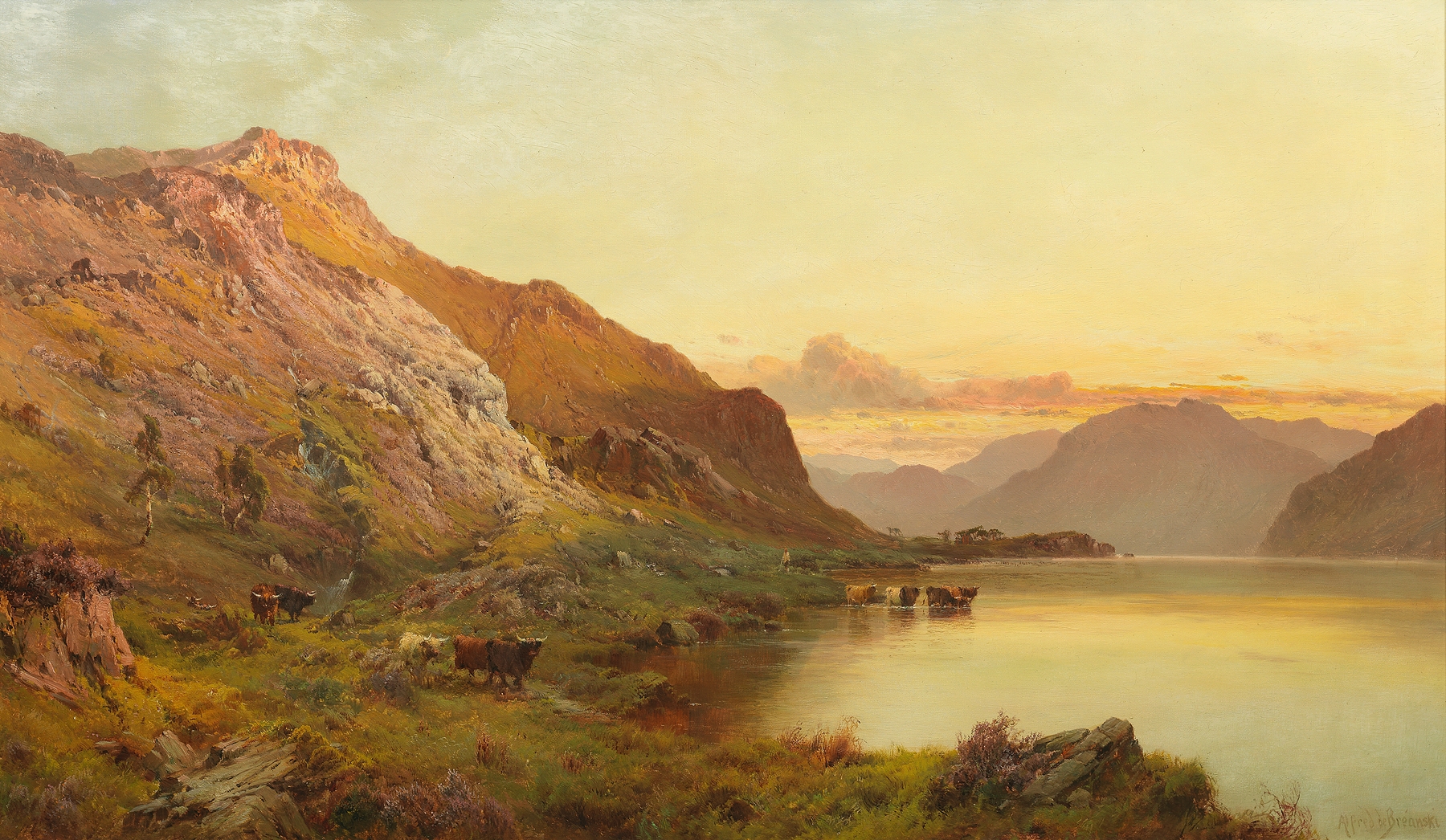
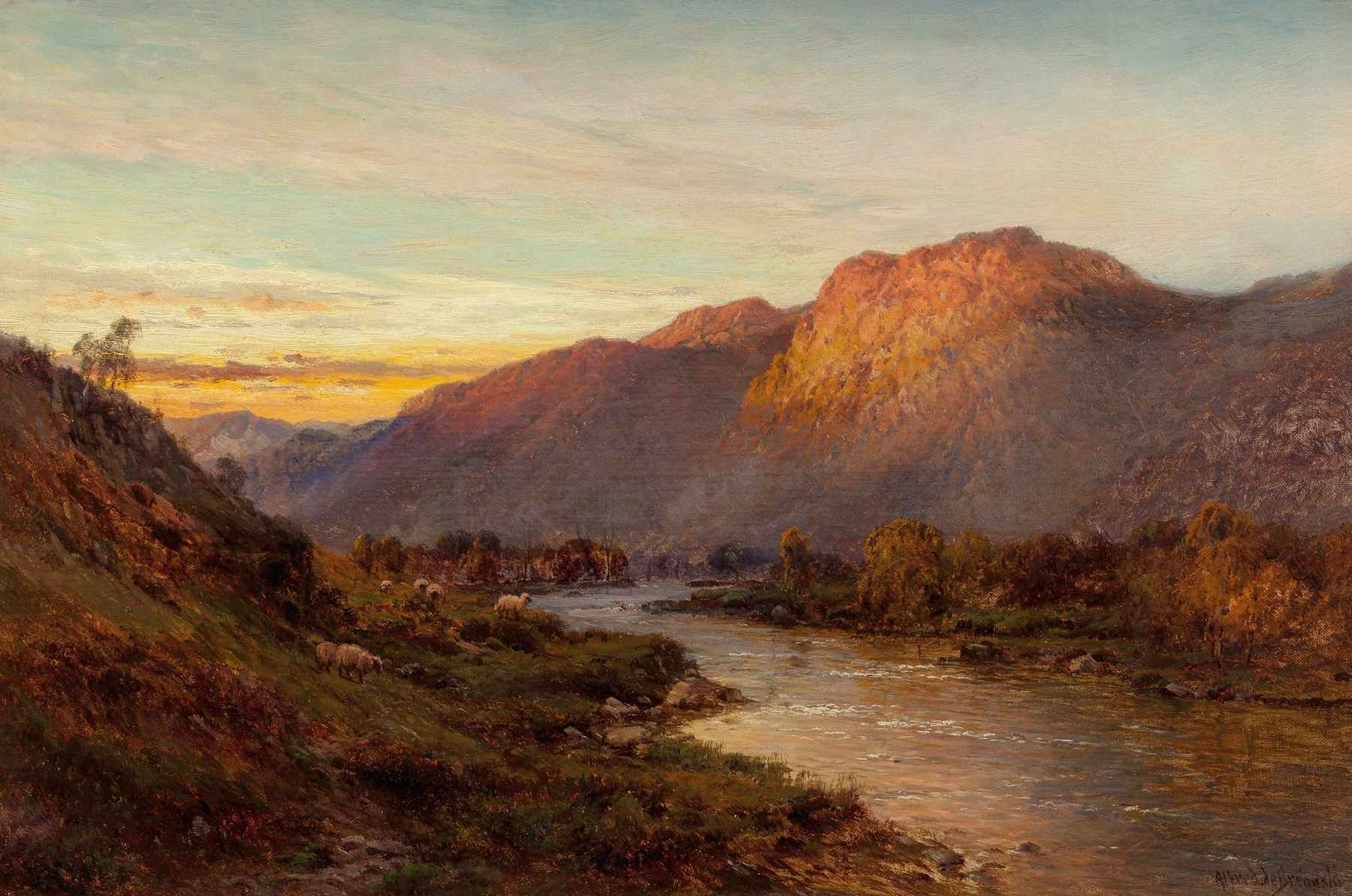
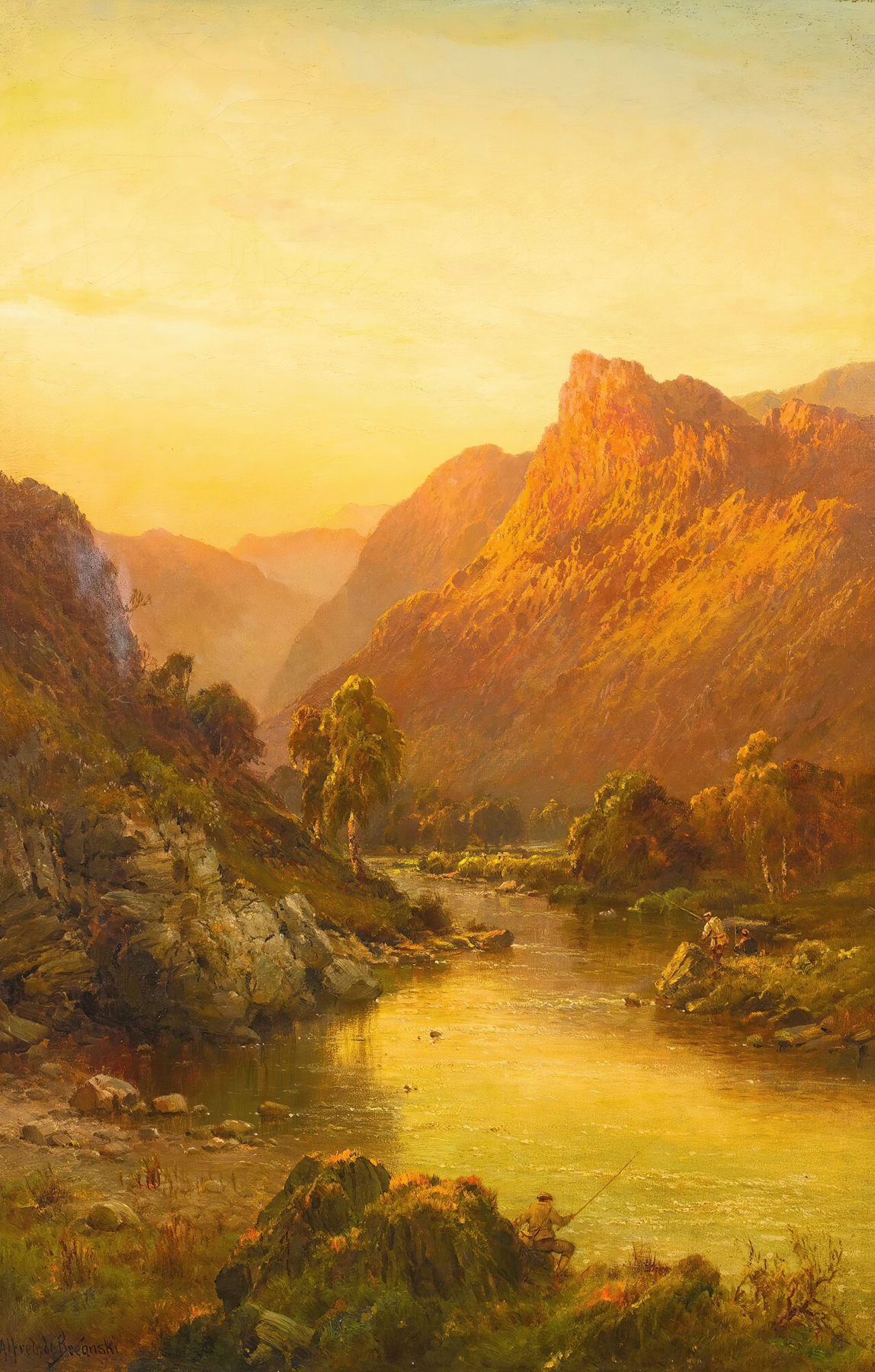
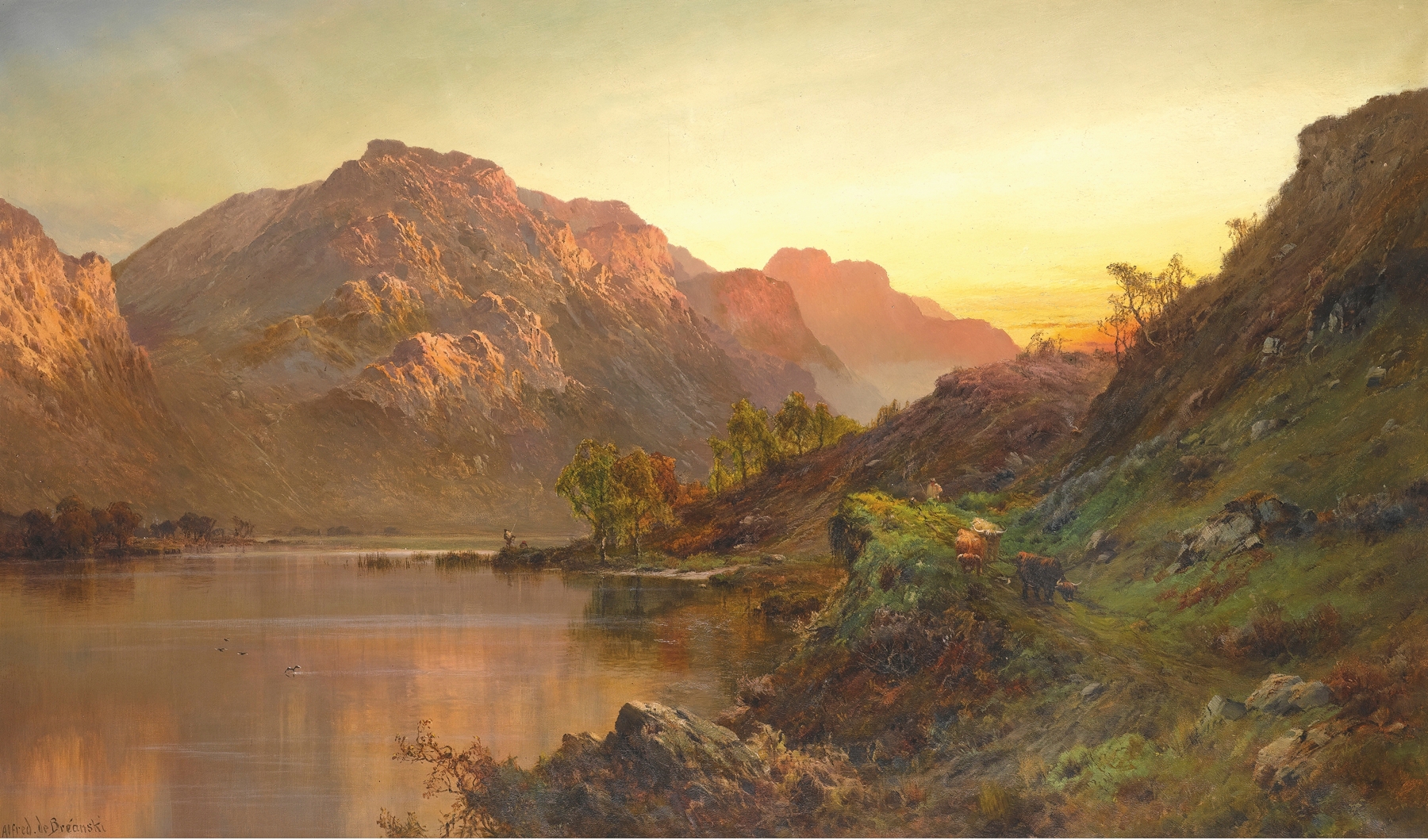
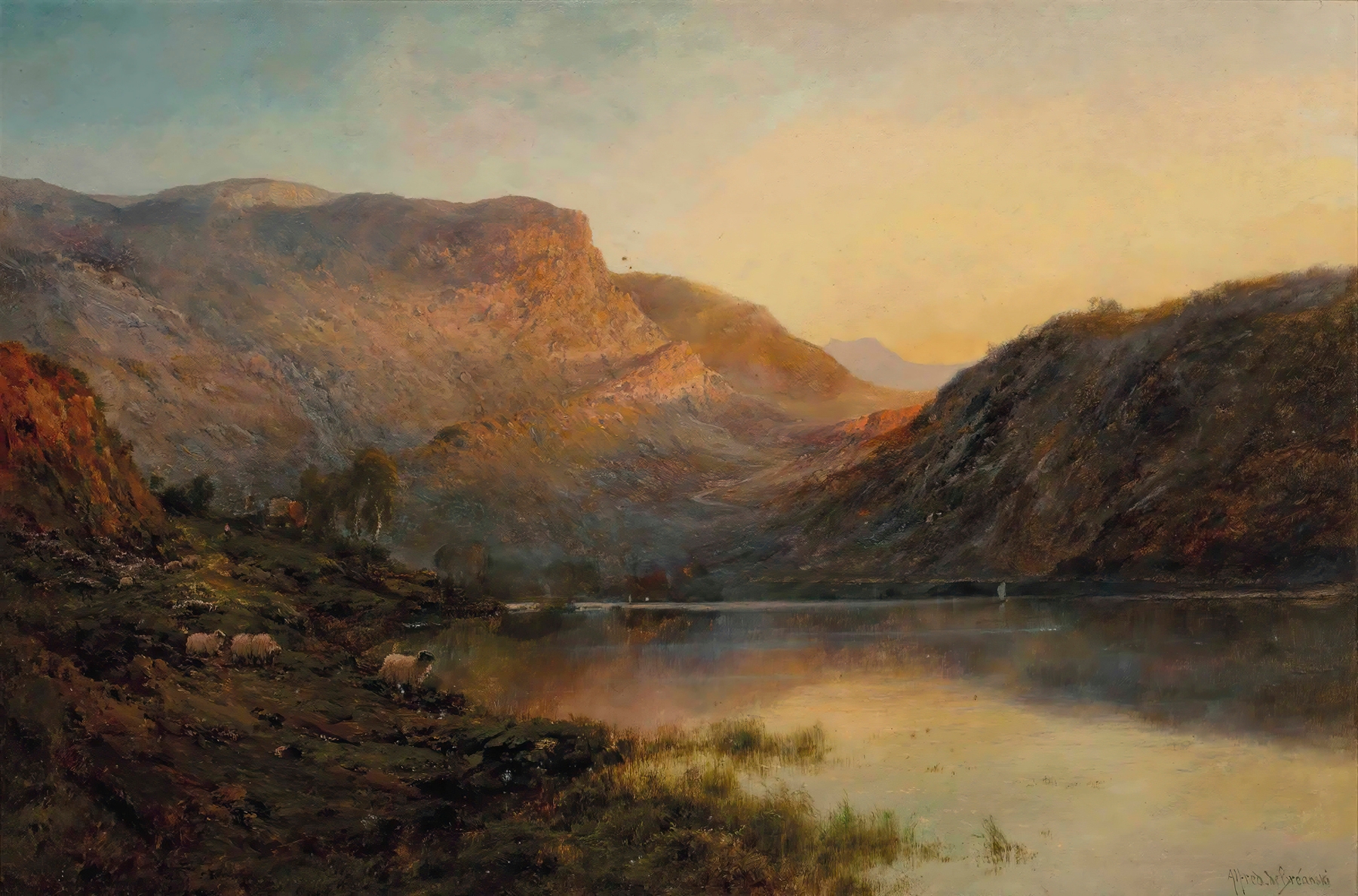
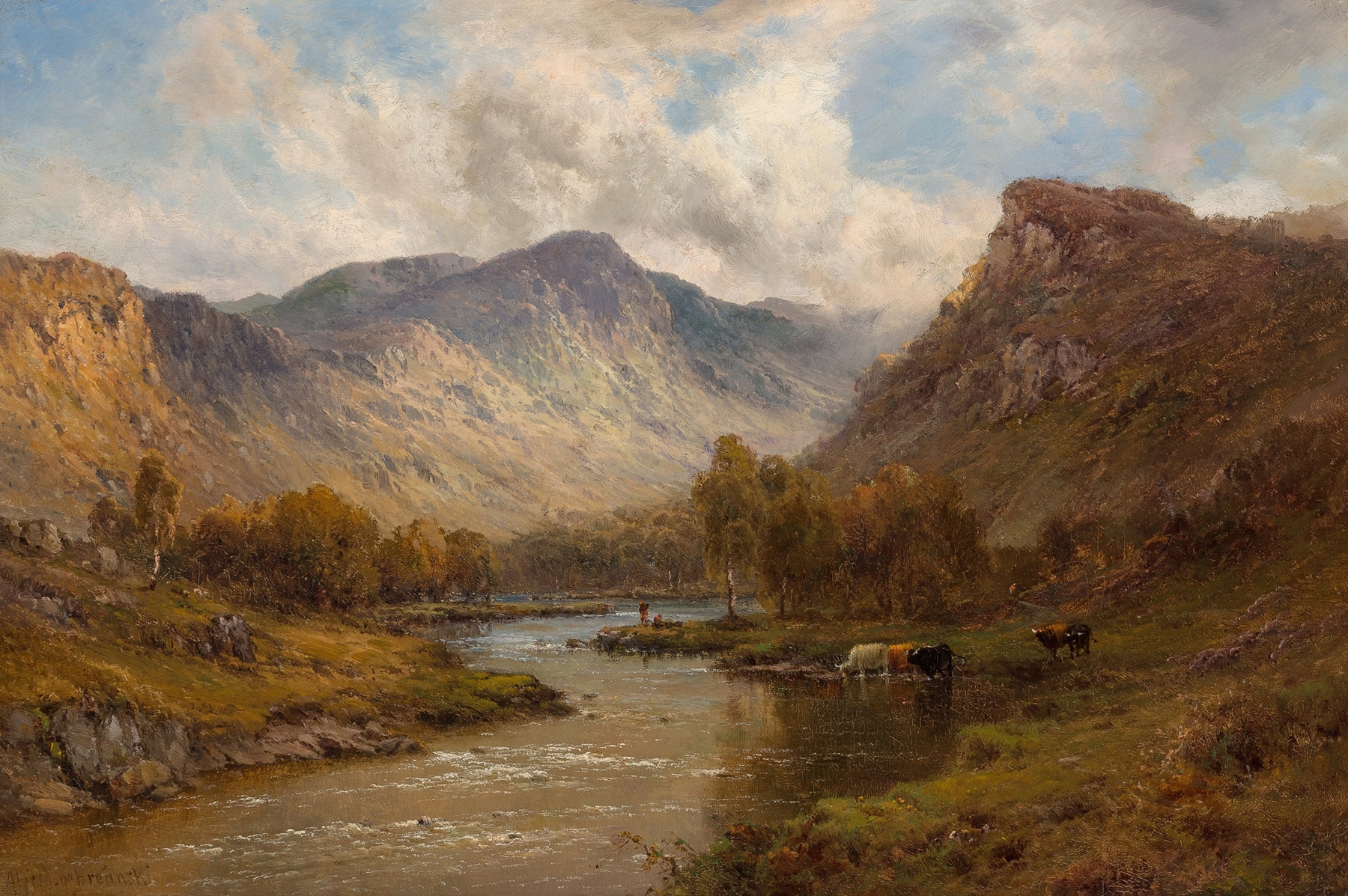
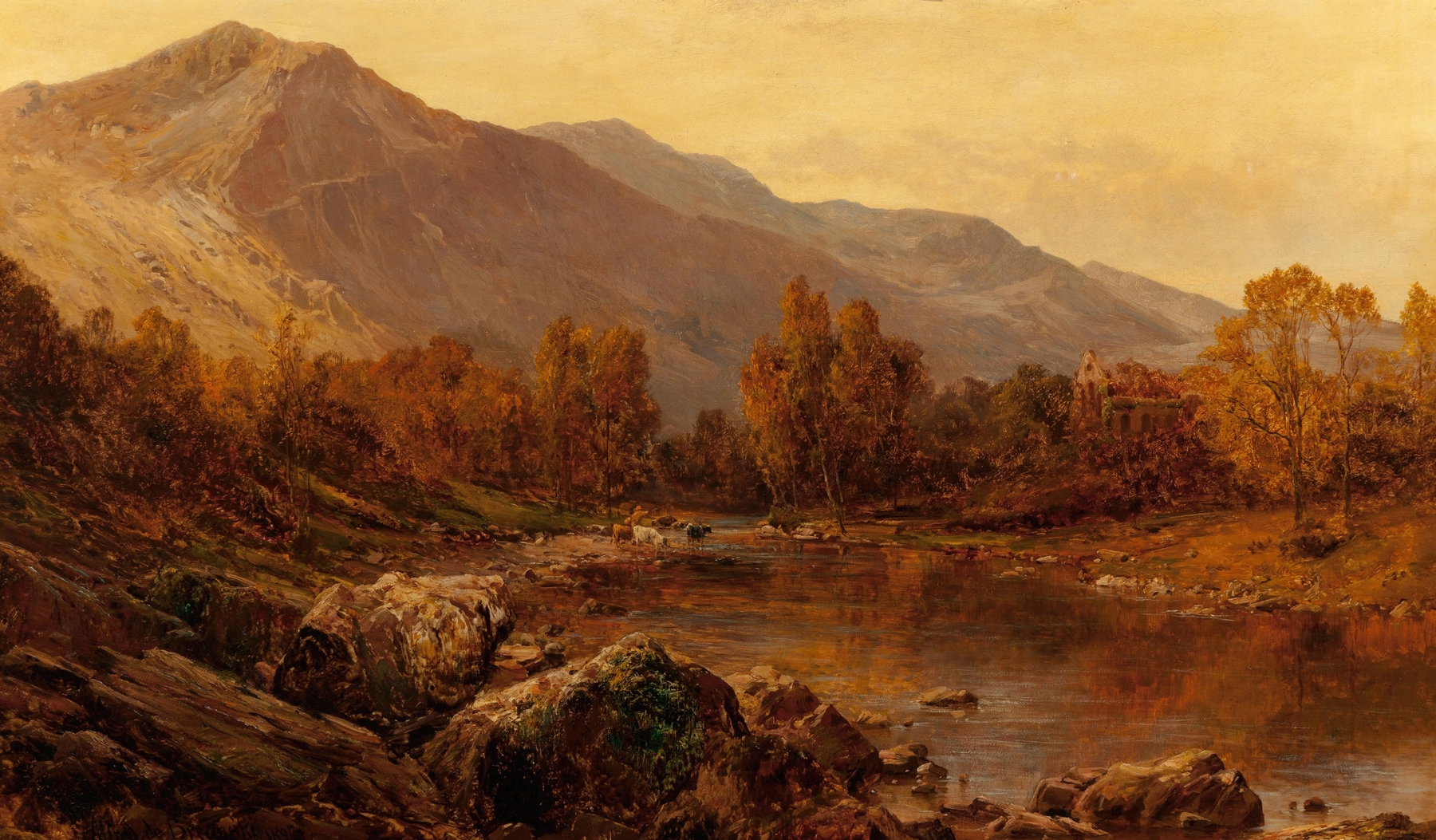
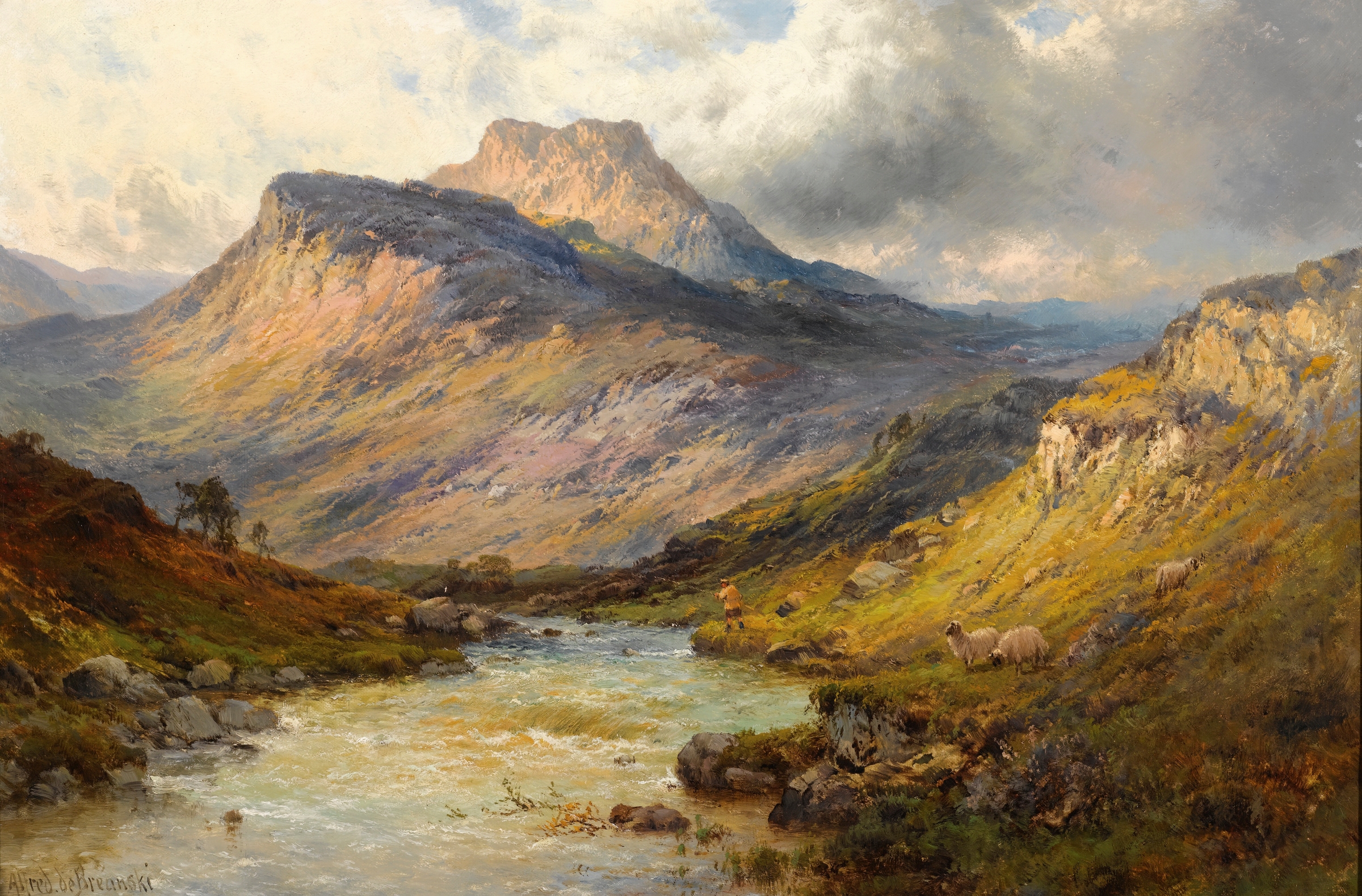
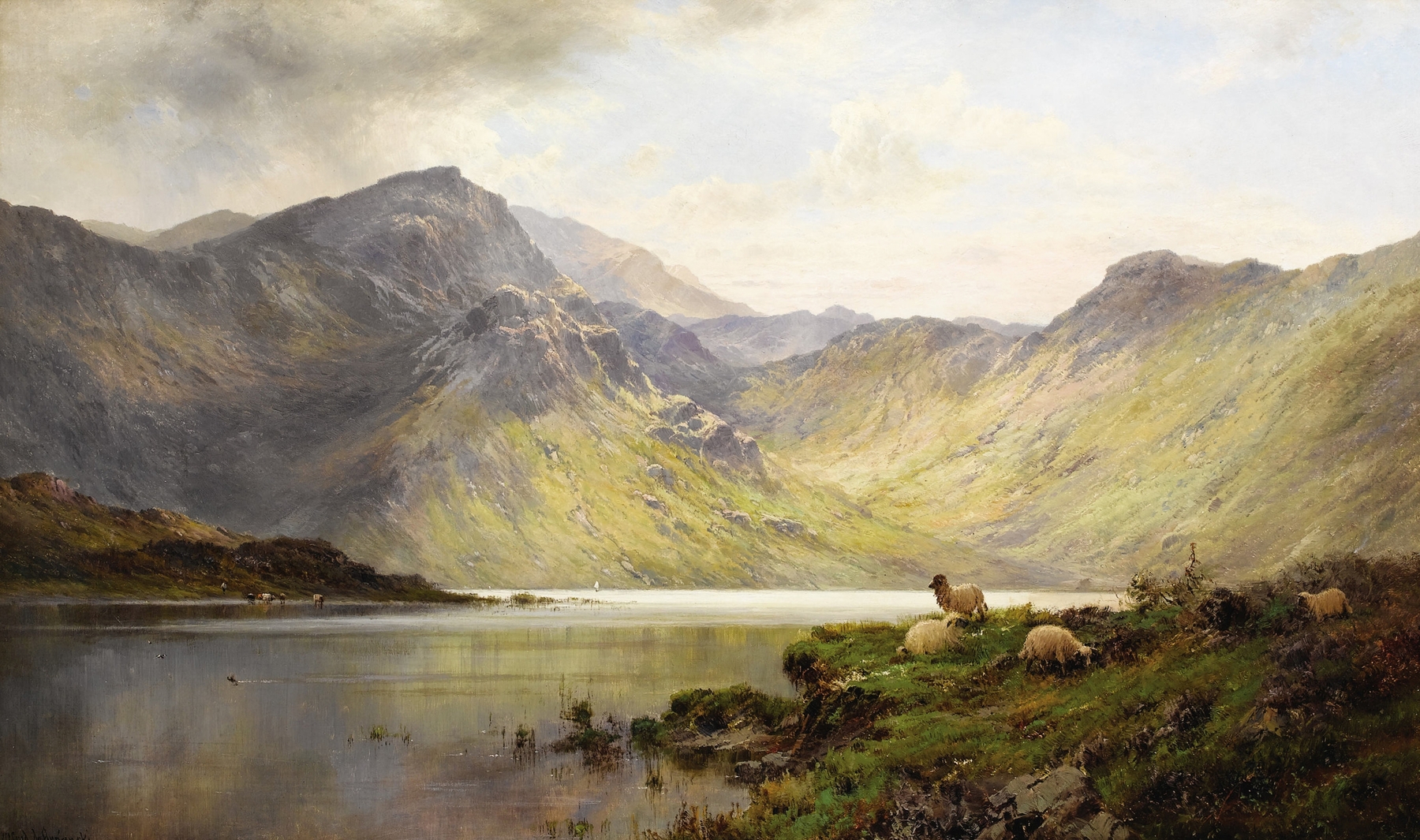
Could beauty survive in a century of chaos? This question lingers in the air, as nature often holds the remnants of both ruin and renewal. Look to the foreground, where a serene river meanders through the rugged landscape, its gentle currents reflecting the shifting hues of the sky. The artist employs rich greens and deep browns, evoking a sense of earthy warmth, while patches of sunlight spill across the water, illuminating scattered stones and the soft undulations of the banks.
The distant hills rise majestically in the background, shrouded in a light mist that blurs the line between the visible and the ethereal, inviting viewers to explore the depths of the scene. Beneath the tranquil surface, however, lies a tension between beauty and decay. Notice how the trees, though vibrant, show signs of age and wear, as if nature itself bears the scars of time. The interplay of light and shadow reveals not just the splendor of the landscape, but also hints at its inevitable decline.
This duality speaks to the fleeting nature of existence, suggesting that even in beauty, there is a whisper of decay. Created during a time of artistic innovation in late 19th-century Britain, this piece reflects Alfred de Bréanski’s deep reverence for the Scottish landscape. While the industrial revolution was reshaping society, artists like him sought solace in nature, capturing its raw beauty as a counterpoint to the chaos of modernity. The artist's brush navigated the delicate balance between the idyllic and the impermanent, leaving a legacy that still resonates today.