The Vale of Ben-Lawers — History & Analysis
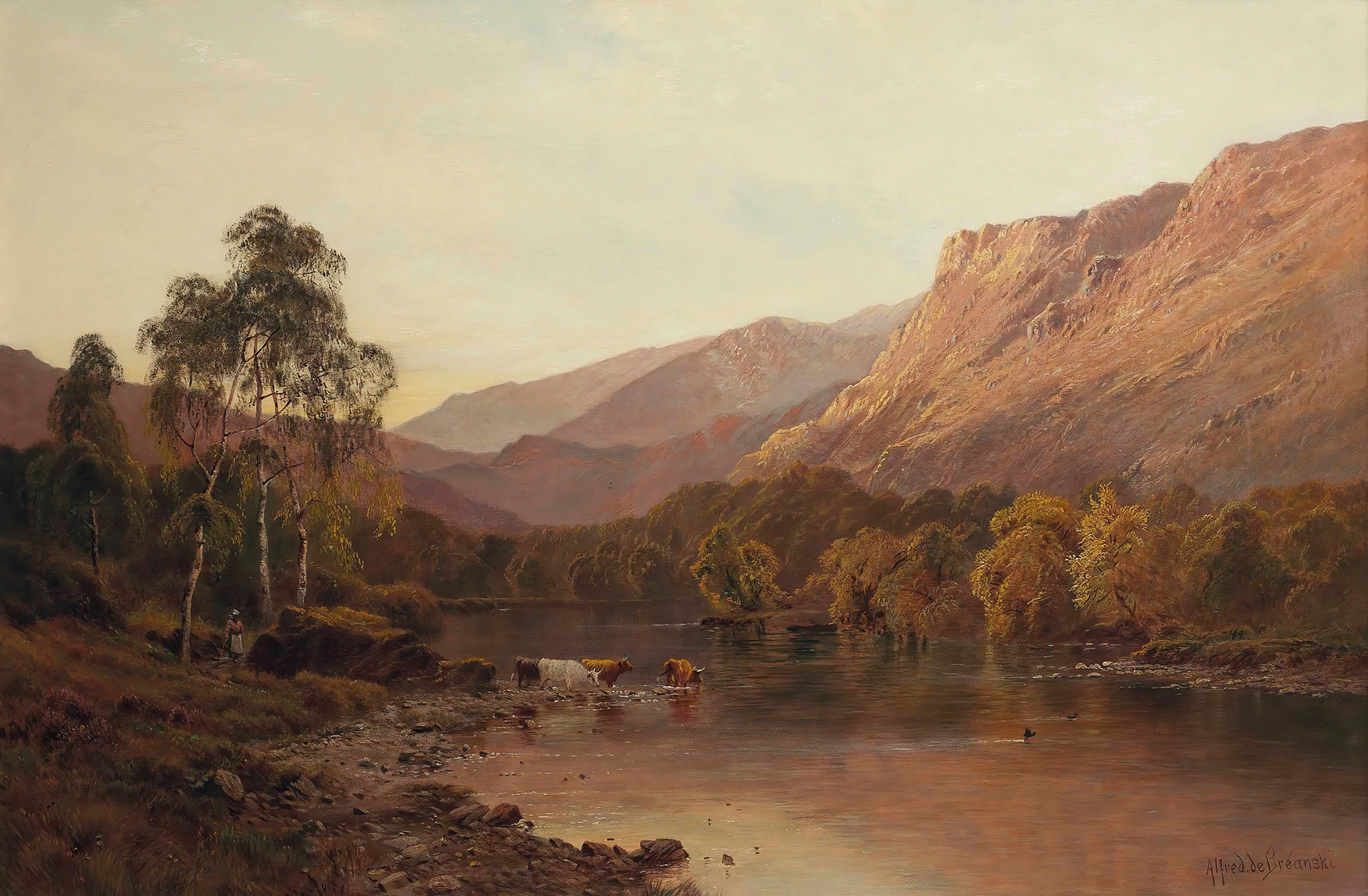
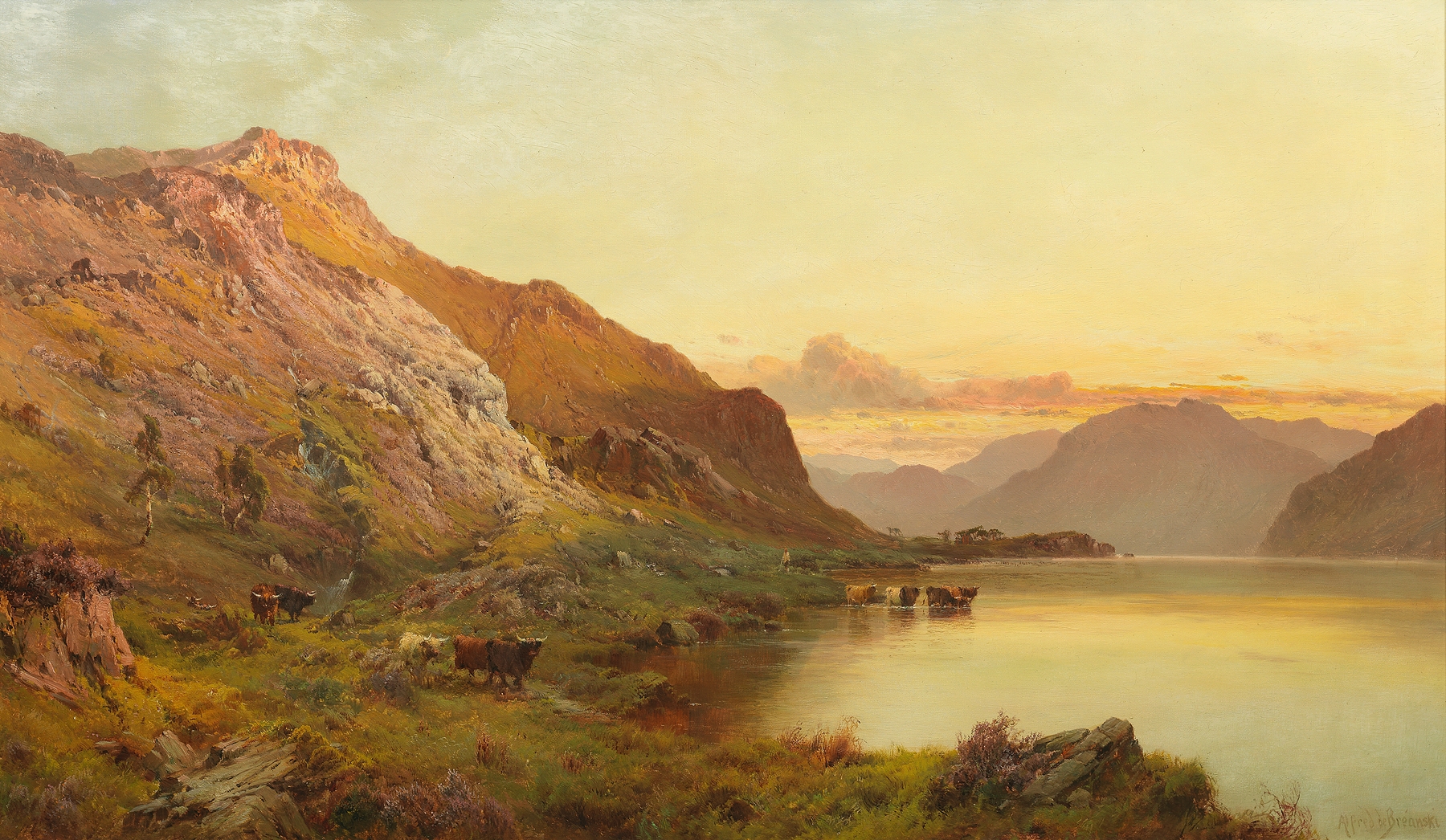
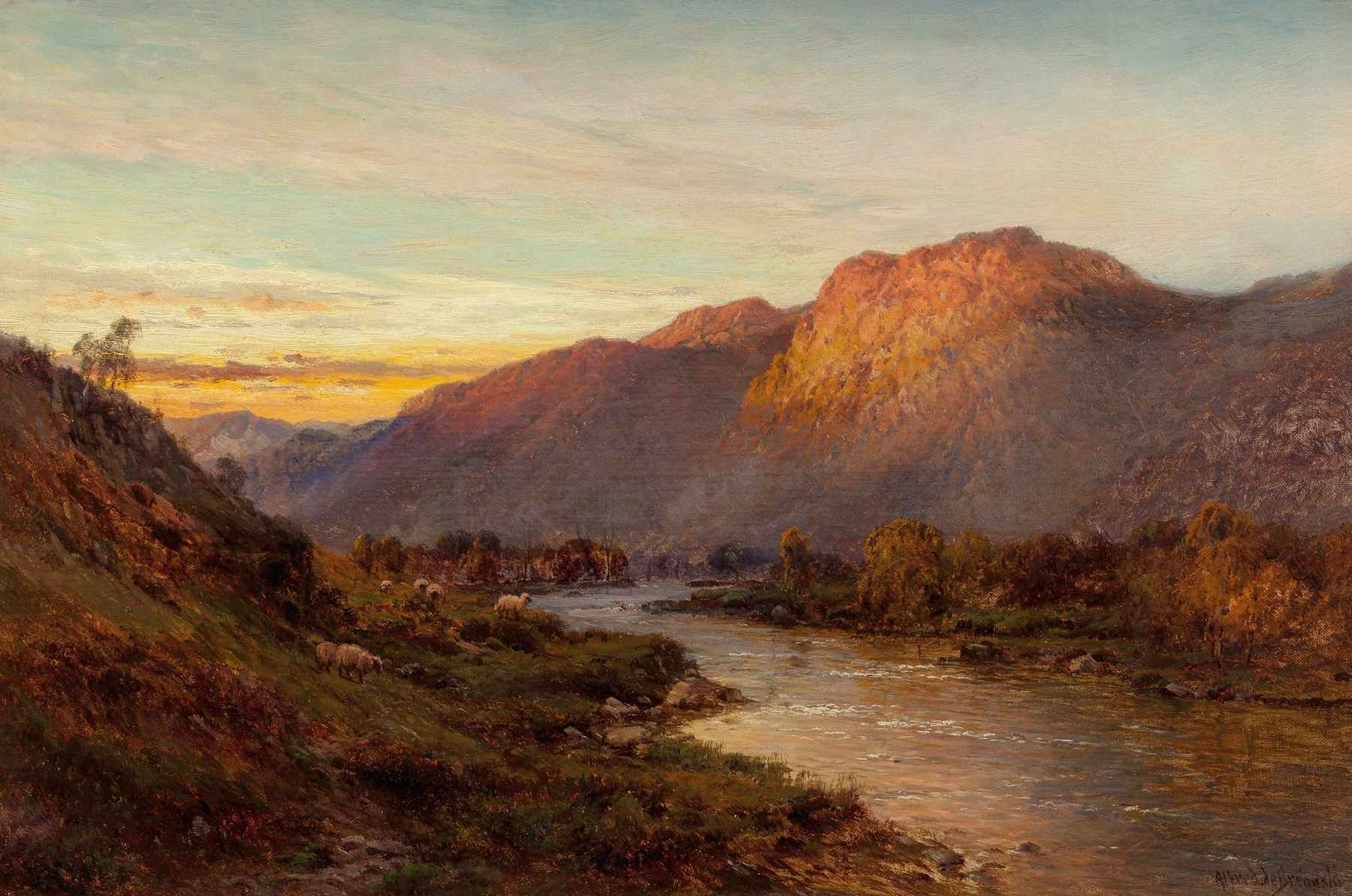
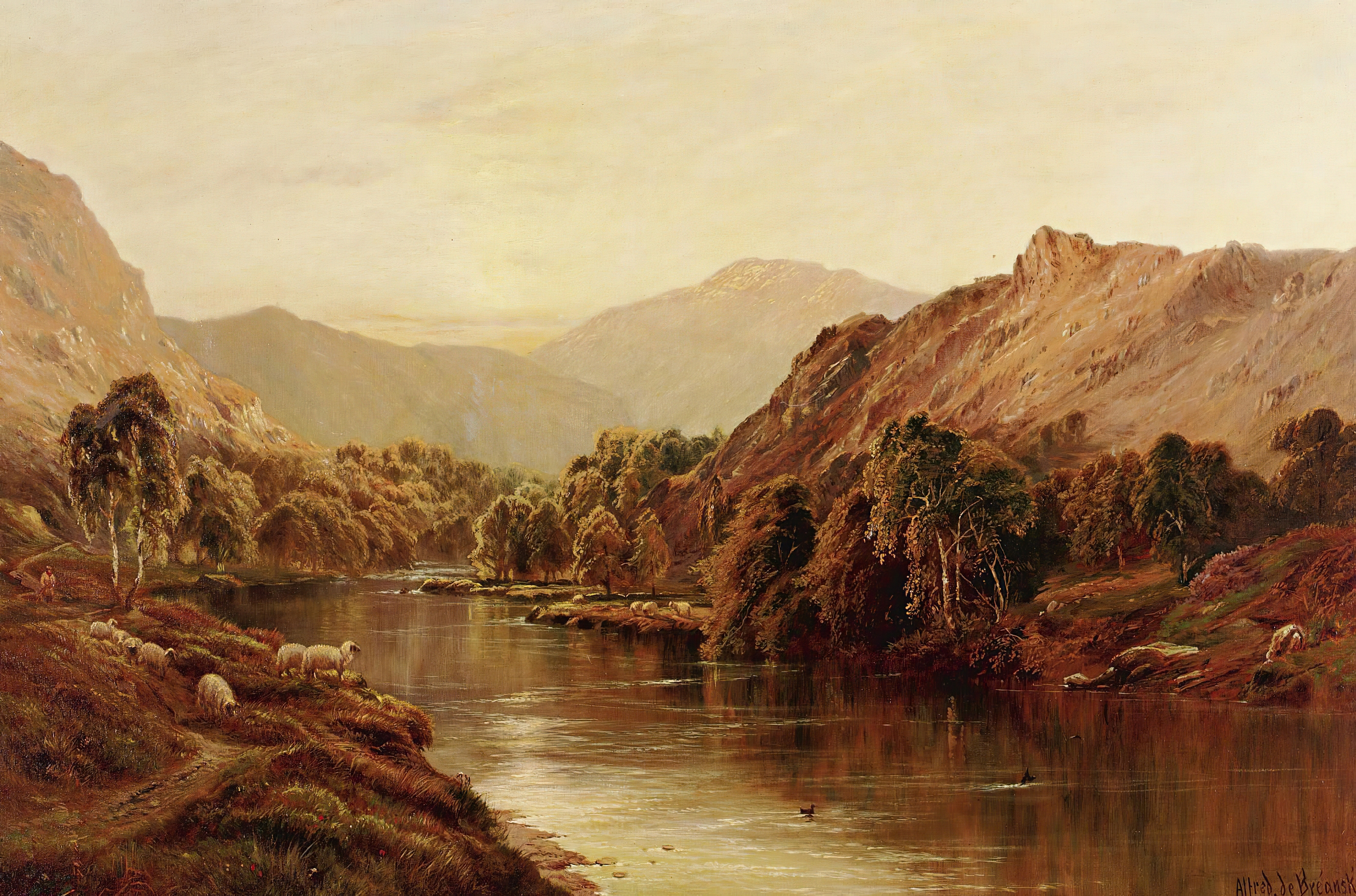
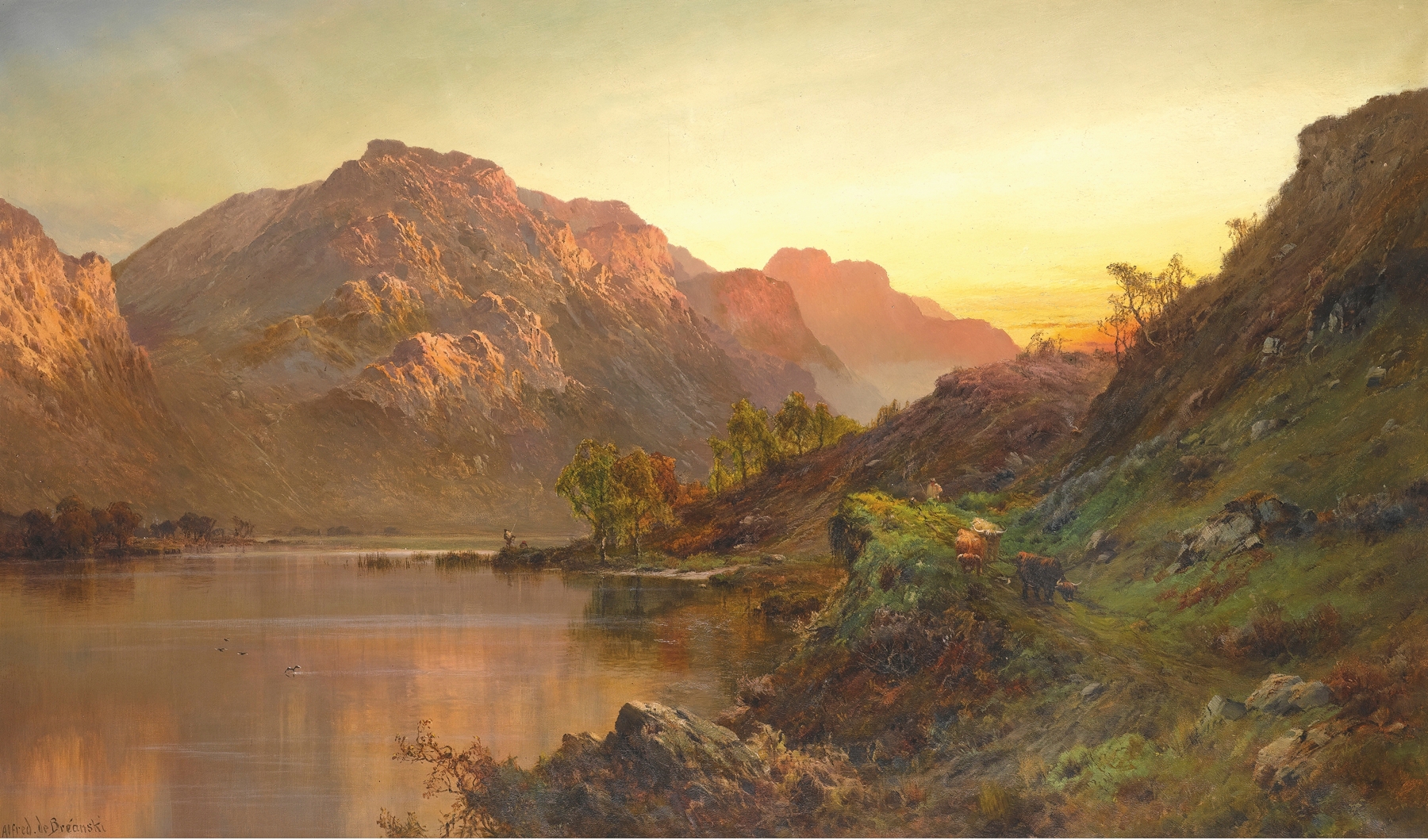
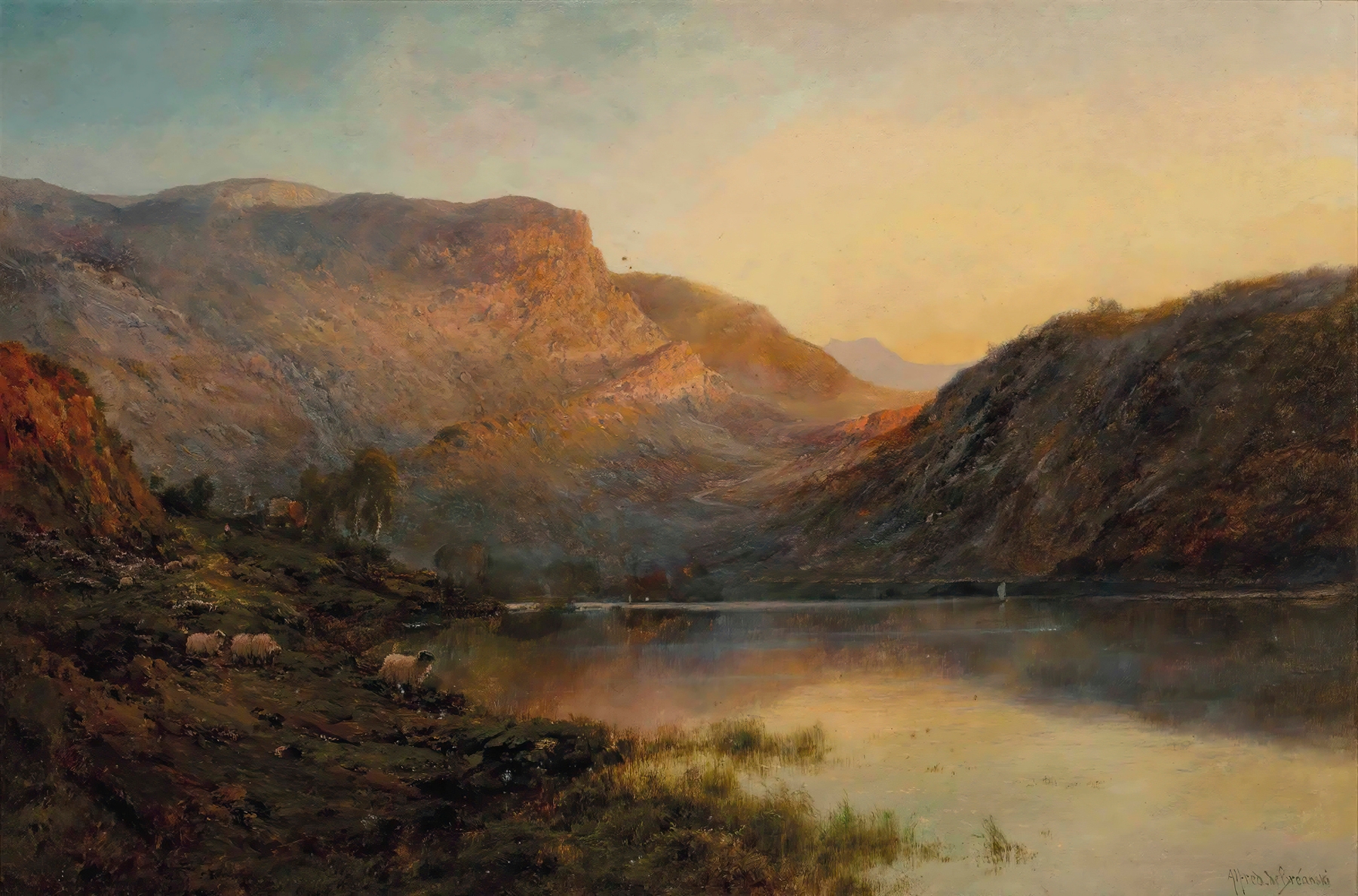
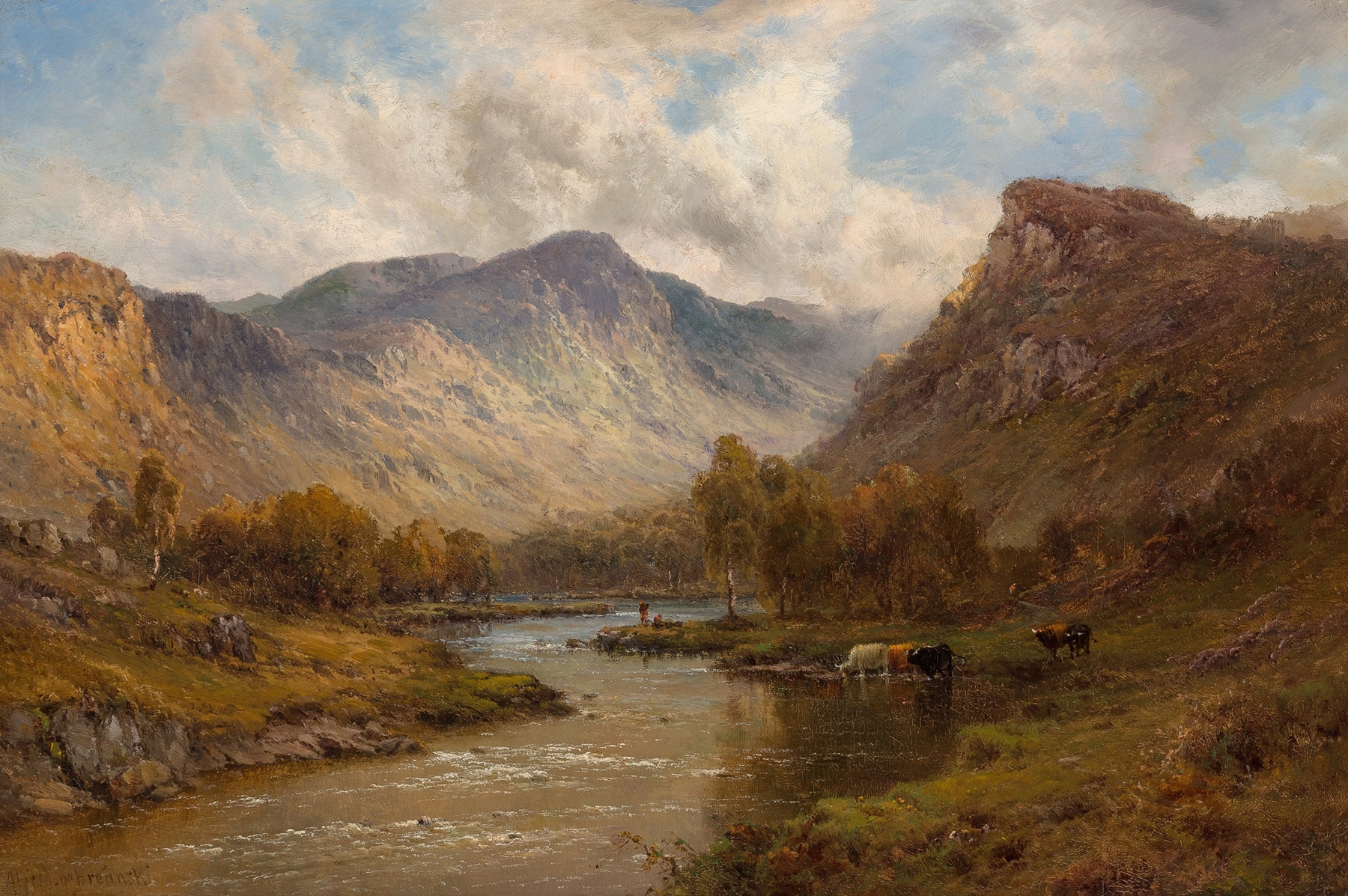
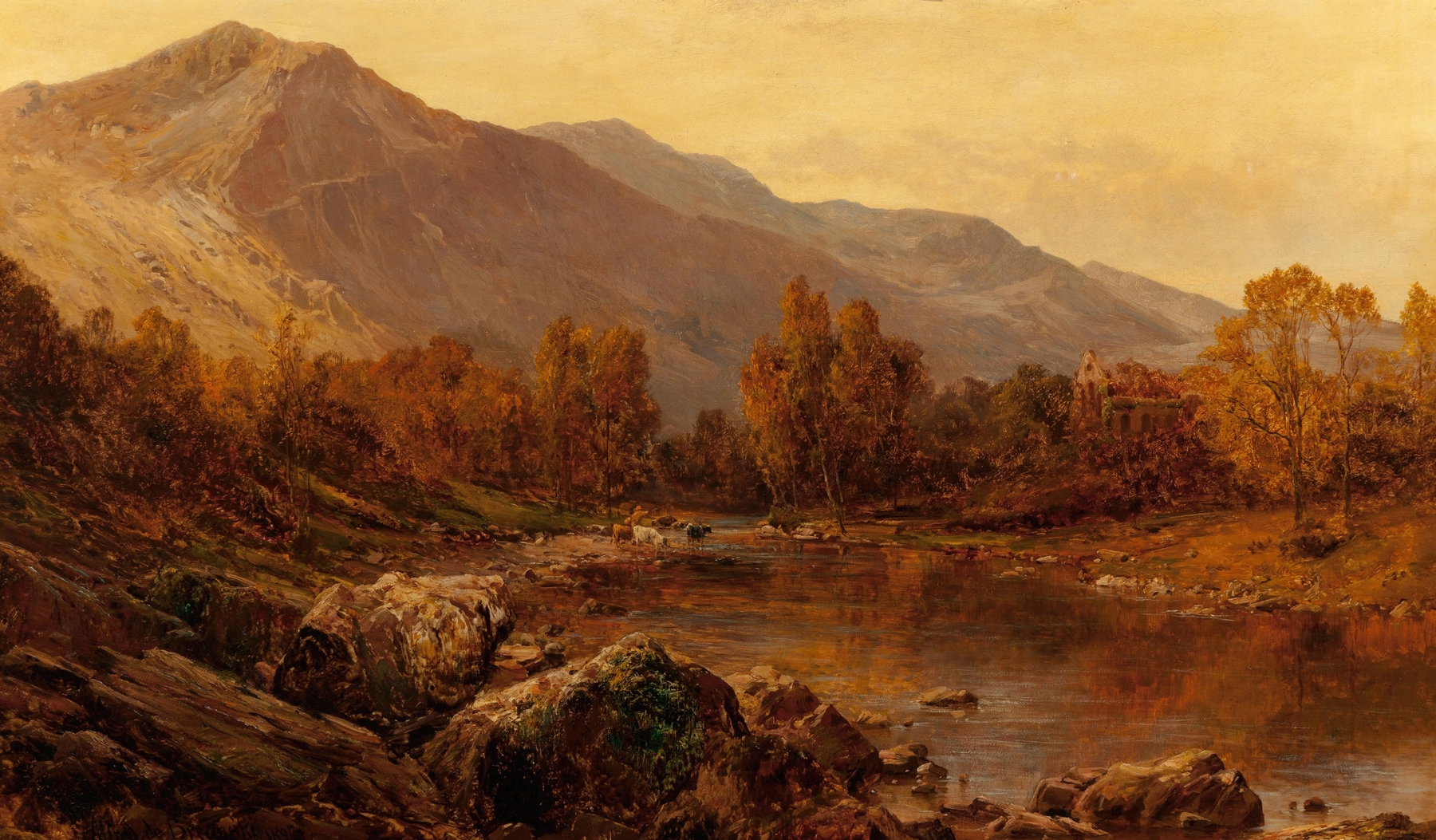
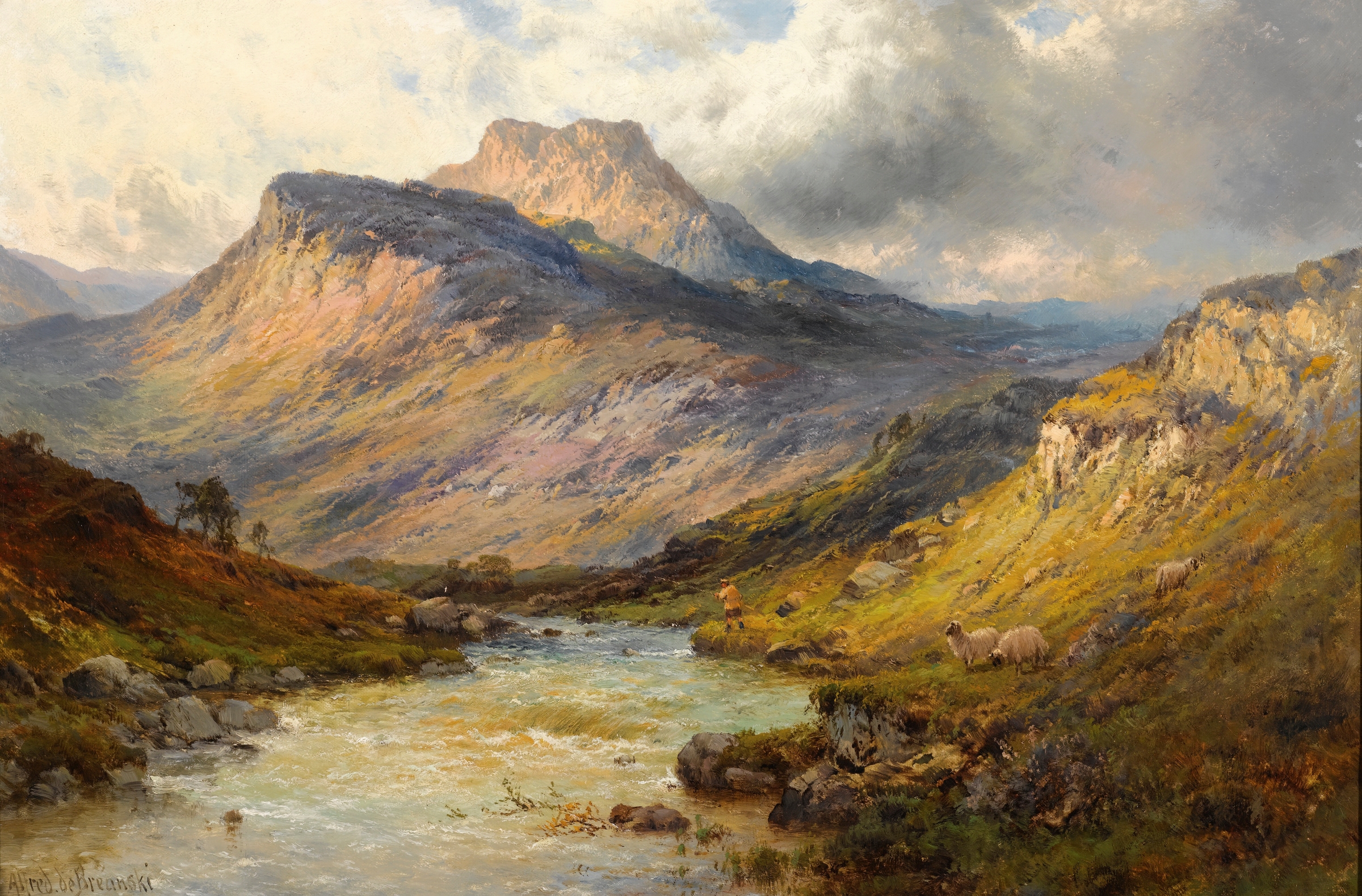
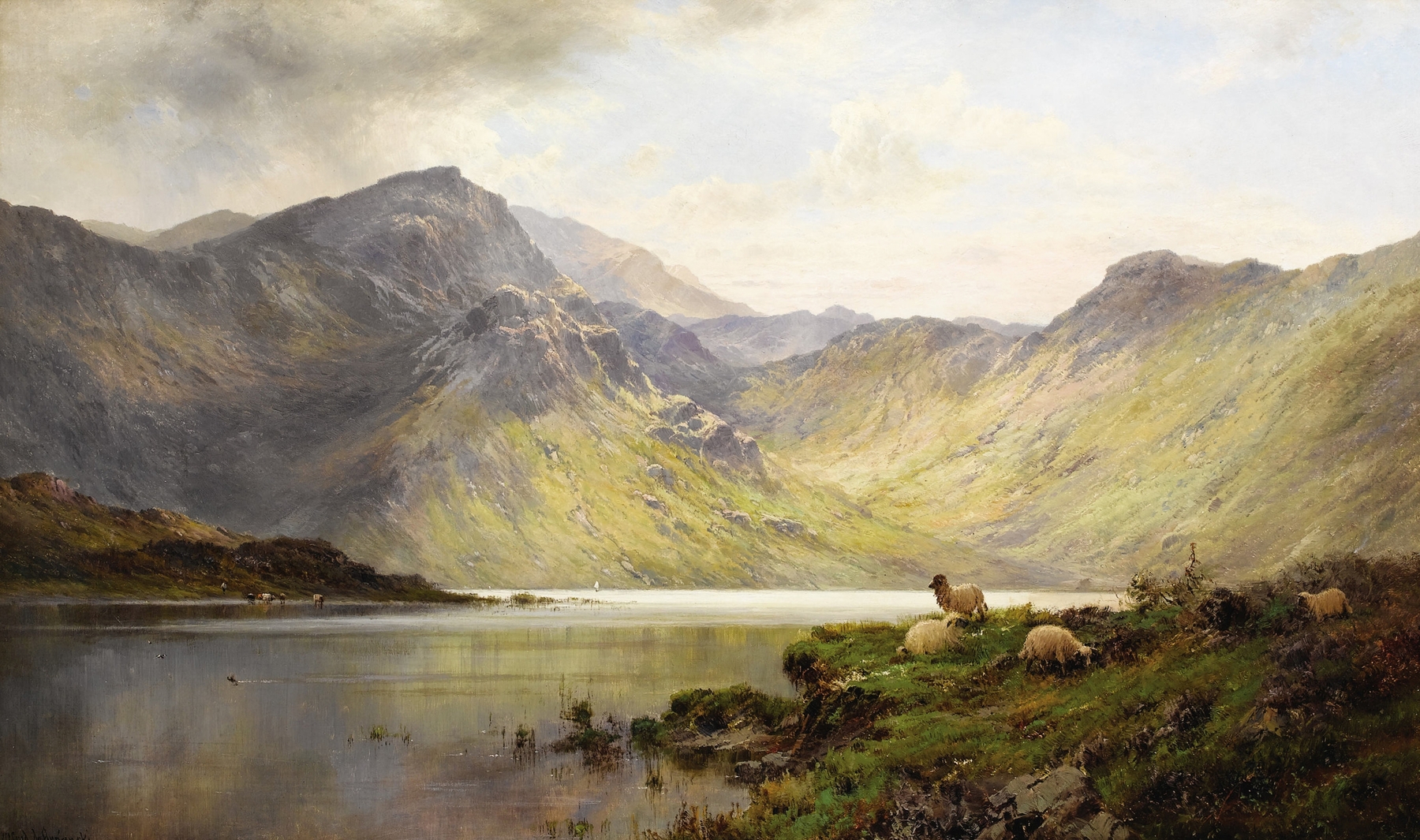
When did color learn to lie? In a realm where the hues of the landscape possess both beauty and deceit, the fragility of nature emerges through brushstrokes that dance between reality and illusion. Focus first on the lush greens cascading across the canvas, where the rolling hills meet a sky that seems to pulse with an electric blue. Notice how the artist deftly contrasts the vivid foreground with the softer, muted tones of the distant mountains, creating a sense of depth and inviting your gaze to wander deeper into the scene.
Each stroke is deliberate; the clouds appear to float lazily, while the play of light highlights the delicate textures of the foliage, drawing your attention to the interplay of shadows and luminosity. Within this tranquil setting lies an emotional tension that speaks to the transient nature of life. The vibrant greens evoke a sense of vitality, yet the distant peaks, cloaked in mist, hint at the permanence of time and the inevitability of change. As you explore the subtle shifts in color, there's an awareness that these landscapes are not just picturesque; they possess a fragility, a reminder that what is beautiful may also be fleeting.
Created during a period of artistic exploration, the work reflects the vibrant landscape movement in late 19th-century Britain. Alfred de Bréanski painted this scene, inspired by the Scottish Highlands, at a time when he was establishing his reputation for capturing the ethereal beauty of nature. His palette and technique reveal a deep connection to the environment, reflecting both a personal journey and the growing interest in naturalism within the art world.