Loch Lomond and Loch Katrine — History & Analysis
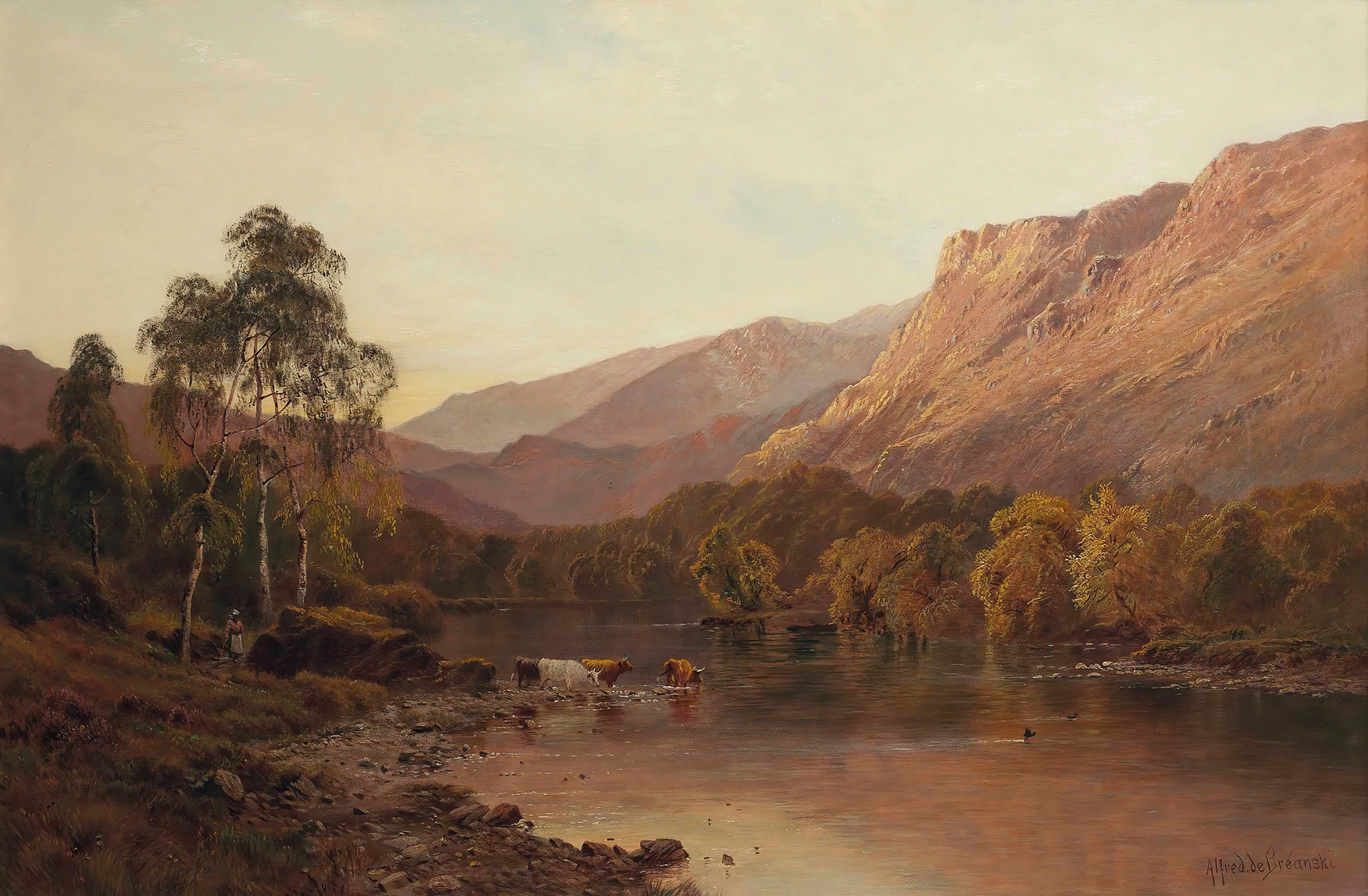
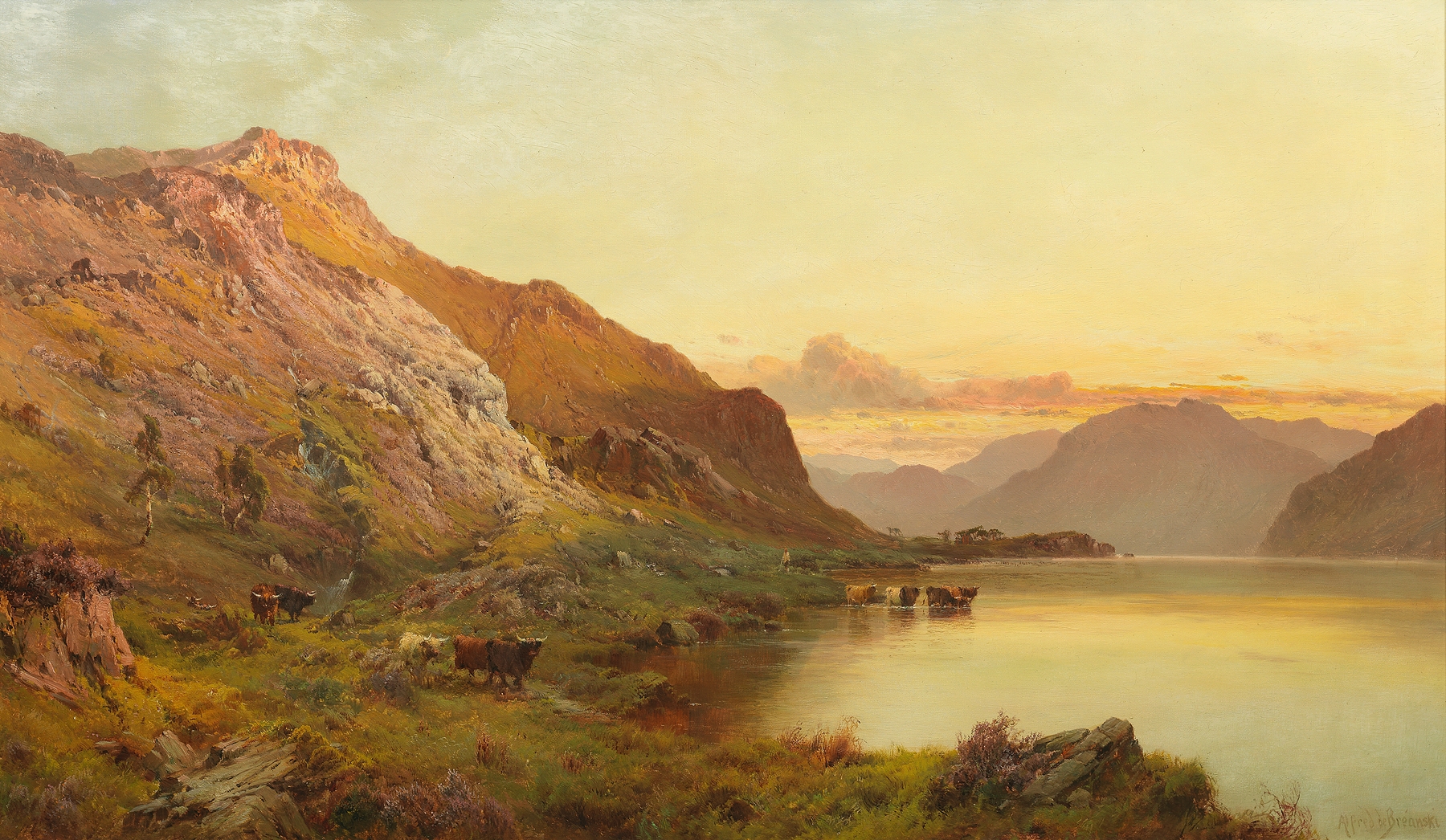
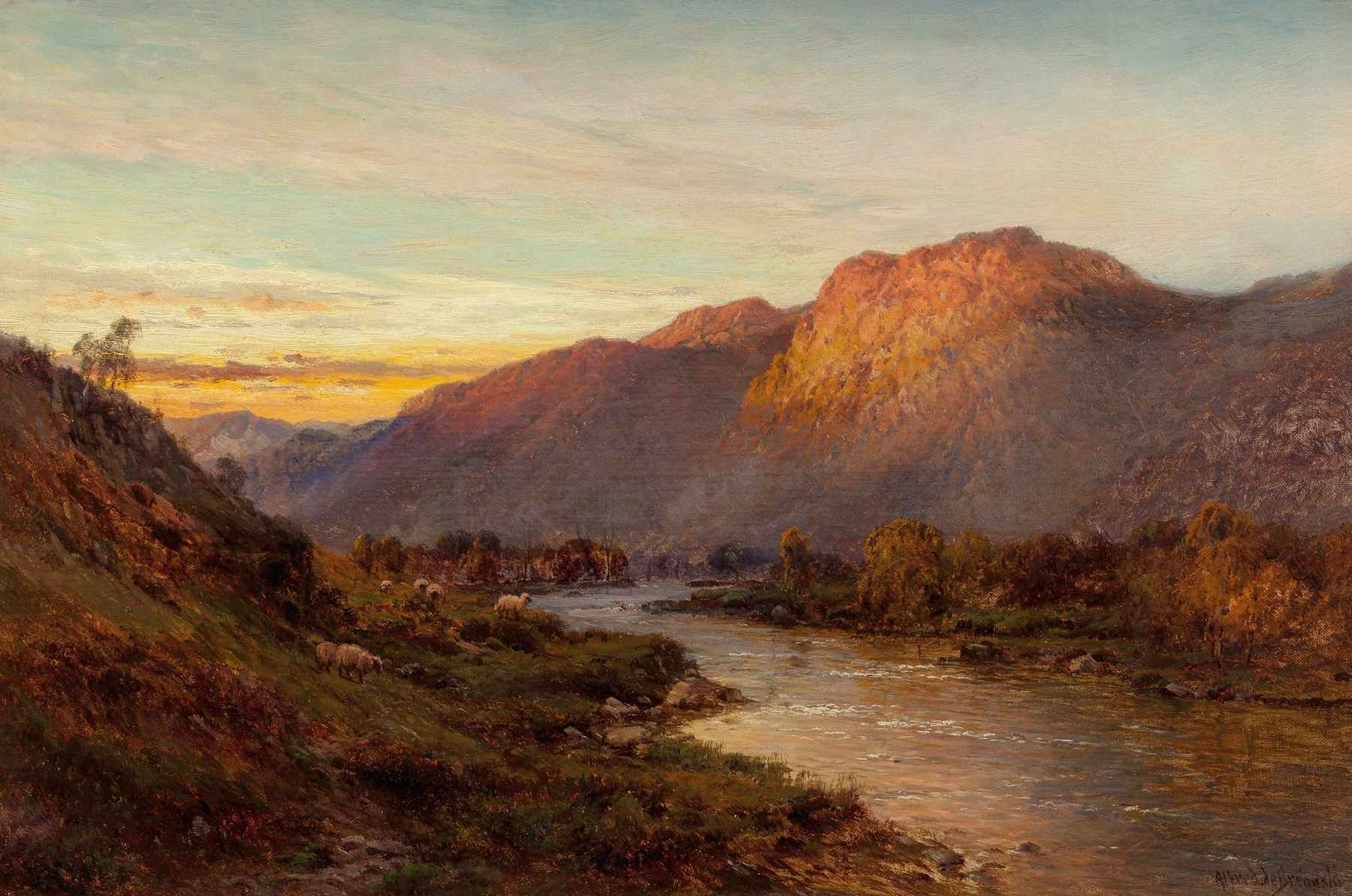
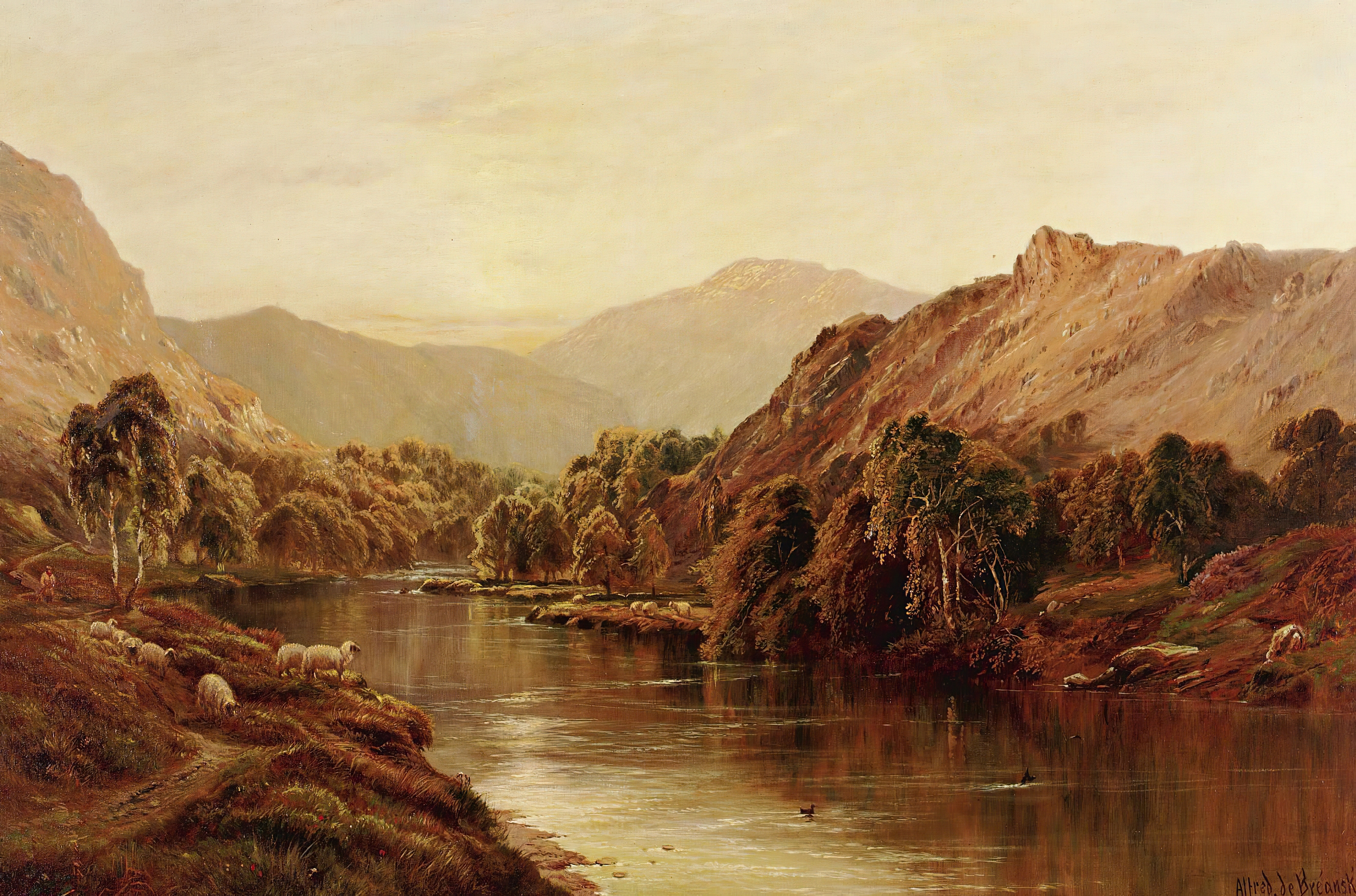
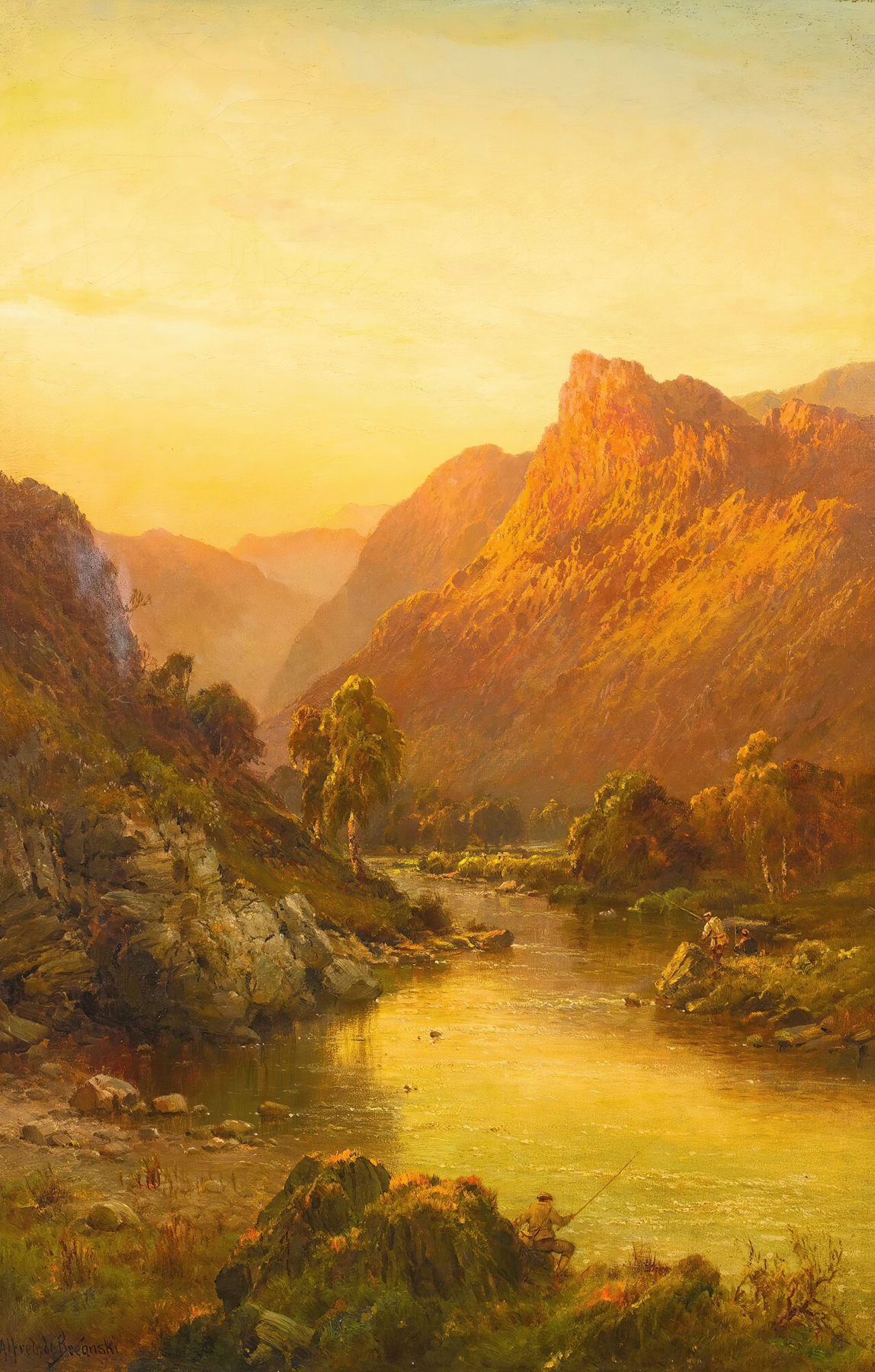
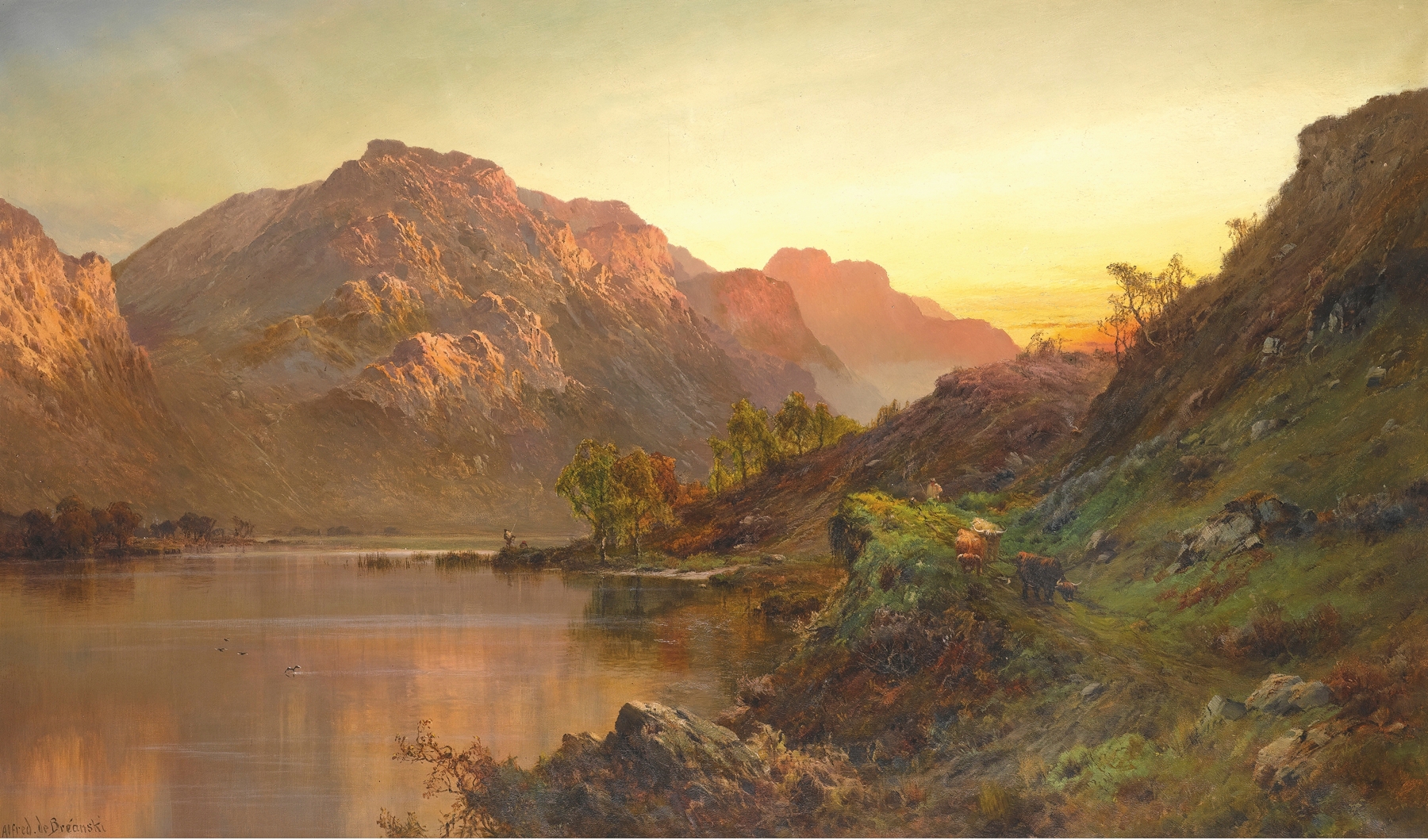
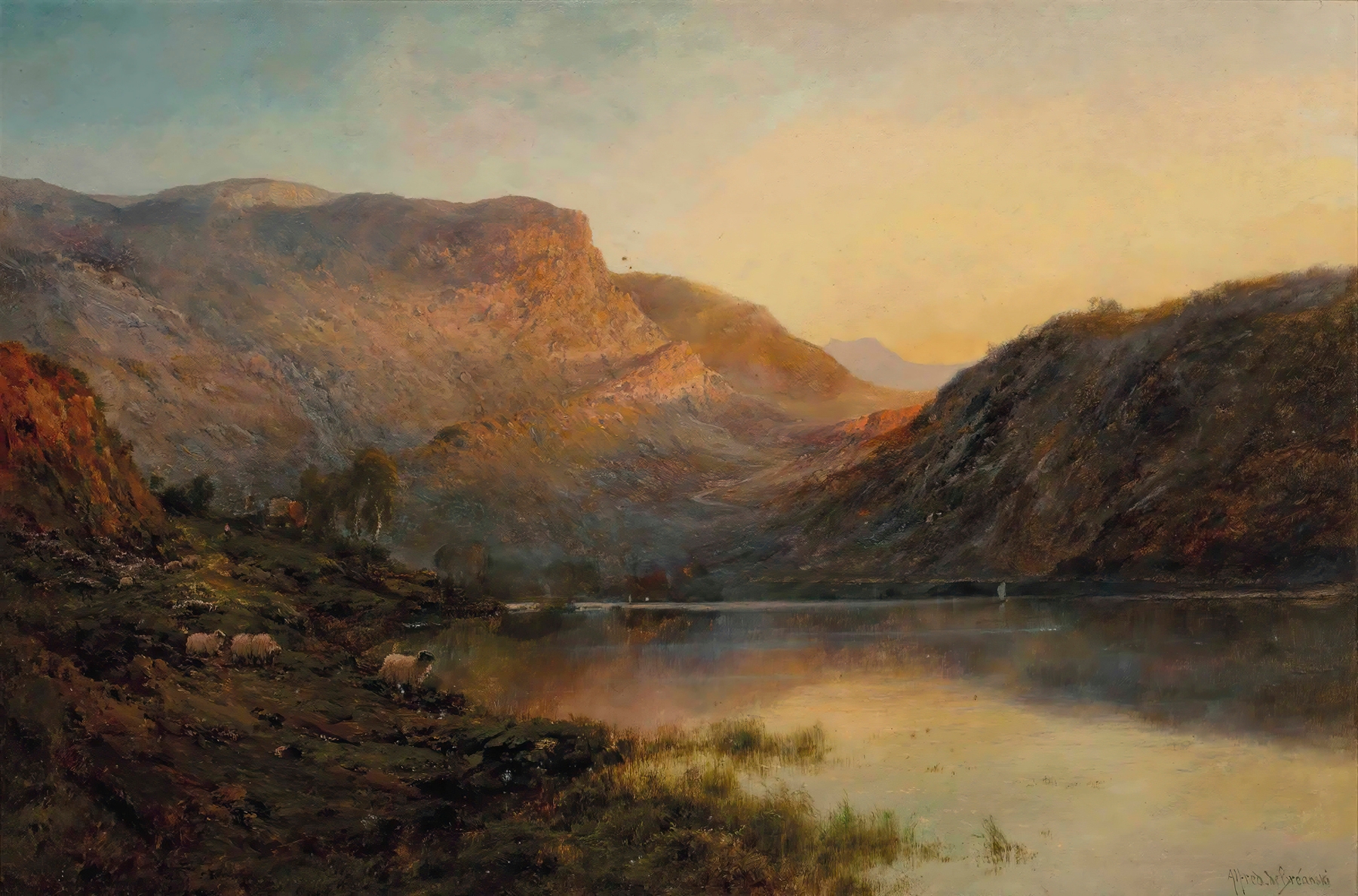
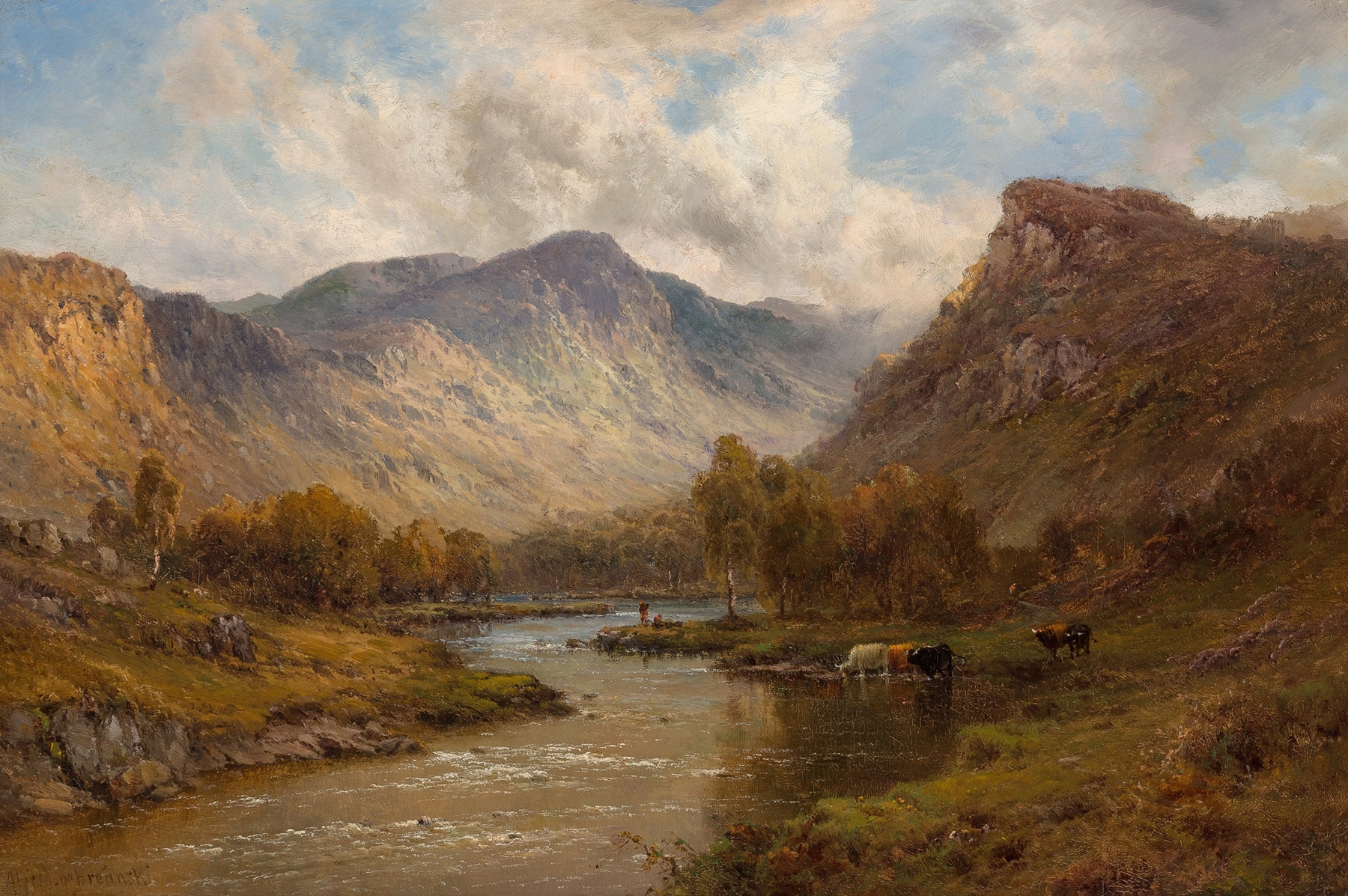
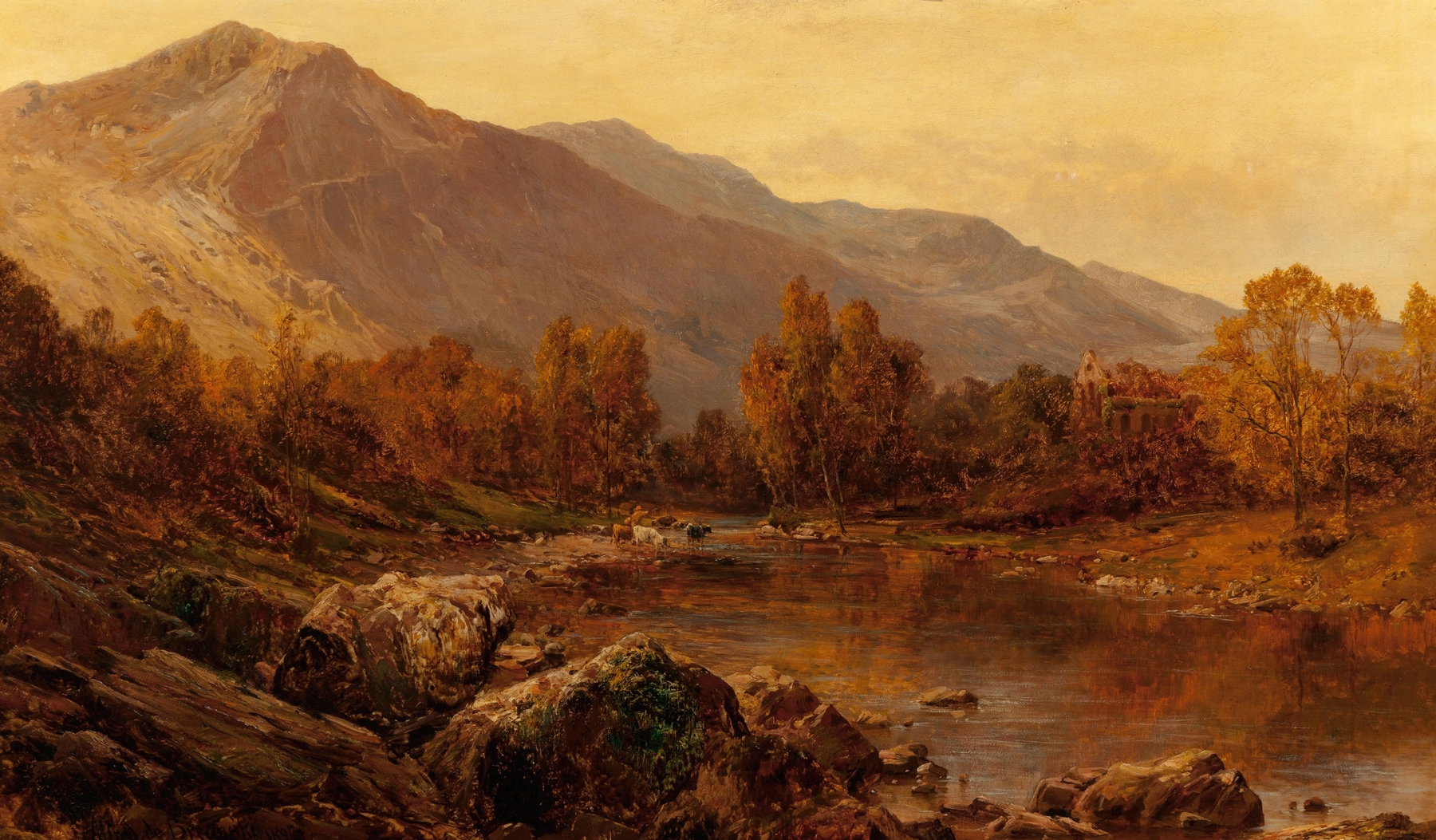
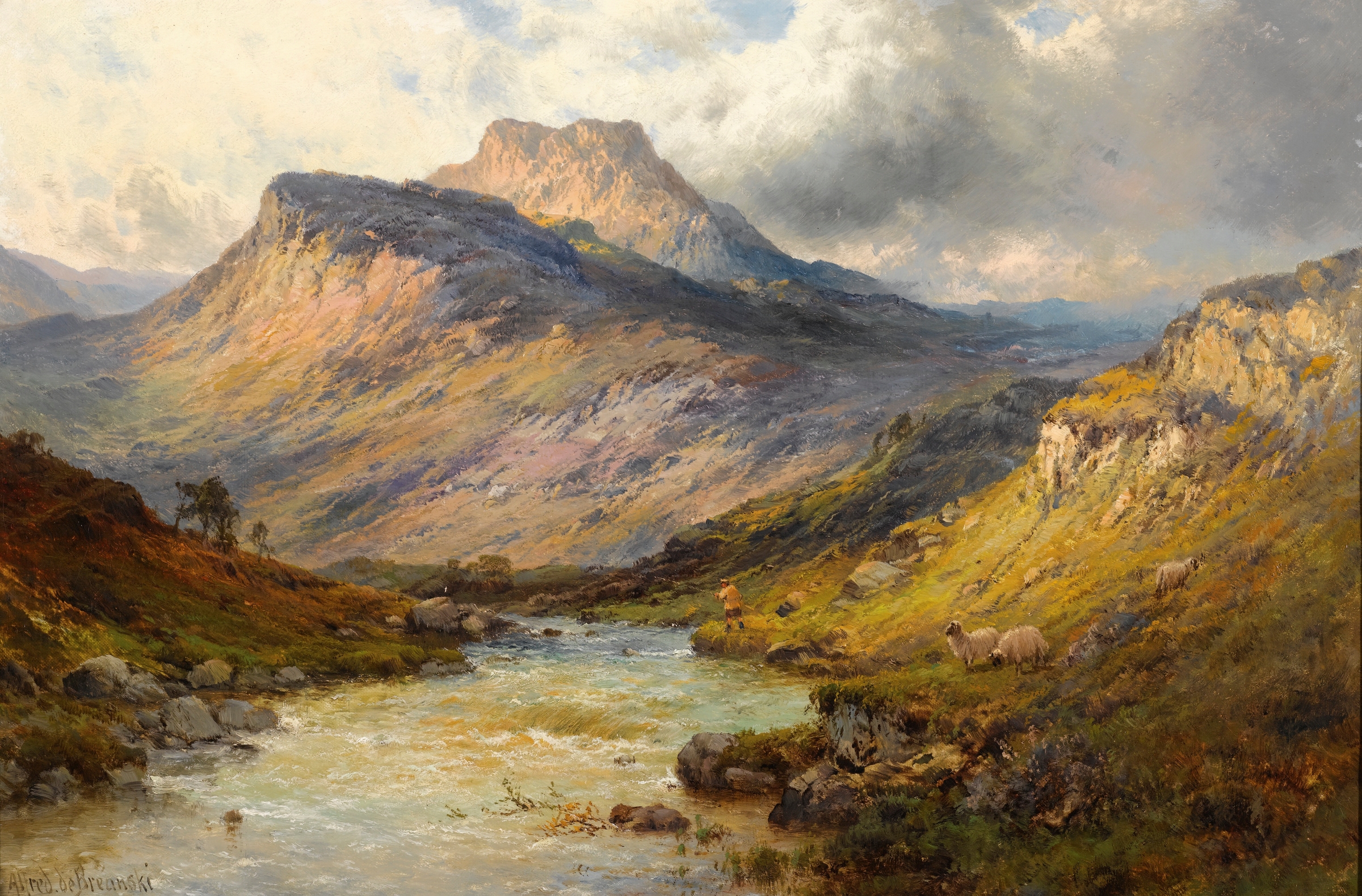
“Art reveals the soul when the world turns away.” In the quiet of nature, where landscapes breathe their secrets, a painting can unearth the deepest of betrayals. Look closely at the undulating hills that cradle the serene waters; they beckon you in, inviting your gaze to wander across the canvas. The cool blues and greens are punctuated by the warm glow of the setting sun, illuminating the edges of the mountains with a golden hue. Notice how the brushstrokes dance across the surface, creating a vivid texture that breathes life into the scene, while the reflections in the water tell a story of stillness and unease, perhaps hinting at the fragility of harmony in the natural world.
As you explore further, consider the contrasting elements: the tranquility of the lochs against the imposing grandeur of the distant peaks. Each ripple in the water suggests a whisper of treachery hidden beneath the surface, raising questions about what lies beneath our own facades. The interplay of light and shadow creates a sense of duality, reminding us that beauty often coexists with betrayal, both in nature and in our lives.
During the time Alfred de Bréanski painted this piece, he was immersed in the Romantic tradition of landscape painting, capturing the majesty of the British Isles. His works emerged in the late 19th to early 20th century, a period when the art world was grappling with changes brought about by industrialization and modernity. De Bréanski's focus on the untouched beauty of nature served as a counterpoint to the societal transformations around him, allowing a space for reflection on the complexities of human emotion and experience.