Atlantic Coast — History & Analysis
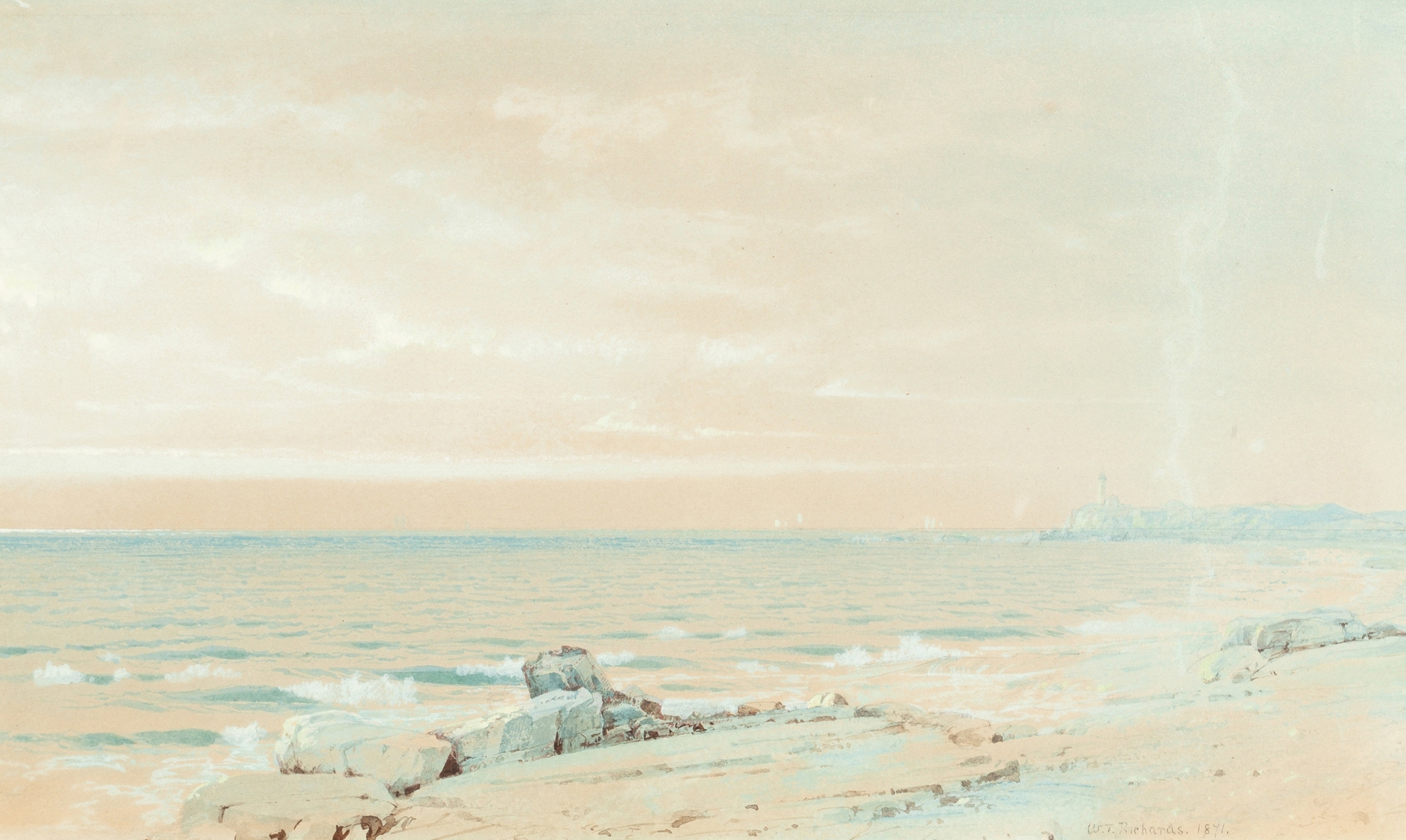
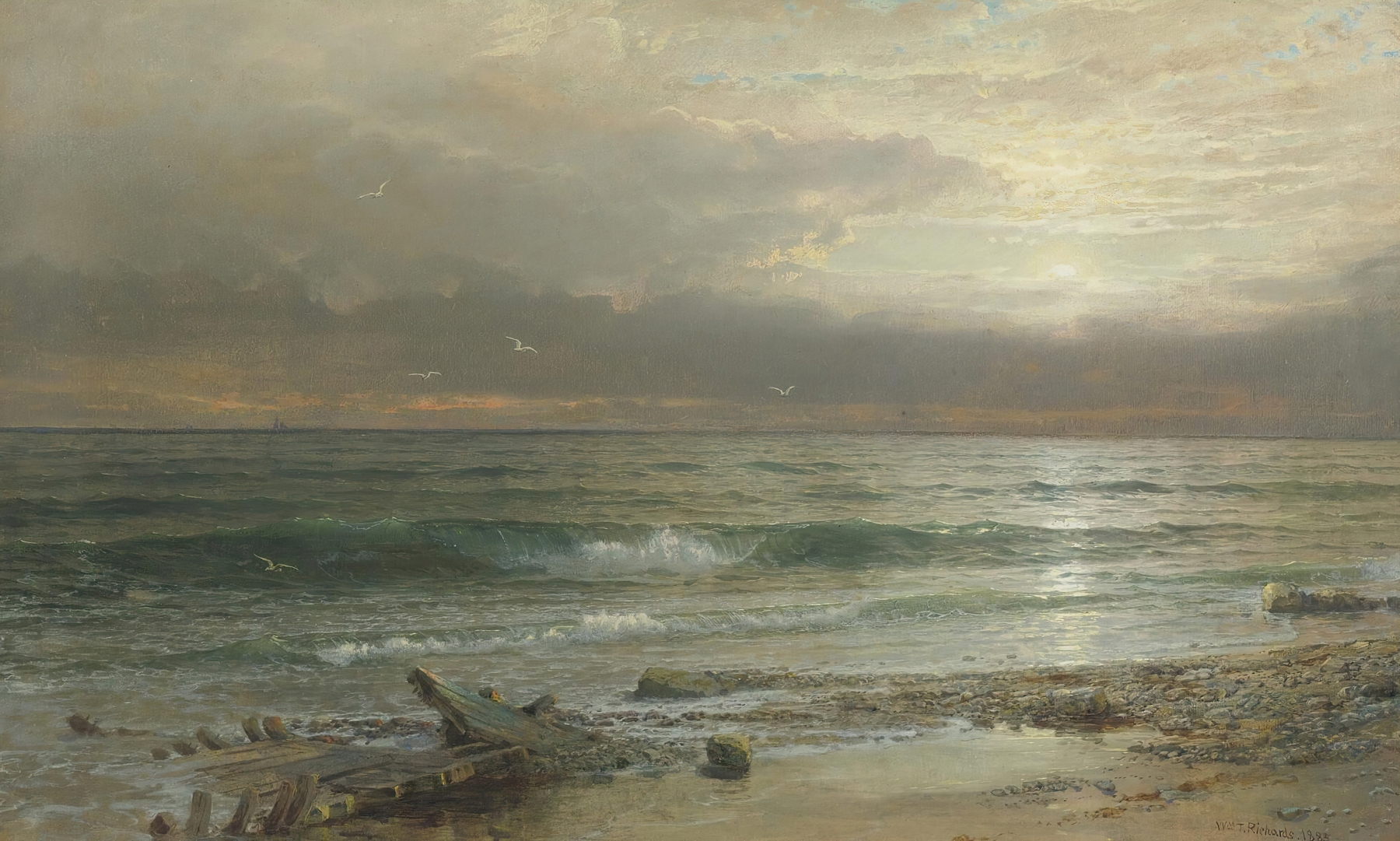
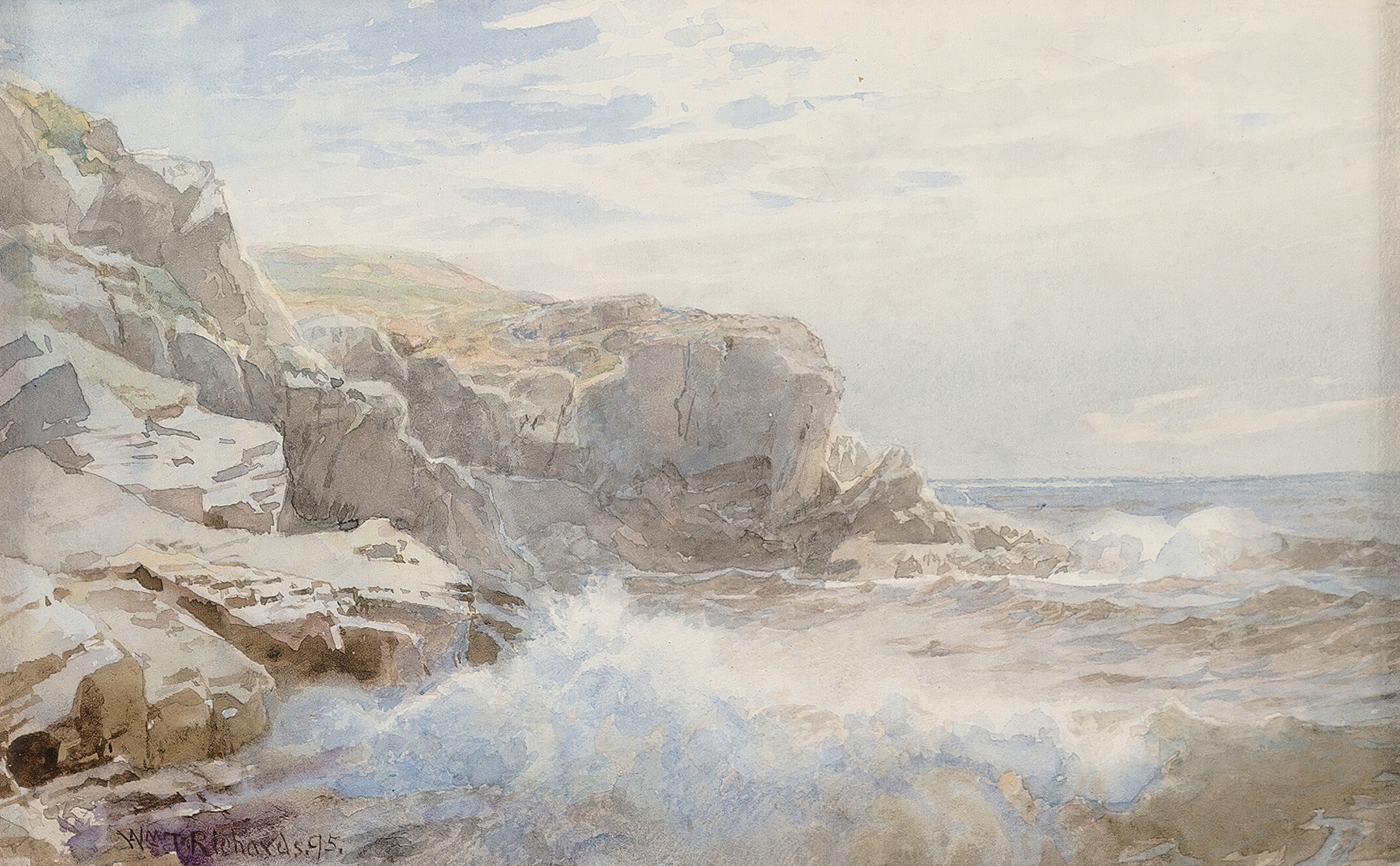
“To paint is to remember what time wants us to forget.” This sentiment resonates deeply in a world where the obsession with fleeting moments often overshadows their significance. The interplay between memory and art seeks to capture the essence of what we risk losing. Look closely at the horizon line, where the vast Atlantic Ocean stretches infinitely, melding with the sky. The gentle, powdery blues and soft whites of the waves contrast with the rocky foreground, creating a palpable tension.
Notice how the artist masterfully blends color and texture, drawing your eye to the foamy surf crashing against the rocks, a testament to nature's relentless power and beauty. Each brushstroke is deliberate, conveying the energy of the scene while still allowing for moments of serene reflection. Richards infuses the landscape with an emotional weight — the rocks symbolize permanence, steadfast against the relentless ebb and flow of time, while the water embodies change and transience. This duality emphasizes our own struggles with obsession: the desire to hold onto memories while confronting the inevitability of change.
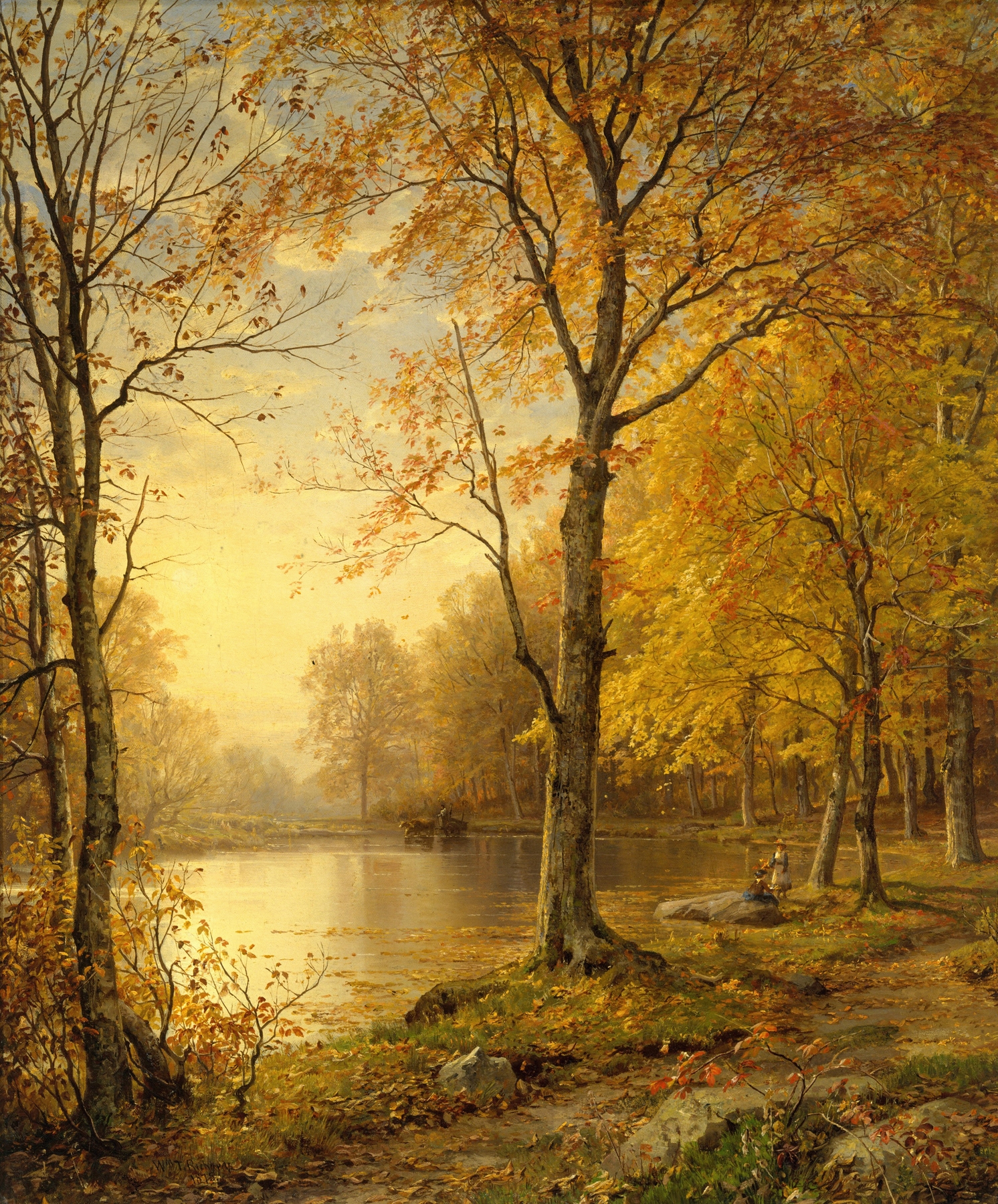
Each element interacts, reflecting the larger human experience of longing and loss, making the viewer acutely aware of their own fleeting existence. In 1898, William Trost Richards painted this evocative piece during a time of personal challenges and shifting artistic paradigms. Established in a predominantly male-dominated landscape, he was navigating the transition from a focus on realism to a burgeoning interest in impressionism. Despite these external pressures, he remained deeply committed to capturing the sublime beauty of nature, using his craft to reflect not only the environment around him but also his inner emotional landscape.