Au Cairo — History & Analysis
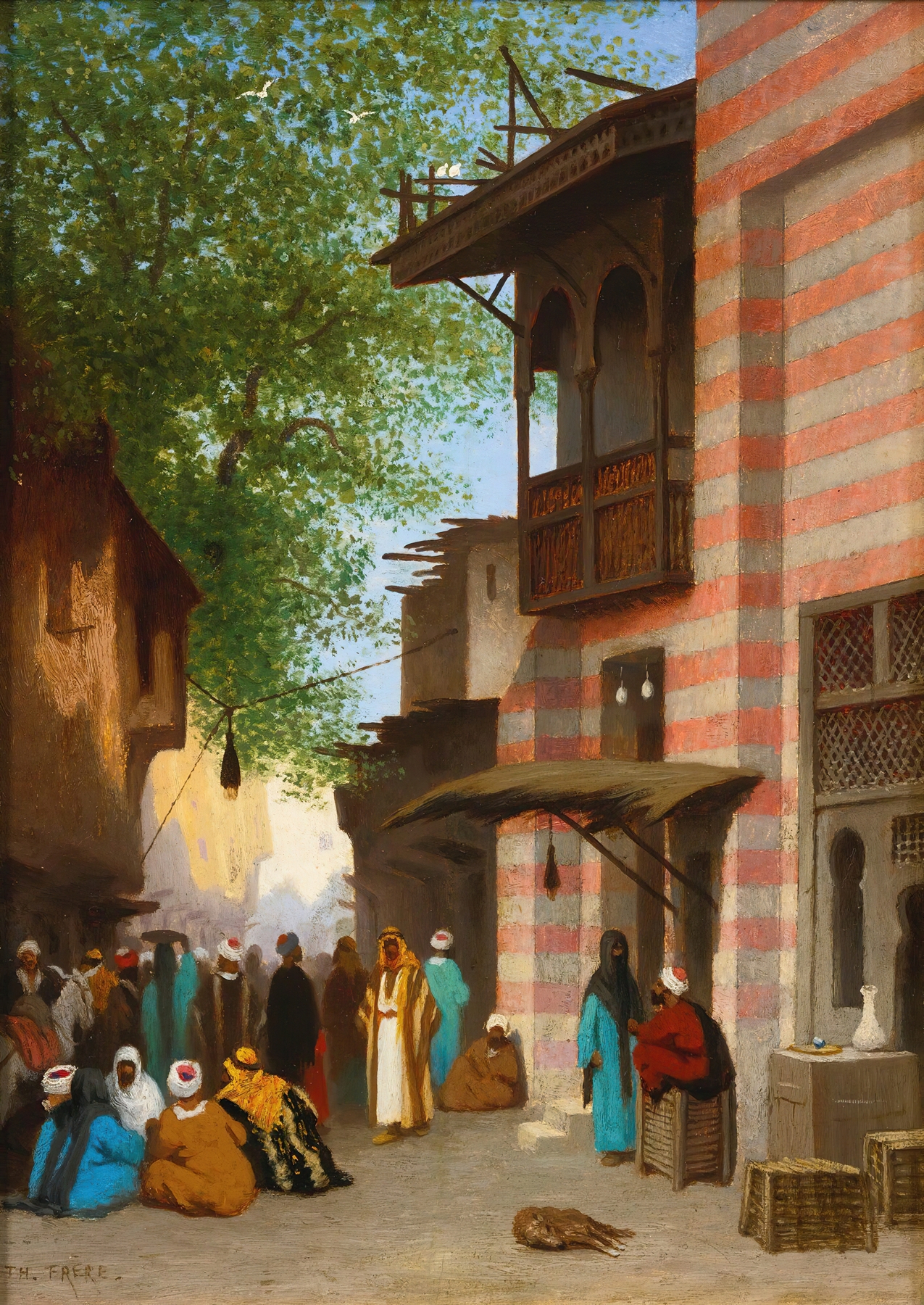
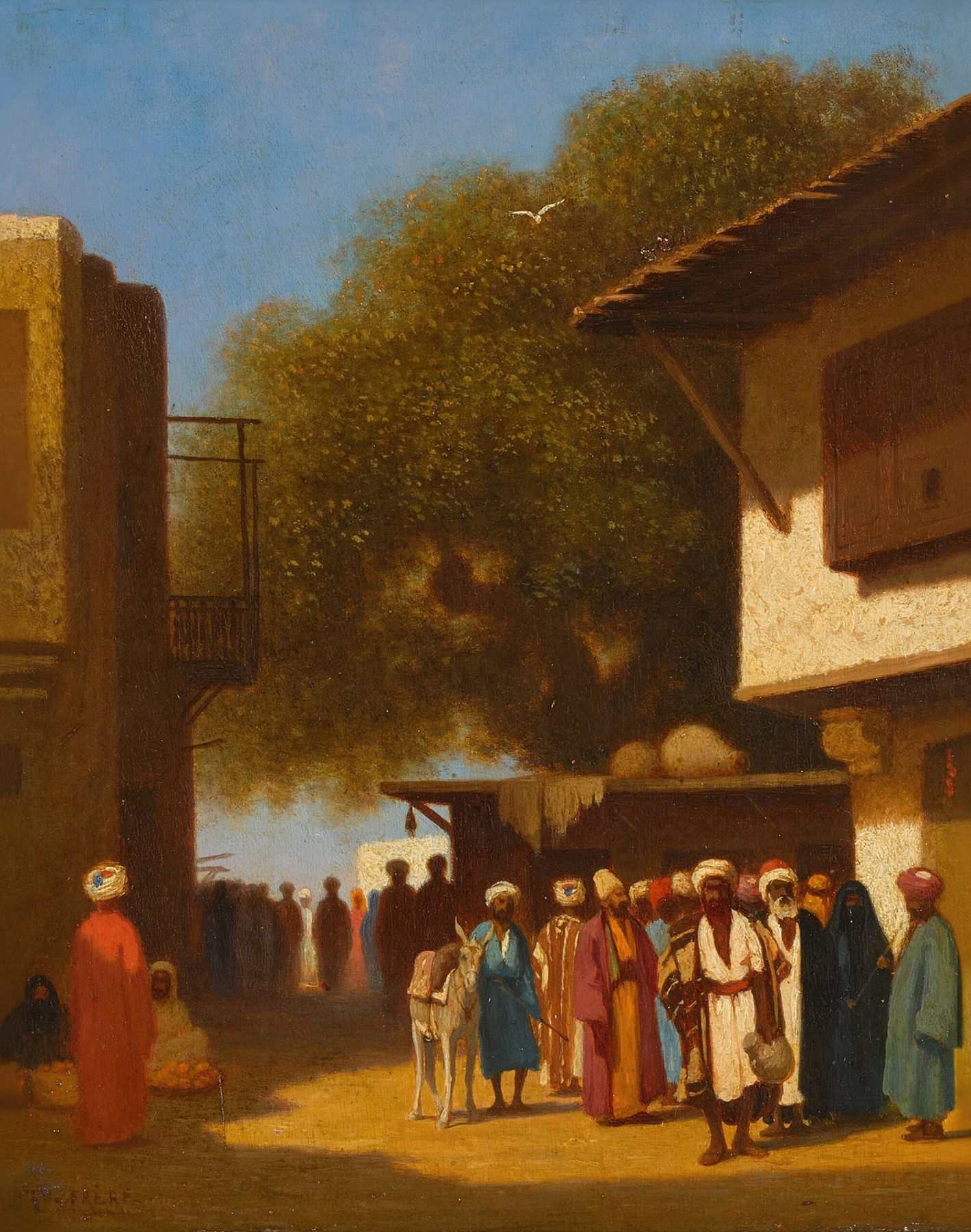
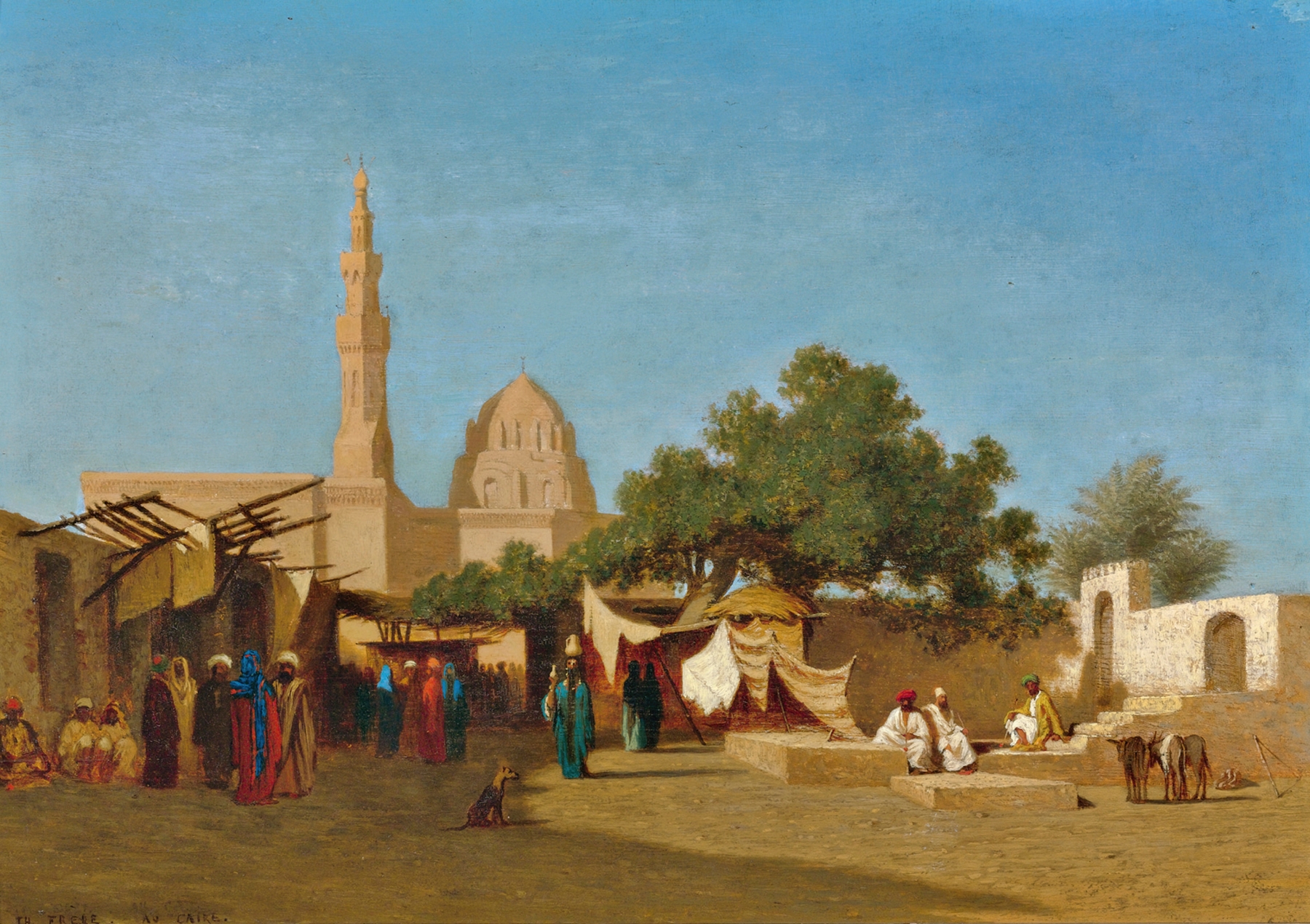
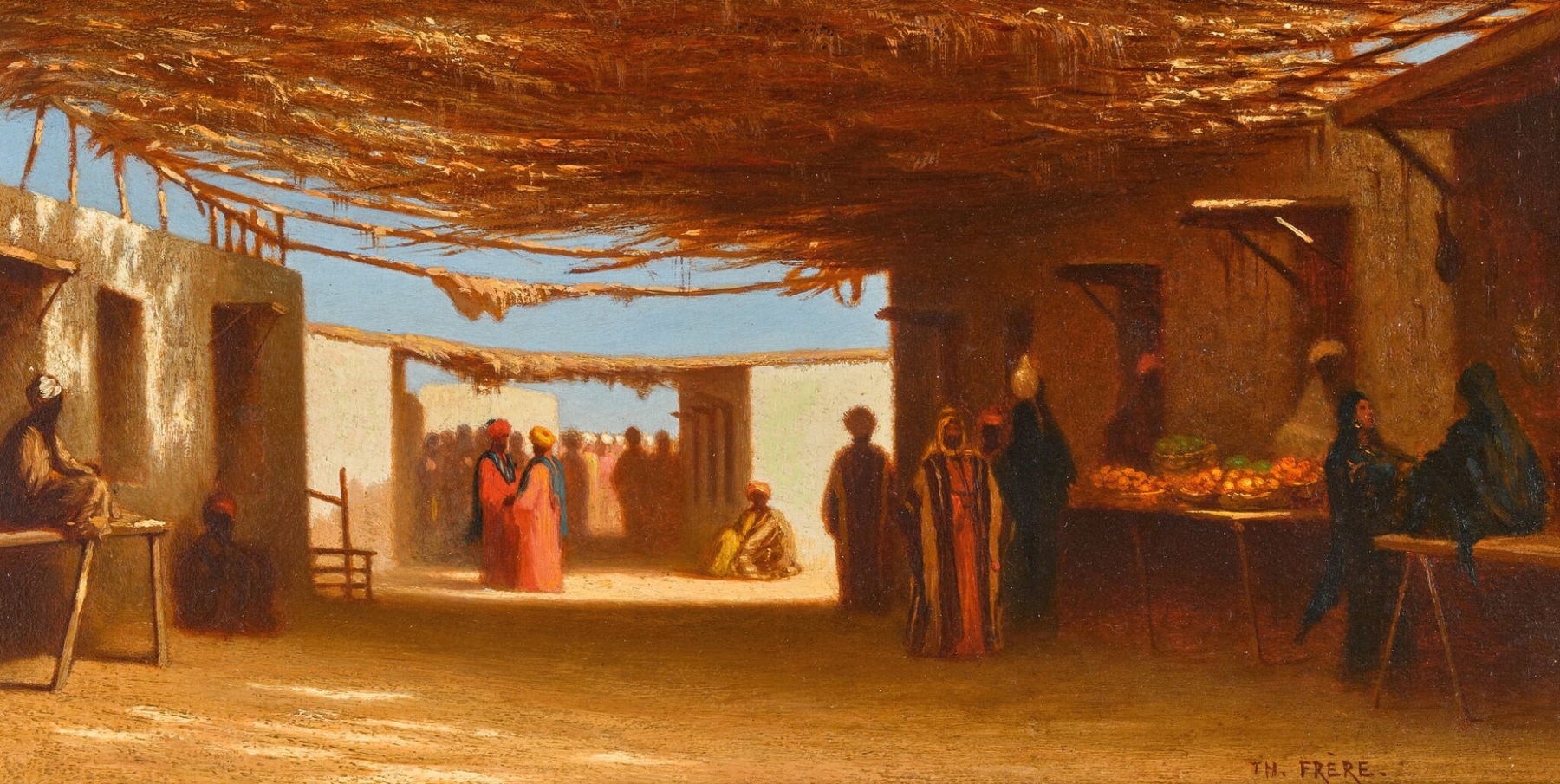
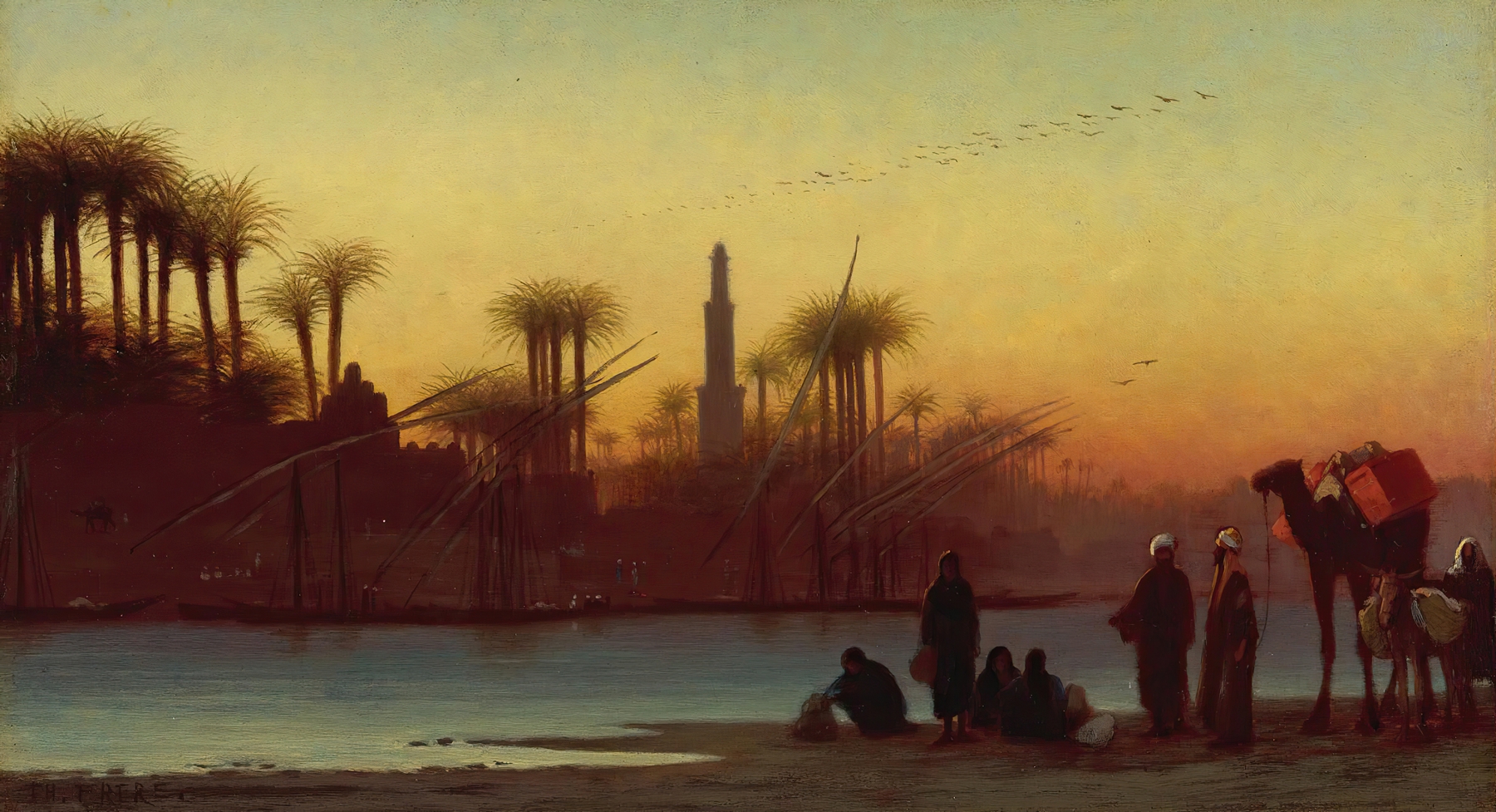
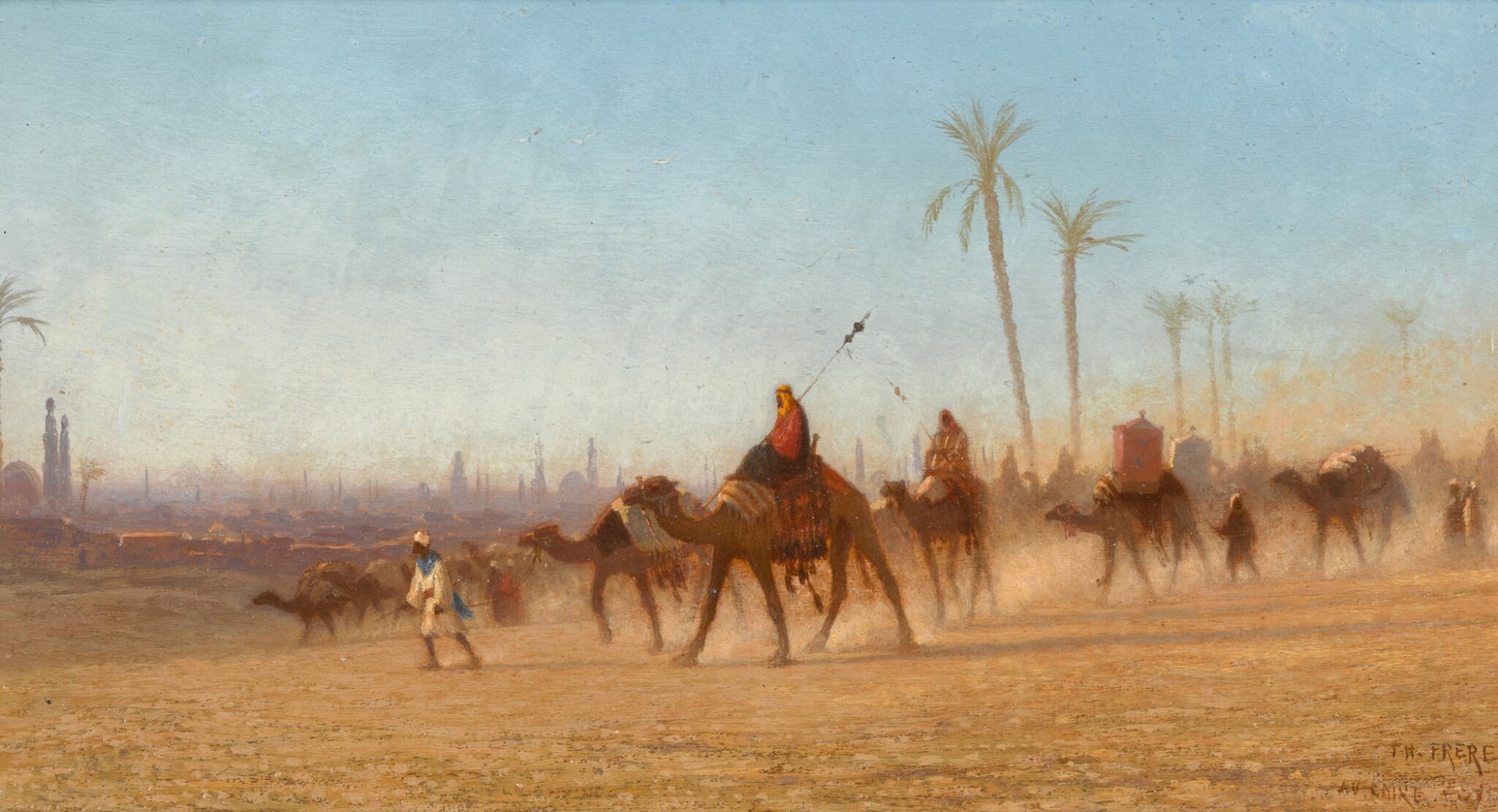
“Under the brush, chaos becomes grace.” The interplay of fragments and colors can evoke the sensation of rebirth, reminding us that every creation is an act of transformation. Look toward the center of the canvas where vibrant hues collide, creating the dynamic silhouettes of bustling figures against an arid backdrop. The warm yellows and rich ochres draw your eye into the heart of the scene, while the cooler blues in the shadows provide gentle contrast. Notice how the light dances across the scene, illuminating the intricate details of clothing and architecture, suggesting a narrative that pulses with life and history.
Each figure seems to carry a story, their gestures hinting at the complex relationships and cultural exchanges present in a marketplace. The contrasts between light and shadow not only enhance the vibrancy but also reflect the emotional layers at play: the joy of commerce, the weight of tradition, and the whispers of change. Subtle elements like the delicate patterns in fabrics or the textures of the cobblestones weave deeper narratives of identity and belonging.
Charles Théodore Frère painted this work during a time when North Africa was a focal point for European fascination, particularly in the mid-19th century. Living in Paris, he was influenced by Orientalism, a movement that idealized Eastern cultures, and his works often depict the vibrancy of life in Cairo. This period in his life was marked by growing artistic acclaim and a desire to capture the essence of foreign lands, as well as the complexity of their cultures through his brush.