au Lac d’Annecy — History & Analysis
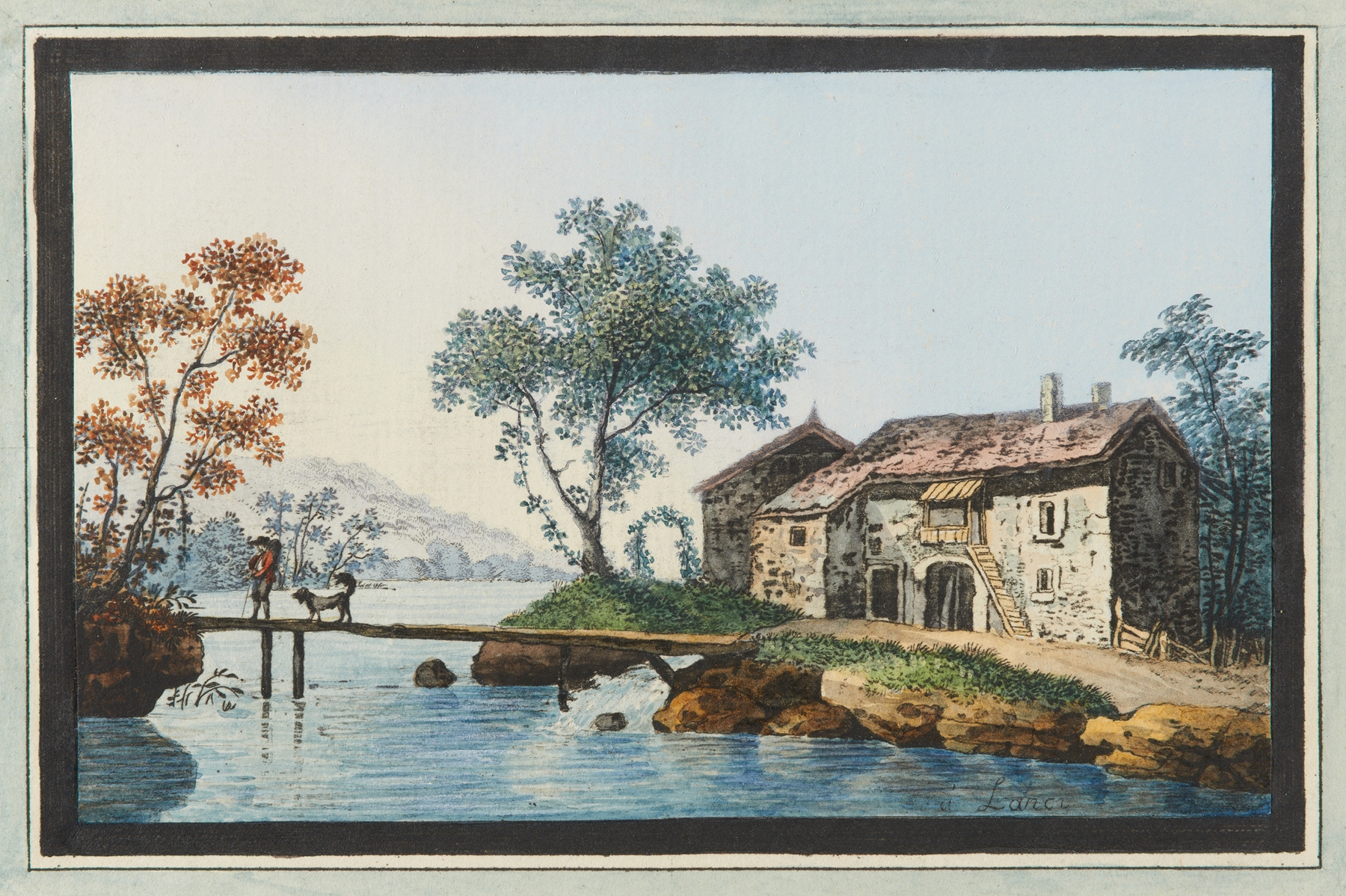
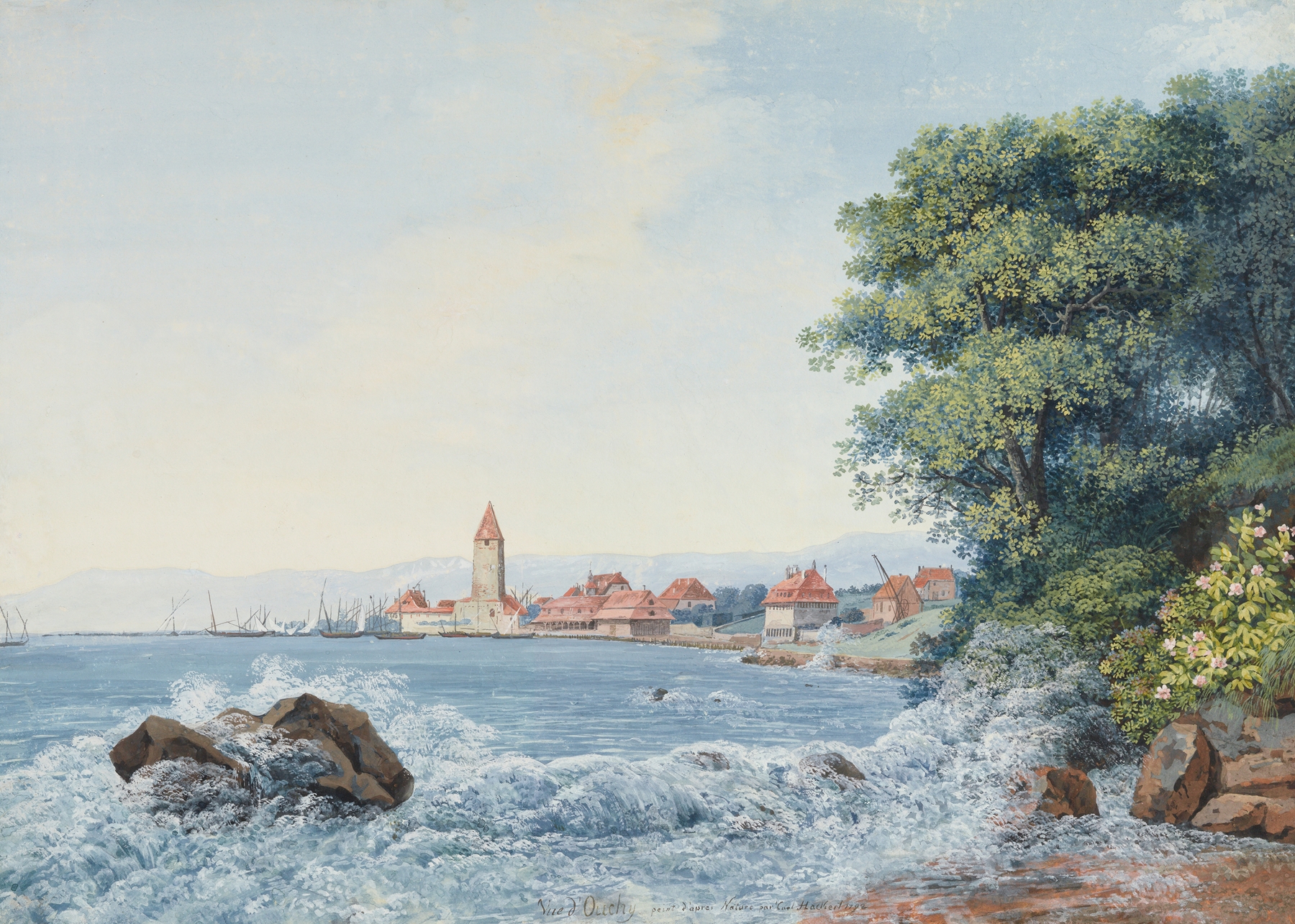
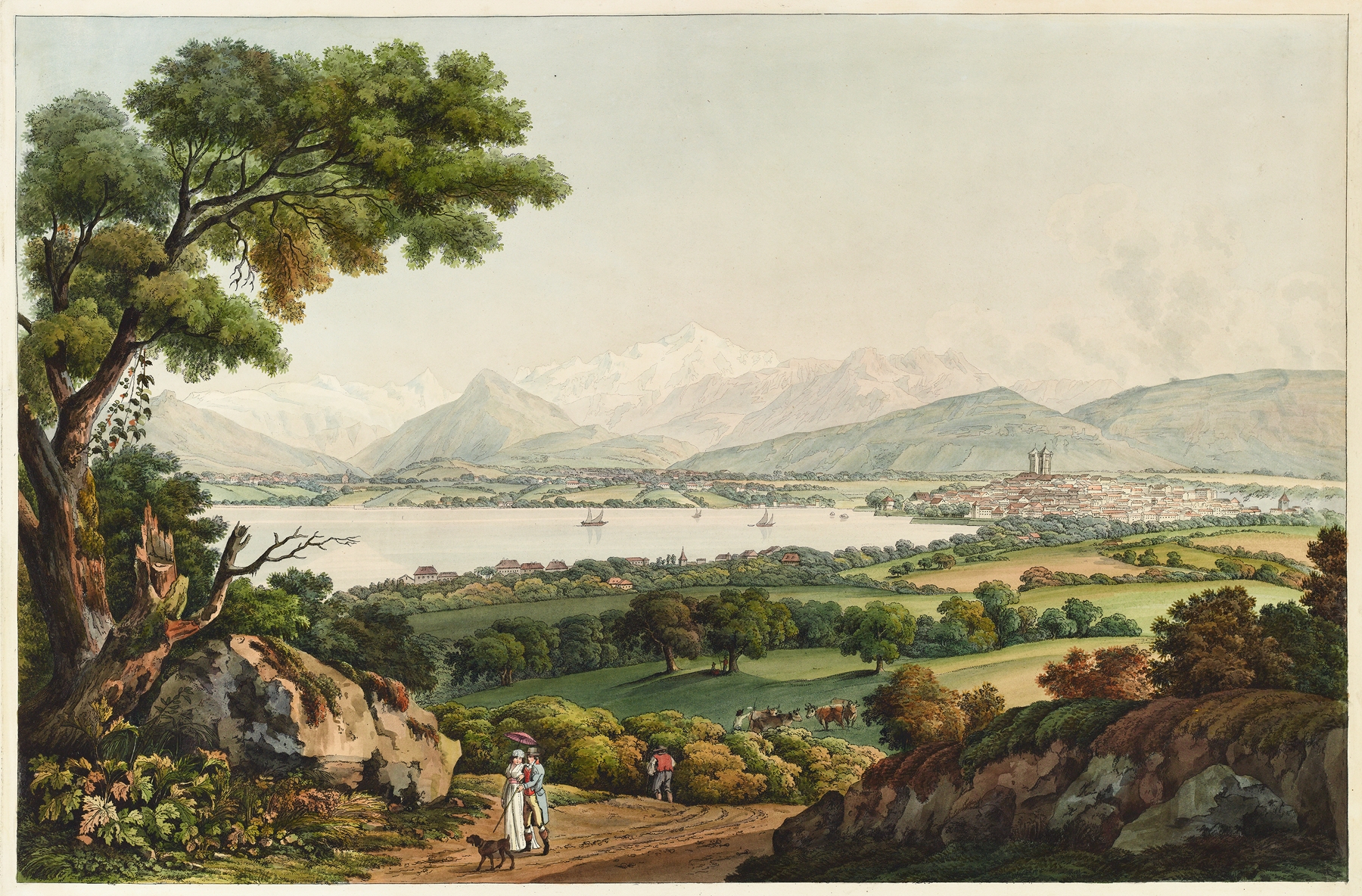
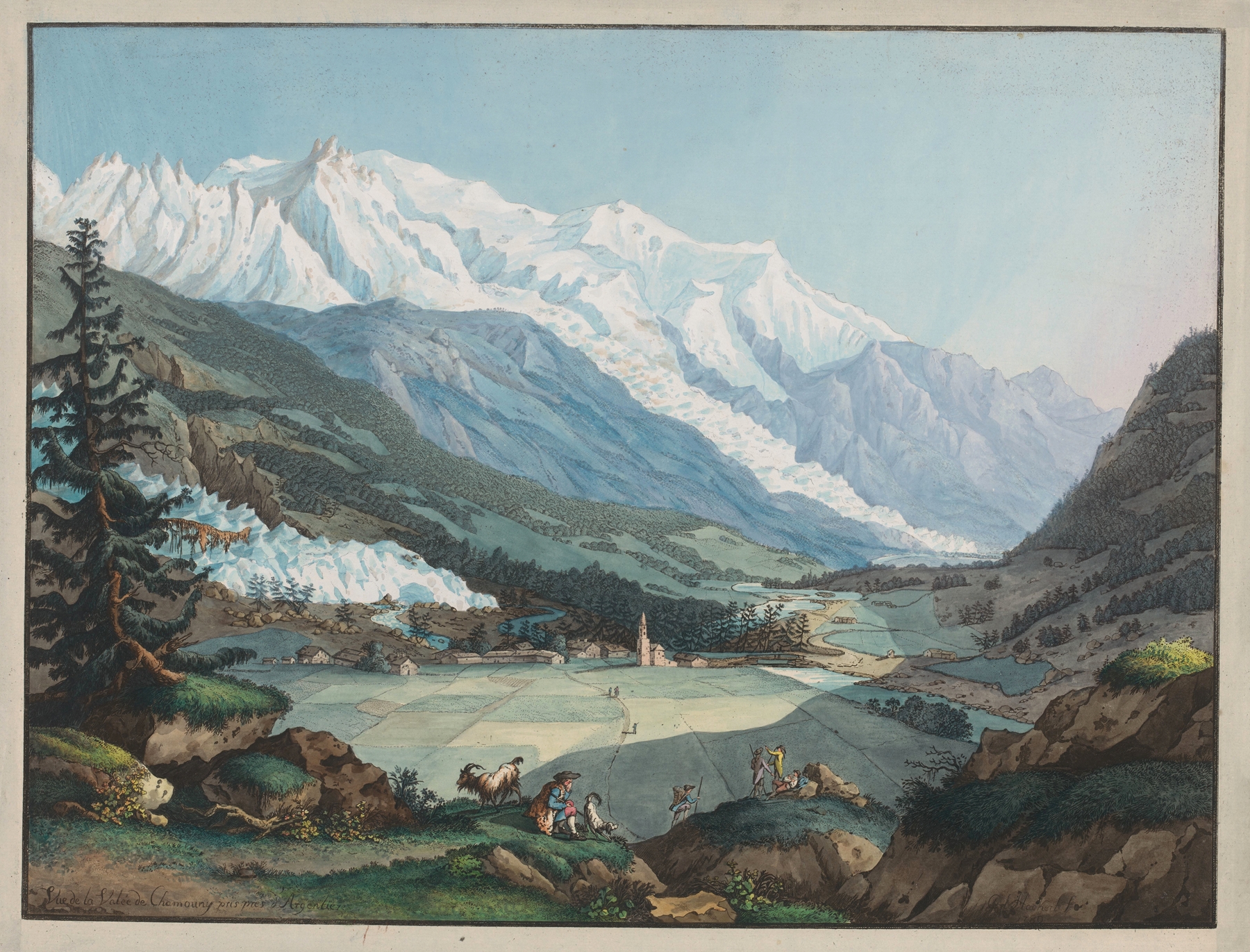
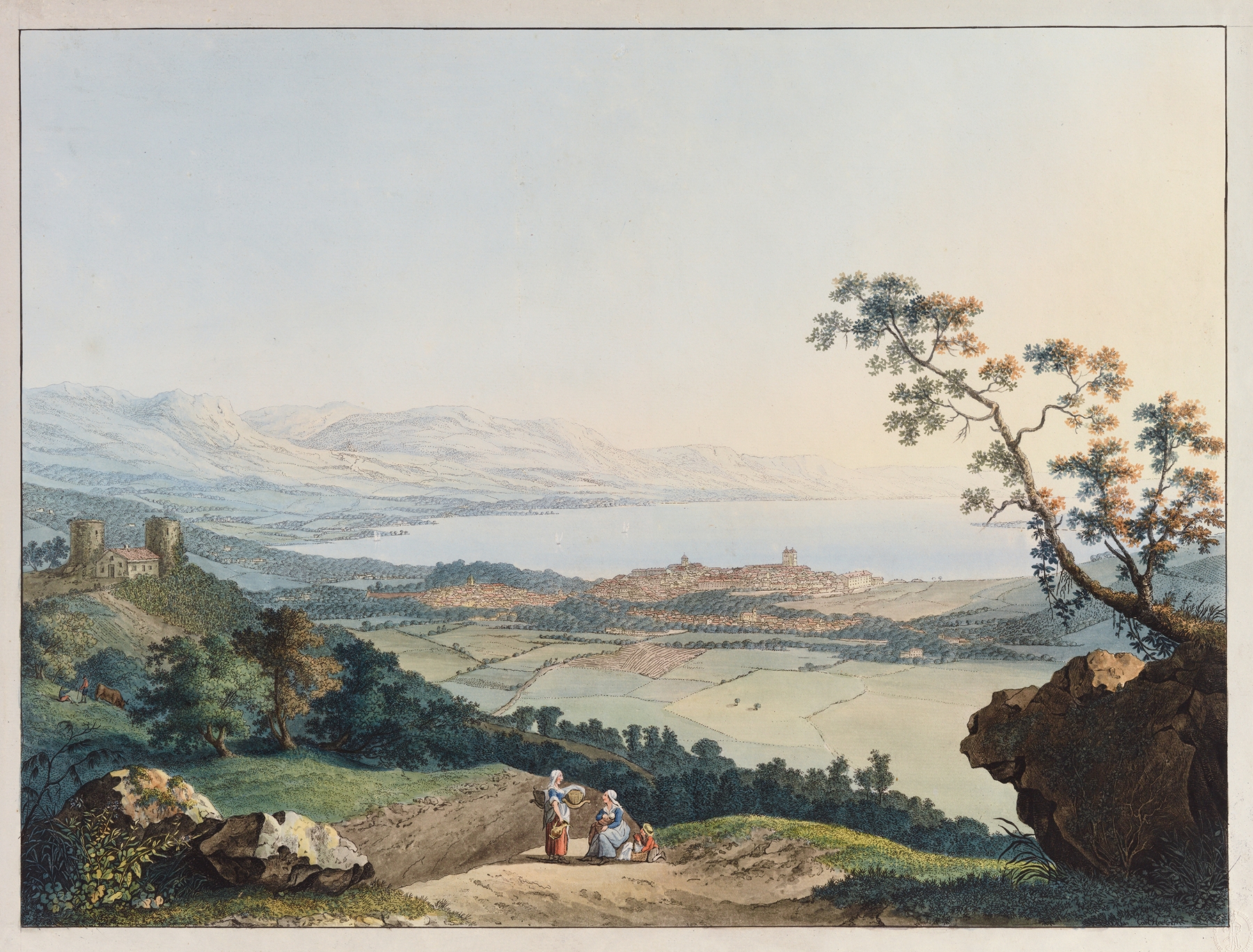
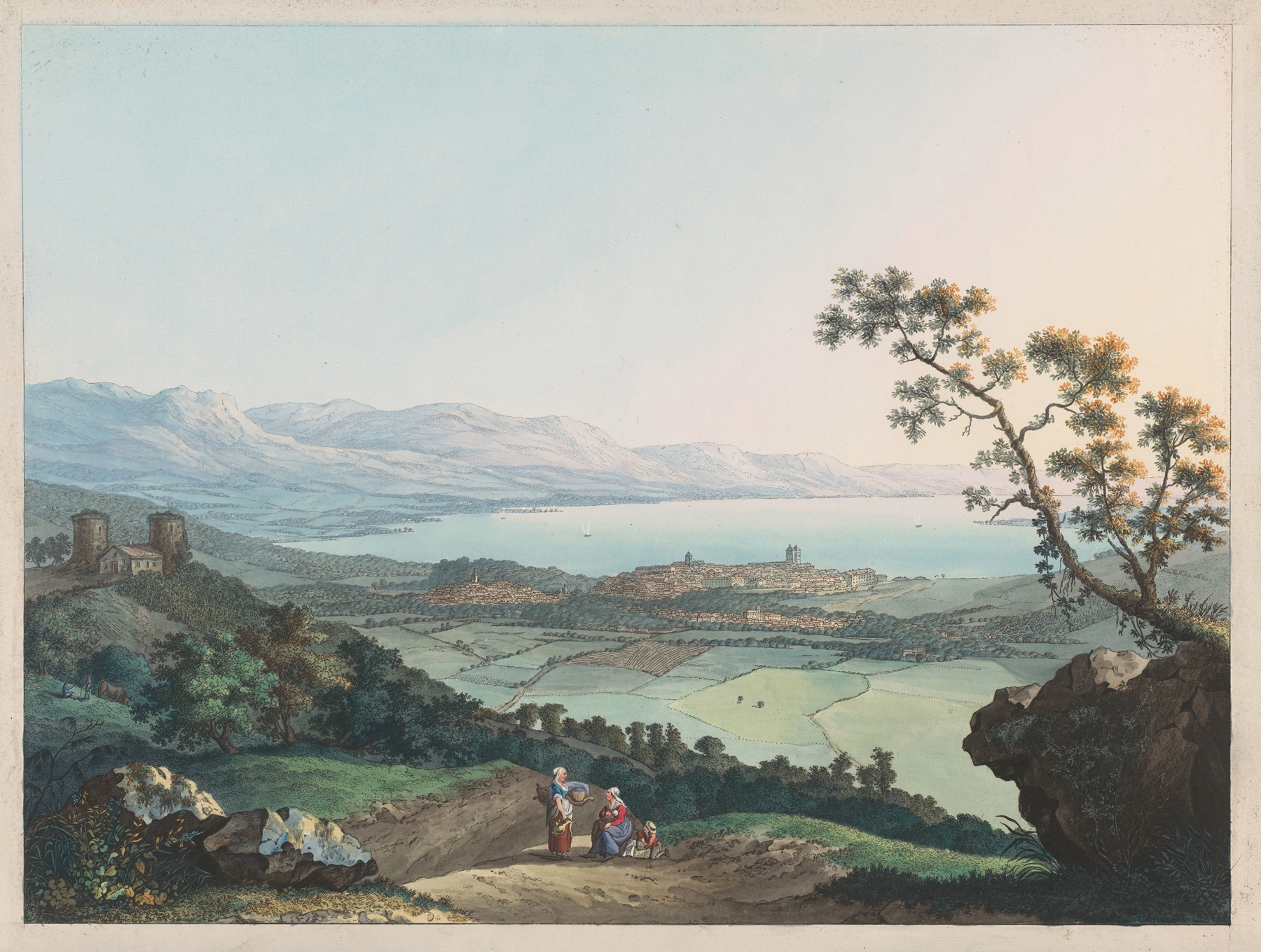
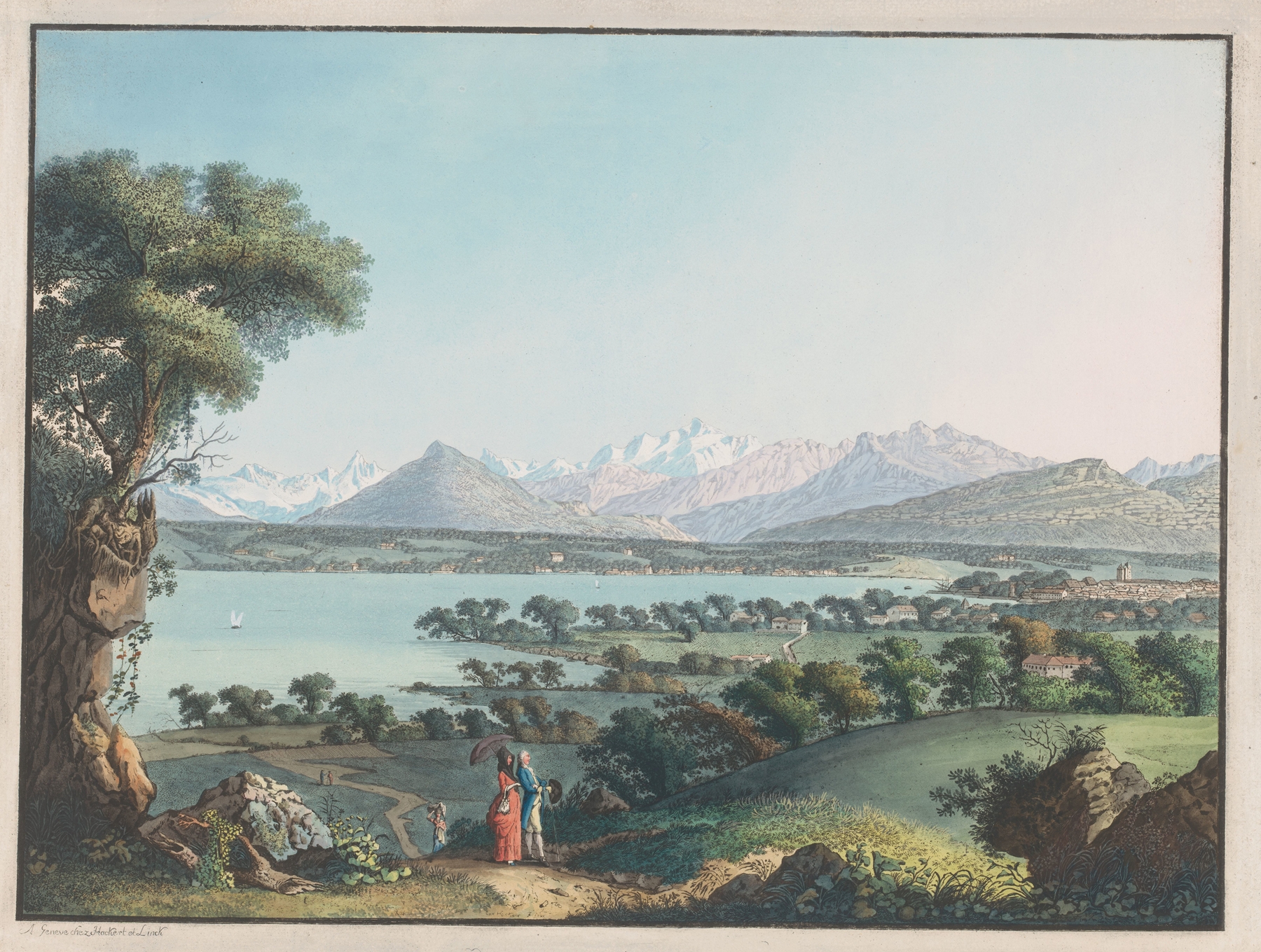
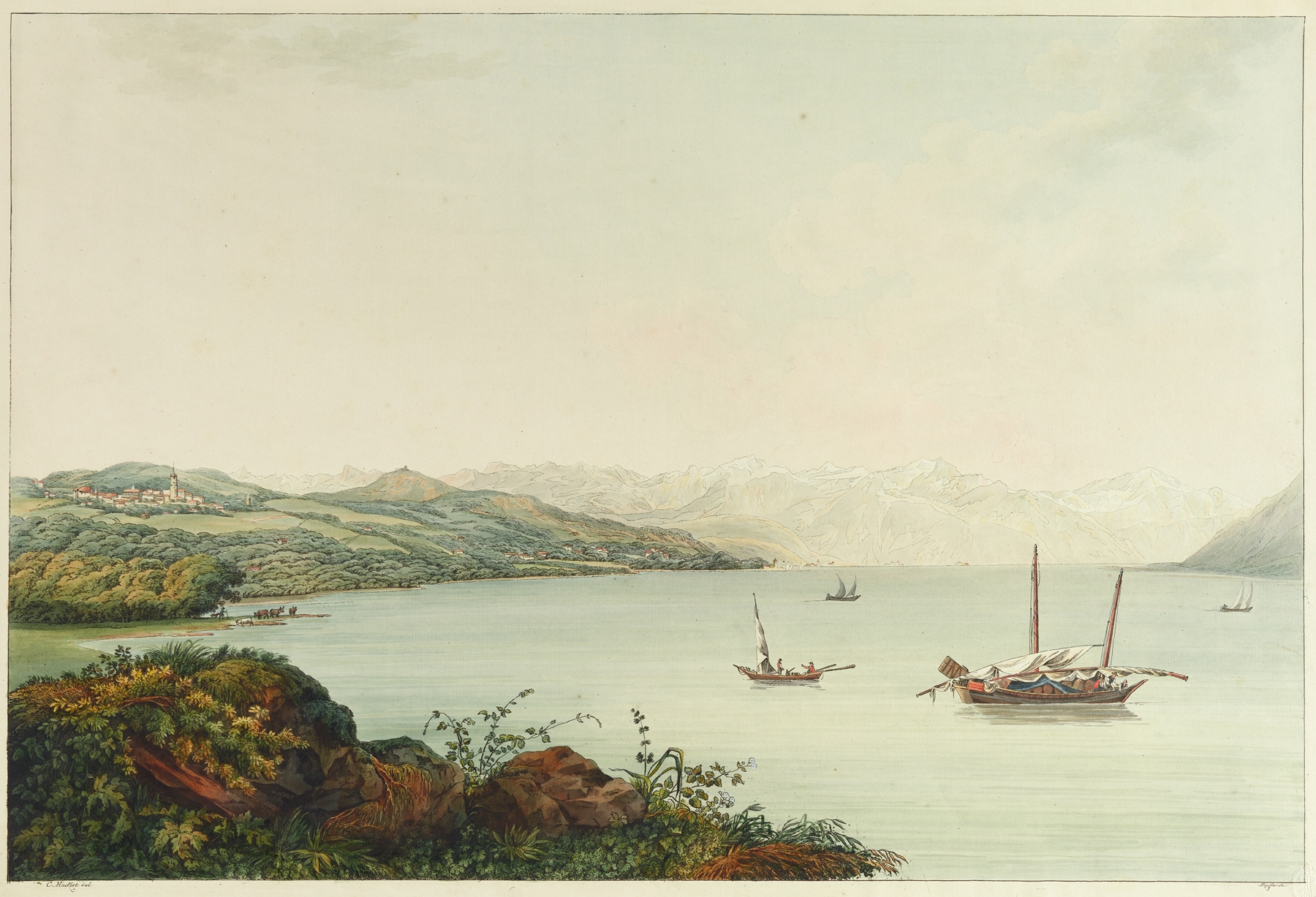
“Between color and silence, truth hides.” In the tranquil embrace of au Lac d’Annecy, the veil between life and mortality is delicately drawn, inviting introspection within its serene landscape. Look to the left at the azure water, mirroring the soft hues of the sky, with gentle ripples suggesting the presence of life just beneath its surface. Focus on the gradually rising hills dressed in lush greens, which cradle the lake, their shadows hinting at the passage of time. Notice how the distant mountains appear shrouded in a soft mist, their peaks piercing the horizon with an almost ethereal quality, while the vibrant palette of the foreground contrasts beautifully against the subtlety of the background.
Within this idyllic portrayal lies a profound tension. The vibrant colors speak of vitality and joy, yet the misty mountains loom as a reminder of the transient nature of beauty and life itself. The juxtaposition of the quiet, reflective waters and the distant, imposing peaks evokes a sense of mortality, as if to suggest that within every tranquil moment, a shadow of impermanence lurks. The scene captures a fleeting harmony, urging viewers to contemplate their existence against the backdrop of an eternal landscape.
Carl Ludwig Hackert painted this work in the late 18th century, a time when he was deeply influenced by the picturesque ideals of the Enlightenment. Residing in Italy for much of his life, he sought to blend the natural beauty of the landscape with philosophical reflections on nature and existence. The period was marked by a rising appreciation for the sublime in art, as artists began to explore the relationship between humanity and the vast, often intimidating forces of nature.