Autumn Fields at Newport — History & Analysis
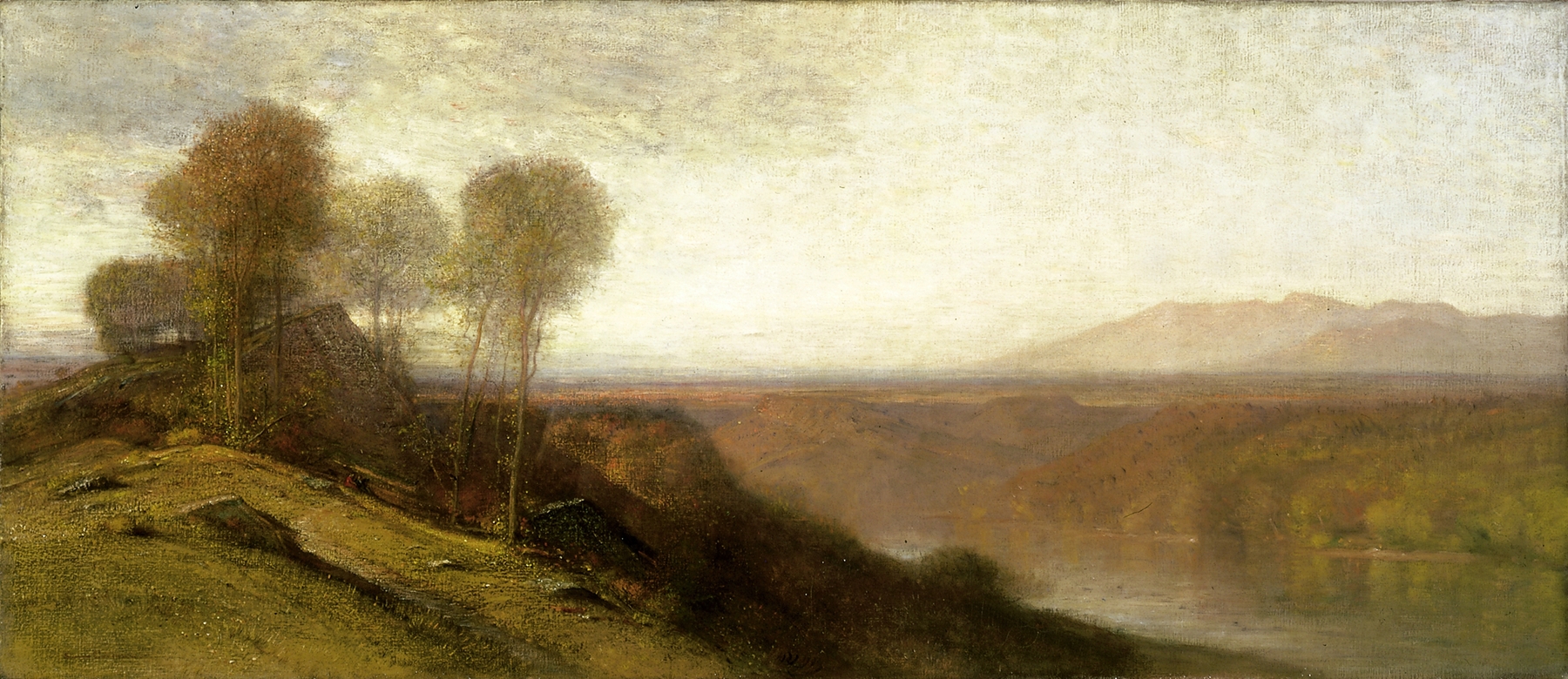
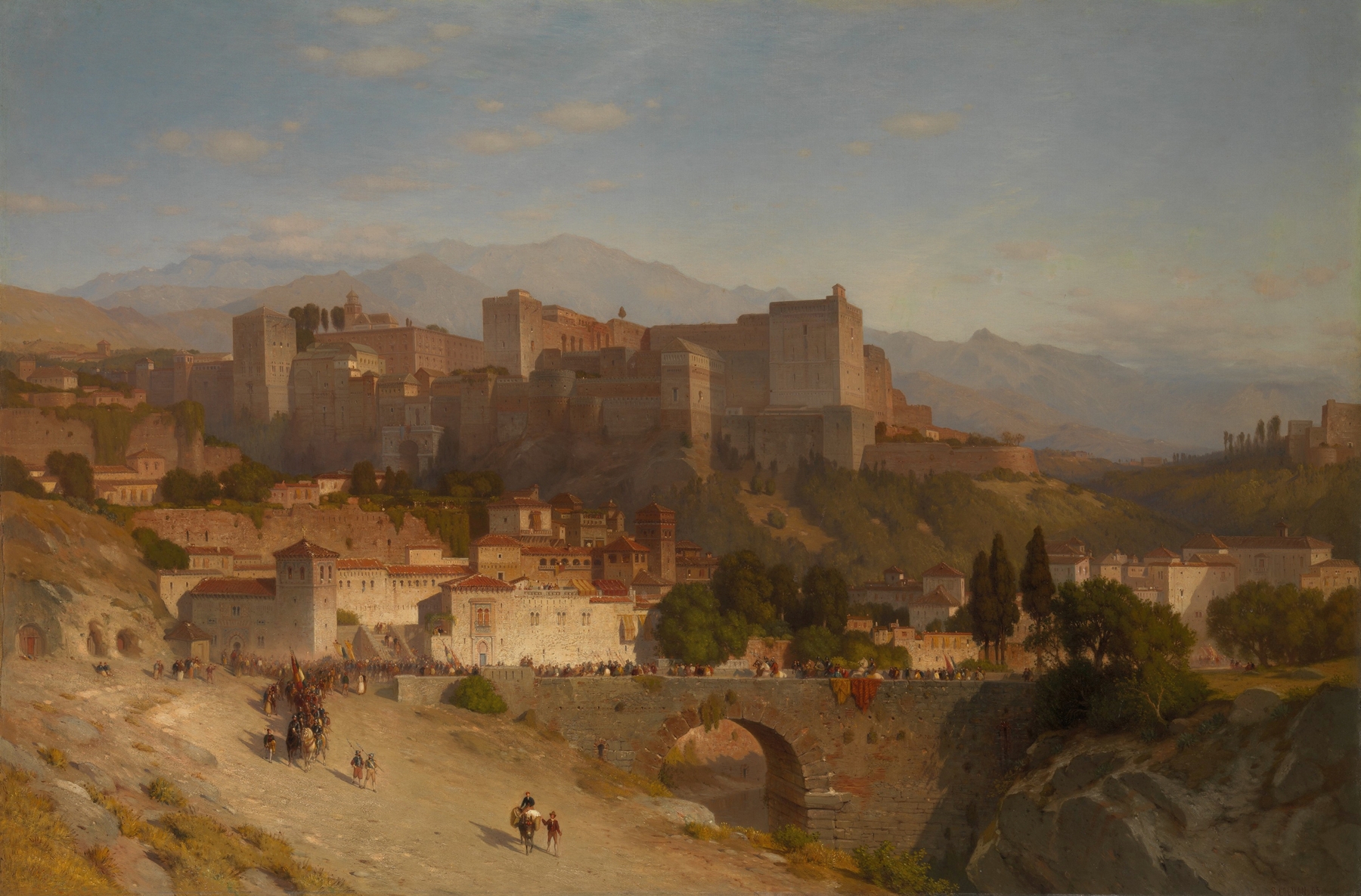
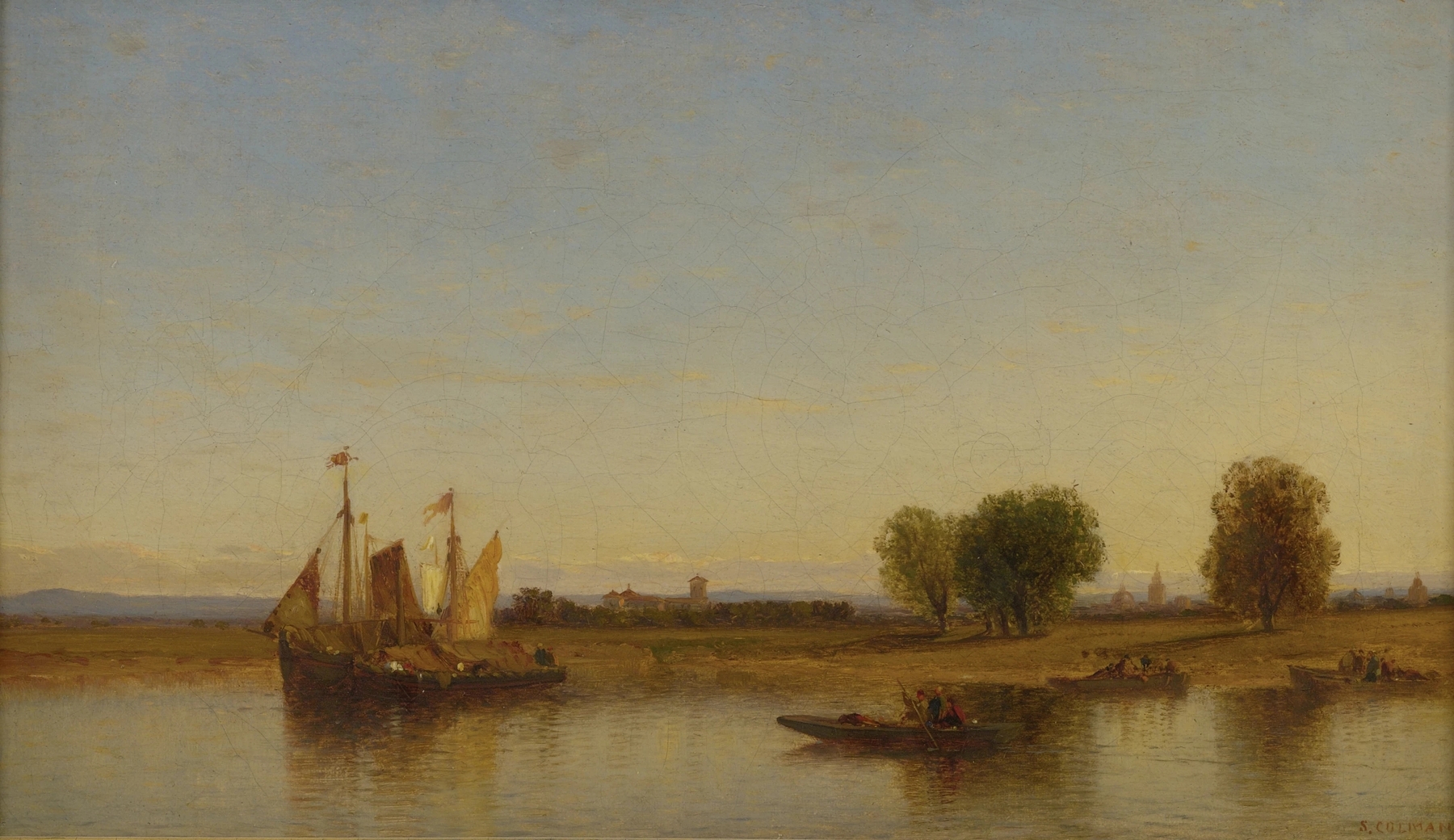
“Between color and silence, truth hides.” In the gentle embrace of autumn, where fields meet the horizon, faith unfurls in every brushstroke. The landscape invites contemplation, whispering secrets of nature’s cycle and the beauty of transition. Look to the center of the canvas, where golden hues dance amidst deep earthy tones. Notice how the light falls softly across the undulating fields, creating a warmth that draws the eye into its depths.
The composition, layered and textured, hints at a world both familiar and ethereal, capturing the essence of a fleeting moment in time. Each stroke is deliberate, a testament to the artist’s mastery of color that evokes not just sight but feeling. As the amber and russet tints blend harmoniously, one can sense the contrasting emotions of abundance and impending stillness. The vibrant foliage suggests vitality and the promise of harvest, while the encroaching shadows remind us of life’s inevitable cycles.
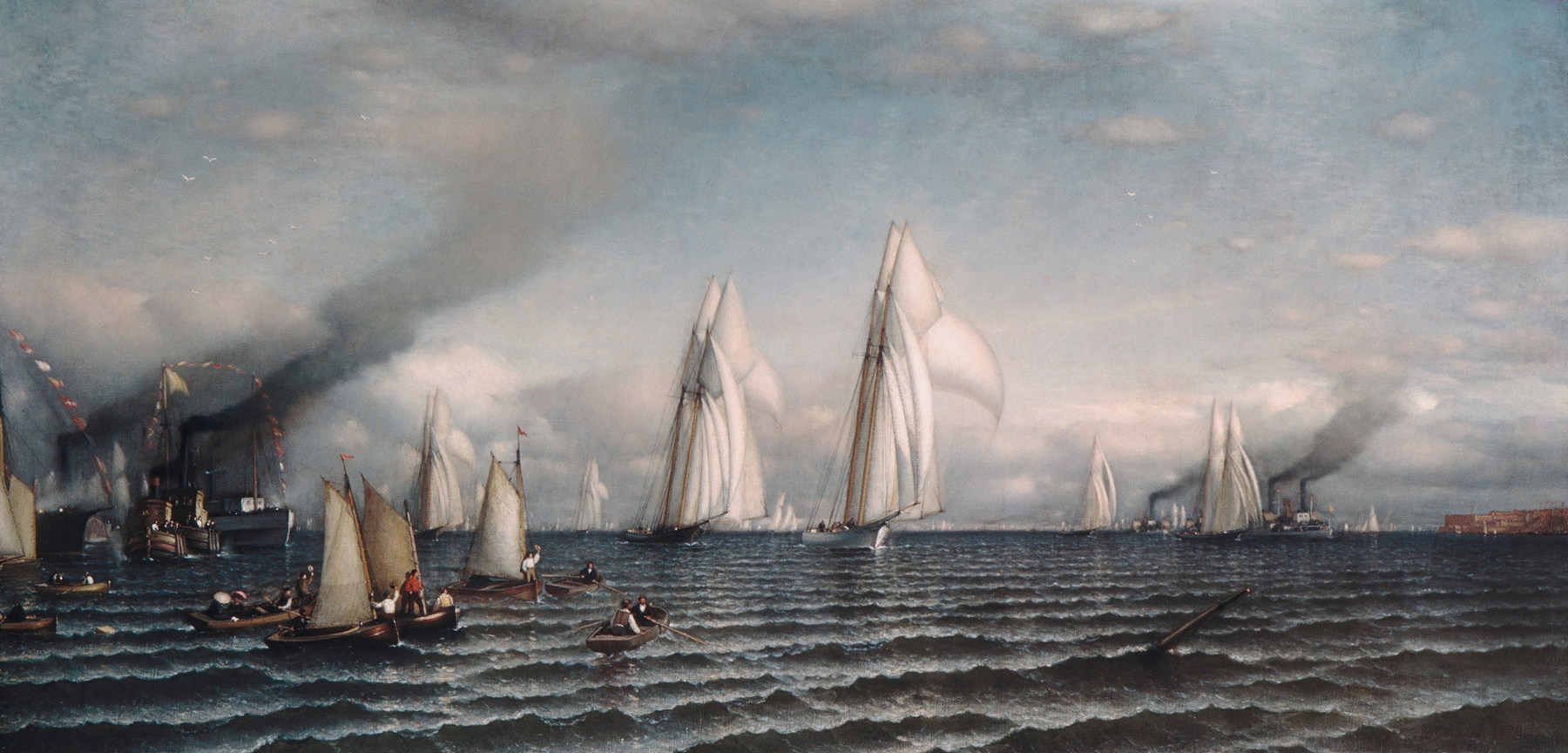
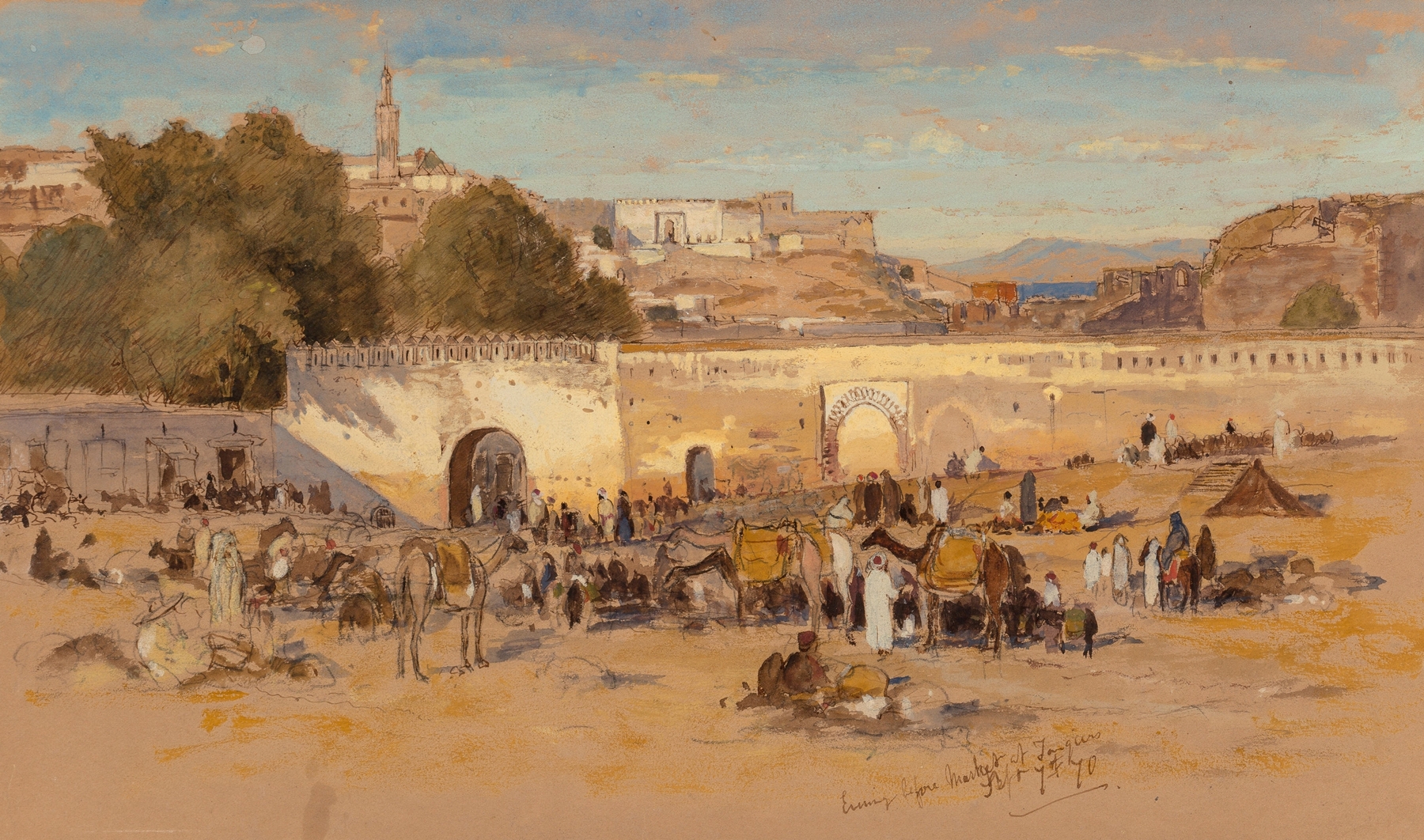
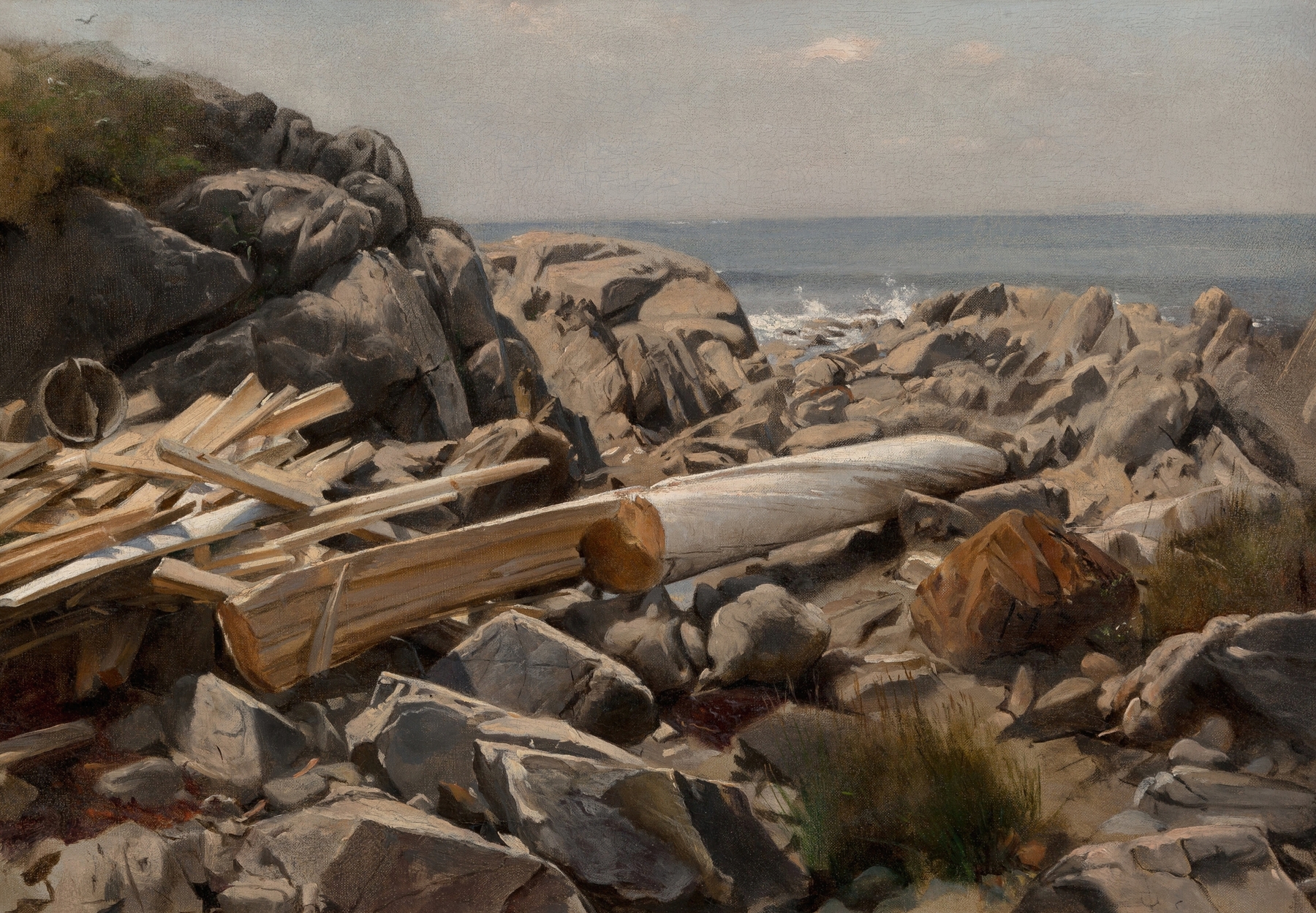
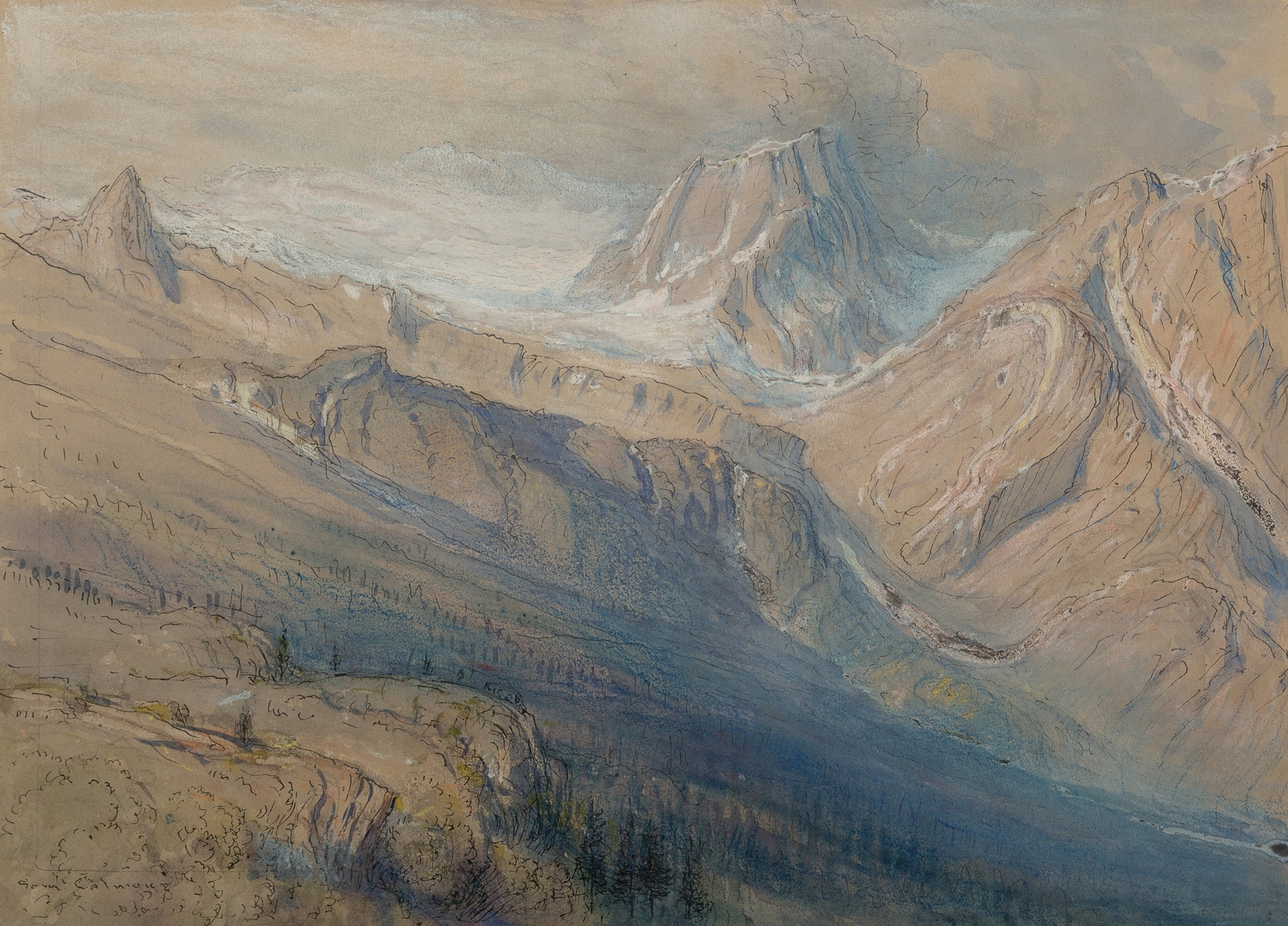
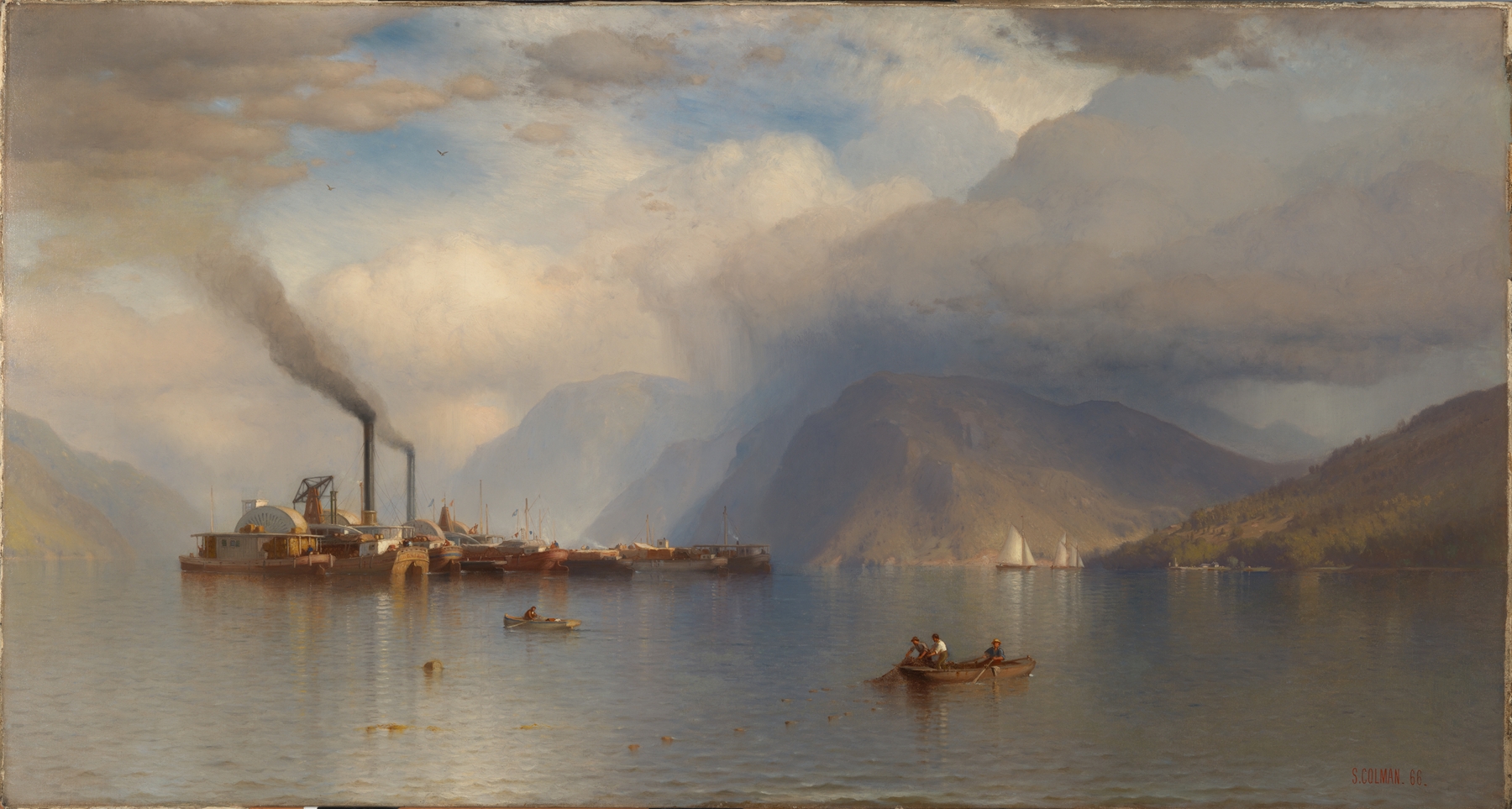
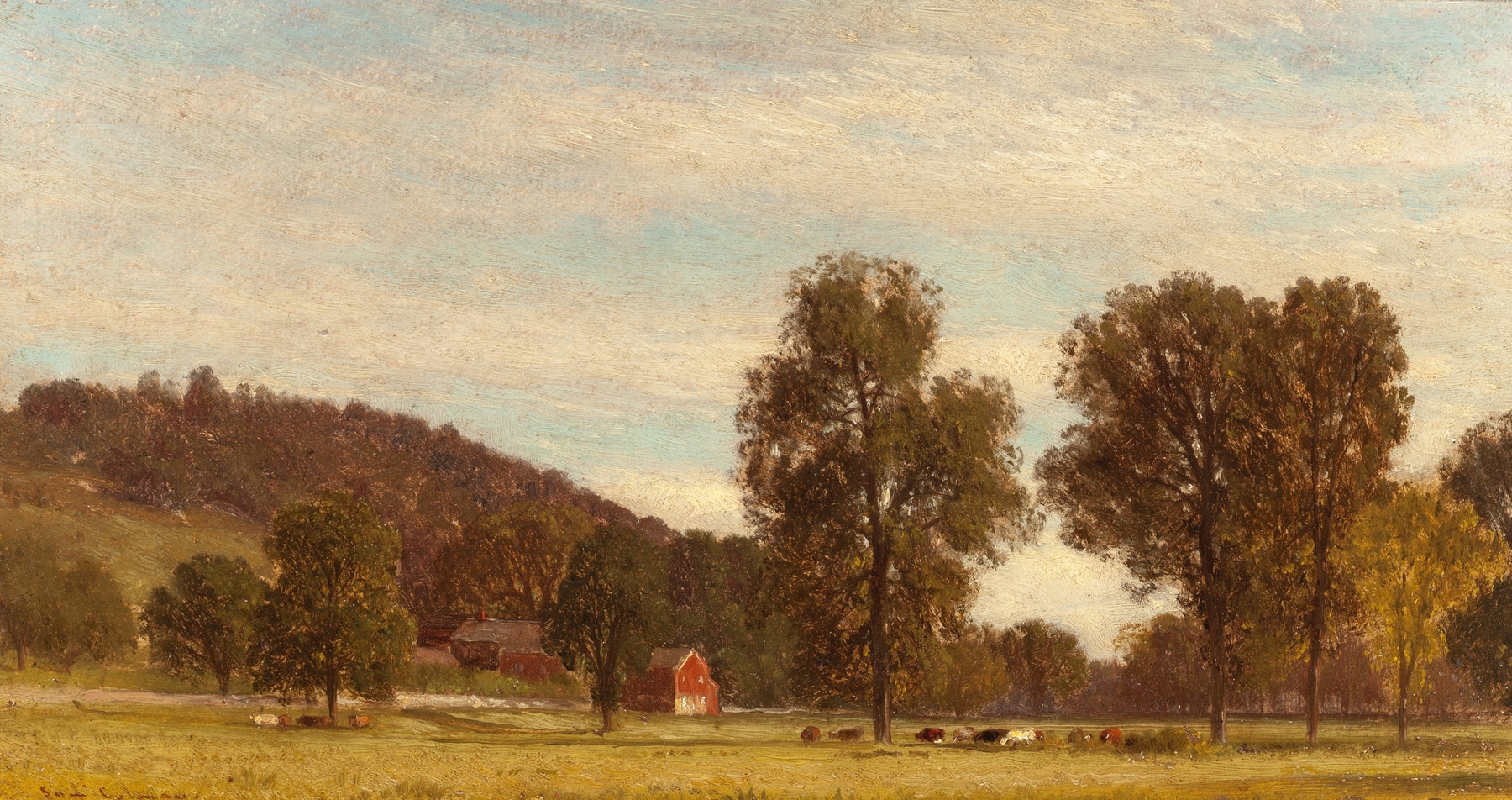
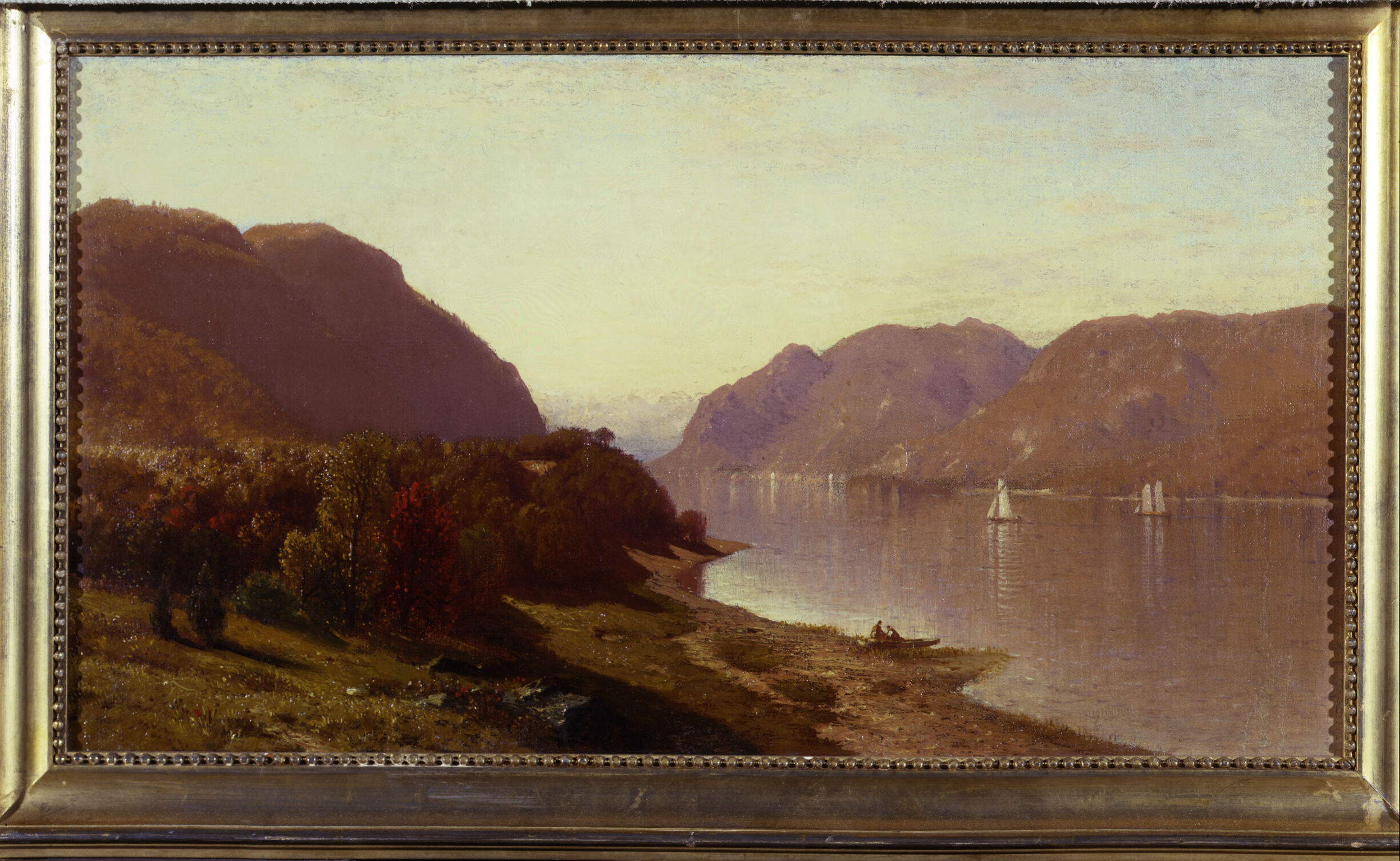
There’s a tension between the vibrancy of the present and the quiet anticipation of the end, stirring deeper reflections on faith and continuity in nature. Samuel Colman painted this work during a period when American landscape painting was emerging as a significant genre. The exact date remains uncertain, but it is believed he created it in the late 19th century while deeply engaged with the Hudson River School movement. This was a time when artists sought to capture the sublime beauty of the American landscape, reflecting both the spiritual and the natural world.