Autumn Landscape — History & Analysis
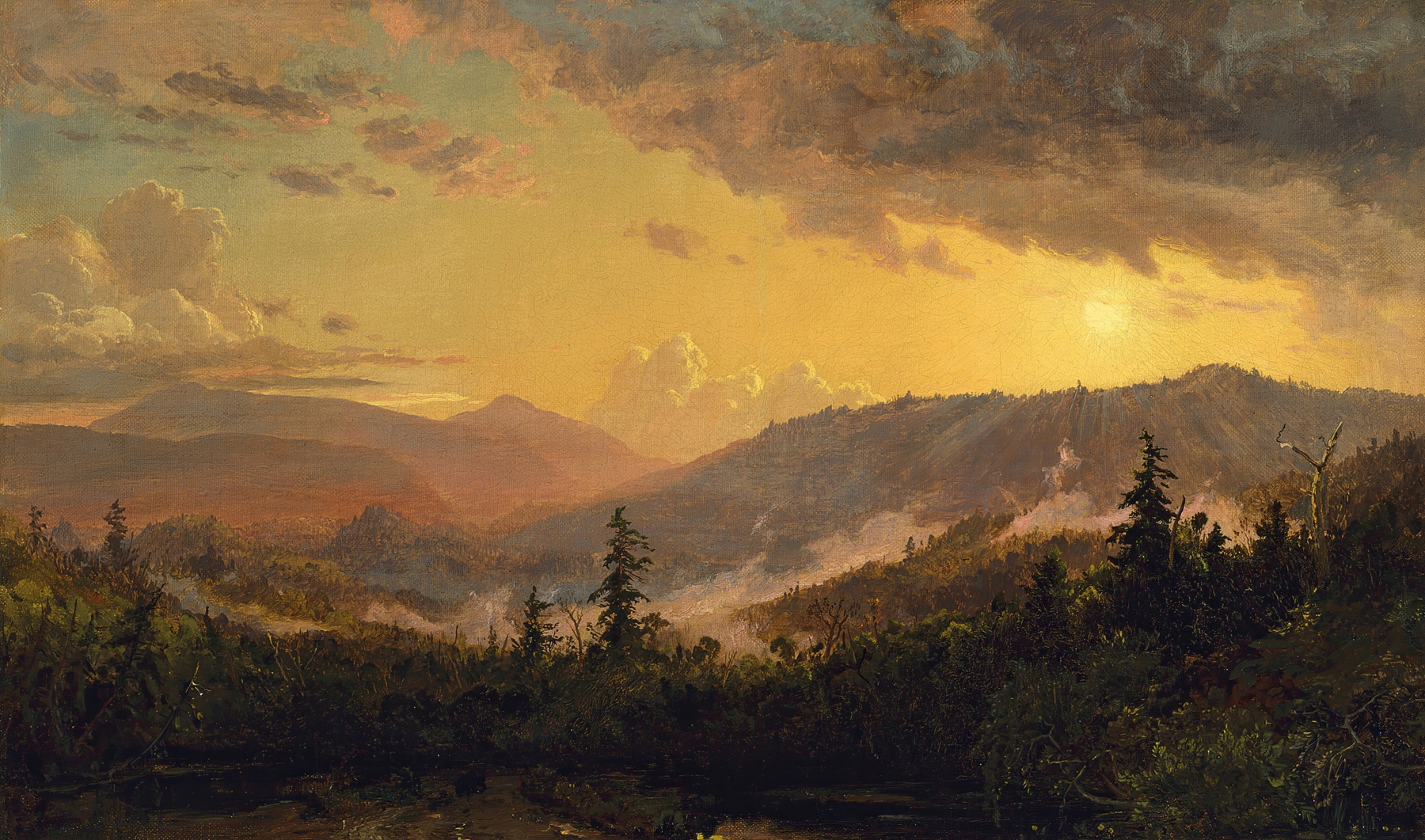
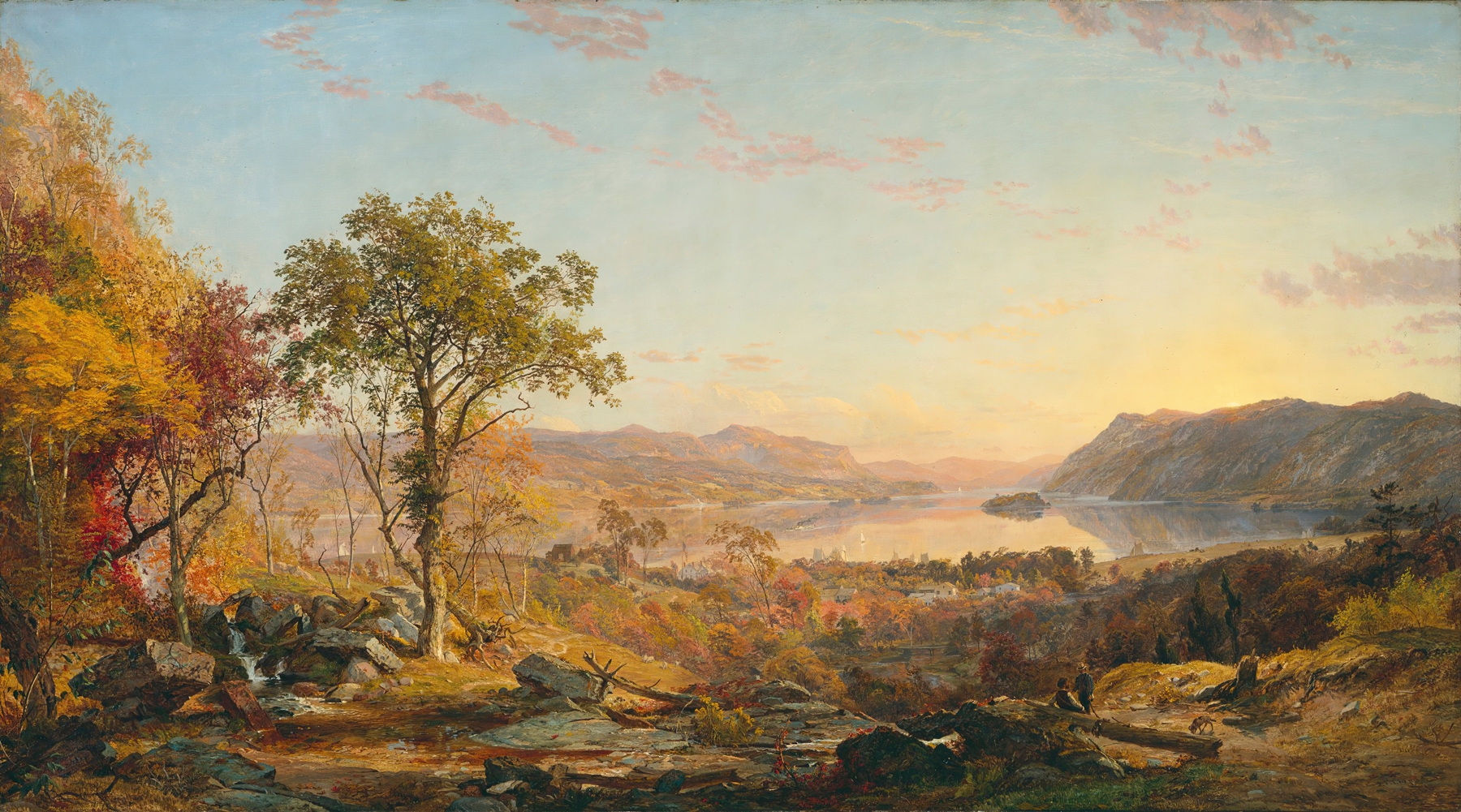
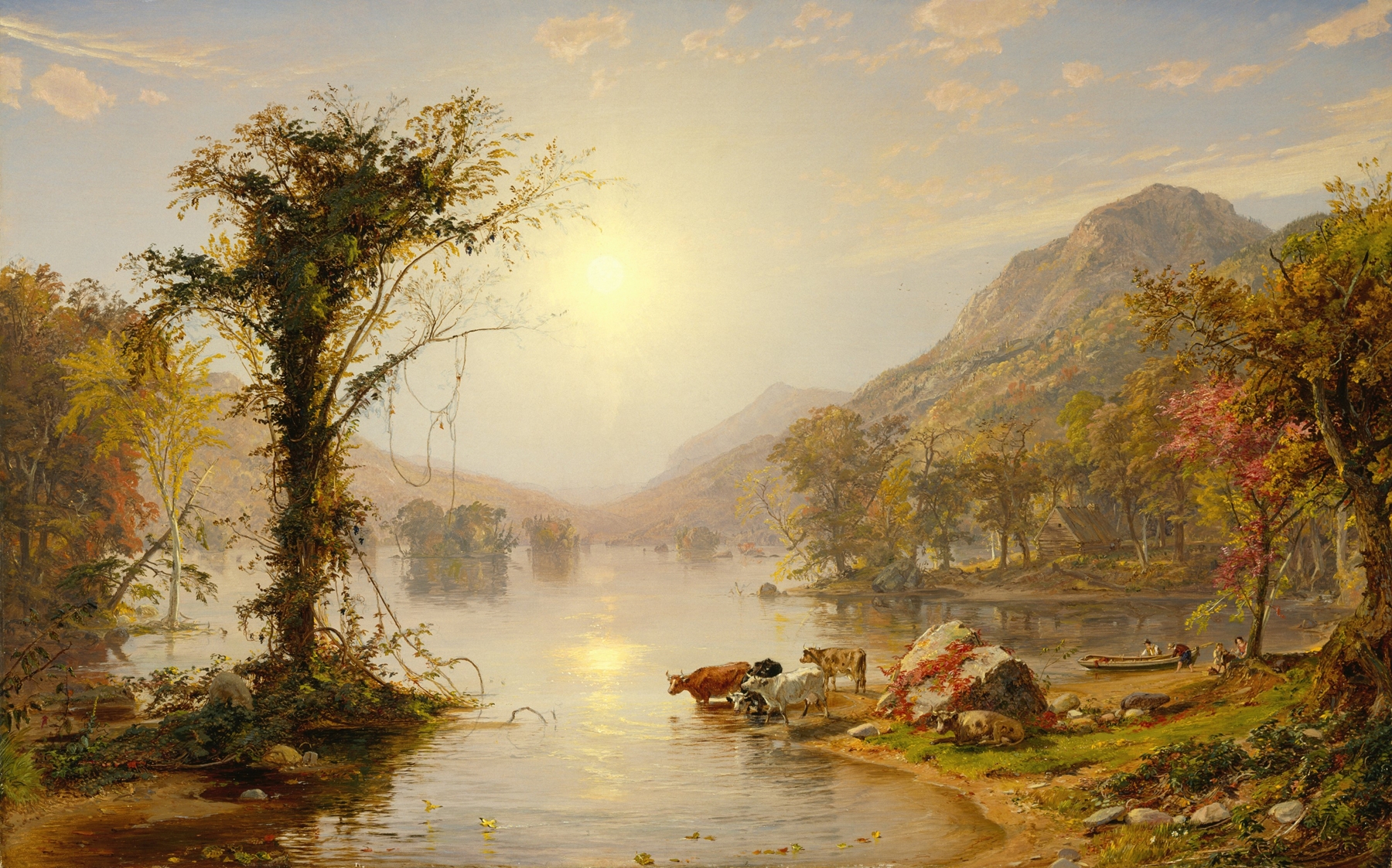
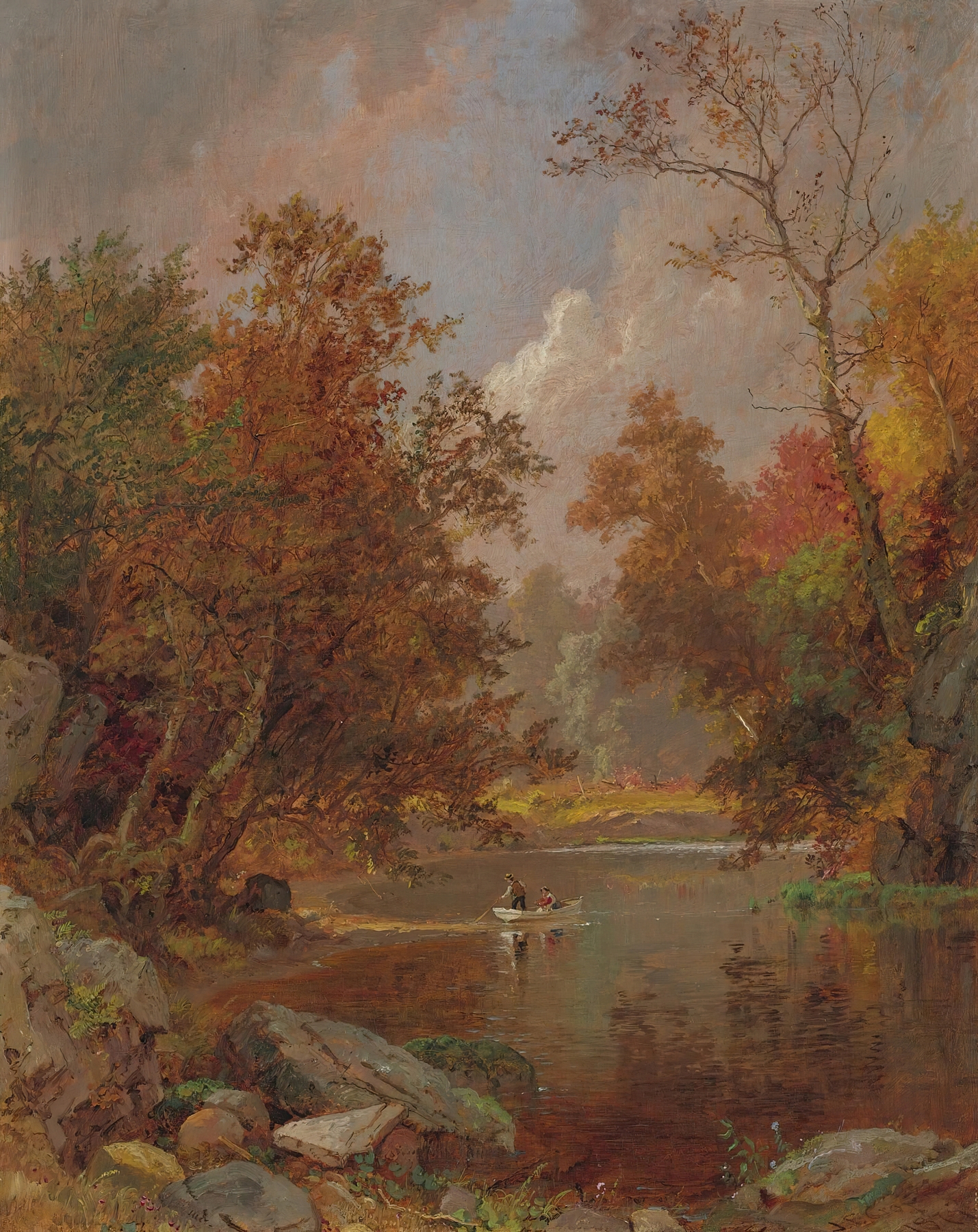
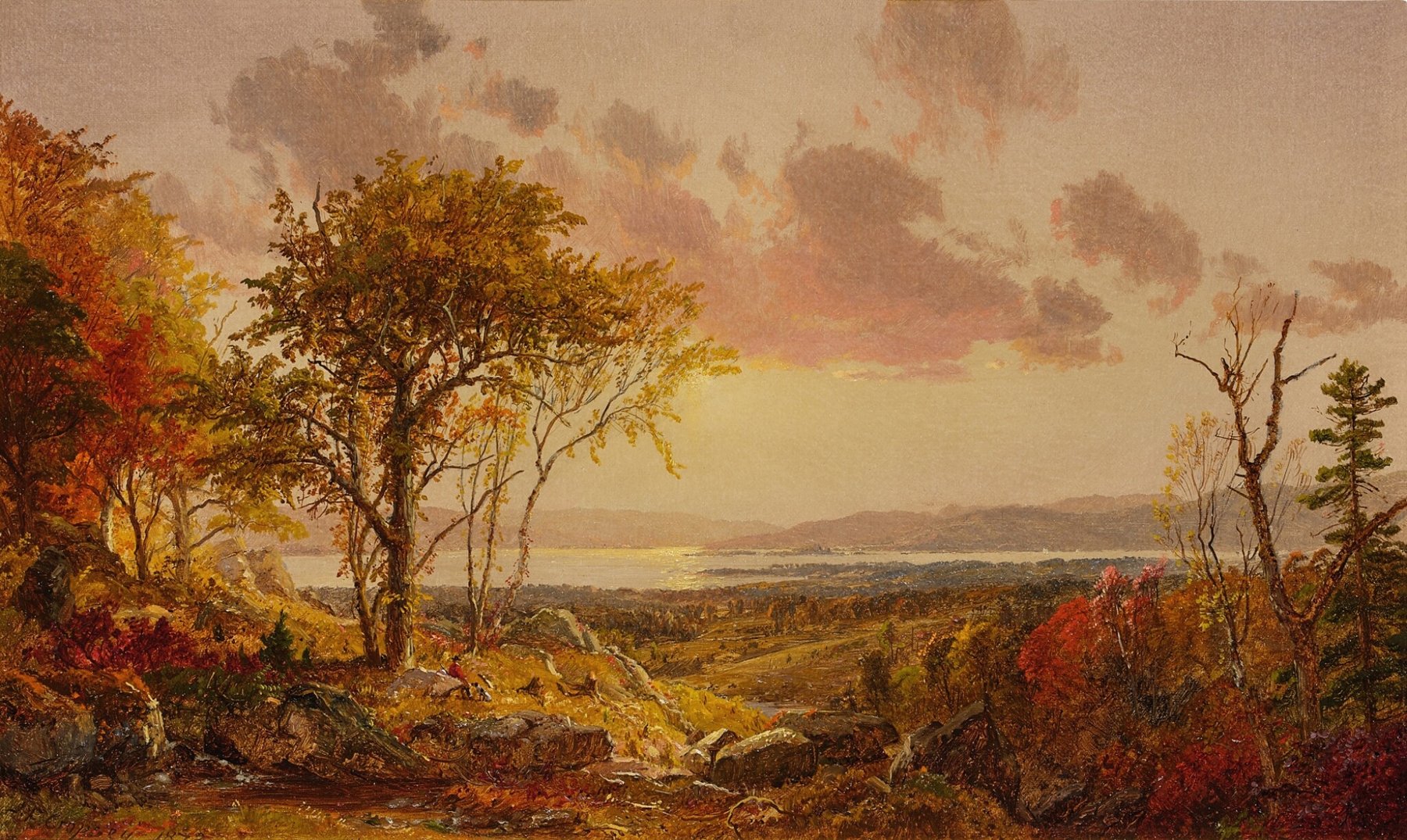
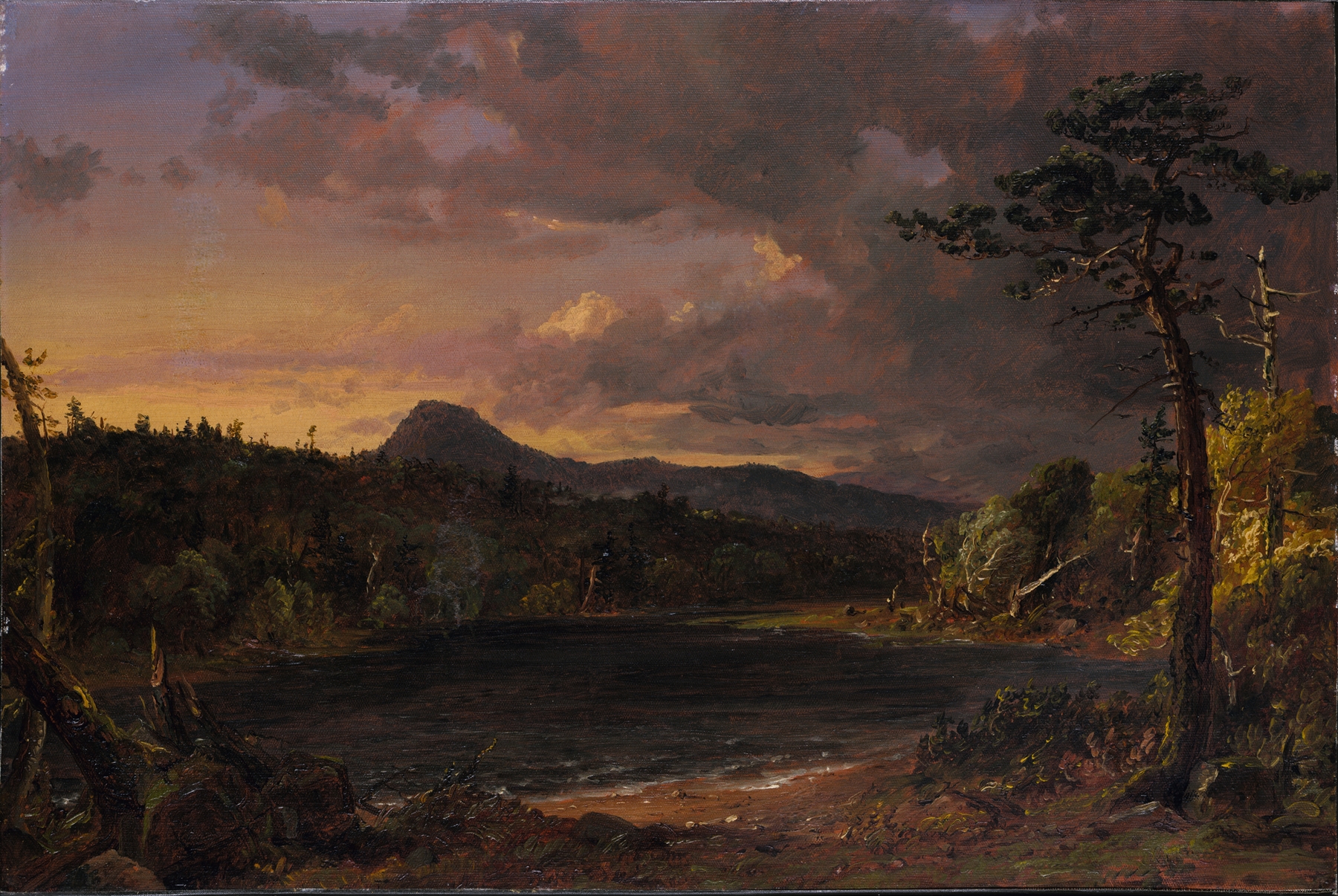
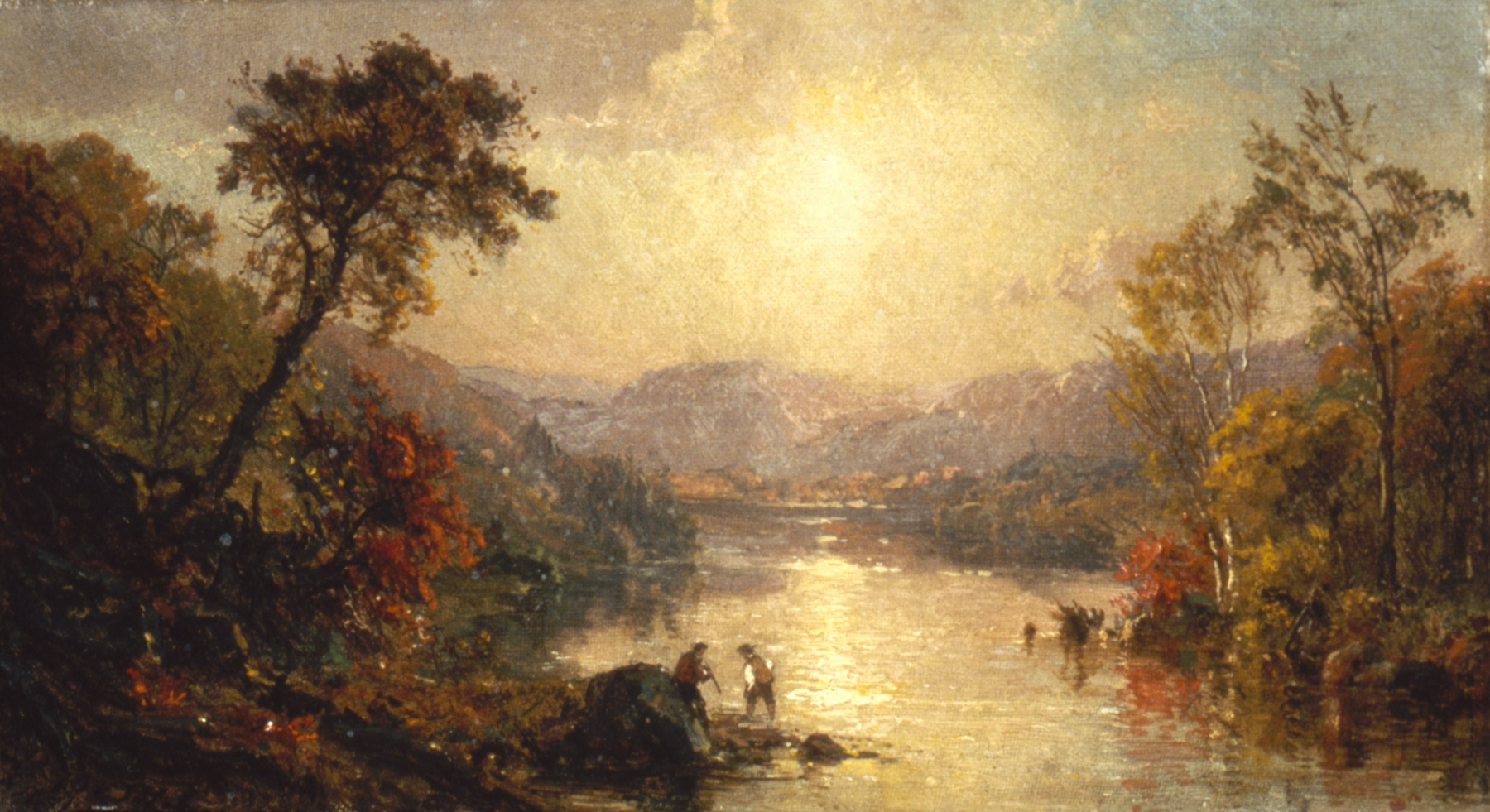
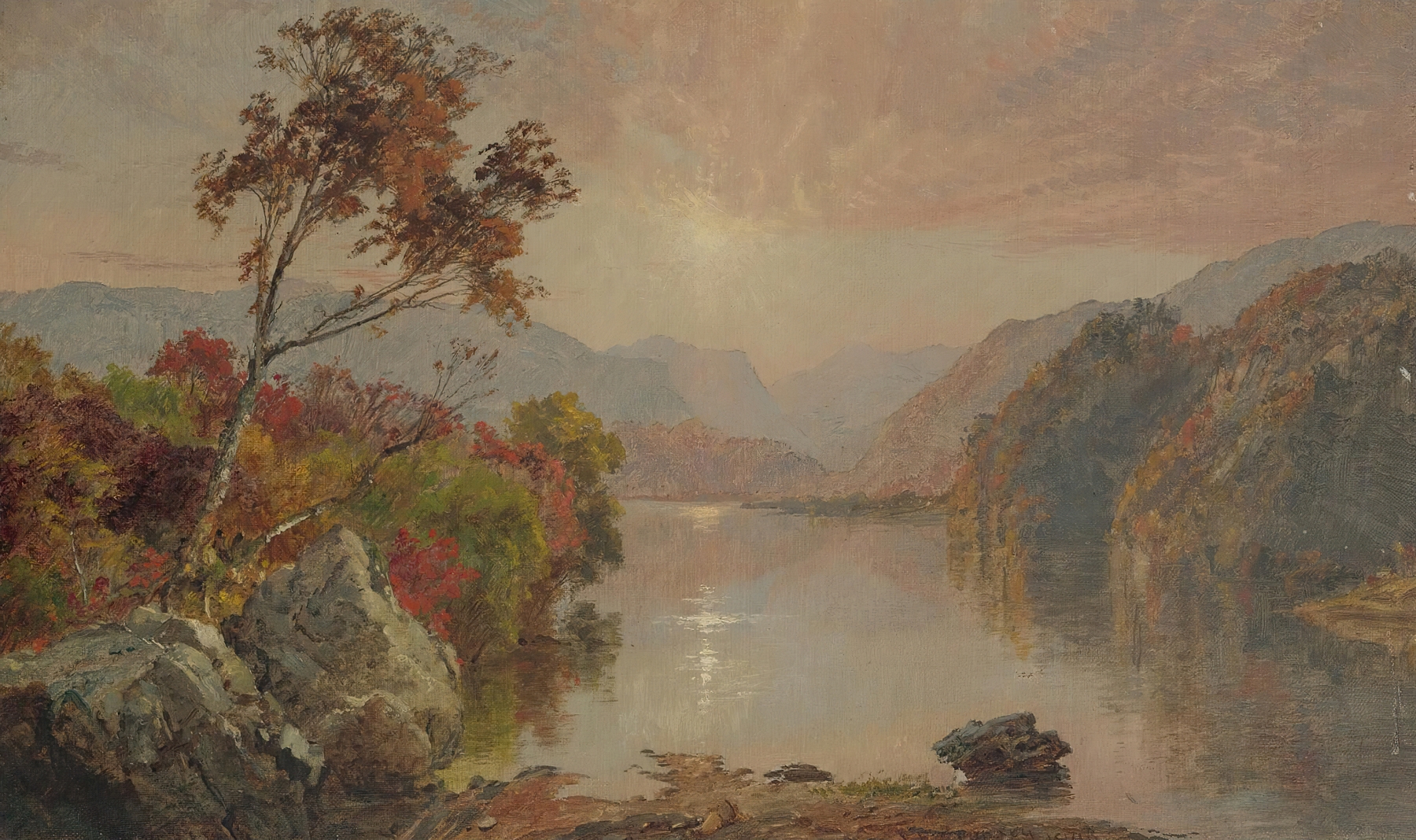
When did color learn to lie? In Autumn Landscape, vibrant hues of orange and gold dance across the canvas, inviting the viewer to question the authenticity of nature’s palette. Here, the landscape becomes a tapestry woven by light itself, revealing both the beauty and transience of the world. Look to the left at the brilliant foliage, where fiery leaves contrast starkly against the deep blue sky, a testament to the artist's keen eye for color. Notice how the sunlight filters through the branches, illuminating the scene with a warmth that radiates beyond the canvas.
The composition draws the viewer's gaze along the winding path, leading us deeper into this serene autumnal retreat, where every brushstroke feels deliberate, every shade intentional. Yet, beneath this idyllic exterior lies a subtle tension. The interplay of light and shadow hints at the passage of time, as the trees shed their leaves in preparation for the cold embrace of winter. The vibrant colors may evoke joy, but they also whisper of impermanence—of the fleeting nature of beauty.
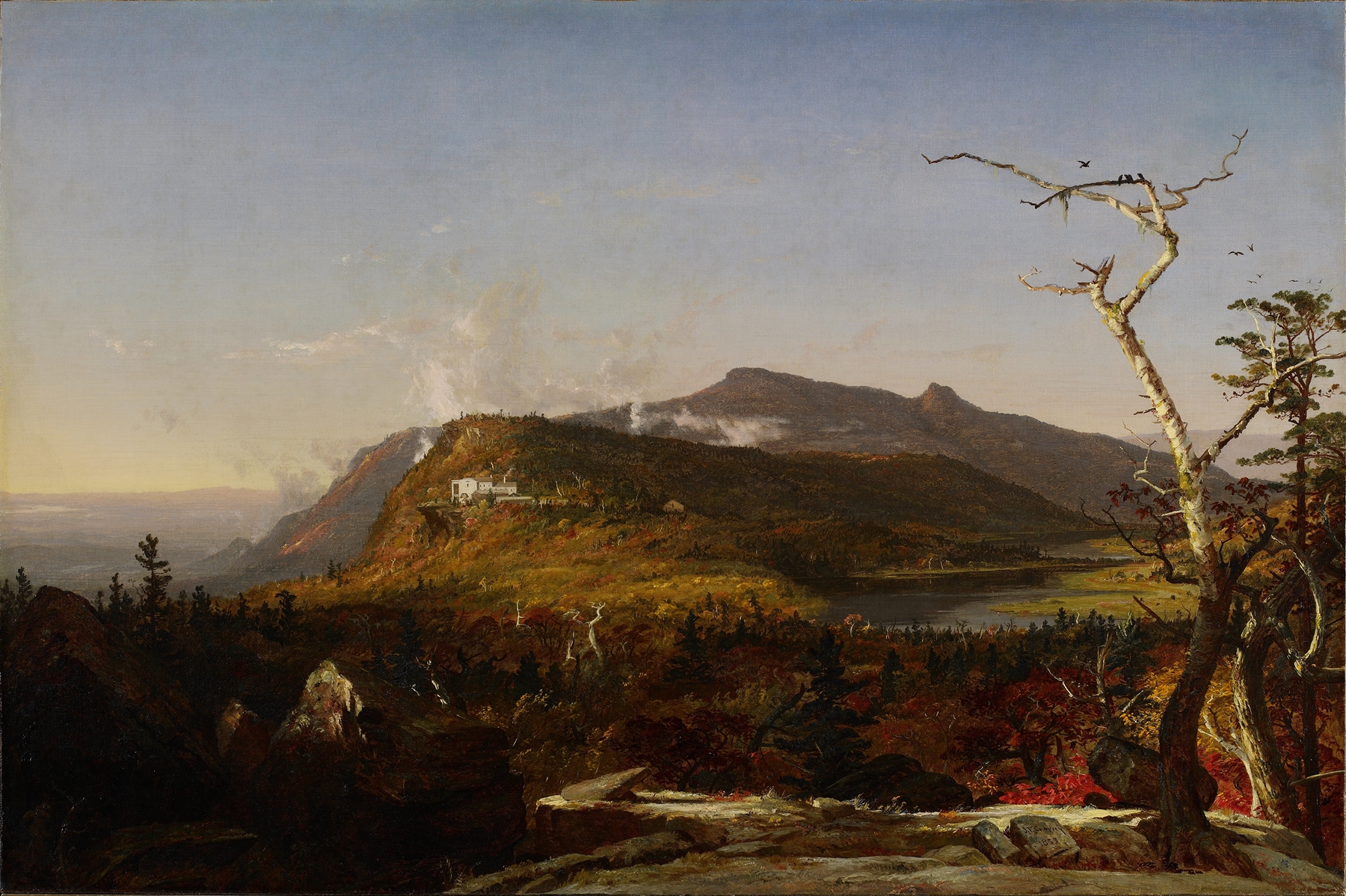
The rustic cabin, nestled among the trees, serves as a reminder of human fragility amidst nature's splendor, urging the viewer to reflect on their own place within this cycle. In 1886, Jasper Francis Cropsey created Autumn Landscape during a period marked by a growing appreciation for the American landscape. He was deeply inspired by the Hudson River School, yet infused his work with a distinctive emphasis on light and color that set him apart. At this time, Cropsey was fully immersed in capturing the changing seasons, reflecting not just the physical beauty of nature, but also its emotional resonance in the lives of those who experienced it.