Autumn Landscape — History & Analysis
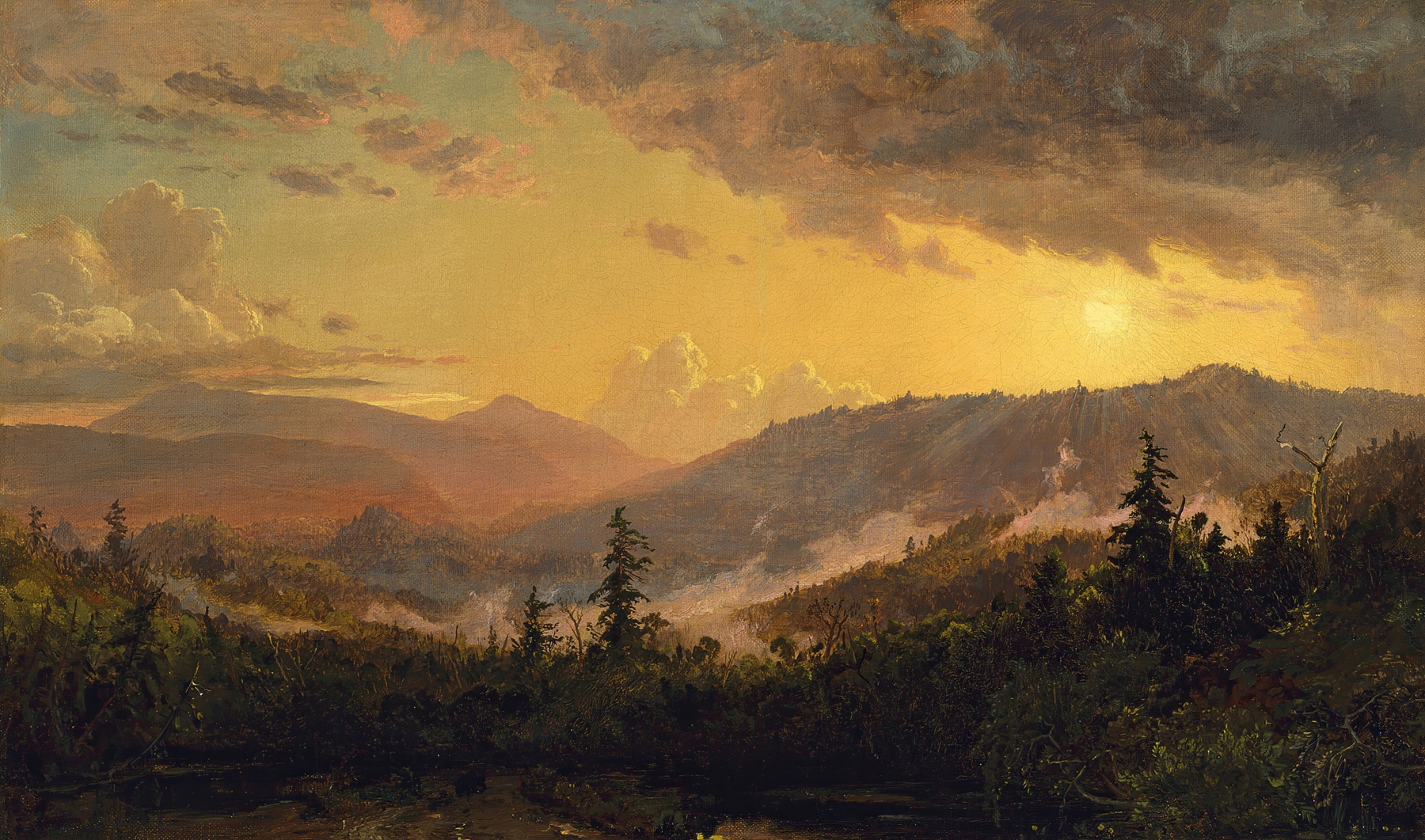
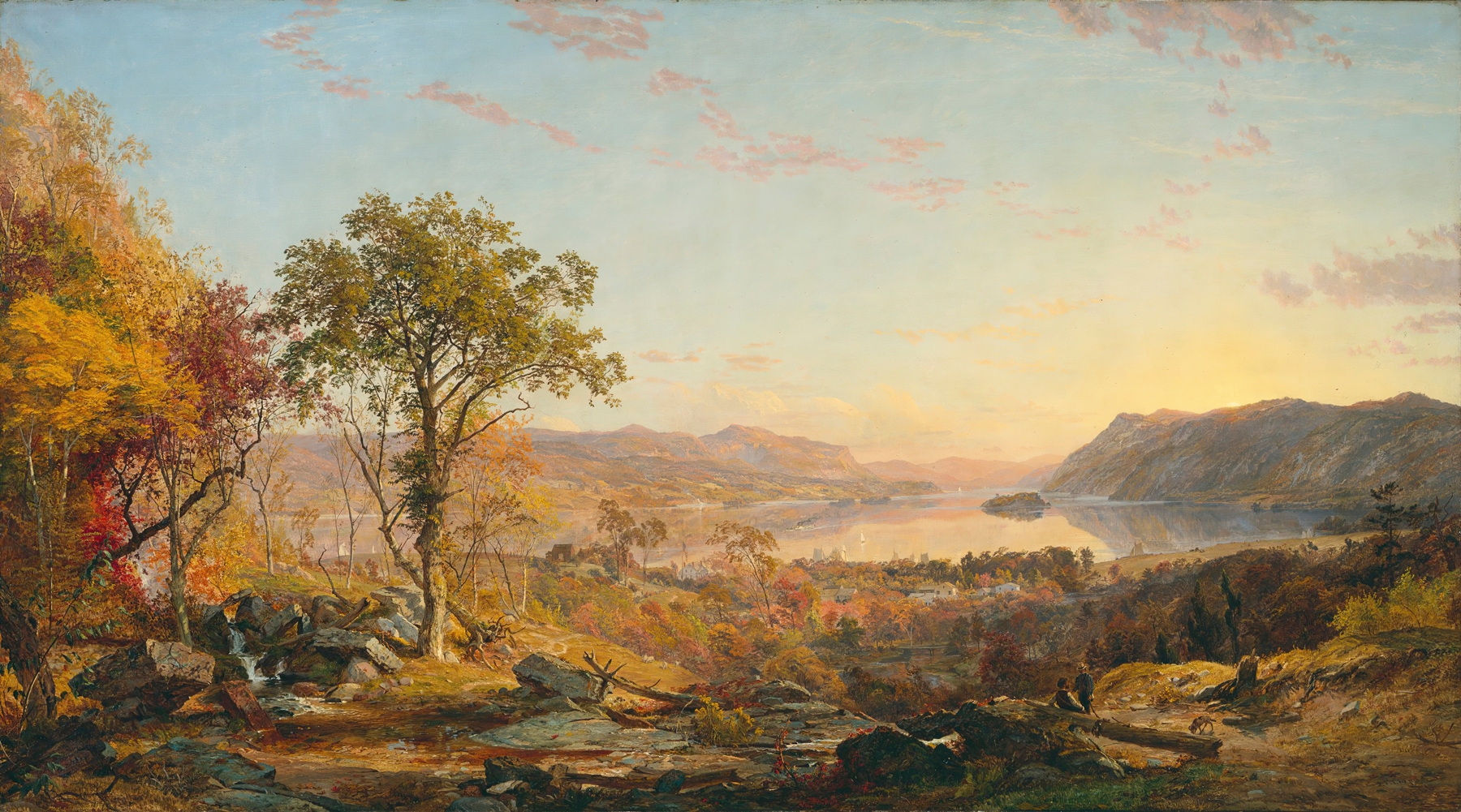
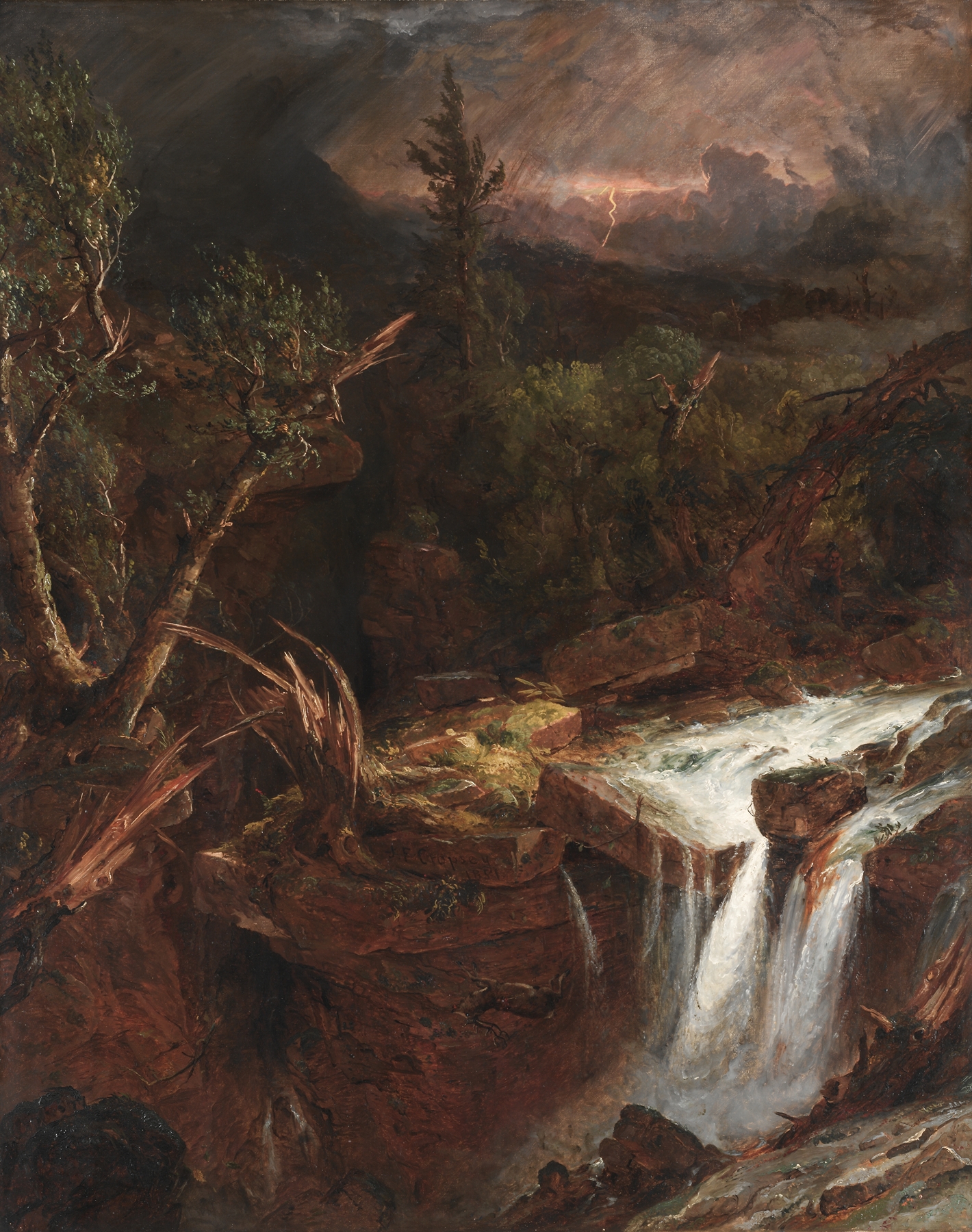
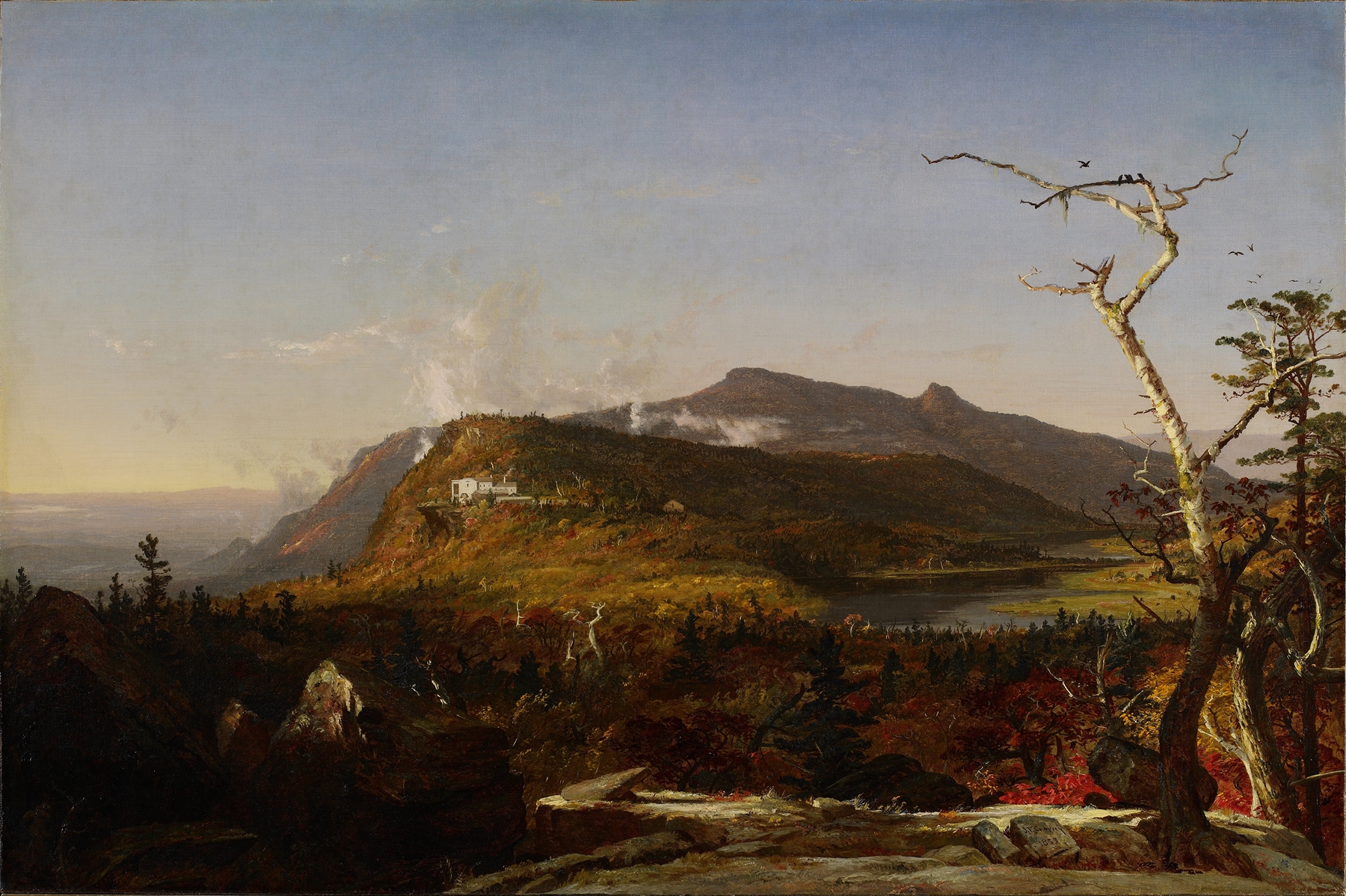
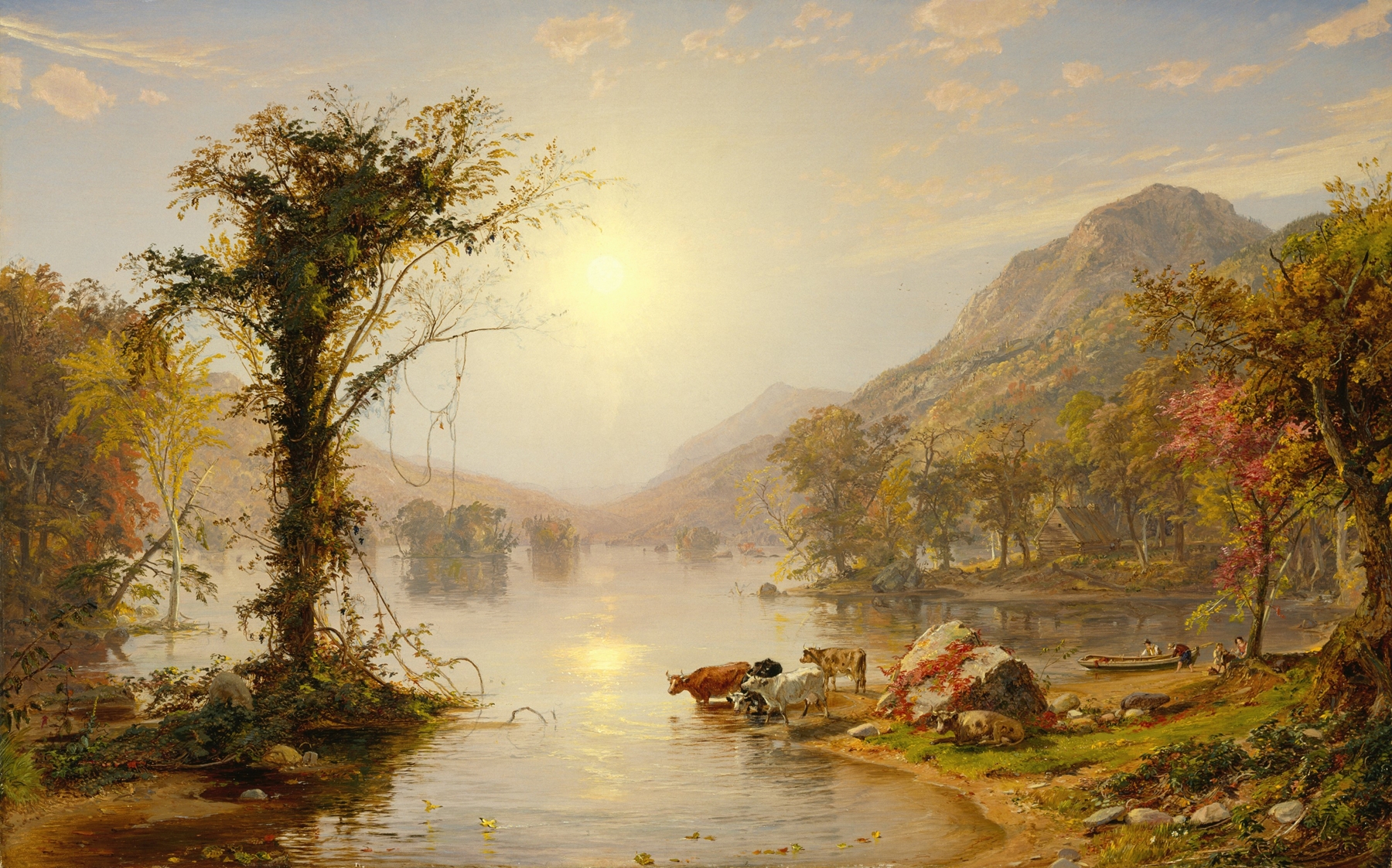
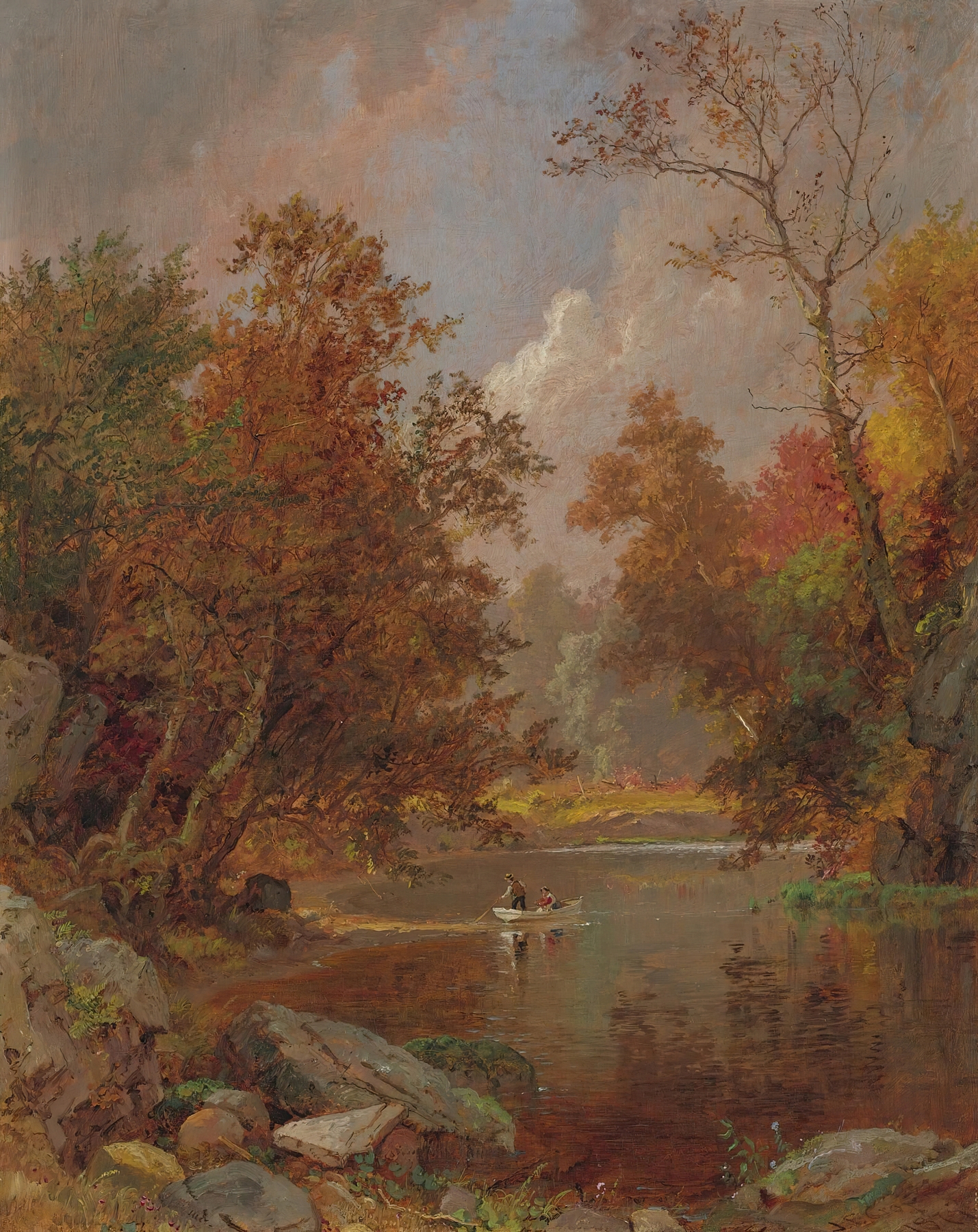
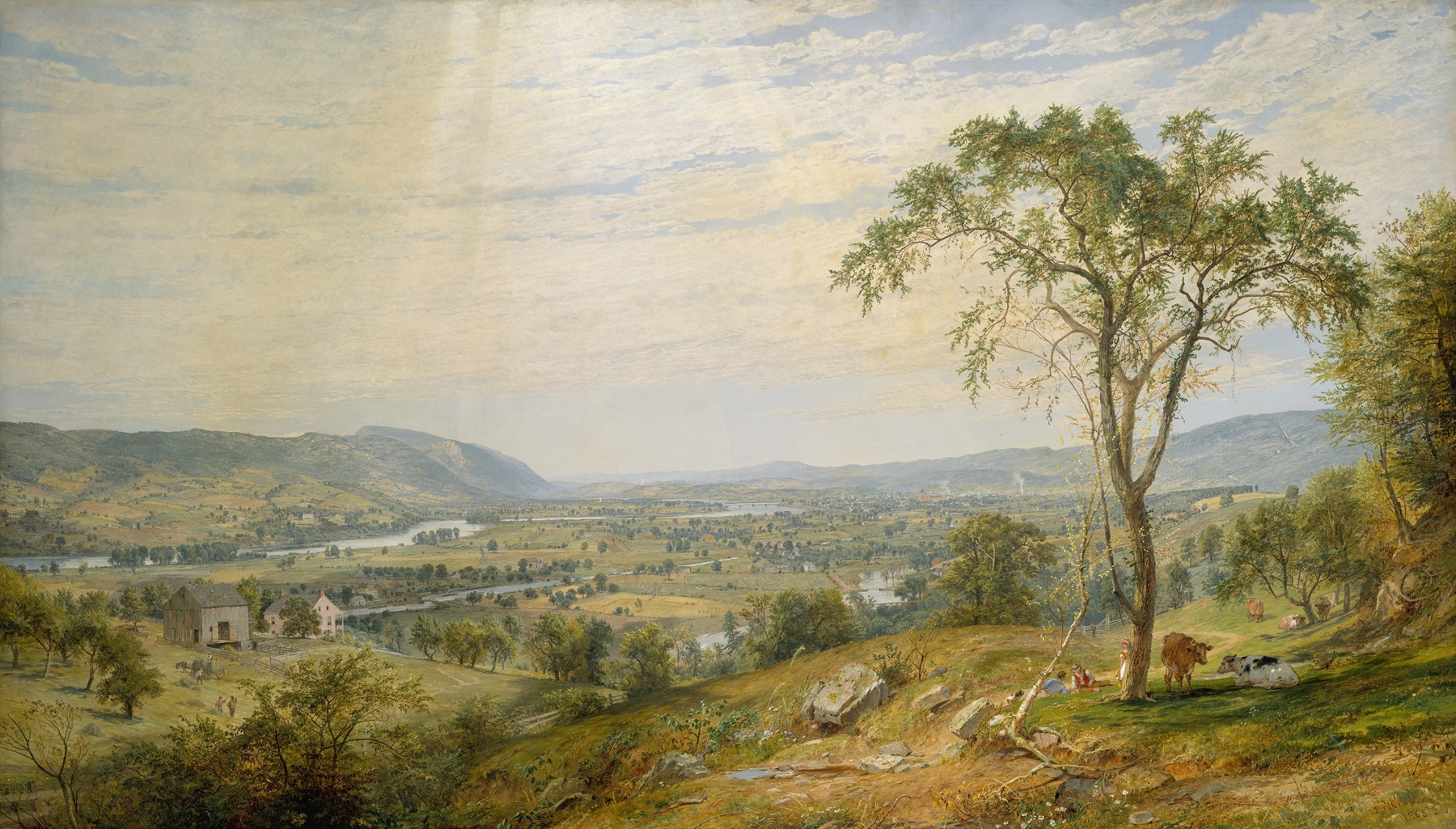
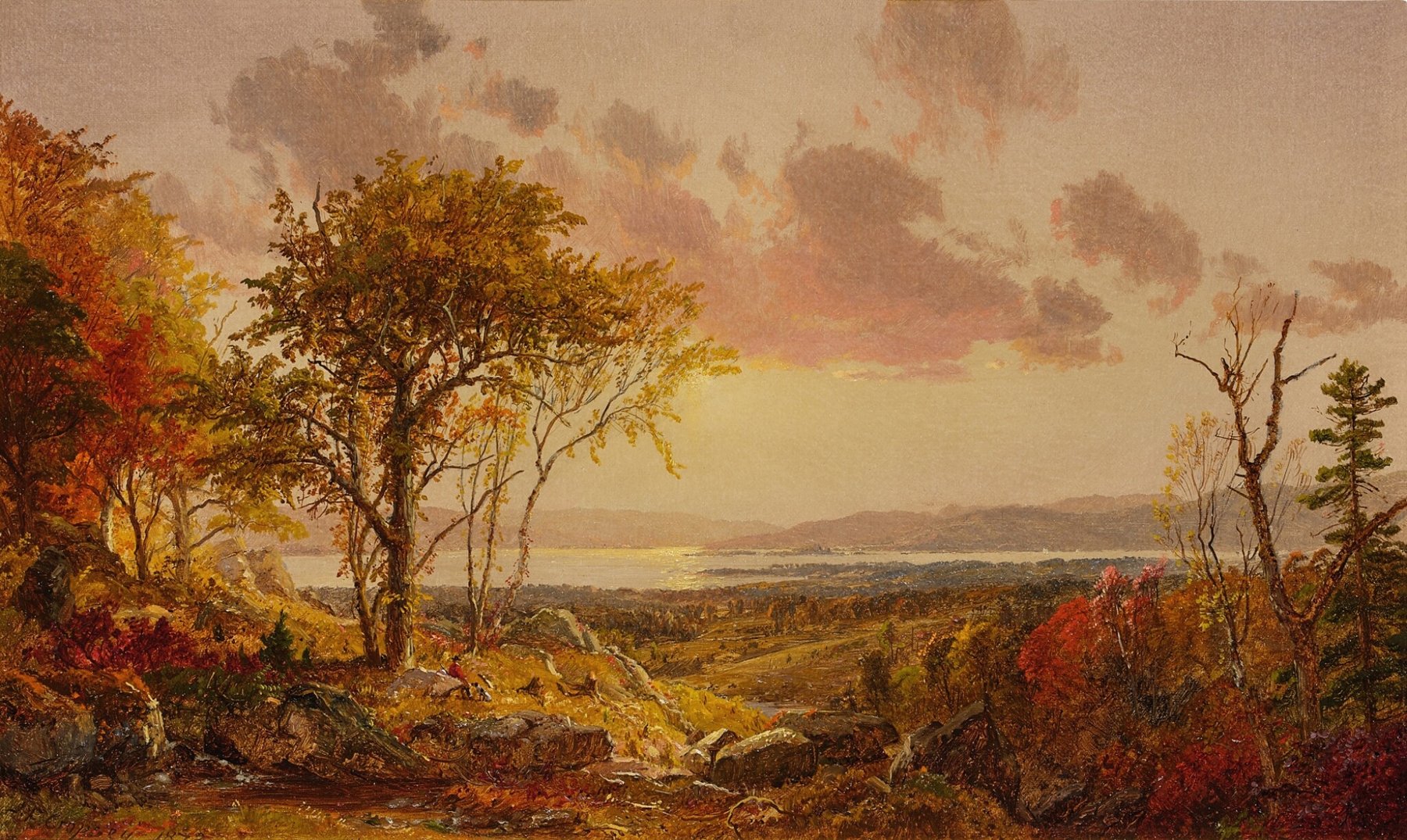
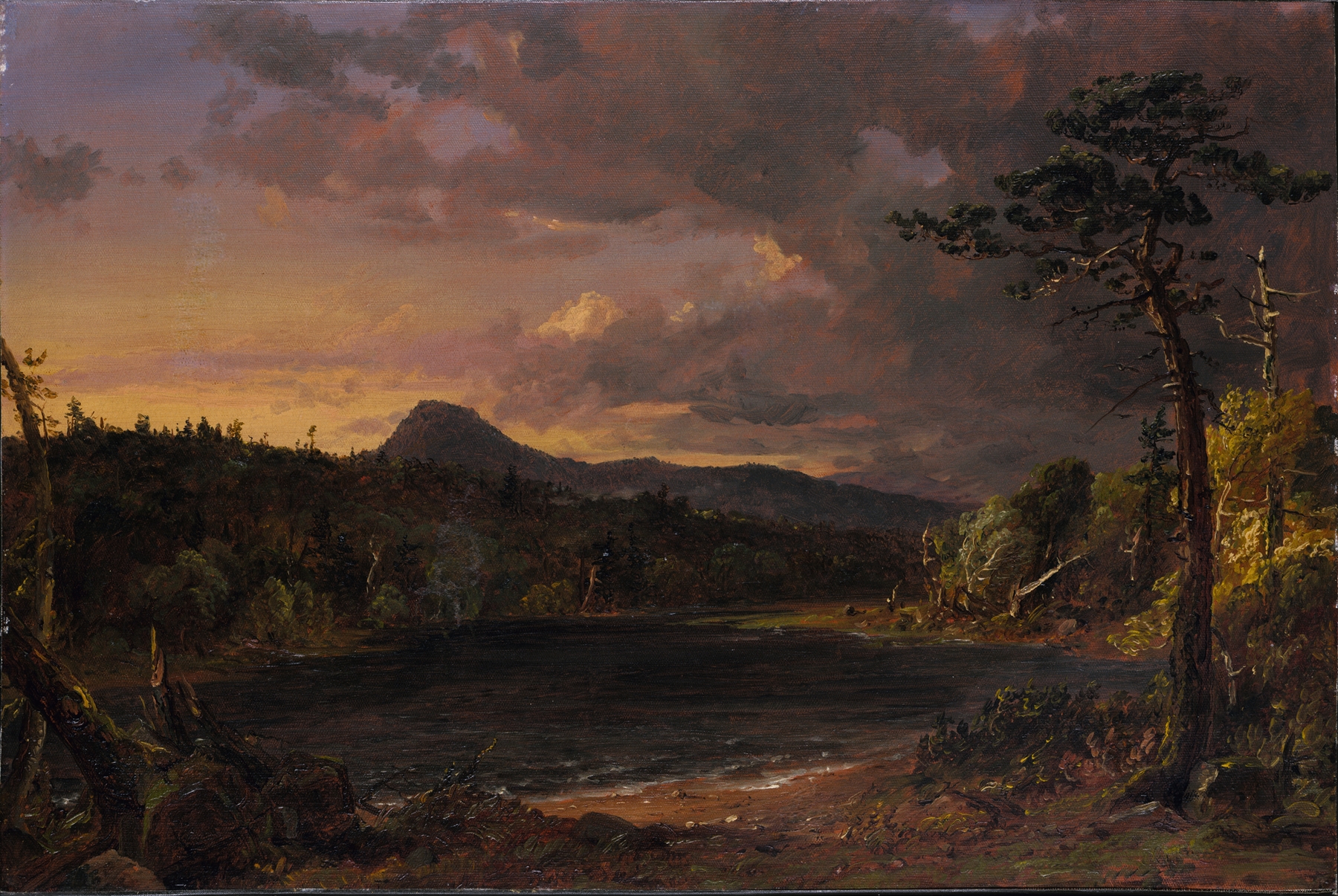
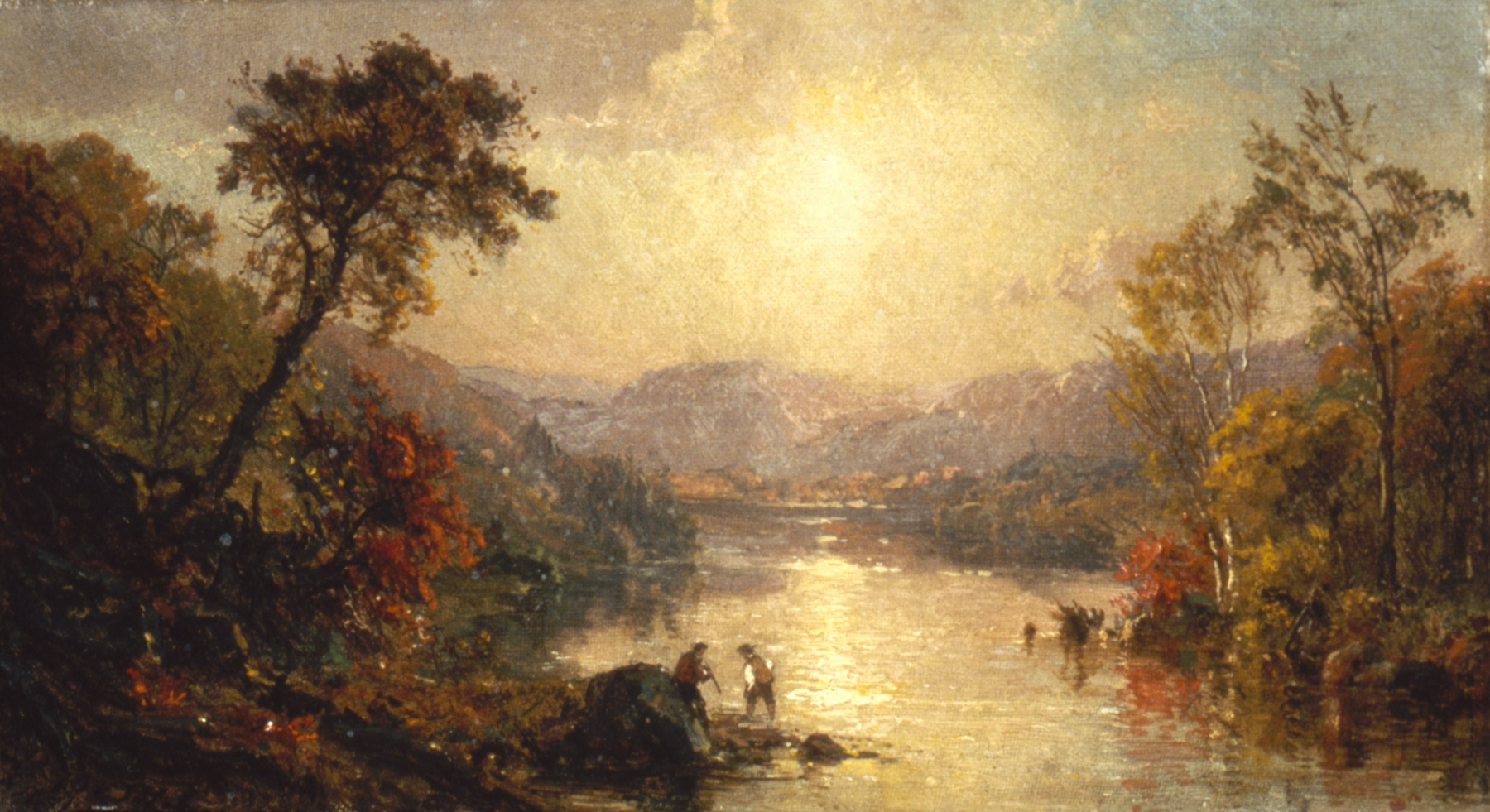
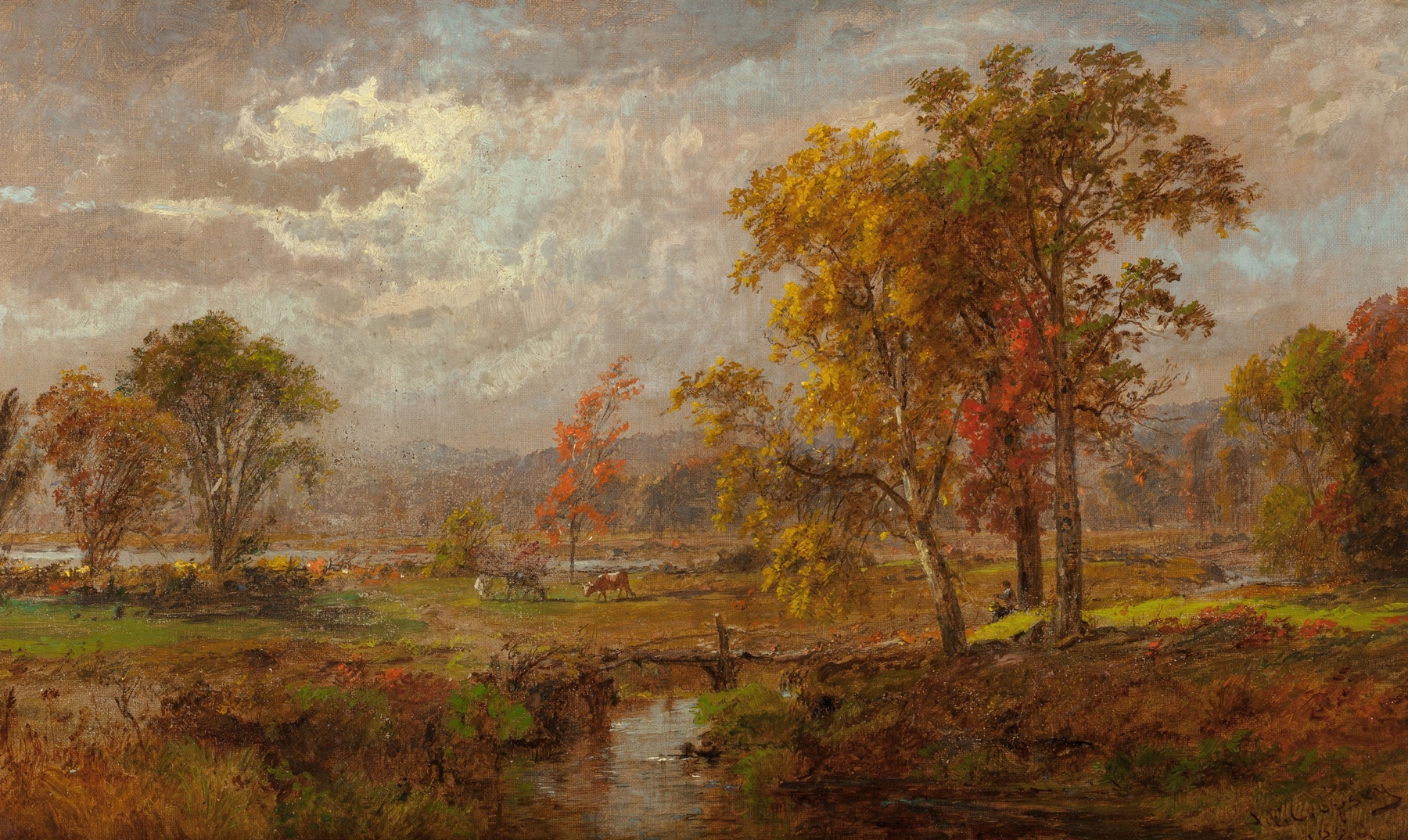
Can paint confess what words never could? In Autumn Landscape, the tumult of nature's transformation whispers the deep, violent undercurrents of change that words often shy away from. Look to the horizon where jagged trees, their branches reaching like desperate hands, create a stark silhouette against a tumultuous sky. The fiery hues of orange and red, pulsating like a heartbeat, draw the eye inward, while the cool, muted greens of the foreground ground the scene in a somber reality.
Notice how the clouds roll overhead, swirling as if in protest, their ominous shadows cast over the land, amplifying the feeling of unrest that permeates this idyllic autumn vista. Embedded in this composition is a tension that speaks to the fragility of harmony in nature. The striking contrast between the vibrant colors and the encroaching darkness hints at the violence lurking beneath the surface—a reminder that beauty and destruction often exist in tandem.
Each brushstroke vibrates with an emotional resonance, urging the viewer to confront the delicate balance between life and decay, hope and despair. In 1889, while working on this piece, Cropsey found himself in a world increasingly torn by industrialization and urbanization, as the encroachment of modernity threatened the splendor of untouched landscapes. This painting emerged during a reflective period in the artist's life, when he sought to immortalize nature's fleeting glory, grappling with the complexities of progress and preservation within the evolving narrative of American art.